Festival · A fast from dawn until the moon is seen through a sieve
Karva Chauth
A married woman's fast for her husband's long life, kept on the fourth day of the waning moon of Kartika. She eats the sargi before dawn, takes nothing at all through the day, hears the story of Veeravati in the afternoon with the other women, and breaks the fast only when the moon has risen and she has seen it through a sieve, offered it water, and looked at her husband.
Also calledKarwa ChauthKarak ChaturthiKarva Chauth vrat
Next, in 2026Thursday 29 October 2026
Prime godsParvati and Chandra
with 2 more
WhereNorth India, above all Punjab, Haryana, Rajasthan, Uttar Pradesh, Delhi, Madhya Pradesh and Himachal Pradesh
How longOne day, from before dawn to moonrise
The fourth day of the dark fortnight of Kartika (by the northern calendar), in October or November, nine days before Diwali
Why it is kept
Karva Chauth is named for the karva, a small clay pot with a spout, and chauth, the fourth day. On the fourth day of the waning moon of Kartika, in the north, married women keep a fast for their husbands from before dawn until the moon rises, without food and without water. It is one of the strictest fasts of the year, and for many women in Punjab and the north one of the most loved.
A wife keeps it for her husband's long life and safety, and a young woman for the husband she hopes for. The stories read during the fast are about wives who brought their husbands back. Veeravati broke her fast on a false moon her brothers made, lost her husband, and won him back with a year of fasts. Karva bound a crocodile with a cotton thread and made Yama himself give way. The vow books say Krishna taught the fast to Draupadi when Arjuna was far away in the hills.
There is also a reason in the calendar. Karva Chauth falls just after the wheat is sown in the north, when the wells and pots are full after the rains, and the karva of water is part of the worship. Some say it began as a day for women to meet the friend they had made in their husband's village, and to ask for each other's well-being too.
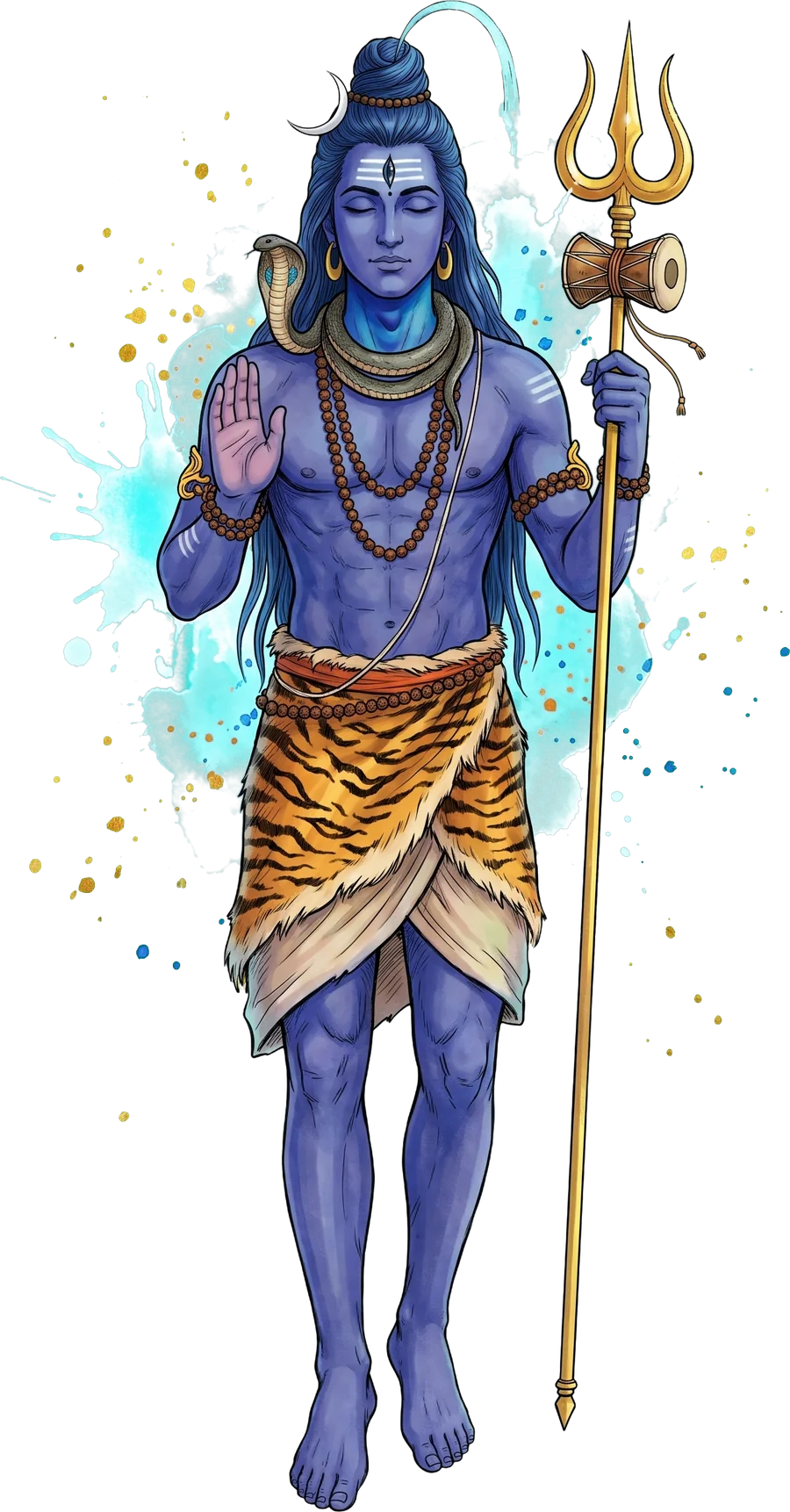
The goddess as Gauri, the model of a wife whose devotion won her husband. Women worship her for a long married life, and the image painted for the puja shows her with Shiva and their sons.
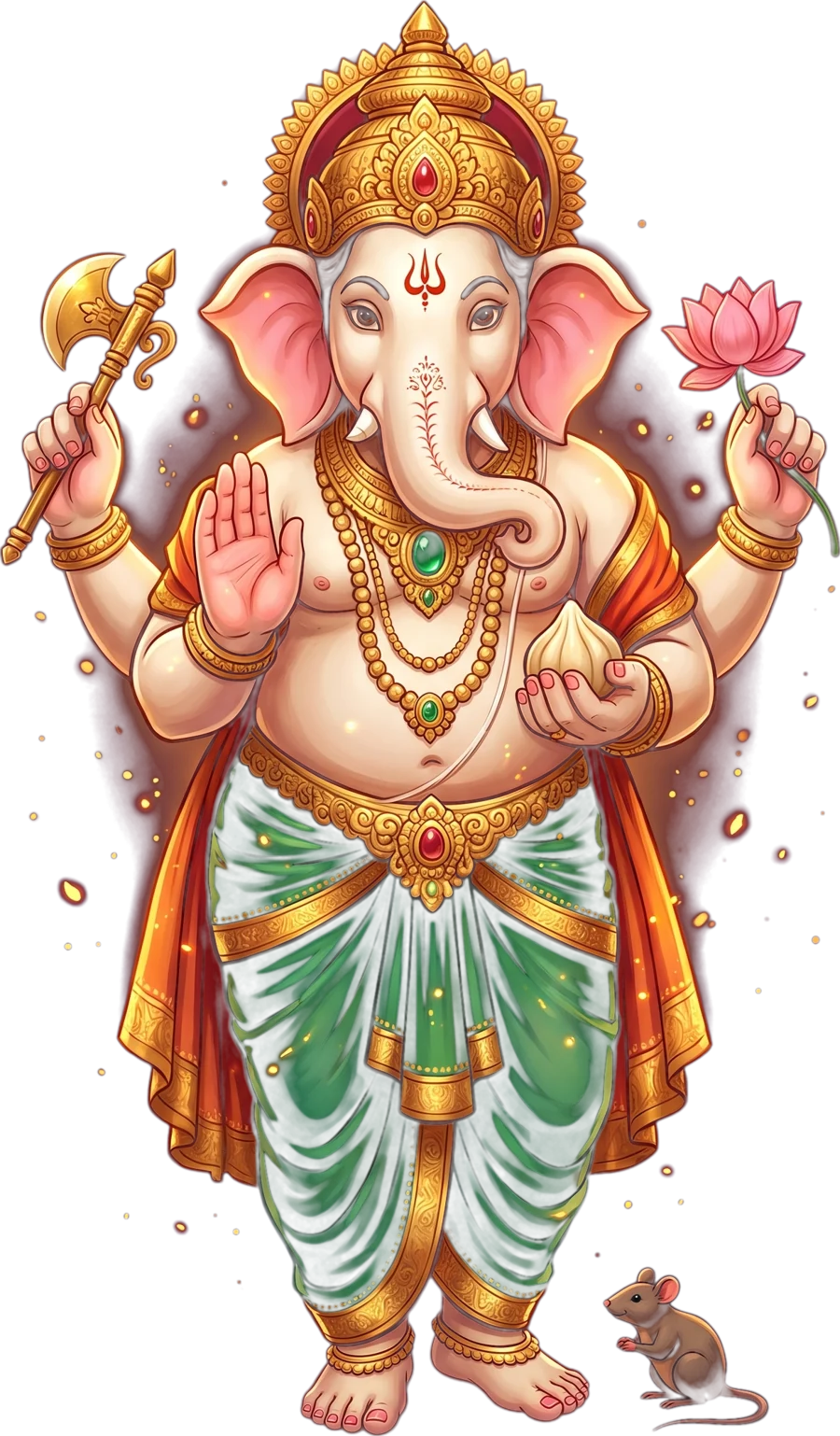
Their sons, worshipped with them, and Ganesha first of all as the lord of the fourth day.
C
Prime god
Chandra
The moon, for whose rising the whole day waits. He is given water from the karva and the fast is broken only after he has been seen.
The day of the fast
1
Sargi
Before sunrise on the fourth of the dark fortnight of Kartika · Thursday 29 October 2026
the meal before dawn
The mother-in-law sends her daughter-in-law a sargi, a plate of sweets, dry fruit, fruit, mathri and pheni, often with clothes and jewellery. She eats it before dawn, and from sunrise takes no food and no water.
2
The katha
The afternoon of the same day · Thursday 29 October 2026
the Karva Chauth puja
The women of the neighbourhood, dressed as brides in red, sit in a circle with their decorated thalis and their karva pots of water. One of them, or a priest, reads the Karva Chauth katha, and they pass the thalis round the circle seven times, singing the fast's song. Each woman gives her mother-in-law a baya, a gift of food and clothes.
The evening of the same day · Thursday 29 October 2026
Chandrodayabreaking the fast
The women go up to the roof or out into the open and wait. When the moon rises, each looks at it through a sieve, offers it water from her karva, and then looks at her husband through the sieve. He gives her the first sip of water and the first bite of food, and the fast is over.
The festival at its fullest, with the sargi, the evening circle and its song, and markets full of bangles, mehndi and karvas for days before. In the cities it has become one of the year's great family occasions, and many husbands now keep the fast too.
Rajasthan
The katha is told with a painted picture of the moon, Gauri and the tree, and in some families the women pass the thali with a different song and worship the karva as Gauri herself.
Uttar Pradesh and Madhya Pradesh
Kept as Karak Chaturthi, often with the image of Gauri made of clay or drawn on the wall, and the karva filled with grain.
Abroad
Kept by Punjabi and North Indian families across the world. Because the moon rises at a different time and the day itself can fall a day earlier, the almanacs of North America give their own date, which in 2026 falls there on Wednesday 28 October.
Sikh and Hindu Punjabi familiesKept across the communities of Punjab
Karva Chauth is kept by Punjabi women of Hindu and Sikh families alike, as a custom of the region more than of any one faith, and the sargi and the circle are shared between neighbours.
How it is kept
The day starts before dawn with the sargi sent by the mother-in-law. After that, nothing, not even water. Women dress as brides, in red and gold, with mehndi on their hands from the night before. In the afternoon they gather in a circle with decorated thalis, a karva of water and a lamp, and listen to the story. Then they pass the thalis round, singing the song that lists what may not be done that day, no spinning, no sewing, no sleeping.
In the evening everyone waits for the moon. When it rises, a woman looks at it through a sieve, offers it water from her karva, then looks through the sieve at her husband. He gives her water and the first bite of food. Almanacs print the moonrise time for every city, and in cloudy places families phone each other to find out whether the moon has been seen somewhere nearby.
In the old texts
The fourth day of the waning moon is Ganesha's day every month, the Sankashti Chaturthi, and the vrata digests give the Karak Chaturthi of Kartika as a wife's fast with a pot of water. The Vamana Purana is sometimes named as the source of the vow, but the stories read on the day come from the vow books themselves, the Karva Chauth katha printed in small booklets and read aloud in the circle.
The sieve, the sargi and the song are not in any Purana. They are the custom of the north, handed down from mother-in-law to daughter-in-law. Ahoi Ashtami, the mothers' fast for their children, falls four days later, and Diwali comes nine days after.
Where this page comes from. Written by Devalok from the Karva Chauth vrat katha as read in North Indian households and printed in the vow books, the Vamana Purana and the vrata digests on the Karak Chaturthi, and accounts of the festival in Punjab, Rajasthan and Uttar Pradesh, as recorded in the Devalok Lore. Our own words throughout.