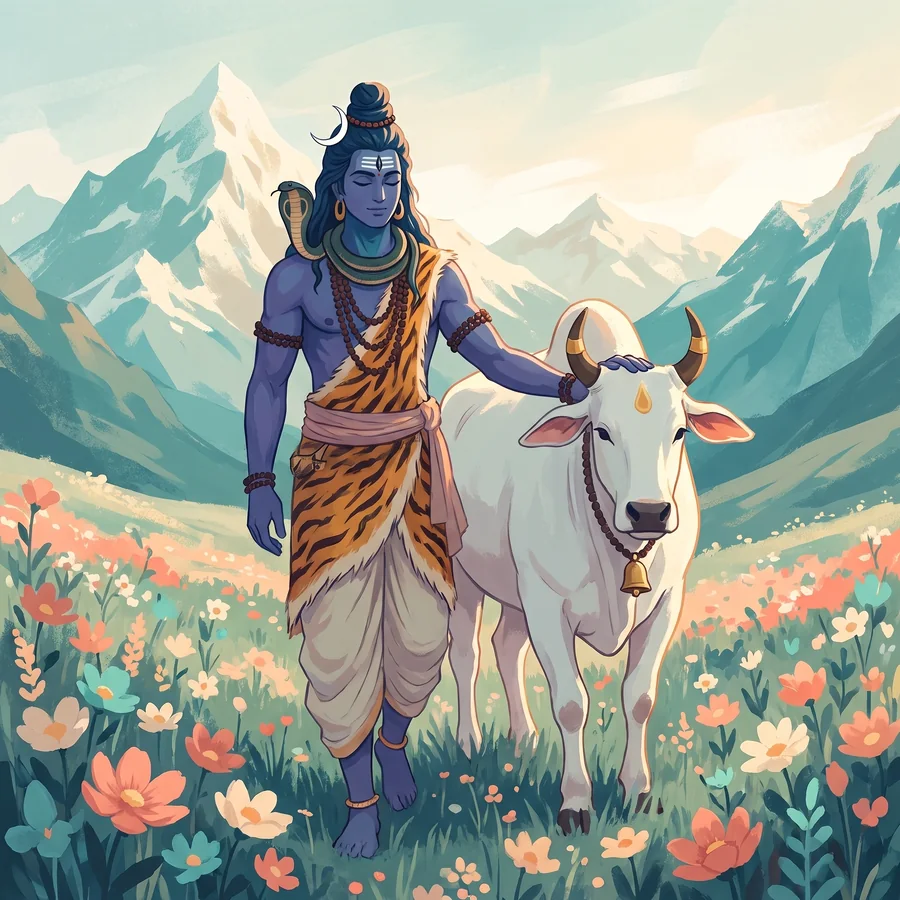
Who Shiva is
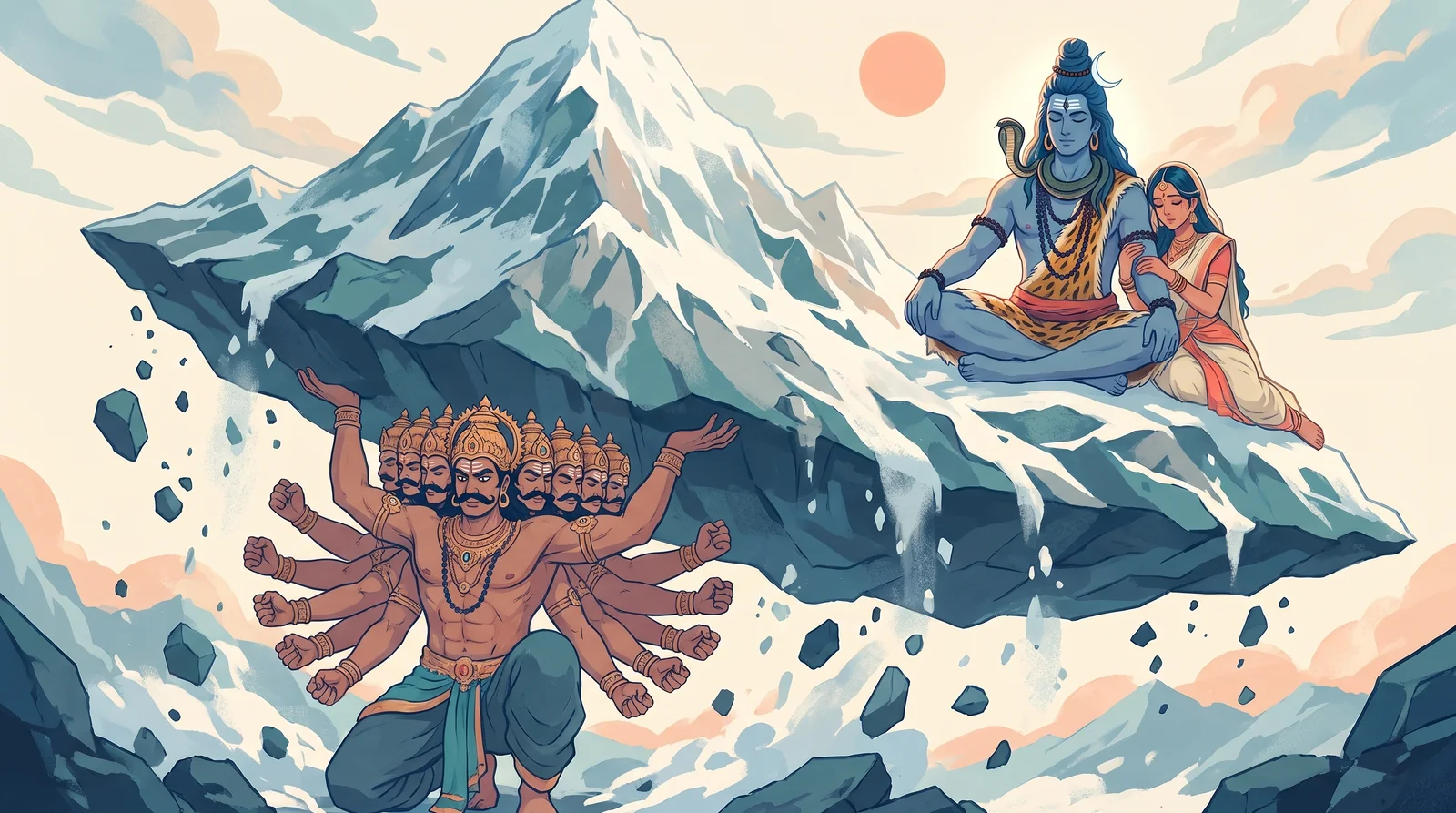
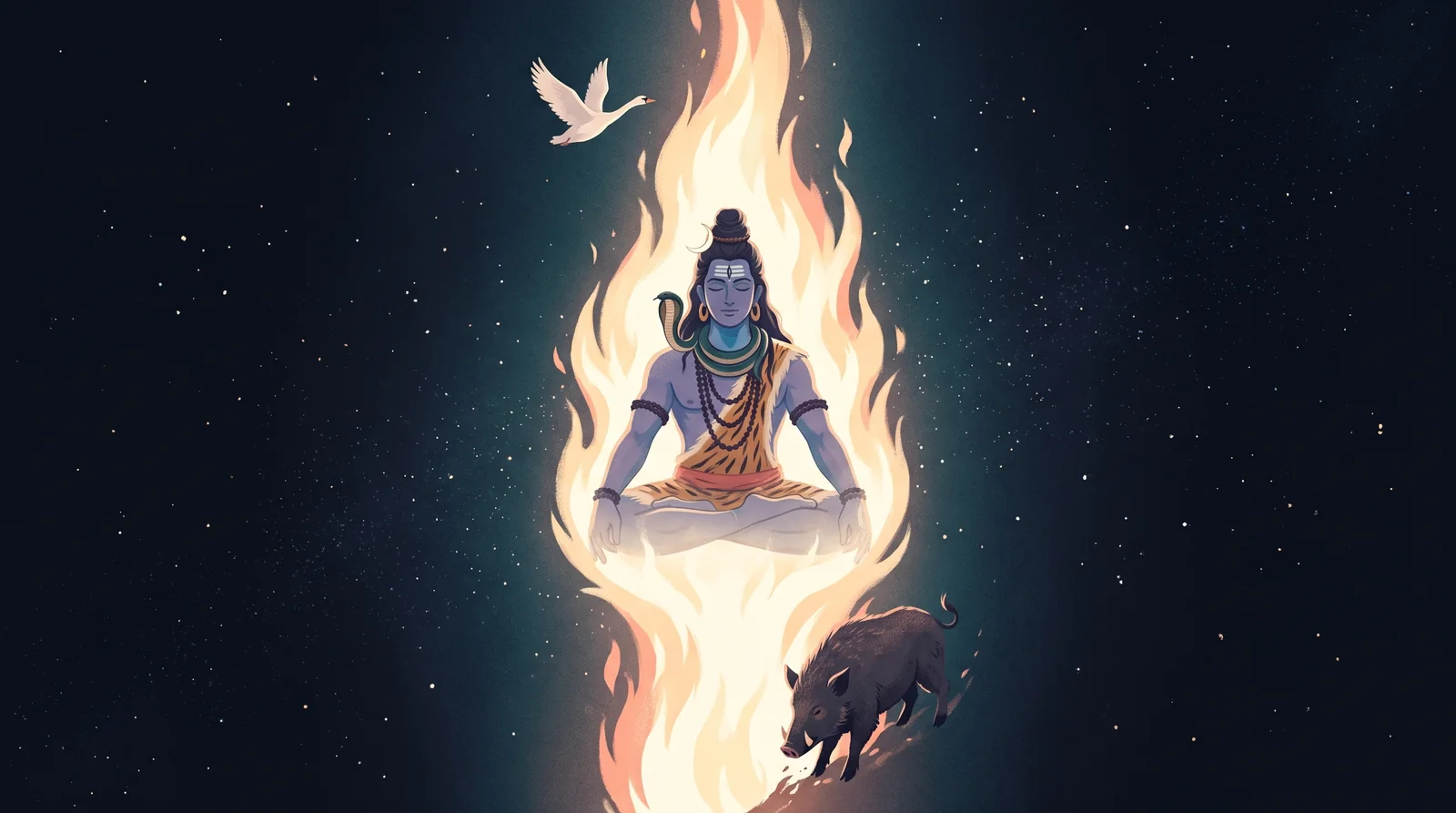
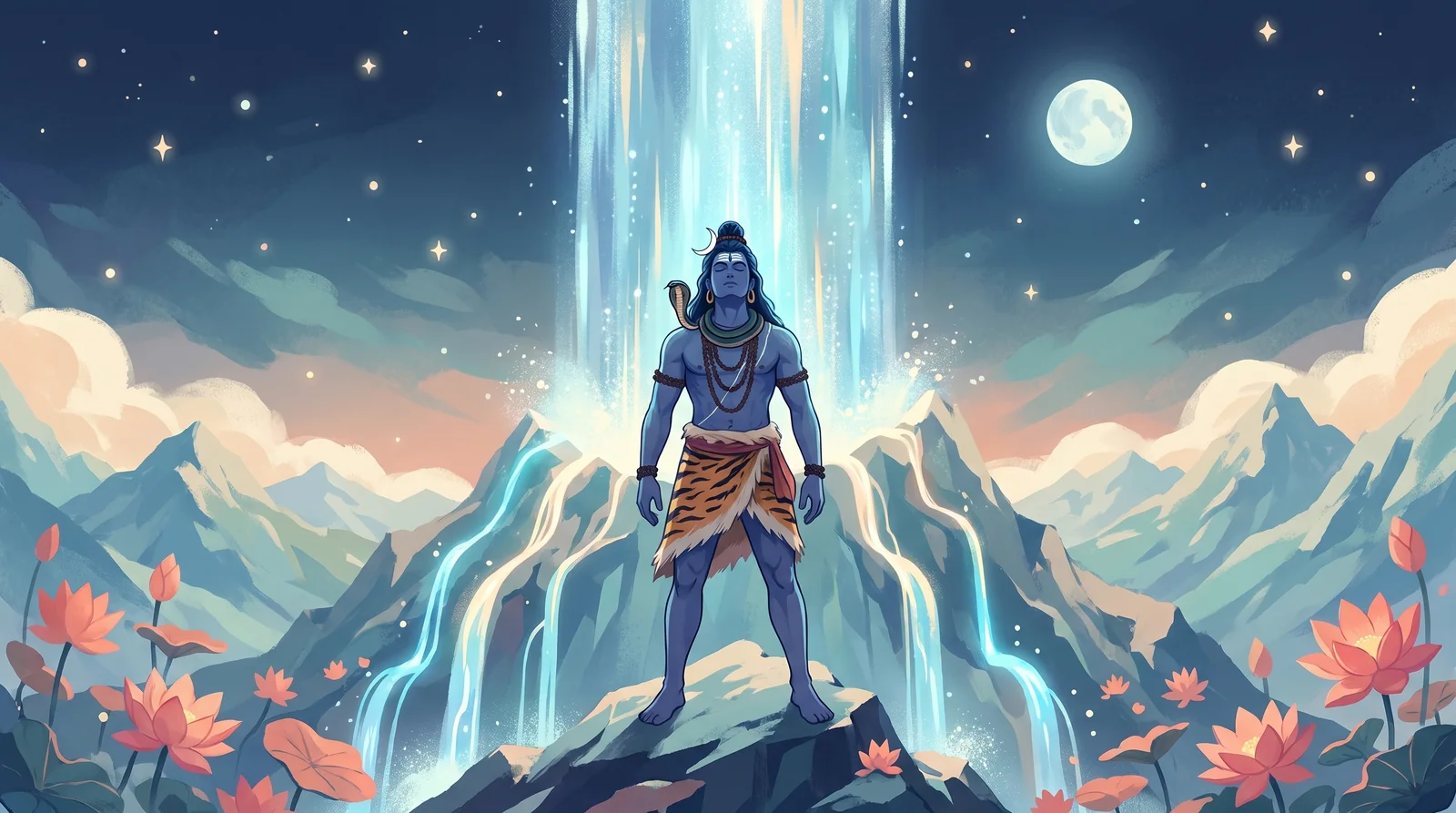
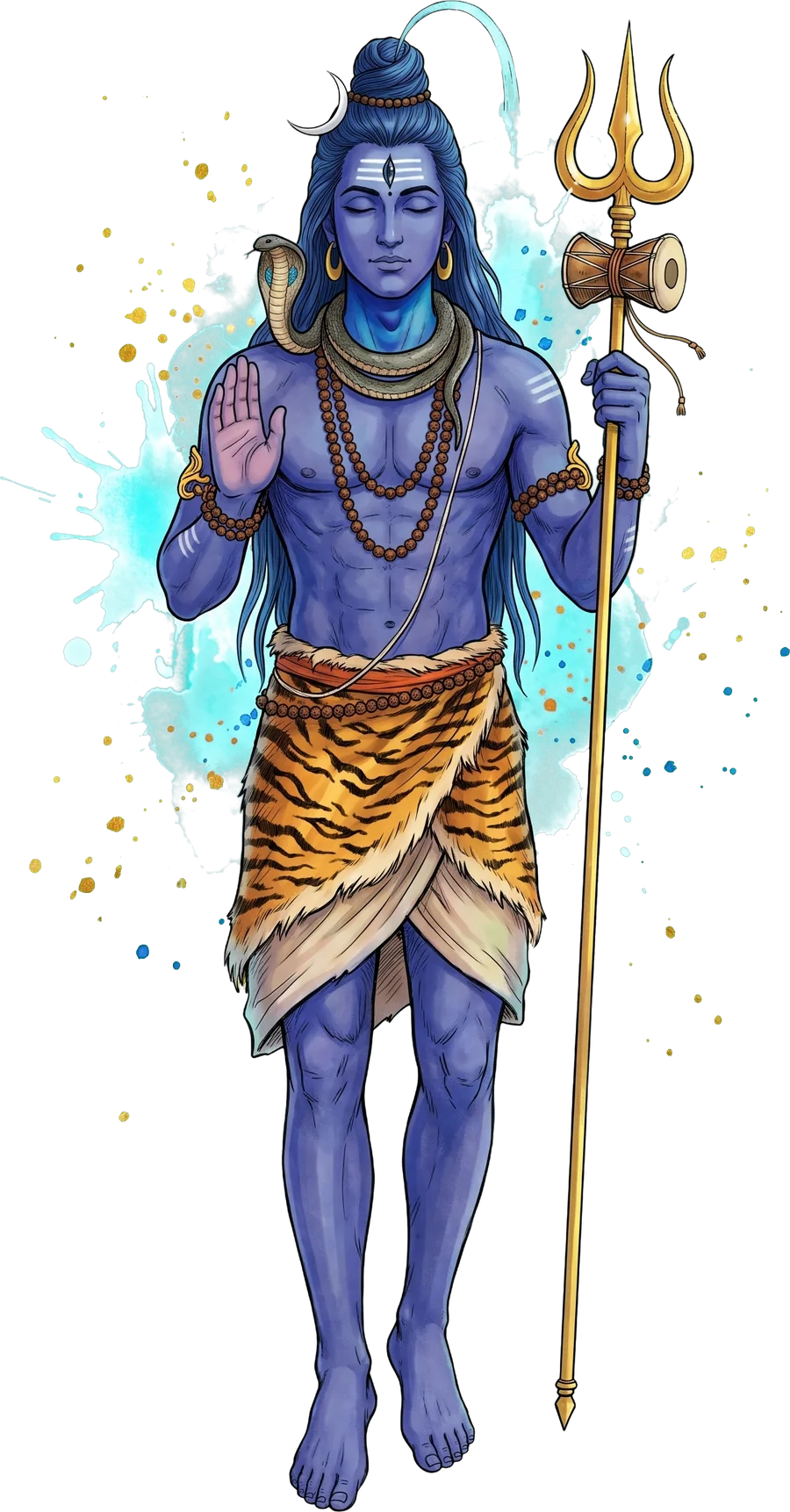
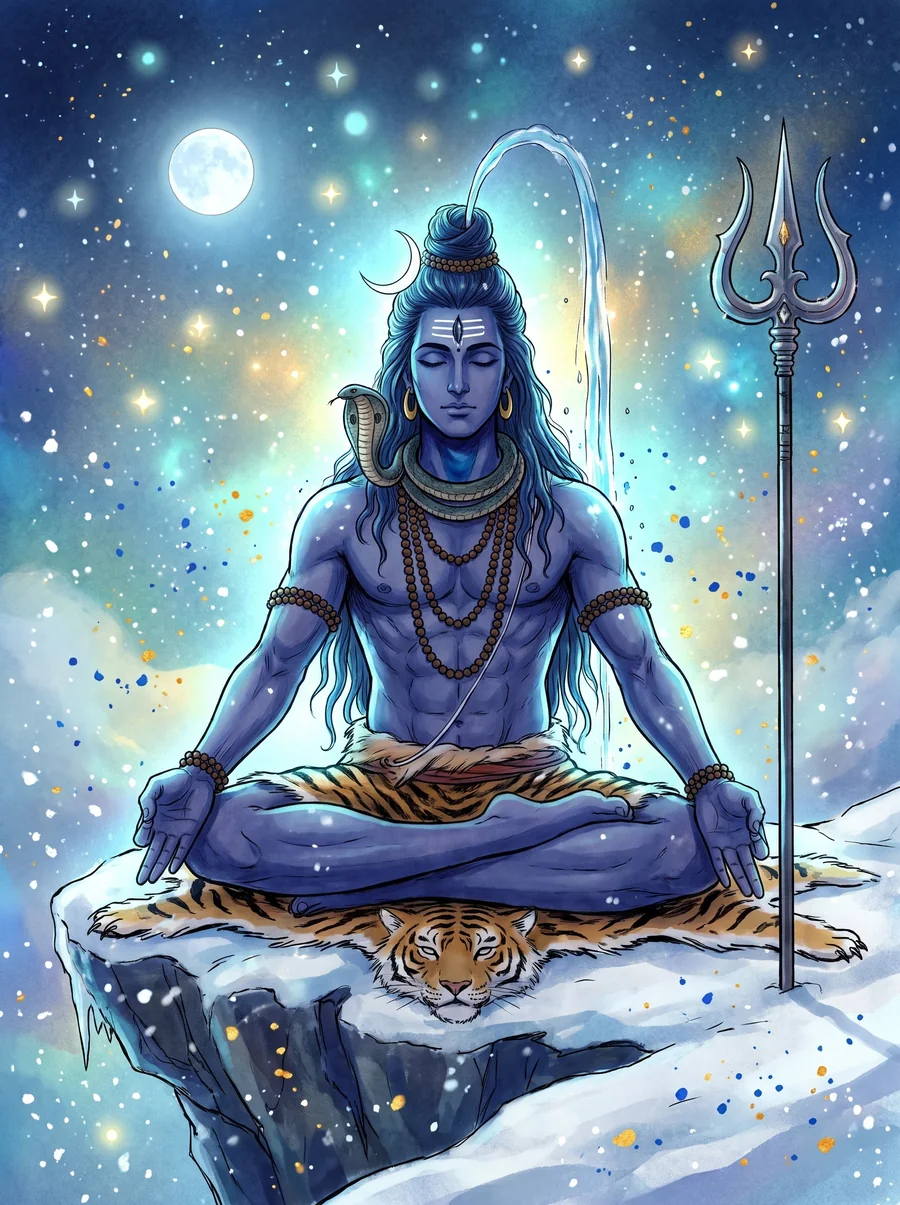
Shiva is the god who sits still. While the other gods ride out in chariots and hold court in golden halls, he sits on a snow mountain with ash on his skin, a snake around his neck and his eyes closed, and the whole universe turns around his silence.
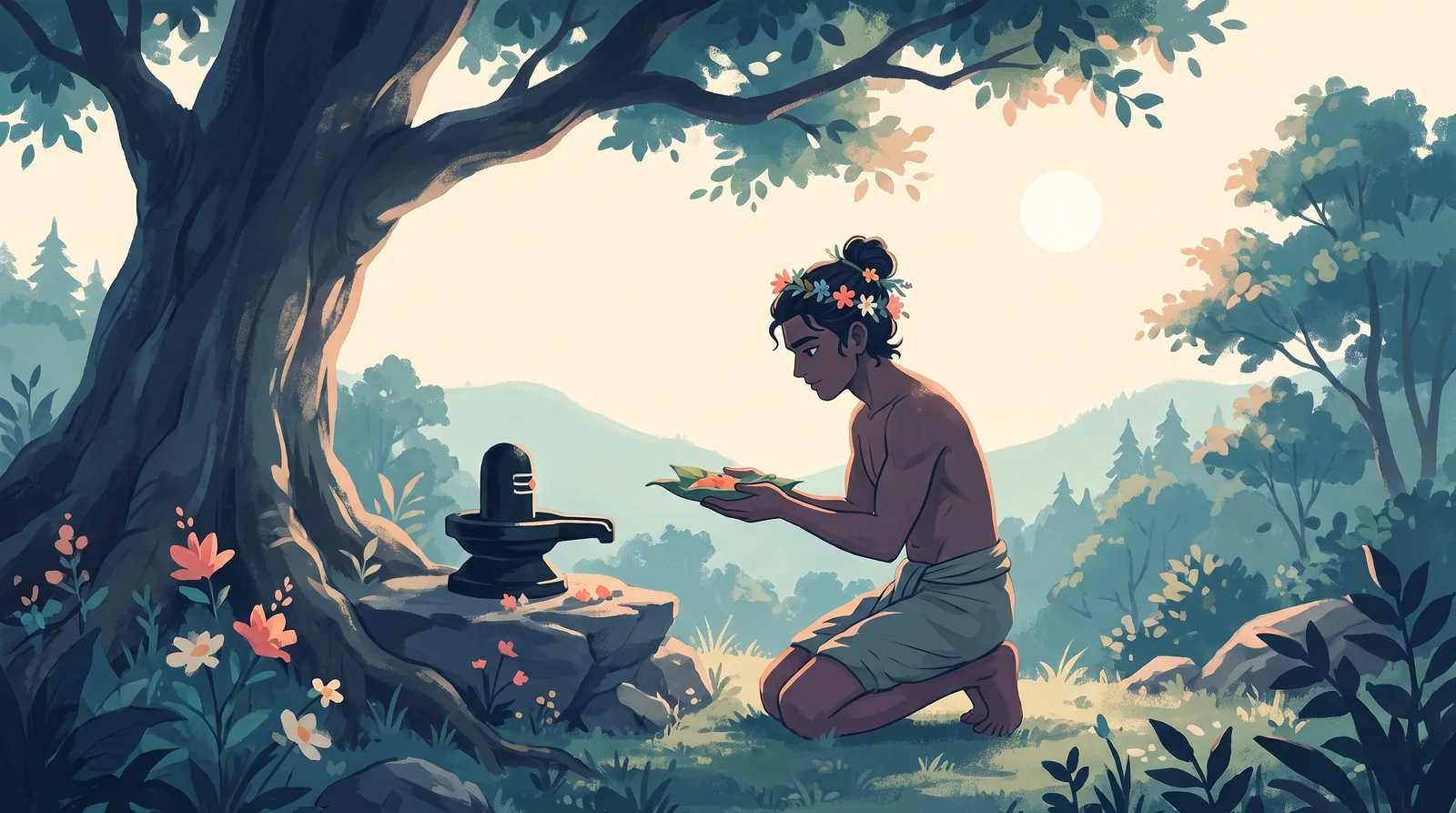
He is called the destroyer, but the word needs care. In the stories Shiva destroys what has to end: pride, cruelty, a world grown too old. He ends things so that something new can begin, which is why people who have nothing to do with destruction pray to him every morning. His most loved name is Bholenath, the simple-hearted lord, because he is the easiest of the gods to please. A leaf, a little water and an honest heart are enough, and more than one demon has taken advantage of it.
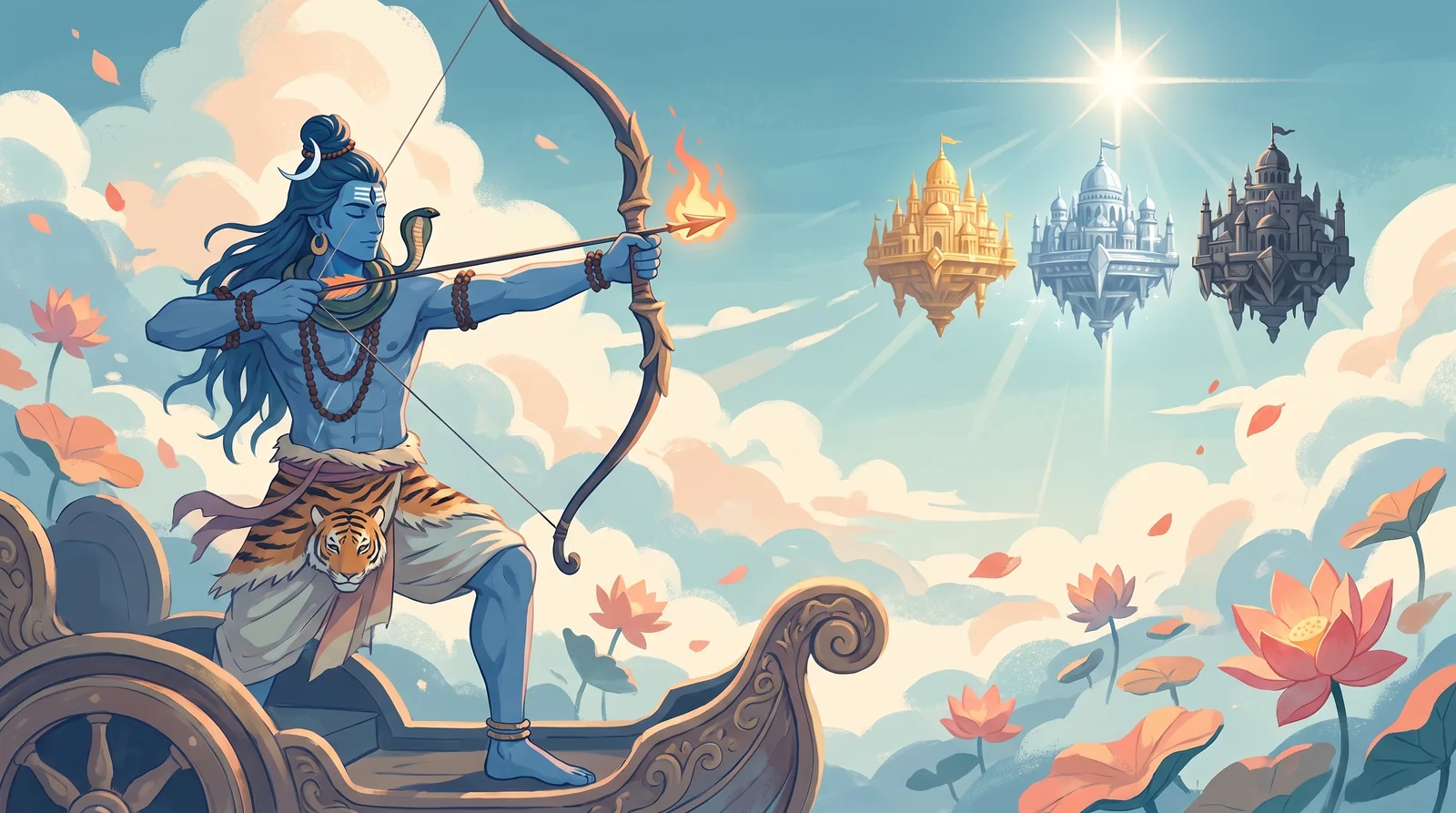
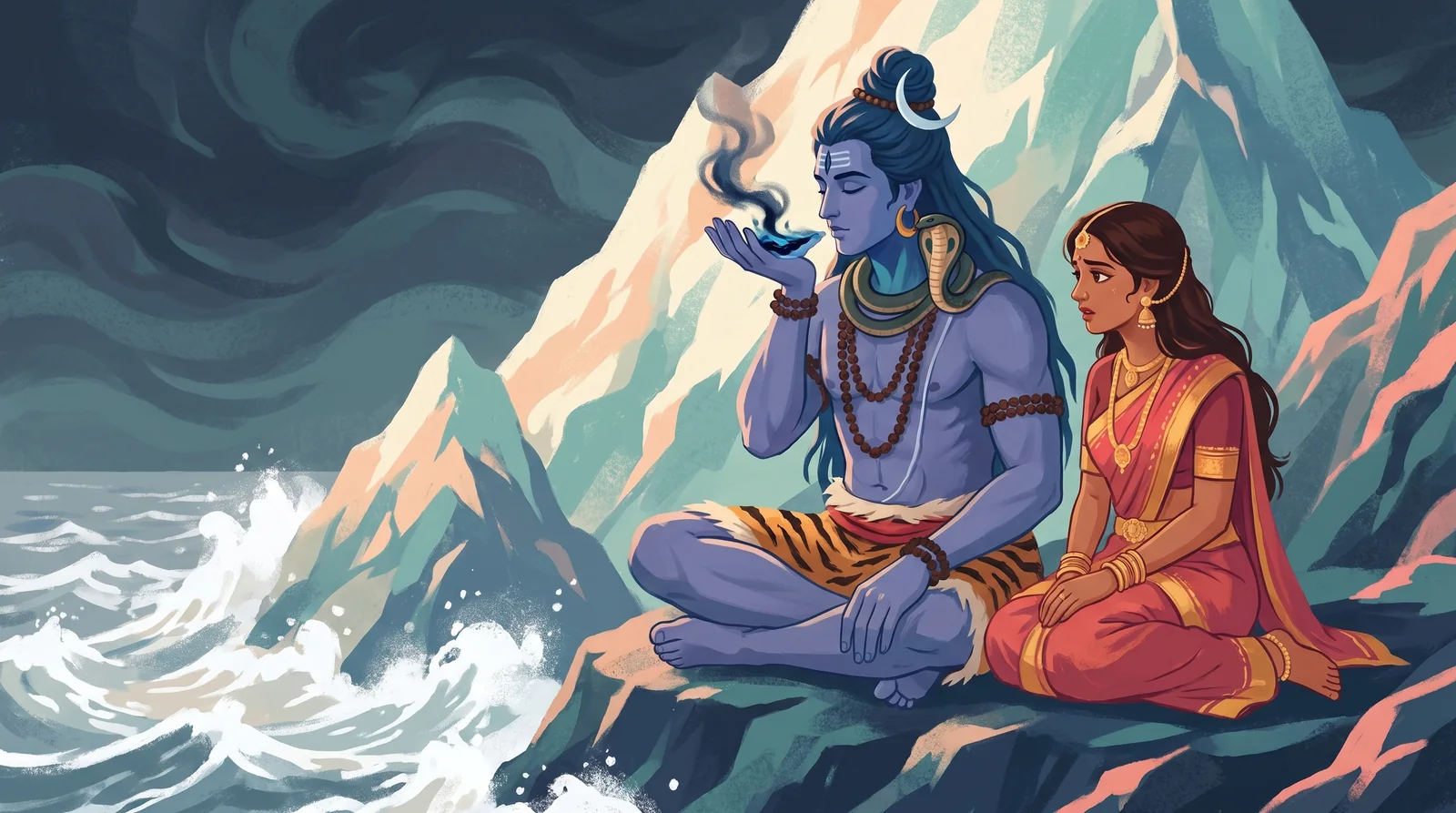
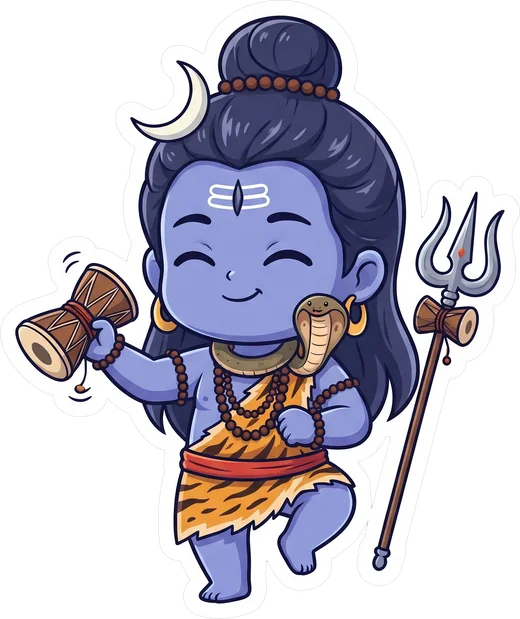
Everything he wears has a story behind it. The river in his hair is Ganga, whom he caught as she fell from heaven. His throat is blue from a poison he drank when nobody else could. The crescent moon rests in his locks, and the third eye on his forehead opens only rarely, and never without consequence.
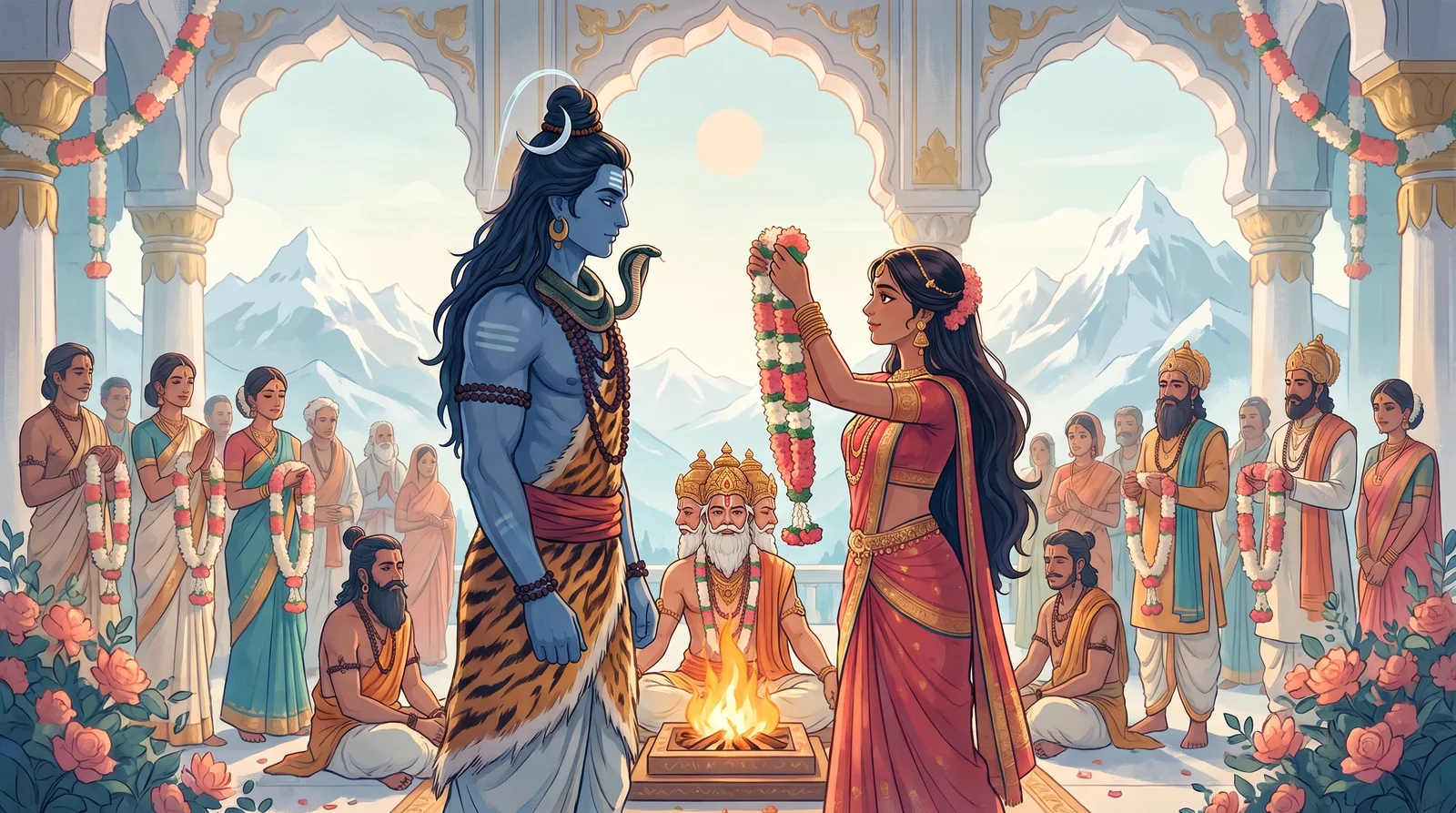
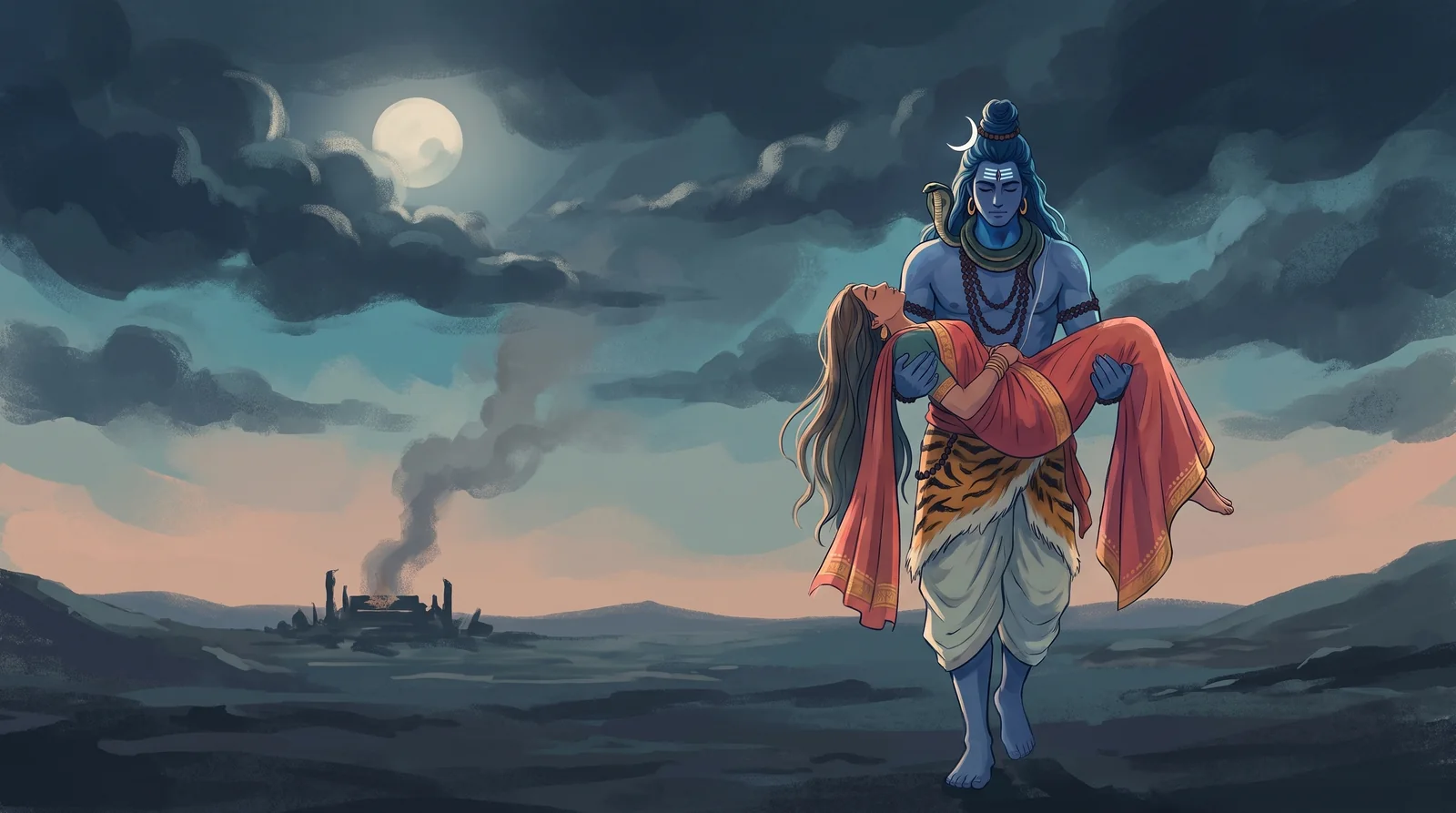
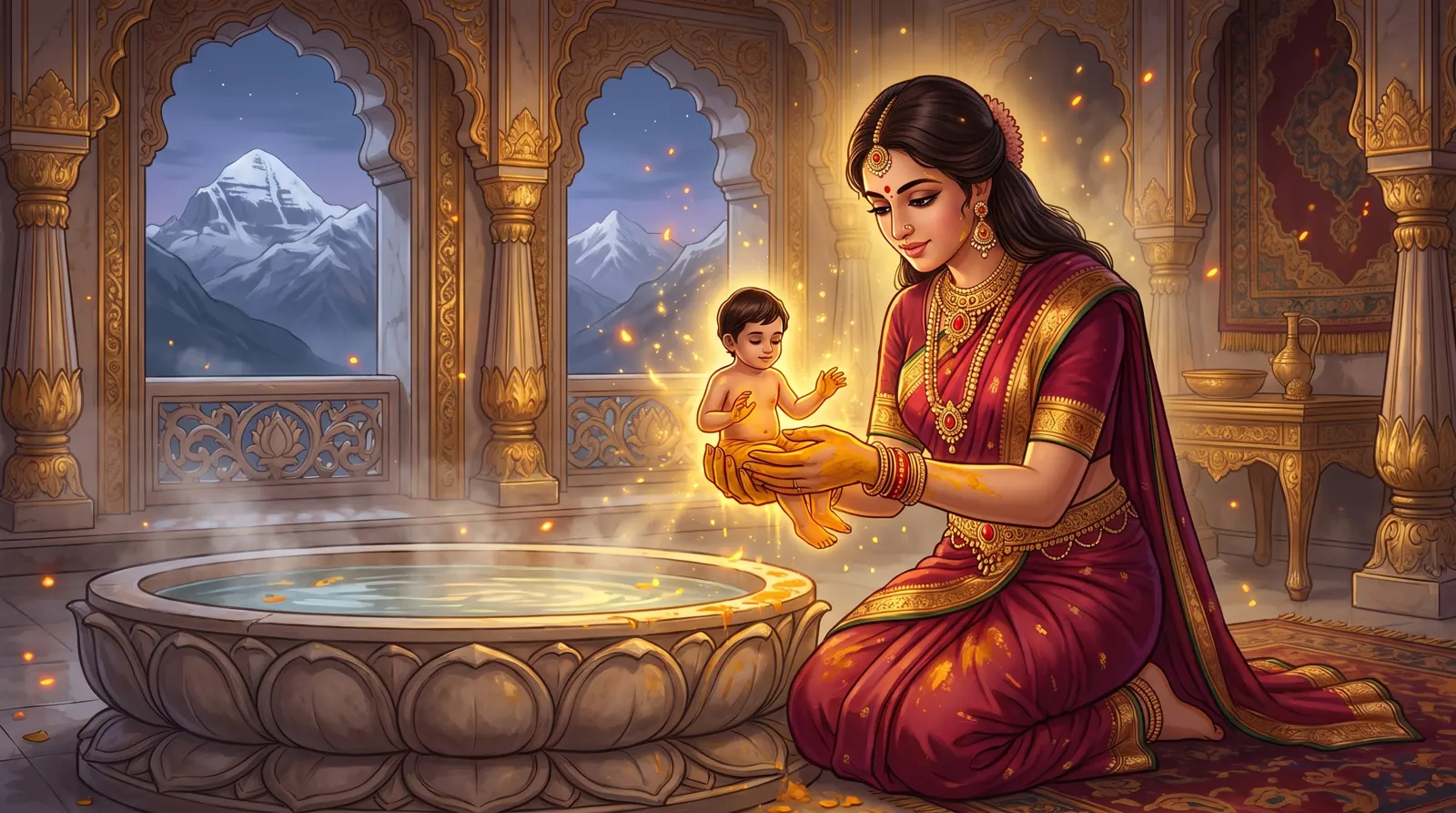
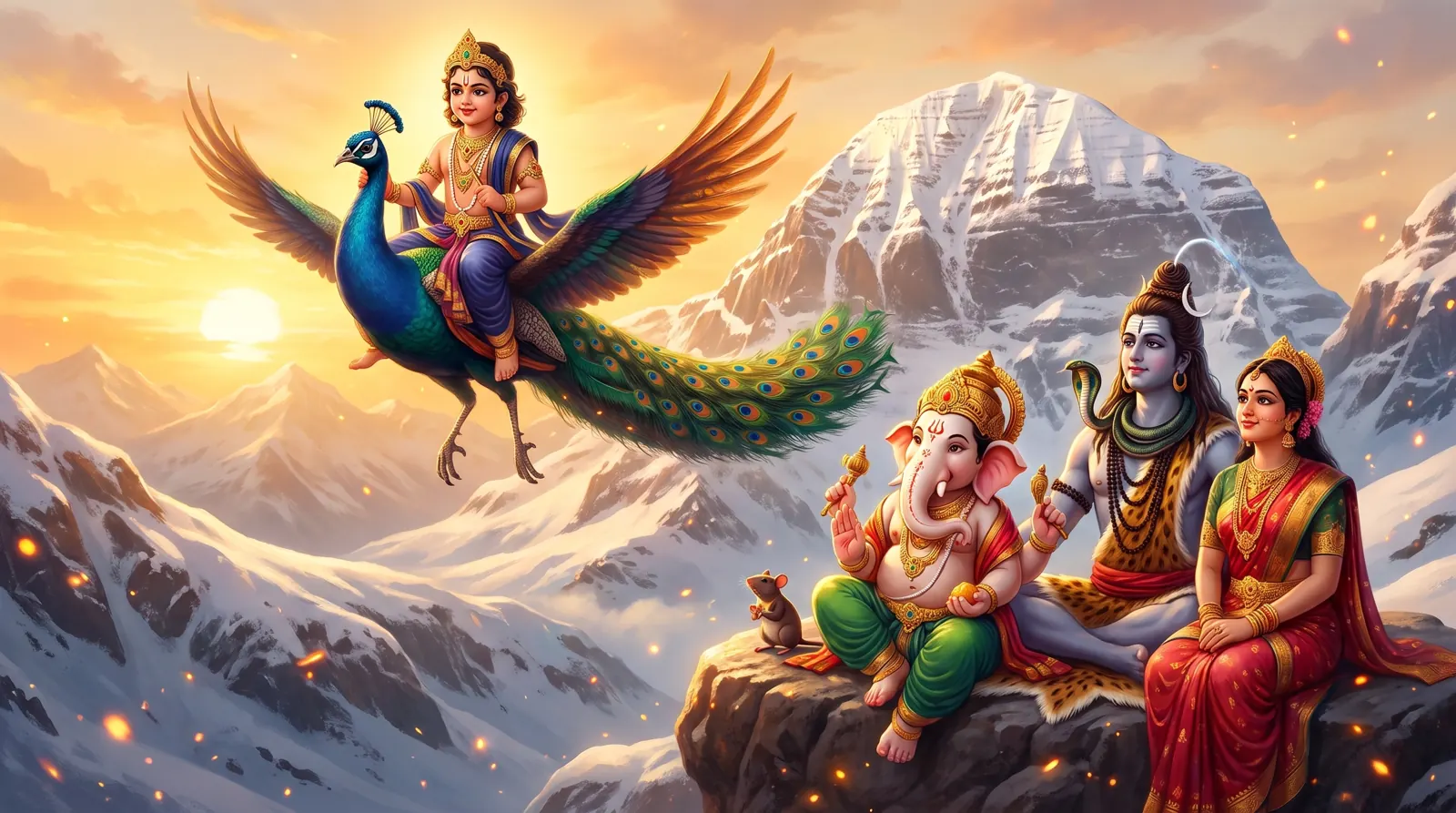
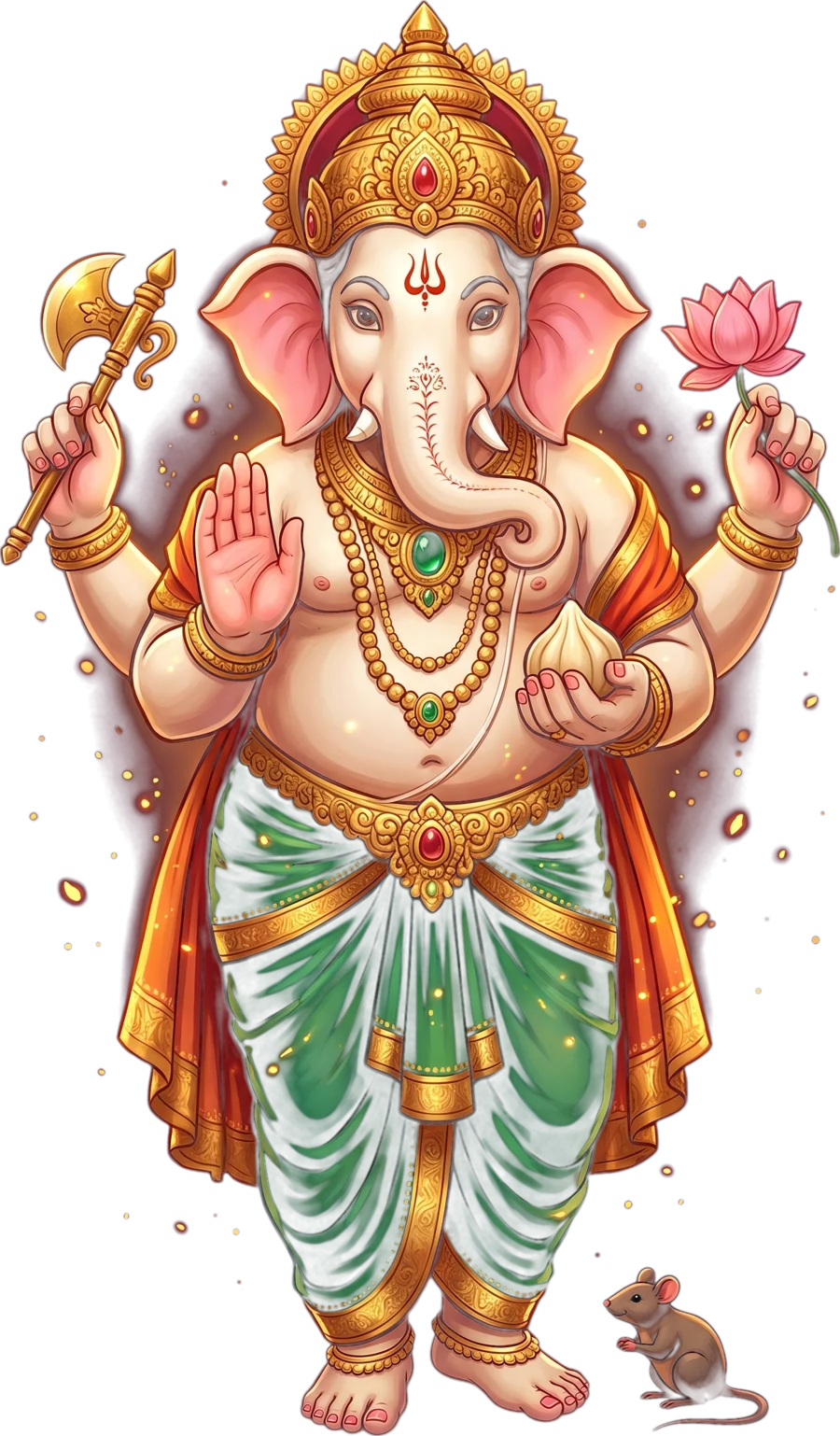
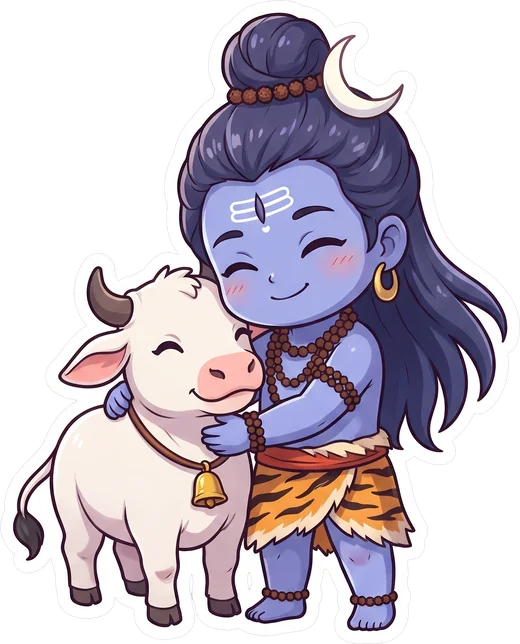
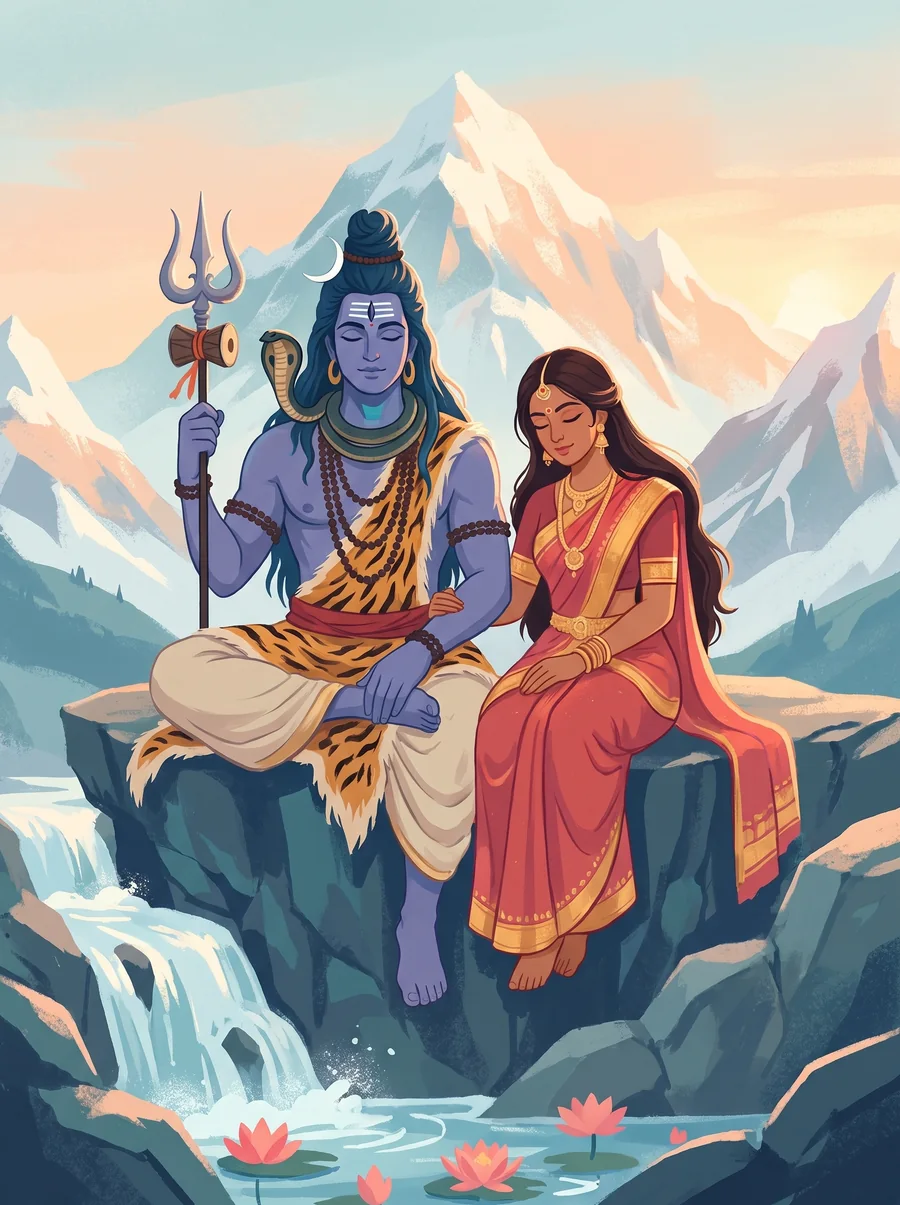
He is also a husband and a father. His first wife, Sati, died for his honour, and she came back to him as Parvati, the daughter of the mountain. Their sons are Ganesha and Kartikeya, and their home is Kailash, where Nandi the bull keeps the gate.
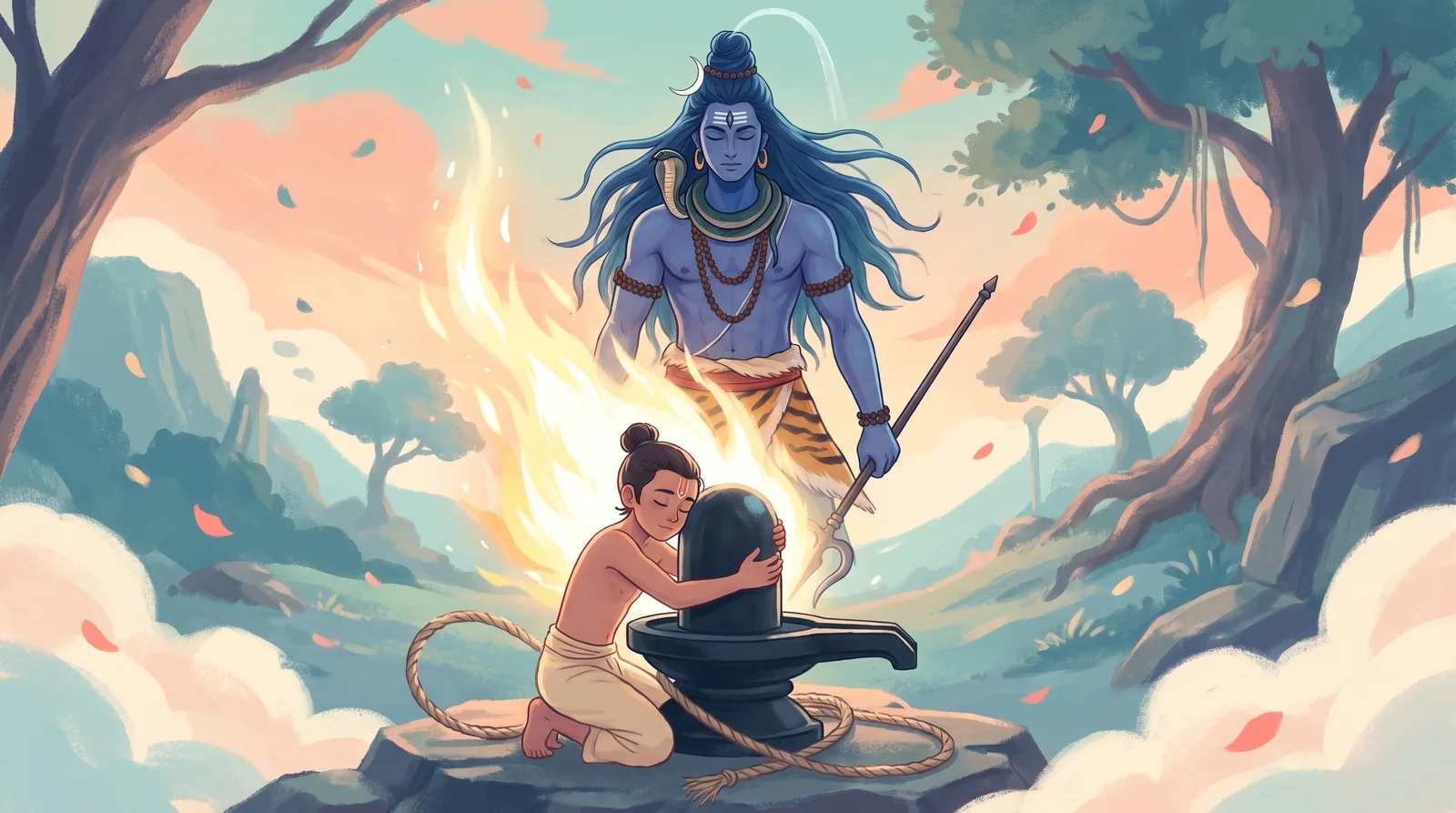
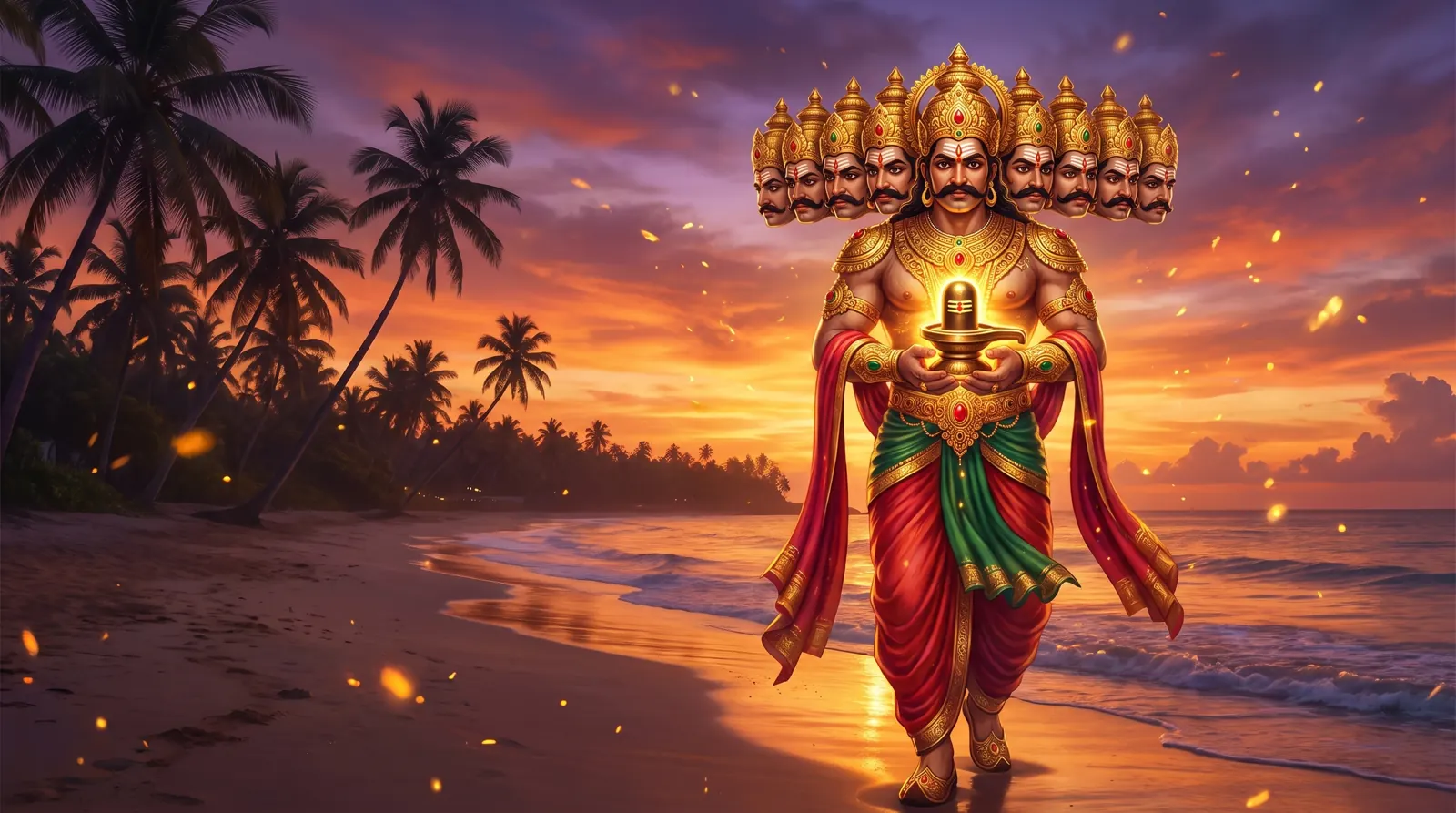
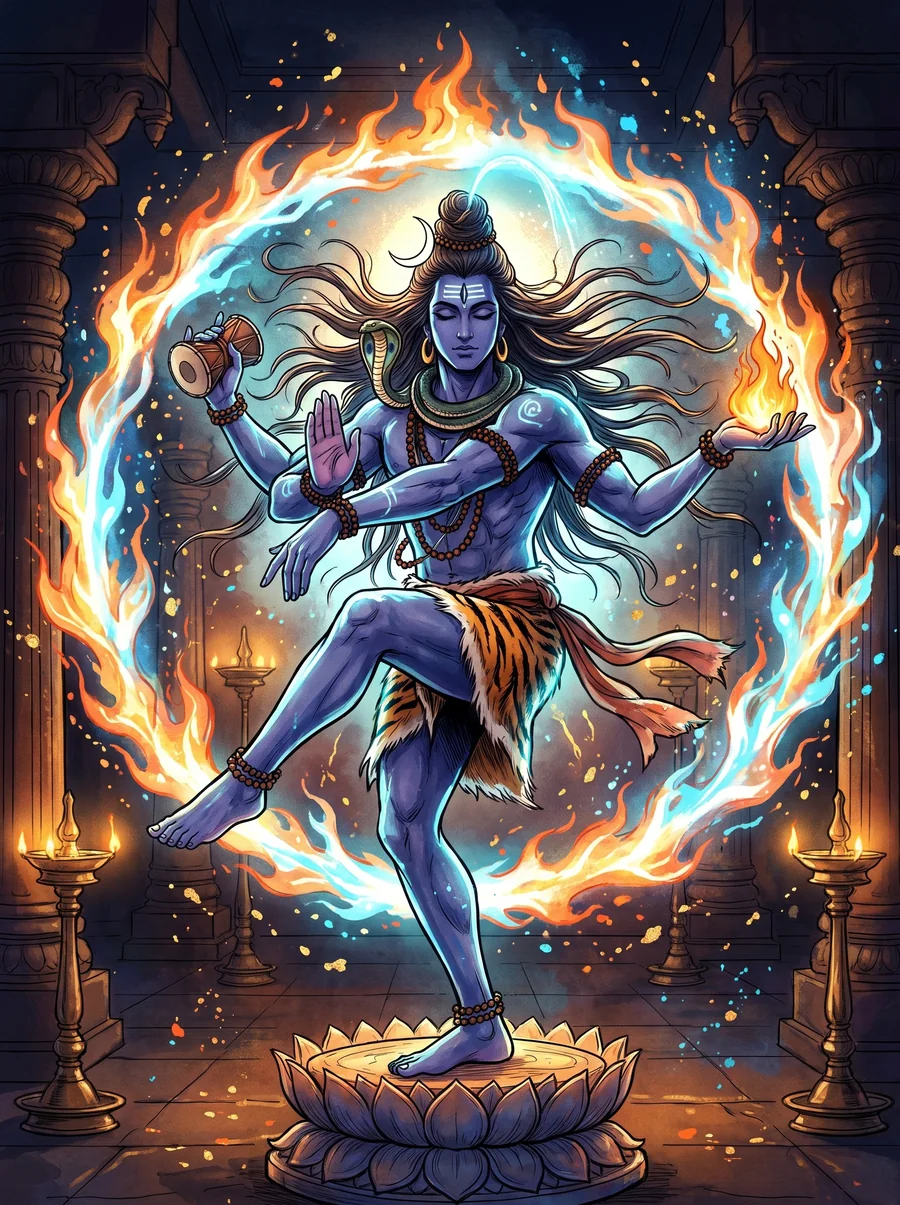
He is worshipped most often as a linga, a plain rounded stone, because the old stories say he has no beginning and no end and so no single shape will do. In the south he is also Nataraja, the lord of the dance. His great night is Maha Shivaratri, when devotees stay awake until morning and pour water and milk over the stone.
Om Namah Shivaya: I bow to Shiva.