Who Ganesha is
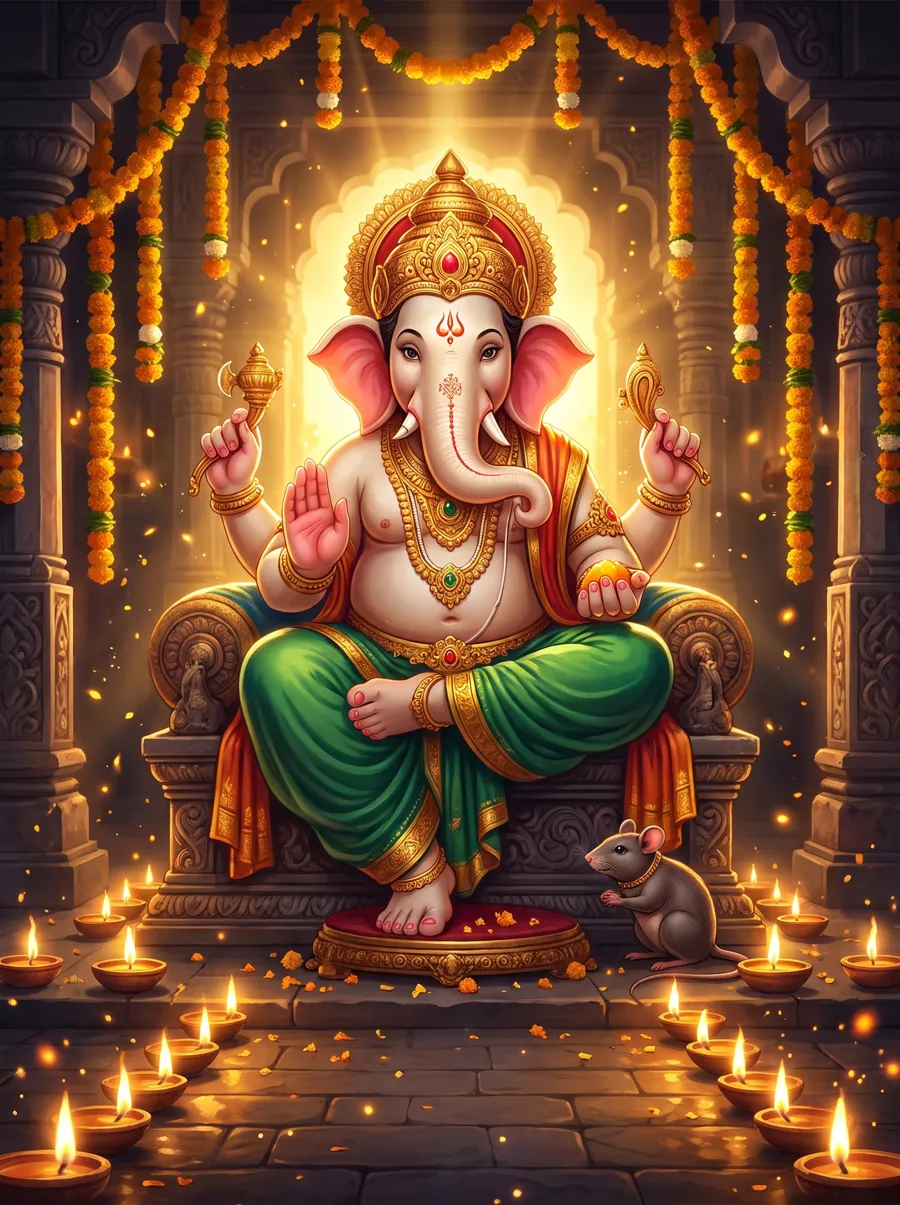
Ganesha is the god every Indian prayer begins with. Before a wedding, a journey, a new shop or a child's first letters, his name is said first, because he is the one who clears the road before anything else can travel on it.
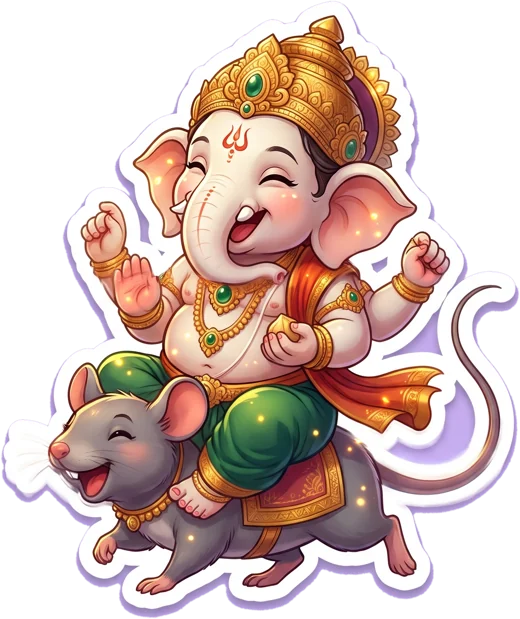
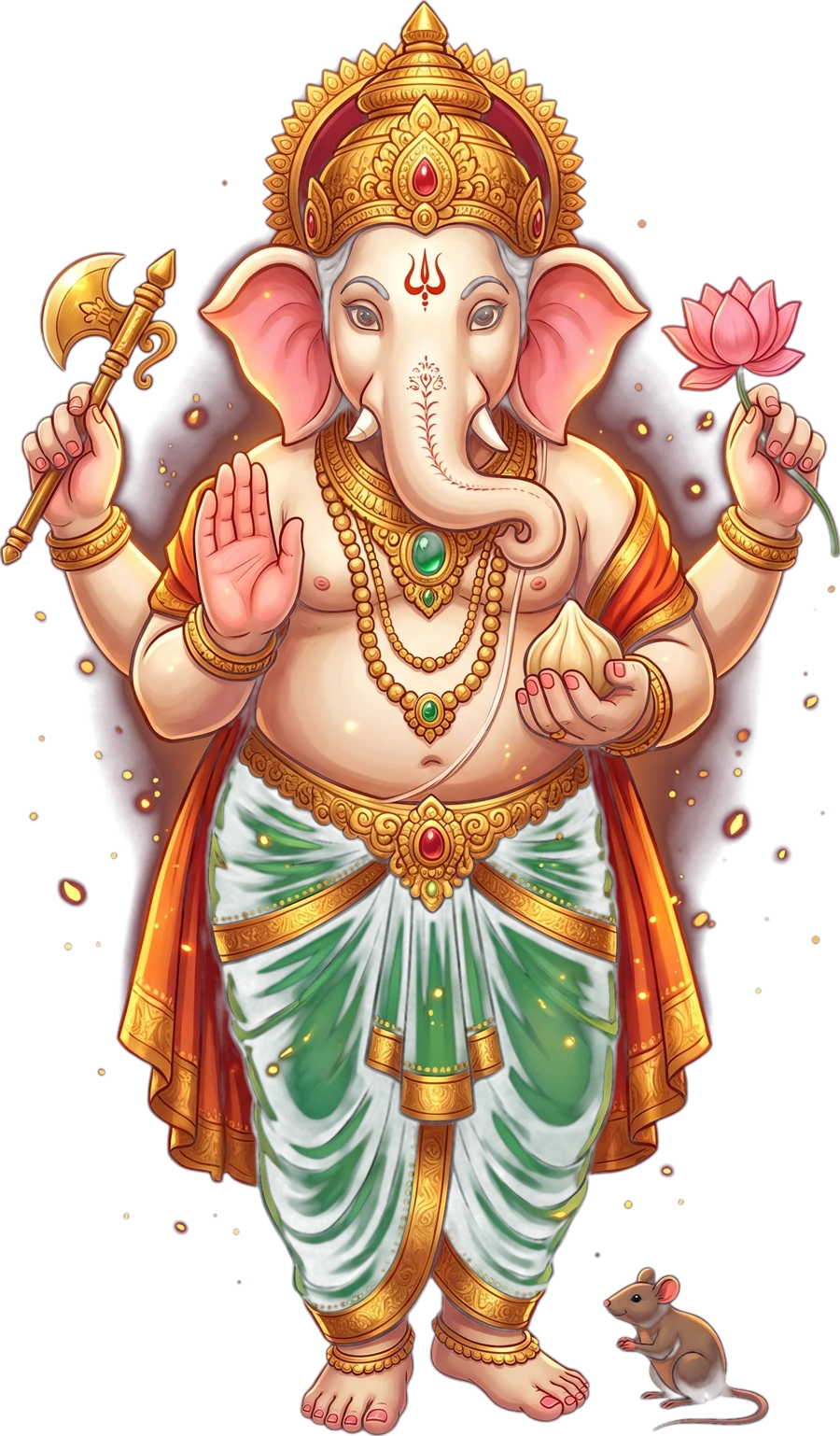
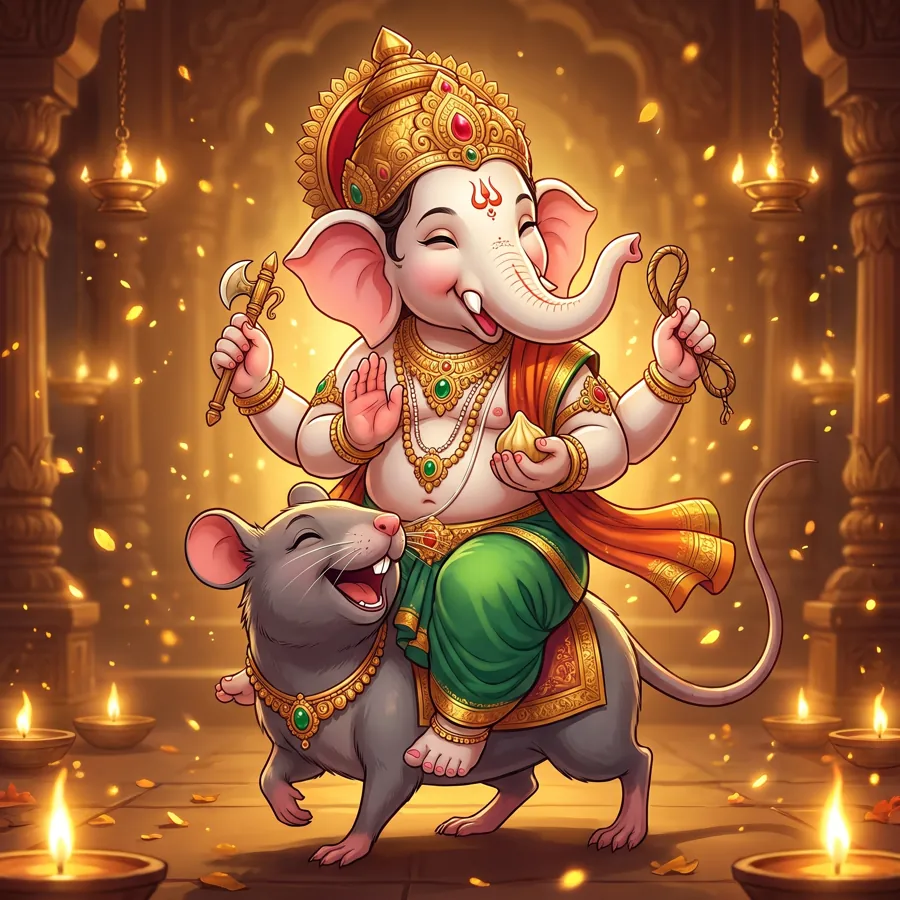
He is the son of Shiva and Parvati, with an elephant's head on a boy's body, a round belly and a mouse for a mount. How he came to look like that is told in more than one way. The Shiva Purana has Parvati shape him from the paste on her skin and Shiva give him an elephant's head; a Bengal telling blames the glance of the planet-god Shani; other Puranas have him made by Shiva alone, by both parents, or born of an elephant-headed goddess. Every one of these tellings agrees on the ending: from that day he is worshipped before all the other gods.
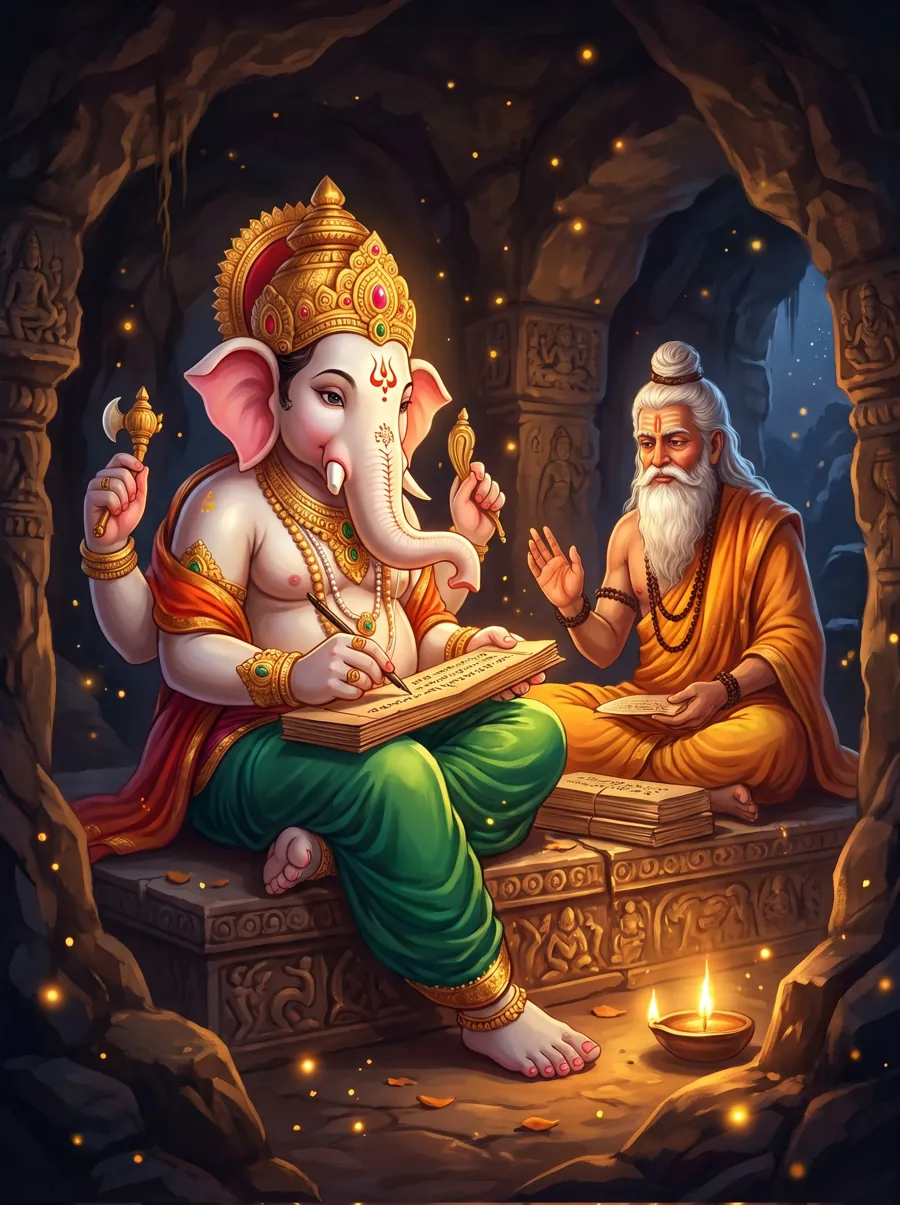
He is also the god of wisdom and of letters. Tradition says that when the sage Vyasa wanted the Mahabharata written down, Ganesha took the dictation, and when his pen gave way he broke off one of his own tusks and kept writing. That is why he is Ekadanta, the one with a single tusk.
He has a brother, Kartikeya, the young war-god. The two are remembered for a famous contest that Ganesha won without leaving home, and the brothers are still worshipped in different ways in the north and the south of the country.
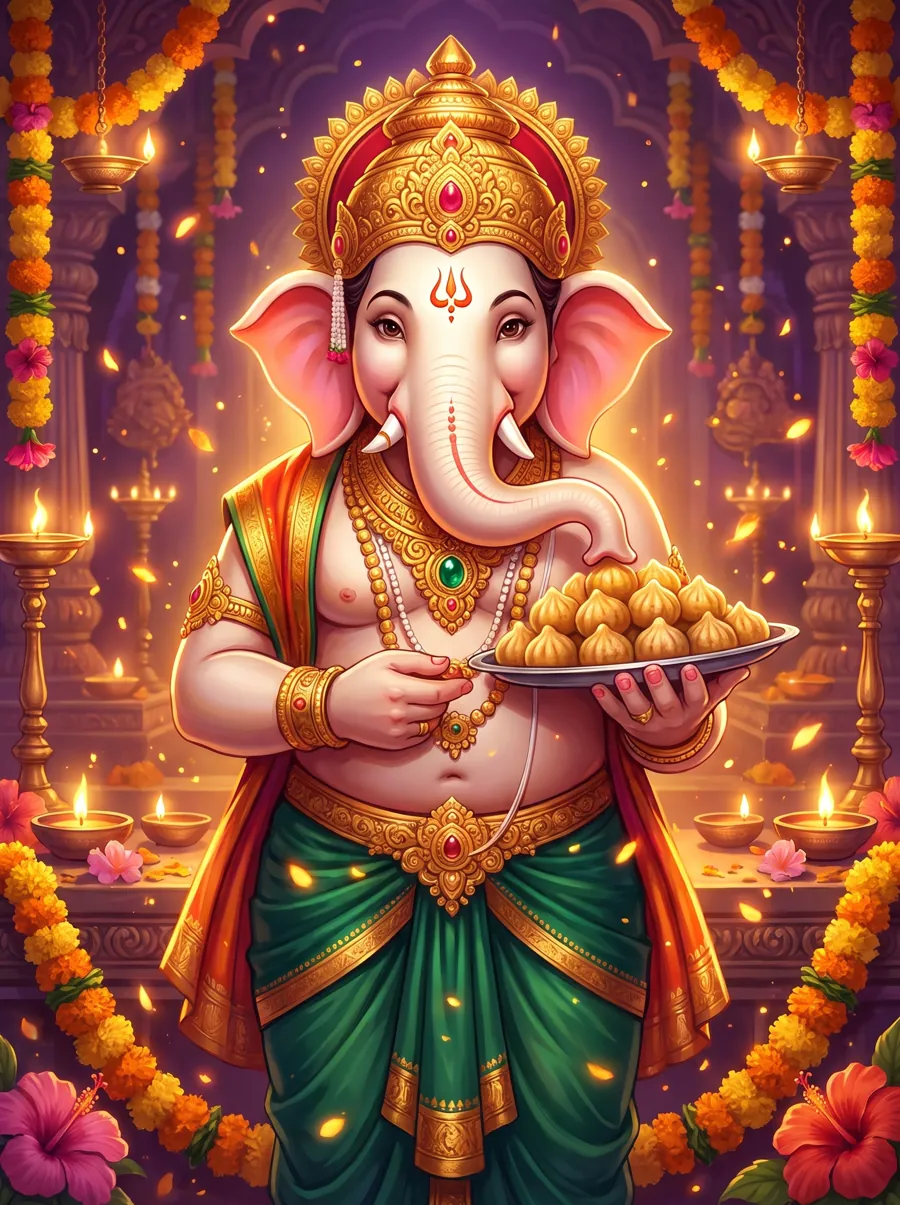
His great festival is Ganesh Chaturthi. For ten days families and whole neighbourhoods bring clay images of him home, feed him modaks, sing to him, and then carry him in procession to the river or the sea.
Before any work begins, we remember Ganesha.