Festival · The new ledger, the dawn song, and the year of the sun
Pohela Boishakh
Pohela Boishakh is the first day of the Bengali year, kept in West Bengal, Tripura, the Barak valley of Assam and all of Bangladesh in mid April. Shopkeepers close the old account book and open a new red one before Ganesha and Lakshmi, then feed sweets to every customer who comes to settle up, the haal khata. Kolkata walks out at dawn singing Tagore, and Dhaka wakes to Chhayanaut's concert under the Ramna banyan and the giant masks of the Mangal Shobhajatra. The evening before, Chaitra Sankranti, is Shiva's, with the Gajan and the Charak closing the old year in the villages.
When is Pohela Boishakh in 2027? Bangladesh: Pohela Boishakh is Wednesday 14 April 2027. In 2027: Thursday 15 April 2027. Boishakh 1, the first day of the Bengali year; 14 April by Bangladesh's fixed calendar, and the morning after the sun enters Aries in West Bengal and Tripura, so 14 or 15 April.
Also calledPoila BoishakhPoila BaisakhPahela BaishakhNoboborshoNababarshaBangla NababarshaBoishakh 1
Next, in 2027Wednesday 14 April 2027
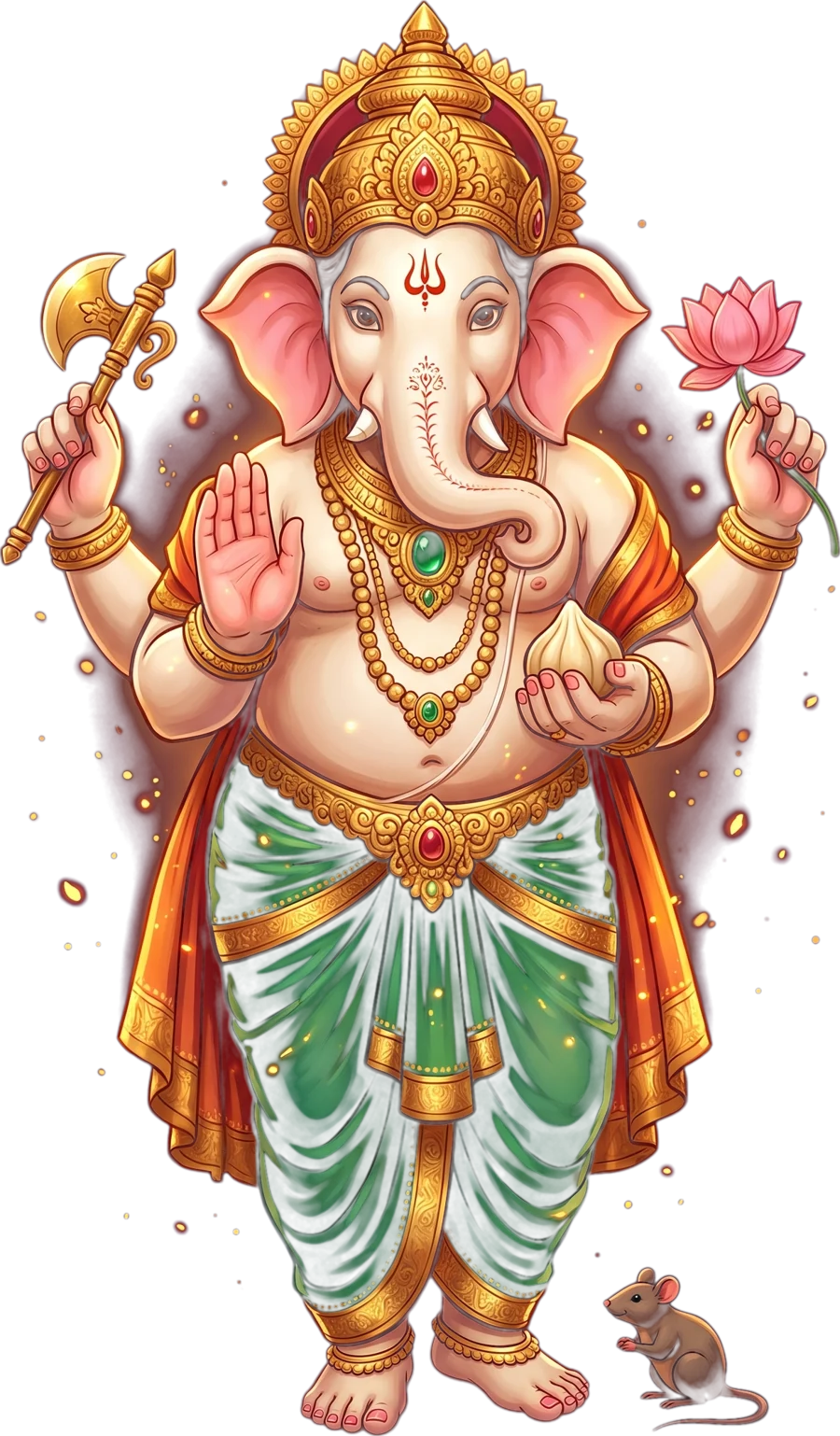
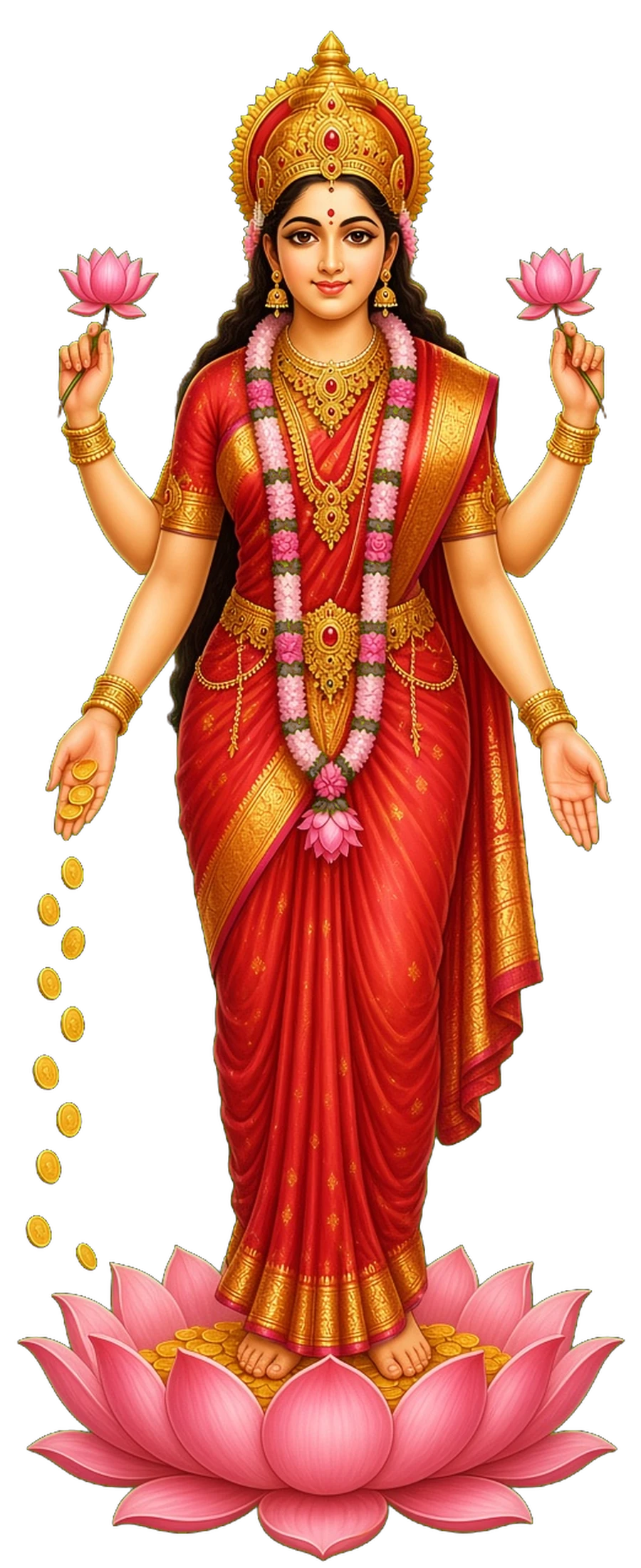
Prime godsGanesha and Lakshmi
with 3 more
WhereWest Bengal, Tripura and Assam's Barak valley in India, the whole of Bangladesh, and Bengalis across the world
How longOne day, with Chaitra Sankranti the evening before and the Boishakhi fairs running on for days
Boishakh 1, the first day of the Bengali year; 14 April by Bangladesh's fixed calendar, and the morning after the sun enters Aries in West Bengal and Tripura, so 14 or 15 April
Why it is kept
Pohela Boishakh is the first of Boishakh, the first day of the Bengali year, kept on two different days. Bangladesh fixed it on 14 April; West Bengal and Tripura still wait for the sun to enter Aries and begin the year the next morning, usually the 15th. On either day the heart of it is a shop: a red ledger opened before Ganesha and Lakshmi, and a box of sweets for everyone who comes in to pay what they owe.
The year is the sun's. Boishakh begins when the sun enters Mesha, the Ram, the same morning that is Baisakhi in the Punjab, Vishu in Kerala and Bohag Bihu in Assam, each with its own page in the Lore. What is Bengal's own is the count. The Bengali year 1434 begins in April 2027, and the bazaar has two stories for the number.
The first is Akbar's. His revenue was collected by the Hijri calendar, the moon's, eleven days shorter than the sun's, so that the tax day crept forward until the collector stood at the door before the harvest was in. In March 1584 the emperor proclaimed a solar year made by his astronomer Fathullah Shirazi, counted back to his accession in the Hijri year 963, and Bengal, tradition says, kept it as the Bangla san: the moon's number walking at the sun's pace. The landlord's rent day on the first of Boishakh, the Punyaha, when tenants paid and were fed sweets, became the trader's haal khata.
The second gives the year to Shashanka, king of Gauda about 594, the first ruler of a united Bengal, whose accession fits the era's first year; Nitish Sengupta and others set his name against the emperor's, and Amartya Sen holds that Akbar's calendar died with him and survives only in traces. The page's first story tells both.
Behind the ledger stands an older reason. The day before is Chaitra Sankranti, the end of the hot, dry month in which the Rarh waits for rain, and the villages close the year with the Gajan: farmers become Shiva's sannyasis, marry the god to his bride and hang from the Charak tree, asking for the rain and the next crop.
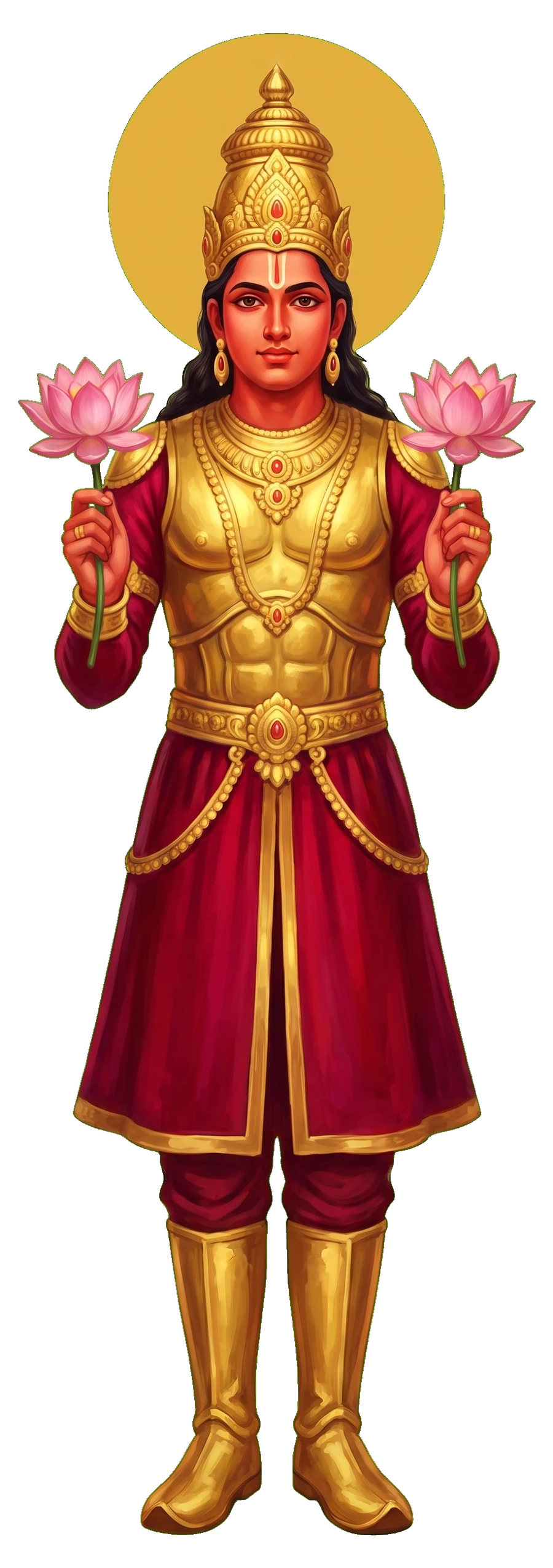
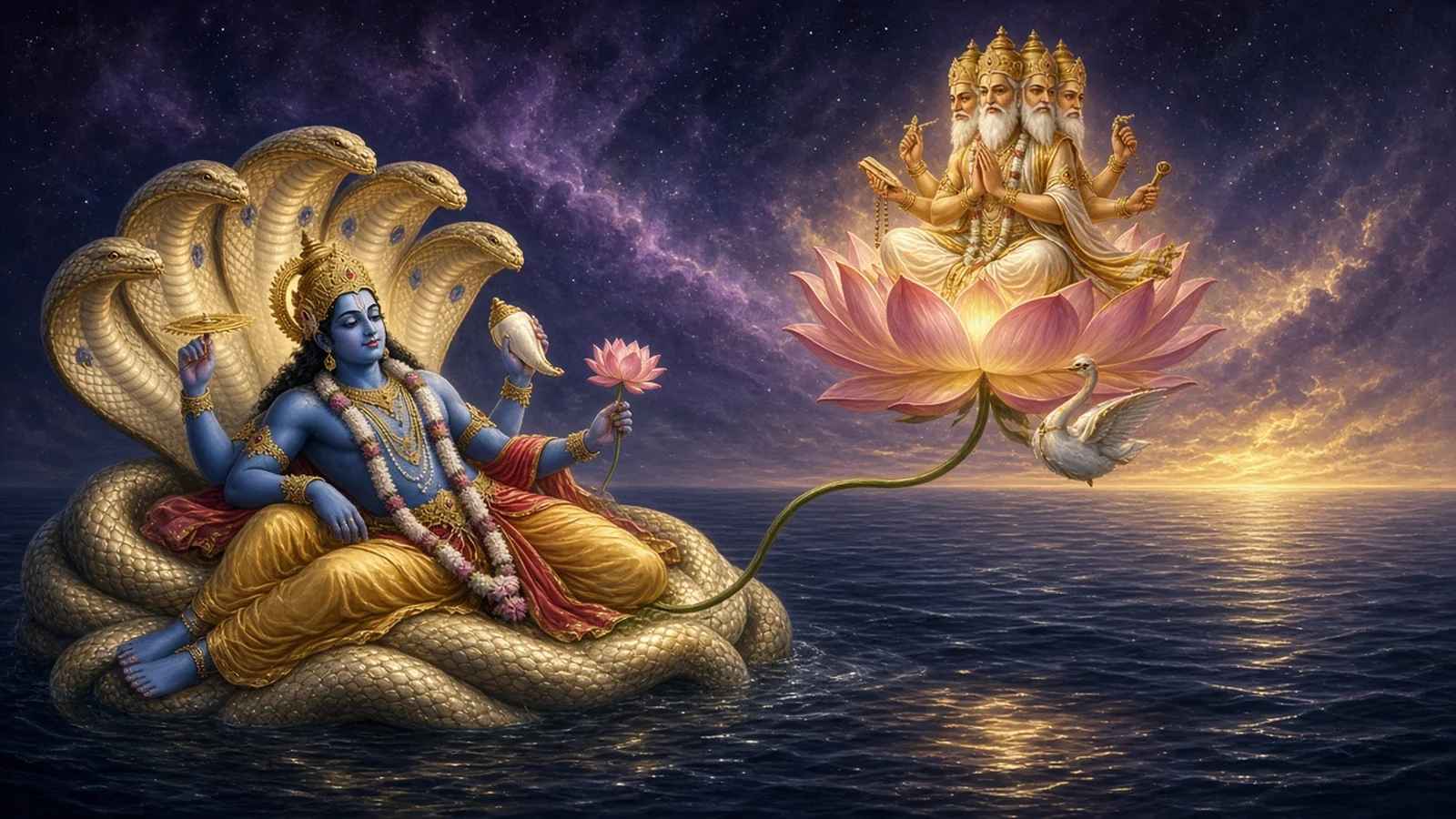
The god before whom the haal khata is opened. His name goes on the first page of the new ledger, Kolkata's traders carry their books to Kalighat and Dakshineswar for him in the morning, and Tanti Bazar in old Dhaka sets up his worship in the middle of the street.
The ledger's goddess, worshipped with Ganesha over the new book; her name is written beside his on its first page with a coin's print in vermilion, and the year's first entry is made before her.
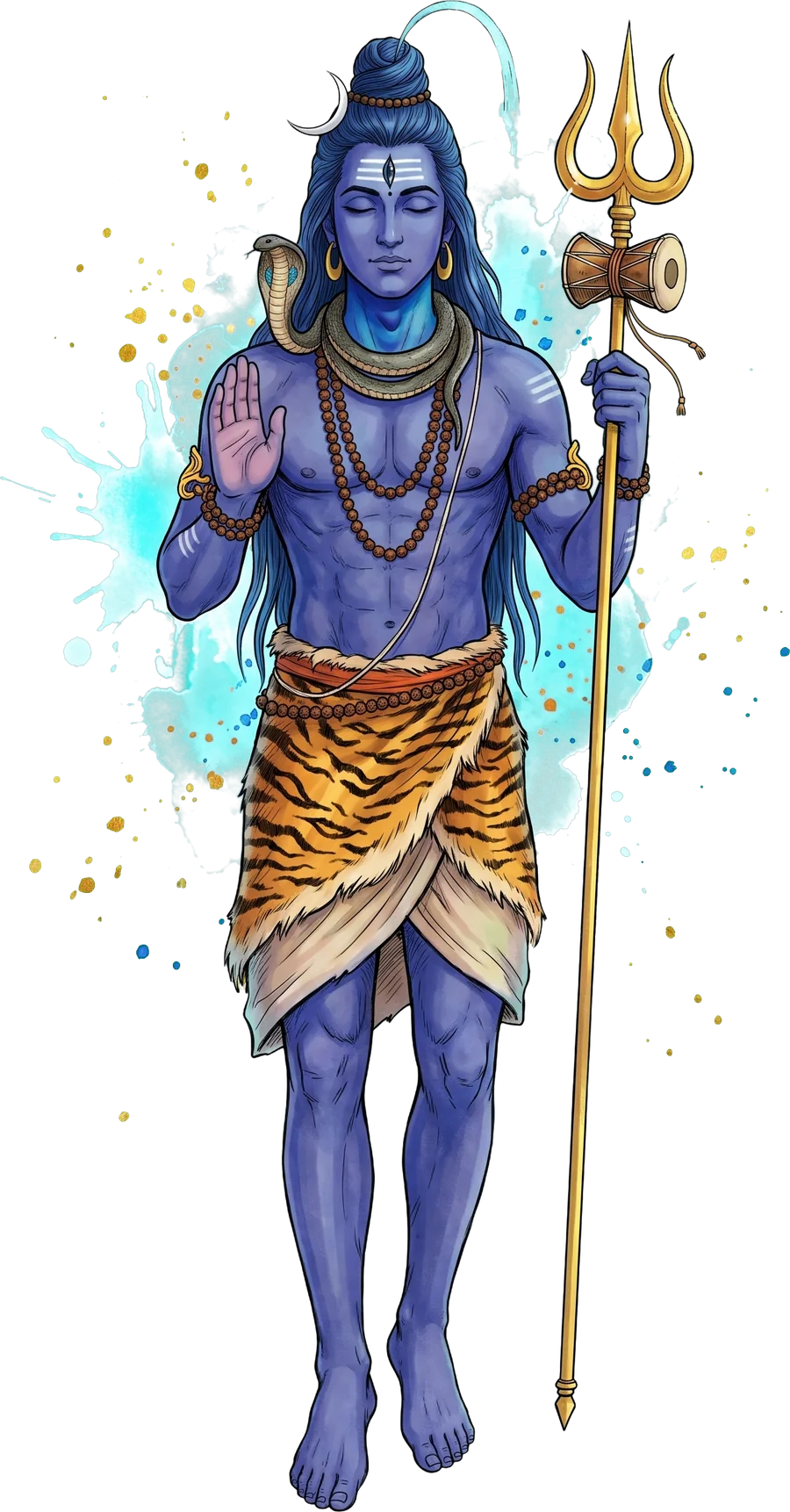
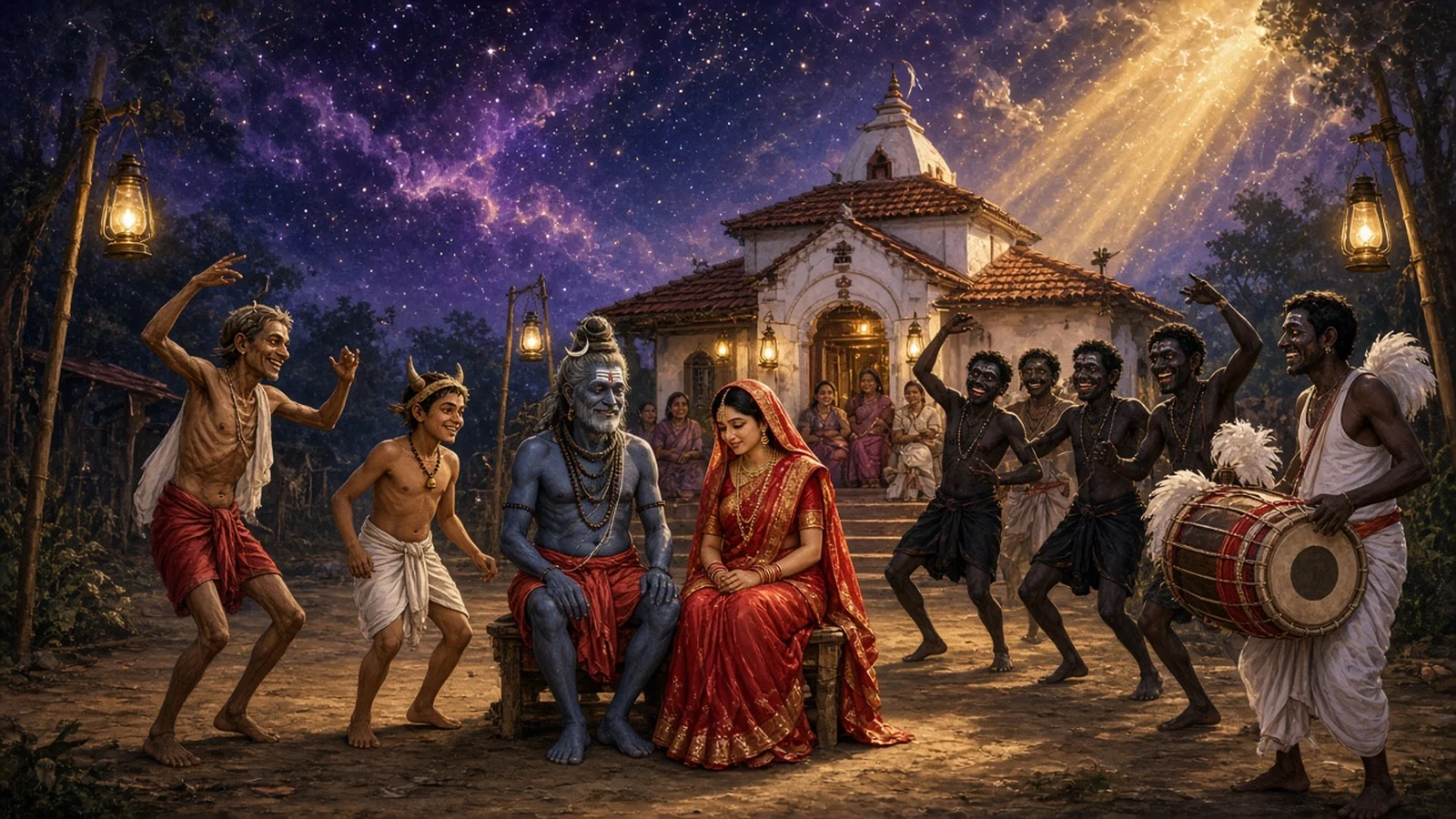
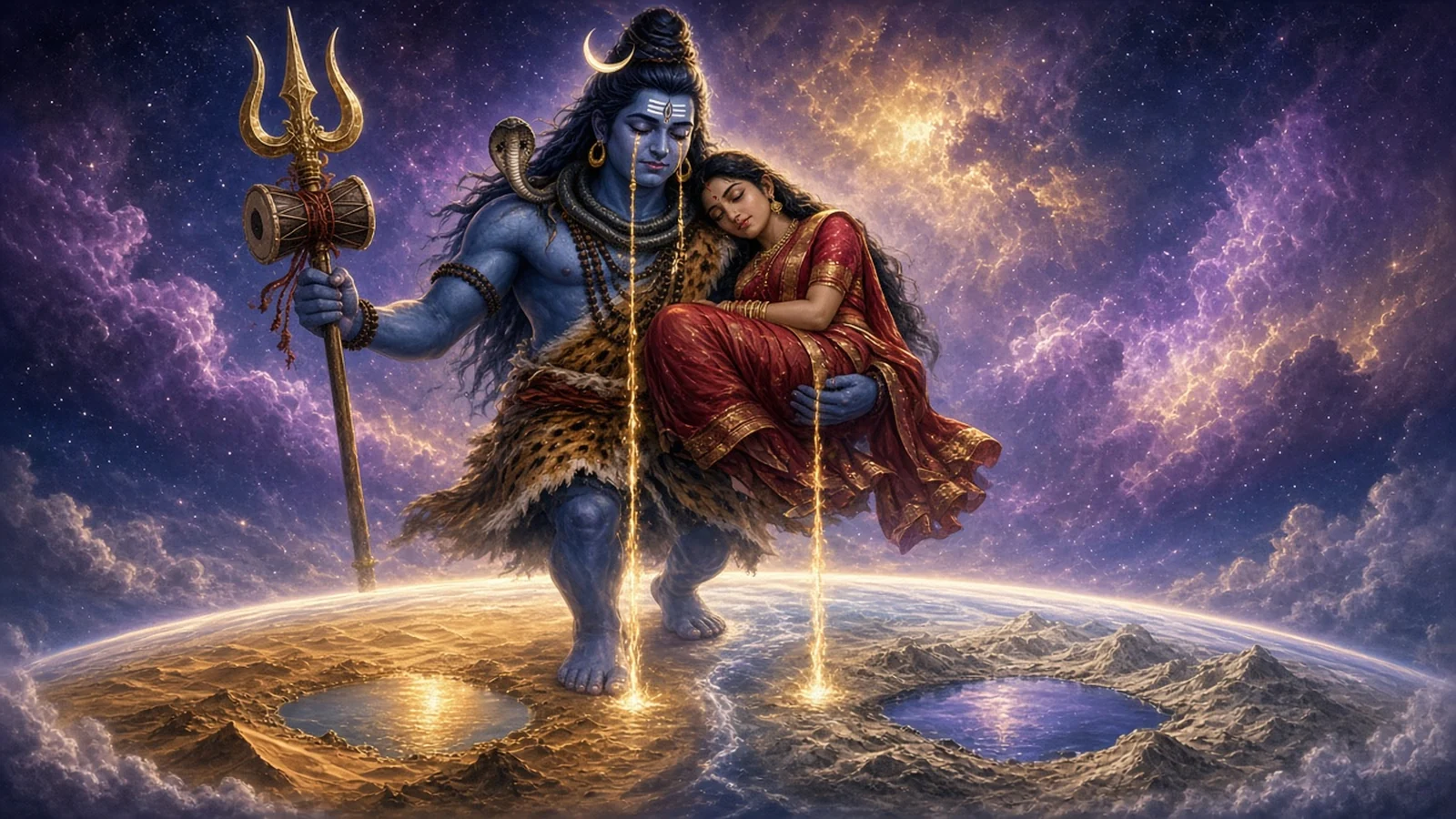
The bridegroom of Chaitra. On the eve of the new year the villages of Bengal keep his Gajan and Charak, when farmers become his sannyasis for the last days of the old year, marry him to his bride in the temple yard, and swing from the Charak pole at dawn.
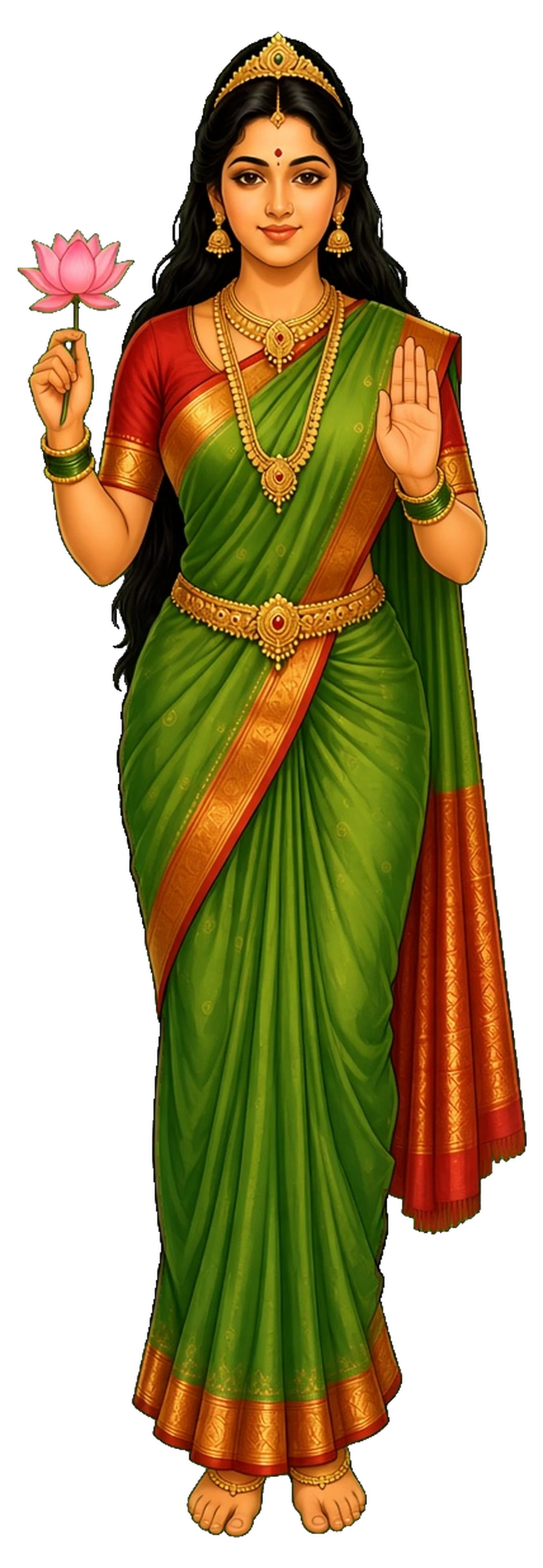
The peasant's wife of the Bengali Shiva songs, who scolds the idle god until he ploughs, and the bride, Gauri, Nilavati or Harakali, whom the Gajan marries to him. Married women fast for her husband as Nilkantha on the Nil Shashthi and light a lamp for their children.
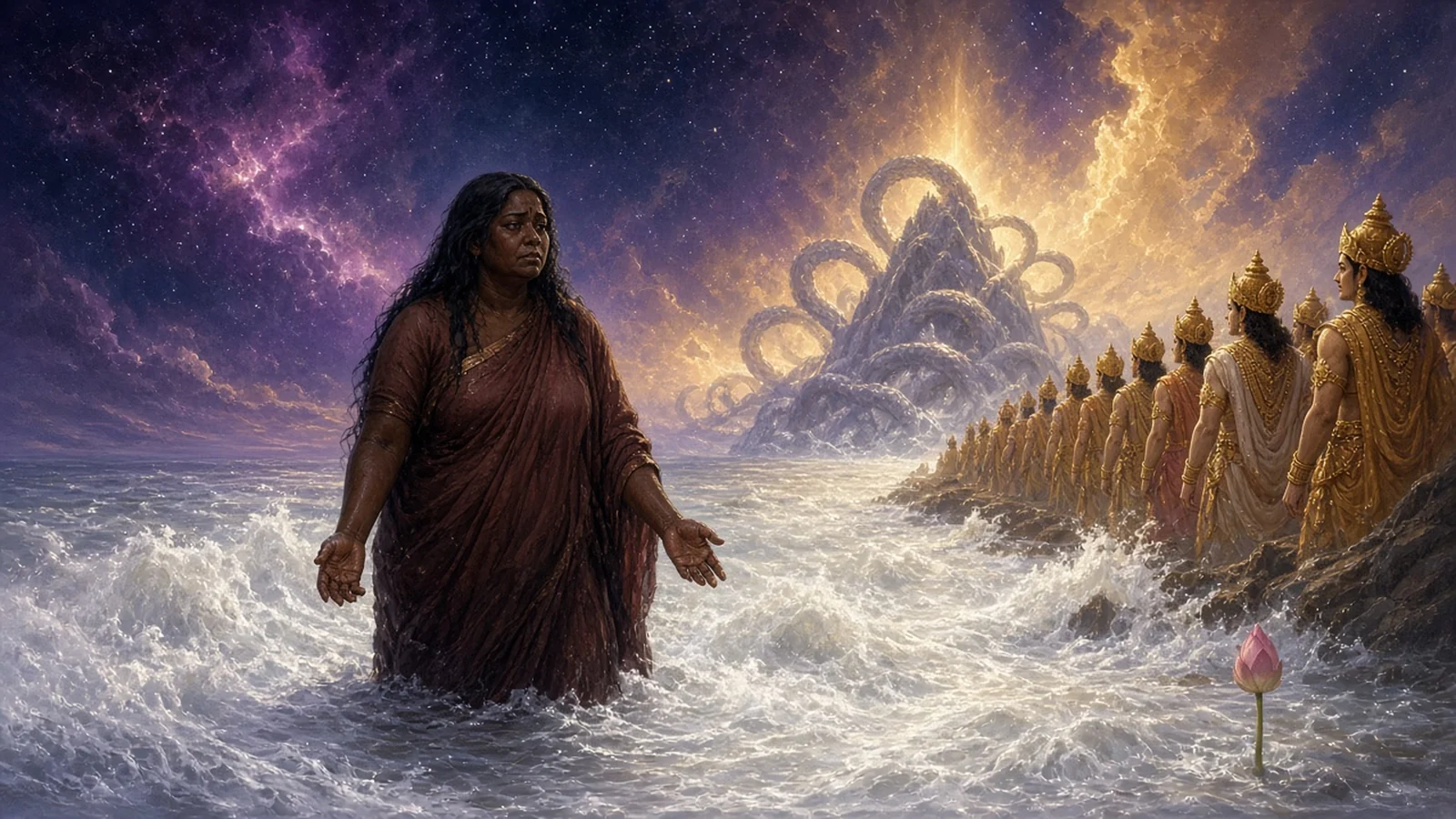
The sun, whose entry into Aries, Mesha Sankranti, begins the solar year in West Bengal's reckoning, and whose marriage to the earth the Gajan's verses are said to keep in the hot, dry end of Chaitra.
From Chaitra Sankranti to the new year
1
Chaitra Sankranti, the eve
The last day of Chaitra, the last day of the Bengali year · Wednesday 14 April 2027
Choitro ShongkrantiGajanCharakNil Puja
The old year ends with Shiva. In the villages of western Bengal the Gajan sannyasis, farmers who have worn the sacred thread and begged their alms through the last days of Chaitra, marry the god to his bride by night with Nandi, Bhringi and a troop of ghosts for the wedding party, and at dawn the Charak tree is raised, a tall stripped trunk with a wheel on top, and the sannyasis are swung from it, by hooks in the villages and by ropes in Kolkata. Married women keep the Nil fast for Shiva as Nilkantha and light a lamp for their children. In Bangladesh the day brings Charak and Gajon melas in the districts, summer fruit and chhatu in the morning, and in the towns a Chaitra Sankranti programme of songs to see the year out. Kolkata's shops run the Chaitra sale, the year-end clearance that is a third of their annual trade.
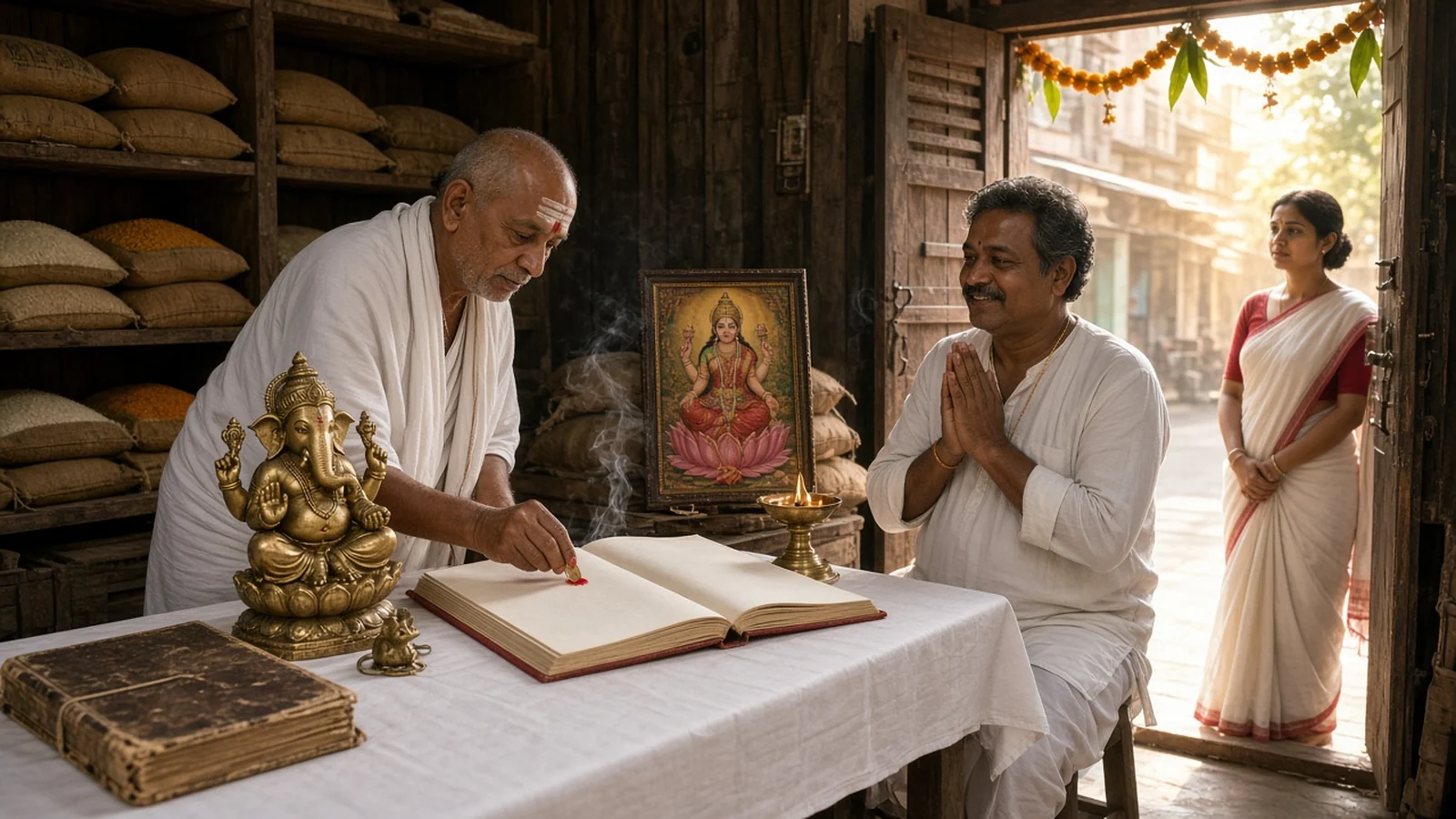
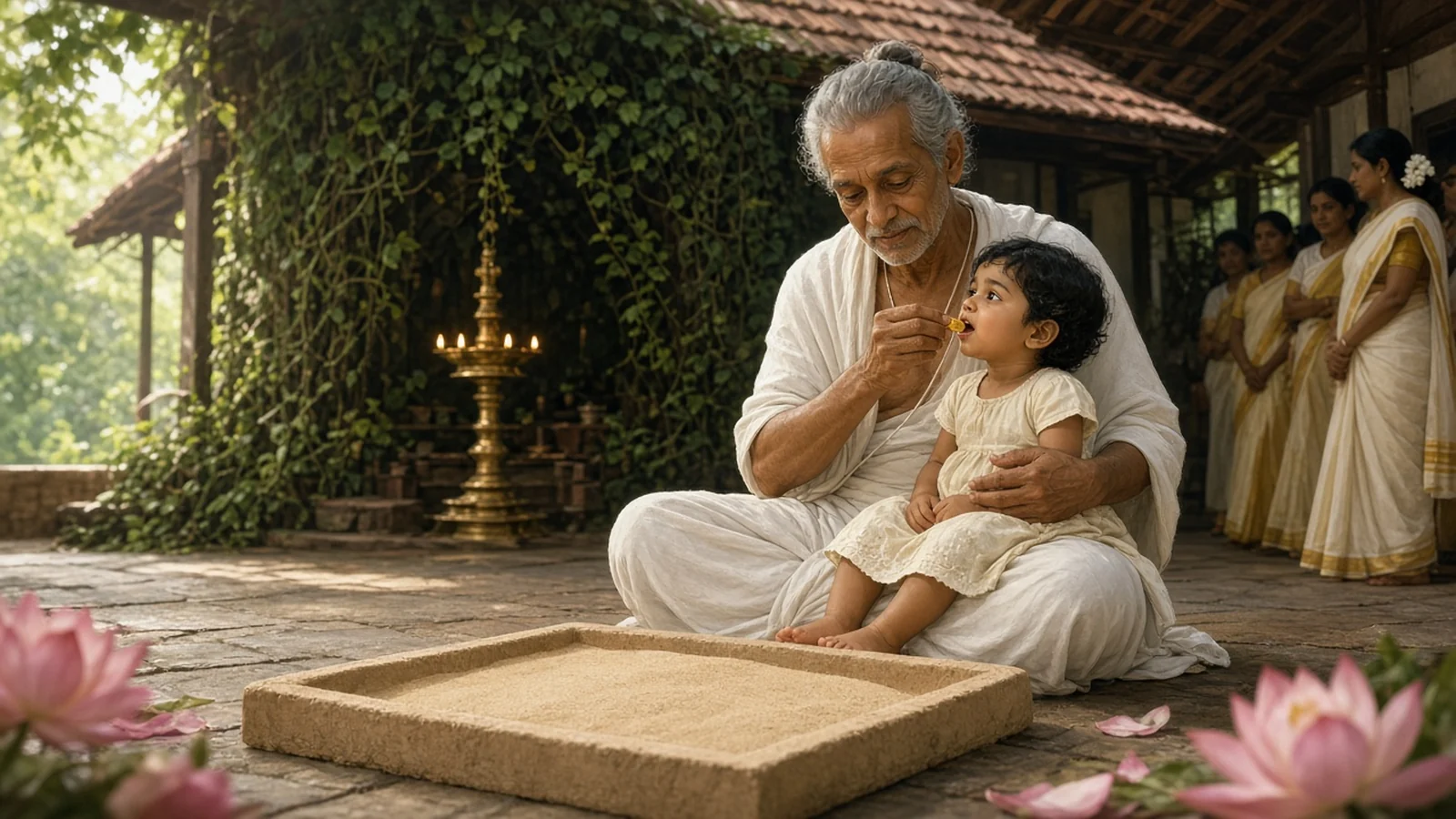
In Kolkata the day begins with the prabhat pheri, processions of children and singers in new clothes going through the streets to Tagore's songs, and with the greeting shubho noboborsho. Families wear what they bought in the Chaitra sale, the women a white sari with a red border, and the young touch the feet of the old. Shopkeepers have washed the shop and hung marigold and mango leaves over the door; they carry the new ledger to Kalighat or Dakshineswar, or call the priest to the shop, and open it before Ganesha and Lakshmi. Through the day customers come to clear their dues and are given sweets, a glass of water and the shop's calendar. The feast at home begins with shukto and ends with fish, mutton and sweets.
Dhaka is up before the sun. Under the great banyan at Ramna Batamul the singers of Chhayanaut open the year as they have since 1967, with a raga at first light and Tagore's song calling Boishakh in, Esho he Boishakh, before a crowd in white and red. Then the students and teachers of the Faculty of Fine Arts bring out the procession they have built over a month, giant birds, fish, tigers, owls and masks, and the city walks behind it; UNESCO put it on its heritage list in 2016. Shops hold their haal khata, Hindu with a puja and Muslim with a milad and a Bismillah on the first page, and feed their customers. Panta bhat, watered rice, with fried hilsa and bhartas is eaten as the day's dish, and the Boishakhi melas open with jilipi, batasha, wooden ferris wheels and jatra, in Dhaka and in every district town, for a week or a month.
KolkataHaal khata, prabhat pheri and the Chaitra sale
The traders' city. Shop owners queue at Kalighat and Dakshineswar with their new ledgers in the morning, the Burrabazar binders sell the red hardbound books by the thousand, and jewellers print invitation cards for their regular customers. The weeks before are the Chaitra sale at Gariahat, Hatibagan, New Market and Burrabazar, when a third of the year's clothes are sold. At dawn the prabhat pheris go through the paras singing Tagore, and in 2017 the city held its first Mangal Shobhajatra of its own, from Ganguly Bagan to Jadavpur.
The Rarh and the villages of West BengalGajan and Charak
The dry western districts, Bankura, Burdwan, Hooghly, Midnapore, keep the Gajan of the last days of Chaitra, with its sannyasis, its wedding of Shiva and its Charak tree. Tarakeswar's Gajan runs five days to the Sankranti at the temple of Taraknath; Krishnadevpur near Kalna and Kurmun in Burdwan are known for their masks and fire rites; Tehatta in Nadia keeps a midnight Gajan on the Jalangi with fire-walking and the old ploughing shown with cows. The hooks were banned in 1865 and came back among the poor; the towns now use ropes.
DhakaRamna Batamul and the Mangal Shobhajatra
Chhayanaut's dawn concert under the banyan has opened Bangladesh's year since 1967, through the Pakistan years when Tagore's songs were banned from the radio, with one gap in the war of 1971 and two in the pandemic; bombs killed ten people at it in 2001 and the crowd came back the next year. The Faculty of Fine Arts procession has gone out every year since 1989. Tanti Bazar's jewellers hold the haal khata in the street; Old Dhaka's fishmonger families held new year feasts at Azimpur in Mughal times. Panta bhat and ilish, and the melas with their nagordola and bioscope, belong to the day.
ChittagongJabbarer Boli Khela
On the twelfth of Boishakh the wrestlers meet at the Laldighi ground for the Boli Khela begun in 1909 by the merchant Abdul Jabbar, who, the city says, wanted its young men fit to stand up to the British, and a fair for the artisans runs for days along a kilometre of road from Kotwali to Anderkilla. The city also sees the old year out with a Chaitra Sankranti programme of songs, and the wholesale traders of Khatunganj still open a ledger, though the bags of cash of the old haal khata have given way to cheques.
Tripura and the Barak valley of Assam
Poila Boishakh is a state holiday in Tripura, kept with new clothes, temple visits, sweets and the merchants' new books, and the Bengalis of Silchar, Karimganj and Hailakandi keep the haal khata and the prabhat pheri in the Barak valley. The Tripuri people keep their own new year, Buisu, in the same days.
Assam and the rest of IndiaThe same sun, other new years
The day the sun enters Aries is Bohag Bihu in the Brahmaputra valley, which has its own page, as do Baisakhi of the Punjab and Vishu of Kerala; it is also Puthandu in Tamil Nadu, Pana Sankranti in Odisha and Jur Sital in Mithila.
London and the diasporaThe Boishakhi Mela of Brick Lane
Since 1997 Banglatown in Tower Hamlets has held the largest Bengali festival outside Bangladesh, a parade from Allen Gardens down Brick Lane to Weavers Fields with a zamindar, a tiger and an elephant on wheels, and stages of Bengali and Sylheti music for eighty to ninety thousand people; it is held on a Sunday in May for the weather. Sydney keeps a batamul of its own, Alberta and Calgary a heritage festival, and Bengali associations from Dubai to Dallas their programmes on the nearest weekend.
Bengalis of every faithThe one festival for all
Pohela Boishakh is kept by Muslims, Hindus, Buddhists and Christians alike as the Bengali year, and in Bangladesh it grew into the festival of Bengali identity under Pakistani rule, when Chhayanaut sang Tagore in defiance of a ban. The Mangal Shobhajatra is a secular procession open to everyone, which UNESCO praised for uniting people regardless of religion, and which has been argued over in court and in the ministry since 2023 and renamed more than once since 2025. The haal khata is a Hindu puja before Ganesha and Lakshmi that Muslim shopkeepers keep in their own way, with a milad and a Bismillah or Elahi Bharsa on the first page, feeding the same customers.
The states and the republicThe holidays
Pohela Boishakh is a national holiday in Bangladesh on 14 April, fixed by the calendar committee of 1966 under Muhammad Shahidullah and adopted in 1987, so that it never moves. West Bengal and Tripura keep the Surya Siddhanta, so their holiday falls on 14 or 15 April, the morning after the sun enters Aries; in 2023 the West Bengal assembly also named Poila Boishakh the state's foundation day, over the opposition's objection. Bangladeshi traders on both sides of the border often open their books on the second day anyway, by the old reckoning.
How it is kept
The eve belongs to Shiva and to the shops. In the villages the Gajan sannyasis, who have begged their alms through the last week of Chaitra, act out the wedding by night and swing from the Charak at dawn; the women have kept the Nil fast the day before and lit a lamp for their children. In the towns the Chaitra sale empties the shelves, and the women buy the new sari for the morning, white with a red border.
The morning begins with song. Kolkata's prabhat pheris go through the streets to Tagore before the heat, and Dhaka gathers under the banyan at Ramna, where Chhayanaut has opened the year with a raga and Esho he Boishakh since 1967, and then walks behind the Mangal Shobhajatra, the giant birds and masks the Fine Arts students have built over a month. New clothes are worn, the young touch the feet of the old, and the greeting is shubho noboborsho.
Then the ledger. The shop has been washed and hung with marigold and mango leaves. The owner carries the new red book to Kalighat or Dakshineswar, or has the priest to the shop, and opens it before Ganesha and Lakshmi: the gods' names on the first page, a coin's print in vermilion, no accounts until the second. Customers come through the day to clear the year's dues, or to pay a token so that the book begins with something in it, and are given sweets and the shop's calendar. Muslim shops in Dhaka hold a milad and write Bismillah. In the wholesale markets cheques have replaced the bags of cash, but the book is still opened.
The feast follows, shukto and fish and mutton in Kolkata, panta bhat with fried hilsa in Dhaka, and the Boishakhi melas open with their sweets, wooden ferris wheels and jatra. Chittagong's wrestlers meet at Laldighi on the twelfth of the month.
In the old texts
No Purana names the day. The Bengali year lives in the almanac, the panjika that the bookshops sell for the morning, and its history in the Mughal chronicles: Abul Fazl's Akbarnama and Ain-i-Akbari record the emperor's complaint that the lunar year burdened the peasant and his new Ilahi era of 1584, and Banglapedia carries the Bengali reading of them. The Shashanka theory rests on the era's first year and on the word Bangabda in two old Shiva temples; no inscription of his names a calendar.
The Gajan has its own literature. The verses the sannyasis sing of the god whose sleep was broken and who was made to farm come from the Bengali Shiva songs and from Rameswar Bhattacharya's Shivayan of about 1750, where Parvati drives the penniless Shiva to the field, Indra grants the land, Vishvakarma makes the plough, Kubera gives the seed and Bhima walks behind the oxen. The Shiva Purana tells the wedding the Gajan keeps, at Himalaya's door. Ralph Nicholas's Rites of Spring and Judhajit Sarkar's Sahapedia overview are the modern accounts, and Kaliprasanna Singha's Hutom Pyanchar Naksha of the 1860s remembers the Kolkata Charak the British tried to stop.
Where this page comes from. Written by Devalok from the haal khata and Gajan traditions of Bengal as Banglapedia, Sahapedia, the Daily Star, Prothom Alo and the Kolkata press record them, Wikipedia on the Bengali calendar and its historians, UNESCO's listing of the Mangal Shobhajatra, Rameswar Bhattacharya's Shivayan, and Drik Panchang and Bangla Date Today for the dates, as recorded in the Devalok Lore. Our own words throughout.