Nine nights of the Goddess and a tenth day of victory, at the end of the rains in the month of Ashvin. The north burns Ravana for Rama's victory; Bengal sends Durga home after she has killed the buffalo demon; Maharashtra and Karnataka worship the tree that kept Arjuna's bow and give its leaves as gold. Kings rode out to war on this day, and children still write their first letters on it.
Also calledVijayadashamiDasaraNavaratriDurga Puja (Bengal)Bijoya DashomiDashain (Nepal)Nadahabba (Mysore)
Next, in 2026Tuesday 20 October 2026
11 to 20 October 2026
Prime godsDurga and Rama
with 8 more
WhereAcross India and Nepal, with very different festivals under one name
How longTen days (fifteen in Nepal)
The bright fortnight of Ashvin. Navaratri runs from the first day to the ninth, and Vijayadashami is the tenth, in late September or October
Why it is kept
Dussehra is the day the rains are over and the roads are open again. The name comes from dashahara, the tenth day, and its other name, Vijayadashami, means the tenth of victory. It closes Navaratri, the nine nights of the Goddess in the bright half of Ashvin, in late September or October, about three weeks before Diwali.
Every part of India keeps the tenth day for a victory, but not the same one.
In the north it is Rama's. After seven days and nights of fighting, he killed Ravana with the arrow Brahma had made, and so in the evening Ravana burns, with his brother Kumbhakarna and his son Meghnad beside him. The nine nights before it are spent watching the Ramlila, the whole story acted out, night after night.
In the east and the south the victory is the Goddess's. The gods' anger became Durga, and she killed the buffalo demon Mahishasura, who had taken heaven from them. Bengal's Durga Puja joins the two stories: Rama, it says, could not beat Ravana until he woke the Goddess out of season, in autumn, and gave her a hundred and eight lotuses and very nearly his own eye.
In Maharashtra and Karnataka there is a third victory, Arjuna's. The Pandavas had hidden their weapons in a shami tree for their year in disguise, and on this day the year was over.
Under the stories is an older reason. This was the day kings rode out on campaign after the rains, worshipped their weapons, and crossed the boundary of their town. That is why tools and books are worshipped, why journeys and schooling begin, and why it counts as one of the best days of the year to start anything.
The Goddess of the nine nights, who killed the buffalo demon Mahishasura. Bengal keeps the days as Durga Puja, Mysore as the festival of Chamundeshwari, Nepal as Dashain.
Given the middle nights of Navaratri in many homes, and worshipped on the full moon that closes the season (Kojagari Lakshmi Puja in Bengal, Kojagrat Purnima in Nepal).
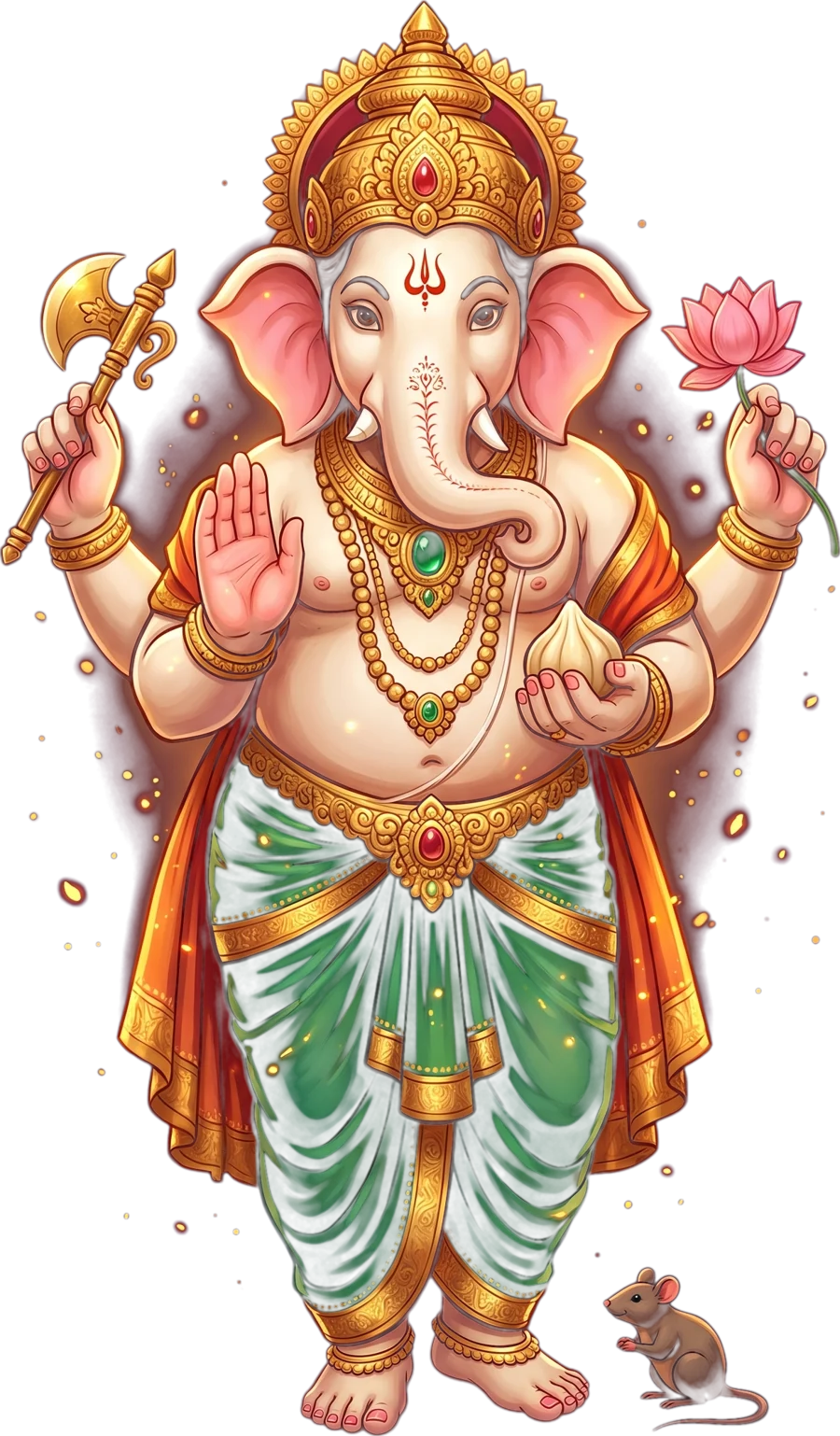
Worshipped first in every puja of the festival. In Bengal the nine plants of the Navapatrika are dressed as his bride.
C
Chamundeshwari
The Goddess of Chamundi Hill, carried on an elephant in the Mysore procession on the tenth day.
A
Aparajita
The Unconquered, worshipped on the tenth day in Maharashtra before people cross the town's boundary.
R
Raghunath
The small image of Rama who is king of Kullu. The gods of the valley come to him for seven days from the tenth.
D
Danteshwari
The Goddess of Bastar, whose festival lasts seventy-five days and has nothing to do with Ravana.
The nine nights and the tenth day
1
Ghatasthapana and the nine nights
The first day of the bright fortnight of Ashvin, to the ninth · Sunday 11 October 2026
NavaratriMahalaya (the day before in Bengal)Golu and Bommai KoluGarba
A jar of water is set up in the house, with barley sown round it, and a lamp is lit to burn through the nine nights. Each night belongs to one of the nine forms of the Goddess, and many families fast. Gujarat dances garba and dandiya round her lamp. In Tamil Nadu, Karnataka and Andhra steps of dolls are set out, called Golu or Gombe. The Ramlila plays of the north begin. Bengal starts a day earlier, on Mahalaya, with water offered to the ancestors at dawn.
The eighth day of the bright fortnight · Monday 19 October 2026
Maha AshtamiSandhi PujaKanya Puja
The great day of Durga Puja in Bengal. At Sandhi Puja, in the minutes where the eighth day turns into the ninth, the Goddess is worshipped as Chamunda, who killed Chanda and Munda, with a hundred and eight lotuses and a hundred and eight lamps, as Rama offered them. In the north many families feed young girls as the Goddess on the eighth or ninth.
The ninth day of the bright fortnight (in 2026 it ends around midday on the 20th) · Tuesday 20 October 2026
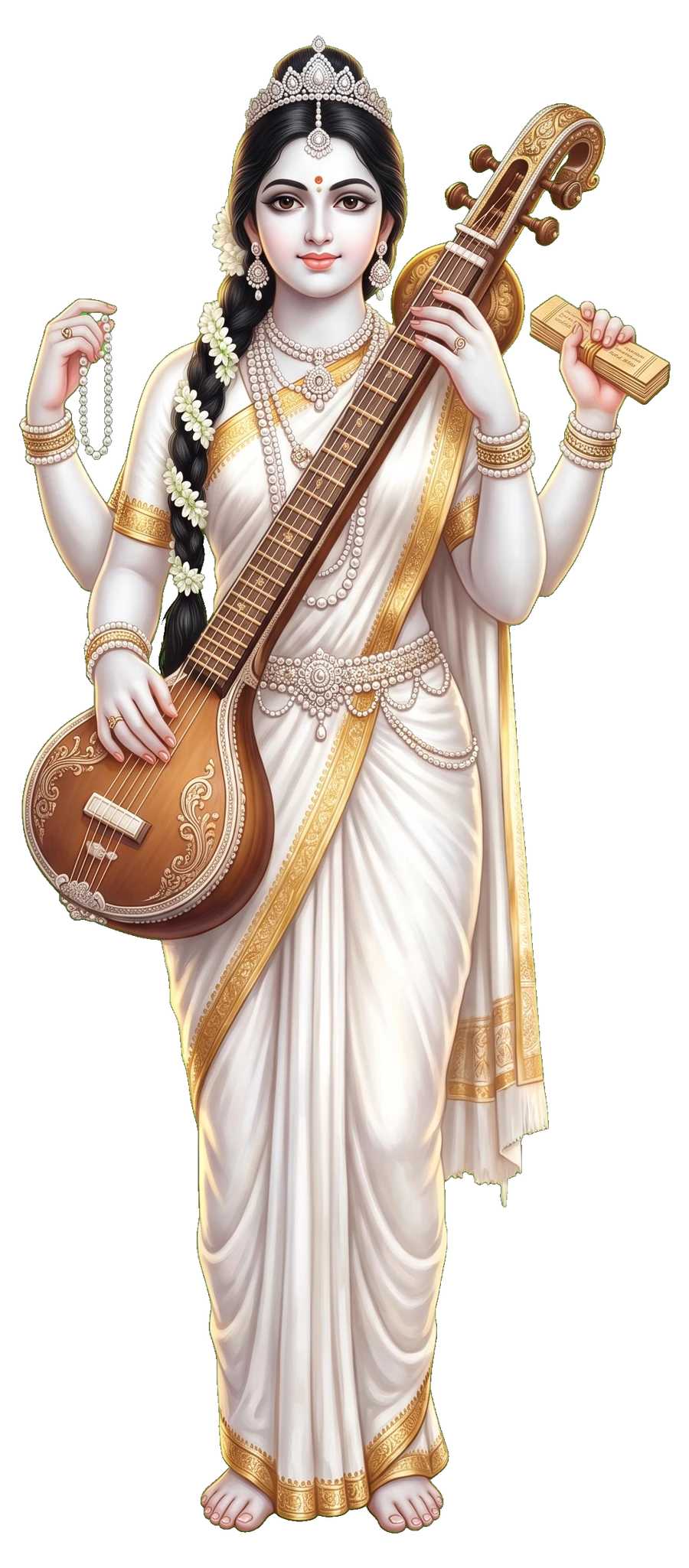
Ayudha PujaSaraswati PujaShastra Puja
Tools, weapons, books, vehicles and musical instruments are cleaned, marked with sandal paste and vermilion and left to rest. In the south Saraswati is worshipped with the books laid before her. In Mysore the royal sword is worshipped and carried in procession. The kings of Vijayanagara called the whole festival Mahanavami, after this day.
The tenth day of the bright fortnight · Tuesday 20 October 2026
DussehraDasaraBijoya DashomiRavan DahanVidyarambhamDashain tika (21 October in Nepal)
At dusk in the north, giant figures of Ravana, Kumbhakarna and Meghnad are shot with a burning arrow and go up in flames. In Bengal married women smear each other with vermilion, the Goddess is carried to the river, and people greet each other with Shubho Bijoya. In Maharashtra people worship the shami and Aparajita, cross the village boundary and come home with apta leaves as gold. Mysore's elephants carry Chamundeshwari to the banni tree. In Kerala children write their first letters. In Nepal elders put red tika and barley shoots on the young.
The Ramlila, Rama's story acted from Tulsidas's Ramcharitmanas over ten or twelve nights in towns and villages, and for a whole month at Ramnagar in Varanasi. It ends on the tenth with Ravana's effigy burnt, in Delhi's Ramlila grounds, at Patna's Gandhi Maidan and in thousands of village fields.
East India (Bengal, Odisha, Assam, Tripura)
Durga Puja. The Goddess comes home to her parents with her four children for five days, from the sixth to the tenth, in clay images in great pandals, and goes back to Kailasa on Bijoya Dashomi, carried to the river. Kolkata's Durga Puja is on UNESCO's list of the world's living heritage.
KarnatakaMysore Dasara
The state festival, Nadahabba. The palace is lit every night with nearly a hundred thousand bulbs, the royal sword is worshipped on the ninth, and on the tenth elephants carry Chamundeshwari in a golden howdah to Bannimantap, where the banni tree is worshipped and a torchlight parade closes the festival. Homes set out Gombe dolls.
Tamil Nadu, Kerala and Andhra
Golu, the steps of dolls, through the nine nights; Ayudha Puja and Saraswati Puja on the ninth; Vidyarambham, children's first letters, on the tenth. At Kulasekarapattinam the Mutharamman temple acts out the killing of Mahishasura, with devotees in disguise after weeks of fasting.
Gujarat
Nine nights of garba and dandiya danced in circles round the Goddess's lamp.
Maharashtra and Goa
Ghatasthapana in every house, then on the tenth the worship of the shami, Aparajita and the tools, seemollanghan, the crossing of the boundary, and apta leaves given as gold. The Maratha armies began their campaigns on Dasara. It is one of the three and a half most auspicious days of the year, good for any beginning.
Himachal PradeshKullu Dussehra
Begins on the tenth, when the rest of India ends, and runs seven days on the Dhalpur ground. Raghunath leaves his temple on a chariot and some two hundred village gods are carried down to greet him.
ChhattisgarhBastar Dussehra
Seventy-five days in Jagdalpur for Danteshwari and the gods of Bastar's villages, with a great wooden chariot and a council of tribal chiefs, the Muria Darbar. The festival is not about Ravana at all.
NepalDashain
Fifteen days, the greatest festival of the Nepali year. Barley is sown on the first day to grow the jamara, sacred plants are carried from Gorkha to Kathmandu on the seventh, and on the tenth elders give tika of red rice and yoghurt, with the jamara behind the ear and a blessing. In 2026 the tika falls on 21 October.
BuddhistsDhammachakra Pravartan Din
On Vijayadashami, 14 October 1956, B. R. Ambedkar became a Buddhist at Deekshabhoomi in Nagpur, with hundreds of thousands of his followers. He chose the day kept as Ashoka's victory day, Ashoka Vijayadashami. Every year on the day, very large crowds gather at Deekshabhoomi.
Gond communitiesRavana as an ancestor
Some Gond communities of central India honour Ravana as their ancestor and a king of their own, a reminder that the figure burnt in the north is someone else's forefather.
How it is kept
On the first day a jar of water is set up in the house and barley is sown round it, and a lamp is lit that should not go out for nine nights. Many people fast, some on fruit and milk alone. Each night is given to one form of the Goddess. In the evenings Gujarat dances garba, the south sets out its steps of dolls and visits the neighbours' displays, and the north goes to the Ramlila.
On the eighth and ninth days the Goddess's worship reaches its height, and in many homes young girls are fed and honoured as her. On the ninth, tools and weapons, books and pens, cars and looms are cleaned, marked with vermilion and left unused for the day.
On the tenth the shami tree is worshipped and its leaves, or the apta's, are given to elders and friends as gold. People cross the edge of the village and come back. Children write their first letters, and many begin music or dance lessons. In Bengal the Goddess is carried to the river after the women have smeared her and each other with vermilion. In the north, at dusk, the effigies burn. Afterwards people visit their elders for a blessing and share sweets.
In the old texts
Valmiki does not date Ravana's death. His Rama is taught a hymn to the sun by the sage Agastya before the last fight, and kills Ravana with the arrow Brahma made. The autumn worship of the Goddess is taught to Rama by Narada in the Devi Bhagavata Purana, and with other Puranas of the Goddess, the Kalika among them, it made the nine nights of Ashvin the Goddess's own. Bengali manuals of the Durga Puja go back to the eleventh and twelfth centuries, and Krittibas Ojha's Bengali Ramayana, of about the fifteenth, added the hundred and eighth lotus.
The Mahabharata tells of the shami tree without naming the day, and Kalidasa's Raghuvamsha tells of Kautsa's gold without any tree. Both found their way to Dasara through custom.
Travellers saw the festival at its grandest. In the fifteenth century Niccolò de' Conti described the Mahanavami of Vijayanagara, and in the sixteenth Domingo Paes and Fernão Nuniz watched its parades of elephants and its wrestling bouts; its scenes are carved on the walls of the Hazara Rama temple at Hampi. The Wodeyars carried the festival on at Srirangapatna from 1610, and Mysore keeps it still. In the north, the Ramlila grew out of Tulsidas's Ramcharitmanas, written in the sixteenth century, and UNESCO listed it as world heritage in 2008.
Where this page comes from. Written by Devalok from the Valmiki Ramayana (Yuddha Kanda 105 to 109), the Ramcharitmanas (Lanka Kand), the Devi Bhagavata Purana (3.30), the Krittivasi Ramayana, the Mahabharata (Virata Parva), Kalidasa's Raghuvamsha (canto 5), the Vijayadashami, Durga Puja, Mysore Dasara and Kullu Dussehra articles of Wikipedia, UNESCO's Ramlila listing, and accounts of the Bastar, Kullu and Nepal festivals, as recorded in the Devalok Lore. Our own words throughout.