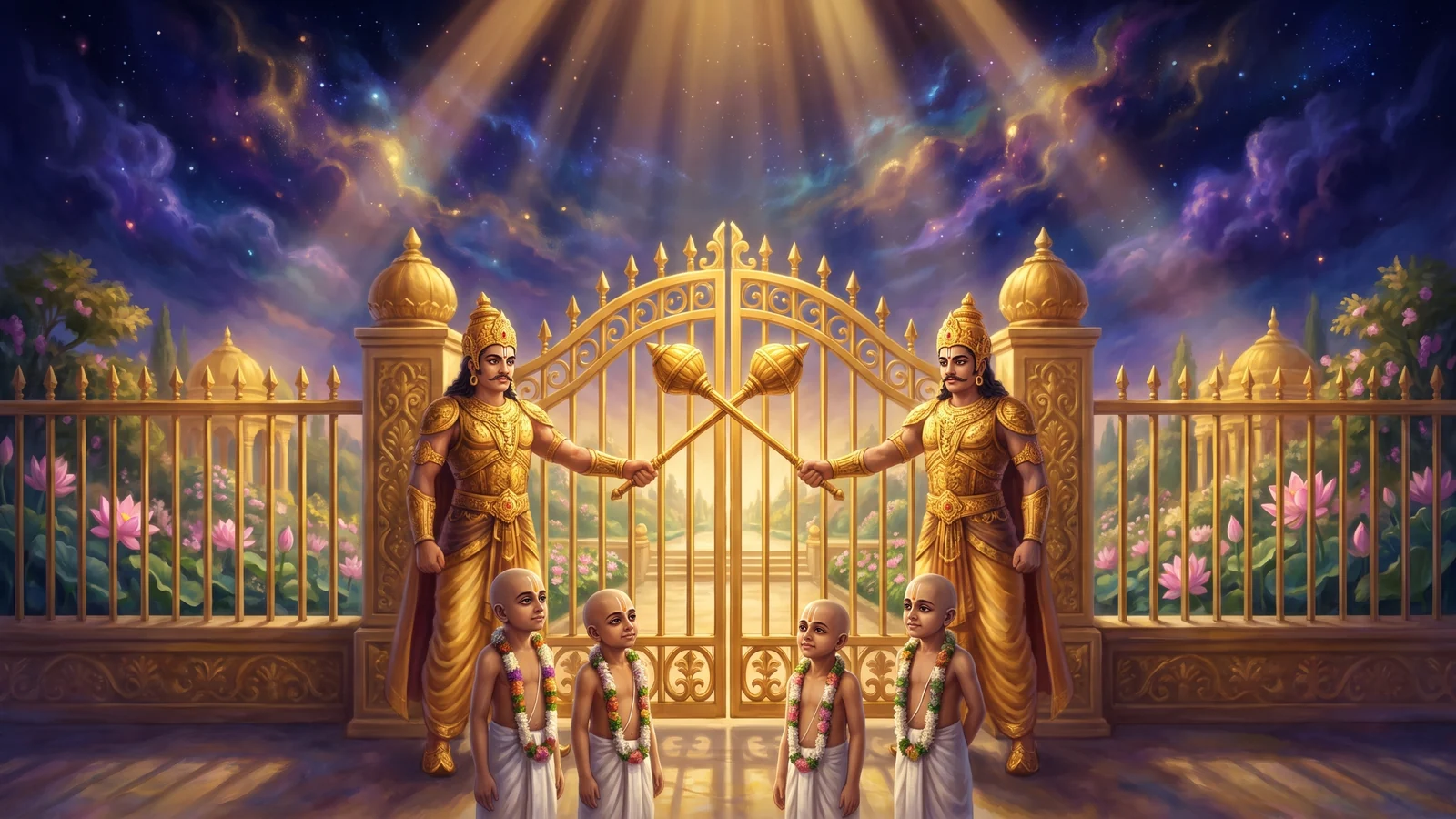
The full moon of Phalguna, at the end of winter, when the wheat is nearly ripe. On the first night a fire is lit for the boy Prahlada, who walked out of it unhurt while the demoness Holika burned. The next morning everyone throws colour, as Krishna threw it on Radha in Braj. In the south the same full moon is kept for Kama, the god of love, whom Shiva burnt to ash.
Also calledHolika DahanRangwali HoliDhulandiPhagwaDol Jatra (Bengal and Odisha)Yaosang (Manipur)Shigmo (Goa)Kaman Pandigai (Tamil Nadu)Fagu Purnima (Nepal)
Next, in 2027Monday 22 March 2027
21 to 22 March 2027
Prime godsKrishna and Radha
with 7 more
WhereAll of North and East India, Nepal and the Indian diaspora, with older spring festivals of its own in the south and the hills
How longTwo days (some forty days in Braj)
The full moon of Phalguna, in late February or March. The fire is lit on the night of the full moon and the colours are played the next morning
Why it is kept
Holi comes at the end of winter, on the full moon of Phalguna, when the wheat stands high and almost ready to cut and the days are warm again. It is two festivals on two days: a fire on the night of the full moon, and on the next morning the colours, when for a few hours nobody minds who anyone is.
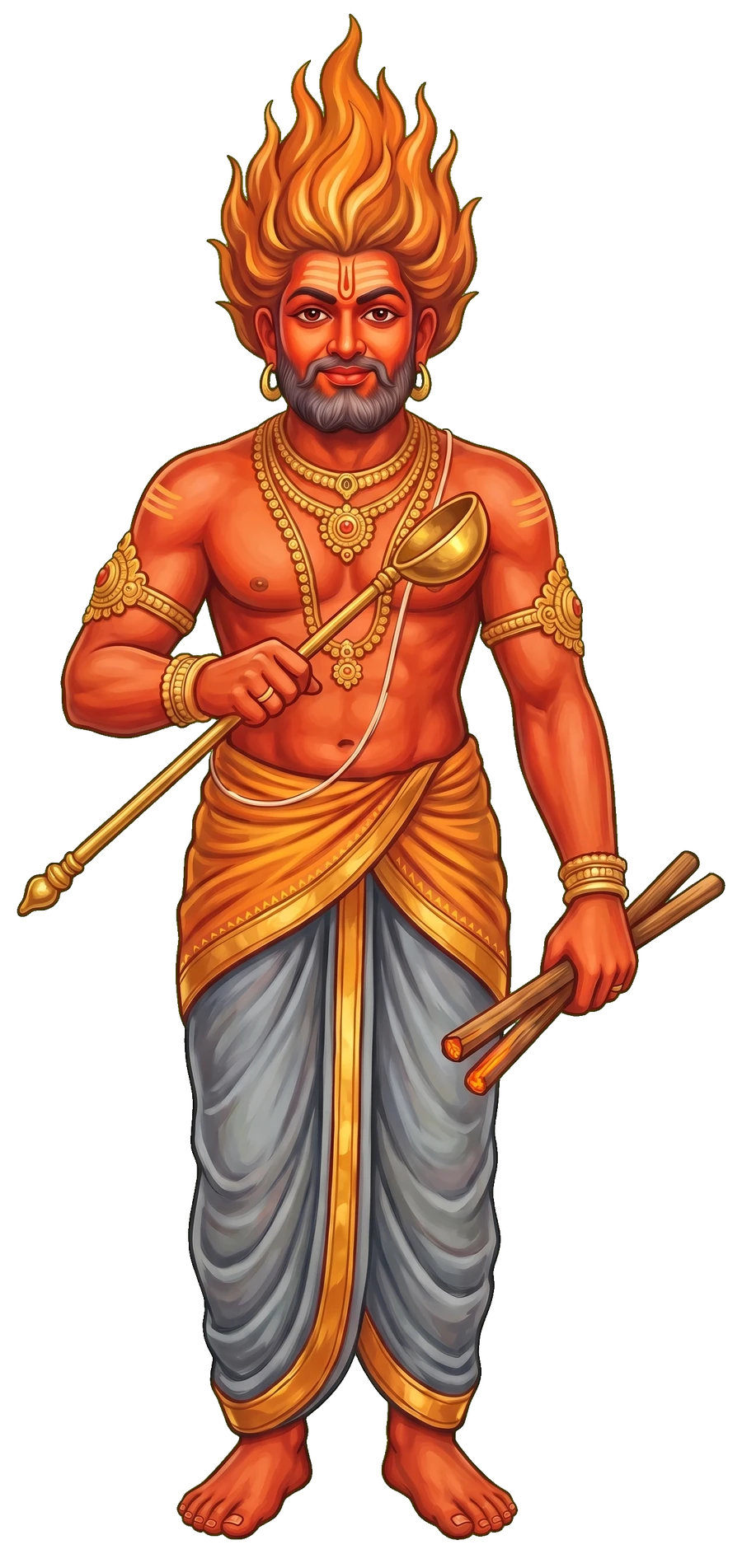
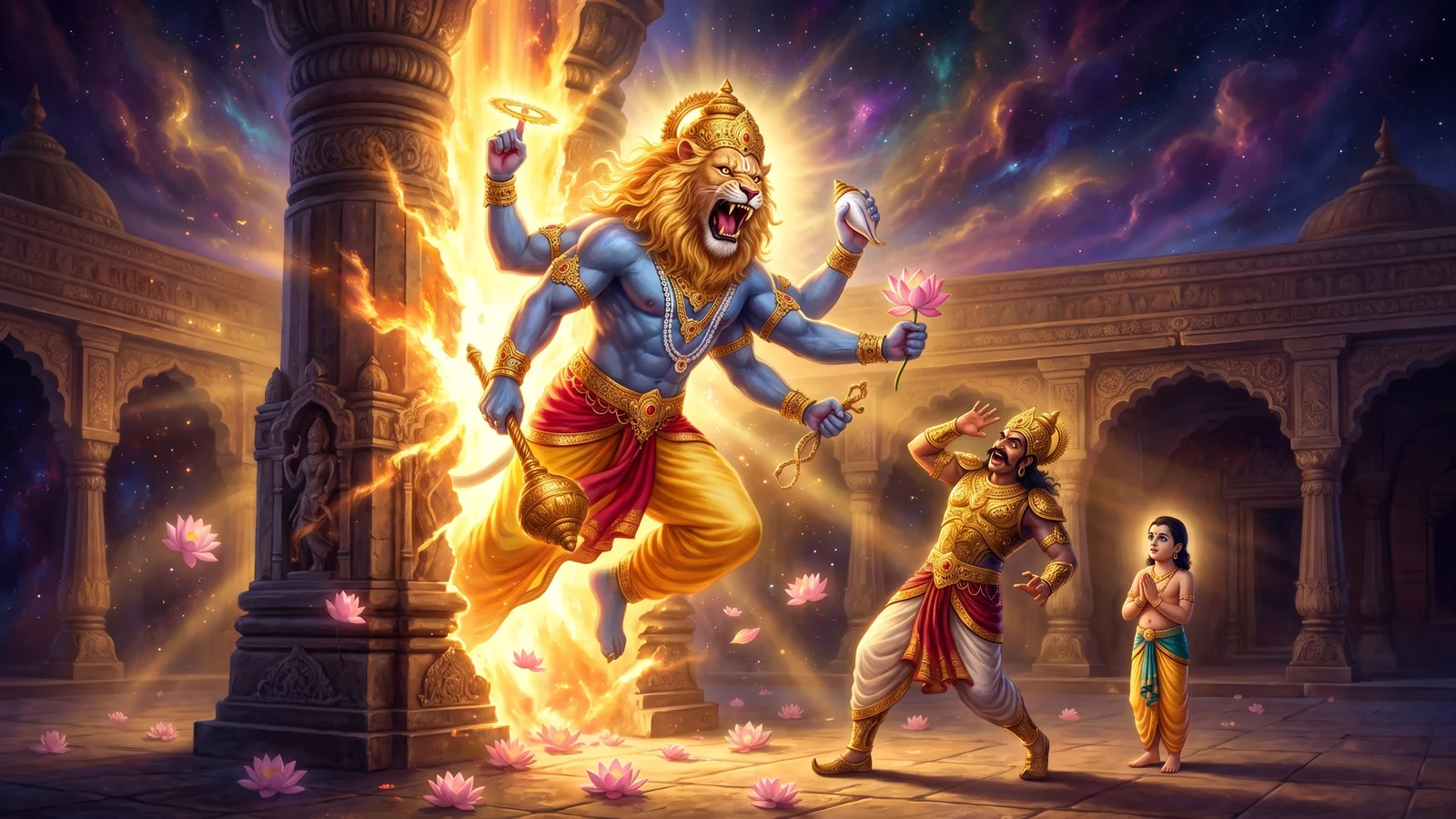
The fire is for a child. Prahlada was the son of the demon king Hiranyakashipu and would not stop praying to Vishnu, so his father tried to kill him, again and again. Last of all the king's sister Holika, who could not be burnt, took the boy on her lap and sat down in a fire. Holika burned and Prahlada walked out unhurt. So a figure of Holika is put on the bonfire, and the night is named for her.
The colours are for Krishna. As a boy in Braj he asked his mother why Radha was so fair and he so dark, and she told him to go and colour Radha's face any colour he liked. He did, with his friends, and Barsana and Nandgaon have been fighting about it every spring since.
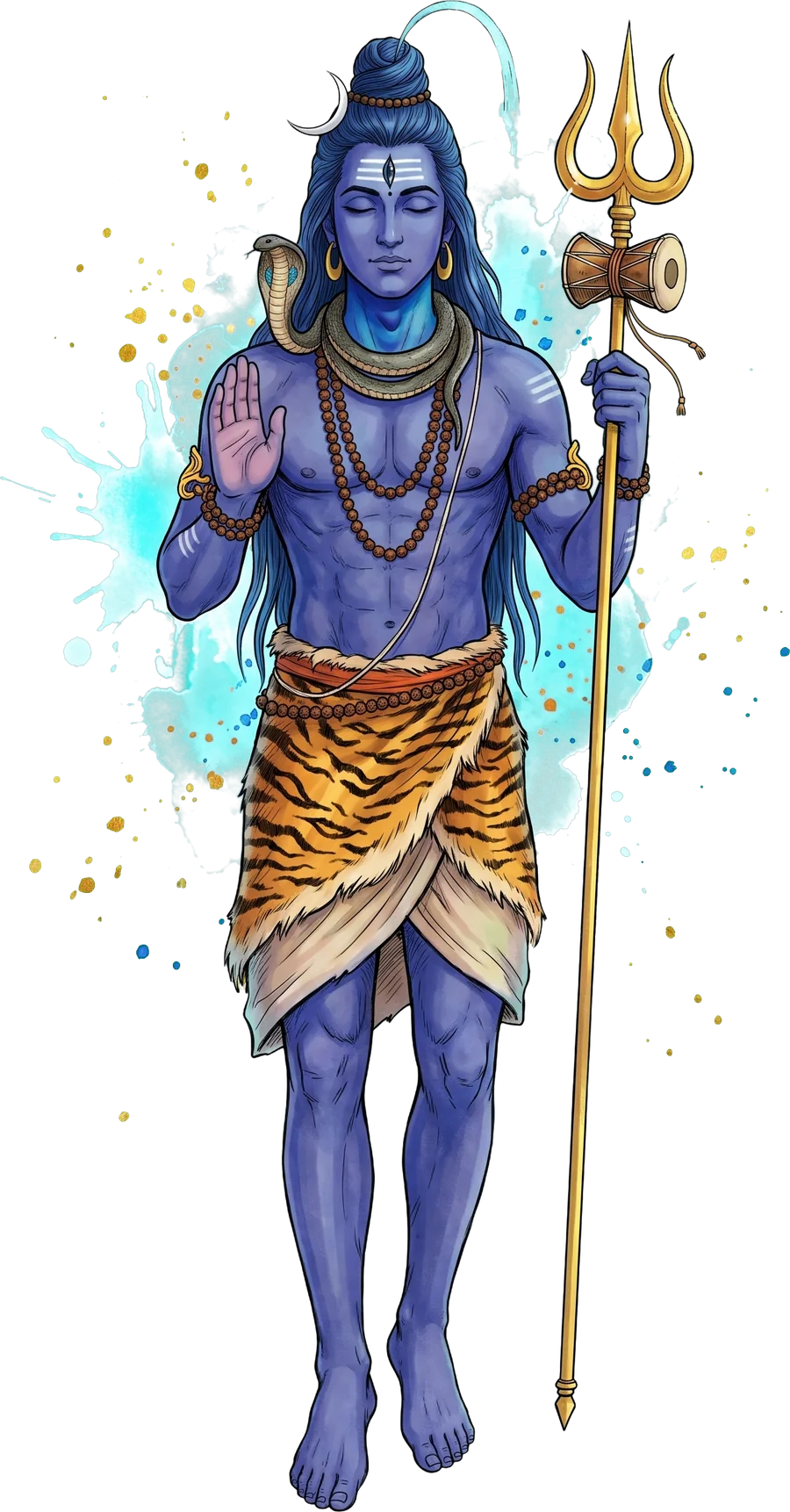
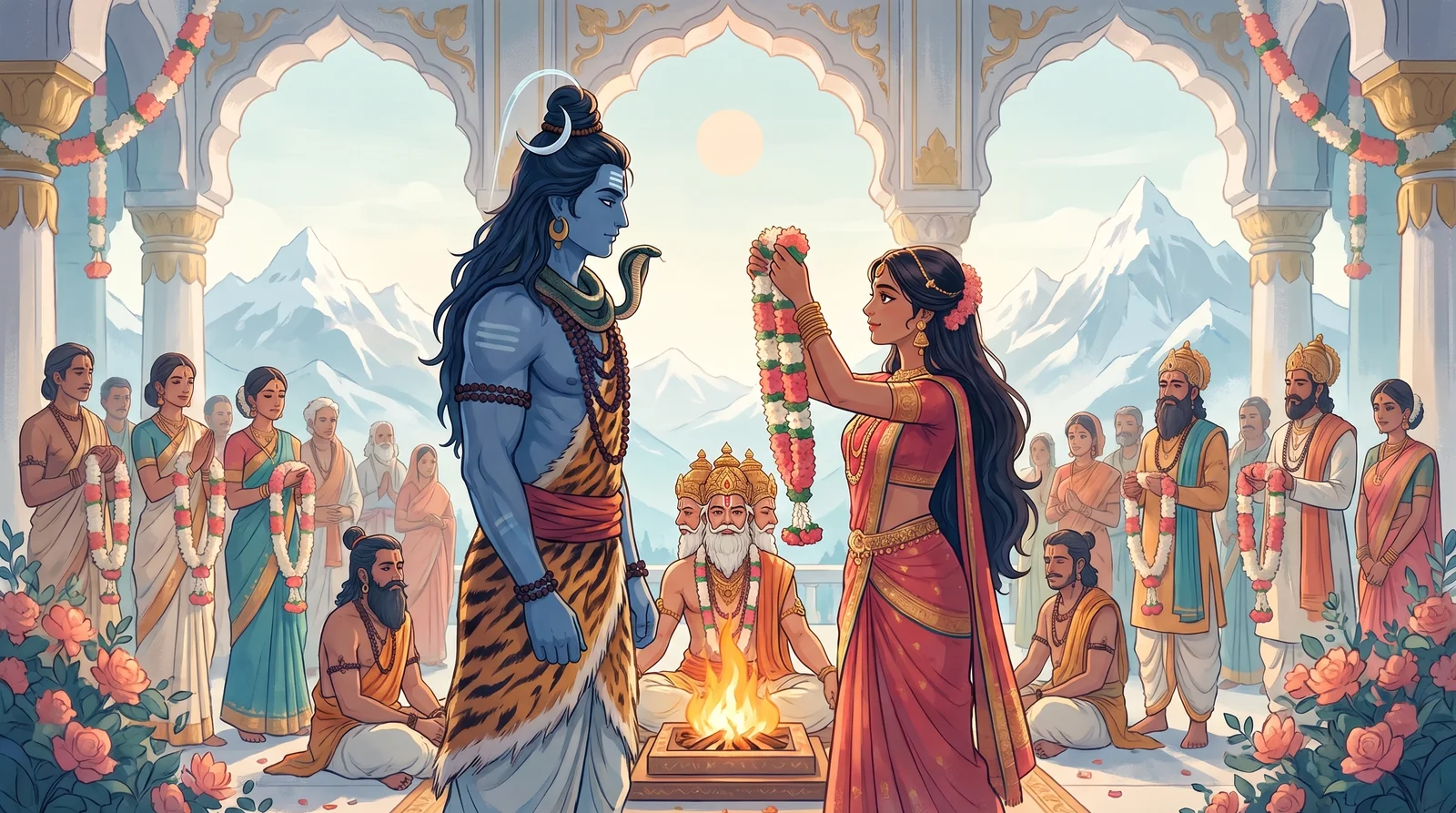
The south tells a third story. When the god of love, Kama, shot Shiva with an arrow of flowers to make him love Parvati, Shiva opened his third eye and burnt him to ash. Tamil Nadu keeps this full moon for Kama, and for his wife Rati's grief.
Under all three is the turn of the year. The fire burns the winter's rubbish, and the first ears of new grain are roasted in it before anyone eats the harvest. One old name of the festival, Holaka, is said to come from holak, the word for half-roasted grain.
The dark boy of Braj who asked why Radha was so fair and was told to colour her face. Braj keeps forty days of Holi for him, ending at Vrindavan, Barsana, Nandgaon and Mathura.
R
Prime god
Radha
The girl of Barsana whose face Krishna coloured. In the Lathmar Holi the women of her village beat back the men of his with sticks.
N
Narasimha
The man-lion Vishnu became to save Prahlada from his father Hiranyakashipu. The Holika fire is lit for the boy he saved.
P
Prahlada
The child who would not stop praying to Vishnu, and who sat in the fire on Holika's lap and walked out of it unhurt.
H
Holika
Hiranyakashipu's sister, who could not be burnt, and burned. Her figure is put on the bonfire and her name is given to the night.
In Braj the season begins on Vasant Panchami, when a pole for the fire is planted, and the temples sing the songs of spring, the phag, for some forty days. At Barsana, on the ninth day of the bright half, the men of Nandgaon come to raid the town with colour and the women drive them off with long sticks; the next day the women of Barsana go to Nandgaon and the men are beaten there. On the eleventh, Rangbhari Ekadashi, the temples of Vrindavan shower the god and the crowd with flowers.
The full moon of Phalguna, after dark, at the hour the almanac gives · Sunday 21 March 2027
HolikaChhoti HoliKamudu (South India)
A great pile of wood and cow dung cakes has grown at every crossroads for weeks, with a pole in its middle. In the evening women walk round it, winding raw cotton thread and pouring water, and offer coconuts, sweets and the new ears of wheat, barley and gram. When the fire is lit people roast the ears in it and take a little of the fire home. In the south a figure of Kama is burnt on the same night, while women sing Rati's lament.
The first day of the dark fortnight of Chaitra, the morning after the fire · Monday 22 March 2027
DhulandiDhuletiPhagwaDol Purnima (Bengal and Odisha)Hola Mohalla (Anandpur Sahib)
In the morning people put the fire's ash on their foreheads, and then the colours come out, dry gulal and coloured water from brass syringes and buckets and balloons. Nobody is spared and nobody is supposed to mind; old quarrels are meant to end on this day. Thandai with bhang is drunk in the north, gujiya is eaten, and in the afternoon people bathe, put on clean clothes and visit friends and elders.
Maharashtra and Madhya Pradesh play their colours on the fifth day after the fire rather than the next morning. In Indore the whole city comes out for the Gair, a procession that sprays colour from tankers over the crowd.
Some forty days of Holi from Vasant Panchami. Lathmar Holi at Barsana and Nandgaon, Phoolon wali Holi with flowers at the Banke Bihari temple, the widows' Holi in Vrindavan, and the Huranga at Baldeo the day after Holi, when the women tear the men's shirts off and whip them with the cloth.
Bengal and OdishaDol Jatra
Krishna and Radha are set on a swing and rocked, and dusted with abir. The day is also the birthday of Chaitanya, born on the Phalguna full moon of 1486, and is kept at Mayapur as Gaura Purnima. At Santiniketan, Rabindranath Tagore made it Basanta Utsav, the spring festival, with songs and yellow clothes.
ManipurYaosang
Five days from the Phalguna full moon. A small hut of hay is burnt on the first evening, and at night young men and women dance the Thabal Chongba, holding hands in a ring by moonlight. Children go from house to house collecting money, as Holi's boys do in the north.
Maharashtra and GoaShimga and Shigmo
The Holi fire is lit with a sweet flatbread, puran poli, offered to it, and the colours wait for Rangapanchami. In Goa, Shigmo is the spring festival of the farmers, with folk dances and painted floats through the towns.
Kumaon (Uttarakhand)Baithki and Khadi Holi
Holi songs in classical ragas, sung sitting in the house through the winter evenings from the first Sunday of Paush, and then standing and dancing in the village square in the last weeks.
Tamil Nadu and KarnatakaKaman Pandigai and Kamana Habba
The full moon is kept for Kama, burnt by Shiva. A flag is raised some days before, Rati's lament is sung, and the figure of Kama is burnt on the night. Some say he died, some say he did not, and the argument is part of the festival.
NepalFagu Purnima
A pole hung with cloth strips, the chir, is raised at Basantapur in Kathmandu a week before the full moon and burnt at the end. The hills play colours a day before the Terai, which keeps Holi on the same day as Bihar.
The diasporaPhagwa
Kept as Phagwa by the descendants of indentured labourers from Bihar and eastern Uttar Pradesh in Guyana, Trinidad, Suriname, Fiji and Mauritius, with chowtal songs carried from the villages they came from. In Guyana it is a public holiday.
SikhsHola Mohalla
On the day after Holi, at Anandpur Sahib in Punjab. Guru Gobind Singh began it in 1701 as a gathering of martial skill instead of colour, and the Nihangs still ride, fence and wrestle there before vast crowds for three days.
SufisHoli at Dewa Sharif
At the shrine of the Sufi saint Haji Waris Ali Shah at Dewa in Barabanki, Uttar Pradesh, Muslim and Hindu devotees play Holi together in the courtyard, in clouds of gulal and rose petals, as the saint is said to have welcomed.
How it is kept
For weeks before, children collect wood from house to house and pile it at the crossroads round a tall pole. On the evening of the full moon, at the hour the almanac gives, the women come first. They walk round the pile winding raw thread, pour water, and offer coconuts, sweets and stalks of green wheat and gram. Then the fire is lit, the ears are roasted in it and shared, and people carry a little of the fire home.
In the morning the ash goes on foreheads first, and then the colours. People throw dry gulal and squirt coloured water at friends, neighbours and strangers in the street, and the old and the important are not spared. Thandai, a cold drink of milk, nuts and spices, is drunk, often with bhang in it; gujiya, sweet pastries stuffed with milk solids, are passed round. By the afternoon the playing stops. People bathe, scrub off what they can, put on clean clothes and go visiting with sweets.
In the old texts
The festival is old. Jaimini's sutras on ritual and the Kathaka Grihya Sutra speak of a rite called Holaka, held on the full moon, and Harsha's play Ratnavali, of the seventh century, shows a spring festival of colour at court, with people drenching each other with coloured water. In the eleventh century Al-Biruni, writing about India, lists a festival of the Phalguna full moon among those he saw kept.
Prahlada's story is told in the Bhagavata Purana, which does not mention Holi; the link between Holika's fire and the festival is made in the later Puranas and in custom. The Bhavishya Purana tells a different first fire, lit by children against an ogress named Dhundha. Krishna's Holi with Radha is a song of later poets, the Garga Samhita and the poets of Braj, and the Mughal and Rajput painters loved it; there are Holi paintings of Jahangir's court as well as of Radha and Krishna.
Where this page comes from. Written by Devalok from the Bhavishya Purana (Uttara Parva 132), the Shiva Purana (Rudra Samhita, Parvati Khanda 17 to 19), the Garga Samhita (Madhurya Khanda 12), the Bhagavata Purana (book 7) on Prahlada, the Jaimini sutras and the Kathaka Grihya Sutra on the Holaka rite, Harsha's Ratnavali, Al-Biruni's account of India, Britannica's Holi article, and accounts of the Braj, Manipur, Kumaon, Tamil Nadu and Nepal festivals, as recorded in the Devalok Lore. Our own words throughout.