Who Khatu Shyam is
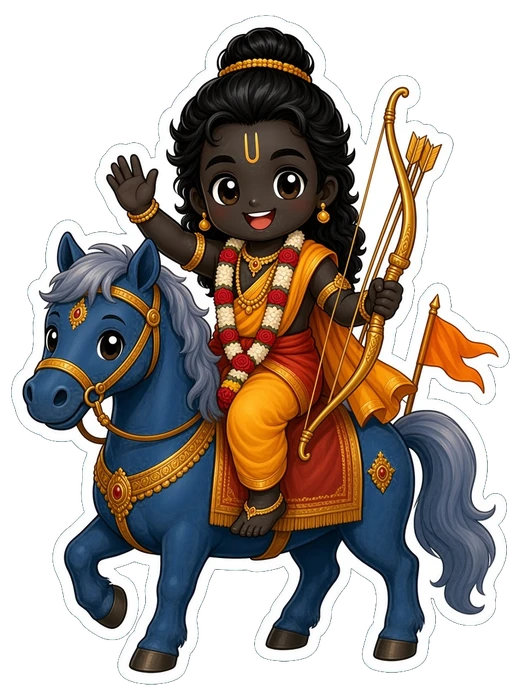
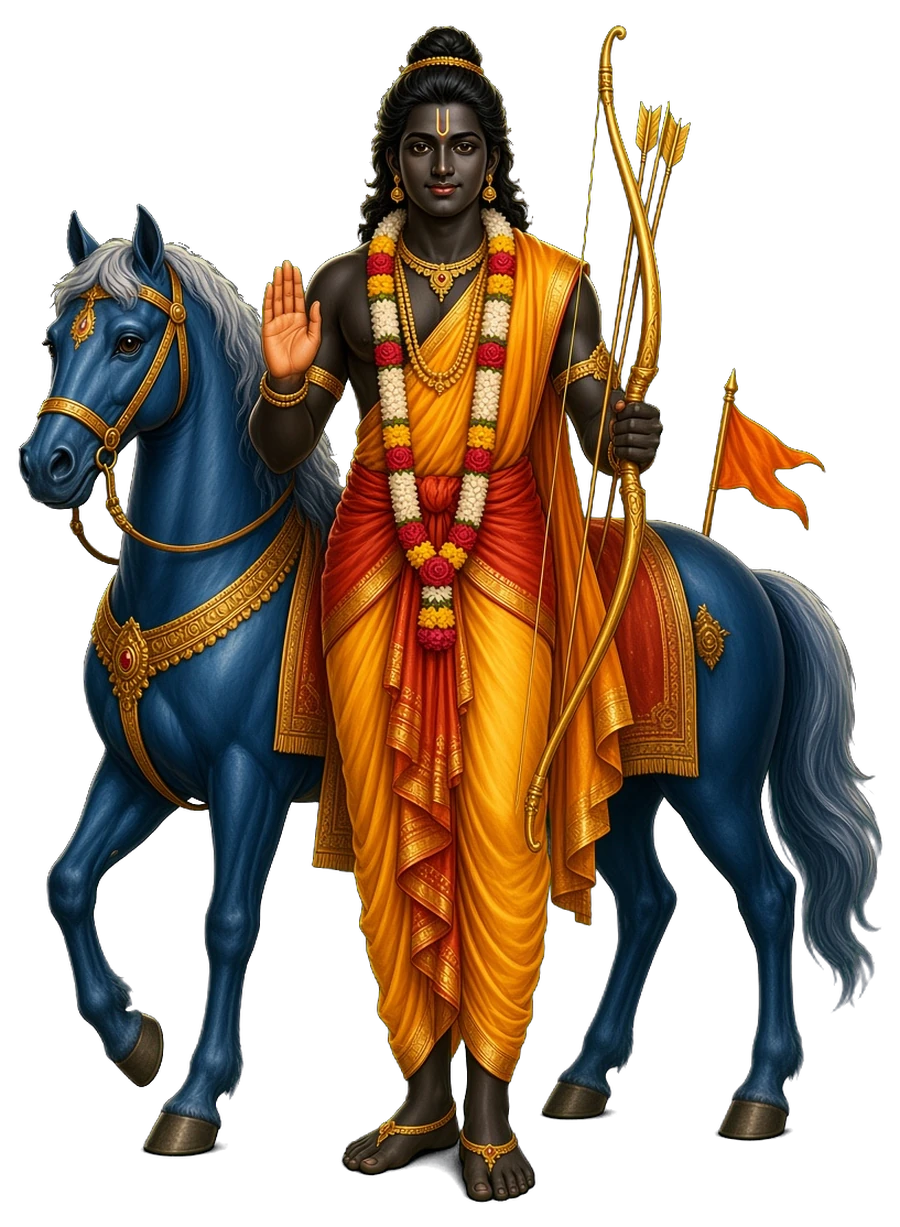
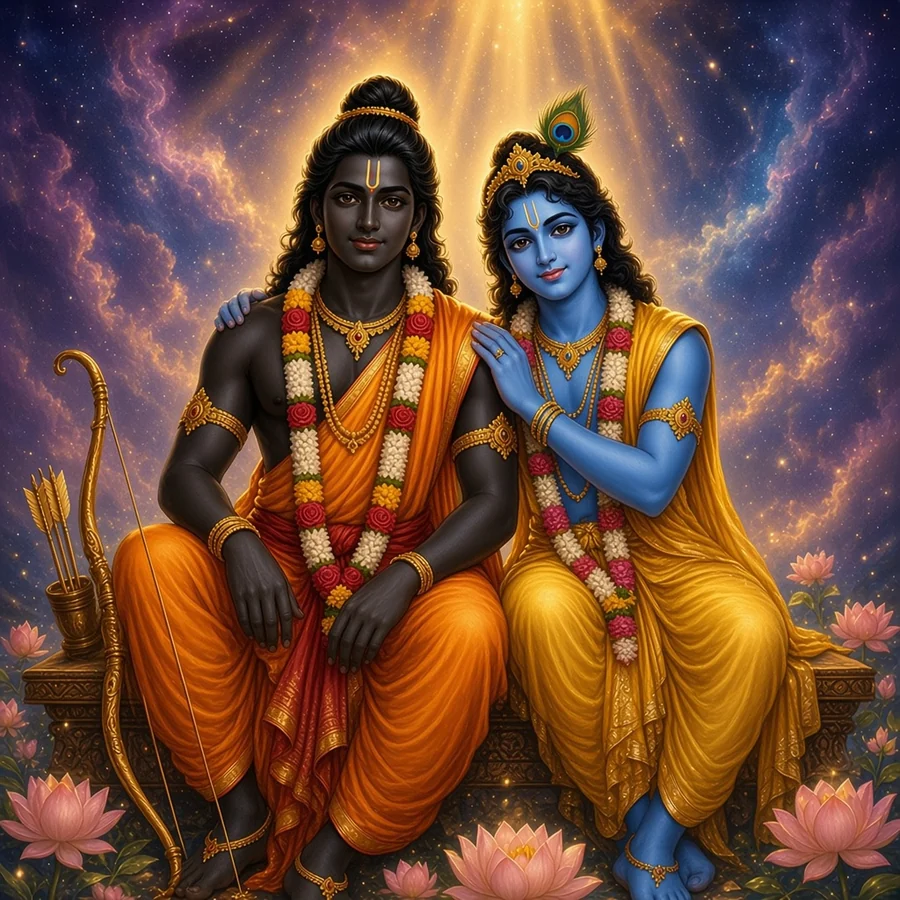
Khatu Shyam is Barbarika, the grandson of the Pandava Bhima, worshipped as a head in a small town of Rajasthan under Krishna's own name.
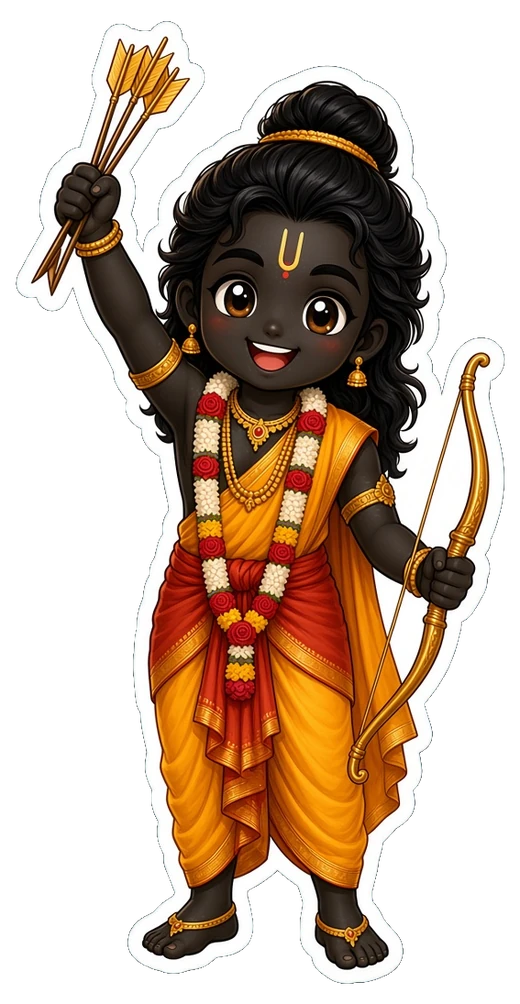
His father was Ghatotkacha, Bhima's son by the rakshasi Hidimbi. Barbarika was born already grown, his hair standing on end, and he trained under the goddesses until no warrior in the world had his strength. He went to war with only three arrows, and they were enough to end it.
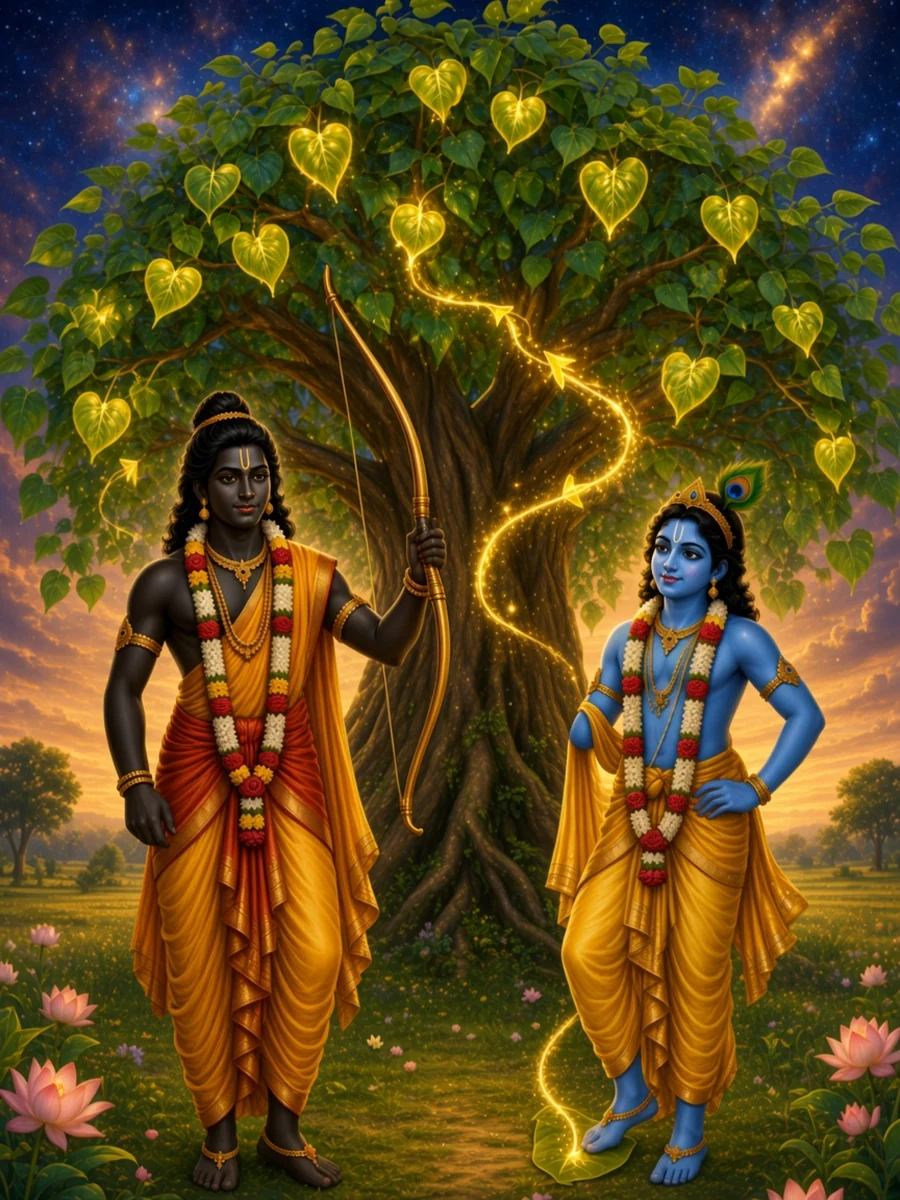
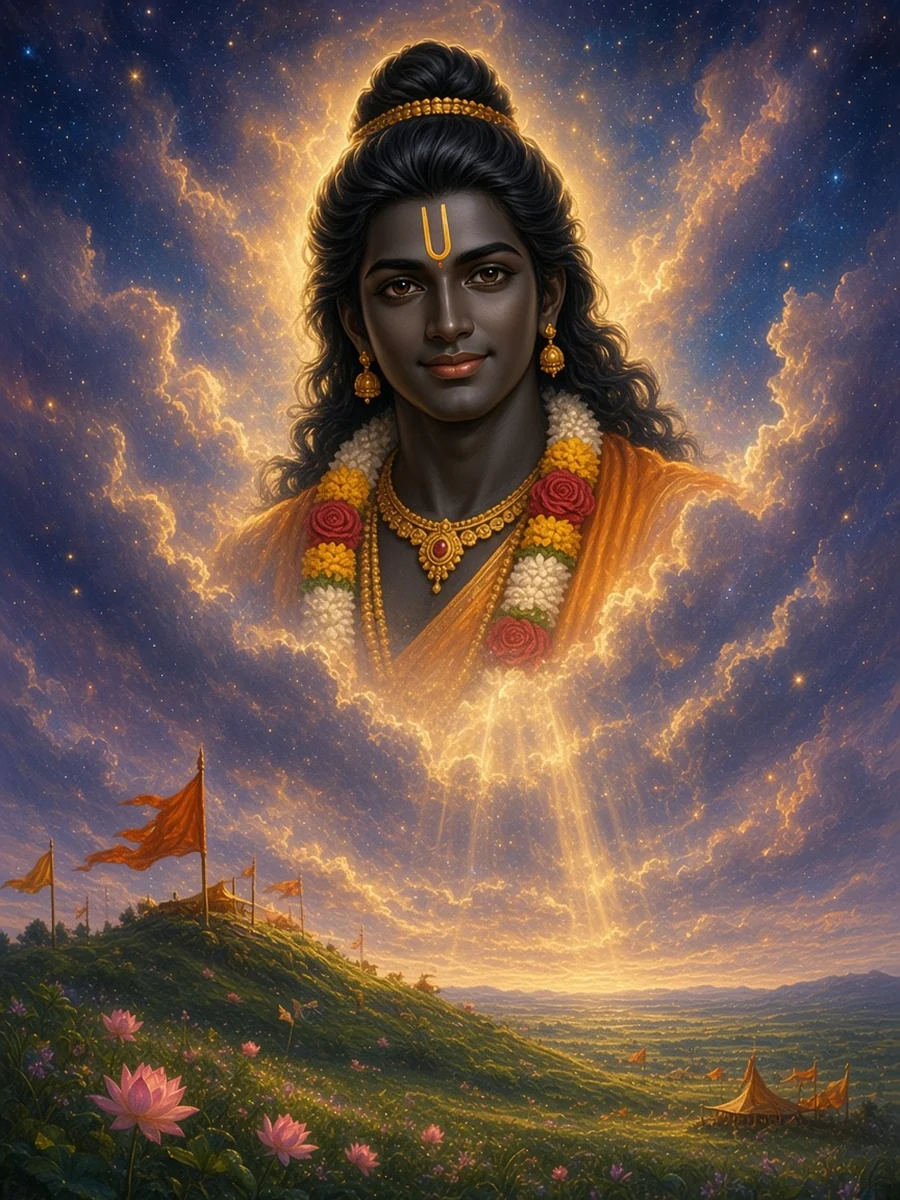
When he came to Kurukshetra, Krishna took his head before the fighting began. The tellings differ on how. At Khatu he gives it freely, when a Brahmin who is Krishna in disguise asks for it, and asks only to watch the war. In the Skanda Purana Krishna's discus takes it, to end an old curse. Both agree on what came after: the head was kept alive and set on a hill, and it saw everything.
Om Shri Morvinandanaya namah: Om, my bow to the son of Morvi.
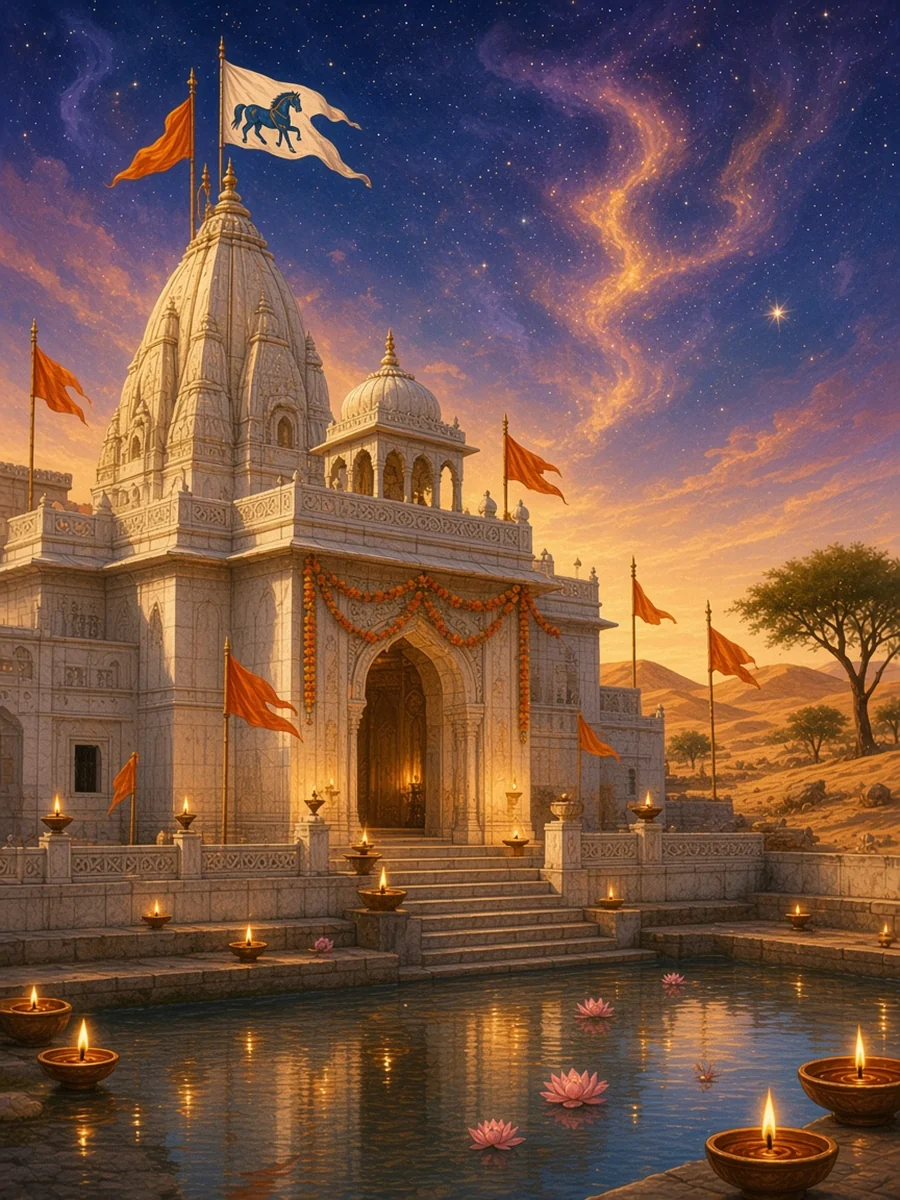
Centuries later, the people of Khatu say, a cow gave her milk to one patch of ground, and the head was found there. The temple built over it in Sikar district is one of the busiest in North India. At the spring fair before Holi millions walk to it, many of them barefoot, carrying his saffron flag, and Marwari families have carried his worship to every town they have settled in.
His names tell his story. He is Sheesh ke Dani, the giver of his head; Teen Baan Dhari, the bearer of three arrows; Lakhdatar, the giver of lakhs; and above all Haare ka Sahara, the support of those who have lost, because he had sworn to fight for the losing side. "Haare ka sahara, Baba Shyam hamara," his walkers sing on the road.
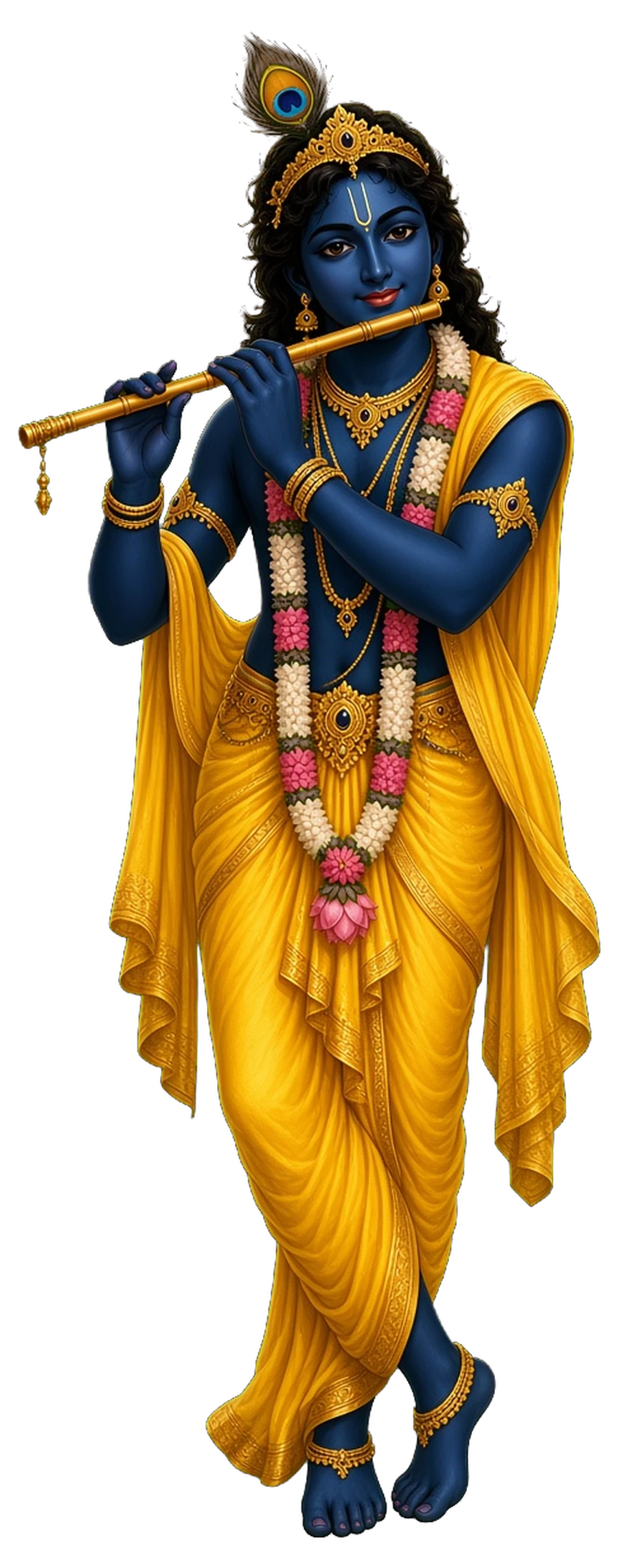
Rajasthan's temple department lists his temple as Vaishnava and names its god Shyam ji, Krishna himself, and that is how most of his devotees see him: Krishna's Shyam, the god who answers in the age of Kali. The goddesses who made him strong and the Shiva who gave him his arrows in the Khatu books are part of his story too.