Devalok ← All gods
Also calledDasha MahavidyaDas Mahavidyathe ten great wisdomsthe ten wisdom goddessesMahavidya

Artwork ›

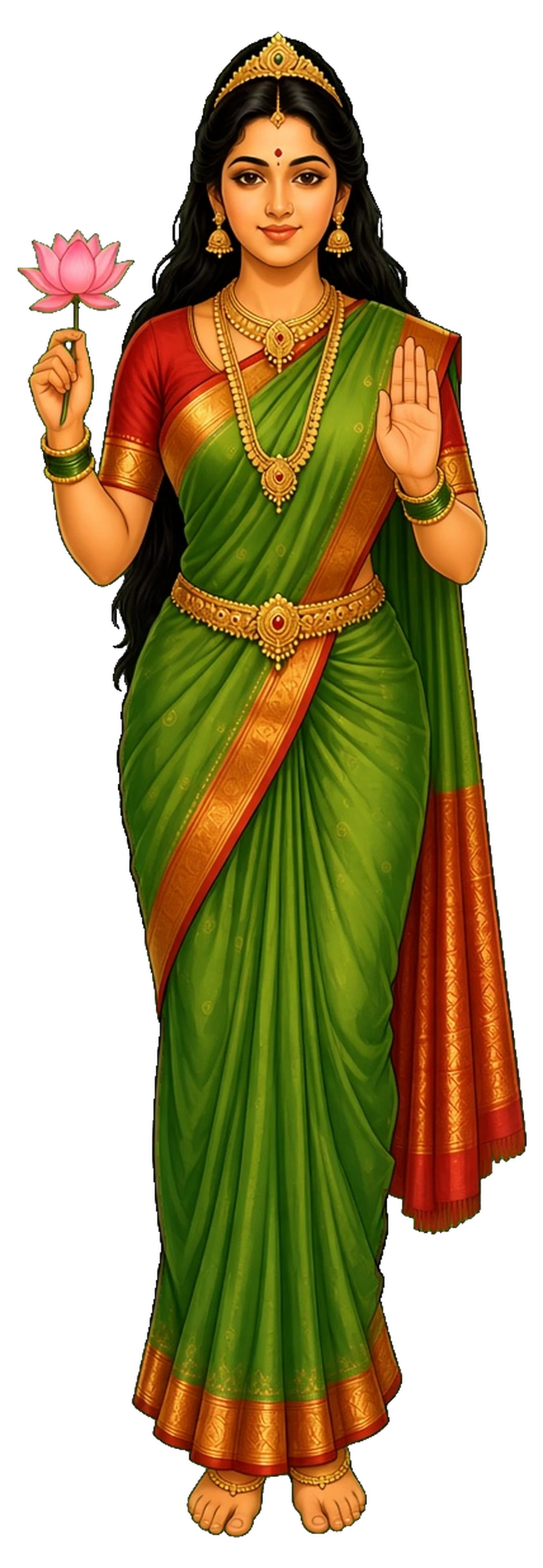
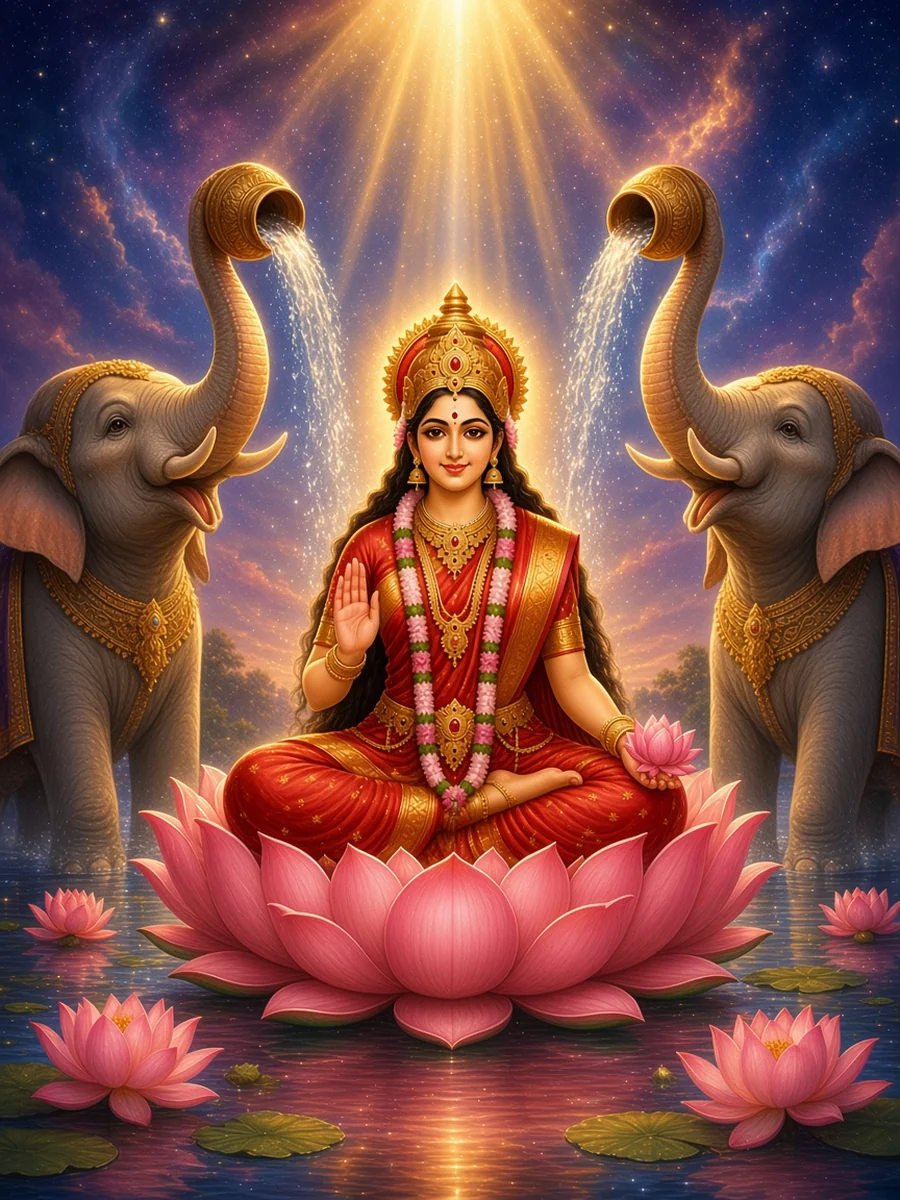
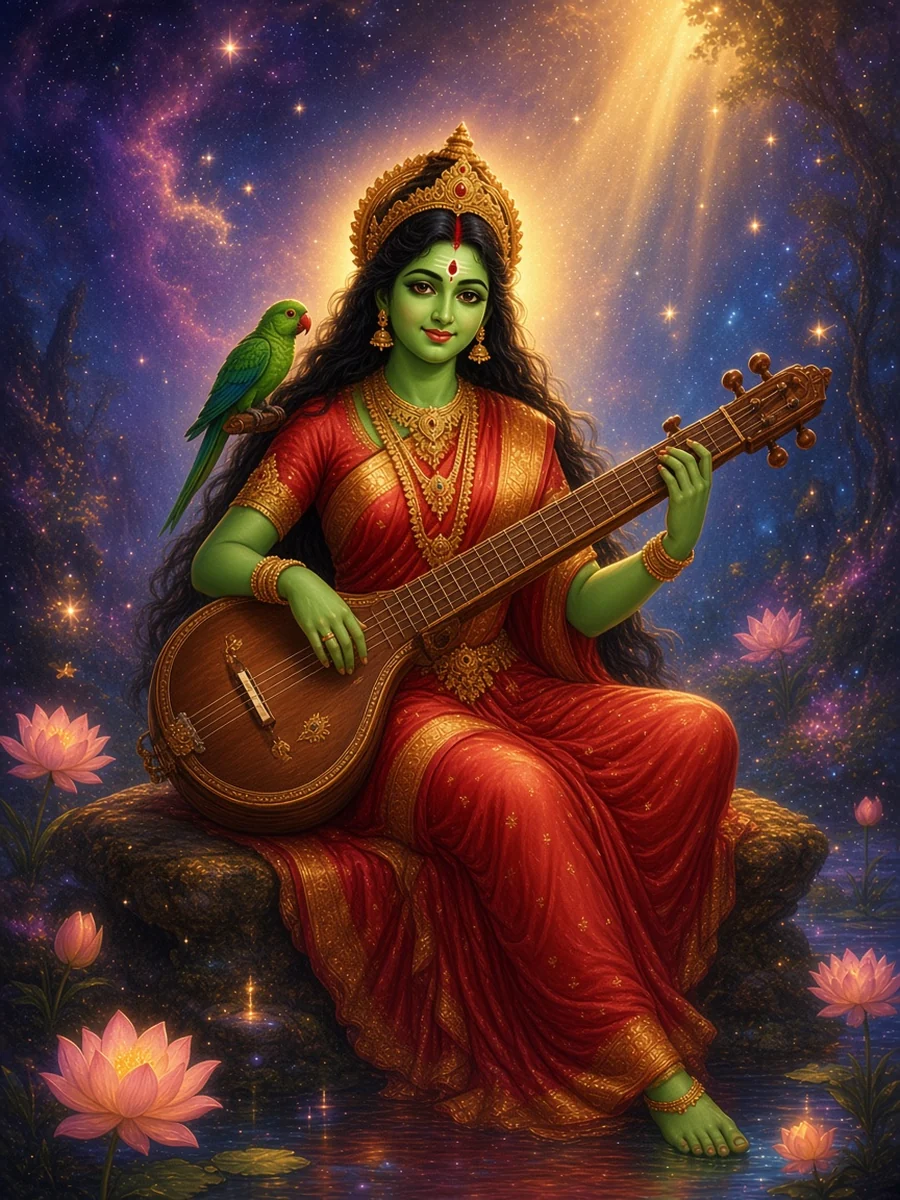
Kamala sits on her lotus while two white elephants bathe her Matangi, the green goddess of speech, plays her veena with a parrot

For kids

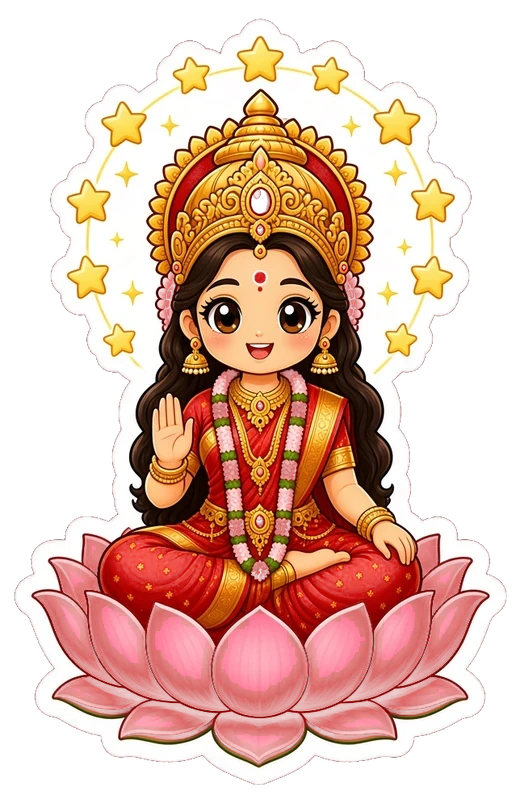
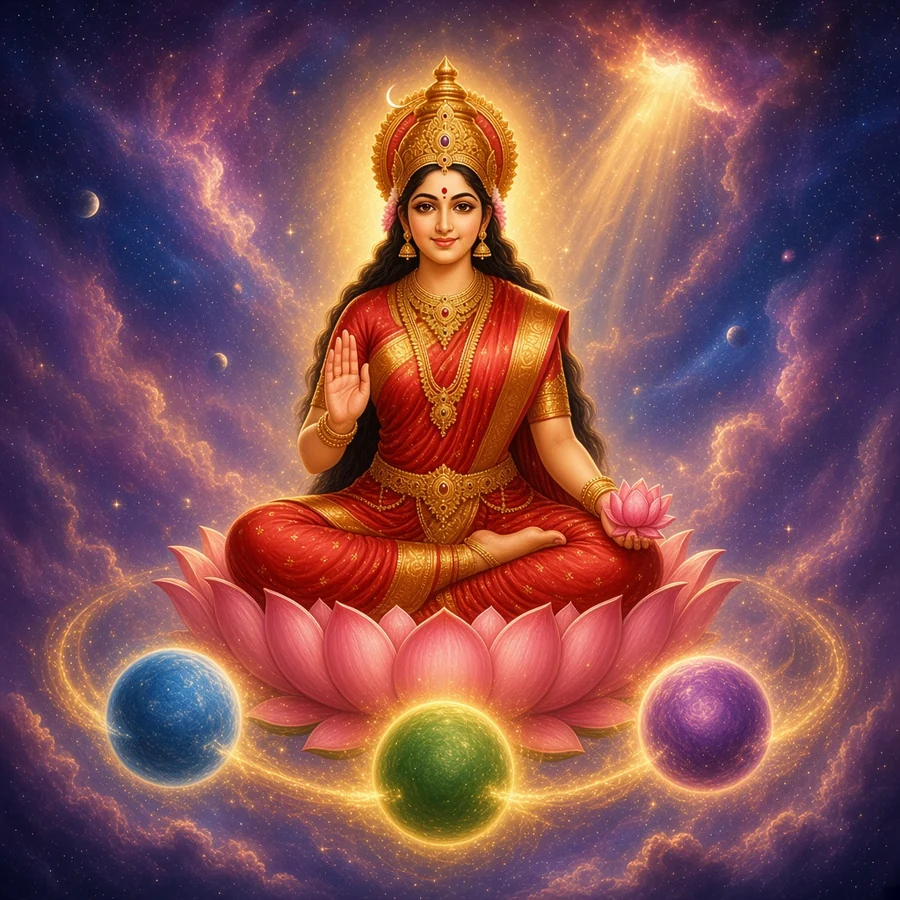
A tiny golden goddess blesses us under a ring of ten little stars
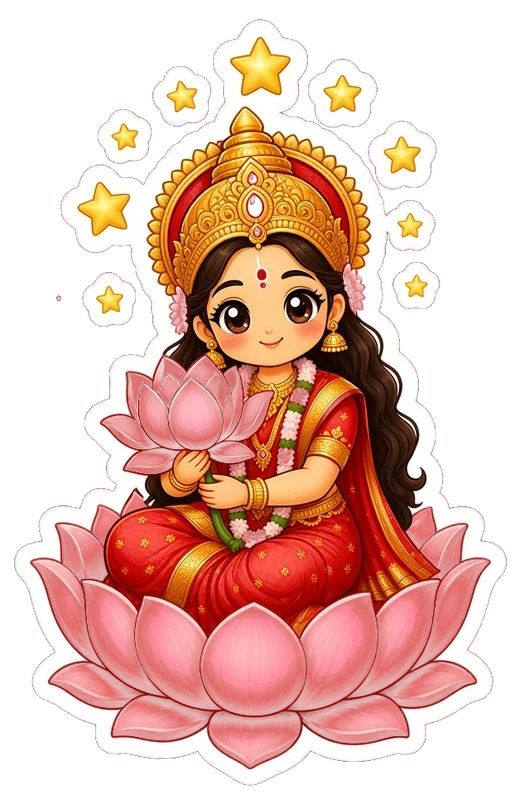
A tiny golden goddess hugs a pink lotus as her ten stars twinkle

At a glance

TraditionShakta
The tenKali

Tara, Tripura Sundari (Shodashi), Bhuvaneshvari, Bhairavi, Chhinnamasta, Dhumavati, Bagalamukhi, Matangi and Kamala

The nameMahavidya

great wisdom; in the tantras also a great mantra

Who The ten Mahavidyas is

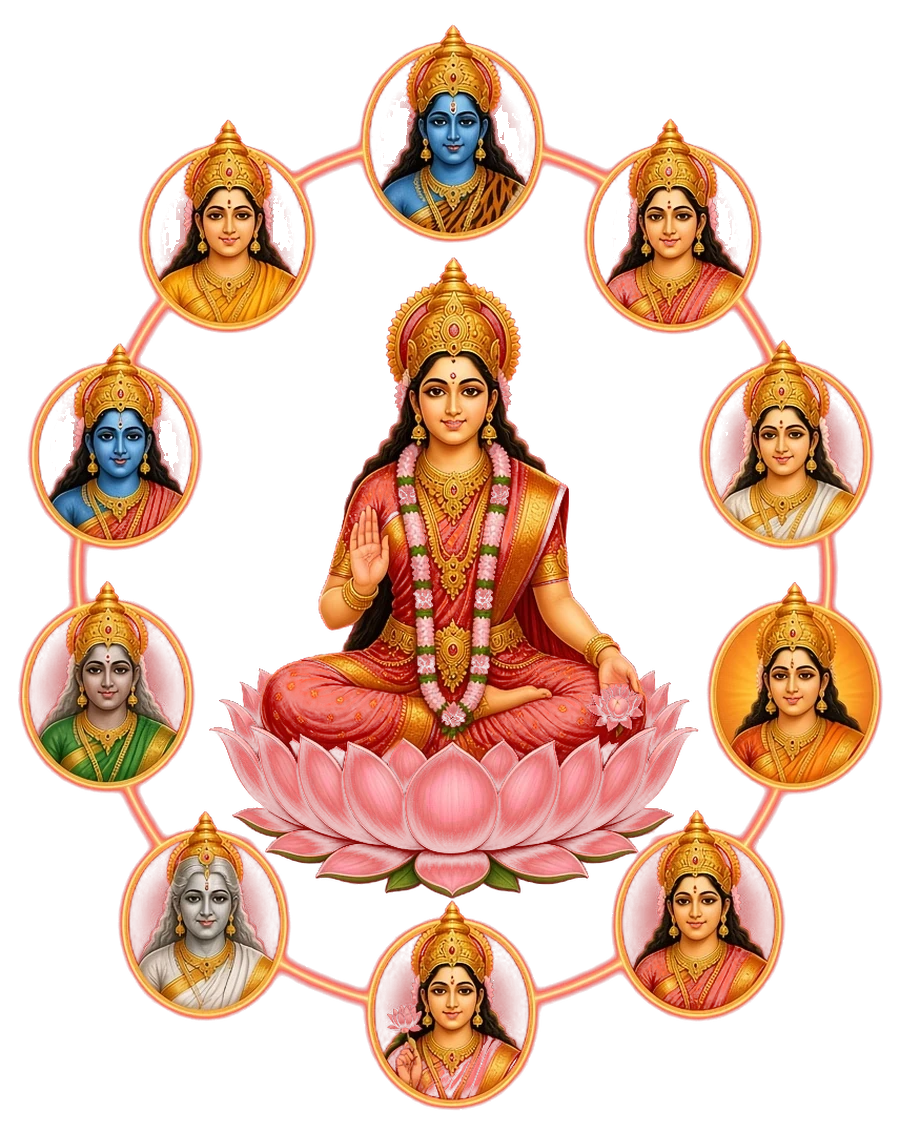
The Mahavidyas are ten goddesses who are one goddess. The tantras call them the great wisdoms, and say that the Mother shows herself in each of them in turn: terrible, beautiful, old, young, rich and outcast.

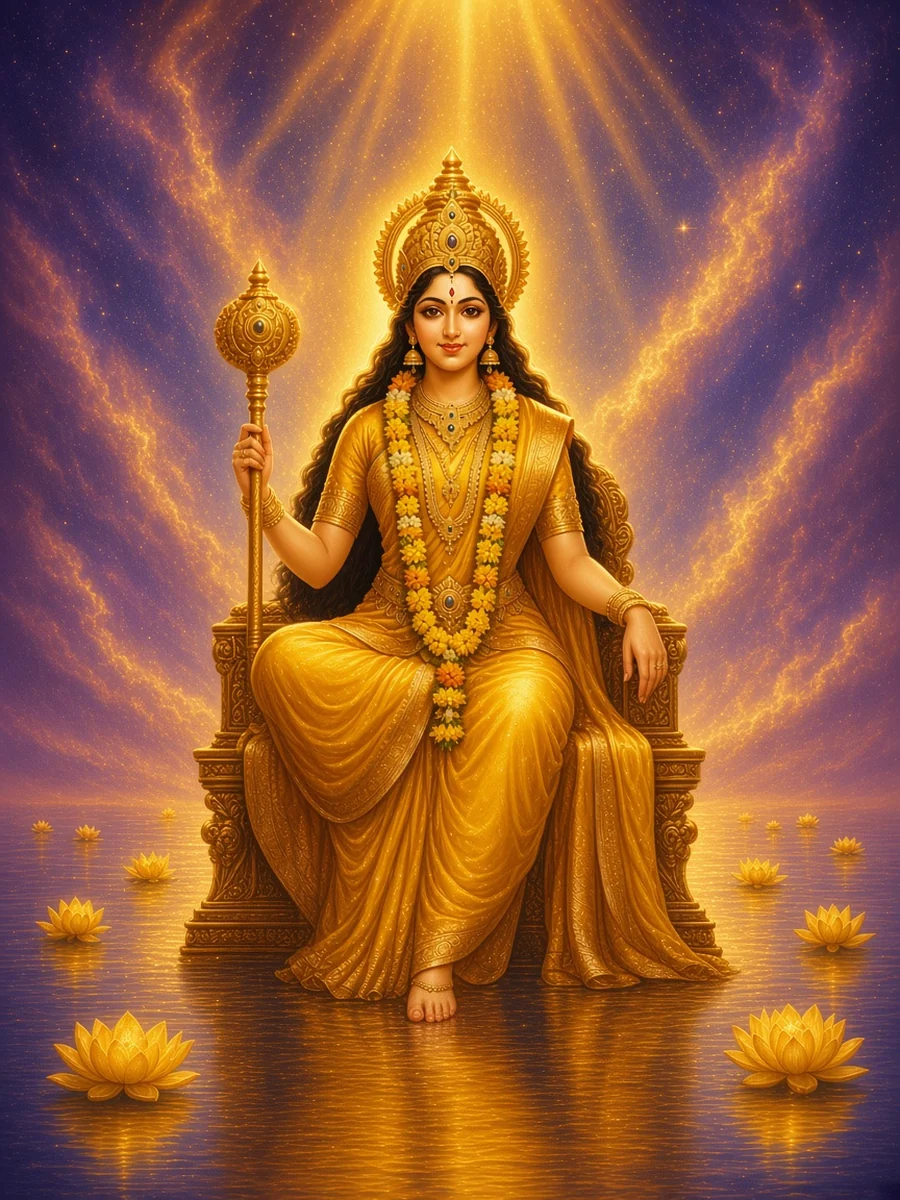
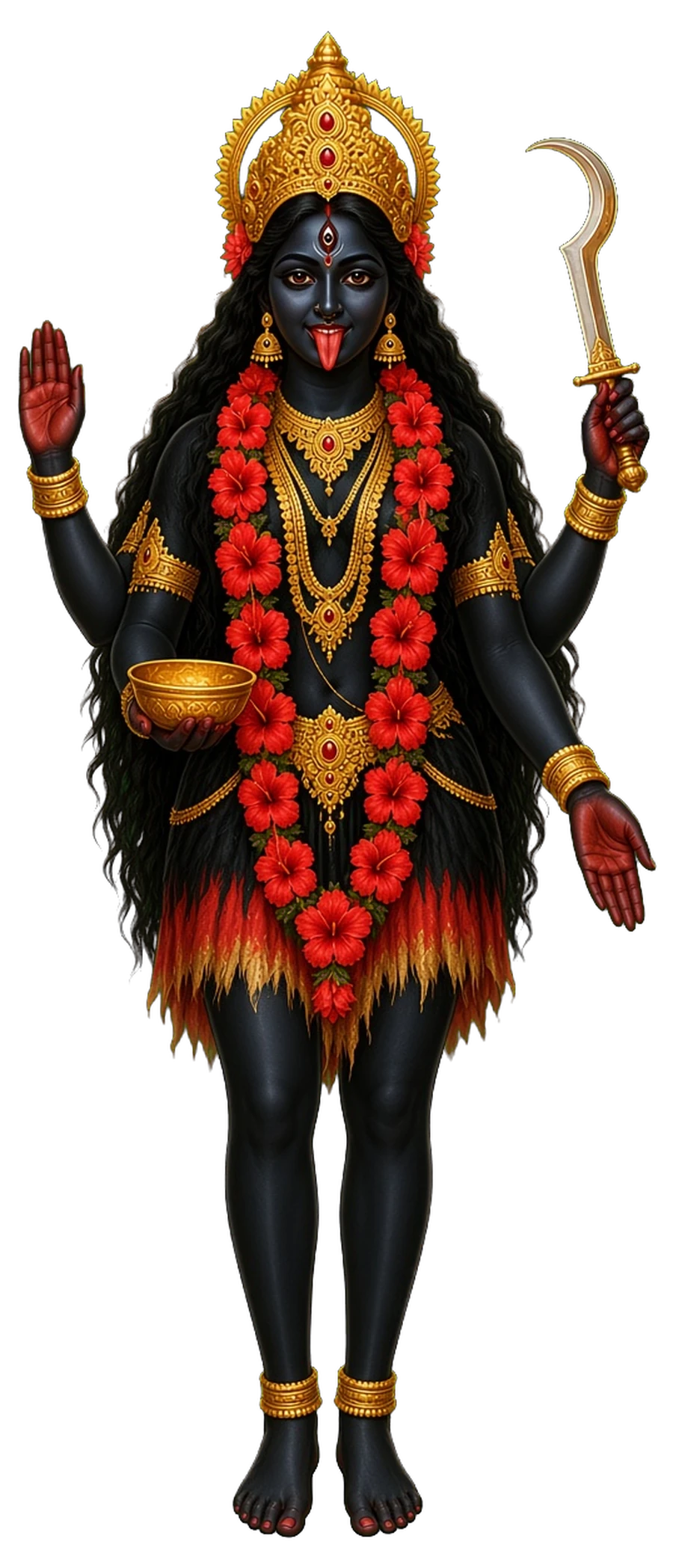
Kali is black, the first of them, with a sword and a cut-off head. Tara looks like her: dark, pot-bellied, in a tiger skin, her hair in one braid. Tripura Sundari, also called Shodashi, the girl of sixteen, is red and lovely and holds a noose, a goad, a bow and arrows. Bhuvaneshvari, queen of the worlds, is fair and smiling and feeds the three worlds. Bhairavi blazes like a thousand rising suns and holds a rosary and a book. Chhinnamasta has cut off her own head and holds it in her hand, and three streams of blood feed it and her two companions. Dhumavati, the smoky one, is an old widow with a winnowing basket and a crow. Bagalamukhi, dressed in yellow, raises a club and holds an enemy by the tongue, and stops him where he stands. Matangi, dark and young, is the outcast's goddess of speech and music, a wild Saraswati. Kamala is Lakshmi on her lotus, bathed by two elephants.

Kali Tara Mahavidya Shodashi Bhuvaneshvari, Bhairavi Chhinnamasta cha Sundari Bagalamukhi, Dhumavati cha Matangi, Mahavidya dashaiva tah: Kali, Tara, Shodashi, Bhuvaneshvari, Bhairavi, Chhinnamasta, Sundari, Bagalamukhi, Dhumavati and Matangi, these are the ten Mahavidyas (Brihaddharma Purana).

That old verse shows how the lists differ. It has no Kamala, and counts Sundari and Shodashi as two goddesses; later lists make them one and add Kamala. The order moves too. Kali is almost always first and Tara second, but Bhairavi and Chhinnamasta often change places, one manuscript of the Mundamala Tantra counts thirteen, and the Niruttara Tantra eighteen. The Mundamala's hymn to the ten also ranks them in three: Kali and Tara are the great Vidyas, Shodashi, Bhuvaneshvari, Bhairavi, Chhinnamasta and Dhumavati are Vidyas, and Bagalamukhi, Matangi and Kamala are the Vidyas of power.

The two Puranas that tell their beginning set it on the day of Daksha's sacrifice, when Sati, forbidden to go, stood round Shiva in ten forms, one in each direction. Each goddess is worshipped on her own in the tantras, with her own mantra and her own rules, and each has her own stories, told on her own page. The stories here are the ones they share.
Before the Puranas

The Vedic roots of The ten Mahavidyas

The ten Mahavidyas are not in the Vedas, and as a group they are young. The scholar David Kinsley dates the group to after the tenth century. The earliest list he found, in the Mahakala Samhita, names nine of the ten and leaves out Dhumavati. Some of the goddesses are much older than the group. Kali was a name long before; Tara appears in Subandhu's Vasavadatta; Kamala is the Lakshmi of the epics. The Mahabharata already knows female beings called Vidyas, in Parvati's company and at Brahma's court.

The story of their beginning is told in two Shakta upapuranas of eastern India, the Mahabhagavata and the Brihaddharma. Their dates are argued over. Banglapedia places the Brihaddharma in Bengal around the thirteenth century; one dating puts the Mahabhagavata as early as the tenth, while Kinsley places both after the fourteenth. Earlier versions of Daksha's sacrifice know nothing of the ten. The Devi Bhagavata, in its seventh book, has the goddess bring out Kalika, Tarini, Bagala, Matangi, Chhinnamasta and others from her body to fight the demon Durgama, without the name Mahavidya.

Some tantras pair them with the ten avatars of Vishnu, and agree on little but the first pair, Kali and Krishna. The Guhyatiguhya Tantra makes Chhinnamasta Narasimha; the Mundamala Tantra makes her Parashurama and Tara Rama.

In stone and paint they are usually found together in a goddess's temple rather than in a temple of their own. Kamakhya's hill in Assam keeps a shrine for each, and the main temple there was rebuilt in 1565. Kinsley found only one temple to the group alone, at Cossipore in north Kolkata, and in October 1992 he saw two Kali Puja tableaux in Kolkata that showed the ten together. At Datia in Madhya Pradesh the Pitambara Peeth, founded in the 1920s by a wandering ascetic known only as Swamiji, worships Bagalamukhi, with a shrine he set up for Dhumavati.

See how the Vedic gods became the Puranic ones →

Related gods