As Puri tells it
the Grand Road · 2 min read
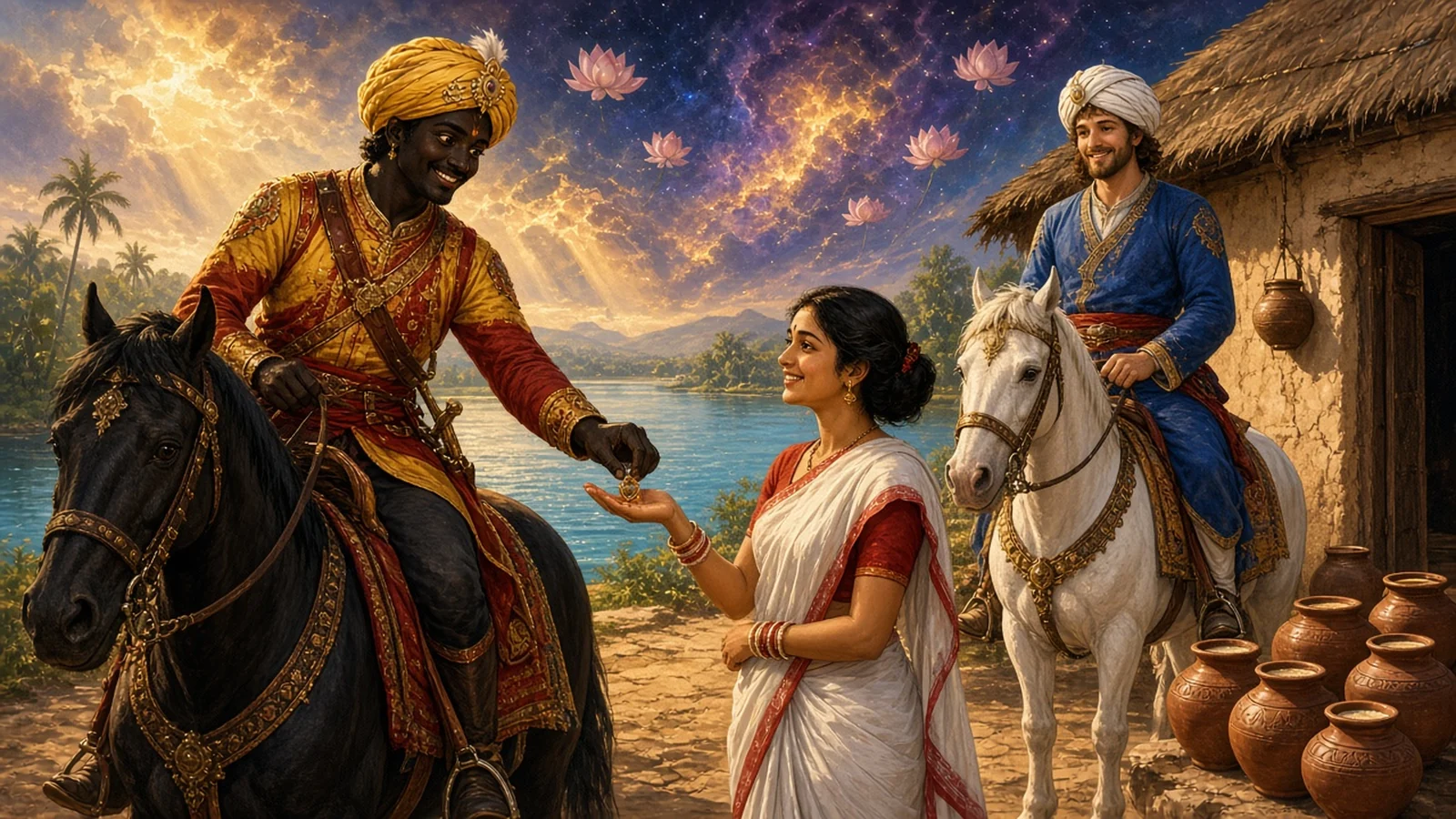
Lalbeg was a Mughal officer in Odisha, a subedar, a man used to taking what he wanted. One day he saw a young Brahmin widow, Lalita, coming back from her bath at the river, and he took her. She became his wife, and they had a son, Salabega.
The boy grew up a soldier like his father. In one battle he was wounded so badly that no one expected him to live. He lay in great pain, and his mother sat beside him.
"Call on Krishna," she told him. "Say his name. He listens."
Salabega had been raised a Muslim, but he did as his mother said. He said the name of Krishna over and over, and he got better.
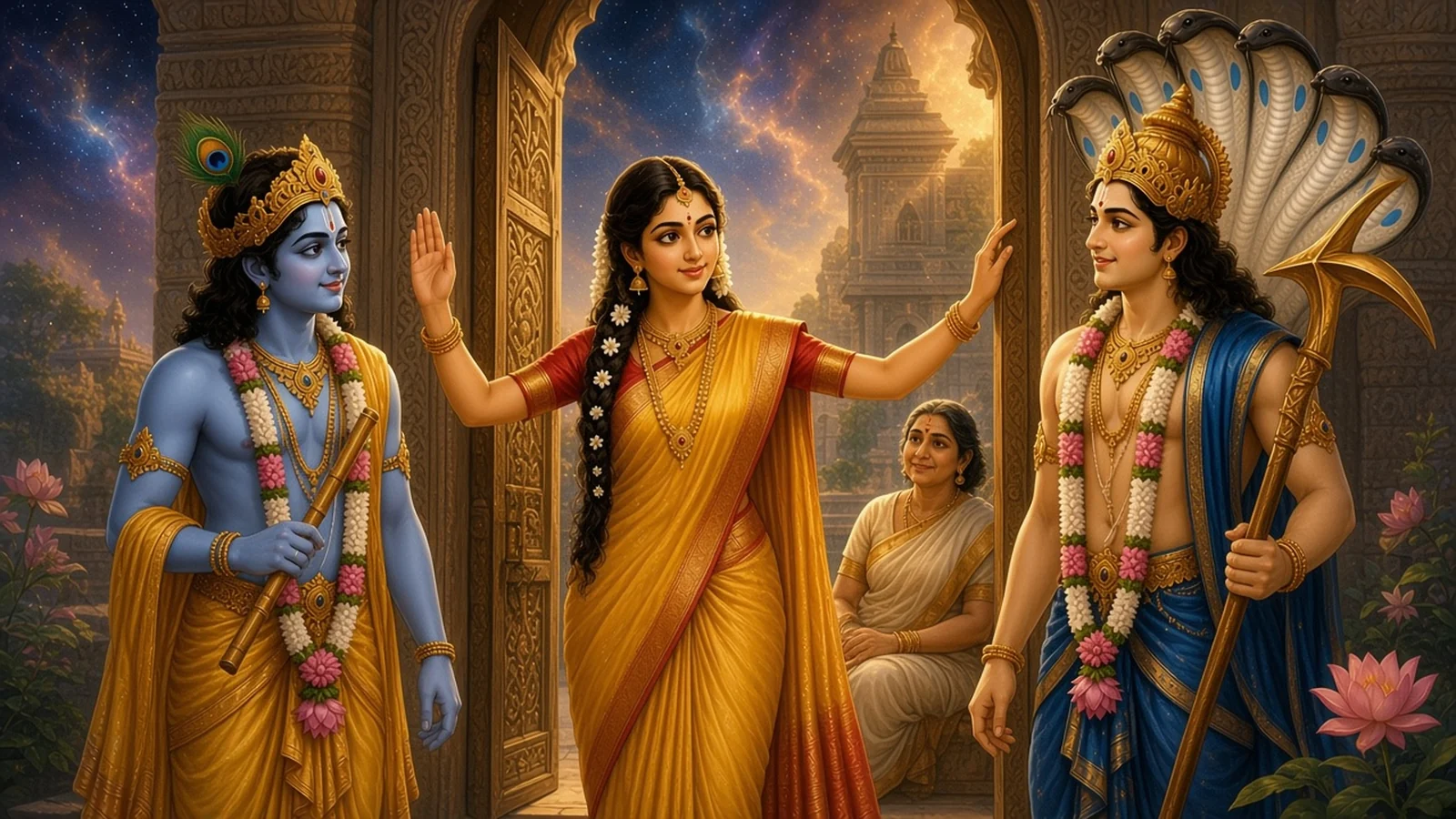
After that he wanted only one thing, which was to see Jagannath, the form of Krishna at Puri. He went to the temple.
"You cannot come in," they told him at the gate. "Not the son of a Muslim."
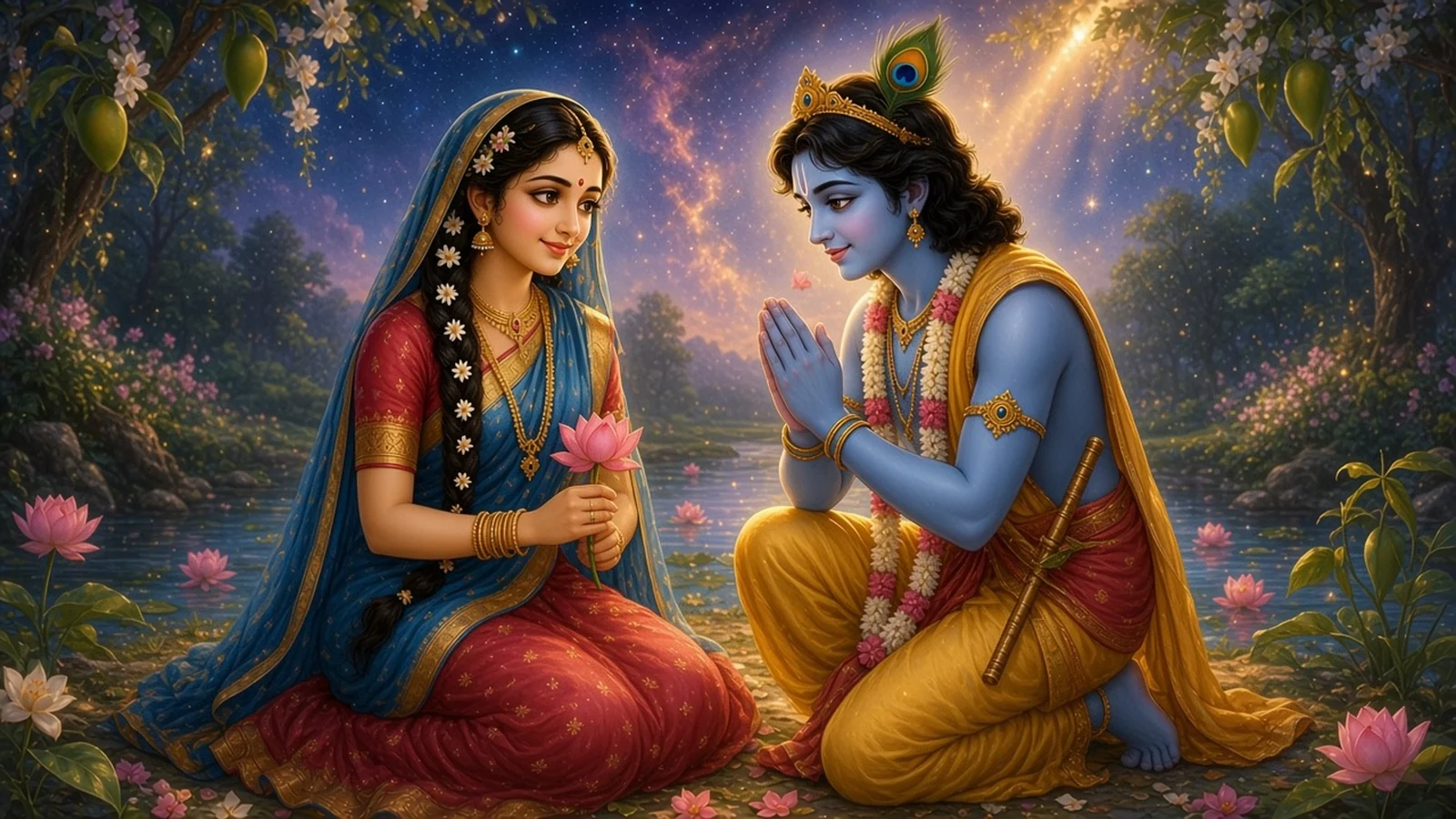
So he went to Vrindavan, where Krishna had grown up, and lived there for a year as an ascetic. He wrote songs to Krishna and Jagannath in Odia, simple and full of longing, and people began to sing them.
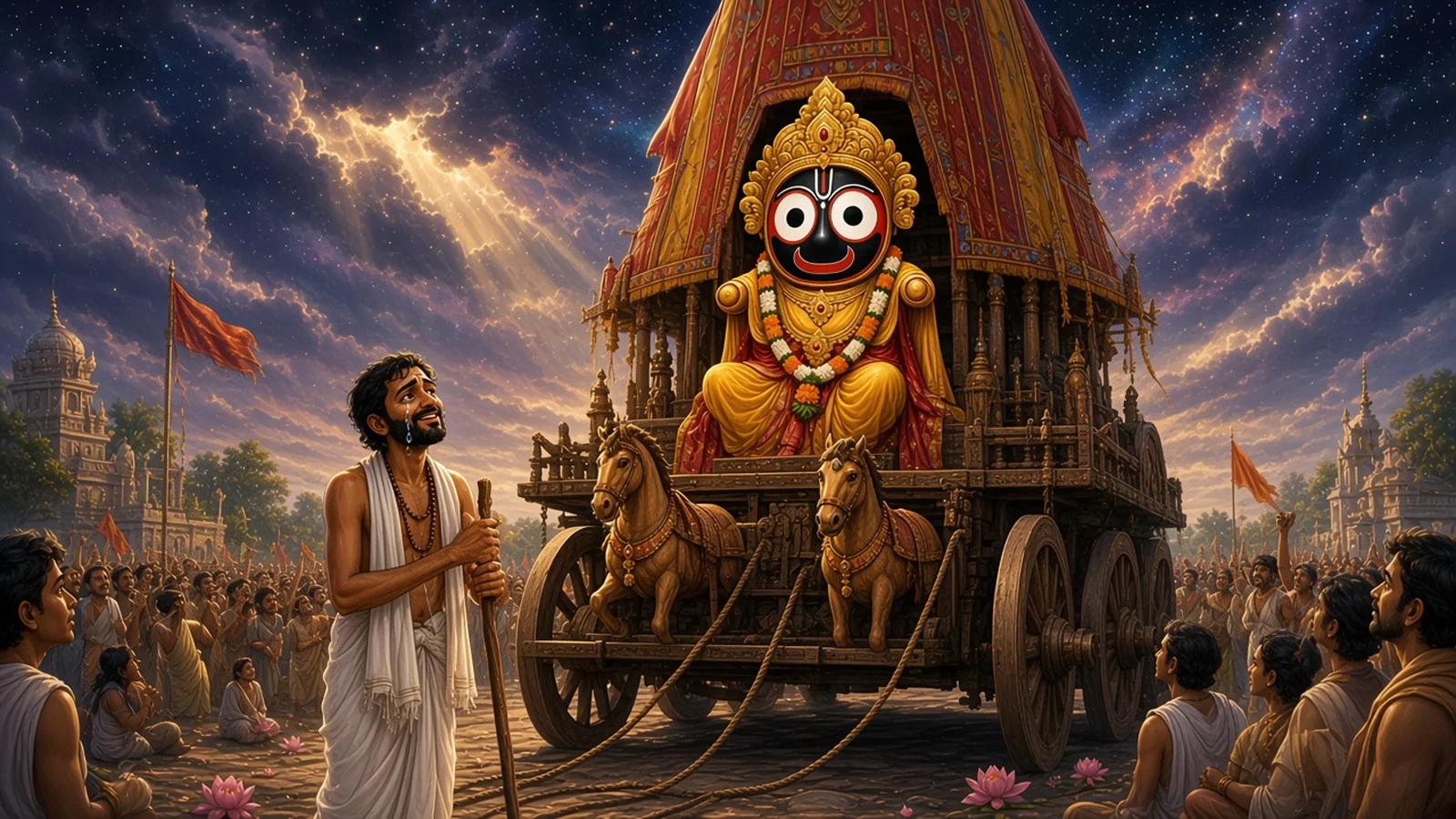
There is one day of the year when Jagannath does come out. At the Rath Yatra the three gods of Puri are brought out of the temple and set on huge wooden chariots, and the crowds pull them down the Grand Road for everyone to see, whoever they are.
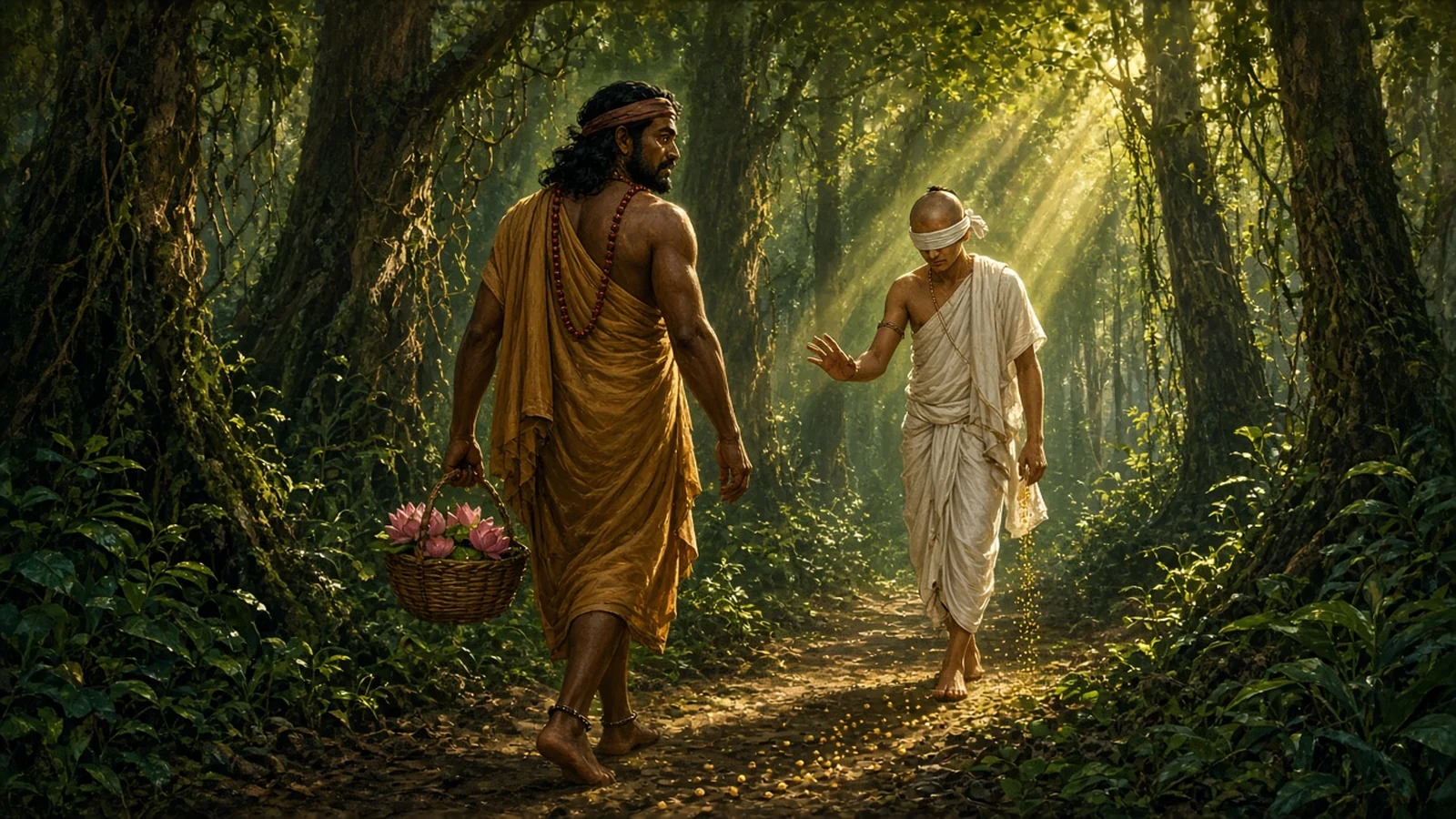
Salabega set out from Vrindavan to be there. On the road he fell ill, too ill to go on, and he knew he would not reach Puri in time.
"Lord," he prayed, "wait for me. Do not go without me. Let me see you once."
At Puri, on the day of the festival, the chariots were ready and the ropes were laid out. The pullers took hold of Jagannath's chariot, Nandighosha, and heaved. It did not move. More men took the ropes, and more, and they strained until they fell. The chariot stayed where it was, as if it had grown roots.
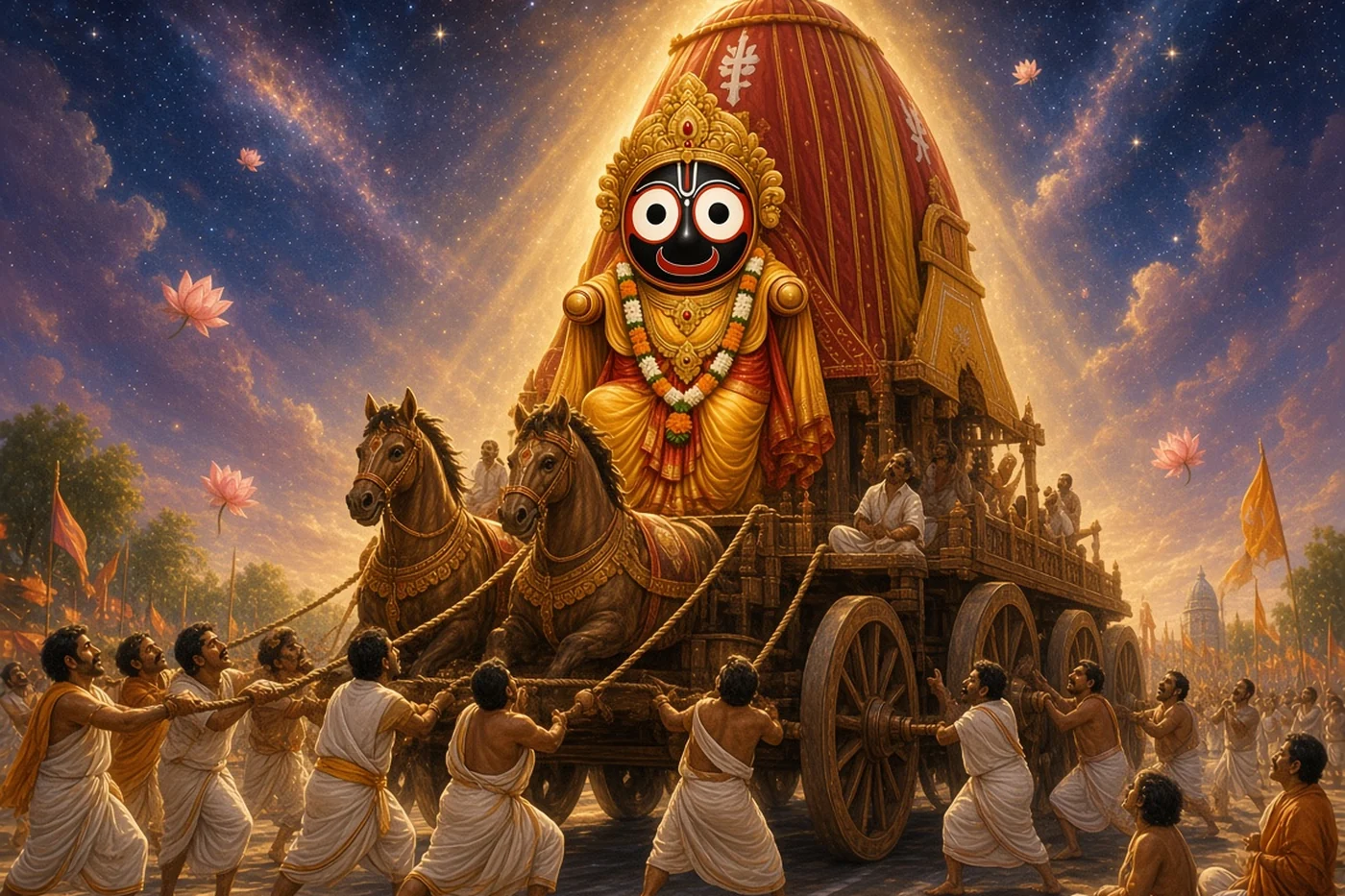
They did not understand. They tried for a long time. And then Salabega came, sick and stumbling, along the Grand Road, and stood in front of the chariot, and looked up at the god he had never been allowed to see.
"Now," someone said.
They pulled, and the chariot rolled.
When Salabega died, he was laid to rest beside the Grand Road, near the place where he had stood that day. Every year since, at the Rath Yatra, Jagannath's chariot stops there for a while, beside his samadhi, before it goes on.