Festival · A fast, a night awake, and water poured on the linga
Maha Shivaratri
The great night of Shiva, on the fourteenth day of the dark fortnight before the new moon of Magha or Phalguna. Devotees fast, stay awake through the four watches of the night and bathe the linga with water, milk and bilva leaves. It is kept as the night Shiva appeared as a pillar of fire, as the night he married Parvati, and as the night he drank the poison for the world.
Also calledShivaratriMahashivratrithe Great Night of ShivaHerath (Kashmir)Shivaratri Mela
Next, in 2027Saturday 6 March 2027
6 to 7 March 2027
Prime godShiva
with 3 more
WhereAll India and Nepal, and wherever Shiva is worshipped
How longOne day and one night, with the fast broken the next morning
The fourteenth night of the dark fortnight of Magha (by the southern calendar) or Phalguna (by the northern), in February or March
Why it is kept
Every month has a Shivaratri, the fourteenth night of the dark fortnight, the night before the new moon. Once a year, at the end of winter, comes the great one, Maha Shivaratri. Unlike most festivals it is kept at night, in fasting and quiet, with temple bells, the sound of namah shivaya, and water poured over the linga until dawn.
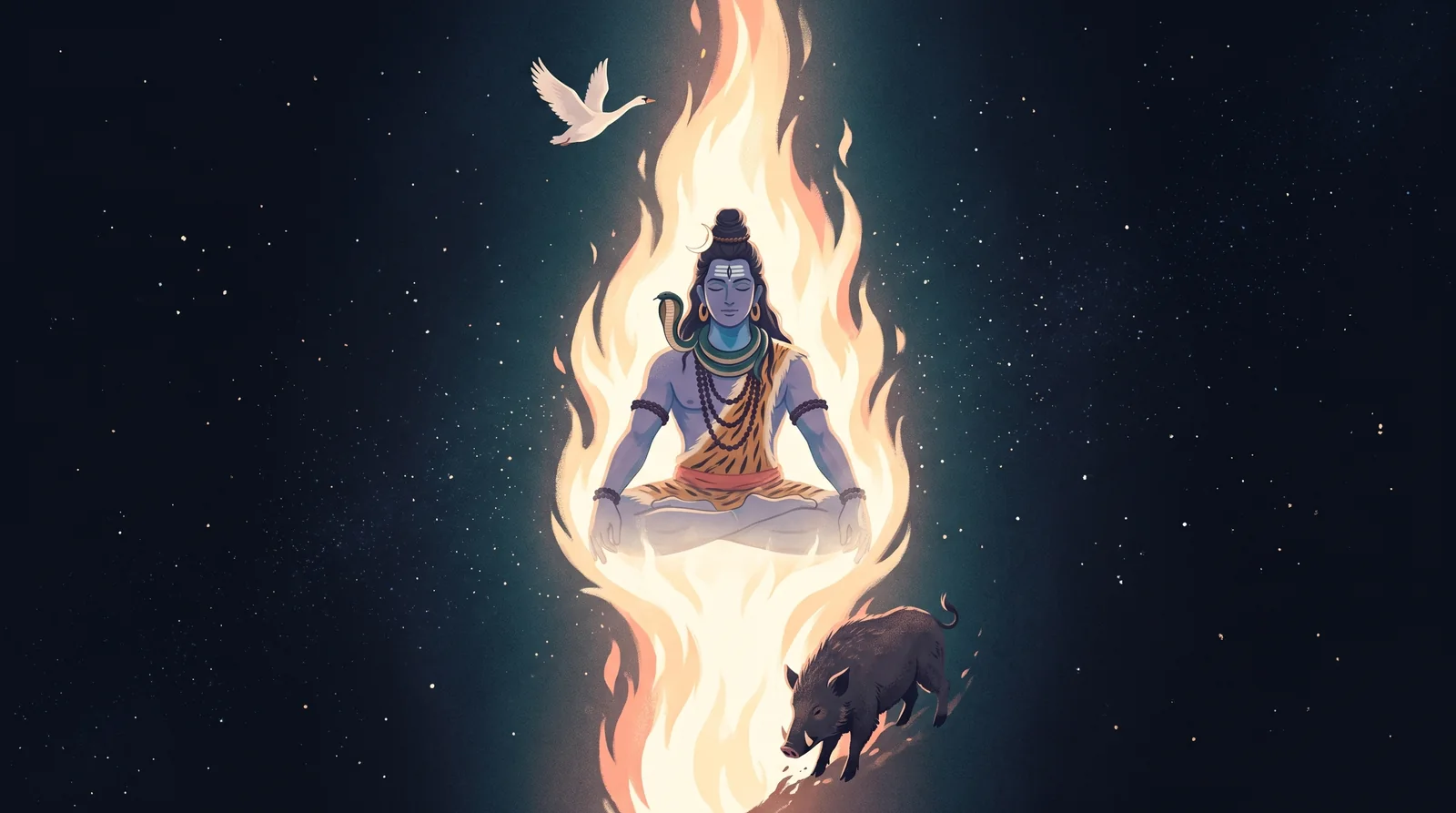
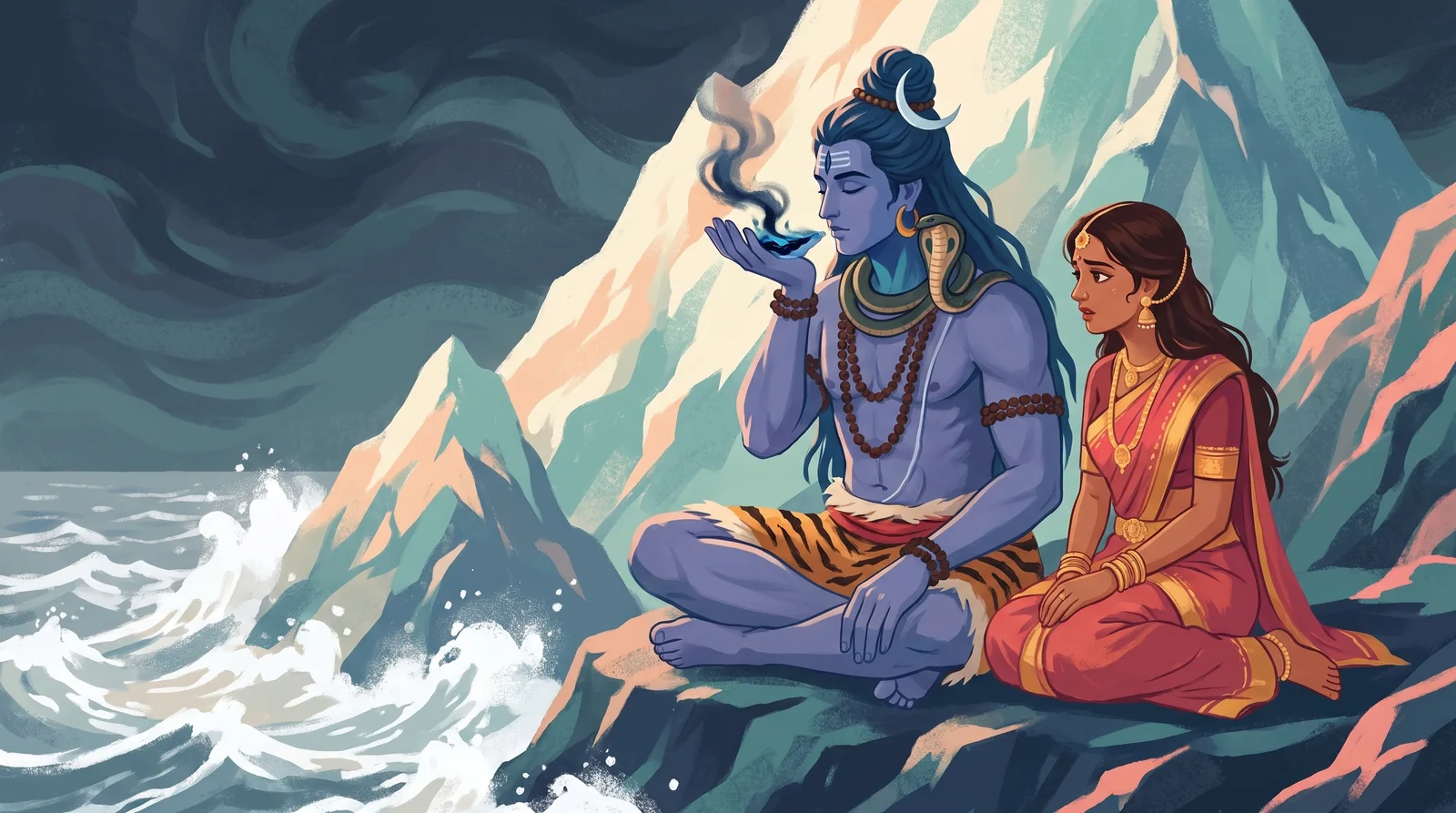
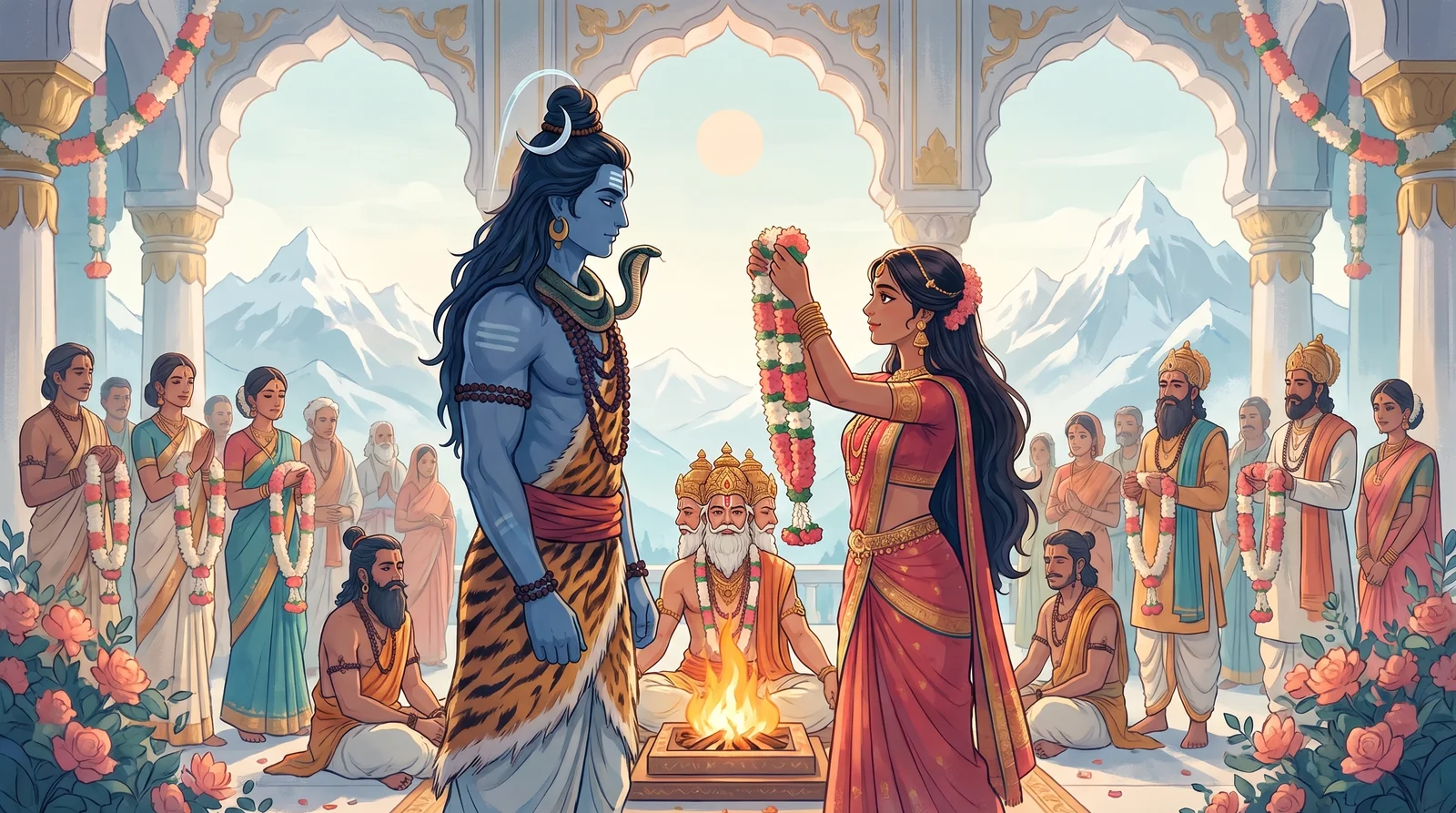
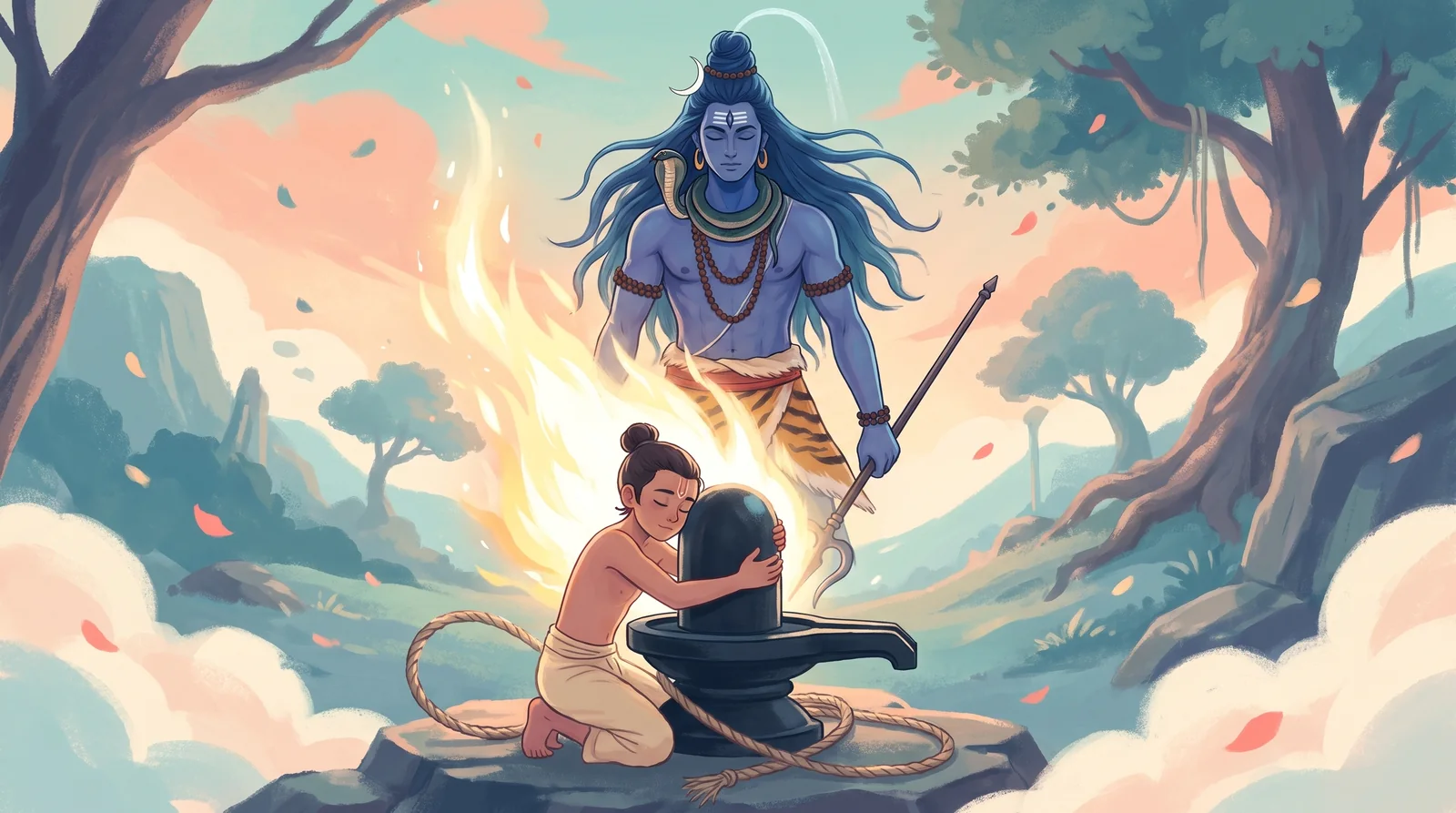
Shivaratri is kept for Shiva, to ask for his grace, to wash away sins, and for liberation. Many tellings give the reason it falls on this night. The Shiva Purana says it is the night Shiva first appeared as a pillar of fire without end, when Brahma and Vishnu were quarrelling over which of them was greater; the linga is that pillar. Others say it is the night he drank the poison from the churning of the ocean, and the gods stayed awake around him to keep him safe. In much of the north it is the night of his wedding to Parvati.
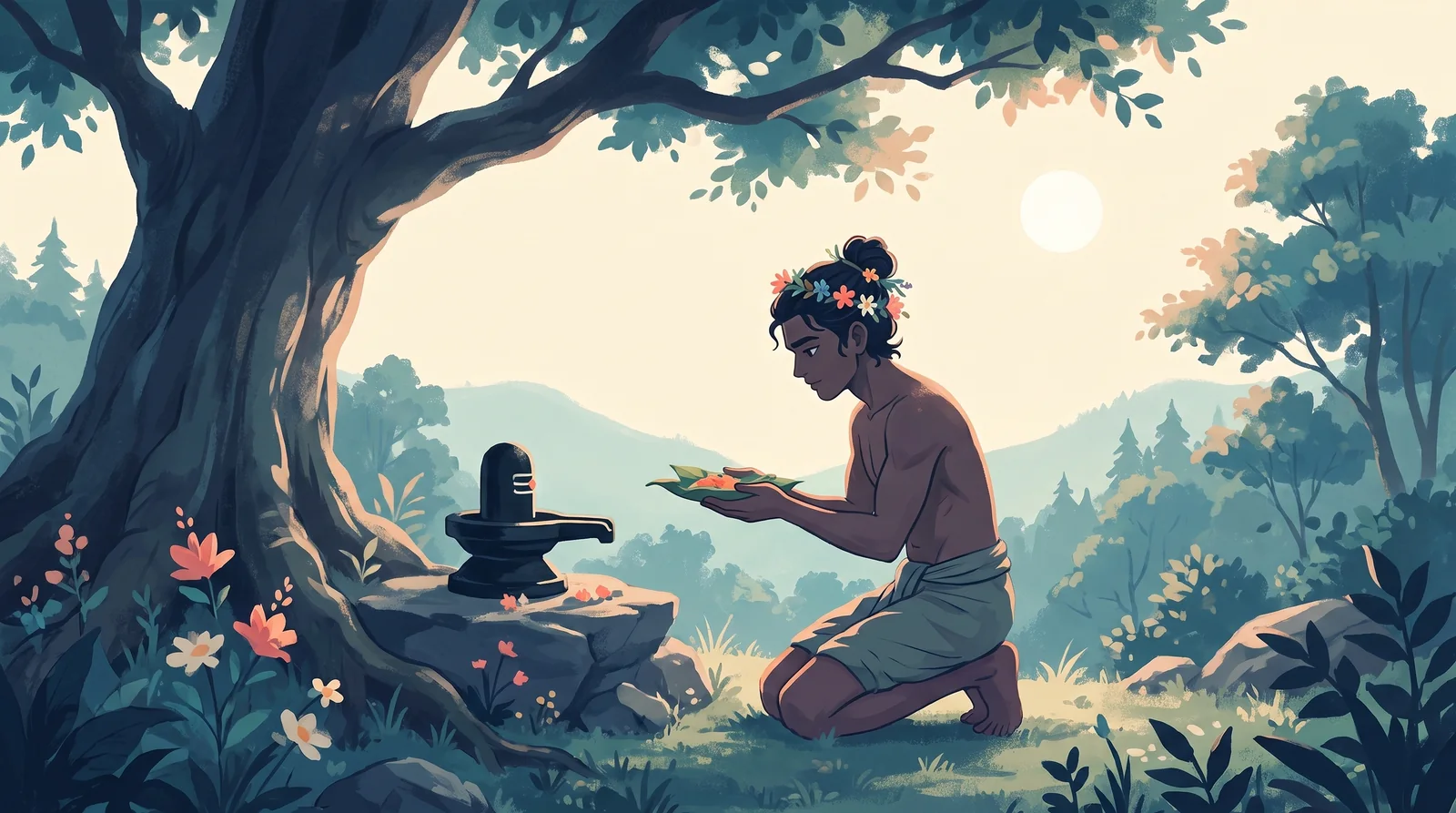
The vrata books add that the night counts even for those who keep it without knowing. A hunter who sat awake in a bilva tree and a thief who lit a lamp to steal by were both carried to Shiva, and these stories are read through the night.
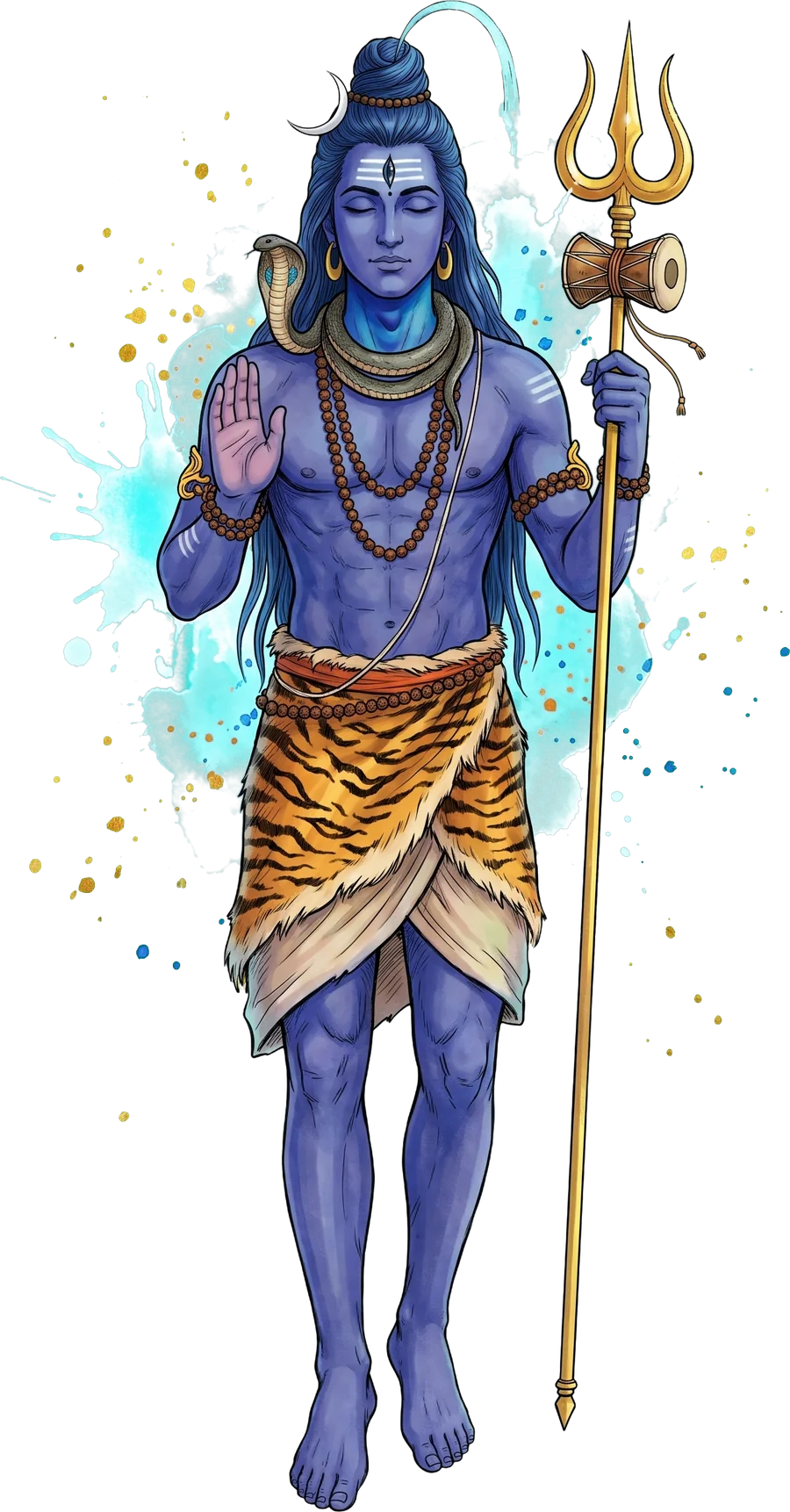
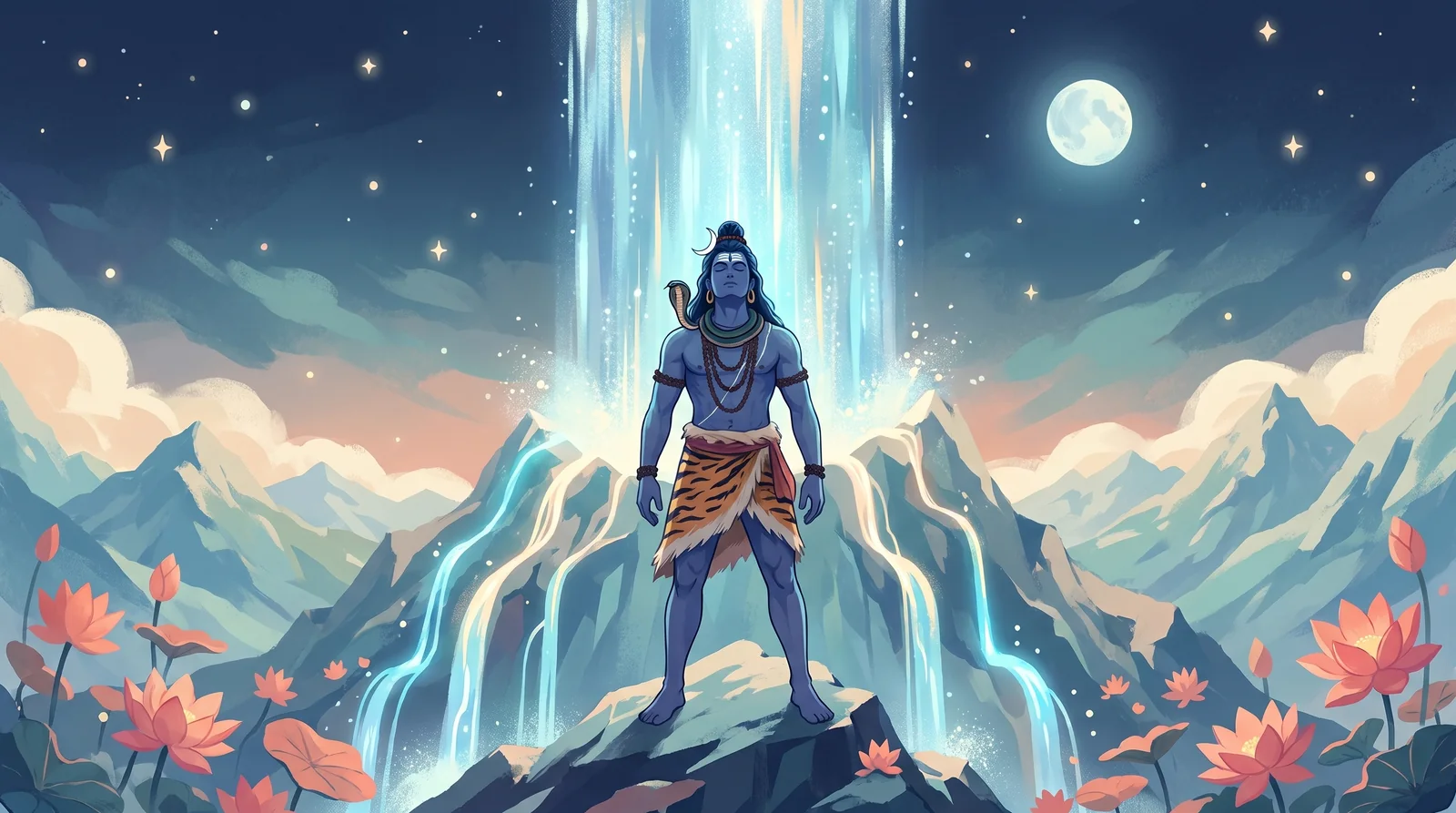
The lord of the night, worshipped as the linga. He is given water, milk, curd, honey and bilva leaves in each of the four watches, and his five-syllable name, namah shivaya, is said all night.
The two gods who argued over which was greater until a pillar of fire rose between them that neither could find the end of. Shiva came out of it, and that night is Shivaratri.
N
Nandi
Shiva's bull, who sits facing the shrine in every Shiva temple. Devotees whisper their wishes in his ear.
The night of Shiva
1
The fast
The fourteenth of the dark fortnight · Saturday 6 March 2027
Shivaratri vrata
Devotees eat a single meal the day before and fast on the day itself, many without water, some on fruit and milk. They bathe early, often in a river, and go to the temple, where the queue to pour water on the linga goes on all day.
The night of the fourteenth · Saturday 6 March 2027
char prahar pujajagaran
The night is divided into four watches of about three hours, and the linga is worshipped in each, with milk in the first, curd in the second, ghee in the third and honey in the fourth, and bilva leaves every time. The hour around midnight, the nishita kala, is the holiest. Devotees stay awake all night singing, and temples keep their doors open until dawn.
Kashi Vishwanath and Mahakaleshwar, two of the twelve jyotirlingas, keep the night with the greatest crowds. At Ujjain the Mahakal is dressed as a bridegroom, and Shiva's wedding procession, the Shiv Baraat, goes through the streets of Varanasi with ash-smeared ascetics and bands.
Somnath, Srisailam and the jyotirlingas
Pilgrims try to reach one of the twelve jyotirlingas for the night. Srisailam in Andhra Pradesh holds a Brahmotsavam of eleven days, and Kalahasti, where Kannappa gave his eyes, a festival of thirteen.
Mandi, Himachal PradeshMandi Shivratri fair
A week-long fair in which some two hundred village gods are carried in palanquins to Mandi to pay their respects to Madho Rai and to Bhootnath, the town's Shiva.
KashmirHerath
The Kashmiri Pandits keep Shivaratri as Herath, their greatest festival, with a pot of water and walnuts that stands for Shiva and Parvati's wedding, and the walnuts given out as prasad over the following days.
NepalPashupatinath
Hundreds of thousands come to Pashupatinath in Kathmandu, many of them sadhus from India, who keep fires burning in the temple grounds through the night.
MauritiusGanga Talao
Hindus of Mauritius walk to the crater lake of Grand Bassin, which they call Ganga Talao, carrying kanwars, decorated frames, for the largest pilgrimage outside India.
Sadhus and asceticsThe night of the renouncers
The ash-smeared Naga sadhus and other orders of Shaiva ascetics gather at Pashupatinath, Junagadh's Bhavnath fair and the riverbanks. In many places bhang, a drink of cannabis leaf, is taken as Shiva's prasad.
How it is kept
The day is a fast, and the night is a waking, the jagaran. In each of the four watches of the night the linga is bathed with water, then with milk, curd, ghee, honey and sugar, each in turn, and anointed and covered with bilva leaves, white flowers and dhatura. Devotees sit up singing, chanting the five syllables namah shivaya, reading the Shiva Purana, or keeping a lamp burning before the linga. At midnight the temples are fullest.
Women who are not yet married keep the fast for a husband like Shiva, and married women keep it for their husbands. Some devotees carry water from the Ganga to pour on a distant linga. The fast is broken in the morning after a last bath and worship.
In the old texts
The Shiva Purana gives the Shivaratri vrata at length, in its Vidyeshvara Samhita and its Koti Rudra Samhita, with the story of the hunter, and it tells the story of Gunanidhi in the Rudra Samhita. The Linga Purana tells the pillar of fire, and the Skanda, Padma and Garuda Puranas each give the vrata and its story. The Agni Purana lists the night among the year's vows.
The night was kept in the time of the Puranas as one of the great Shaiva rites. The Kashmiri Shaiva texts describe it as Herath, and the jyotirlinga temples have kept their own Shivaratri festivals for centuries.
Where this page comes from. Written by Devalok from the Shiva Purana (Vidyeshvara, Rudra and Koti Rudra Samhitas), the Linga Purana, the Skanda Purana, the Garuda and Padma Puranas on the Shivaratri vrata, the Mahabharata, and accounts of the festival in India, Nepal and Mauritius, as recorded in the Devalok Lore. Our own words throughout.