Devalok ← All gods
Also calledBhadraChitraSubhadra DeviEkanamshaYogamaya

Artwork ›

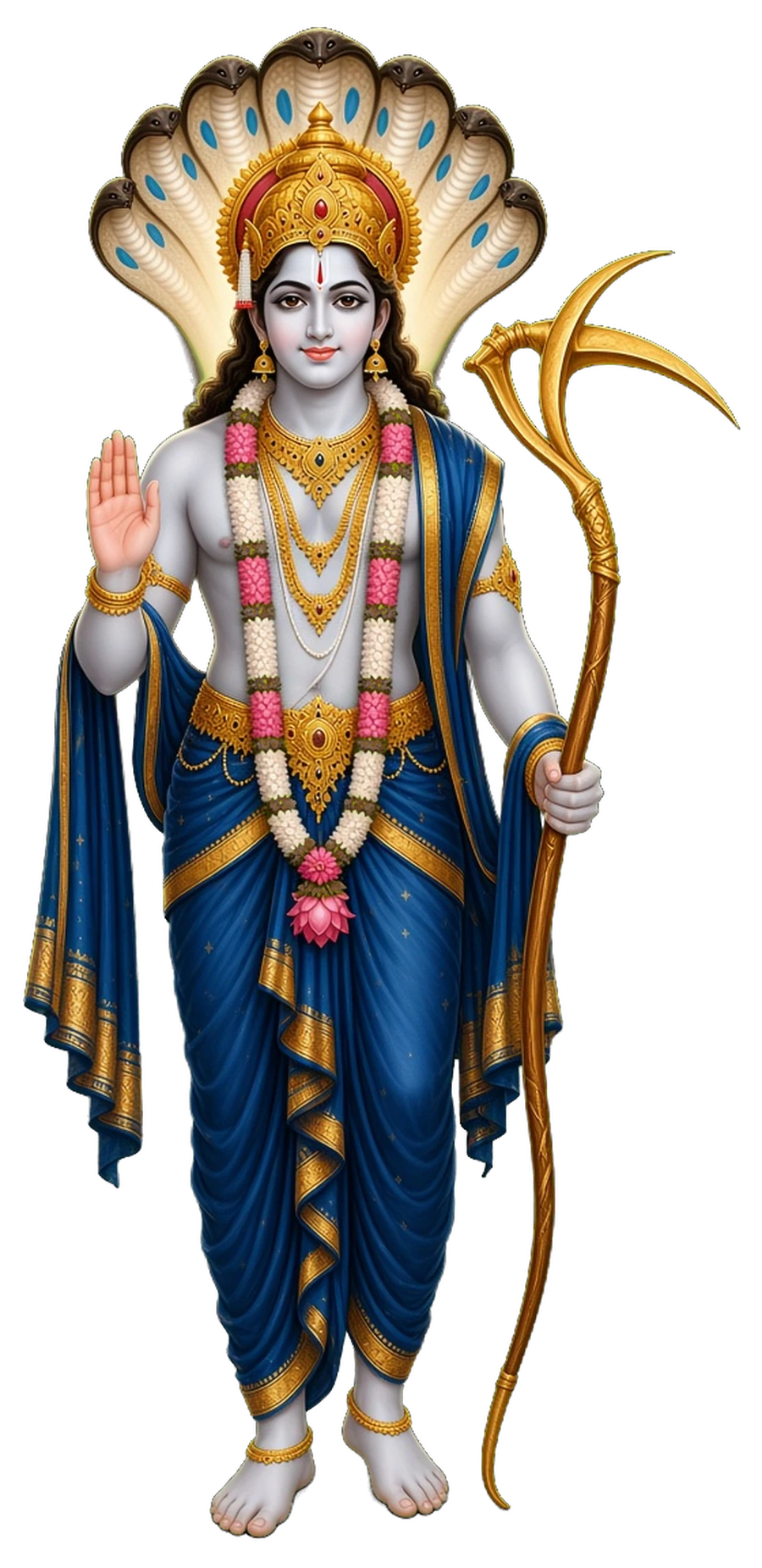
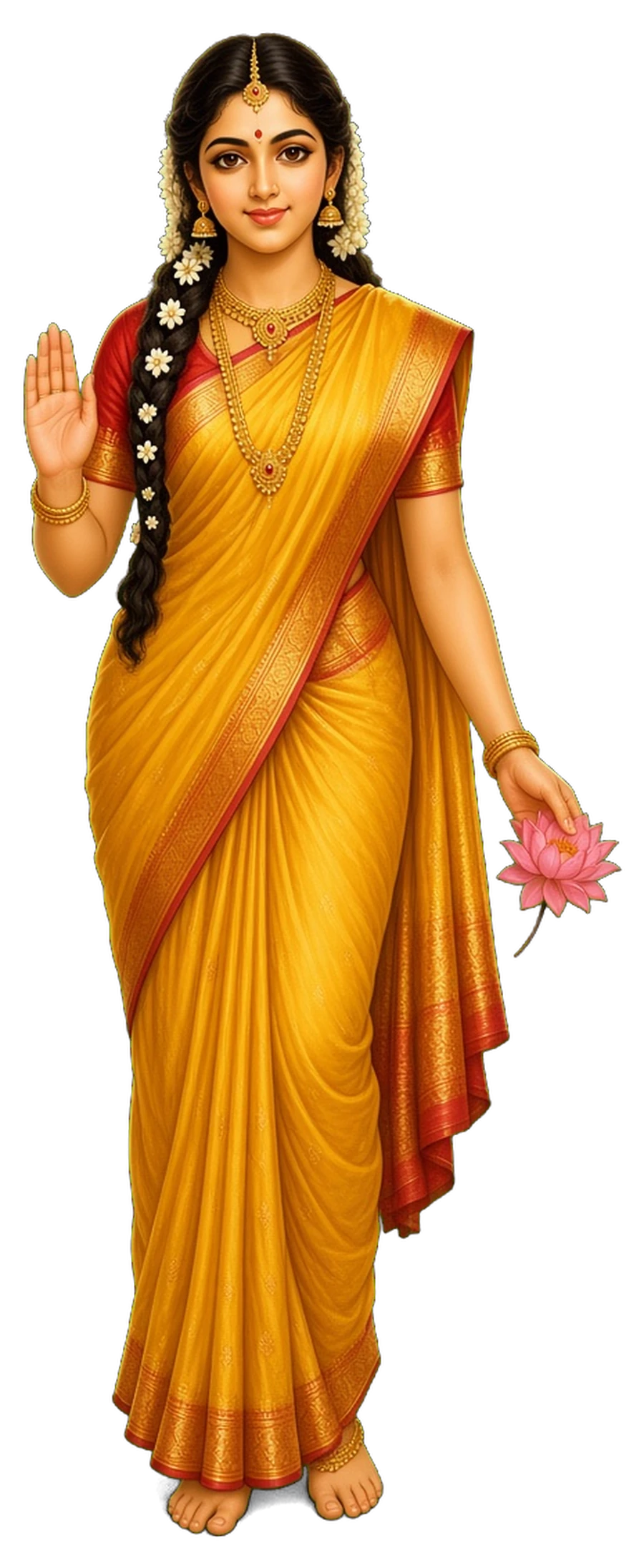
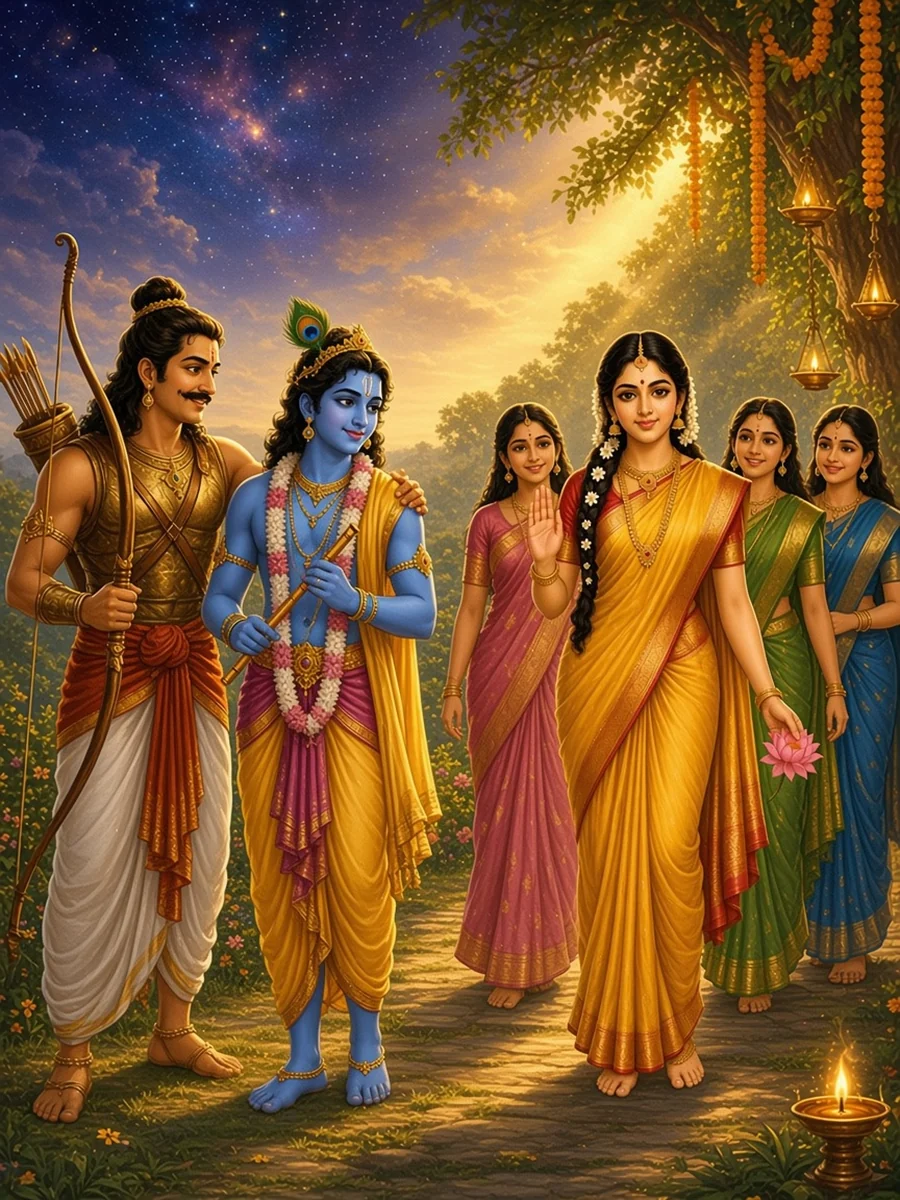
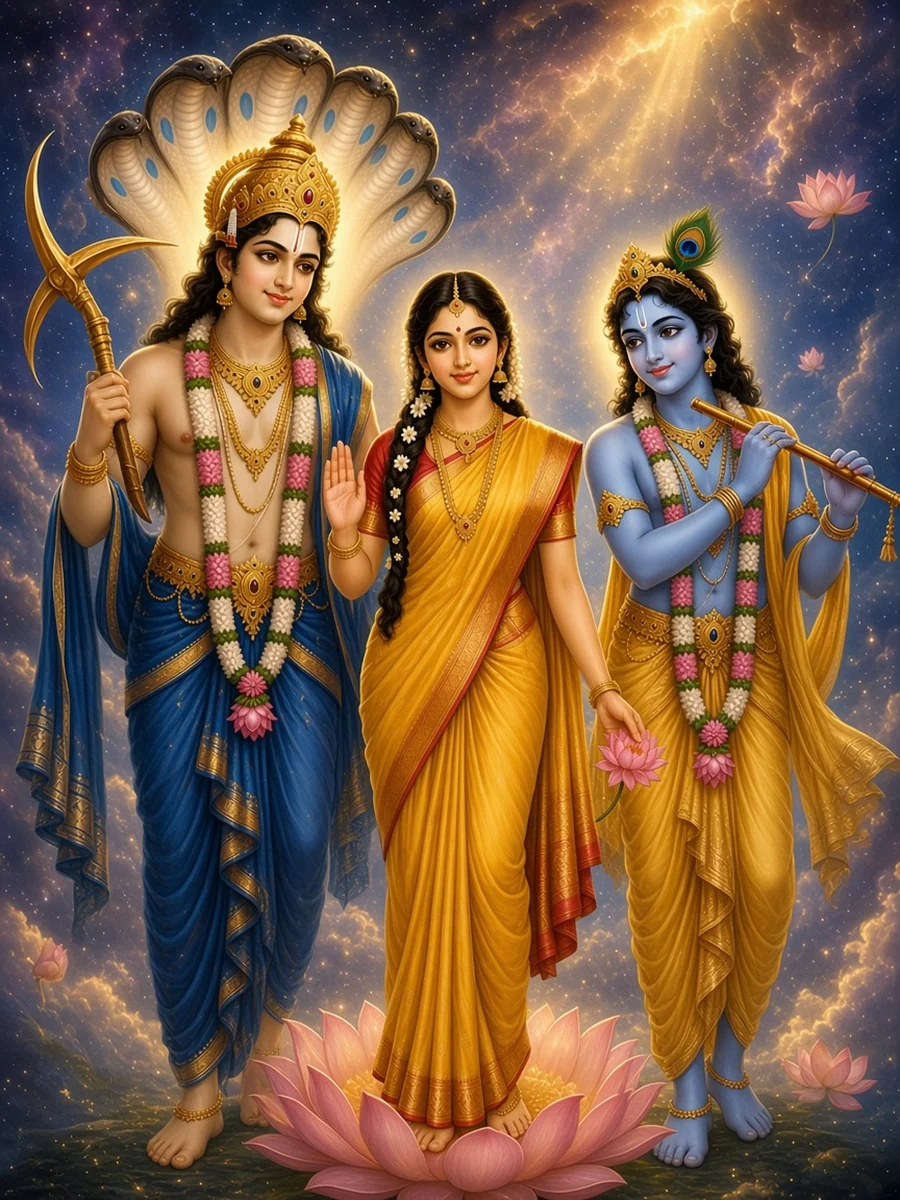
Arjuna stops on Raivataka hill when he first sees Subhadra among her friends Subhadra stands between her brothers, the fair Balarama and the dark Krishna

For kids

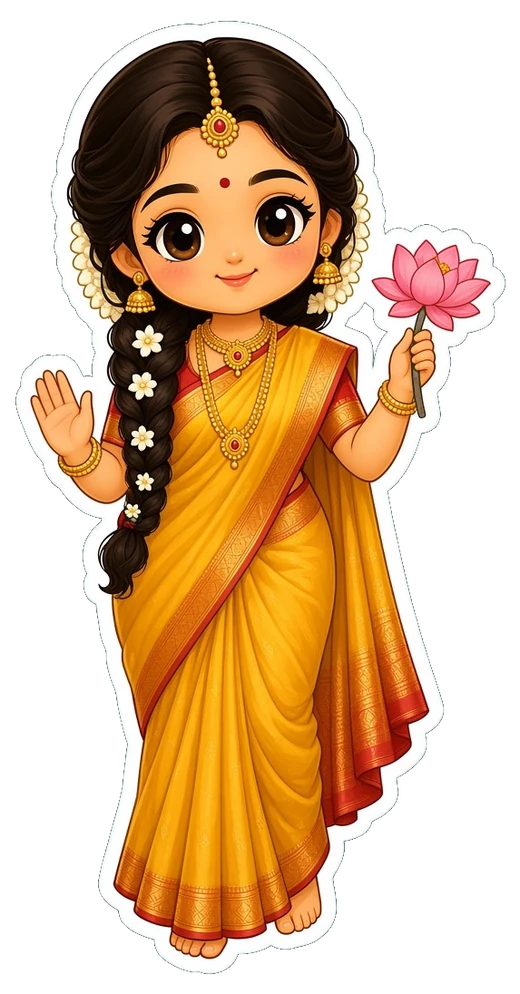
A little Subhadra waves hello with her pink lotus
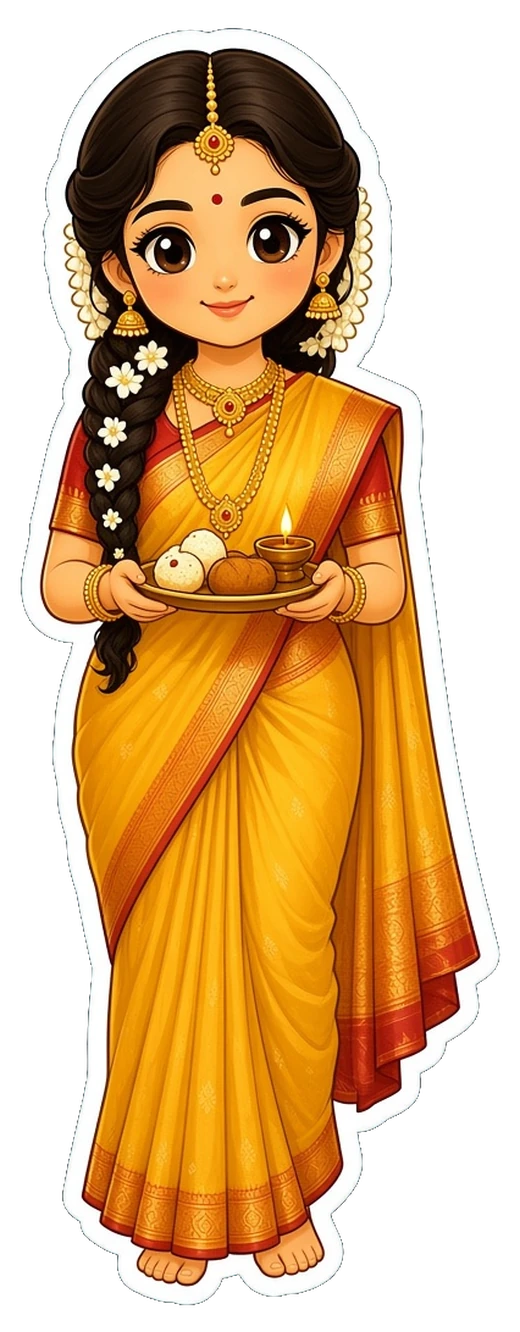
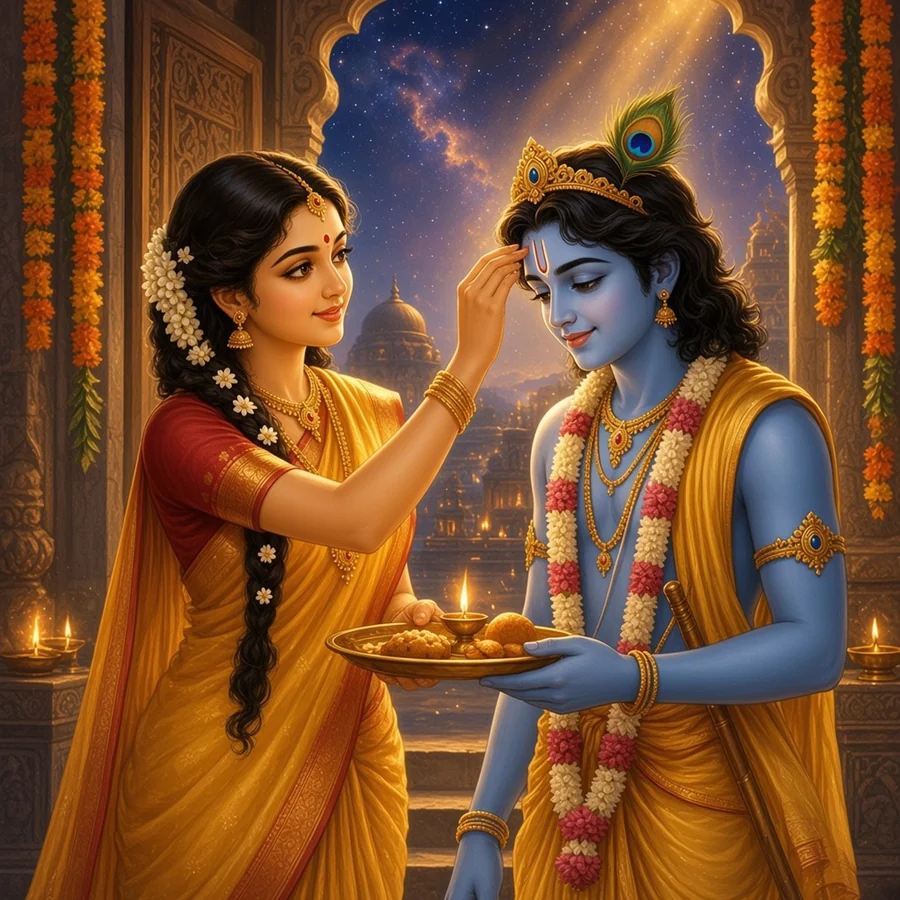
A little Subhadra carries a plate of sweets for her brothers

At a glance

TraditionVaishnava
FormAt Puri

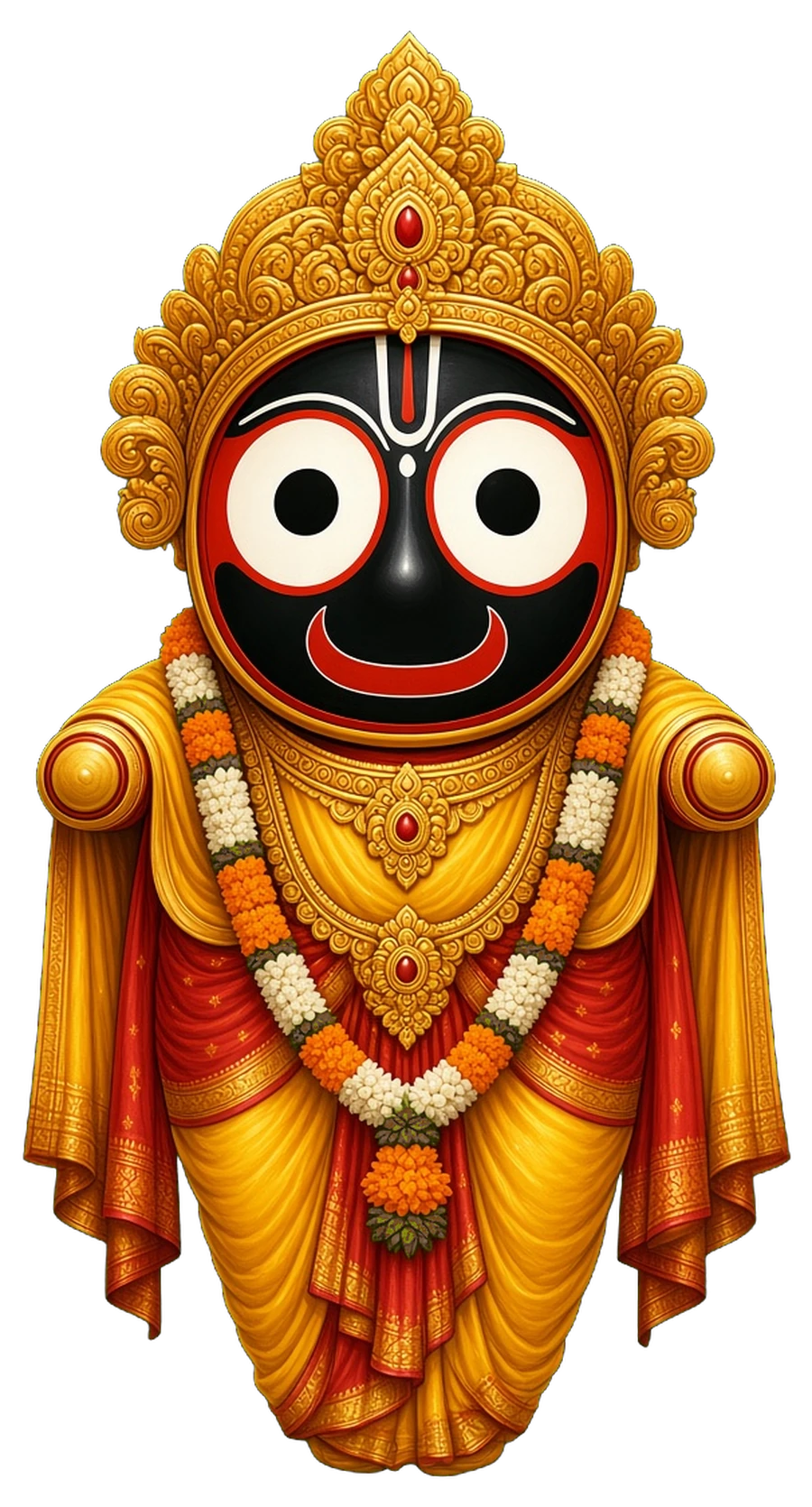
a carved wooden figure with great round eyes, standing between her brothers

ColourYellow

saffron in the Skanda Purana

Who Subhadra is

Subhadra is the sister of Krishna and Balarama. She was born into the Yadava clan in Dwaraka, and in the Mahabharata she is the princess whom Arjuna saw at a festival on Raivataka hill and carried off, on Krishna's own advice, to be his wife. She was a mother and a grandmother before she was a goddess.

Her son was Abhimanyu, the boy who broke into Drona's wheel at Kurukshetra and did not come out. When his son Parikshit was born without a breath, it was Subhadra who bowed her head before her brother and asked him to keep his word, and the child lived. The whole line of the Kurus came down through her grandson.

At Puri she stands on the altar between her two brothers, Balabhadra and Jagannath, carved from wood like them, with the same great round eyes.

Vasan prasadantah sahaja-balabhadrena balina, subhadra-madhyasthah: he lives in his palace with his strong brother Balabhadra, and Subhadra between them. From the Jagannathashtakam.

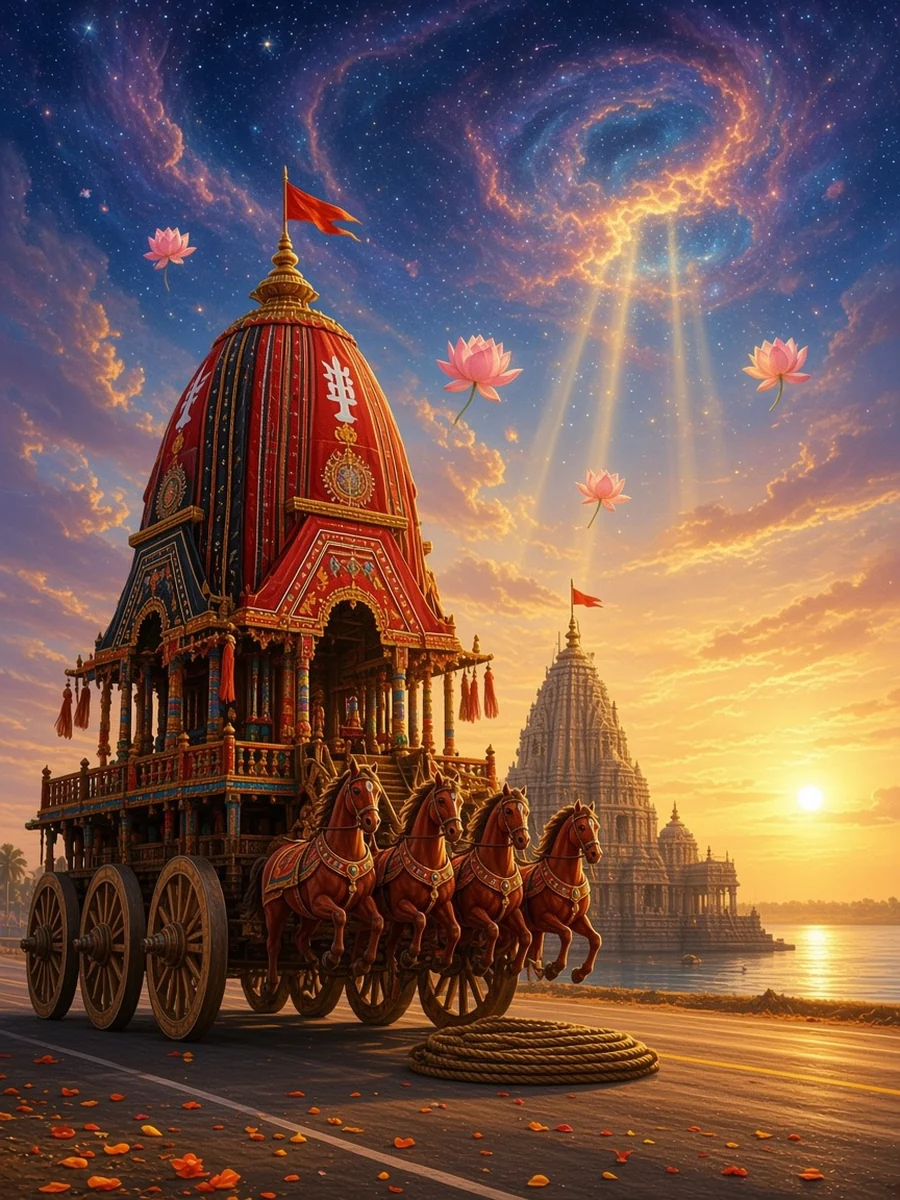
Once a year she rides out with them in the chariot festival, on a chariot of her own, the Darpadalana, with Arjuna carved as her charioteer. Puri worships her as the Goddess as well as the sister: her canopy is in the Goddess's red and black, nine goddesses ride on its sides, and Puri gives her the name Yogamaya. Bengal's Vaishnavas tell that she was keeping her brothers out of a room in Dwaraka when all three were changed into the shapes they wear at Puri.

In western India some say that Bhai Dooj began with her, the day she welcomed Krishna home with sweets and a mark on his forehead.
Before the Puranas

The Vedic roots of Subhadra

Subhadra has no Vedic past, but the goddess who stands between Balarama and Krishna is among the oldest images of the Krishna cult. Carvings from Mathura of the Kushana age, about the second century CE, show two Vrishni heroes with a goddess between them, read as Samkarshana, Ekanamsha and Vasudeva, and later examples come from Etah and Ellora. Varahamihira's Brihat Samhita, of the sixth century, says the goddess Ekanamsha should be made between Baladeva and Krishna, one hand on her hip and a lotus in the other. Many scholars identify Ekanamsha with Subhadra.

Who that goddess was is argued. S. C. Mukherji reads the Harivamsa's Ekanamsha as the goddess born to Nanda and Yashoda and exchanged for the baby Krishna; Lavanya Vemsani holds that Yogamaya becomes Ekanamsha and is reborn as Subhadra; Devdutt Pattanaik notes that the scriptures leave it open but Puri treats the names as one.

The Mahabharata gives her story. Its Adi Parva tells the carrying off and the wedding, its Drona Parva her lament for Abhimanyu, its Ashvamedhika Parva her plea for Parikshit, and its Mahaprasthanika Parva the last charge Yudhishthira gives her, to watch over Krishna's great-grandson Vajra. The texts disagree about her mother: the Mahabharata calls her Sarana's own sister, making her Rohini's daughter, while the Bhagavata Purana, as Vettam Mani reads it, makes her Devaki's. The Bhagavata adds that Balarama had meant her for Duryodhana and that she wanted Arjuna herself.

Her marriage was staged early. Kulasekhara Varman's Sanskrit play Subhadradhananjaya, of about the tenth century, is one of the two oldest plays of Kerala's Kutiyattam temple theatre, and is still performed.

At Puri the Skanda Purana has her painted the colour of saffron beside her dark and white brothers, and her chariot, the Darpadalana, follows Balabhadra's on the road to the Gundicha temple. When the images are renewed in the Nabakalebara, her tree is chosen by the sign of a lotus.

See how the Vedic gods became the Puranic ones →

Related gods