Devalok ← All gods
Also calledSiyaJanakiMaithiliVaidehiBhumijaRamaa

Artwork ›

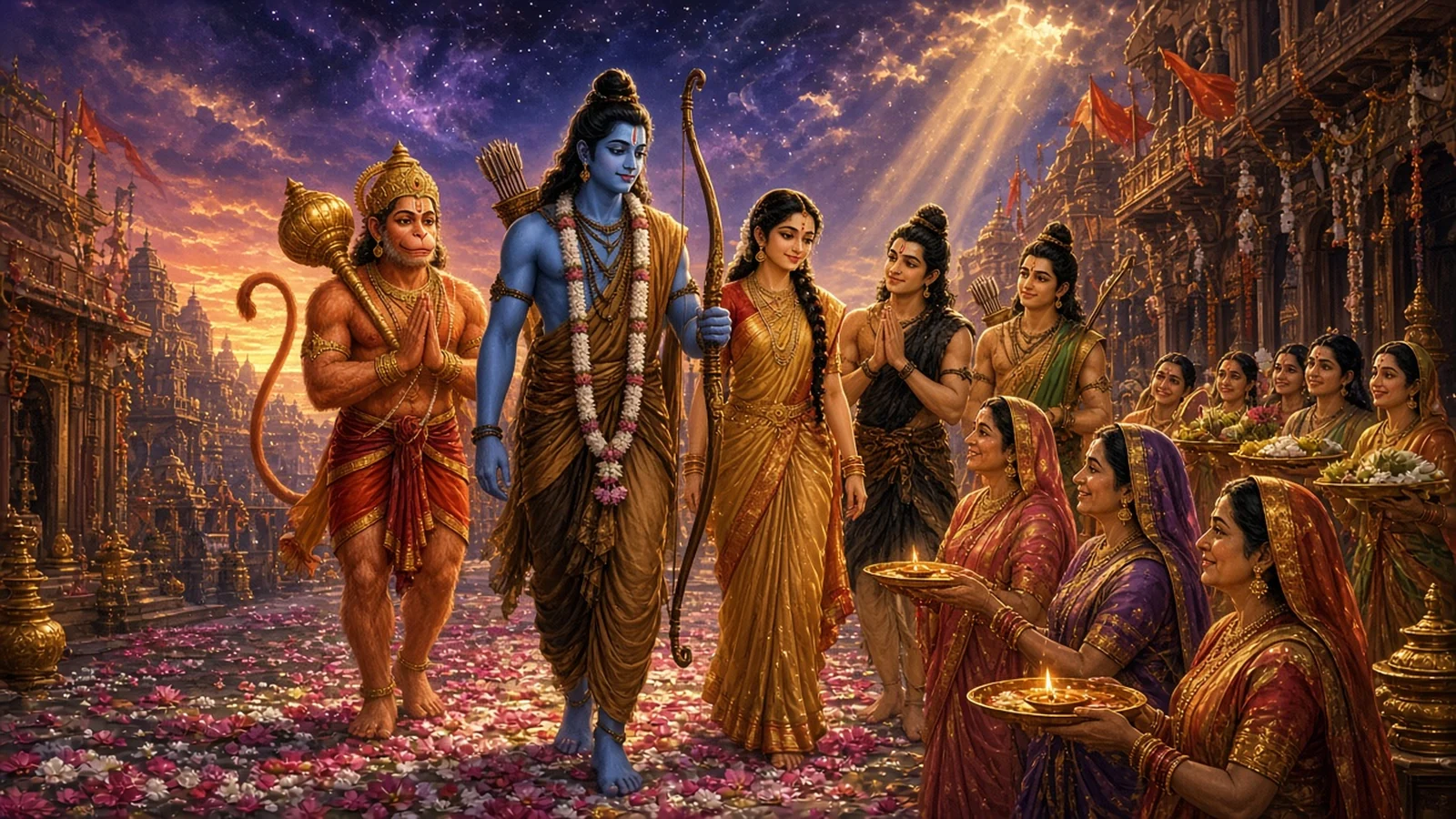
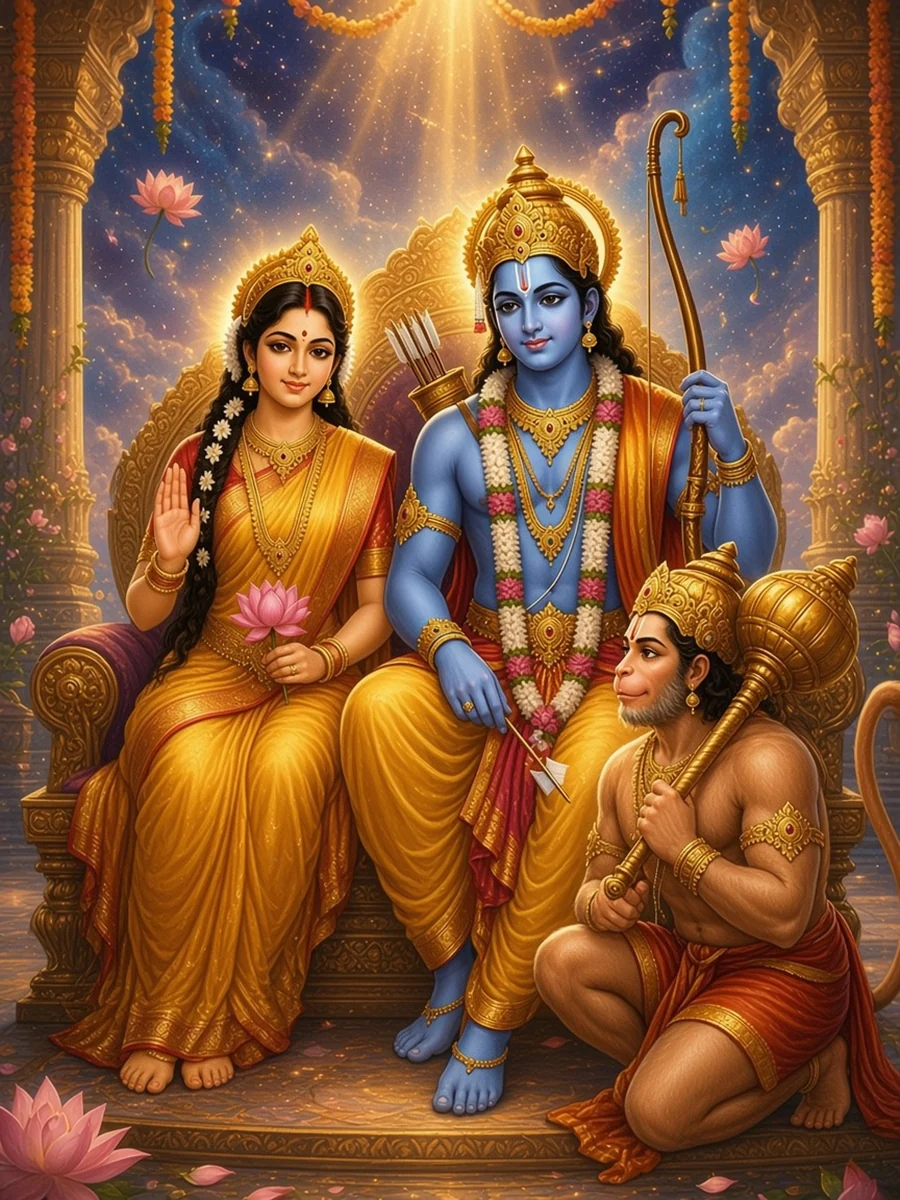
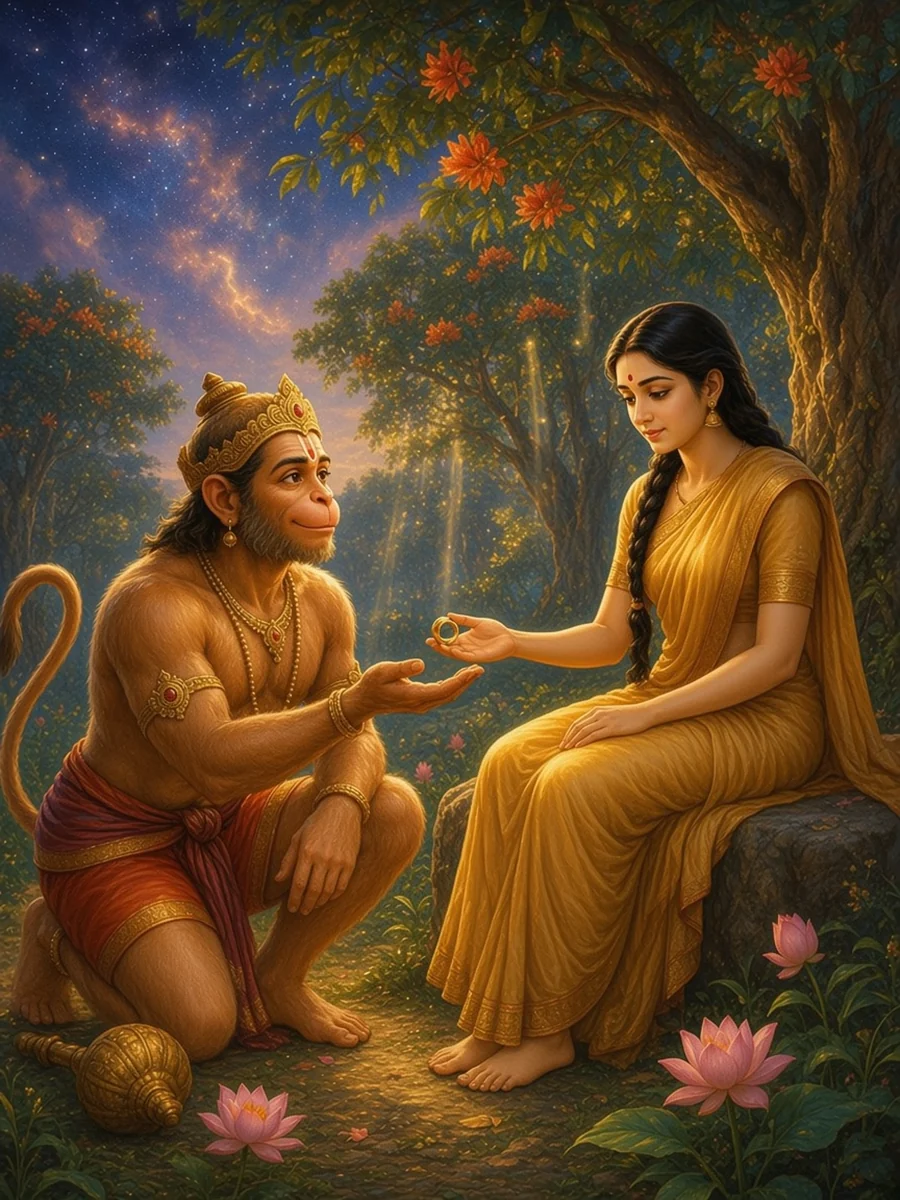
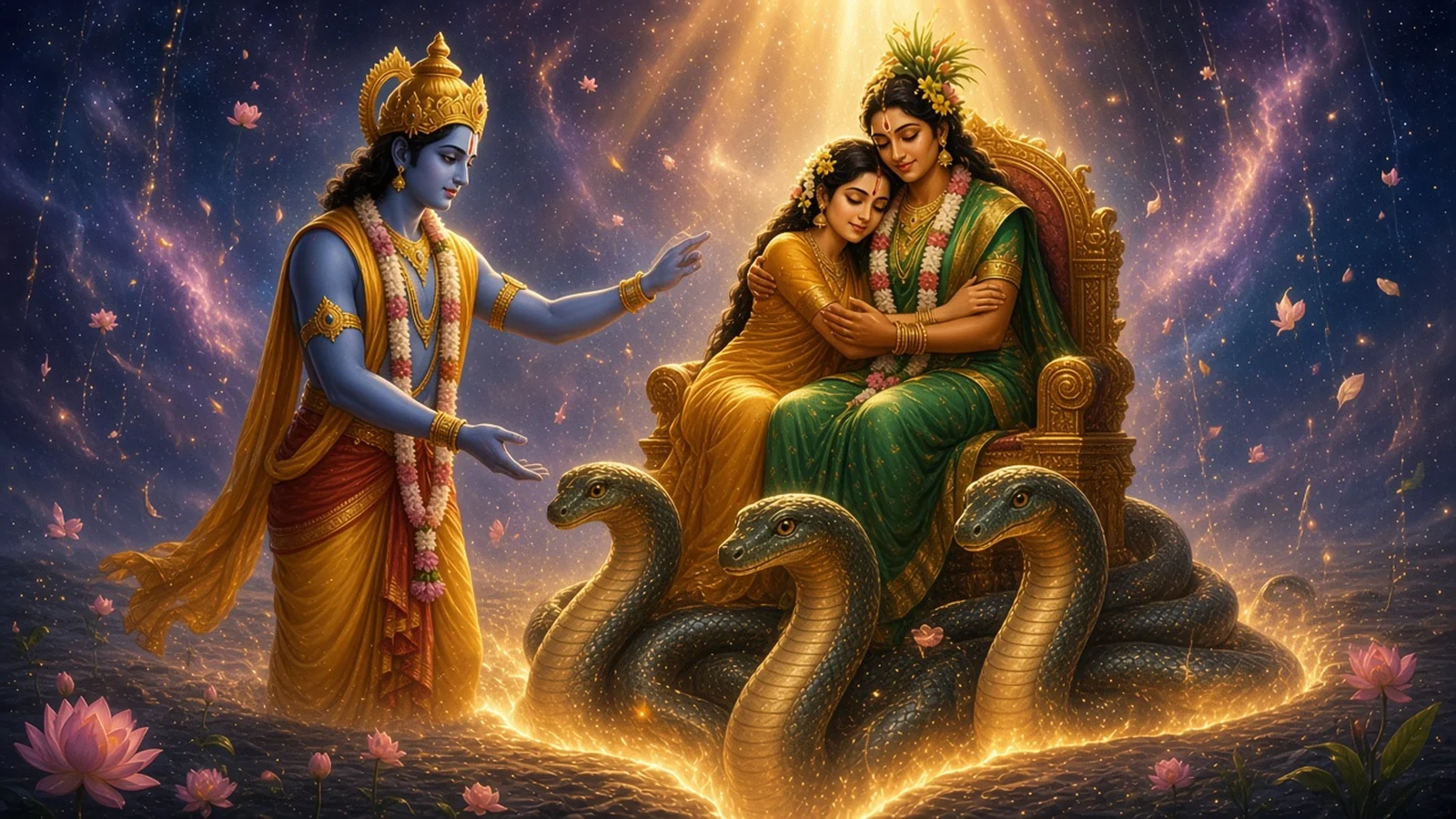
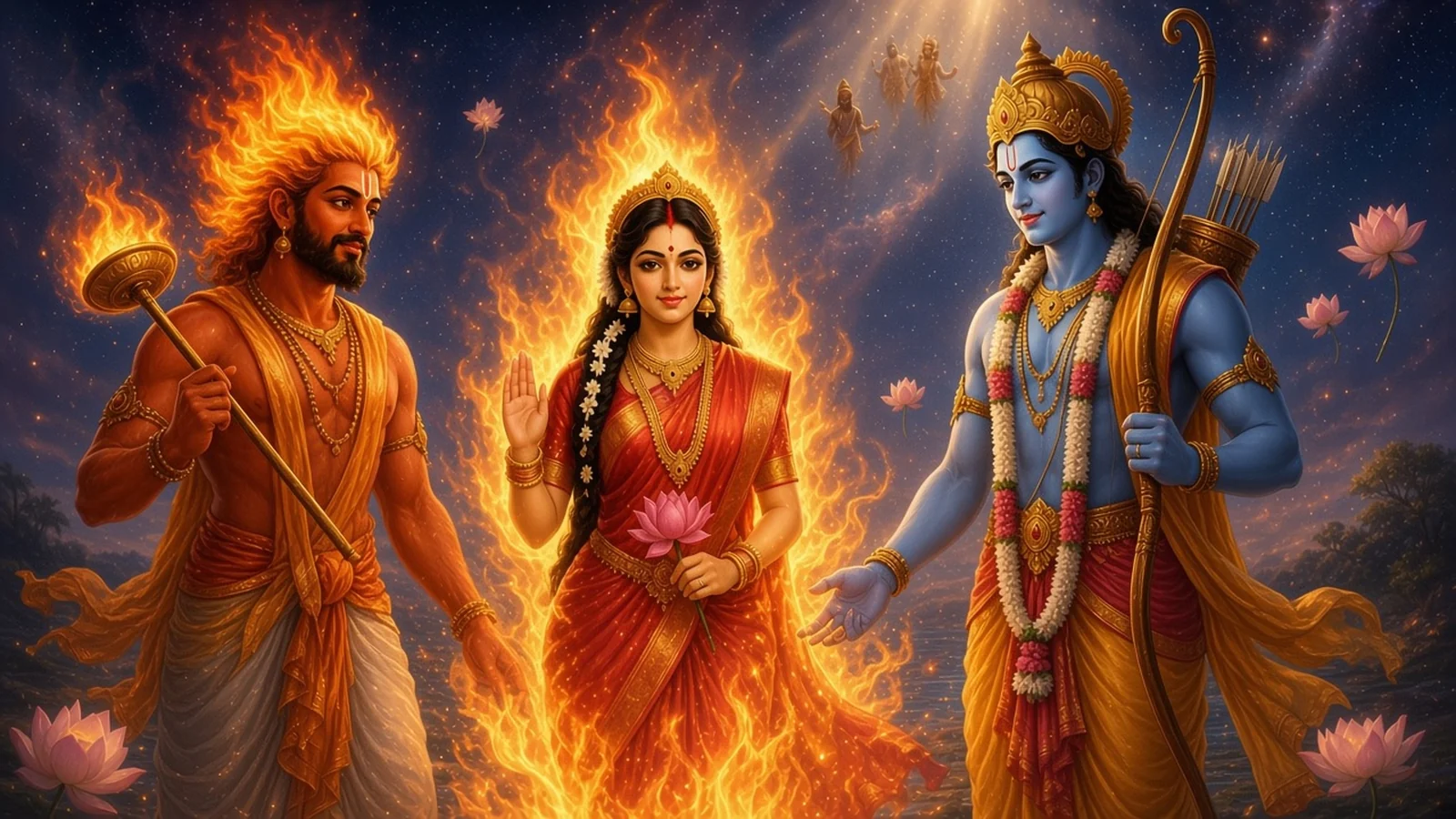
Sita sits enthroned beside Rama in Ayodhya while Hanuman kneels at their feet Hanuman kneels before Sita in the Ashoka grove of Lanka as she holds Rama's ring

For kids

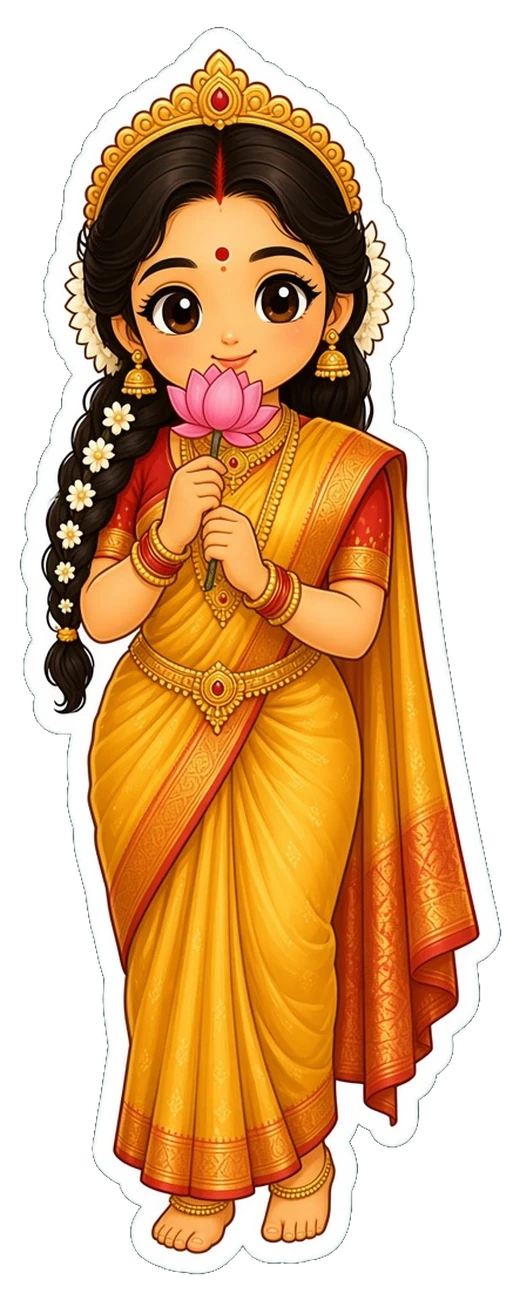
Little Sita smells her pink lotus with a happy smile
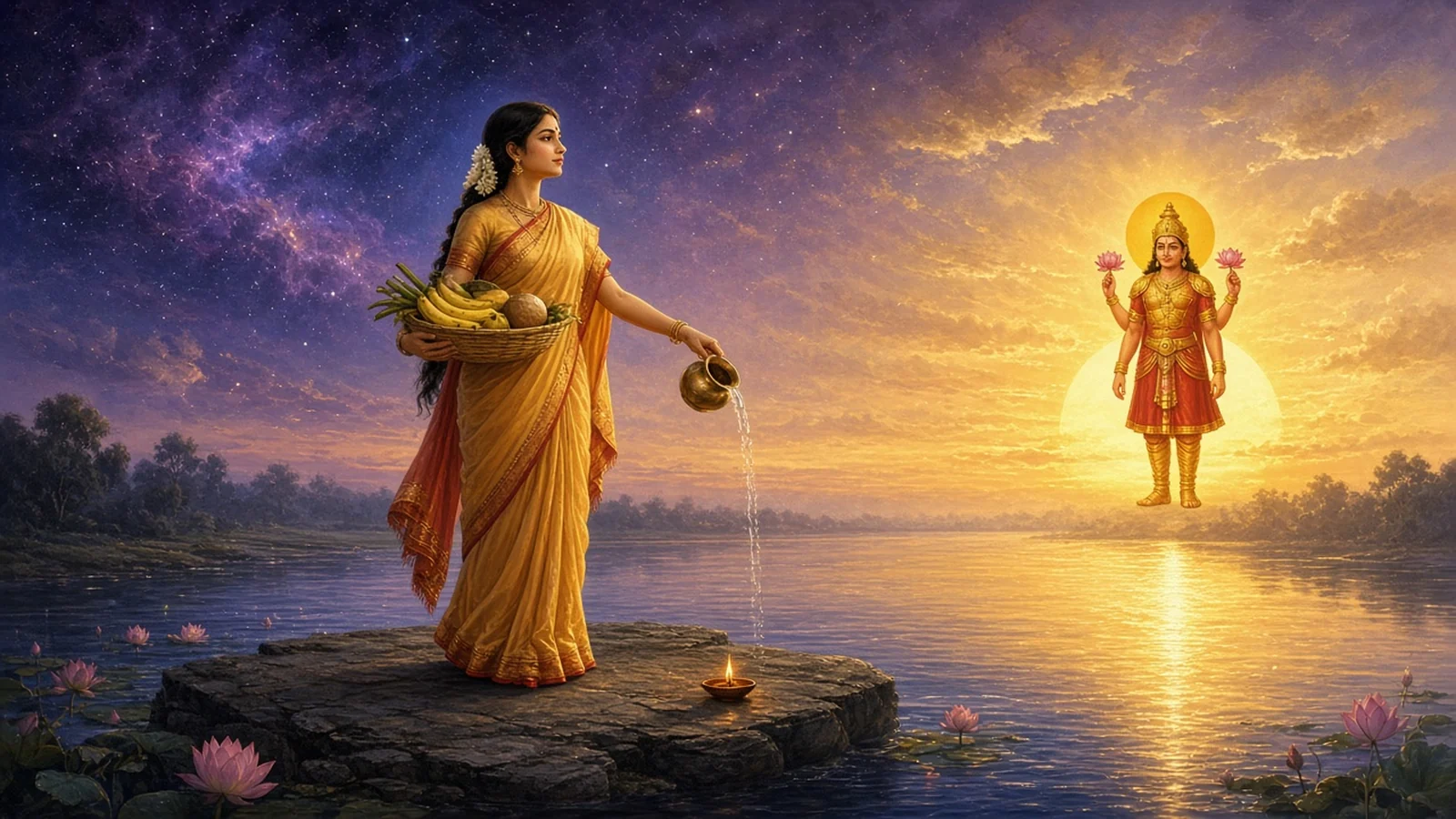
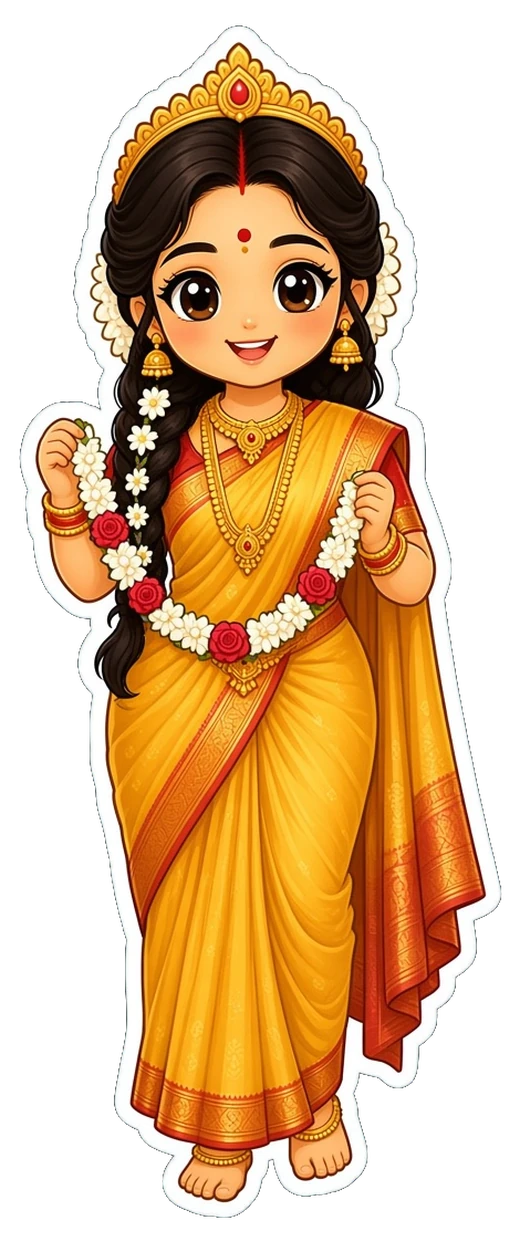
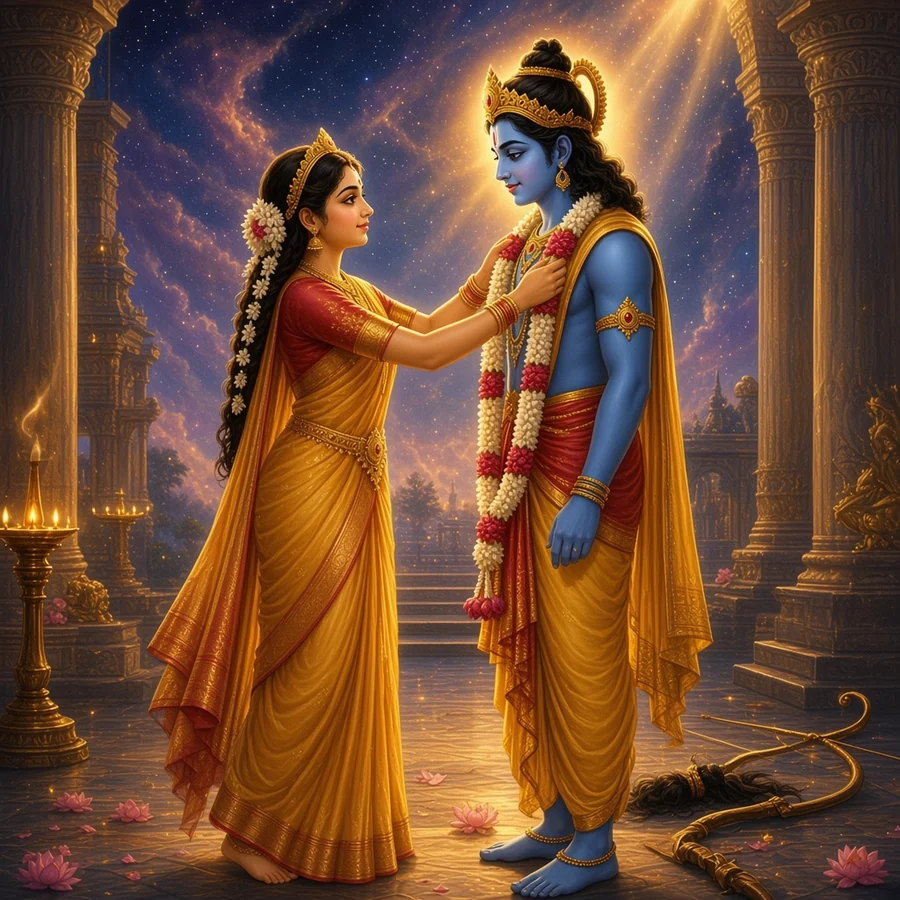
Little Sita holds up a flower garland and beams

At a glance

TraditionVaishnava
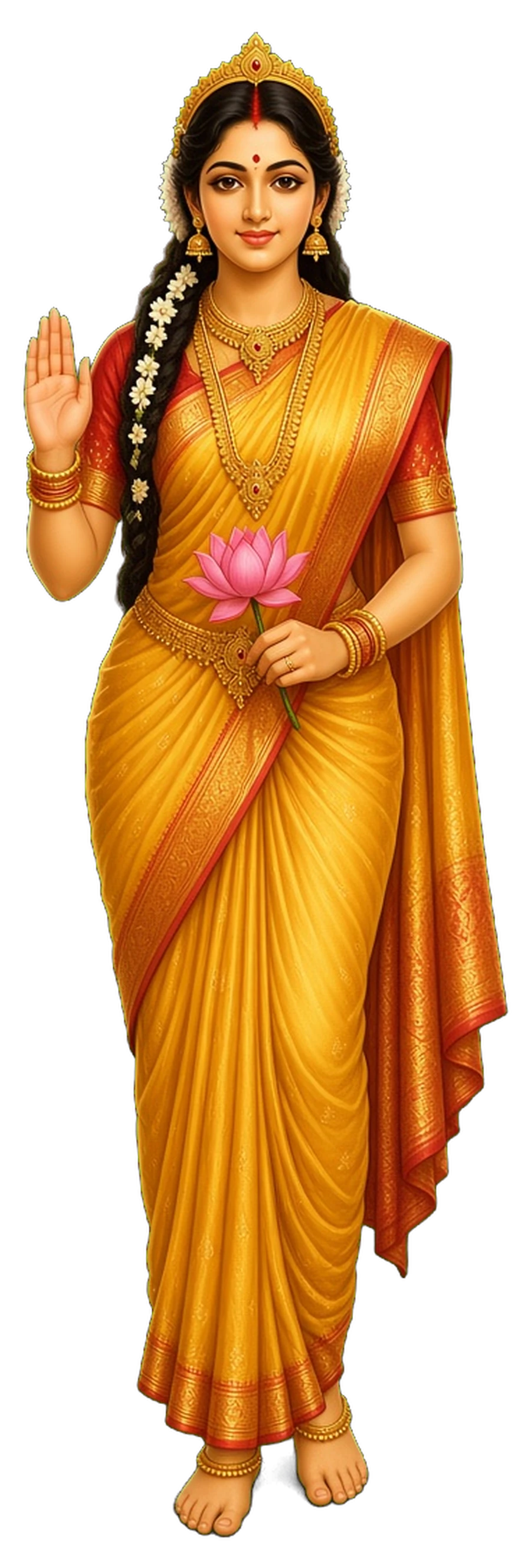
FormA young queen at Rama's left side

with Lakshmana and Hanuman near

ColourGolden

Who Sita is

Sita is the heroine of the Ramayana and the wife of Rama, and for many Hindus she is the ideal of a wife and a queen, though she has always been more than that.

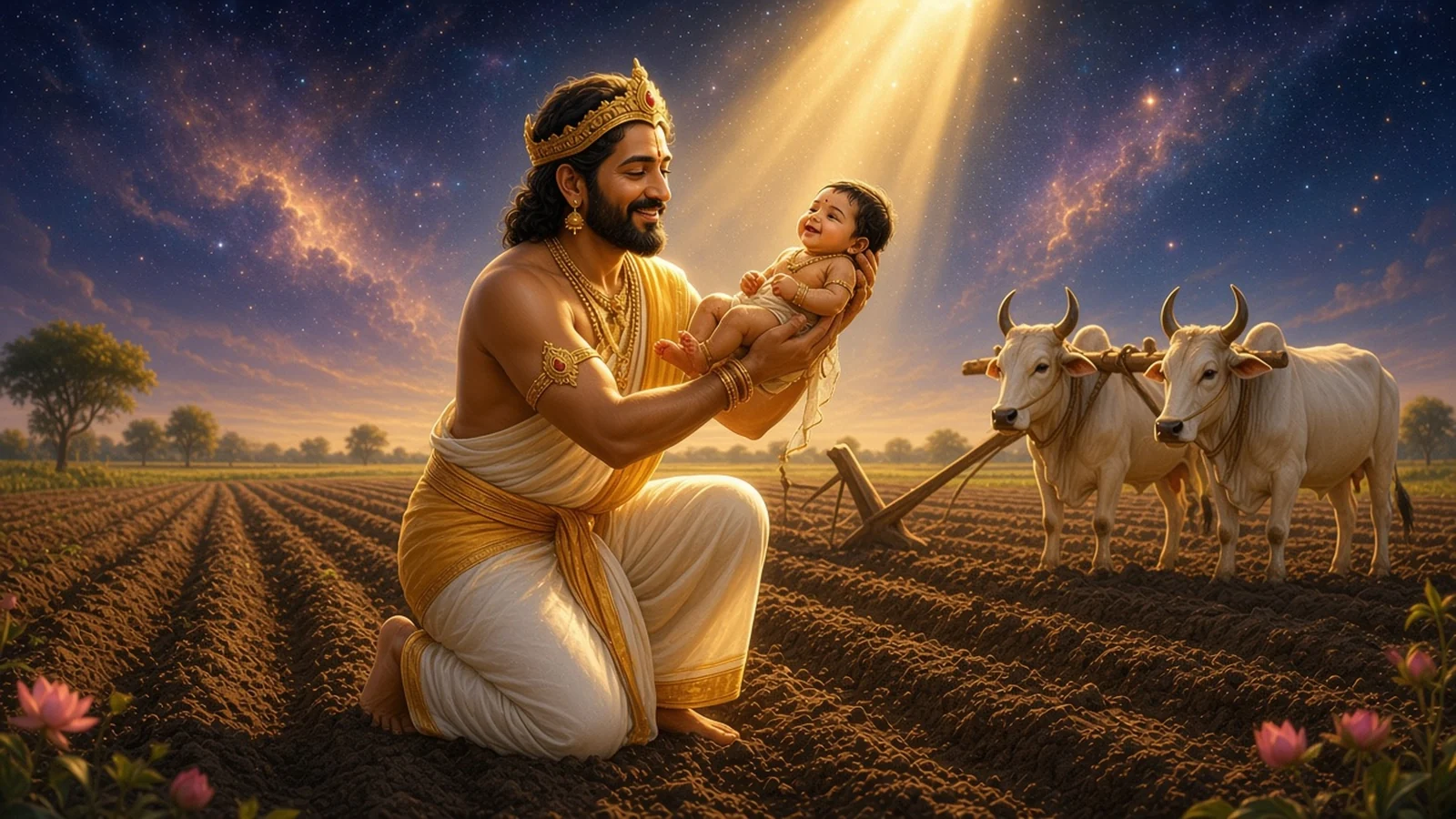
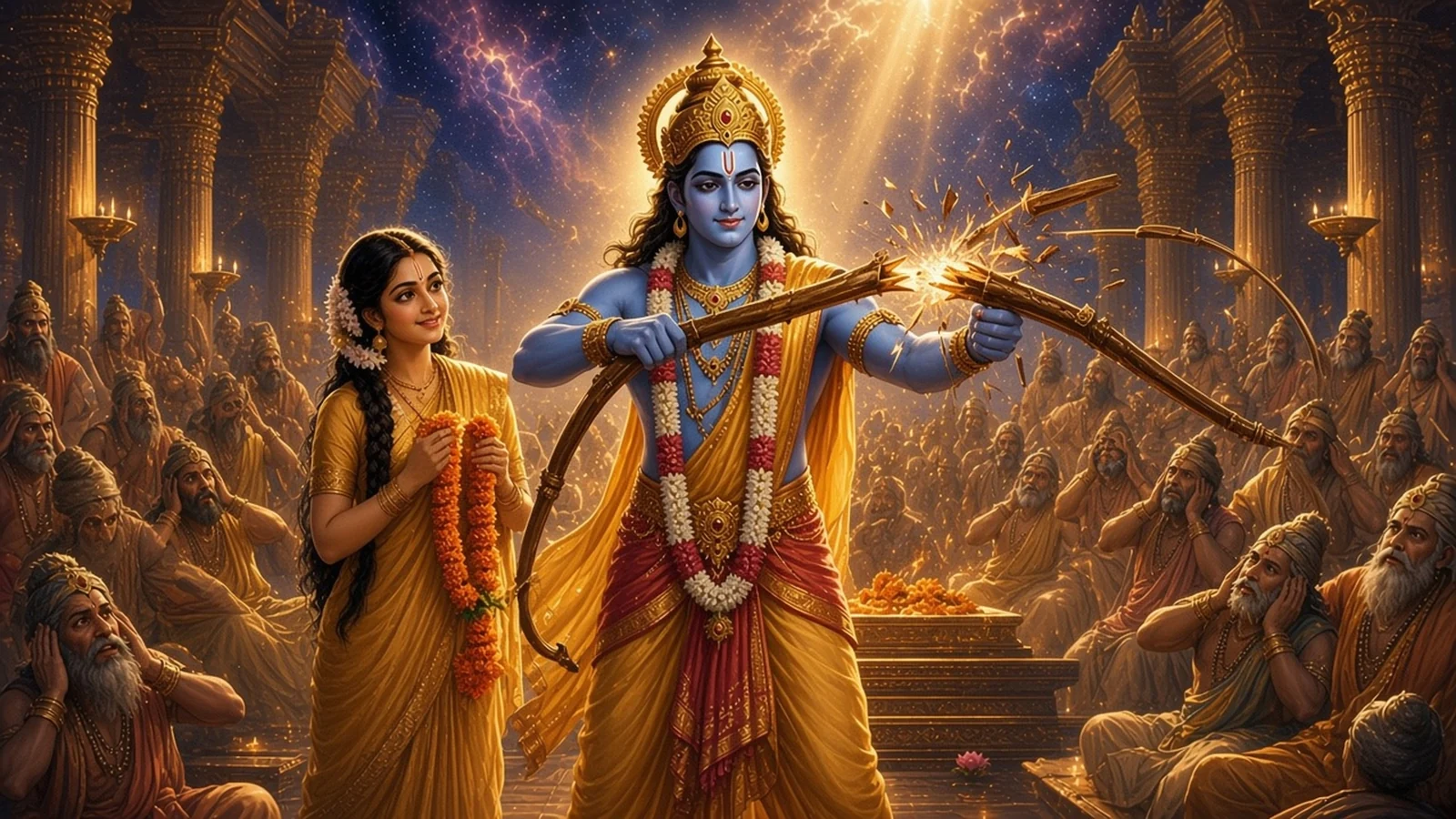
She was not born to anyone. Her father, King Janaka of Mithila, found her as a baby in the furrow his plough cut in the earth, and named her Sita, the furrow. When she grew up, he promised her to whoever could string the great bow of Shiva, and Rama broke it.

Siyavar Ramachandra ki jai: the cry of the Ramlila, glory to Rama, the husband of Sita.

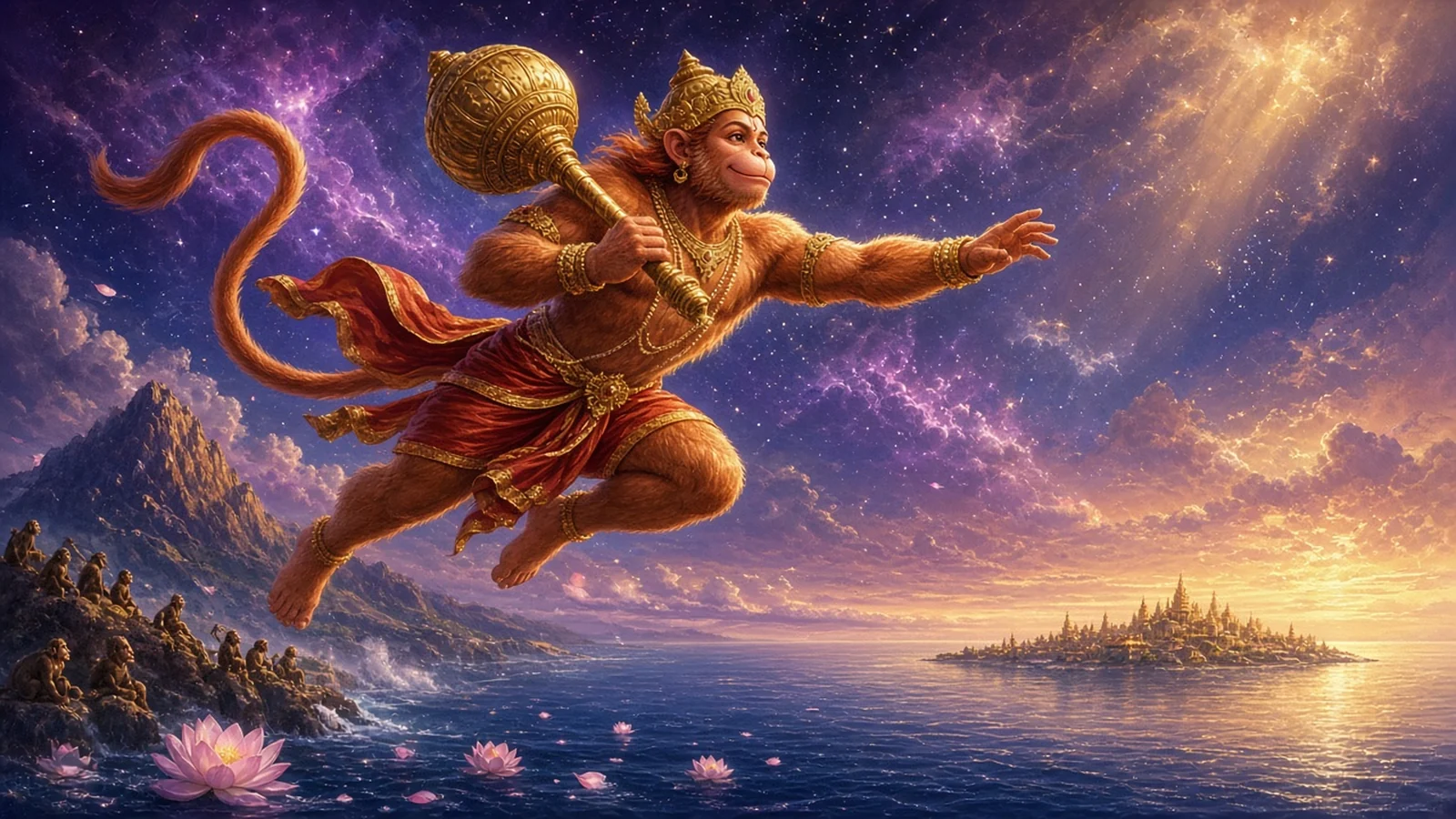
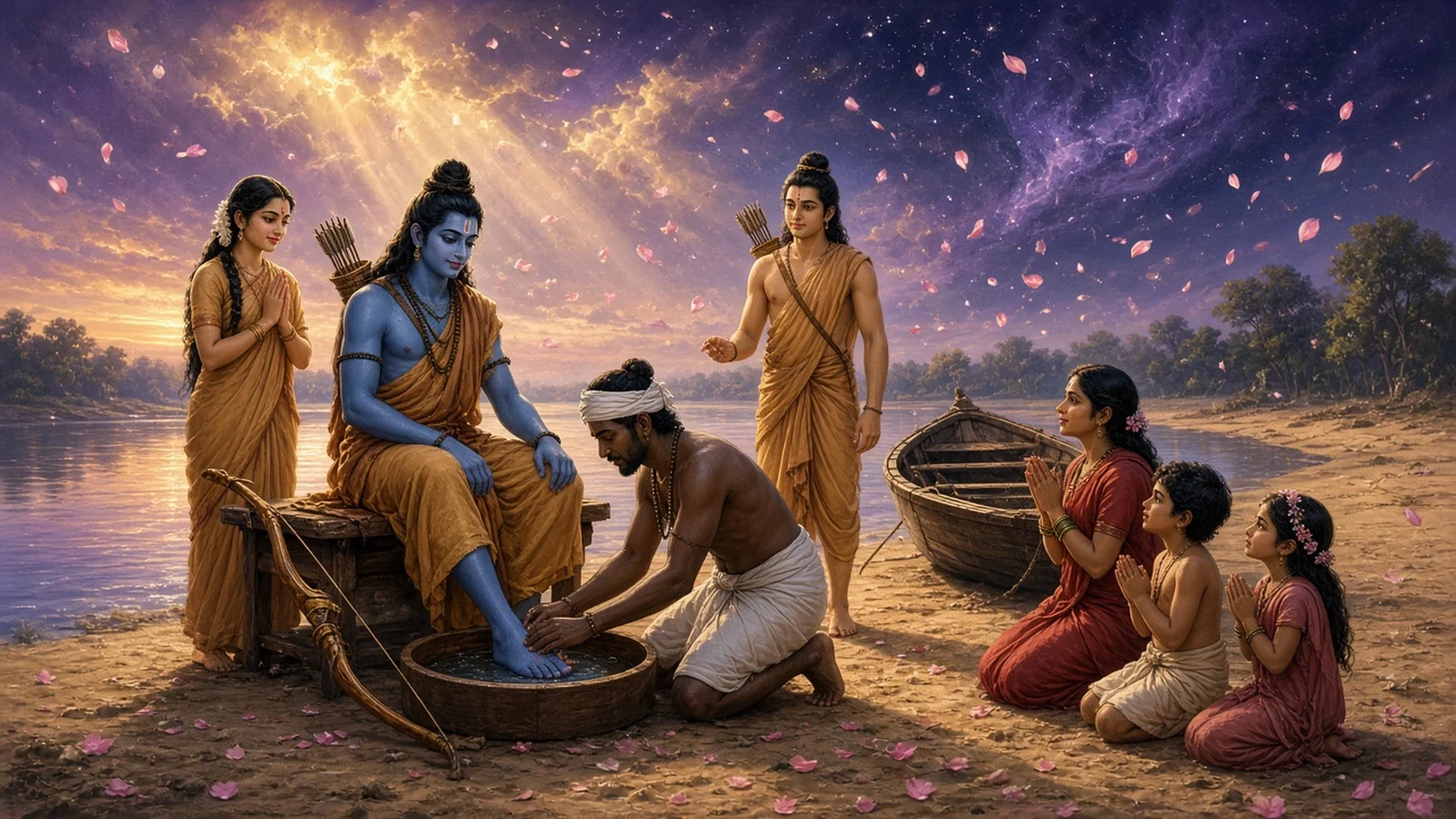
When Rama was sent into exile for fourteen years, she would not be left behind. In the forest the demon king Ravana carried her off to Lanka, where she lived as his prisoner, refusing him, until Rama came with an army of monkeys and killed him. Then, before everyone, Rama doubted her, and she walked into a fire to prove herself, and the god of fire brought her out unharmed.

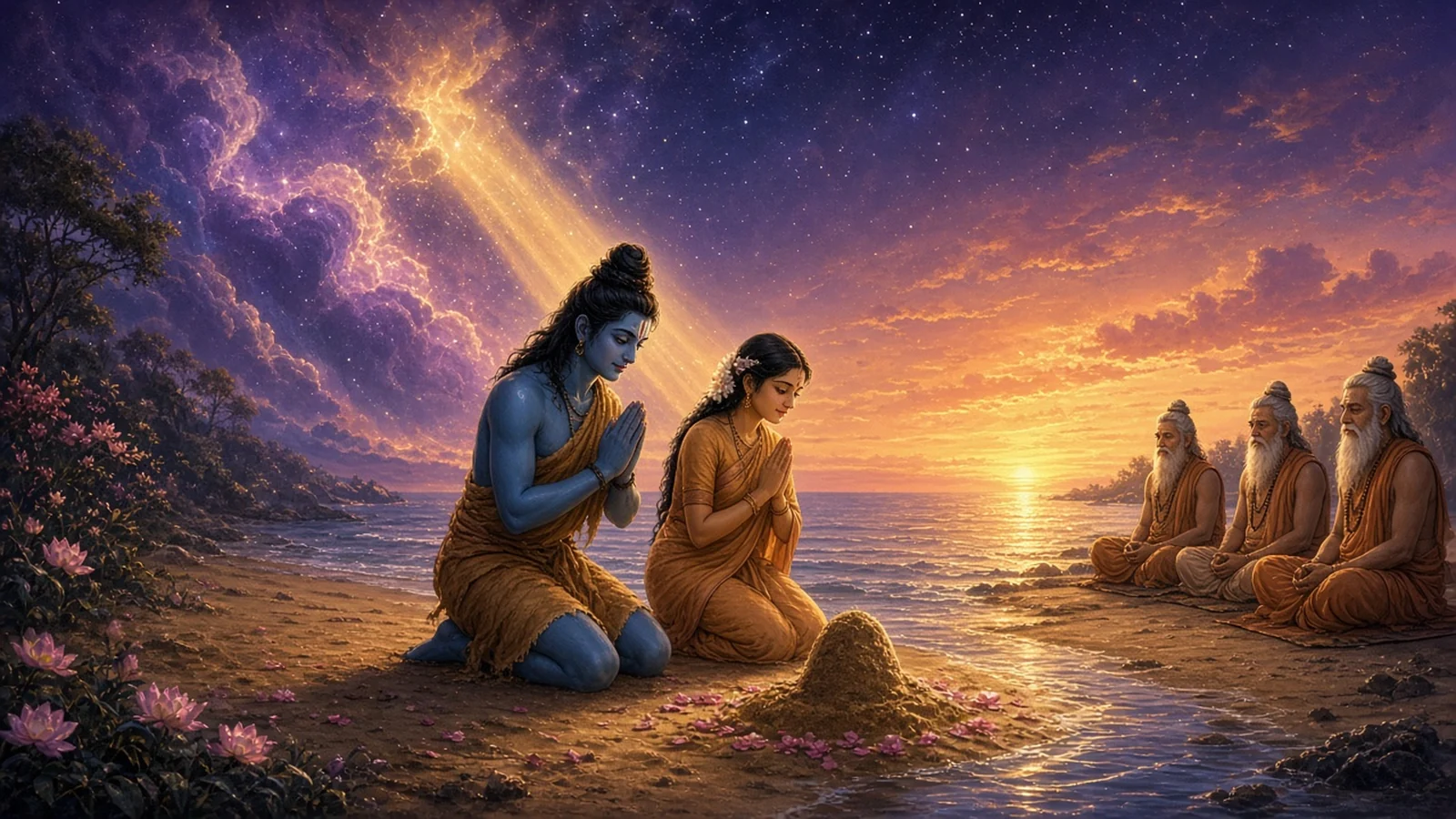
Even that was not the end. Back in Ayodhya, the people talked, and Rama sent her away. She bore his twin sons in the poet Valmiki's hermitage, and when she was asked to prove herself once more, she asked the Earth, her mother, to take her, and the ground opened.

She is worshipped as Lakshmi on earth, at Rama's side. In many places, from Mithila to the women's songs of the villages, she is also remembered as a woman wronged.
Before the Puranas

The Vedic roots of Sita

Before she was a princess, Sita was a goddess of the field. A hymn of the Rigveda (4.57) calls on auspicious Sita, the furrow, to come near and give good harvests, with Indra and Pushan guiding her, and later ritual texts make her the wife of Indra or Parjanya. The epic heroine, found in a furrow and taken back by the earth, keeps the old meaning in her name.

Valmiki's Ramayana is her first great telling. Its first and last books, the Bala and Uttara Kandas, which hold her birth from the furrow and her return to the earth, are thought by many scholars to be later than the core of the poem, and the fire ordeal may also have been added.

Later tellings were troubled by her suffering and changed it. The idea of Maya Sita, a shadow who was carried off in her place while the true Sita waited in the fire, appears in the Kurma Purana, perhaps between the sixth and ninth centuries, and in the Adhyatma Ramayana, around the fourteenth. Tulsidas followed the Adhyatma, so the Ramlilas of north India do too.

Janakpur in Nepal, Janaka's city, keeps her wedding every winter, and its marble Janaki Mandir was built by the queen of Tikamgarh around 1910. Sitamarhi in Bihar honours Punaura as the field where she was found. Sita Navami, on the ninth of the bright half of Vaishakha, keeps the day she came out of the earth, and Vivaha Panchami, in Margashirsha, her wedding, when Janakpur fills with processions from Ayodhya.

See how the Vedic gods became the Puranic ones →

Every story about Sita

Related gods