Festival · The afternoon a brother eats at his sister's house
Bhai Dooj
Bhai Dooj is the fifth and last day of Diwali, the second day of the bright half of Karttika, when a brother goes to his sister's house in the afternoon to be marked on the forehead, fed and prayed over, and brings her a gift. It is Yama's day, Yama Dwitiya, after the day the lord of the dead ate at his sister Yamuna's table, and the Skanda Purana promises that a brother fed by his sister that day will not see Yama's door. Every region has its own name and its own rite for it, from the Yamuna bath at Mathura to the sandal-paste phonta of Bengal and the seven-colour tika of Nepal.
When is Bhai Dooj in 2026? Bhai Dooj is Wednesday 11 November 2026. In 2027: Sunday 31 October 2027. The second day of the bright half of Karttika, two days after the new moon of Diwali, in October or November; the tilak is given in the afternoon.
Also calledBhaiya DoojYama DwitiyaBhratri DwitiyaBhau BeejBhai BijBhai PhontaBhai TikaBhardutiyaBhatru DwitiyaBhagini Hasta Bhojanam
Next, in 2026Wednesday 11 November 2026
Prime godYama
with 3 more
WhereAll India and Nepal, by many names; Mathura for the Yamuna bath
How longOne afternoon, with a bath at dawn for those who go to the river
The second day of the bright half of Karttika, two days after the new moon of Diwali, in October or November; the tilak is given in the afternoon
Why it is kept
Bhai Dooj is the last day of Diwali and the quietest. Two days after the new moon of Karttika, when the fireworks are spent and the lamps have been put away, a brother goes to his sister's house in the afternoon. She marks his forehead, waves a lamp before him, feeds him, and prays that he live long; he brings her a gift. The day has a different name in every language and a different sister in every region, Yamuna who fed Yama, Subhadra who waited for Krishna, and in the villages of the north a sister who walked her brother home through a forest.
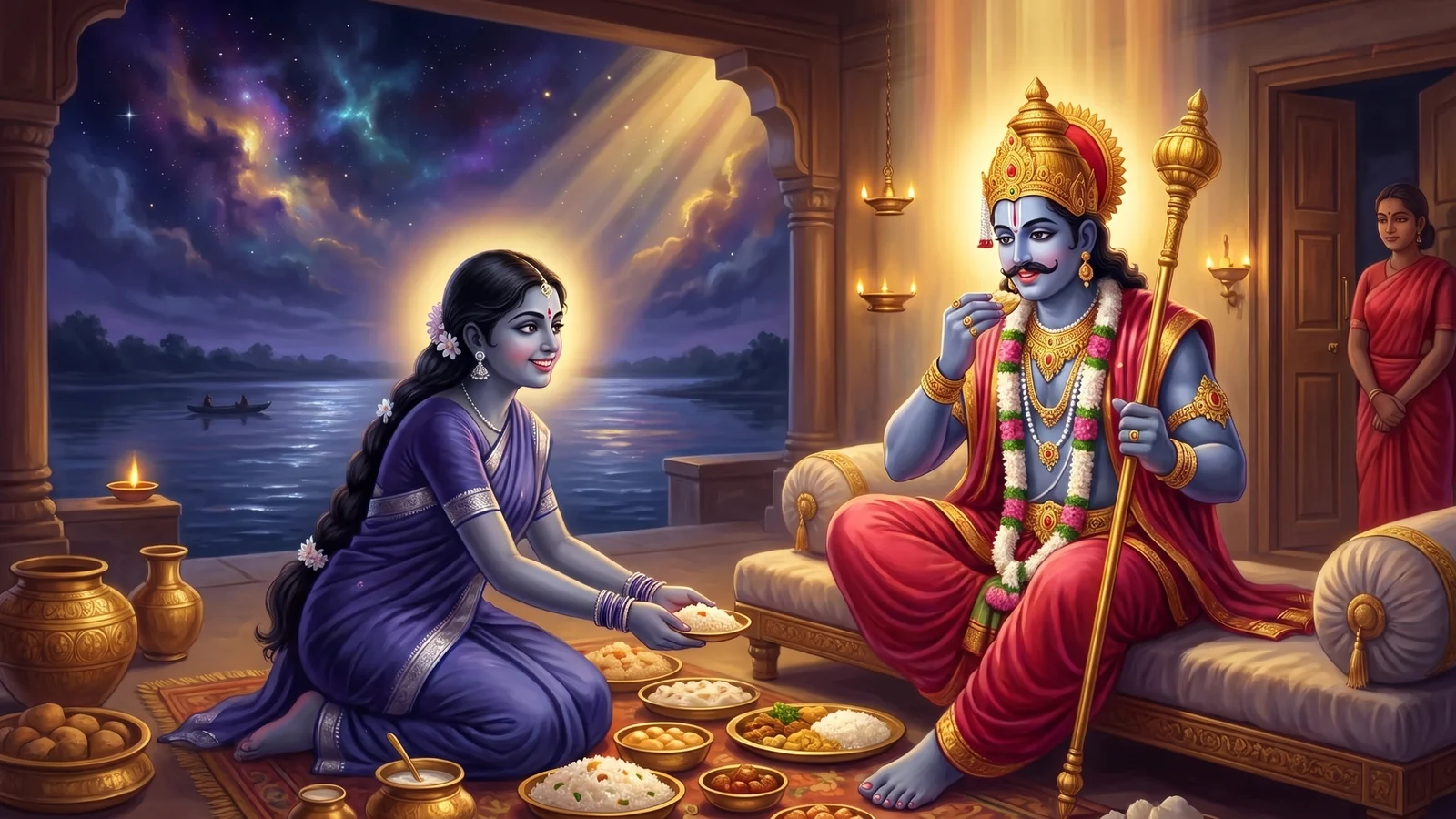
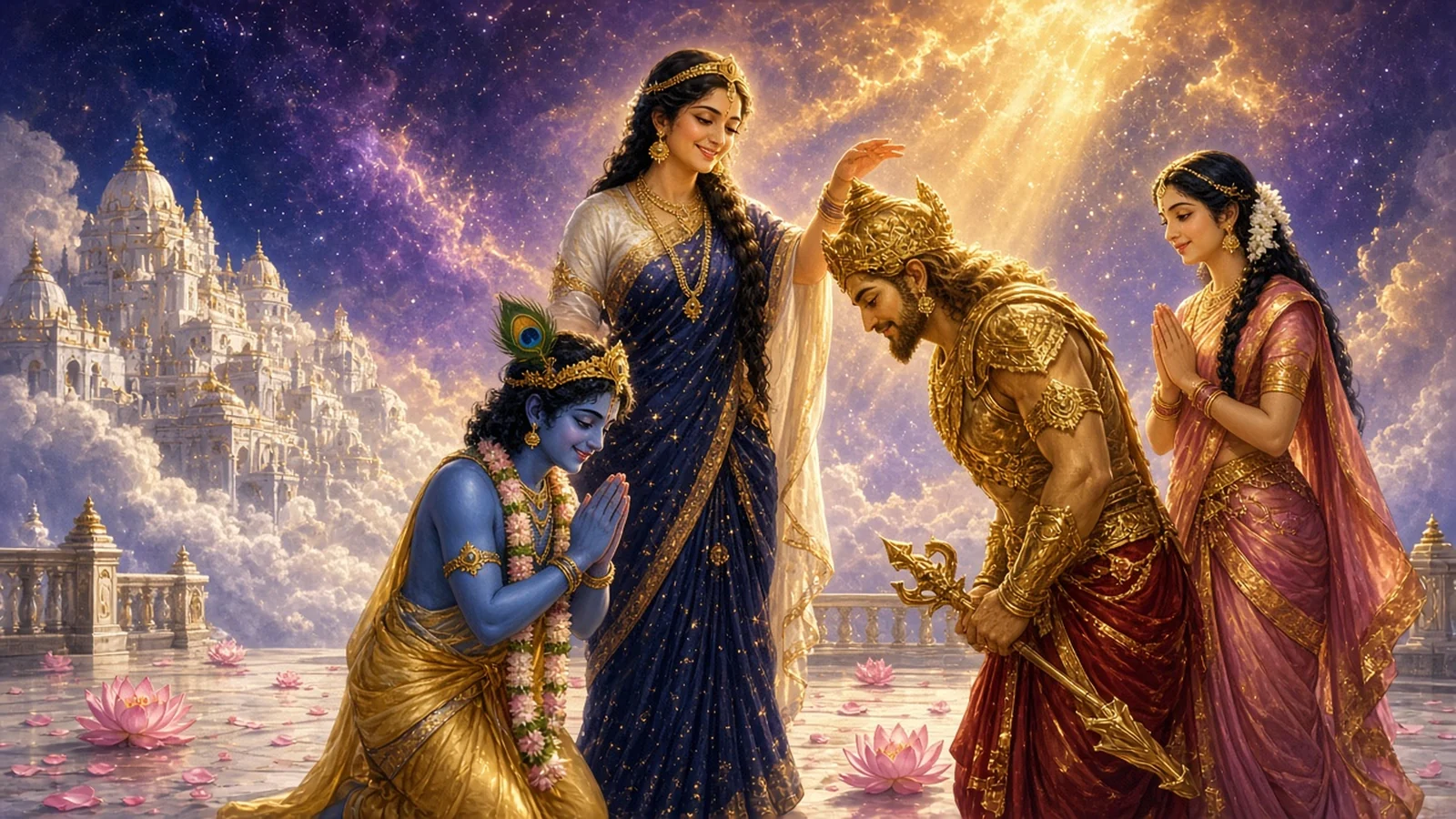
The day belongs to Yama. The Skanda Purana tells how his sister Yamuna, the river, asked him to eat at her house every day and was put off every day, until on the second of bright Karttika he came, with his attendants, having let the hells go free for the day. She fed him and he gave her a boon, and what she asked for was the day itself: that he come every year, that the hells be emptied on it, and that every brother fed by his sister on it be happy. He added a promise of his own, that whoever bathes in the Yamuna and eats at a sister's house that day will never see his door. The Lore tells the dinner in The Day Death Came to Dinner. The sister's mark is a bar across Yama's door, and Bengal's sisters say so as they make it.
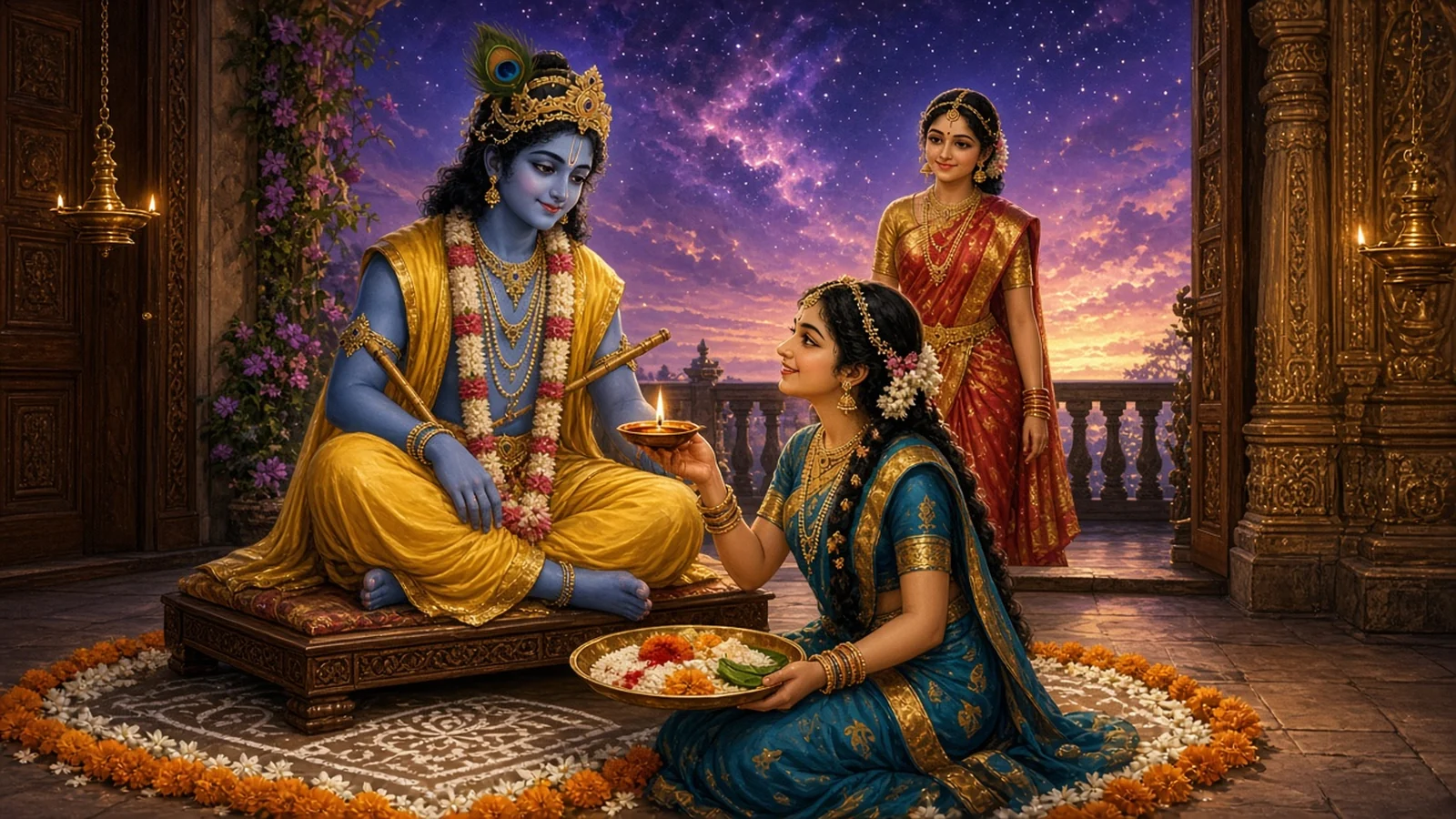
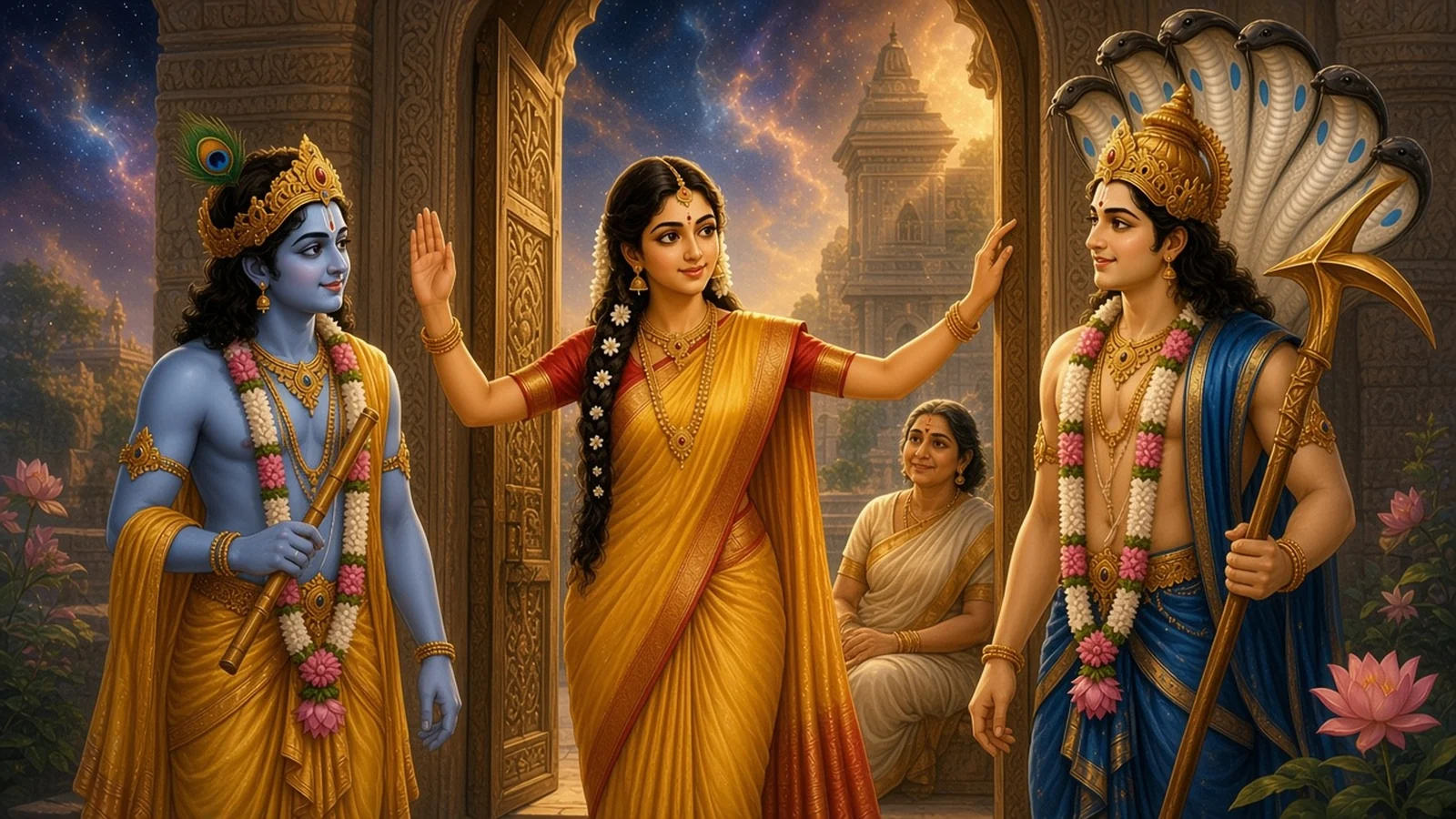
Western India gives the day a second brother. After Krishna killed Narakasura, the tellers of Maharashtra, Goa and Gujarat say, he came to his sister Subhadra's house and she welcomed him with a lamp, flowers, sweets and a mark on his forehead, and that was the first Bhau Beej. The Bhagavata, which tells the killing, knows nothing of the visit; it is festival tradition, and Bengal's temple tellers repeat it beside Yama's dinner.
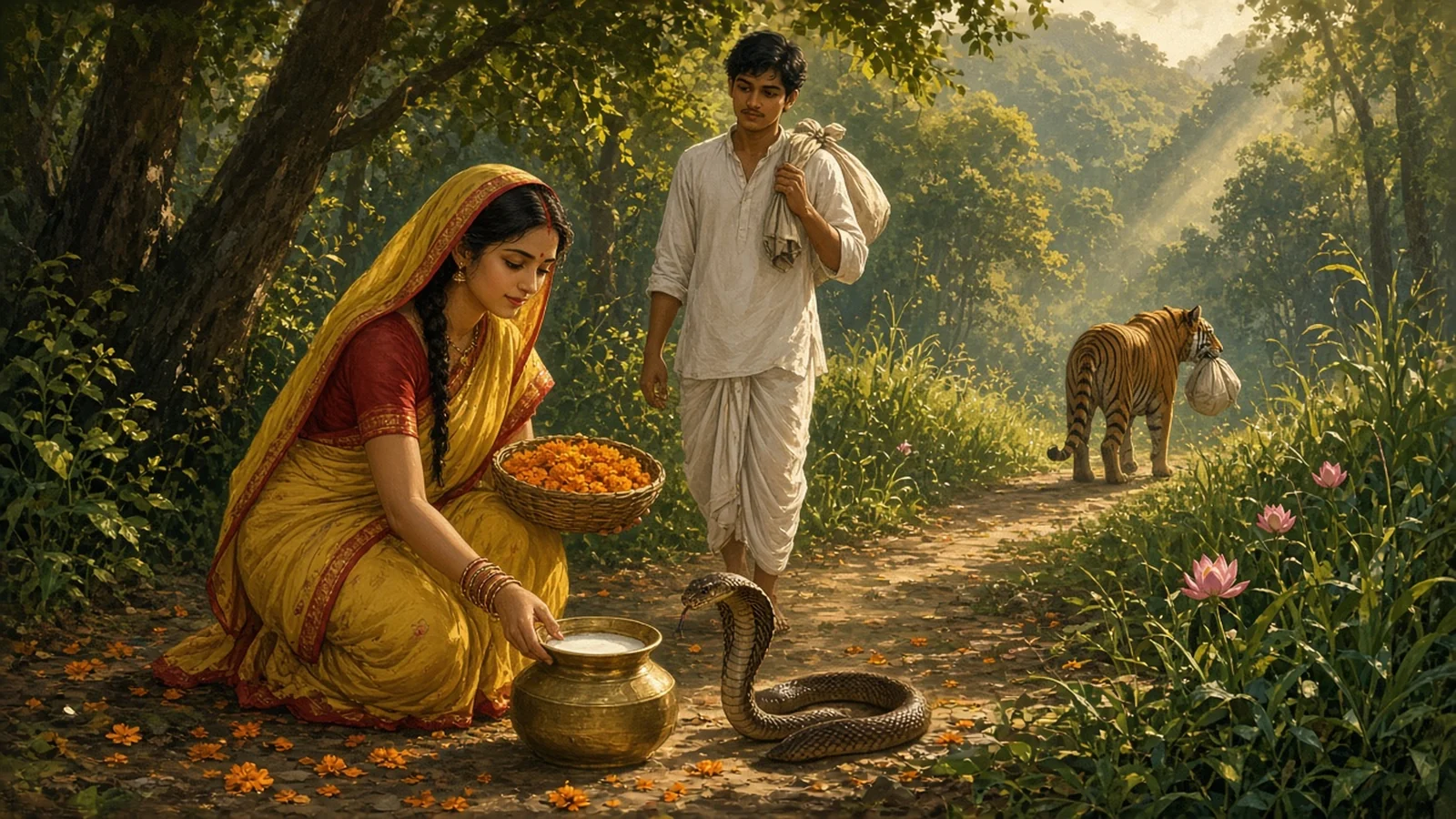
The north has a third reason, told in the vrat katha read before the tilak: a sister who walked her brother home through a forest, bought off the snake, the tiger and the hills, and then cursed him all the way to his wedding so that his death would fall on her instead. Bihar's sisters still curse their brothers on the morning of the day, and prick their own tongues for it.
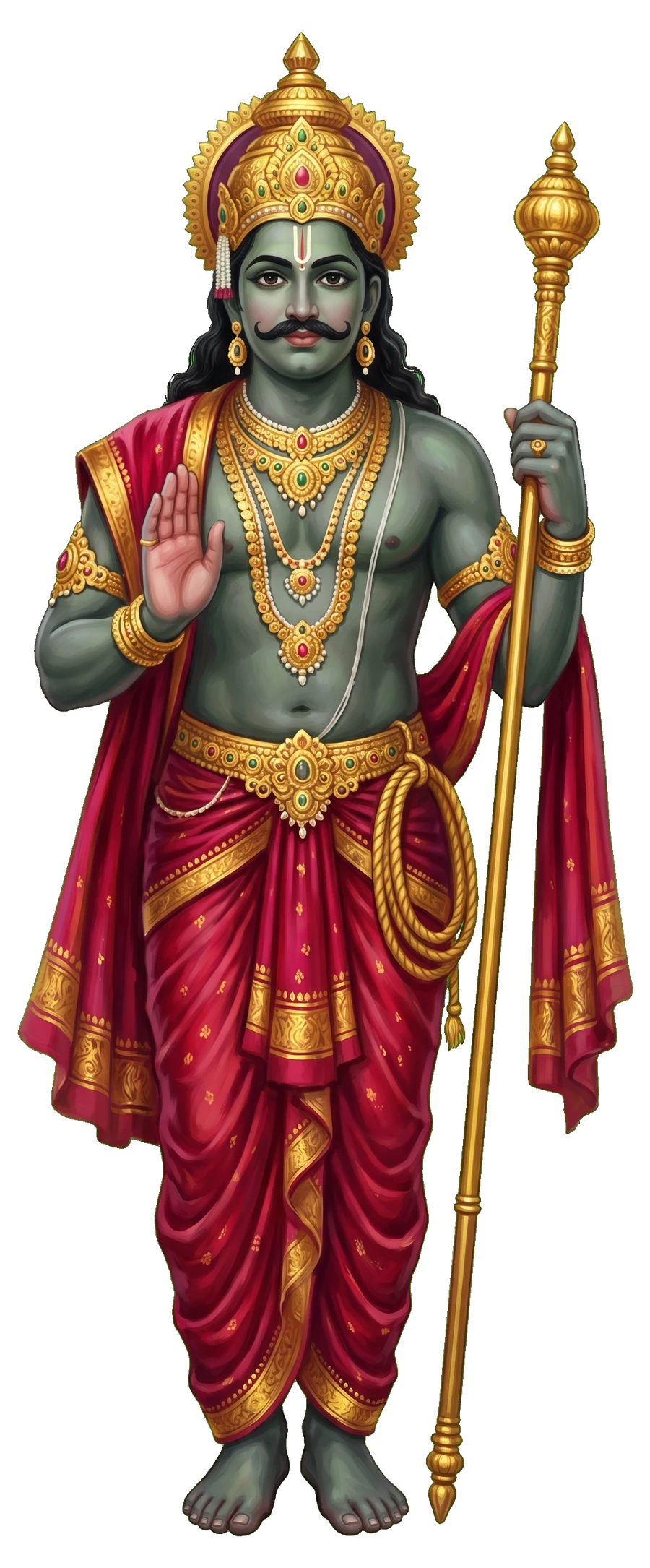
The lord of the dead, who came at last to dinner at his sister's house on this day and gave her the boon that makes the festival. The sister's mark on her brother's forehead is a bar across Yama's door, and the day is named for him, Yama Dwitiya.
Y
Yamuna (Yami)
Yama's sister, the river. She asked him to eat at her house every day until he came, fed him, and asked for the day as her gift. Brothers and sisters bathe together in her at Mathura on the morning of Bhai Dooj, and the Bengali rhyme says she gave Yama the mark first.
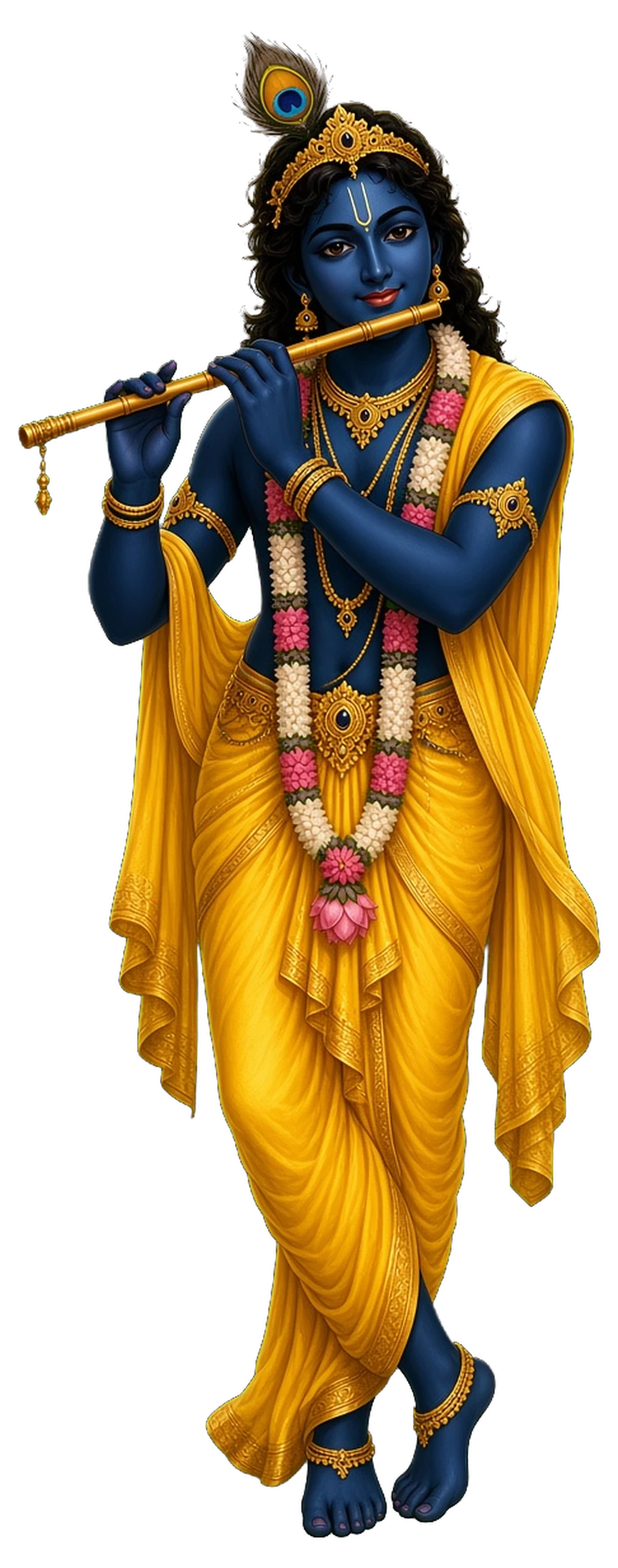
The brother of the western telling. Fresh from killing Narakasura, he came to his sister Subhadra's door and was welcomed with a lamp, a mark and sweets. Maharashtra's brothers taste a bitter fruit before the lamp because Krishna did.
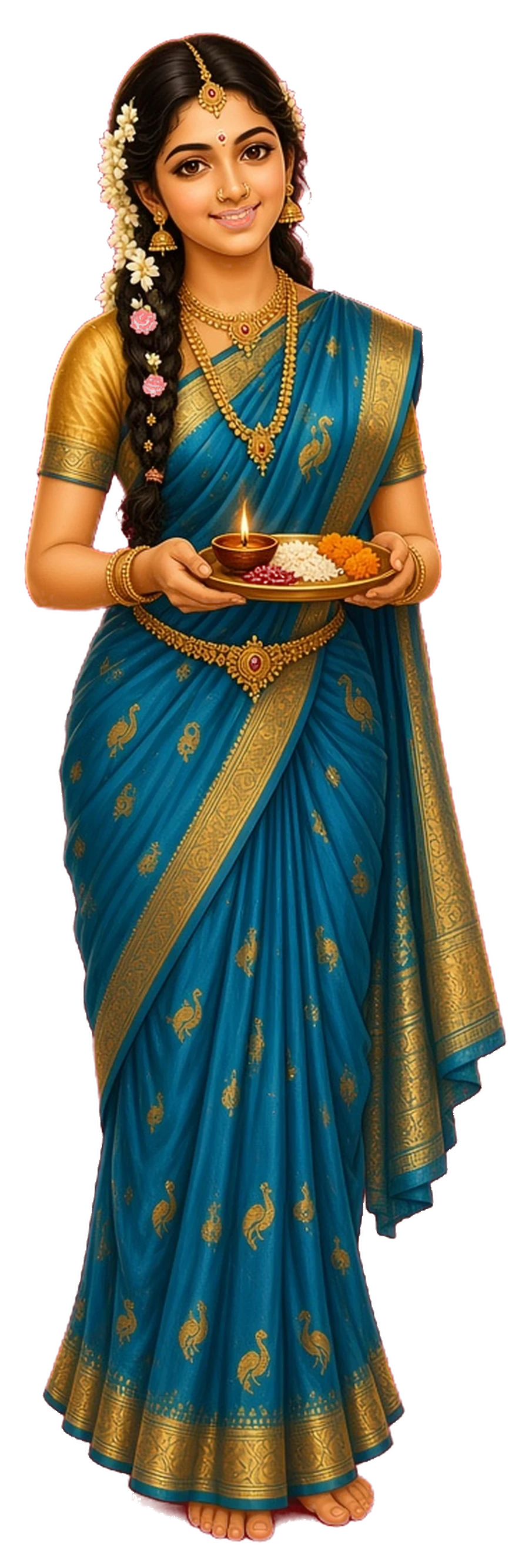
Krishna's sister, who waited for him with a lamp and put the first tilak on a returning brother, in the telling of Maharashtra, Goa and Gujarat that Bengal repeats.
The afternoon of Bhai Dooj
1
The morning, the Yamuna bath
Dwitiya of bright Karttika, at sunrise · Wednesday 11 November 2026
Yama Dwitiya snanVishram Ghat
At Mathura brothers and sisters go down the steps of Vishram Ghat at dawn and bathe in the Yamuna together, holding hands, five dips with each brother. On the steps the sister seats her brother and marks his forehead, and the two go up to the old temple of Dharmaraja and Yamuna on the bank to light lamps. More than a lakh people bathe there on the morning. Elsewhere the almanacs ask for a sighting of the moon and an oil bath at home before the day begins.
The aparahna, the afternoon hours of dwitiya · Wednesday 11 November 2026
Bhaiya DoojBhau BeejBhai BijBhagini Hasta Bhojanam
The brother comes to his sister's house in the afternoon and sits down. She marks his forehead with roli and rice, waves the lamp before him, in Haryana and western Uttar Pradesh with a dry coconut tied round with red thread on the platter, and prays that he live long. Then she feeds him, kheer and puri in the north, basundi and puran poli in Maharashtra, a full meal from a sister's hand in the Telugu and Kannada country. He leaves clothes, money or a gift. A man with no sister goes to a cousin, an aunt or a friend's sister; a woman with no brother waves the lamp to the moon. At dusk a lamp with four wicks is set outside for Yama.
The same dwitiya; the first day of the fortnight in some East Bengal families · Wednesday 11 November 2026
Bhai PhotaBhai TikaKija Puja
In Bengal the sister has fasted since morning. She touches sandal paste to her brother's forehead three times with her little finger, saying the rhyme that lays a thorn at Yama's door, puts paddy and durba grass on his head while the conch blows, and feeds him sandesh and a lunch with fish. In Nepal, on the last day of Tihar, the sister rings her seated brother with oil and water, breaks a walnut at the threshold, garlands him with makhamali and marigold, and gives him the tika of seven colours; he gives her money and a tika of his own. In Kathmandu the Balgopaleshwar temple at Rani Pokhari opens its doors for this one day.
Uttar Pradesh, Haryana, Rajasthan, Madhya Pradesh and Bihar keep the afternoon tilak with roli, rice and a lamp, and the sister cooks kheer, puri and her brother's favourite sweets. In Haryana and western Uttar Pradesh the platter carries a dry coconut, the gola, wound with red thread, and in the eastern districts a betel leaf is pressed to the brother's forehead. The vrat katha of the sister who walked her brother home is read before the tilak, and a four-wick lamp is set outside at dusk in Yama's name. Punjab keeps the same afternoon as Tikka.
Mathura and VrindavanYama Dwitiya at Vishram Ghat
Braj says Yamuna settled at Vishram Ghat and that Yama came to find her there, and the ghat's old temple is hers and Dharmaraja's together. On the morning of the day brothers and sisters from across the north bathe in the river hand in hand, the Skanda Purana's own promise for the day, and the sisters light lamps in the temple and ask for their brothers the long lives of the eight immortals. Priests on the steps mark the brothers who have no sister with them.
Maharashtra, Goa and the KonkanBhau Beej
The sister draws a square on the floor in rangoli and seats her brother in it facing north. He tastes the bitter karith, a small wild fruit, because Krishna is said to have tasted it before he went out to kill Naraka; then she waves the platter with the lamp and kunku before him, the ovalne, marks his forehead and receives his gift, the ovalni, which the grindmill songs of the Pune villages turn into a brocade sari. The meal is basundi with puri, puran poli and shrikhand. Women with no brother wave the lamp to the moon.
GujaratBhai Bij
The day after the Gujarati new year, which is itself the day after Diwali. The sister's thali carries rice, betel nuts and vermilion; she marks her brother, feeds him and is given a gift, and the family that opened its new account books two nights before sits down together. Gujarat's craftsmen keep Vishvakarma Puja on the new-year day just before, so in some houses the tools are blessed one afternoon and the brother the next.
Bengal, Tripura and BangladeshBhai Phonta
The second day after Kali Puja. The sister fasts until she has given the phonta, a paste of sandalwood ground with water or curd, some adding kajal or ghee, touched to the brother's forehead three times with the little finger of her left hand while she says the rhyme; the conch blows, the women give the ulu call, paddy and durba grass go on his head, and he eats sandesh with Bhaiphonta written on it before a lunch with fish. Families from East Bengal give the phonta on the first day of the fortnight and feast on the second. In 1905 Tagore turned the day's symbolism into a tying of threads between Hindus and Muslims against the partition of Bengal.
Bihar and JharkhandGodhan kutai
The one place where the sister curses her brother first. In the morning, fasting without water, sisters shape figures of cow dung, the godhan with Yama and Yamuna, snakes and scorpions beside it, curse their brothers aloud and pound the godhan with a pestle. Then they prick their own tongues with the thorn of the rengani, a wild brinjal, in penance, ask to be forgiven, pray for their brothers' long lives and feed them bajri, gram and sweets. Maithils call the day Bhardutiya; western Odisha keeps it as Bhai Jiuntia.
Andhra, Telangana, Karnataka and Tamil NaduBhagini Hasta Bhojanam
The south calls the day Yama Dwitiya or Bhatru Dwitiya and keeps it as Bhagini Hasta Bhojanam, a meal from a sister's hand, the last day of Deepavali. The sister invites her brother, prays for his long life and serves him a full meal, with a verse said over the leaf, and he gives her sweets, clothes, gold or silver. The Telugu telling has Chitragupta, the keeper of Yama's records, come to Yamuna's house beside his master.
NepalBhai Tika
The fifth and last day of Tihar, and the country's greatest day after Dashain. The sister worships the lamp, the water pot and Ganesha on a winnowing tray, draws a ring of oil and then of water round her seated brother, sets a citron outside the door and breaks a walnut beside it with a stone, then shuts the door and gives the tika of seven colours. He gets the makhamali garland, sweets, sel roti and a packet of spices, the shagun that began as a snack for a brother walking to a far village; she gets money and a tika from him. The Newars call it Kija Puja, and the sister who outwitted Yama in Nepal's own telling has her story told with Yama's dinner.
Hindu families across India and NepalA family day
The day has no temple festival and no procession. It is kept at home, in the afternoon, by brothers and sisters of every age, and cousins and friends' sisters stand in where there is no sister. P. V. Kane read Bhratri Dwitiya as an observance of its own that was folded into the Diwali days because it fitted them.
JainsBhai Beej
Jain families keep the second of bright Karttika as Bhai Beej with a story of their own. After Mahavira's nirvana his brother, King Nandivardhana, could not stop grieving, and his sister Sudarshana took him home with her and comforted him, so a Jain sister invites her brother to her house on this day to honour him.
Kayastha familiesChitragupta Puja
The Kayasthas, who count themselves from Chitragupta, the scribe who keeps Yama's record of every deed, worship him on this day with his image, a pen, ink and the family's account books, and many keep a second Bhai Dooj of their own a day or two after Diwali.
How it is kept
The day is kept in the afternoon. The almanacs give the aparahna, the hours after midday while the dwitiya still runs; when the tithi straddles two days, as in 2026, the tilak goes to the day whose afternoon it covers. The morning is for the river. At Mathura more than a lakh brothers and sisters go down the steps of Vishram Ghat at dawn and bathe together in the Yamuna, hand in hand, then climb to the old temple of Dharmaraja and Yamuna on the bank to light lamps; elsewhere the day begins with a sighting of the moon and an oil bath at home.
In the afternoon the brother comes and sits. The sister marks his forehead with roli and rice, waves the lamp, and prays; in Haryana the platter carries a dry coconut wound with red thread, in Maharashtra the brother sits in a square drawn on the floor and tastes a bitter fruit first, in Bengal the mark is sandal paste laid on with the little finger and the sister has not eaten since morning. Then he is fed, and fed well: kheer and puri, basundi and puran poli, sandesh and fish, a full southern meal on a leaf. He gives clothes, money or a gift. A man without a sister goes to a cousin, an aunt or a friend's sister; a woman without a brother waves the lamp to the moon. At dusk, in the north, a lamp with four wicks is carried outside for Yama.
In the old texts
The one Purana chapter the Lore has read for the day is the Skanda Purana's, in the Karttikamasa Mahatmya of the Vaishnava Khanda, chapter 11, which calls the day Yamadvitiya and gives both the story and the rule. The rule is fuller than the custom: a bath and white clothes, a lotus drawn near a fig tree, a cow given to a Brahmin, and then the walk to the sister's house, where the brother eats and leaves clothes and ornaments. It forbids eating at home that day, promises the sister who feeds her brother that she will not be widowed, and lets a man with no sister honour a cousin, an aunt, or even a cow, a river or a forest in her place. Hindi handbooks of the day also cite the Bhavishya Purana's Uttara Parva and the Padma Purana's Diwali chapters, which the Lore has not read for this page.
The Sanskrit dictionaries know the day under the same name; Apte defines Yamadvitiya as the second of bright Karttika on which sisters entertain their brothers, and Molesworth's Marathi sends the reader to bhaubija. P. V. Kane, in the History of Dharmashastra, treated Bhratri Dwitiya as an independent vrata that was later joined to the Diwali days.
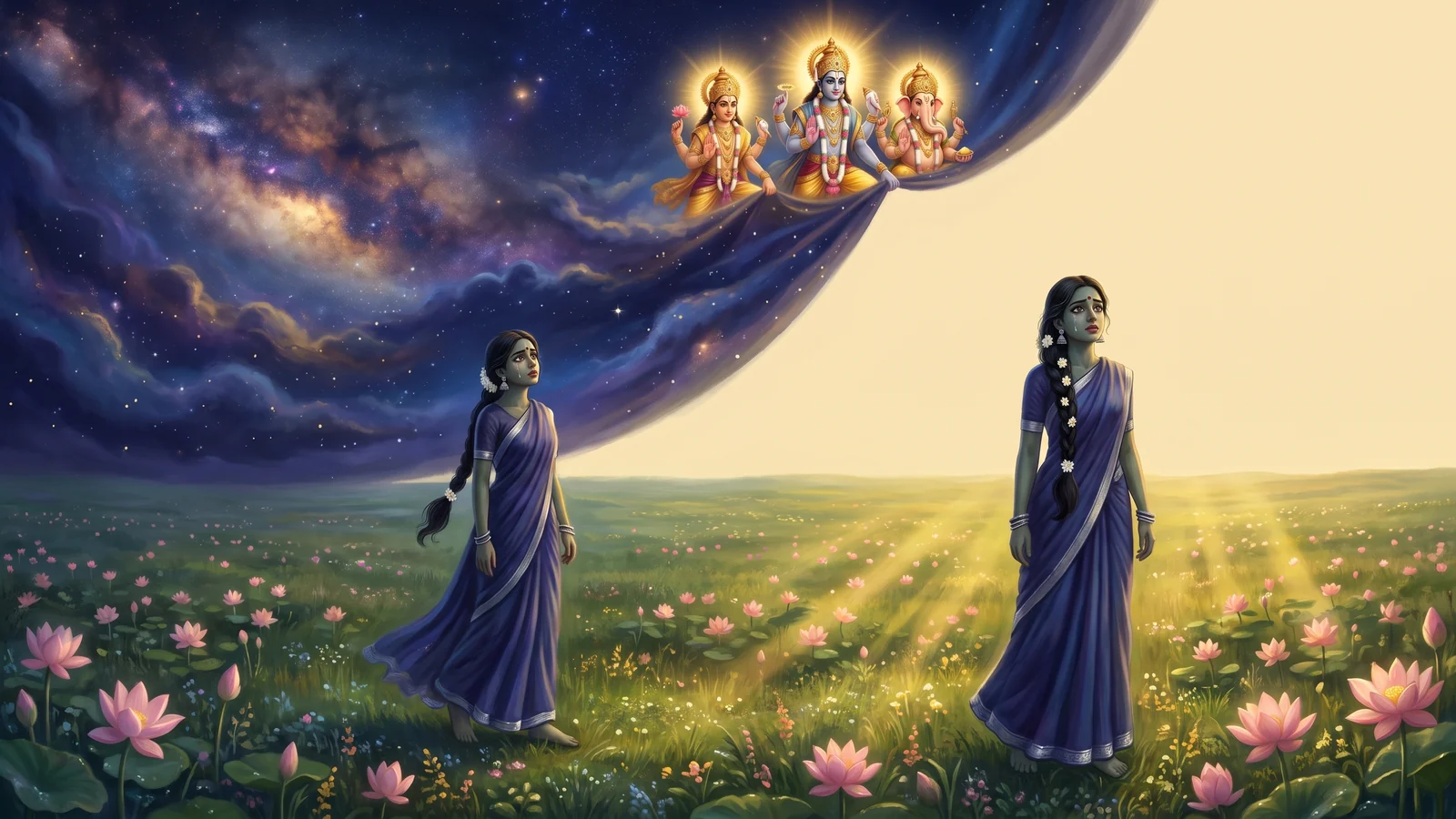
Behind all of it stands the oldest brother and sister in Indian literature. In the Rigveda's tenth book (10.10) Yama's twin Yami asks him to be her husband so that the human race may continue, and Yama refuses her for the sake of the gods' law and the generations to come. The river-sister of the Purana is that twin grown gentle, and her story is told in How Night Was Made.
Where this page comes from. Written by Devalok from the Skanda Purana (Vaishnava Khanda, Karttikamasa Mahatmya, chapter 11), the Bhagavata Purana (10.59), the Rigveda's dialogue of Yama and Yami (10.10), the Bhai Dooj vrat kathas of the north, the Bhai Phonta rhyme of Bengal, and accounts of the day from Mathura, Maharashtra, Bihar, Bengal, the south and Nepal, as recorded in the Devalok Lore. Our own words throughout.