Who Banke Bihari is
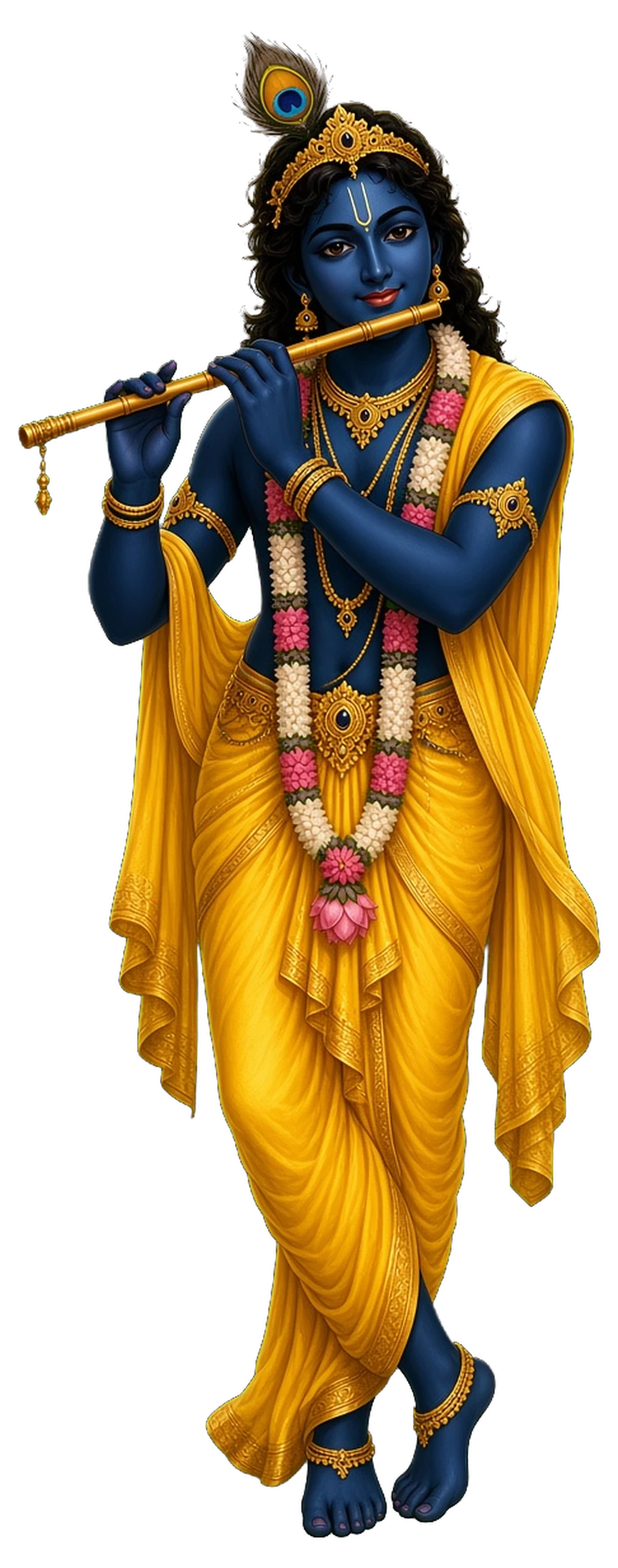
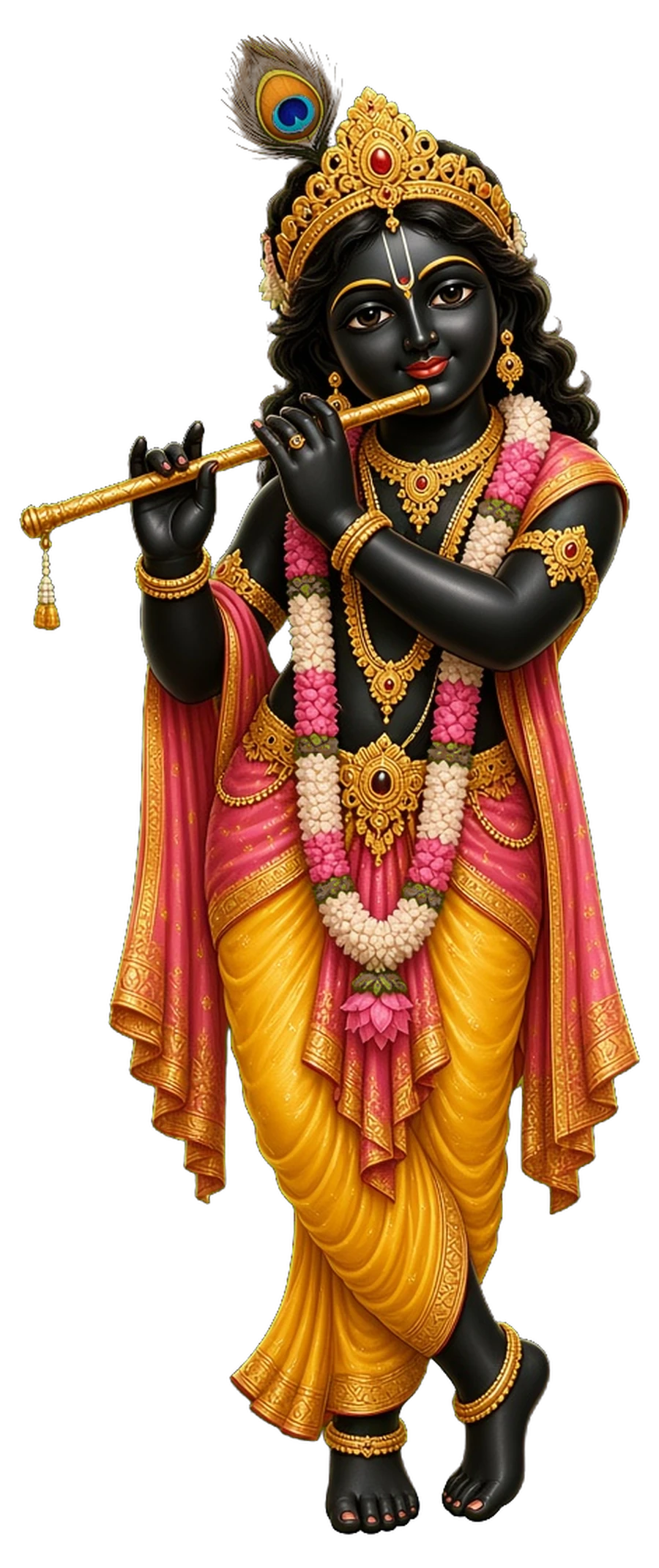
Banke Bihari is Krishna as Vrindavan loves him most: a small black image in a crowded temple in the old lanes of the town, standing bent at the neck, the waist and the knee. Banke means bent and Bihari the one who plays, so his name is his pose, the three easy curves in which Krishna stands to play the flute. His people call him Bihariji, or simply Thakurji, the lord.
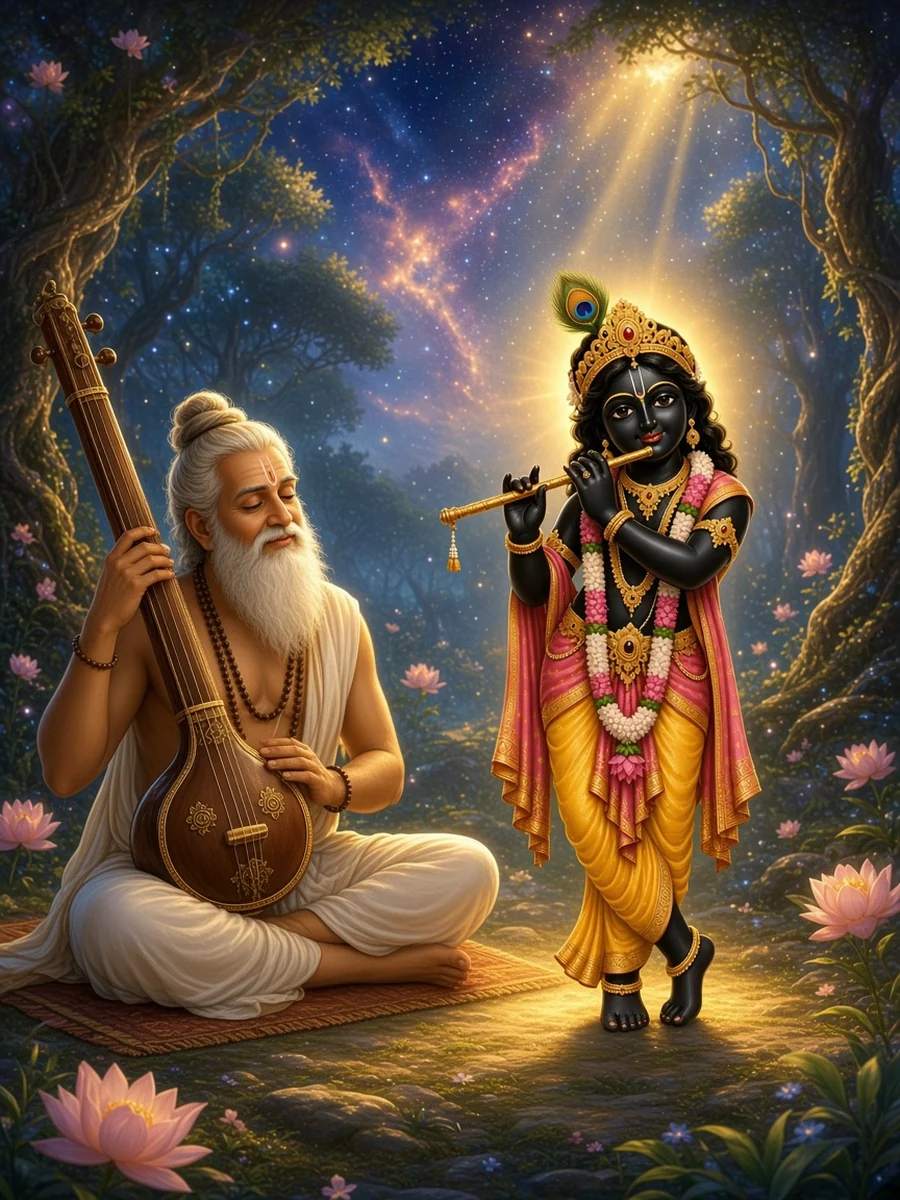
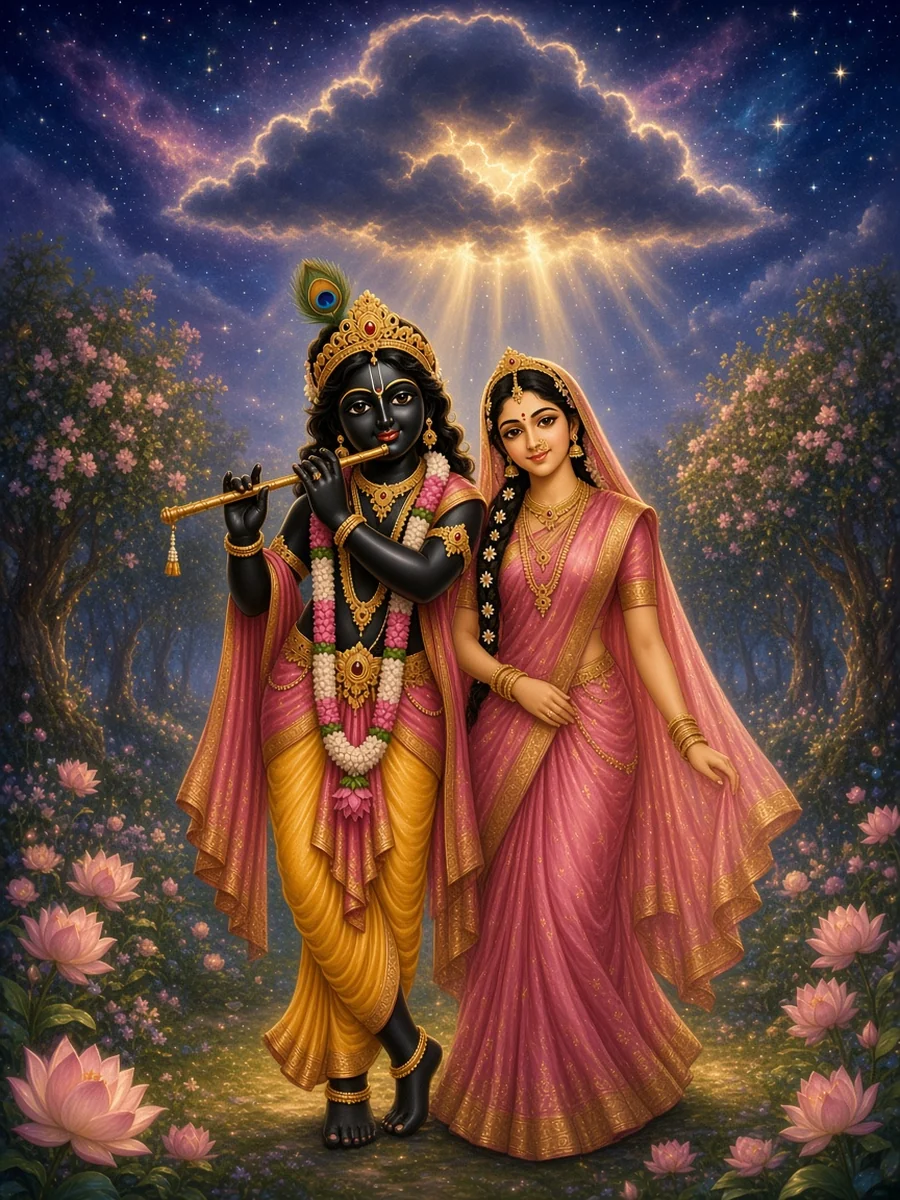
The image came, his temple says, to Swami Haridas, a singer of the sixteenth century who lived in the Nidhivan grove and sang of Radha and Krishna. At his asking the pair appeared to him and then became one dark form, and Haridas called it Kunj Bihari, the one who plays in the groves. That is why his devotees say Radha is in him too. Another telling has the image drawn out of the earth after a dream.
Shyamam tri-bhanga-lalitam niyata-prakasham, govindam adi-purusham tam aham bhajami: the dark one, lovely in his three bends, ever shining, Govinda, the first of beings, him I worship (Brahma Samhita 5.31).
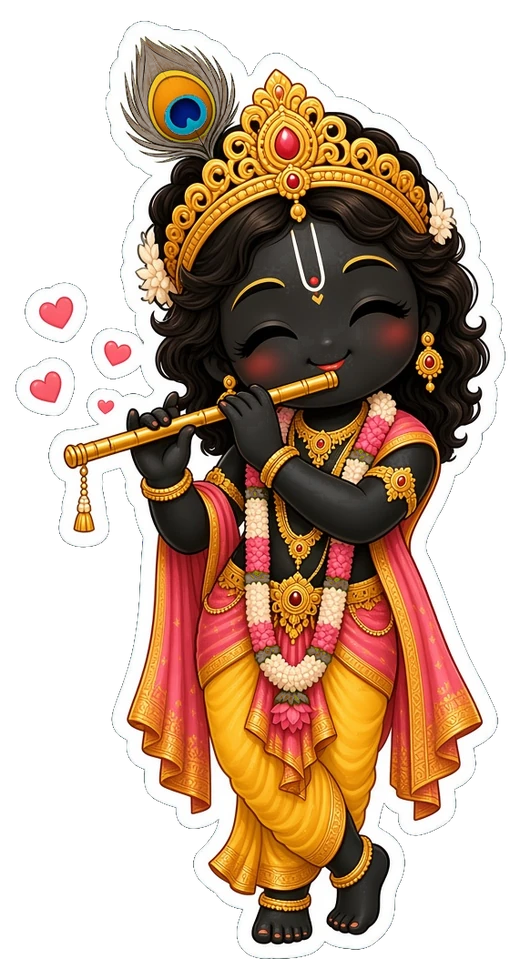
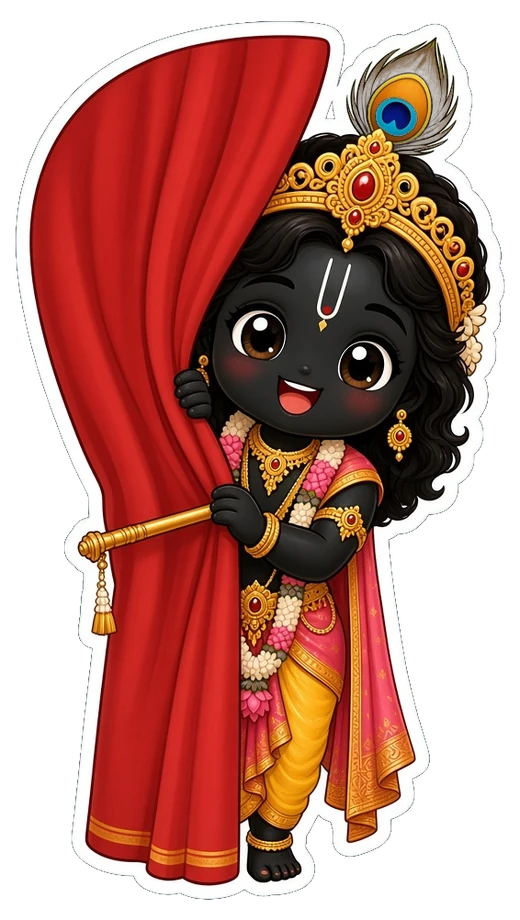
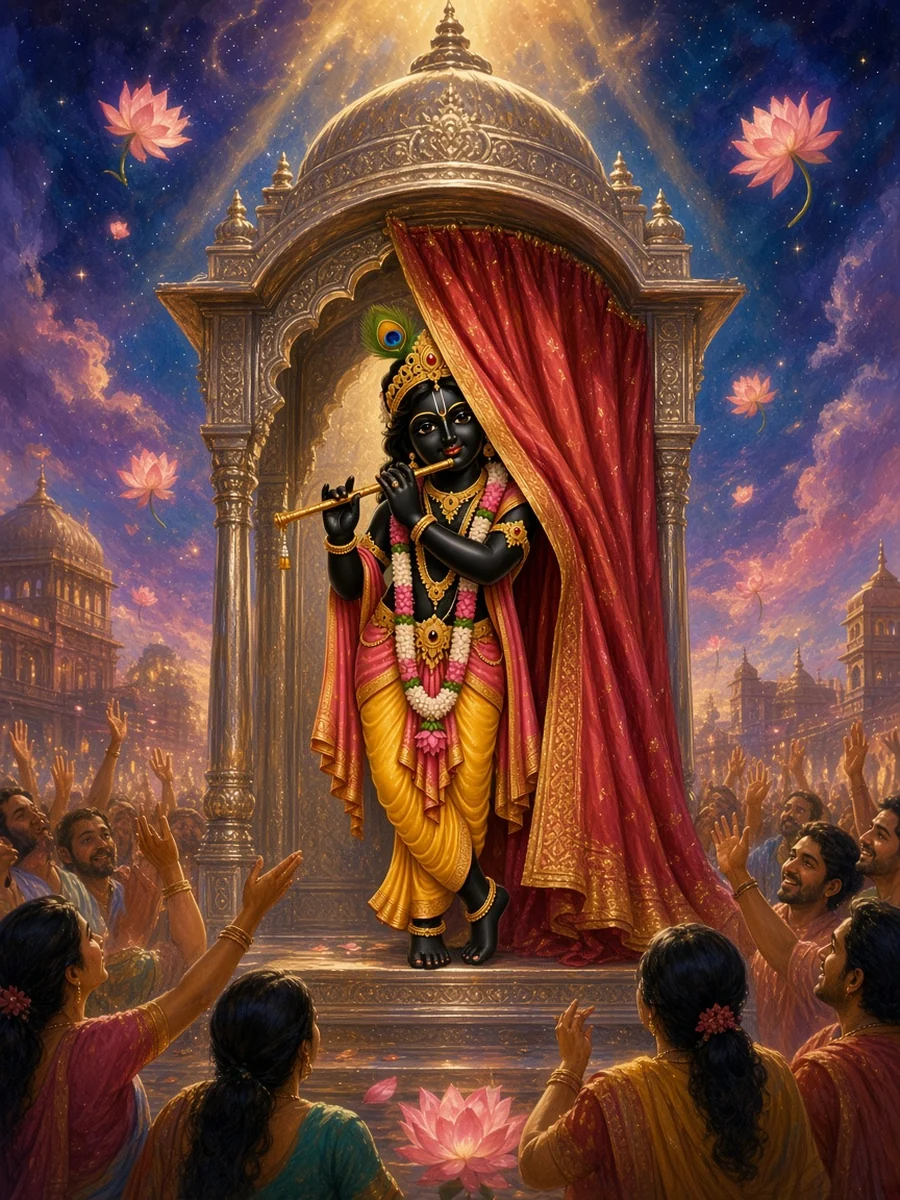
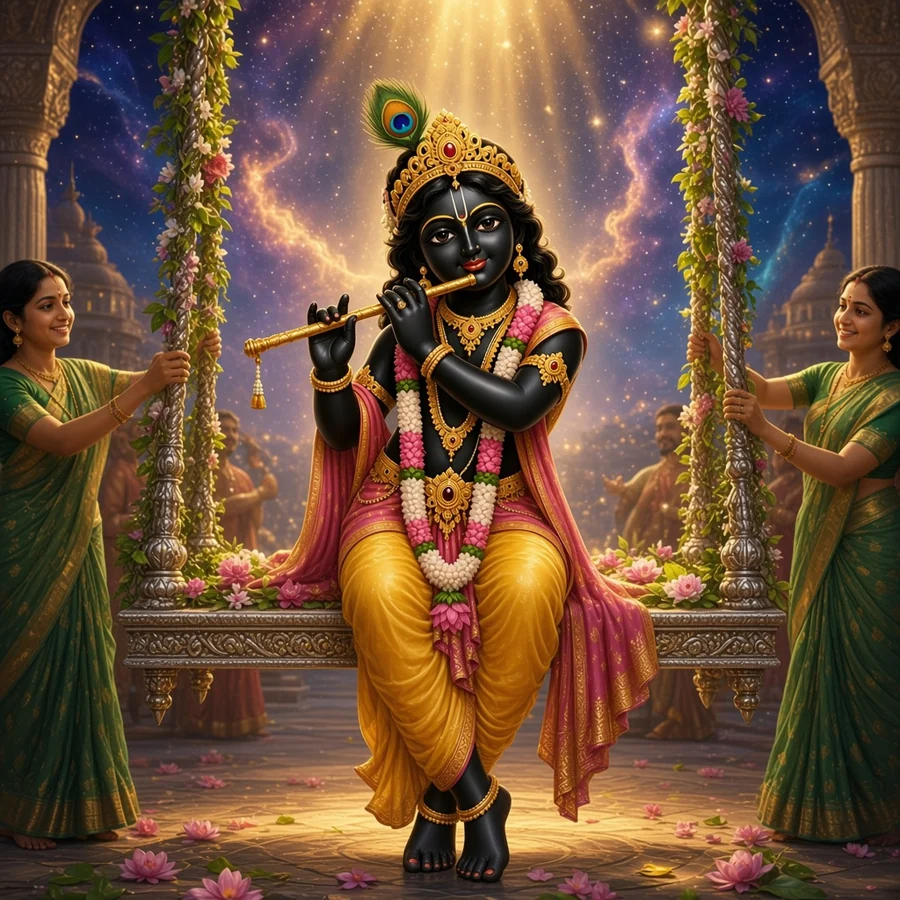
He is worshipped as a child, and his day is arranged so as not to disturb him. No bells hang in his temple. There is no early-morning arti, for he has been up late in the groves; the one mangala arti of the year is held at Krishna's birth on Janmashtami. A curtain is drawn across him every few minutes, because whoever looks at him too long, Vrindavan says, loses himself, and he has been known to follow such a devotee home. Once a year, on Sharad Purnima, he holds a flute; once, on Akshaya Tritiya, his feet are shown; once, on Hariyali Teej, he sits on a swing of gold and silver.
The Goswamis, who descend from Haridas's chief disciple Jagannath, built his present temple in 1862 with money they raised themselves, and they serve him still. The Haridasi tradition counts its teachers from Haridas and sings his Braj Bhasha songs. Its two branches disagree about his life, and the encyclopedias report that scholars think he founded a path of his own.
His stories on this site: The Cloud and the Lightning, how he came to Haridas in Nidhivan; The Boy Behind the Carriage, why the curtain is drawn; and The Wrong Note, how Tansen brought the emperor Akbar to hear Haridas sing. His swing on Hariyali Teej is in The Swing That Comes Out Once a Year, and his flute on the autumn full moon in The Night Brahma Made Longer.