As the Telugu telling has it
Polavasa, in today's Jagtial district · the forest of Medaram · 3 min read
Medaraju ruled Polavasa, a forest country north of the Kakatiya lands, and he was a lord of the hill people, not a lord of the plains. He went hunting the way his people did, on foot and quietly.
One morning his men stopped at the edge of a clearing and would not go on. In the middle stood an anthill, and on top of the anthill a baby girl lay kicking her legs and laughing. Round it, standing as still as guards at a gate, were tigers and lions.
"Lord," whispered the oldest of the hunters, "no mother leaves a child where the tigers keep watch. This one was not born to anybody here."
Medaraju put down his spear and walked forward. The animals let him come. He lifted the child from the anthill, and when he turned round they had gone.
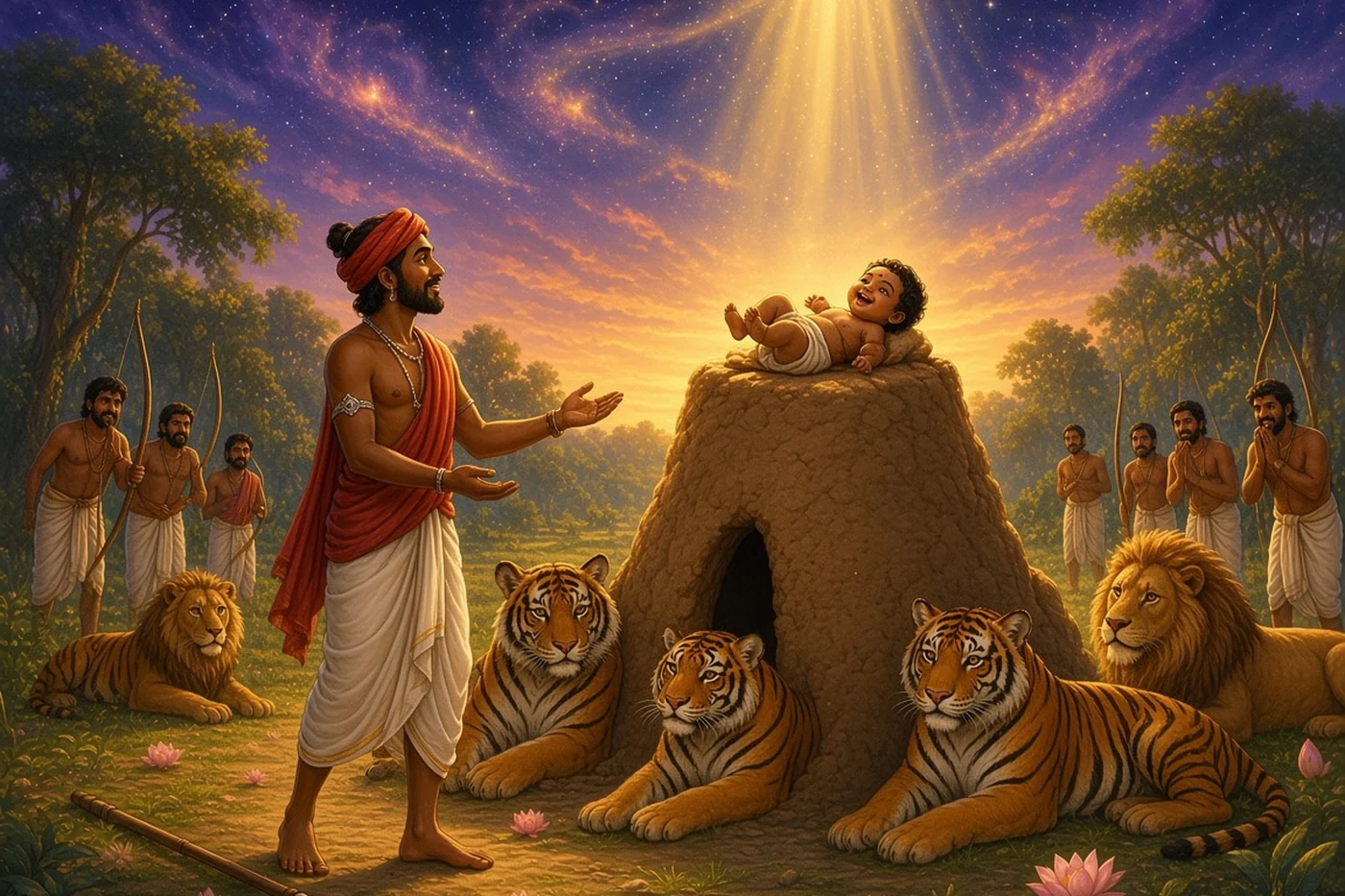
"Then she has been given to me," he said. "Her name is Sammakka."
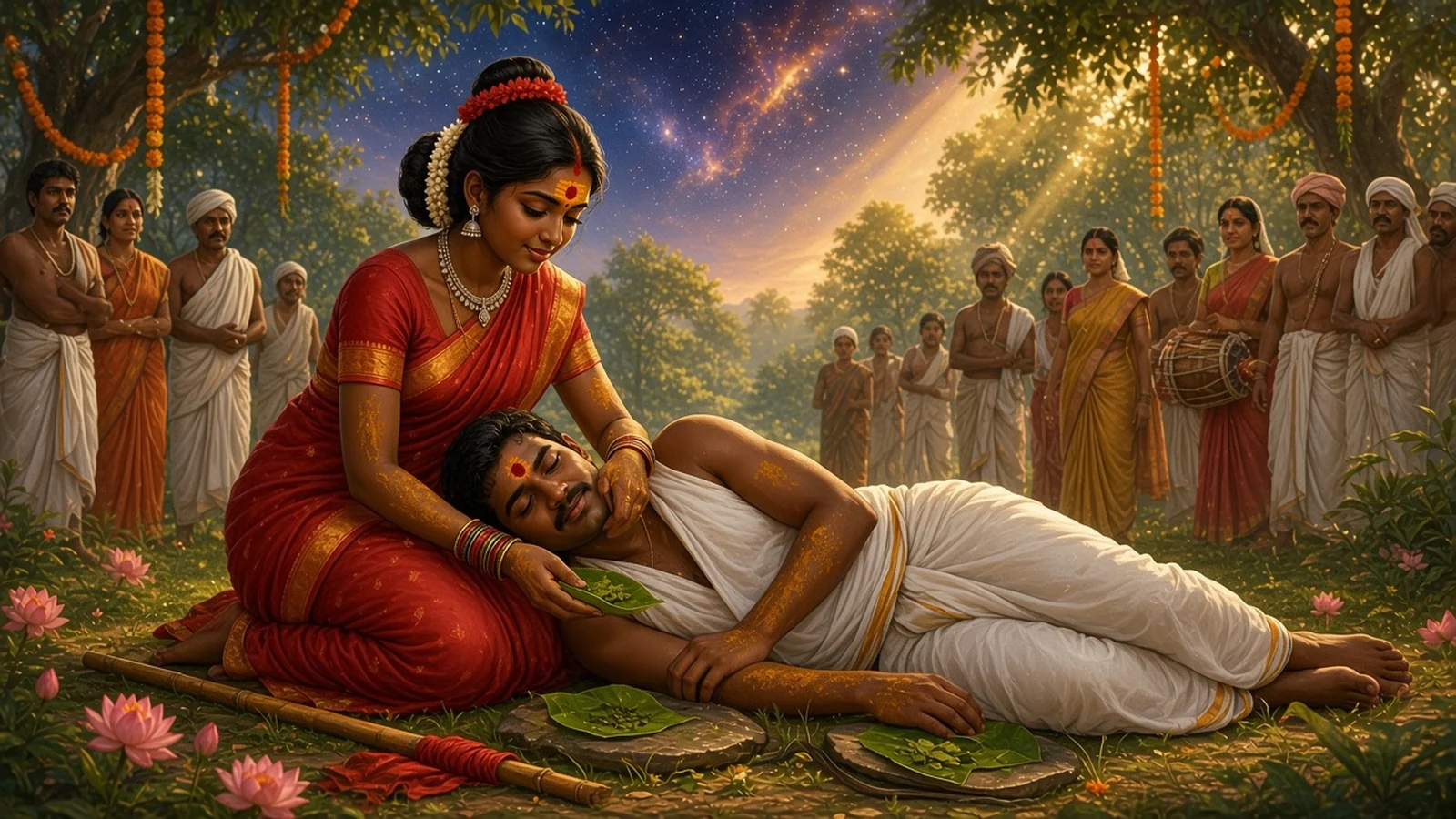
She grew up in his house, and his people began to say that a goddess had come to live among them. The years were dry, so dry that the tellers say even tears ran out, and she stood by them through it. When a sick man was brought to her she pressed the juice from a handful of leaves and gave it to him with her own hand, and whatever the illness, it went. Her hand was lucky, they said, and it proved them right again and again.
When she was grown, Medaraju gave her in marriage to his nephew, Pagididda Raju, the Koya king who ruled at Medaram, deep in the forest. They had three children, Saralamma, Nagulamma and Jampanna.
Then the Kakatiya king, the first Prataparudra, looked north and wanted more land than he had. His army came to Polavasa.
"We cannot hold them," Medaraju's captains told him. "There are too many, and they are trained for this."
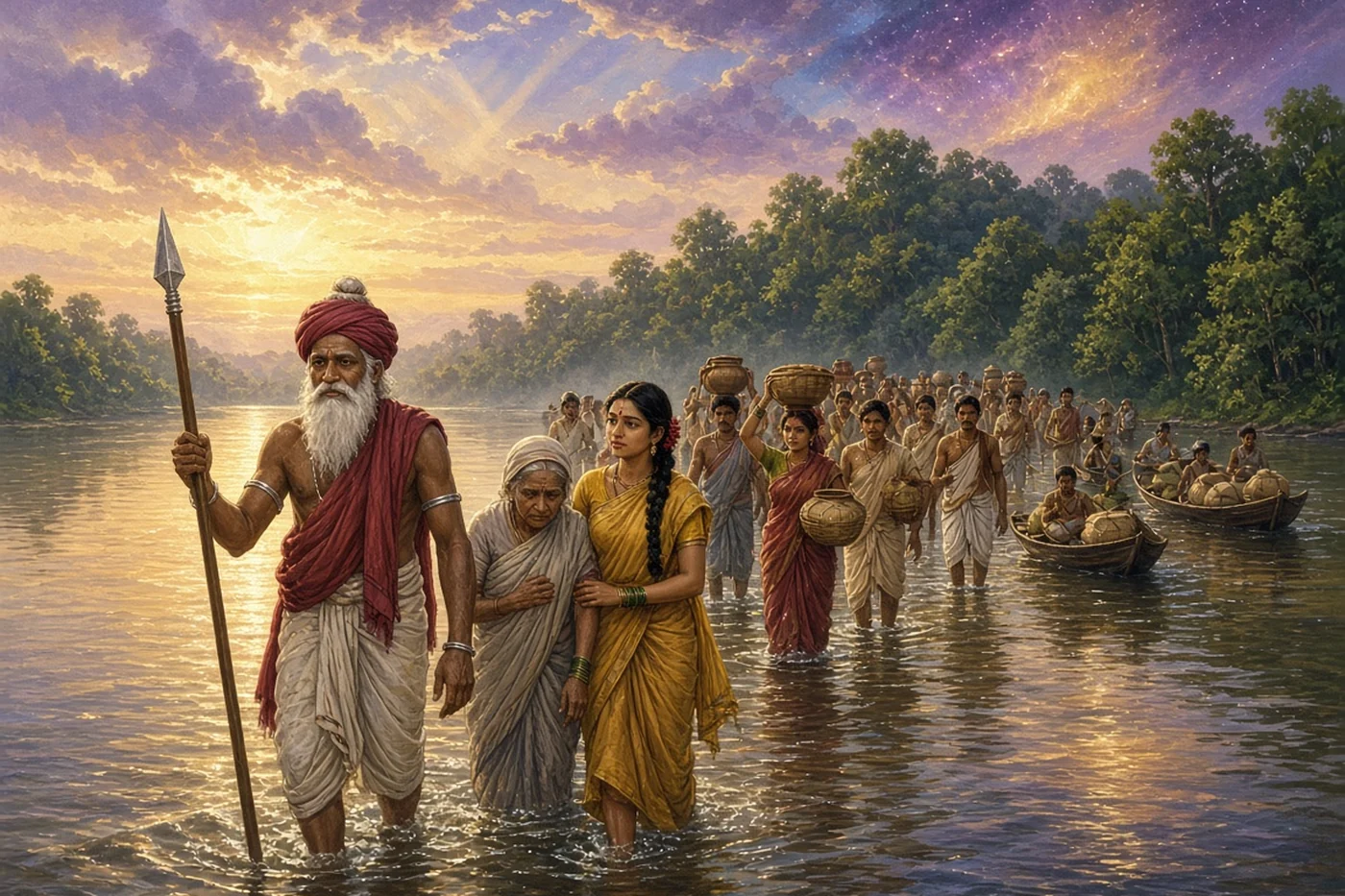
"Then we do not hold them," said the old lord. "We go where they cannot follow."
He left Polavasa and went into the forest to Medaram, and lived there in hiding, under his son-in-law's roof.
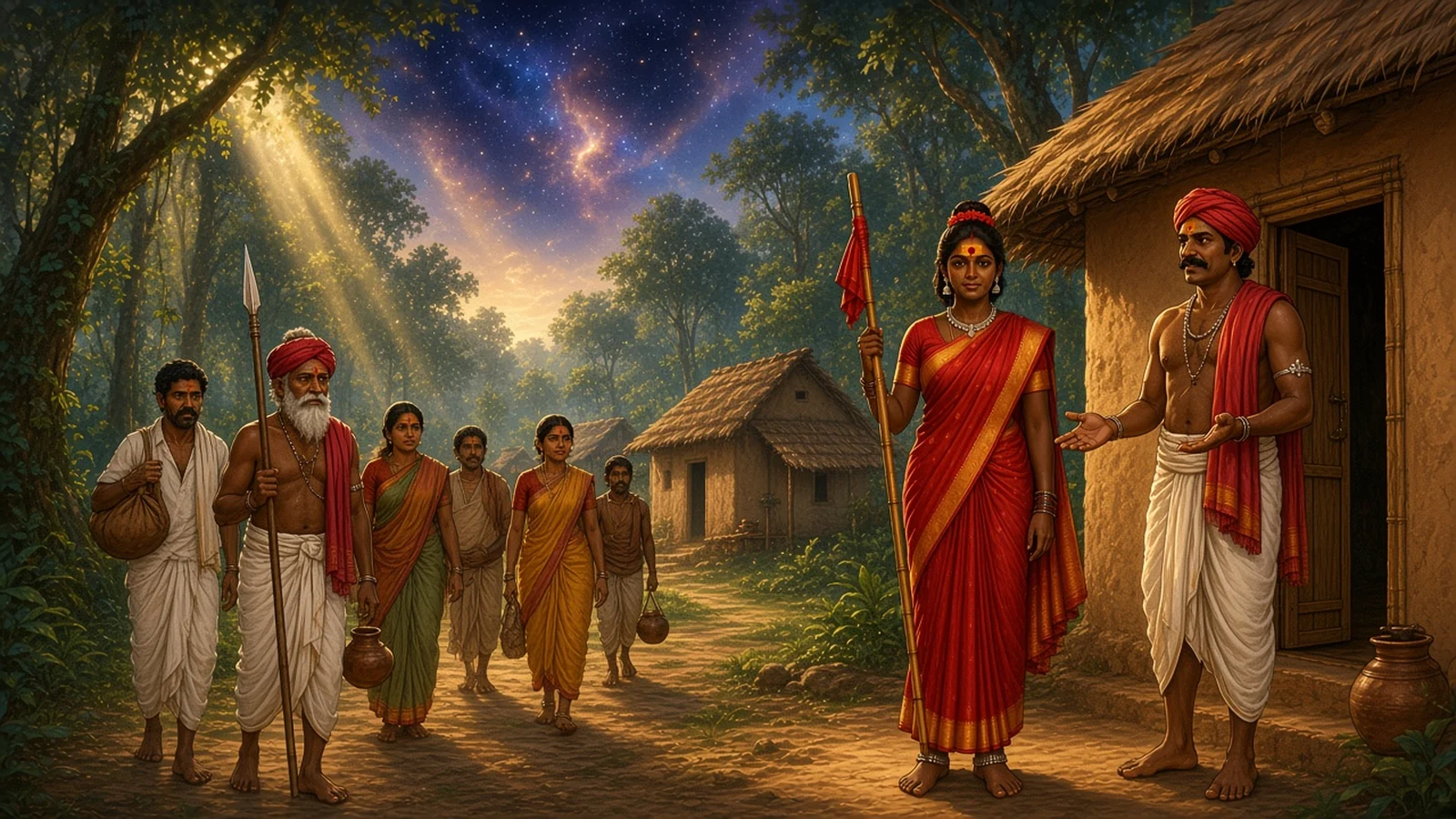
"My uncle's house is my house," said Pagididda Raju, when the Kakatiya messengers came asking. "And my house is not yours to search."
Now Pagididda Raju was himself a vassal of the Kakatiyas, and he owed them tribute, kappam, every year. But the drought had taken the fields, and there was nothing to send.
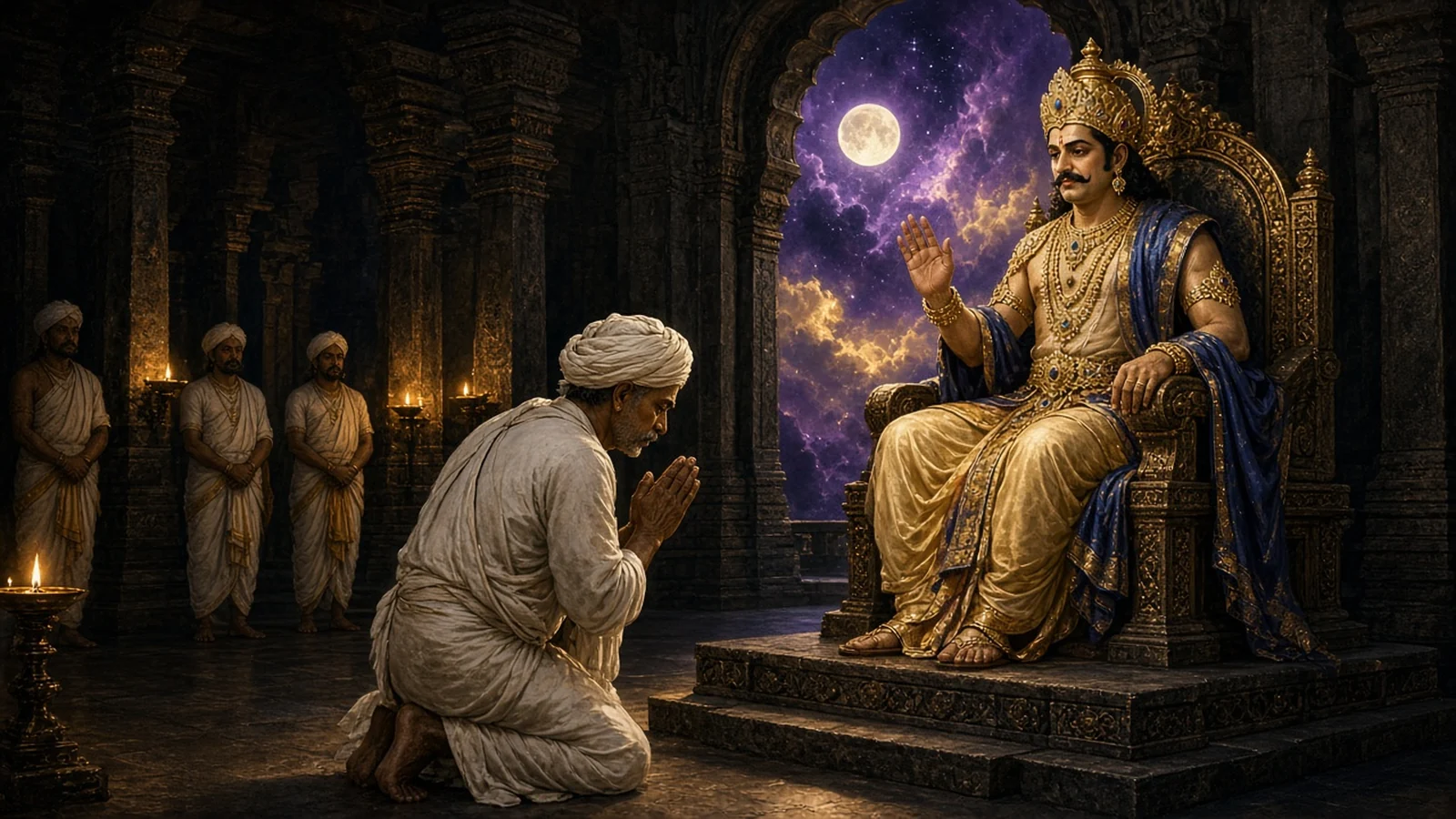
In Warangal the king listened to his ministers count the charges. No tribute from Medaram. The king's enemy sheltered at Medaram. And the Koyas of Medaram, it was said, were being taught that a forest people need not bow to any king.
"He is not late with his tax," said Prataparudra. "He is making a kingdom of his own."
He sent for his prime minister, Yugandhara, and they set out together for Medaram. They came on the full moon of Magha.
Pagididda Raju, Sammakka, Saralamma, Nagulamma, Jampanna and Govinda Raju took up their weapons, and from different corners of the forest they fought the way forest people fight, from cover, striking and gone. But the Kakatiya army was large and drilled, and one by one they fell. Medaraju of Polavasa, who had run from the king once, fell with them at Medaram. He had not run the second time.
As the inscriptions are read
Hanamkonda, Govindapuram and Polavasa · the historians' account · 2 min read
In December 2017 two historians, Buchi Reddy Avala and Guduru Yugander, set the story beside the stones. The Polavasa house, they wrote, was old and strong, founded by one Madhava Chakravarthi, as an inscription of 1122 at Govindapuram records. The Polavasa lords and the Kakatiyas had both been commanders under the Rashtrakutas and then under the Chalukyas of Kalyani, and Medaraju's country was nearly twice the size of the Kakatiya one.
The Kakatiyas took it in pieces. In a war between 1138 and 1141 the Kakatiya Prola II drove Medaraju II into the forests and killed his brother Gundaraju of Manthrakuta. In 1159 Medaraju joined a rising against the Kakatiya Rudra, and lost again. His ally Dommaraju of Nagunuru was killed, his own son Jaggadeva died, and he fled.
Then the historians come to the quarrel the legend never mentions. An inscription of 1163 at the Thousand Pillar temple in Hanamkonda says that Medaraju lost his wealth, his pride and the honour of his house because he would not surrender and give his daughter to Rudra. The two writers take that daughter to be Sammakka. Rudra, they suggest, asked for her during the war, found that she had been married to Pagididda Raju of Medaram, and did not forget it. They set the war at Medaram near the end of his reign, between 1189 and 1195, fought not by the king but by his commander Gangadhara. The story of the unpaid tribute they call the popular one, not the history.
The Telangana360 history of the Polavasa chiefs agrees that Medaraju II gave Sammakka to Pagididda Raju and that after his last defeat he fled to the forests of Medaram.
A study guide used by Telangana's exam candidates moves the daughter. There, the girl Medaraju would not give the king is Sarakka, still unmarried. Medaraju gives up Polavasa and its treasury, crosses the Godavari into the Manchukonda forest, and his family and Pagididda Raju's found a small kingdom at Medaram. Sammakka is not his child at all but the daughter of Rayibandani Raju of Bhupalapatnam. The villages called Kannepalli, Kannepeta and Kannepuram, the guide says, took their names because Sarakka was a maiden, a kanne, when she came into that country.