As the tellers at Medaram say
Warangal · Medaram at the full moon of Magha · 2 min read
The army came home to Warangal slowly, carrying its wounded, and the prime minister went up to the king before he had washed off the dust.
"It is done," he said. "Pagididda Raju is dead, and his son, and his daughters, and the daughter's husband. The stream by the village is red. The Koyas are scattered."
Prataparudra did not look pleased. He had watched part of that war himself, the tellers say, and he had seen something he could not stop thinking about.
"And the woman," he said. "Sammakka."
The minister was silent a moment.
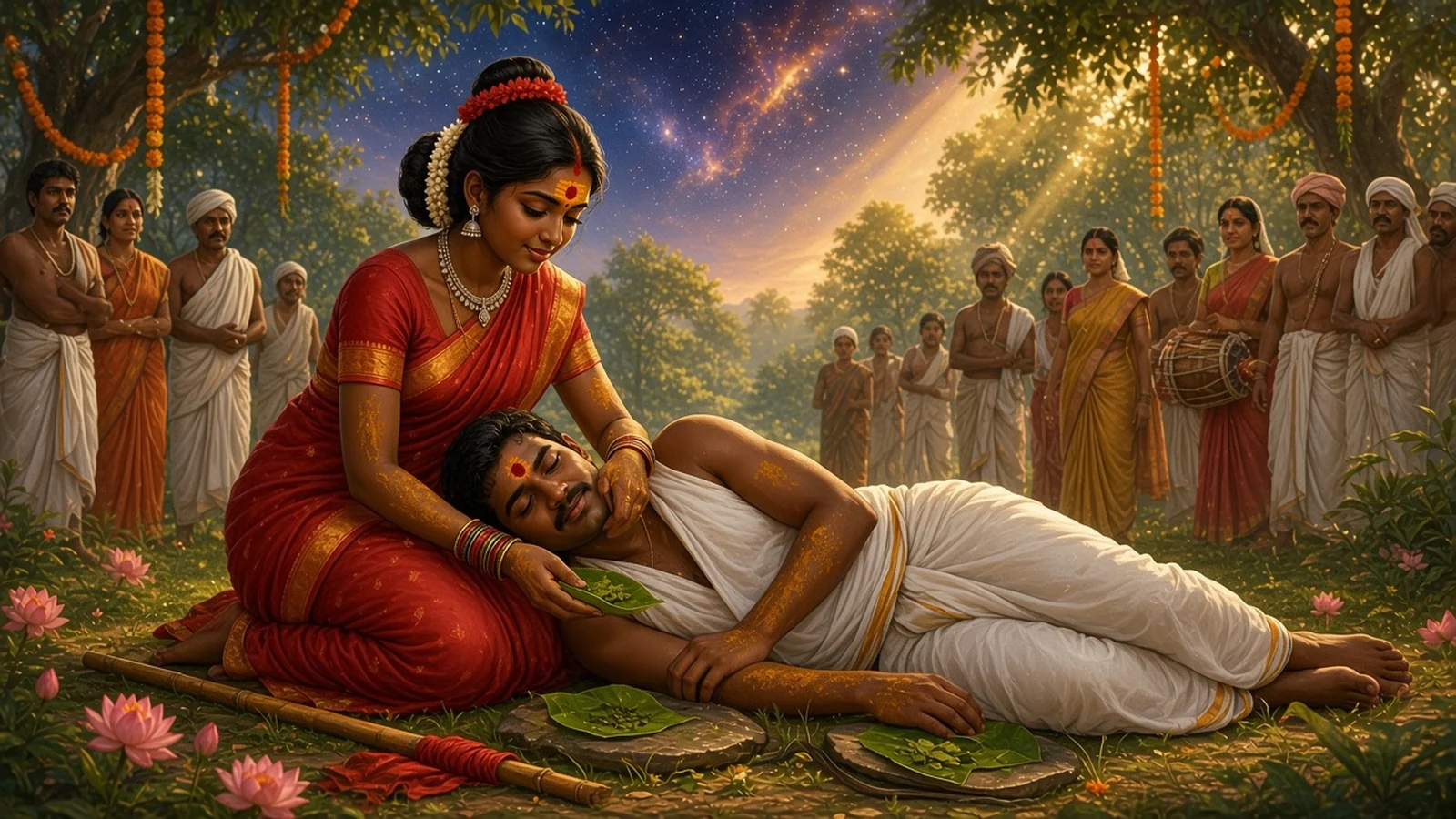
"Lord, when the men had fallen she took up a sword herself. She harried your best soldiers until they did not know where to turn. I went to her, as you told me, and offered her peace and a place in your house as your chief queen."
"And?"
"She said her dead were lying in the water and she would not leave them. She said the house of the Kakatiyas would fall. Then a soldier struck her, and she walked away bleeding towards the hill they call Chilakalagutta, and nobody dared follow her close."
"Where is she now?"
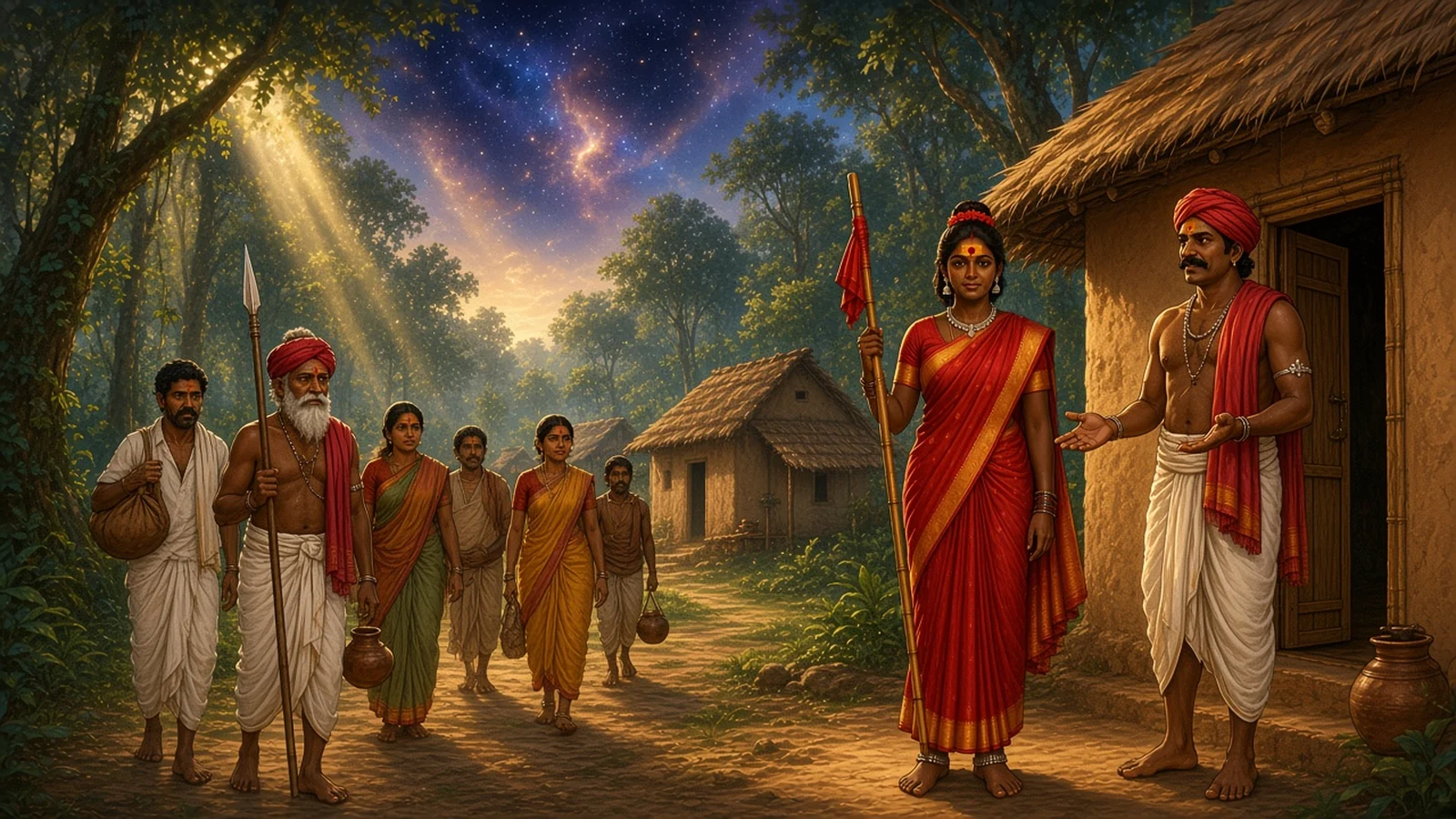
"Nobody knows, lord. Her people went looking. At an anthill near the hill they found a small box, nothing more, with turmeric and vermilion in it. They say the box is she."
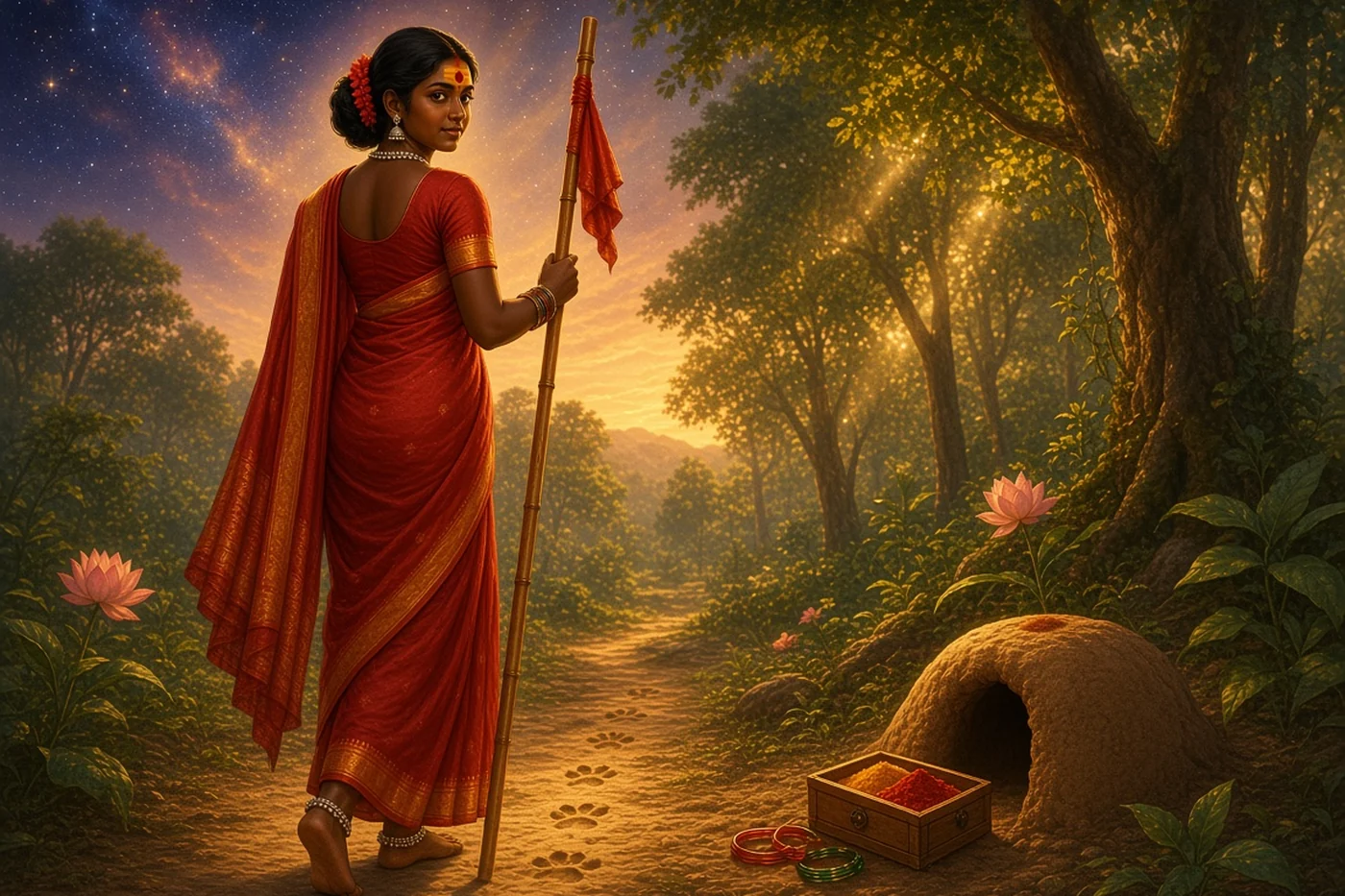
The king was quiet for a long time. A woman of the forest had held his army in the field, had refused a queen's seat with her family lying dead around her, and had gone into the trees without being taken. He had won the battle, and he did not feel that he had won.
"When did we come to Medaram?" he asked at last.
"On the full moon of Magha, lord."
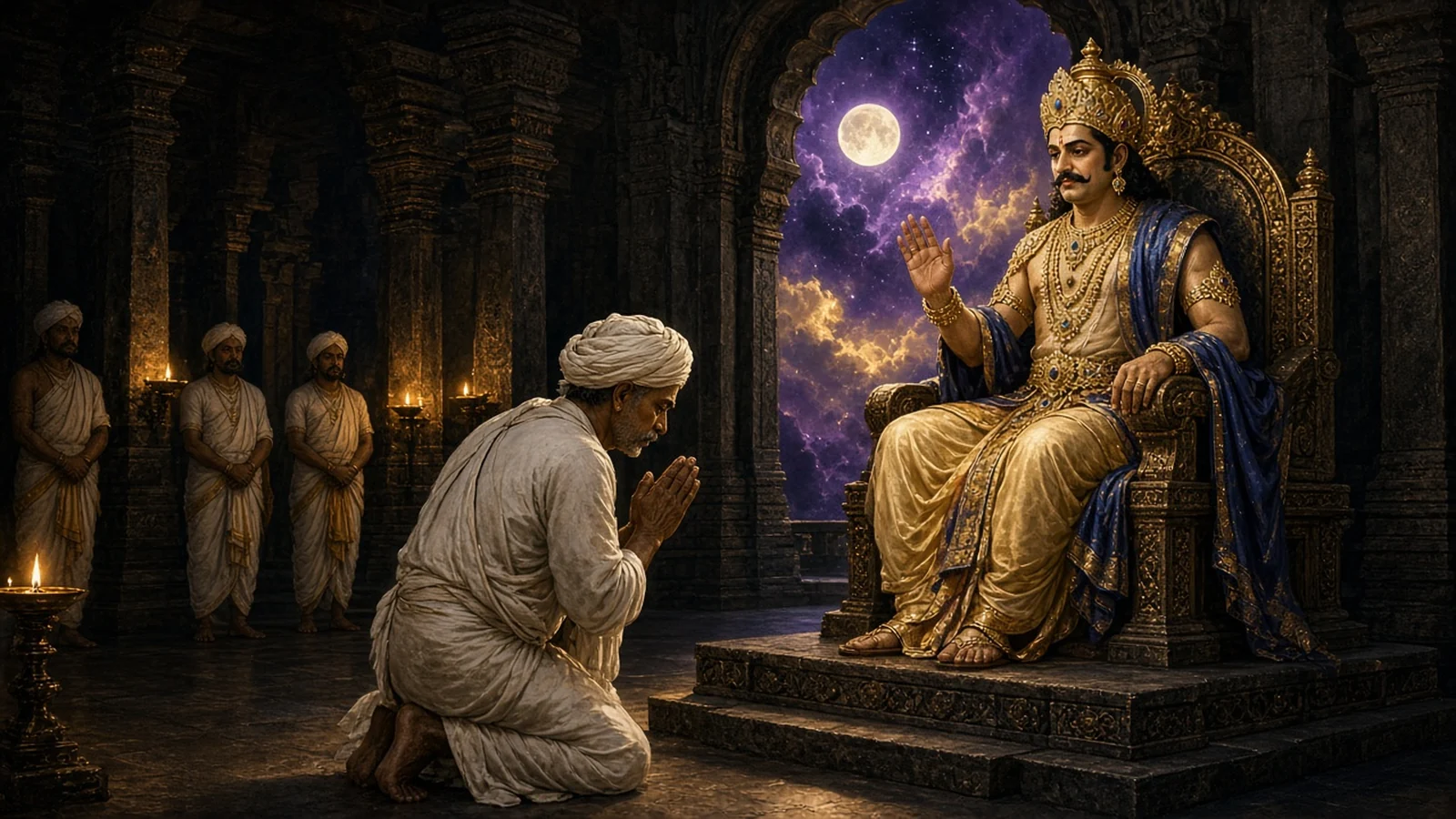
"Then let them keep that day," said Prataparudra. "Every second year, at the full moon of Magha, let her people bring her out of the forest and honour her. Nobody is to stop them. Write it so."
That, the tellers at Medaram say, is why the mothers come every second year: the king who fought Sammakka was the one who gave her the day, struck by her courage and by what she had given up.
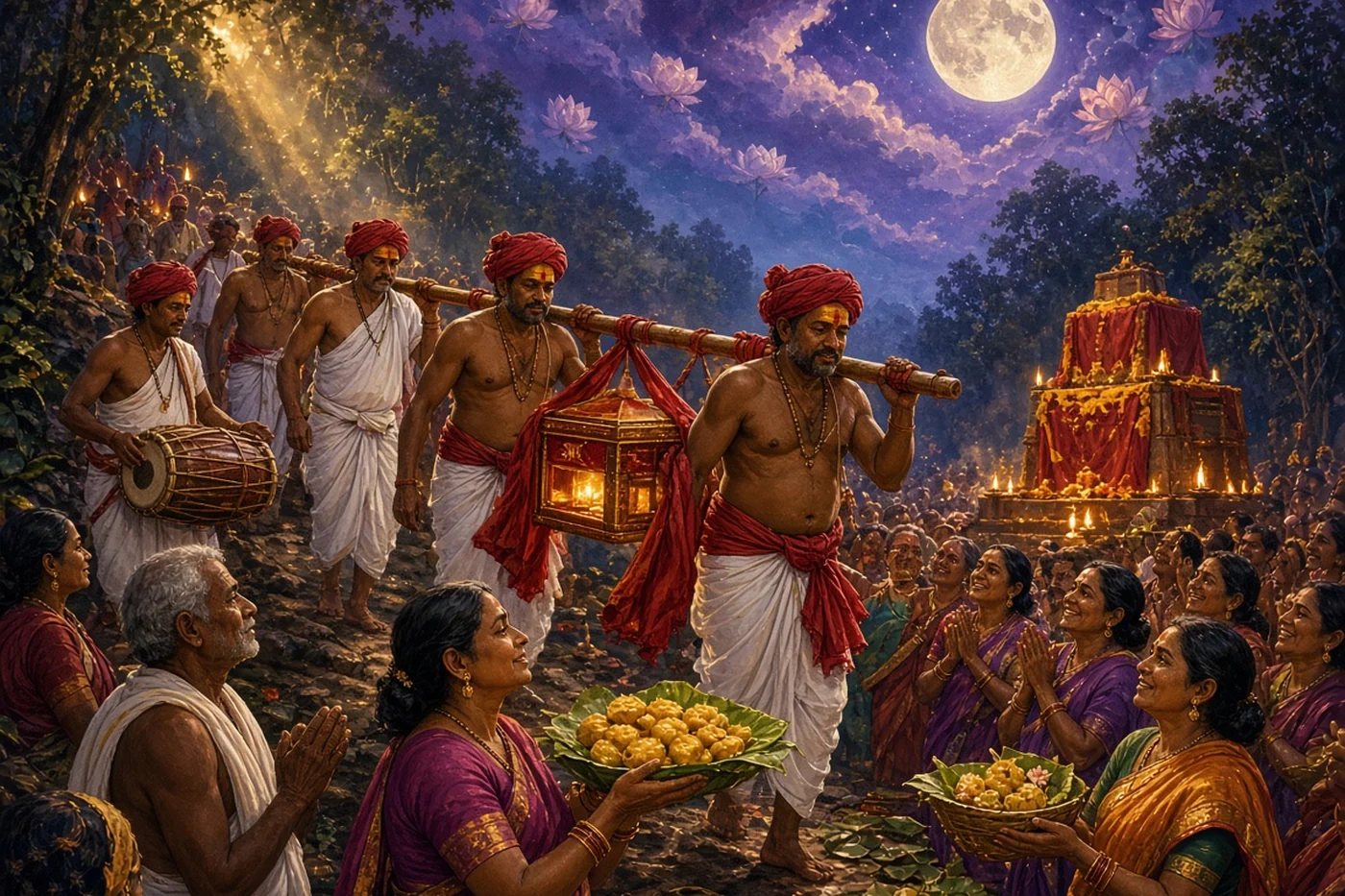
So when the full moon of Magha came round again, the Koyas carried the box down among their people for the days of the festival and took it back to the hill when the days were over, and they have done it every second year since, through the end of the Kakatiyas and every kingdom after them.
The curse she had laid on the king's house came true, the tellers add, within a few years. The festival he ordered has outlasted his kingdom.
As the stones and the Koyas tell it
Pakala and Hanamkonda · the historians, the priests and the songs · 2 min read
Two historians, Buchi Reddy Avala and Guduru Yugander, found something like the king's order in stone. At Pakala in the Warangal country there is an undated inscription in Telugu, written in Kannada letters, that speaks of "Sammakka devatala utsava", the festival of the goddess Sammakka. It names Pagididda Raju, and it names two offerings: bandaramu, turmeric and vermilion, and bangaramu, the jaggery that pilgrims at Medaram still call gold.
Their reading is that the Kakatiya court made the inscription to quiet the forest people after the killing. The king they mean is the earlier Rudra, who reigned until 1195 and did not go to Medaram himself but sent his commander Gangadhara, and the deaths there, they think, cost him the goodwill of the hill people. Raising Sammakka and Pagididda Raju to gods, and ordering their festival kept with offerings, was the court's way of making peace with the dead.
A study guide that Telangana's exam candidates read gives the honour to nobody but the Koyas. They began the festival themselves, it says, to remember the mother and daughter who fought with swords, long before Queen Rudrama's time, and they carved hero stones for the warriors who died for their people.
The Telugu Wikipedia keeps the day the tellers keep, the full moon of Magha, and says that until 1940 the jatara was held on Chilakalagutta itself by the hill people alone. After that the people of the plains began to come, and as the crowds grew the festival came down to the foot of the hill. The English Wikipedia counts about two thousand pilgrims at the festival as late as 1955, three in four of them Koya. Today the Koyas are about two in every hundred at their own festival, and their pujaris still carry the goddesses, whoever first gave them the day.