Festival · Eighteen days with Gauri after Holi, and then she goes home with Isar
Gangaur
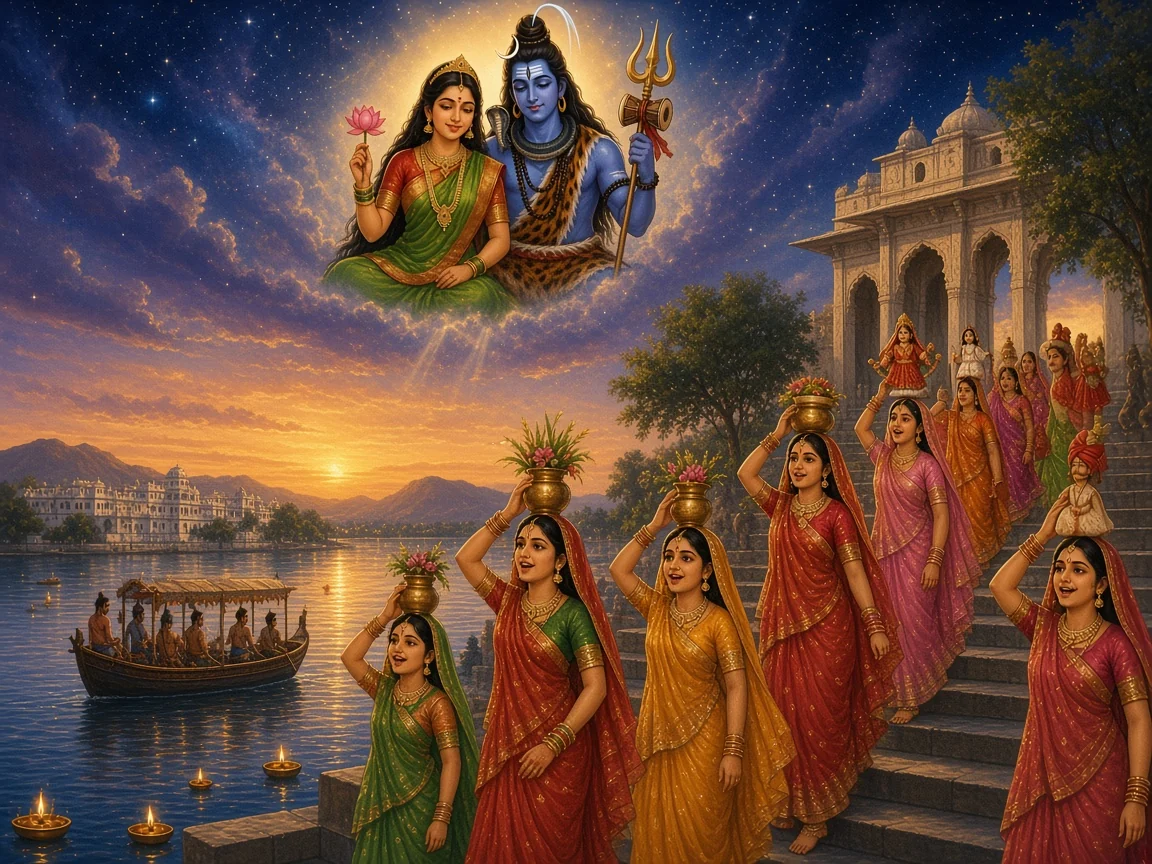
Gangaur is the spring festival of the women of Rajasthan, kept from the morning after the Holika fire to Gauri Tritiya, the third day of bright Chaitra, eighteen days in the custom's own count. Girls and wives set up Gauri and her husband Isar, Parvati and Shiva, in clay or painted wood, shape little mounds of the Holika ash, sow wheat and barley, and sing to them every morning; married women pray for their husbands' long lives and unmarried girls for a good husband. On the last day the towns carry their Gauris out to a lake, a well or a garden, and she is sent back to her husband's house.
When is Gangaur in 2027? Gangaur, the third day of bright Chaitra, is Friday 9 April 2027; it runs 22 March to 9 April 2027. In 2028: Wednesday 29 March 2028. From the day after Holika Dahan, at the start of dark Chaitra, to Gauri Tritiya, the third day of bright Chaitra, in March or April.
Also calledGauri TritiyaGangaur TeejBadi GangaurGangoriGavarGavarja PujaIsar GangaurRanubai's festival in Nimarthe Mewar Festival in Udaipur
In short
What is Gangaur?
The spring festival of Gauri, Parvati, kept mostly by the women of Rajasthan for eighteen days after Holi. They worship Gauri and her husband Isar every morning and send them off to the water on the last day.
When is Gangaur in 2027?
The puja begins the morning after Holika Dahan, on Monday 22 March 2027, and Gangaur itself, Gauri Tritiya, falls on Friday 9 April 2027 by the almanac. Jaisalmer and Bikaner close the next day.
Who are Gauri and Isar?
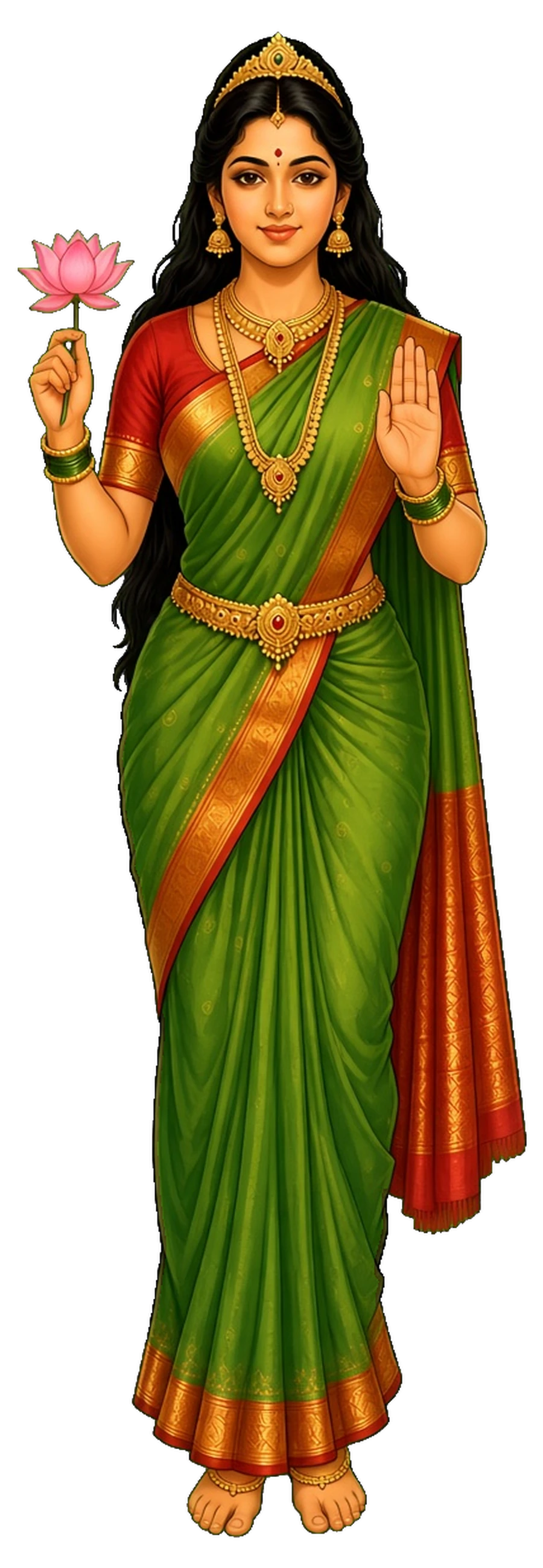
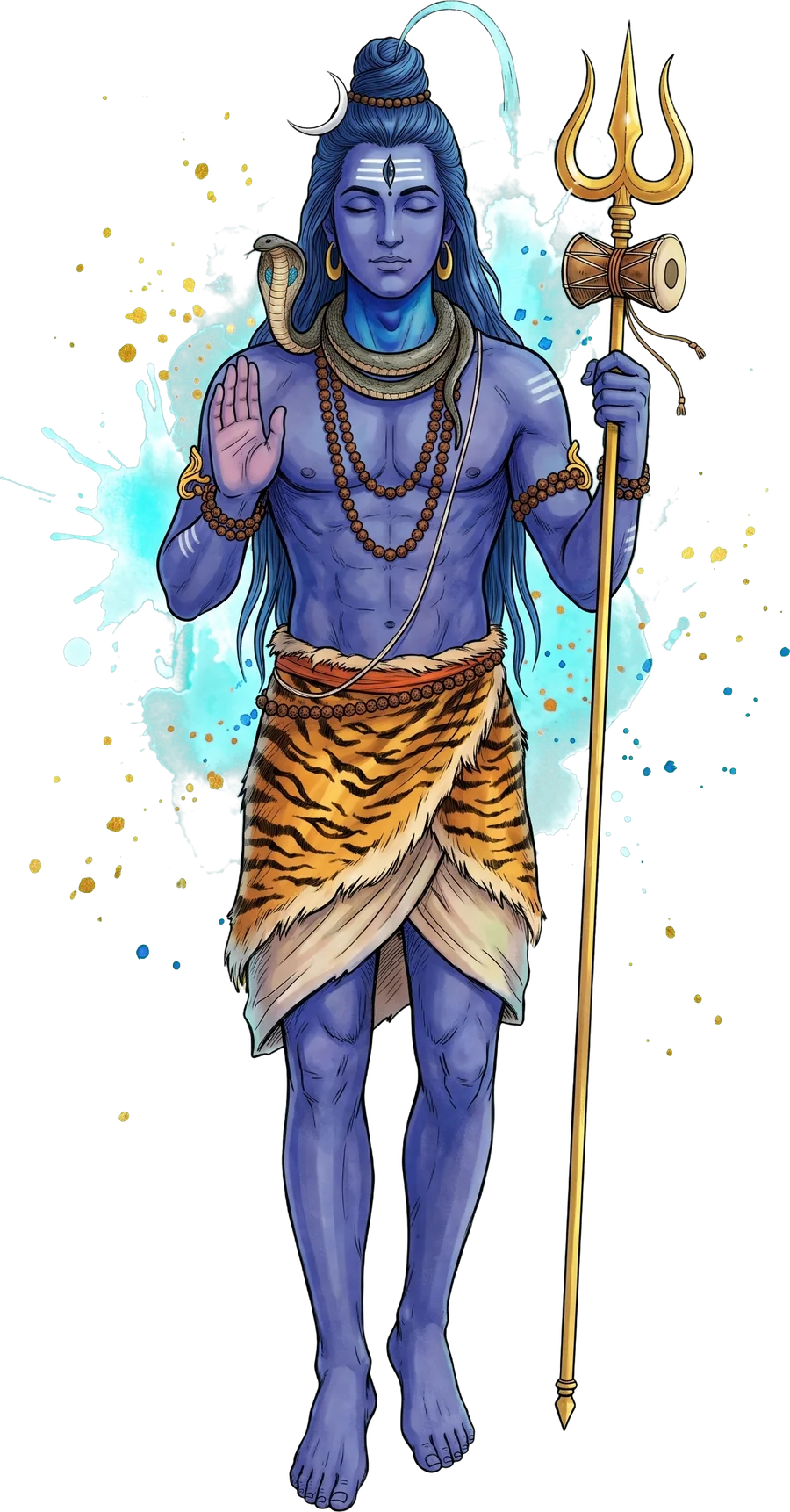
Gauri is Parvati and Isar is Shiva, her husband. The women treat Gauri as a daughter come home to her parents, and Isar as the husband who comes to take her back.
What is Sinjara?
The day before Gangaur, when married daughters receive clothes, jewellery and sweets from their parents and put on henna. Hariyali Teej has a Sinjara of its own.
Why does Jaisalmer's Gauri have no Isar?
Jaisalmer says raiders from Bikaner carried off its Isar at Gadisar lake and the city would not give its Gauri a second husband. The historian Tane Singh Sodha tells it as Bikaner's answer to a Gangaur taken from it first.
Next, in 2027Friday 9 April 2027
22 March to 9 April 2027
Prime godGauri, as Gangaur and Gavarja
with 2 more
WhereRajasthan above all, with Malwa and Nimar in Madhya Pradesh, Haryana, Braj and Bundelkhand, some parts of Gujarat, and the Marwari families of Kolkata and beyond
How longEighteen days in the Rajasthani count, sixteen of them for the morning puja; nine days in Nimar; Jaisalmer and Bikaner close on the fourth of bright Chaitra
From the day after Holika Dahan, at the start of dark Chaitra, to Gauri Tritiya, the third day of bright Chaitra, in March or April
Why it is kept
Gangaur belongs to the girls and women of Rajasthan. On the morning after the Holika fire, while the colours are still on the streets, they gather its ash, shape it into small mounds on fresh grass and set beside them a clay Gauri and her husband Isar. For the next sixteen mornings they give the pair water and sing to them, and on the third day of bright Chaitra they dress Gauri as a bride, carry her out on their heads, and send her back to her husband's house.
The name is Gan and Gaur, Shiva and Gauri. In the women's own account Gauri, Parvati, comes to her mother's house on the day after Holi, and at the end of eighteen days Isar comes to take her home, so the festival is a daughter's visit with a farewell at the end of it. The women sing to her as an elder sister and to Isar as a brother-in-law.
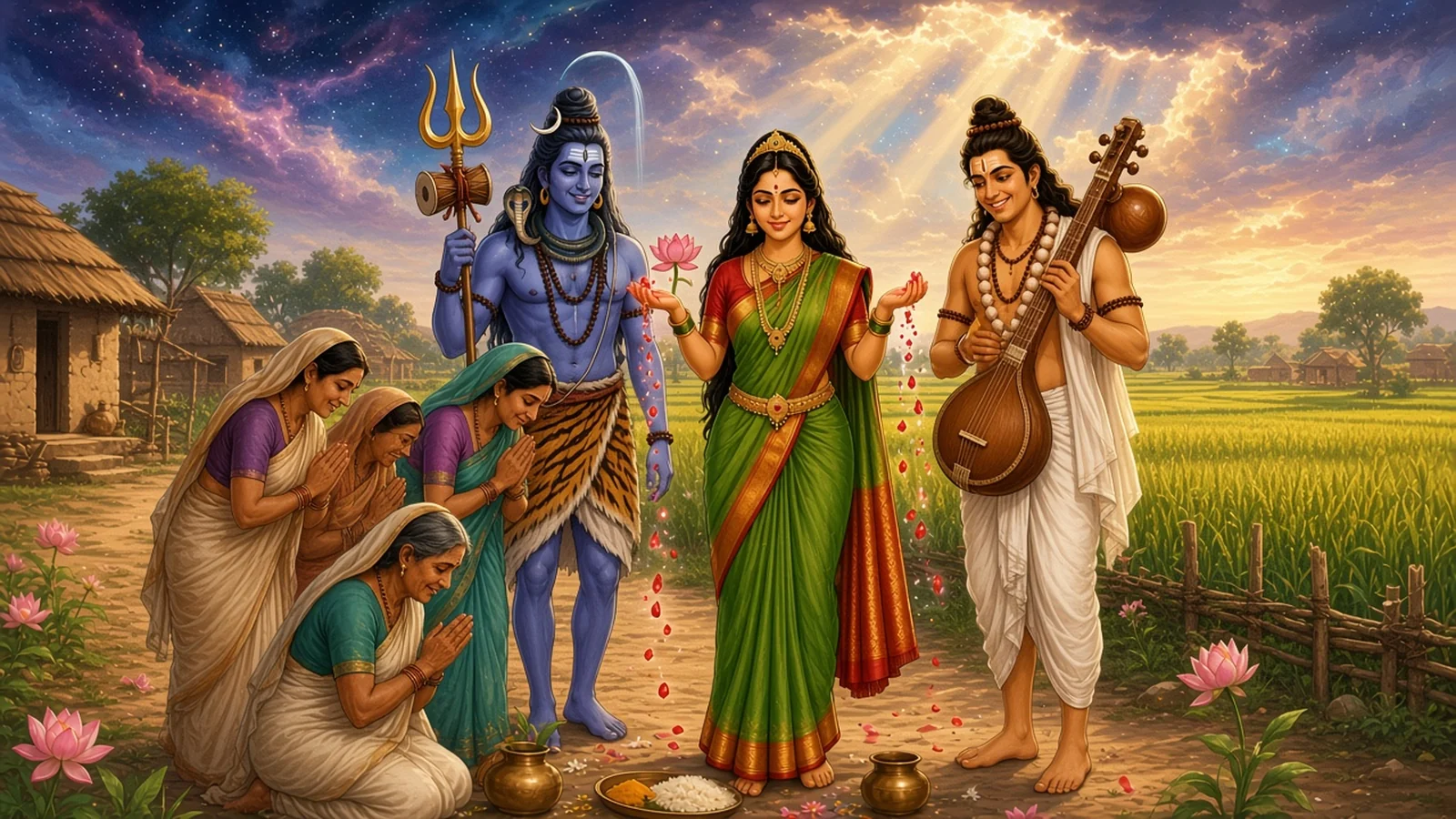
Isar comes to his bride's mother's house to take Gauri home at the end of the eighteen days
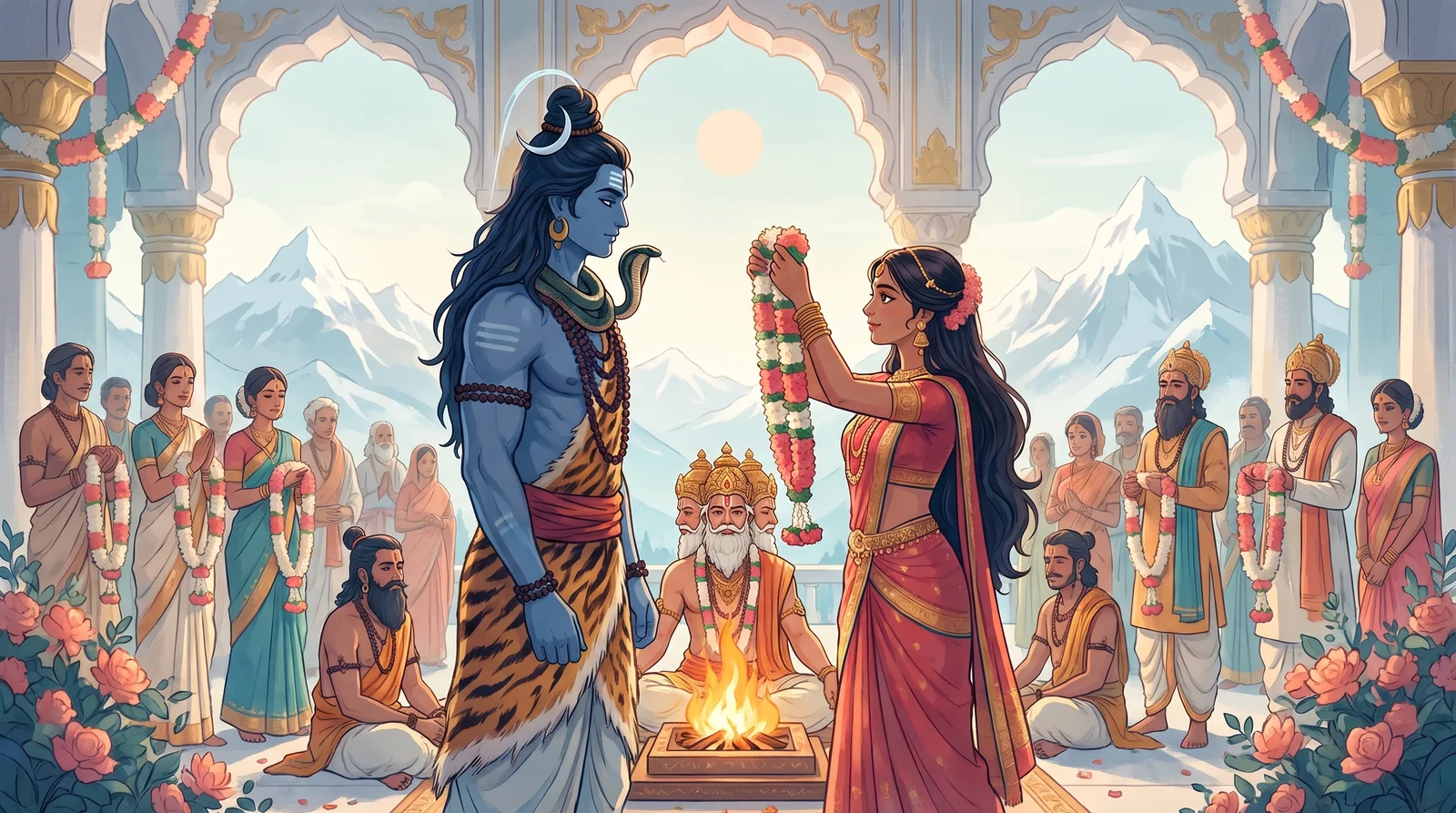
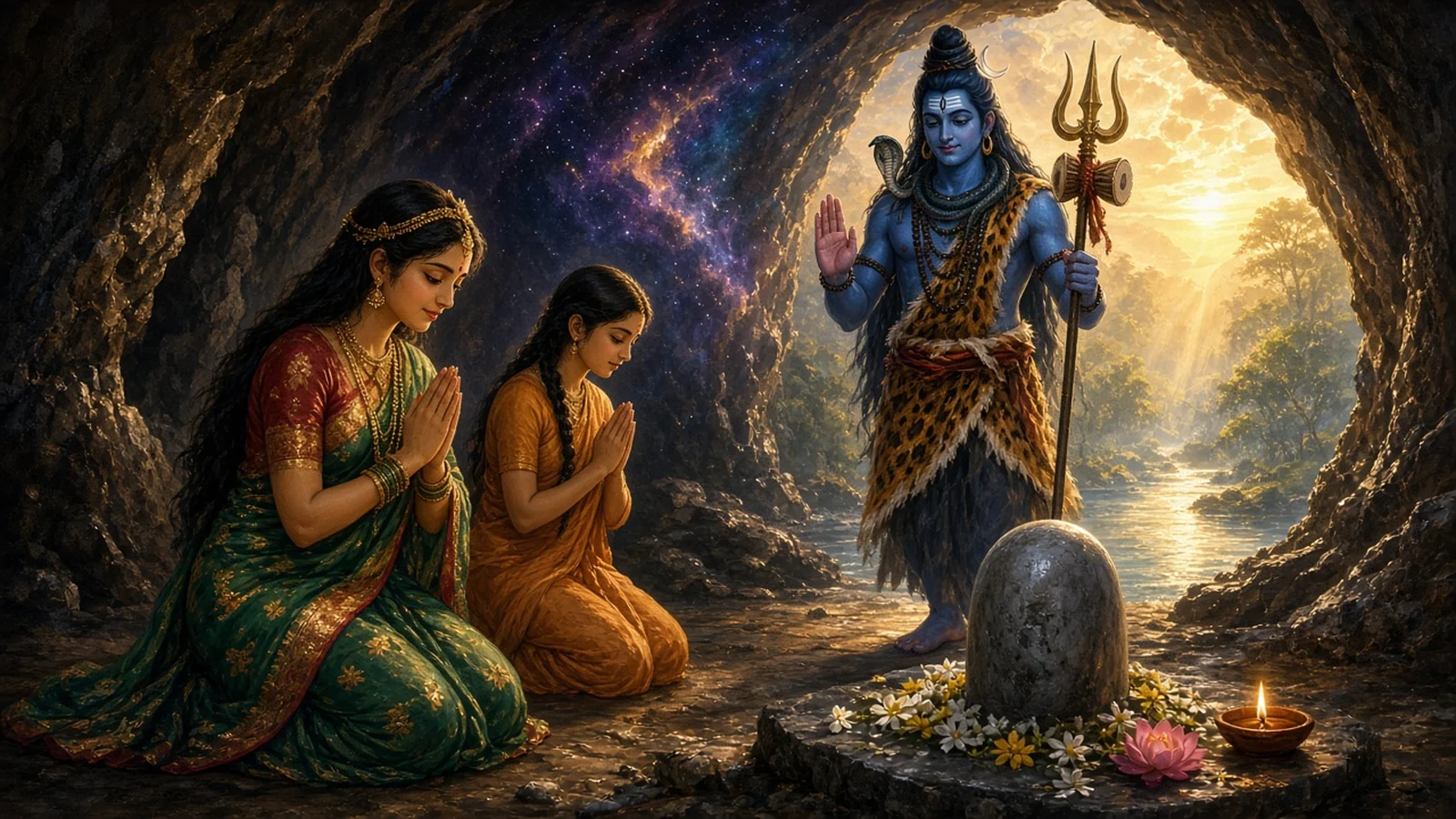
What they ask of her is a good married life. Wives keep the fast for their husbands' long lives, and girls keep it for a husband as true as Shiva, the husband Parvati won by her penance in How Parvati Won Shiva. The katha heard on the last evening is The Blessing Parvati Gave Away: Gauri walking the earth with Shiva on this very day, pouring her blessing over the poor women who came running with water, giving her own blood to the rich women who came late, and then going down to the river to worship a Shiva she made of sand. Because she hid that worship, the women hide the fast from their husbands.
Gauri pours her blessing as red kumkum light over the village women who came running with water
The goddess of the festival, who comes to her mother's house on the day after Holi and is sent back to her husband after eighteen days. The women sing to her as an elder sister, dress her as a bride and hear her katha on the last day, and girls pray to her for a husband like hers.
Shiva as Isar, or Isarji, set up beside Gauri in clay or wood and sung to as the women's brother-in-law. In the songs he comes to fetch his bride at the end of the eighteen days, and in the katha it is his boon at the river that the fast keeps.
R
Ranubai and Dhaniyar Raja
Nimar's names for the goddess and her husband. The women sow wheat in small bamboo baskets and worship the sprouts as Ranubai, then set the jawara in chariots shaped like the couple and send them off as a daughter is sent to her in-laws.
Eighteen days with Gauri
1
The morning after the fire
The first day of the dark half of Chaitra, the day after Holika Dahan · Monday 22 March 2027
Dhulandithe colour daythe first puja
Girls and women fetch the ash of the Holika fire and shape it into small mounds, eight or sixteen, set on fresh doob grass in a basket with the clay Isar and Gauri. Sixteen dots each of roli, henna, turmeric and kajal go on the wall, water is carried from a garden in small pots with grass and flowers, and the first song is sung. A new bride sets up her Gangaur after her first Holi and asks sixteen unmarried girls to keep it with her. In 2027 the almanac's first day of Chaitra holds at sunrise on Tuesday 23 March, a day after the colours; the custom begins with the colours.
The first morning: girls shape mounds of Holika ash on doob grass beside the clay Isar and Gauri
The seventh day after Holi, in the dark half of Chaitra · Monday 29 March 2027
the ghudliathe jawaraGor Gor Gomti
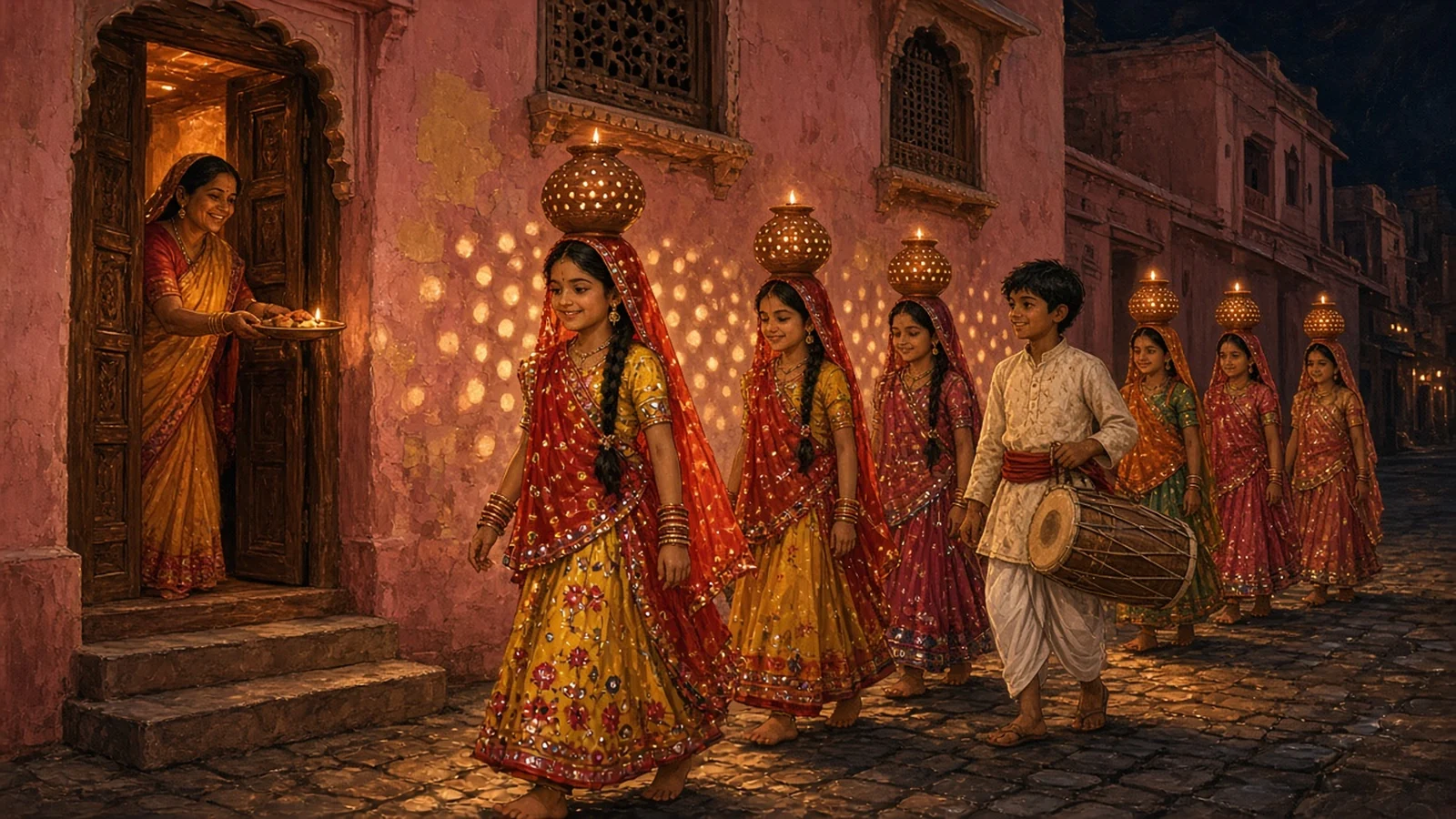
Every morning the pair are given water, the women sprinkling it with blades of grass sixteen times as they sing Gor Gor Gomti, and unmarried girls eat once a day. Wheat or barley is sown in pots for the jawara, and from the seventh evening the girls carry the ghudlia, a clay pot pierced with holes with a lamp inside, round the houses for ten evenings. Nimar's own nine days begin on the tenth of dark Chaitra, about 1 April 2027, with wheat sown in bamboo baskets for Ranubai.
Girls carry the ghudlia, clay pots pierced with holes and lit inside, through the lanes at dusk
The second day of the bright half of Chaitra · Thursday 8 April 2027
Sindharathe henna day
Married daughters receive the sinjara from their parents, clothes, jewellery, cosmetics and sweets, and the henna goes on their hands. The images are dressed and jewelled for the last days. In Kolkata the Marwari women of Burrabazar keep the henna evening the day before Gangaur too.
Sinjara: a married daughter's hands are covered in henna beside her parents' gifts
4
Gangaur
The third day of the bright half of Chaitra, the third day of Chaitra Navratri · Friday 9 April 2027
Gauri TritiyaBadi GangaurGangaur Teej
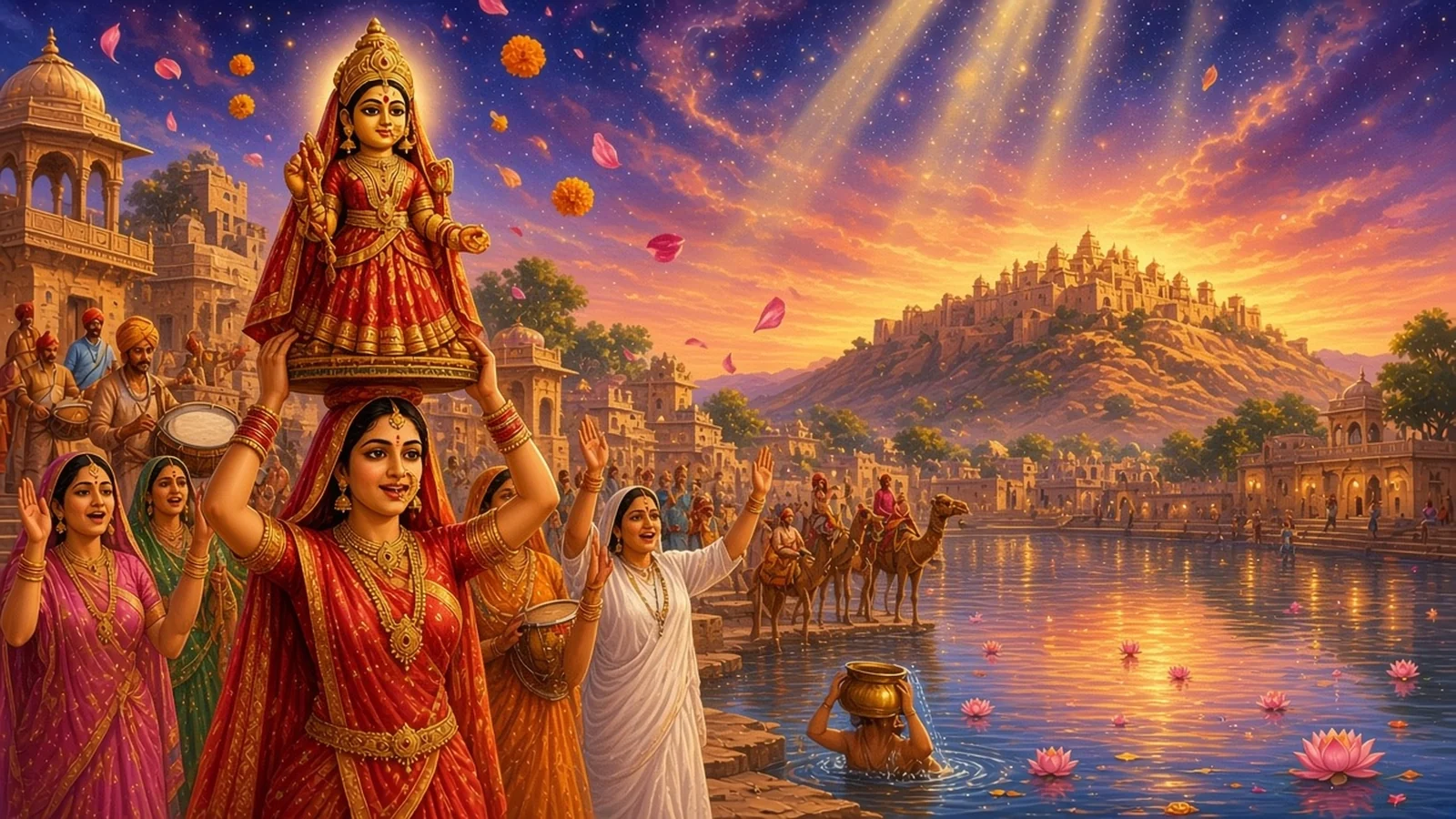
The women fast, by one almanac's custom on milk taken once, and hear the katha of the blessing Gauri gave away and the Shiva she made of sand. The fast is kept from husbands and its prasad is not given to them. Small ornaments of turmeric dough, gune, are made for mothers-in-law and sisters-in-law. In the afternoon the married women carry the images on their heads to a garden, a stepwell or a tank, singing the songs of Gauri's leaving. Jaipur's palace Gauri leaves the Zanani Deorhi of the City Palace for Talkatora. In Udaipur the community Gangaurs reach Gangaur Ghat on Lake Pichola and the royal Gangaur comes across by boat; the Mewar Festival in 2027 runs from 9 to 11 April.
Jaipur's palace Gauri leaves the City Palace in her palanquin for Talkatora
The evening of Gauri Tritiya and the fourth day of bright Chaitra · Saturday 10 April 2027
the bidaaithe immersionBadi Gangaur in Jaisalmer and Bikaner
The images are given to the water, the place of the puja counted as Gauri's mother's house and the water as her husband's; one almanac sets the immersion on the day after the puja, and the ghudlia pots are broken into a well or tank. Kolkata takes its Gauris to the ghats of the Hooghly on the evening of the third. Jaisalmer's royal Gauri rides out on the fourth, alone, from the fort to Gadisar lake, and Bikaner's Gauris go up to Junagarh fort. Jodhpur's Dhinga Gavar begins as Gangaur ends and runs sixteen days more.
Jaisalmer's royal Gauri rides out alone from the golden fort to Gadisar lake
The City Palace keeps its own Gauri, and on Gangaur and the day after she goes out from the Zanani Deorhi through Tripolia Bazaar and Chaugan to Talkatora, with the palanquins, chariots and bullock carts of the old court. Ghevar is the sweet of the season.
UdaipurGangaur Ghat and the Mewar Festival
Gangaur Ghat on Lake Pichola is named for the festival. On Gangaur the women's Gangaurs come down to the ghat from across the city in the late afternoon, and after them the royal Gangaur crosses by boat from Bansi Ghat. The state's three-day Mewar Festival is built round it, with Jagdish Chowk, the ghat and a fair at Gogunda.
JodhpurDhinga Gavar
Jodhpur's old city keeps a second Gauri without Isar, Dhinga Gavar, set up in about eleven places for the sixteen days after Gangaur. On its last night women in costume walk the lanes with sticks, and an unmarried man struck by one is said to marry soon. Its legend has Shiva teasing Parvati in the guise of a cobbler and Parvati answering as a Bhil woman.
Bikaner and JaisalmerThe fourth day
Both cities close on the fourth of bright Chaitra. Jaisalmer's royal Gauri goes from the Sonar fort to Gadisar lake with no Isar beside her. Bikaner's great Gauris go up to Junagarh fort, and the Gangaur of the Dhaddha family sits jewelled and guarded in Dhaddhon ka Chowk with a small companion called Bhaiya.
Malwa and NimarRanubai's nine days
In Nimar, round Khargone, Khandwa and Barwani, the women keep nine days from the tenth of dark Chaitra. The wheat sprouts in small baskets are Ranubai, and the songs, which the women count as the puja's own mantras, name five goddesses with their husbands, Gaurbai and Isar Raja first. Every village feeds itself on the last day. Some parts of Gujarat keep Gangaur too.
Kolkata and the Marwari families elsewhereGangaur by the Hooghly
Marwari families keep Gangaur wherever they have settled. In Kolkata nine women's groups of Burrabazar process on the day, the morning puja gives Gauri water with soaked tesu flowers, and in the evening she is taken to the ghats of the Hooghly. Marwari women in Khargone keep the full eighteen days with the jawara.
Married womenFor the husband's life
Wives keep the fast for their husbands' long lives and their own good fortune, and a new bride keeps the full eighteen days after her wedding. They carry the images in the last procession and hear the katha in the evening.
Unmarried girlsFor a husband like Isar
Girls keep the sixteen mornings, eat once a day, carry the ghudlia in the evenings and ask Gauri for a husband as good as hers. In the songs they are Gauri's younger sisters.
The menEscort and audience
The worship is the women's, and the men's part is at its edges. Jaisalmer's men rode guard on the royal Gauri, the Bachhawat men of Bikaner have walked beside their Gavri with swords, and in Jodhpur the men line the lanes on Dhinga Gavar's night to be struck by the women's sticks.
The royal housesThe palace Gauris
The courts of Jaipur, Udaipur, Jaisalmer and Bikaner each kept a Gauri of their own and gave the city its procession. The former Maharawal of Jaisalmer still performs her aarti, and the house of Mewar's boat still crosses Pichola on Gangaur.
How it is kept
The first morning sets everything up: the ash mounds, eight or sixteen, the clay pair on doob grass, sixteen dots each of roli, henna, turmeric and kajal on the wall, and pots of water fetched from a garden with grass and flowers in them. Each morning after that the women sprinkle the pair with water from a blade of grass sixteen times, singing Gor Gor Gomti. In some families the images are of wood, repainted every year. On the seventh day wheat or barley is sown for the jawara, and from that evening the girls carry the ghudlia, a pot full of holes with a lamp inside, from house to house. A Rajasthani girl's sixteen days, the ash and the songs and the clay pair, are told in Gauri Comes Home.
Each morning the women sprinkle the wooden Gauri and Isar with water from a blade of doob grass
On Sinjara, the day before Gangaur, married daughters get clothes, jewellery and sweets from their parents and put on henna. On Gangaur the women fast and hear the katha, then carry the dressed images on their heads to a garden, a stepwell or a lake, singing of Gauri's leaving, and give them to the water. Jaipur's palace Gauri goes out to Talkatora, Udaipur's royal Gangaur crosses Pichola by boat, and Kolkata's Marwari women go down to the Hooghly. Jaisalmer and Bikaner keep the next day, and Jaisalmer's Gauri goes without her husband, for the reason told in The Gauri Who Rides Out Alone.
Marwari women of Kolkata carry their Gauris down to a ghat on the Hooghly at evening
The last day is also the third day of Chaitra Navratri, which has its own page, and the first is the day after Holi, which has one too. The swing festival of the rains, Hariyali Teej, is Gangaur's sister in the women's year, with its own Sinjara and its own Jaipur procession, and Hartalika's fast at the end of the rains is told in The Friend Who Stole Her Away.
In the old texts
Gangaur has no scripture of its own. Its texts are the vrat katha, printed in the small katha books and the almanacs and read aloud on the last day, and the songs, Gor Gor Gomti for the morning water, the ghudlia songs of the evenings and the songs of Gauri's leaving, which the women pass on by mouth. In Nimar the folklorist Suman Chaure counts the songs as the puja's mantras. Drik Panchang cites a digest of vows, the Vratotsav Sangraha, for the custom of taking milk once on the fast day.
Behind it all is the Puranic story of Parvati's penance and her marriage to Shiva, told in the Parvati Khanda of the Shiva Purana; Rajasthan Tourism describes the festival as remembering it. The two sprinklings, the sand Shiva and the palace on the river bank are folk tradition, recorded in the Hindi press and the almanacs and found in no Purana, and Jaisalmer's lost Isar belongs to the desert's own history.
Where this page comes from. Written by Devalok from the Gangaur customs and the vrat katha as Wikipedia, Rajasthan Tourism, Incredible India, Udaipur Times, the Navbharat Times, Dainik Jagran, Dainik Bhaskar, TV9 Bharatvarsh, the Times of India, Hindustan, Patrika, News18, Webdunia, Sanmarg, BBC Hindi, First India News and Mathrubhumi record them, Jaisalmer's historians, a Bachhawat family history from Bikaner, and Drik Panchang's almanac for the dates, as recorded in the Devalok Lore. Our own words throughout.