Festival · The green third of Shravana, when daughters go home, swings go up in the wet trees and women fast for Parvati's marriage
Hariyali Teej
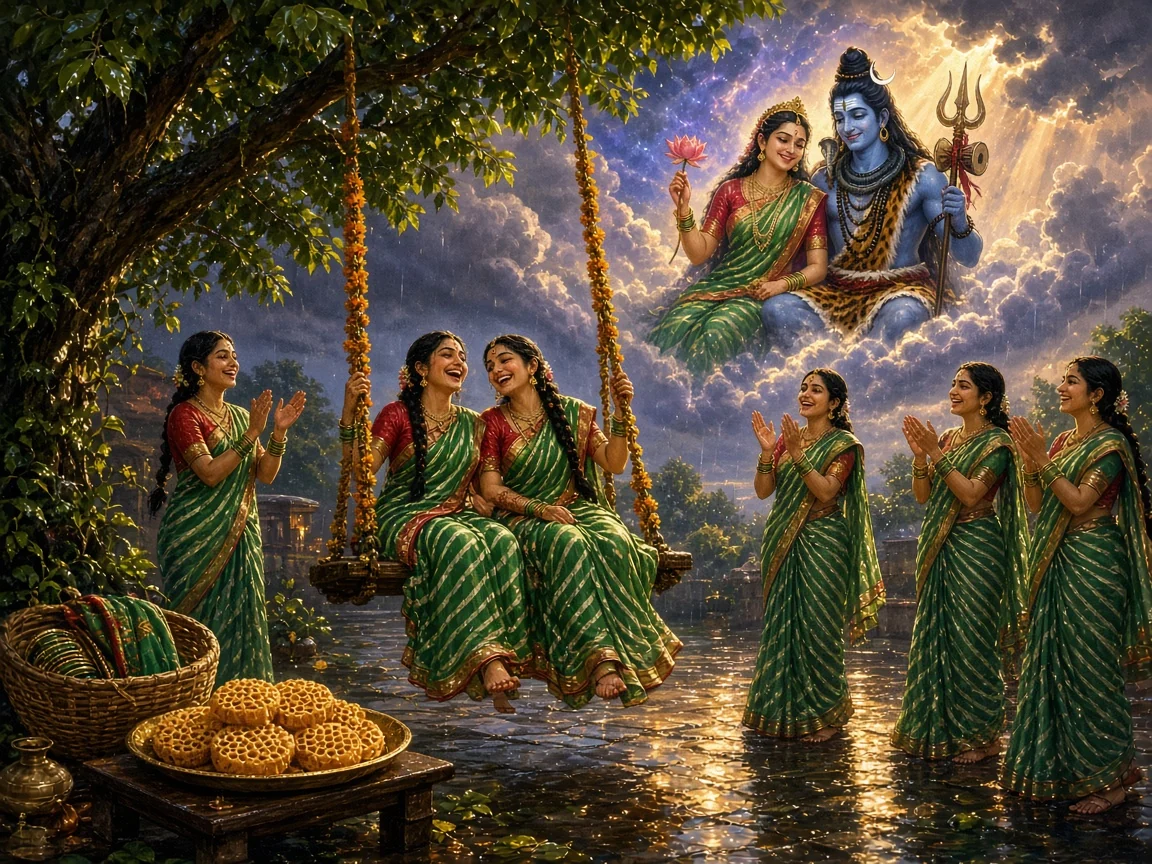
Hariyali Teej, the green Teej, falls on the third day of the bright half of Shravana, in the thick of the monsoon, and is the first of three Teejs kept by the women of North India and Nepal for Parvati, who won Shiva by her fast. Married women go to their mothers' houses, the sinjara basket of ghevar, henna, bangles and lehariya arrives, swings go up in the trees, Jaipur carries Teej Mata out of the City Palace, and Vrindavan sets Banke Bihari on the one swing it brings out once a year. Kajari Teej follows fifteen days later with the neem, the moon, the sattu and the kajri songs, and Hartalika Teej a month later, the strictest fast of all, the day before Ganesh Chaturthi, kept across the north, in Maharashtra and in Nepal.
When is Hariyali Teej in 2027? Hariyali Teej, the green third, is Wednesday 4 August 2027. In 2028: Monday 24 July 2028. The third day of the bright fortnight of Shravana, in late July or August, two days before Nag Panchami; Kajari Teej on the third of dark Bhadrapada and Hartalika Teej on the third of bright Bhadrapada, the day before Ganesh Chaturthi.
The green Teej, kept on the third day of the bright half of Shravana in the monsoon, two days before Nag Panchami. Married women go to their mothers' houses, wear green, swing and sing for Parvati, who won Shiva by her fast, and the sinjara basket of ghevar, henna, bangles and lehariya comes from their own home.
What are the three Teejs?
Hariyali Teej on the bright third of Shravana, Kajari Teej fifteen days later on the dark third of Bhadrapada, with the neem, the moon, the sattu and the kajri songs, and Hartalika Teej a month after Hariyali on the bright third of Bhadrapada, the strictest fast, the day before Ganesh Chaturthi.
What is the story of Hartalika Teej?
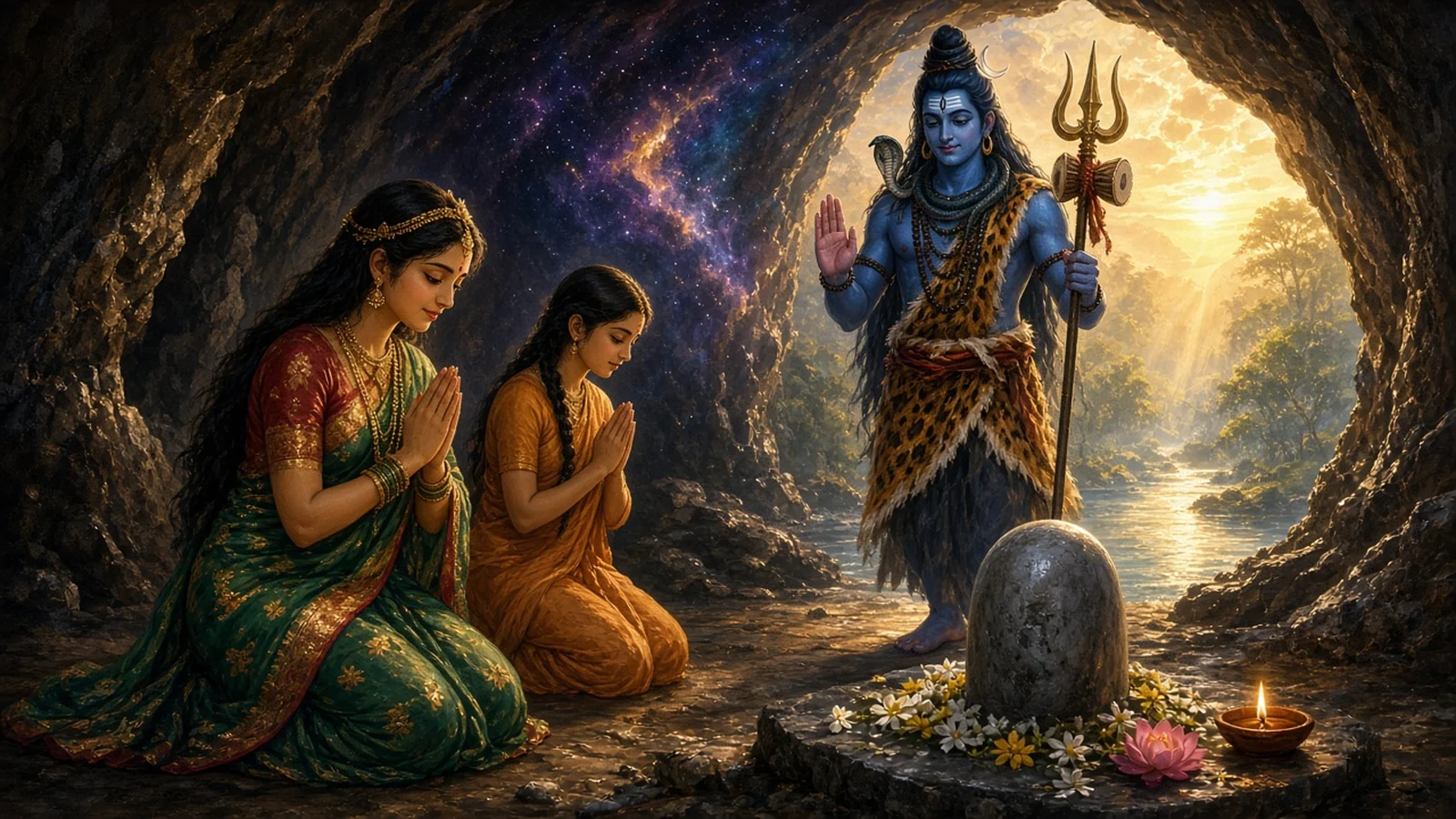
Parvati's father had promised her to Vishnu, so her friend carried her off to a forest cave by a river. There, on the third of bright Bhadrapada, she shaped a Shiva linga of sand and kept the night awake without food or water, and Shiva came and promised to marry her. Hartalika means the girl her friend stole away.
Why is Banke Bihari put on a swing on Hariyali Teej?
The Vrindavan temple brings out its gold-and-silver swing on this one evening a year and sets the god on it in green, with ghevar and pheny before him, and from that day every temple of Braj swings its images for the Jhulan, the monsoon swing season of Radha and Krishna.
When is Hariyali Teej in 2027 and 2028?
Wednesday 4 August 2027 and Monday 24 July 2028. In 2027 Kajari Teej falls on Friday 20 August and Hartalika Teej on Friday 3 September.
Next, in 2027Wednesday 4 August 2027
Prime godTeej Mata, Parvati reunited with Shiva
with 3 more
WhereNorth India, above all Rajasthan, Uttar Pradesh, Bihar, Haryana, Punjab and Madhya Pradesh, with Braj for the swings, Maharashtra for Hartalika, and Nepal
How longOne day each; the three fall over about a month, Punjab's Teeyan runs from Hariyali Teej to the full moon, and Nepal makes three days of Hartalika
The third day of the bright fortnight of Shravana, in late July or August, two days before Nag Panchami; Kajari Teej on the third of dark Bhadrapada and Hartalika Teej on the third of bright Bhadrapada, the day before Ganesh Chaturthi
Why it is kept
Teej is the third day, and Hariyali means green. On the third day after the new moon of Shravana, when the north is at its greenest and the rain has not stopped for a week, the women of Rajasthan, the Hindi belt, Punjab and Nepal keep the first of three festivals that carry the name. All three belong to Parvati. The story under them is her fast for Shiva; the mood over them is a daughter home for the rains, a swing in a wet tree, and a song.
The Teejs remember the day Shiva took Parvati back. The Puranas' telling of her penance and the brahmin's test has its own page, How Parvati Won Shiva, with the Teej women's hundred and eight lifetimes. The katha read on Hartalika night adds the part the Puranas leave out: her father had promised her to Vishnu, and her friend stole her away to a forest cave where she made a Shiva of sand and fasted the night through. Hartalika is harat and alika, the carrying off and the friend. So the married fast for their husbands' lives and the unmarried for a husband like Shiva, and the almanacs call it a day of friendship between women too.
Parvati's friend leads her by the hand through the rainy forest to a cave by a river
Under the vow is the season. Shravana is the month of the rains and of Shiva, the sowing is done, and the north has always sent its daughters home for it. Teej is the day the brothers fetch them, the basket arrives and the swing goes up; in Nepal the women's songs have made it the one day in the year that is theirs. Braj has its own reason: when the rains come Radha and Krishna swing in the groves, and the temples' Jhulan opens on Hariyali Teej.
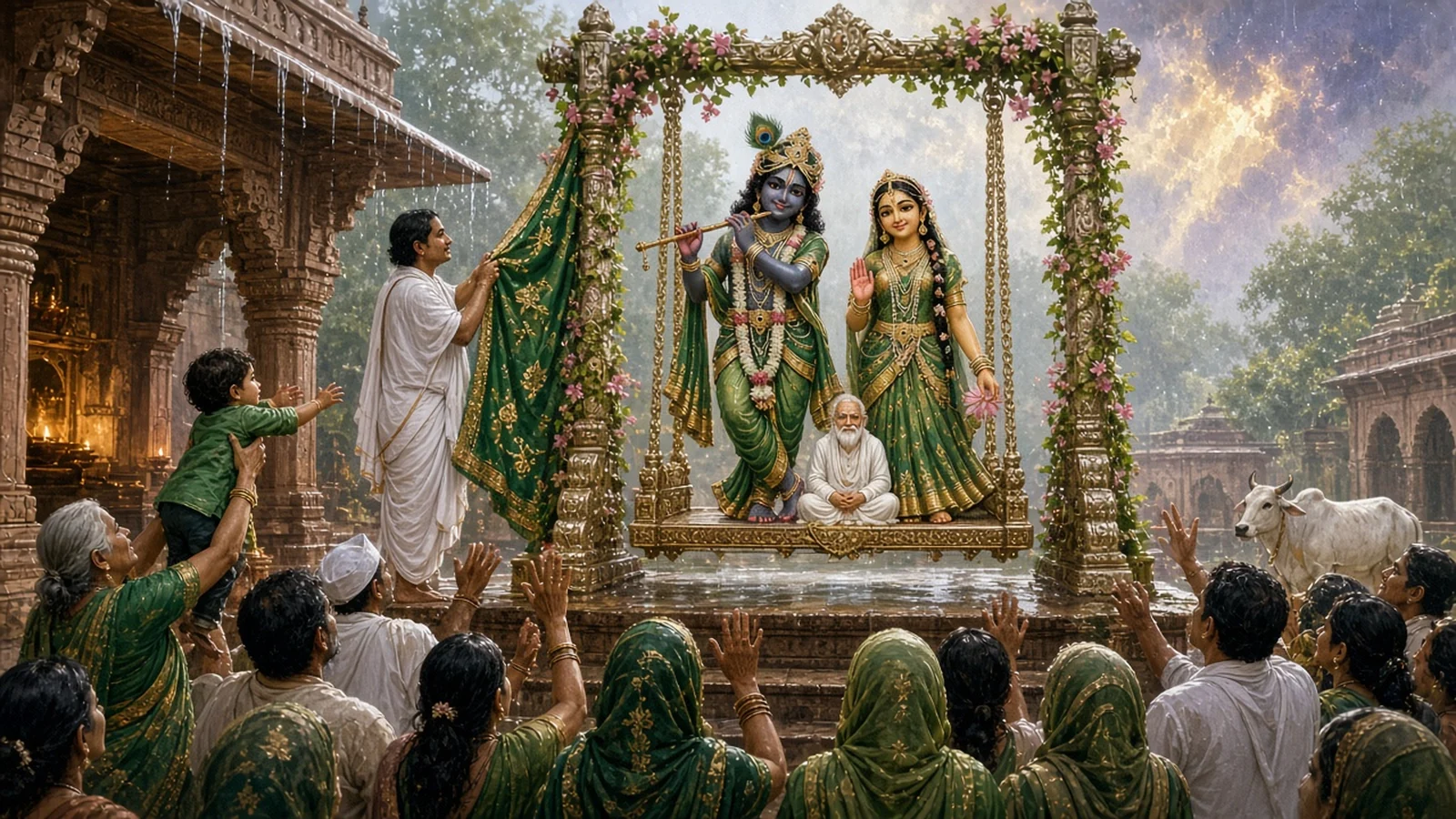
Radha and Krishna on a flowered swing in a rainy Braj grove, gopis pushing it between the trees
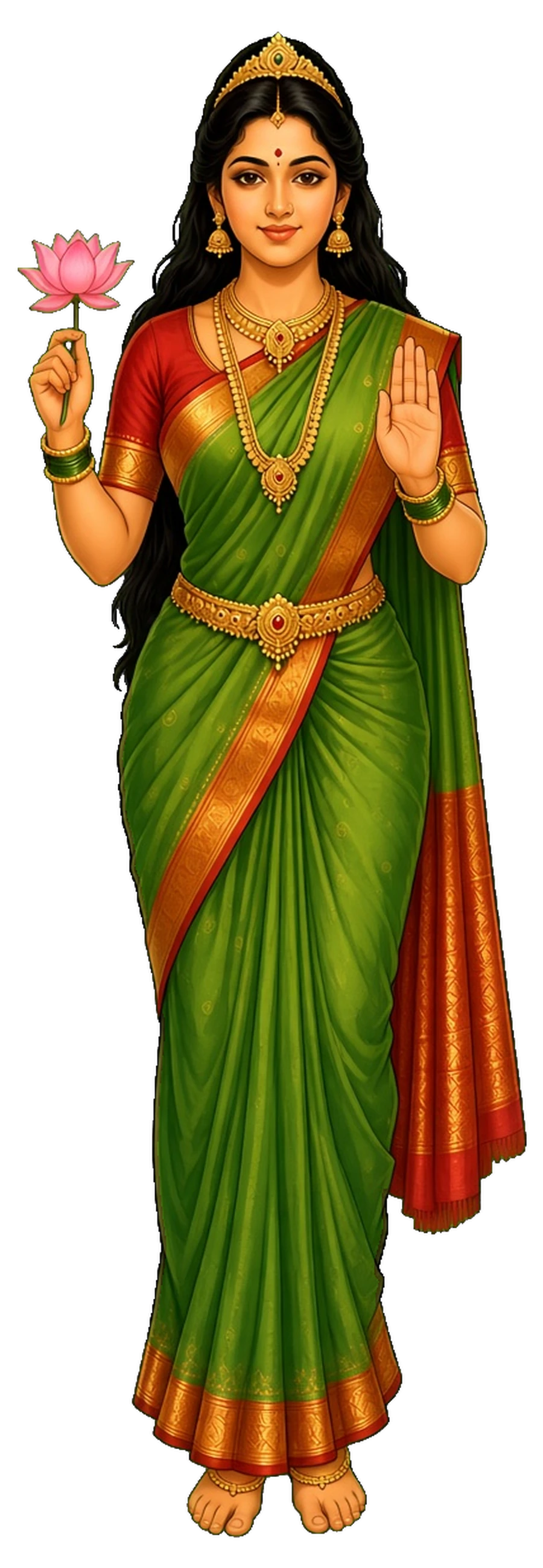
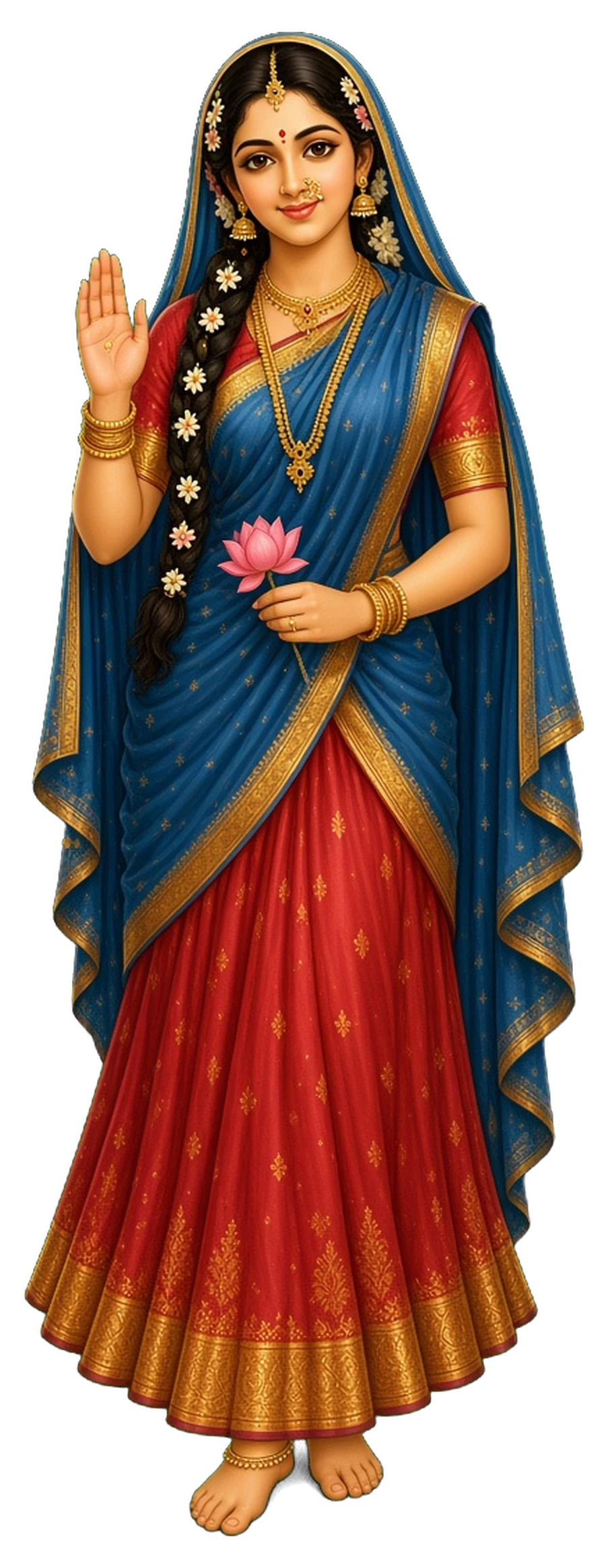
The goddess of all three Teejs. The women fast as she fasted, for a husband like hers or for the long life of the one they have; Jaipur carries her out of the palace as Teej Mata on the day she leaves her father's house, and the Hartalika katha tells how her friend stole her away so that she could keep her fast for him.
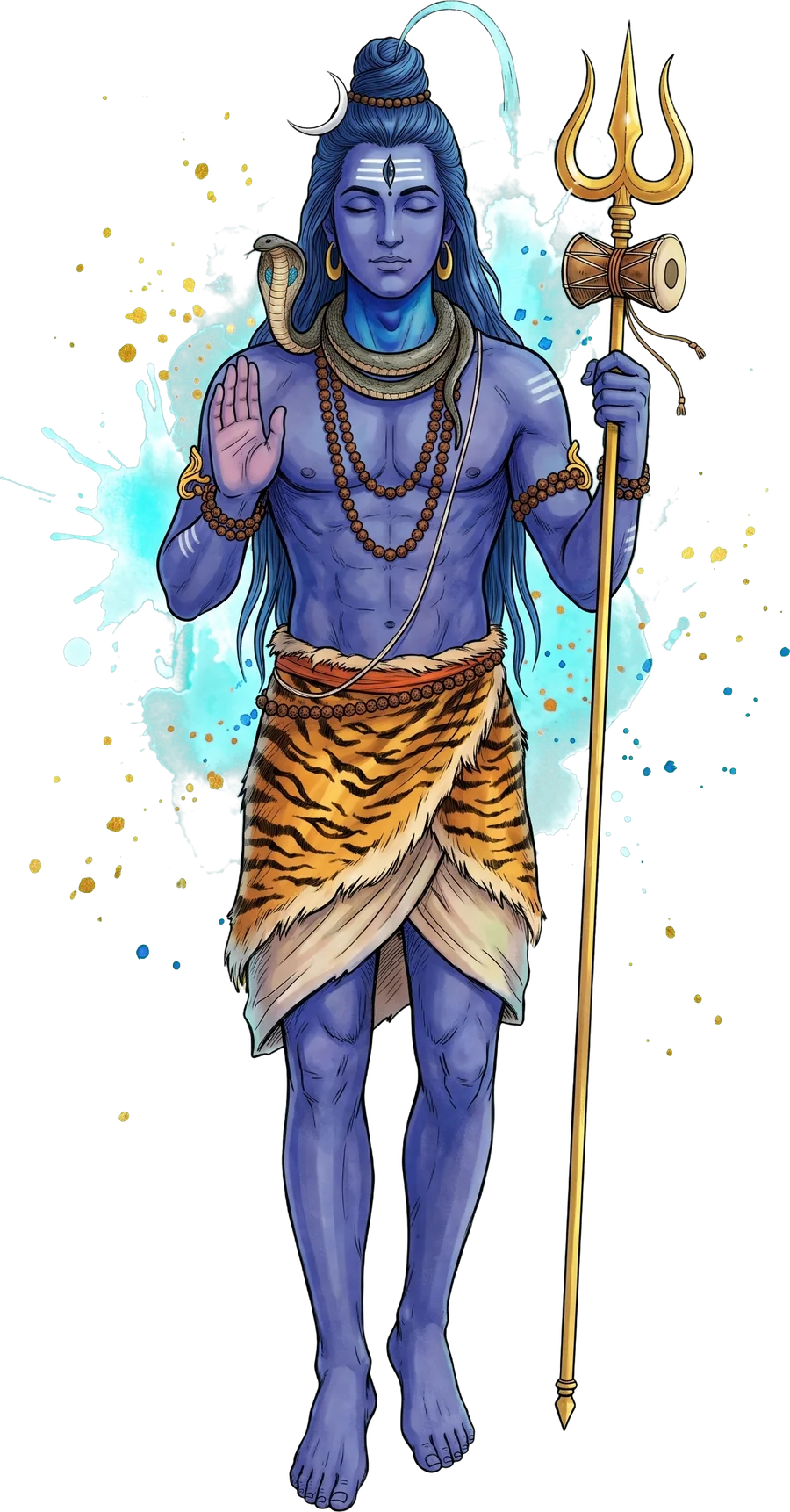
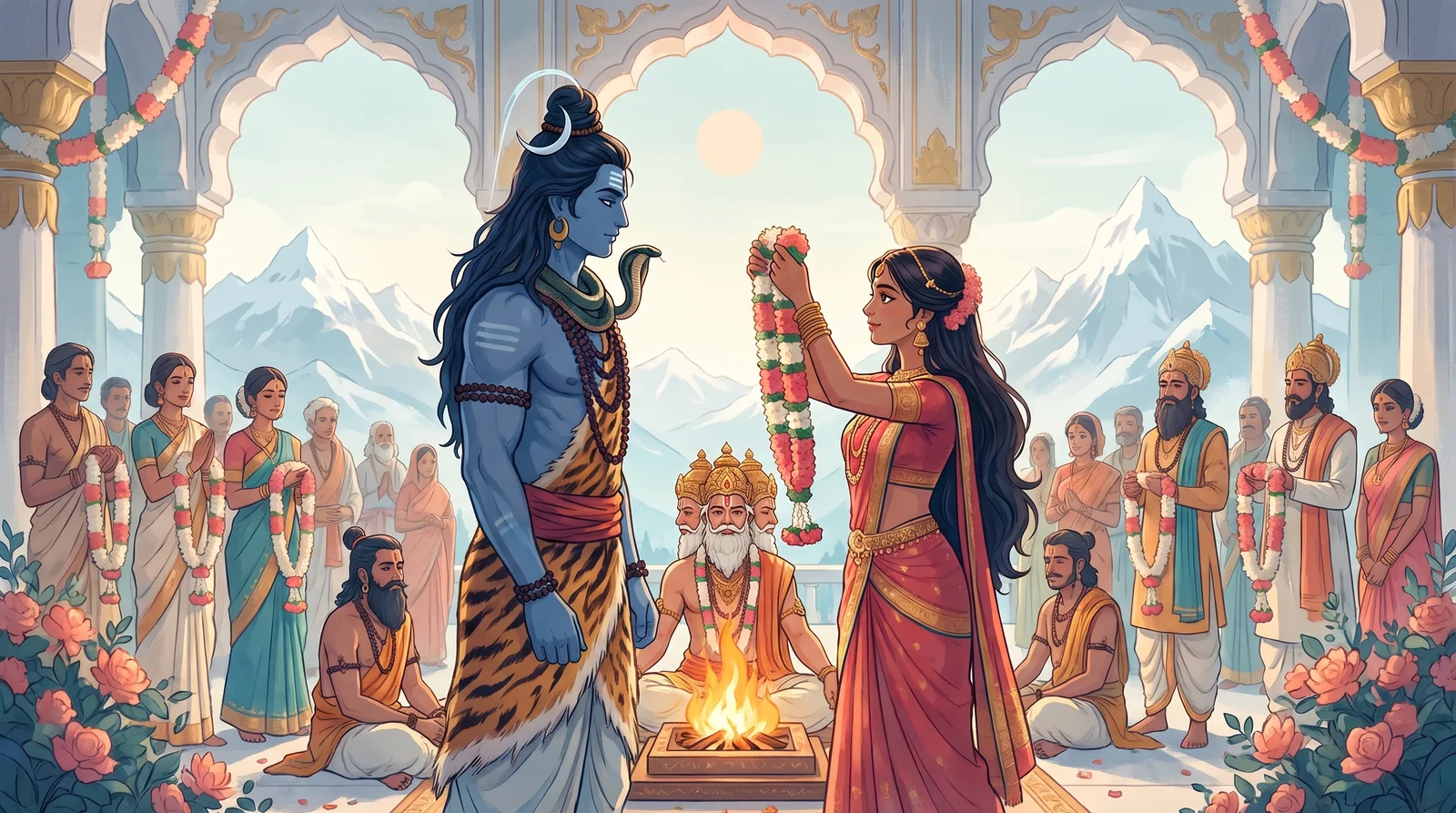
The husband she won. Shravana is his month, the Hartalika katha has him come to her cave at dawn and promise himself, and in the vow books it is he who tells her the story of her own fast.
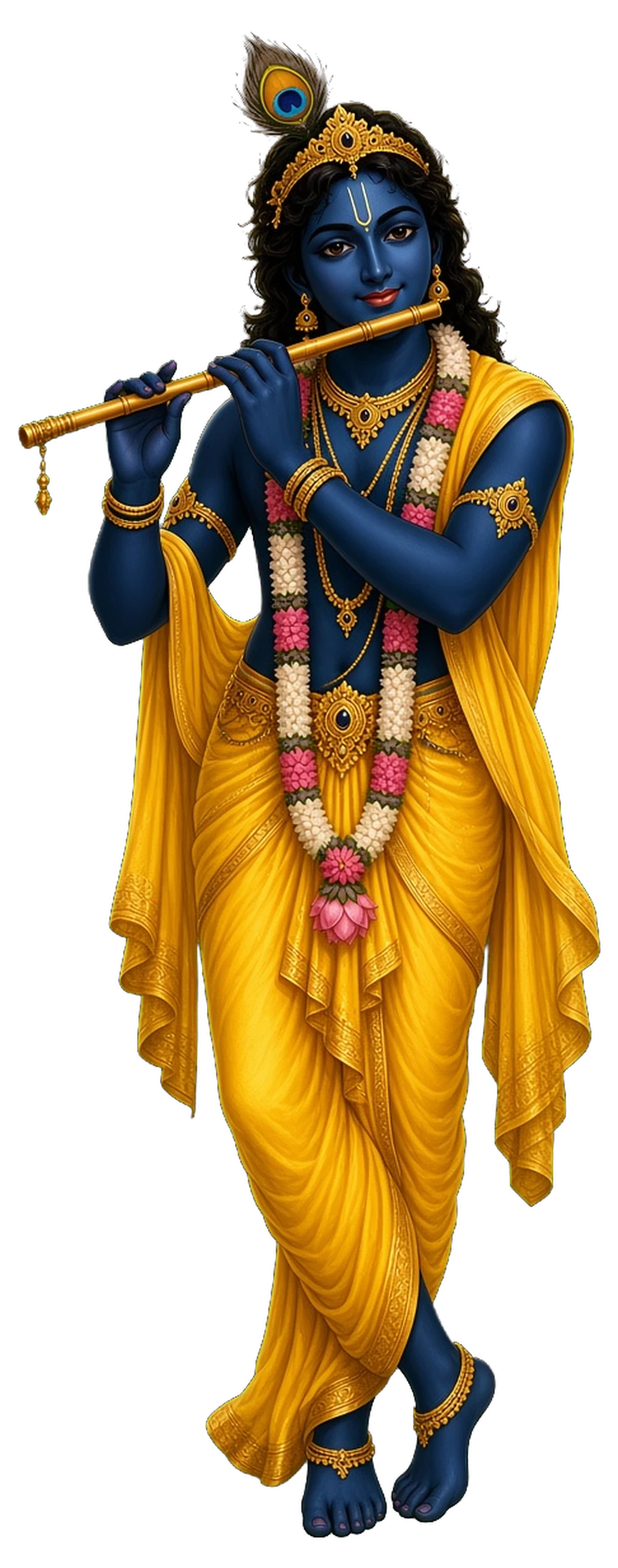
The lord of Vrindavan, who on Hariyali Teej sits in green on the gold-and-silver swing his temple brings out one day a year, and whose Jhulan, the swing season of Braj, opens on the same day.
Priyaji beside him on the swing. The Gaudiya writers say the gopis push the lotus swing between the bakul trees until she forgets her shyness and holds on to him, and Braj swings its images for that afternoon all month.
The three Teejs
1
Hariyali Teej
The third day of the bright fortnight of Shravana, two days before Nag Panchami · Wednesday 4 August 2027
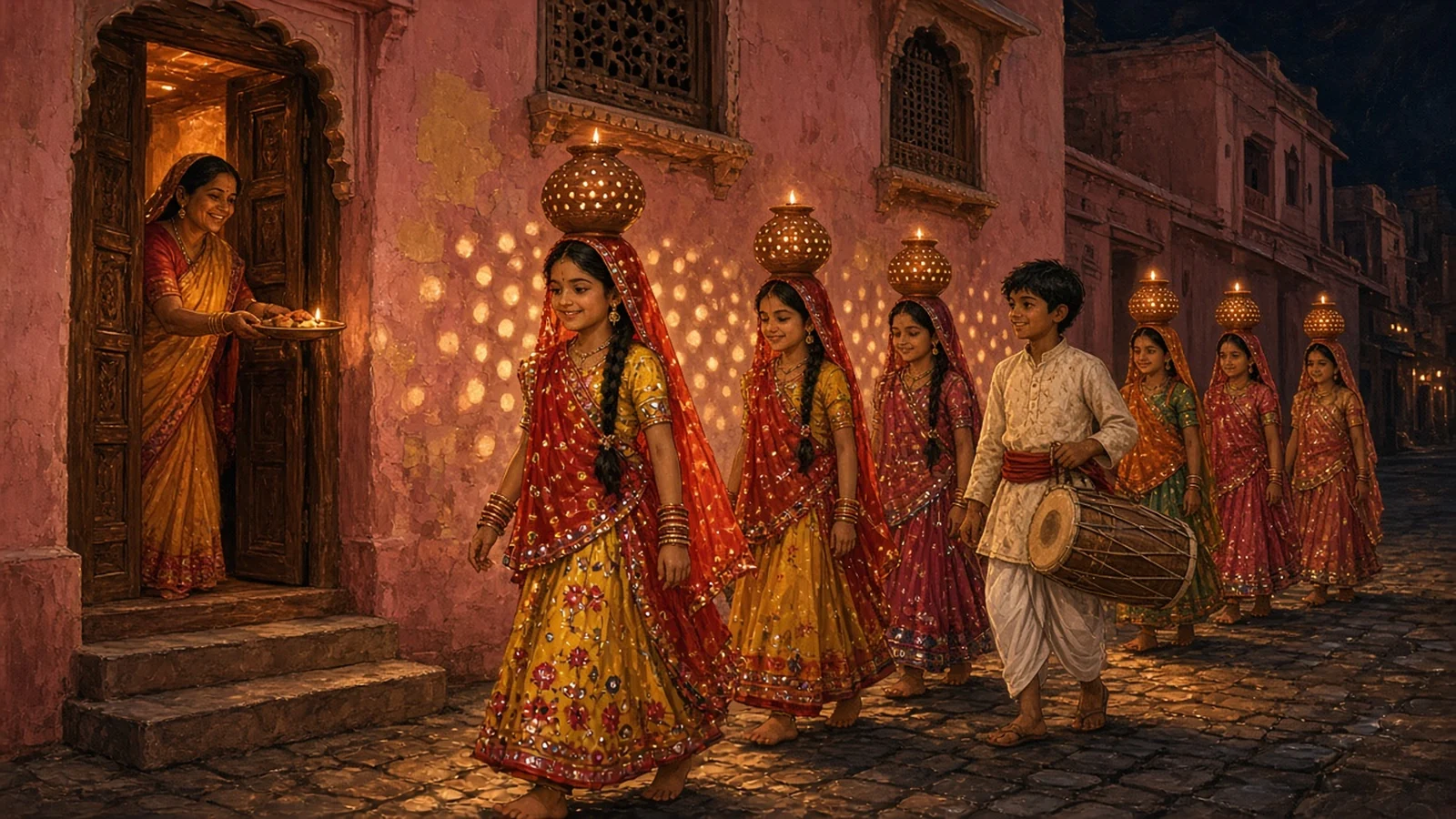
The day before is Sinjara, when the mehndi goes on and the basket comes from a woman's own home, her mother or her brothers: ghevar, henna, bangles, a lehariya sari or a suit. On the day the married women are at their mothers' houses in green, the swings are up in the trees and the courtyards, and they swing in pairs and sing the Teej songs. Jaipur does Teej Mata's puja inside the Zanani Deorhi and carries her out through Tripolia Gate under a canopy, behind the standards of Gogaji, folk dancers, a mock camel corps and an elephant, on this day and the next. Vrindavan's Banke Bihari sits on his once-a-year swing from the evening, and every temple of Braj hangs its own. Haryana keeps the day as a state holiday, and Punjab's Teeyan begins and runs to the full moon.
Teej Mata carried out of Jaipur's City Palace in her palanquin, behind an elephant and camels
The third day of the dark fortnight of Bhadrapada (Shravana by the Amanta reckoning), fifteen days after Hariyali Teej, three days after Raksha Bandhan · Friday 20 August 2027
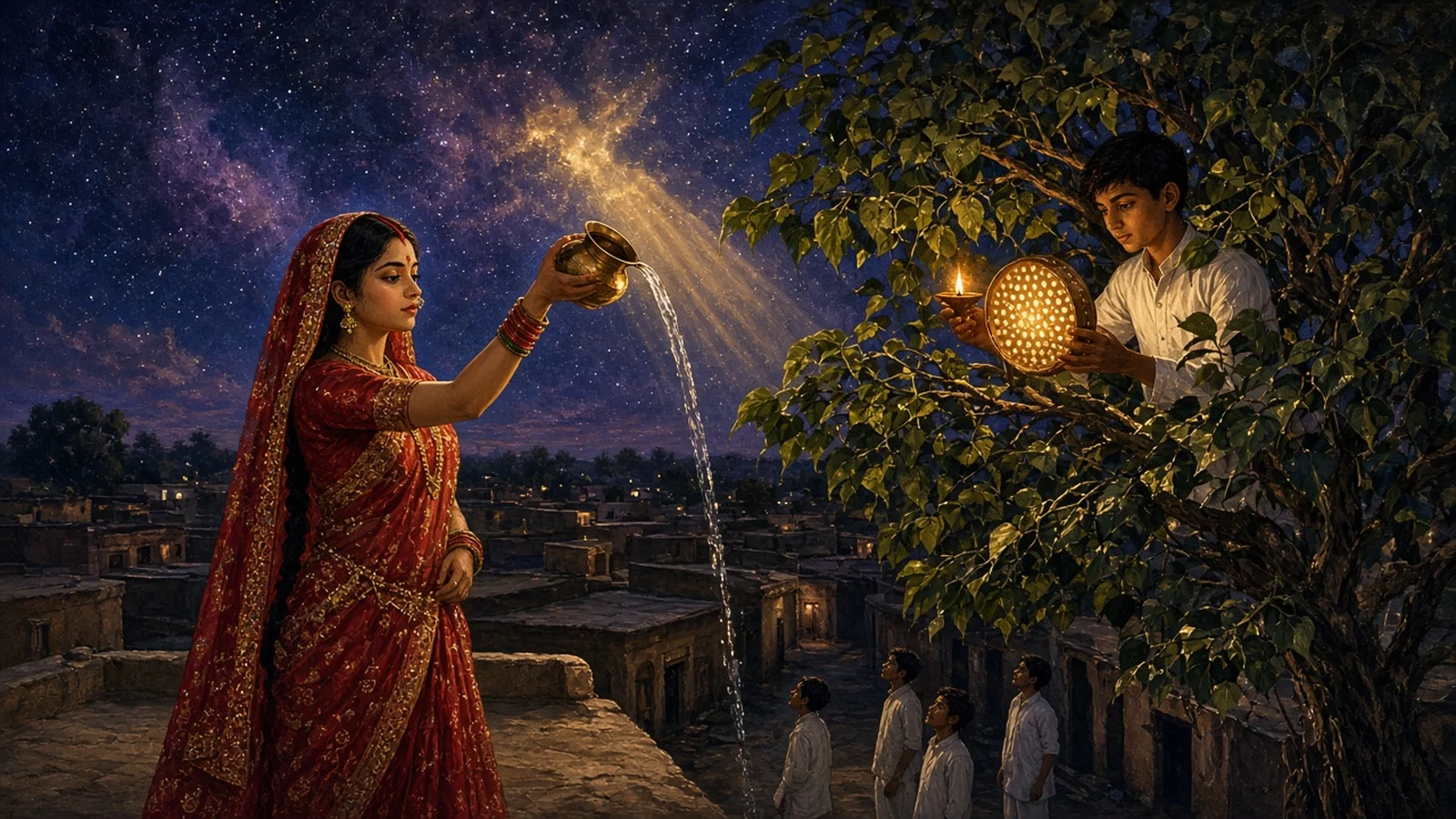
The big Teej of Rajasthan. Women fast through the day, worship a neem branch, the neemdi, at dusk, and offer water to the moon when it rises; then, in Jaipur, Jodhpur and Udaipur, the fast is broken on sattu, the roasted flour of wheat, gram, barley and rice made into sweets with ghee, which gives the day its name Satudi Teej. In the Bhojpuri country of eastern Uttar Pradesh and Bihar it is the day of the kajri, the monsoon songs of a wife waiting for a husband far away, sung on the swings; Mirzapur keeps a Kajri festival for a princess who sang them. Bundi opens a fortnight's Kajli Teej fair with a Teej Mata procession through its lanes.
Kajari Teej at moonrise: women offer water to the moon beside a neem branch and sattu sweets
The third day of the bright fortnight of Bhadrapada, in the Hasta nakshatra, the day before Ganesh Chaturthi · Friday 3 September 2027
Haritalika TeejHartalika Tritiya VratTeej in NepalGowri Habba in Karnataka
The strictest fast of the three: no food and no water from the morning until the next day's puja. Shiva and Gauri, and in many homes Ganesha, are shaped from sand or black clay and set in a mandap of banana leaves; the katha of the friend who stole Parvati away is read; the night is kept awake with bhajans and three aartis; and in the morning sindoor is offered to Parvati, the fast is broken on halwa and the images go to the water. Bihar, eastern Uttar Pradesh and Jharkhand add Kartikeya to the clay family and thekua and pidukia to the plate; Maharashtra keeps it as the maidens' Haritalika, a fast of about a day and a half with night bhajans. Nepal makes it Teej itself: the Dar feast the night before, the red saris, the waterless fast, the dancing at Pashupatinath, and the Rishi Panchami bath two days after.
Hartalika night: clay Shiva and Gauri in a mandap of banana leaves, women singing by the lamps
The home of Teej Mata. Jaipur fries ghevar in the walled city for a fortnight before, wears lehariya on the day, sends the sinjara to its married daughters, and carries the goddess out of the City Palace over two afternoons with elephants, camels, bands and the standards of Gogaji; the tourism department sets out seats before Tripolia Gate. Kajari is the Badi Teej, with the neem, the moon and the sattu, and Bundi's Kajli Teej fair runs a fortnight; Udaipur's procession goes down to the ghats of Lake Pichola.
Uttar Pradesh and BiharHariyali, Kajari and Hartalika
The daughters come home to the villages for Sawan and the swings go up. In the Bhojpuri east the kajri songs of separation belong to Kajari Teej, and Mirzapur keeps its own Kajri festival. Hartalika is the great fast of eastern Uttar Pradesh and Bihar, with Shiva, Gauri, Ganesha and Kartikeya shaped from clay, thekua and pidukia on the plate, and the night kept awake.
BrajHariyali Teej and the Jhulan
Vrindavan's and Mathura's day. Banke Bihari sits in green on the swing his temple keeps for this one evening, on a platform outside the jagmohan, with ghevar and pheny before him, and from this day Radha Raman, Radha Vallabh, Dwarkadhish and the ISKCON temple set their images on swings for the Jhulan, to the full moon of Shravana. Mathura's Dwarkadhish has already shown its golden swing on the first day of Sawan.
Punjab and HaryanaTeeyan
Punjab's festival of daughters, sisters and mothers, from Hariyali Teej to the full moon of Sawan, with the brothers' sandhara and the swing that comes in it, the swings tied to trees by the pond, the giddha to boliyan, kheer and malpura. The village gatherings have thinned and the colleges, towns and the diaspora hold Teeyan melas instead. Haryana keeps Hariyali Teej as an official holiday, with government functions and boys flying kites.
Madhya PradeshKajli Teej and the monsoon customs
Teej in Malwa and Bundelkhand goes with the Rajasthani reckoning, Hariyali and then Kajli. The day after Raksha Bandhan the villages of Bundelkhand and Baghelkhand carry the kajliyaan, wheat shoots grown in pots for nine days, to the temple with songs and set them behind one another's ears as a sign of forgiveness.
MaharashtraHaritalika
The day before Ganesh Chaturthi is the maidens' fast, kept for a husband like Shiva, and the married women's for lasting saubhagya, with Shiva and Gauri images, green bangles and night bhajans. It is kept apart from the Gauri Pujan of the Ganesha days, when Gauri comes as a mother.
NepalTeej (Haritalika Teej)
The women's festival of the year, on the bright third of Bhadra. The Dar feast the night before at the mother's or the brother's house; the fast without food or water; red saris, pote and tilahari; Pashupatinath and every Shiva temple full of women dancing through the hours of the queue; the lamp kept burning all night; and on Rishi Panchami the dawn bath with 365 stems of datiwan. The government gives women the day off. The Teej songs have gone from the dutiful wife to husbands abroad, inheritance and politics.
Hindu women of the northA women's festival across castes and regions
Teej is a vow kept by women rather than a temple festival, and it is kept across the castes and communities of Rajasthan, the Hindi belt, Punjab and Nepal, by married women for their husbands and by girls for the husband to come. The almanacs add that Hartalika, named for the friend, is a day of friendship between women, and that the Vratraj nowhere makes the vow a woman's alone.
Punjabi families of every faithTeeyan
Punjab's Teeyan is the monsoon festival of the daughters of the region, kept by Punjabi families of every community as a custom of Sawan more than of a creed, with the swings, the giddha and the brothers' gifts; the Punjabi Tribune reports the college and town melas every August.
Nepal's communitiesTeej across the hills and the plains
Nepal's Teej is kept by Bahun, Chhetri and Newar women, by the Maithil and Bhojpuri women of the Tarai and by Kirati women too, and the Dar, the red, the fast and the dancing at the Shiva temples are shared across them. The Rishi Panchami bath that closes it is read differently by its keepers and by the women who now question it in print and song.
How it is kept
Hariyali Teej begins the day before, with Sinjara: the mehndi goes on and the basket arrives from a woman's own home, with ghevar, henna, bangles and a lehariya sari, and in Punjab a swing. On the day the women are in green at their mothers' houses, the swings hang from the neem and the courtyard beams, and they swing in pairs and sing. Jaipur does Teej Mata's puja in the Zanani Deorhi of the City Palace and from about five brings her out through Tripolia Gate under a canopy, behind the standards of Gogaji, the elephant and the band, down Tripolia Bazaar to the Chaugan, today and tomorrow. Vrindavan sets Banke Bihari in green on the swing his temple brings out once a year, and from that evening every temple of Braj swings its images for the Jhulan.
Banke Bihari dressed in green on his gold-and-silver swing, with ghevar before him
Kajari Teej, fifteen days on, is Rajasthan's big Teej. The women fast all day, worship a neem branch at dusk and the moon when it rises, and break the fast on sattu, the roasted-flour sweets that give the day its name Satudi Teej. In the Bhojpuri east the day belongs to the kajri, the songs of a wife waiting through the rains for a husband far away, sung on the swings; Mirzapur keeps a Kajri festival for a princess who sang them.
Hartalika Teej, a month after Hariyali, is the hardest. From the morning until the next day's puja there is no food and no water. Shiva and Gauri, and often Ganesha, are shaped from sand or black clay in a mandap of banana leaves; the katha is read; the night is kept awake with bhajans and three aartis; in the morning sindoor is offered to Parvati, the fast is broken on halwa and the images go to the water. Bihar and eastern Uttar Pradesh add Kartikeya and thekua; Maharashtra keeps it as the maidens' Haritalika, the day before Ganesha comes; Nepal makes it Teej itself, with the Dar feast the night before, the red saris, the waterless fast, the dancing at Pashupatinath and the Rishi Panchami bath two days later. Karnataka keeps the same day as Gowri Habba, told in Gauri Comes Home.
Nepal's Teej: women in red saris dance in the courtyard of a Shiva temple
In the old texts
There is no Teej in the Vedas or the epics. The Hartalika katha is a vrat katha, read from the Hindi vow books with Shiva as its narrator. The pages that print it credit it to the Shiva Purana or to a Bhavishya Purana, and the almanacs name the Vratraj, a late digest of vows, for the order of the puja; but the Shiva Purana's own Parvati Khanda has the penance and the test and no friend, and no page read for this one quotes a Purana for the cave and the sand. The friend is the katha's own.
The kajri is an oral song that the Benares gharana took into the concert hall; a first printed collection of sixty, the Sudhabund, appeared in 1884. Nepal's Teej songs are oral too, and the folklorists who collected a thousand of them in one hill village read them as the commentary of women with nowhere else to speak. The Jhulan has a text, Krishnadas Kaviraja's Govinda Lilamrita. Jaipur's procession has no chronicle naming its founder; the palace it leaves was built by Sawai Jai Singh II between 1729 and 1732, and the city says the goddess has come out of it as long as it has stood. Karva Chauth, the autumn fast of the same women, has its own page.
Where this page comes from. Written by Devalok from the Hartalika Teej vrat katha as read in the Hindi vow books and on the almanac pages, the Banke Bihari temple's festival notes and the news reports of Hariyali Teej in Braj, the Gaudiya writers on the Jhulan pastime, the accounts of Jaipur's and Bundi's Teej Mata processions, the kajri songs of the Bhojpuri country, and the Kathmandu papers and folklorists on Nepal's Teej, as recorded in the Devalok Lore. Our own words throughout.