Festival · The goddess of the hill rides down to the banni tree on a golden howdah
Mysore Dasara
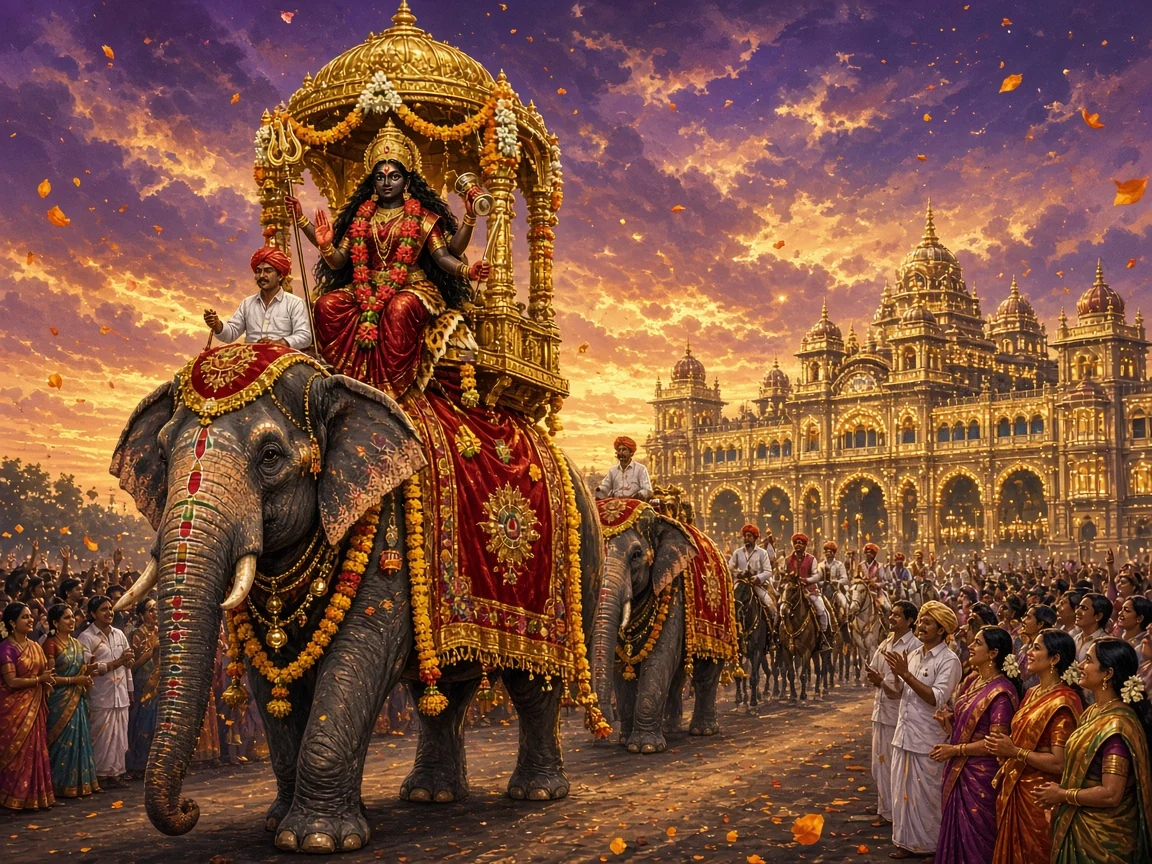
Mysore Dasara is Karnataka's state festival, the Nada Habba, kept at Mysuru through the nine nights of Navaratri and Vijayadashami in the bright half of Ashvin. It opens with a puja to Chamundeshwari in her temple on Chamundi Hill, lights the Amba Vilas Palace every night, and keeps a private royal durbar on a golden throne inside it. On Vijayadashami the goddess's image rides an elephant in the golden howdah from the palace to Bannimantap, and the night ends with a torchlight parade.
When is Mysore Dasara in 2027? Vijayadashami, the day of the Jamboo Savari, is Sunday 10 October 2027; it runs 30 September to 10 October 2027. In 2028: Thursday 28 September 2028. The bright half of Ashvin, from the first day of Navaratri to Vijayadashami, in late September or October; Mysuru keeps Vijayadashami by the day on which the tenth tithi holds at sunrise, which can be a day after the north.
Also calledMysuru DasaraNada HabbaDasara at MysuruSharannavaratriJamboo Savarithe state festival of Karnataka
In short
What is Mysore Dasara?
Karnataka's state festival, the Nada Habba, kept at Mysuru through Navaratri and Vijayadashami. It opens with a puja to Chamundeshwari on Chamundi Hill and ends with her image riding an elephant in the golden howdah from the palace to Bannimantap.
When is Mysore Dasara in 2027?
From the inauguration on Thursday 30 September 2027 to the Jamboo Savari on Vijayadashami, Sunday 10 October 2027, by the almanac kept in Mysuru, which falls a day after the north's Vijayadashami that year. The state announces the programme each year.
What is the Jamboo Savari?
The Vijayadashami procession, in which the lead elephant carries Chamundeshwari's image in the golden howdah, about 750 kg, with elephants, horses, troupes and tableaux, from the Amba Vilas Palace to Bannimantap, where the banni puja is done and the torchlight parade follows.
Why is the city called Mysuru?
The name is told as Mahishuru, the town of Mahishasura, the buffalo king whom the goddess killed on the hill above it.
Since when has Mysore Dasara been kept?
The Wodeyar kings date it to 1610, when Raja Wodeyar I kept the Navaratri at Srirangapatna in the manner of the Vijayanagara emperors. The kings kept it until the privy purses ended in 1971, and the state has organised it since the 1970s.
Next, in 2027Sunday 10 October 2027
30 September to 10 October 2027
Prime godChamundeshwari of Chamundi Hill
with 3 more
WhereMysuru above all, from Chamundi Hill to the palace and Bannimantap; Srirangapatna, where it began; and Karnataka's other Dasaras, at Madikeri, Mangaluru and beyond
How longTen or eleven days, from the inauguration on Chamundi Hill to the Jamboo Savari
The bright half of Ashvin, from the first day of Navaratri to Vijayadashami, in late September or October; Mysuru keeps Vijayadashami by the day on which the tenth tithi holds at sunrise, which can be a day after the north
Why it is kept
Mysore Dasara is the festival of a goddess and a city. Above Mysuru stands Chamundi Hill, and on top of it the temple of Chamundeshwari, who is said to have killed the buffalo king there, the king the town is named for. For ten nights of Ashvin the city lights its palace for her, the family that ruled it climbs a golden throne, and on the tenth day an elephant carries her image down the long road to the banni tree.
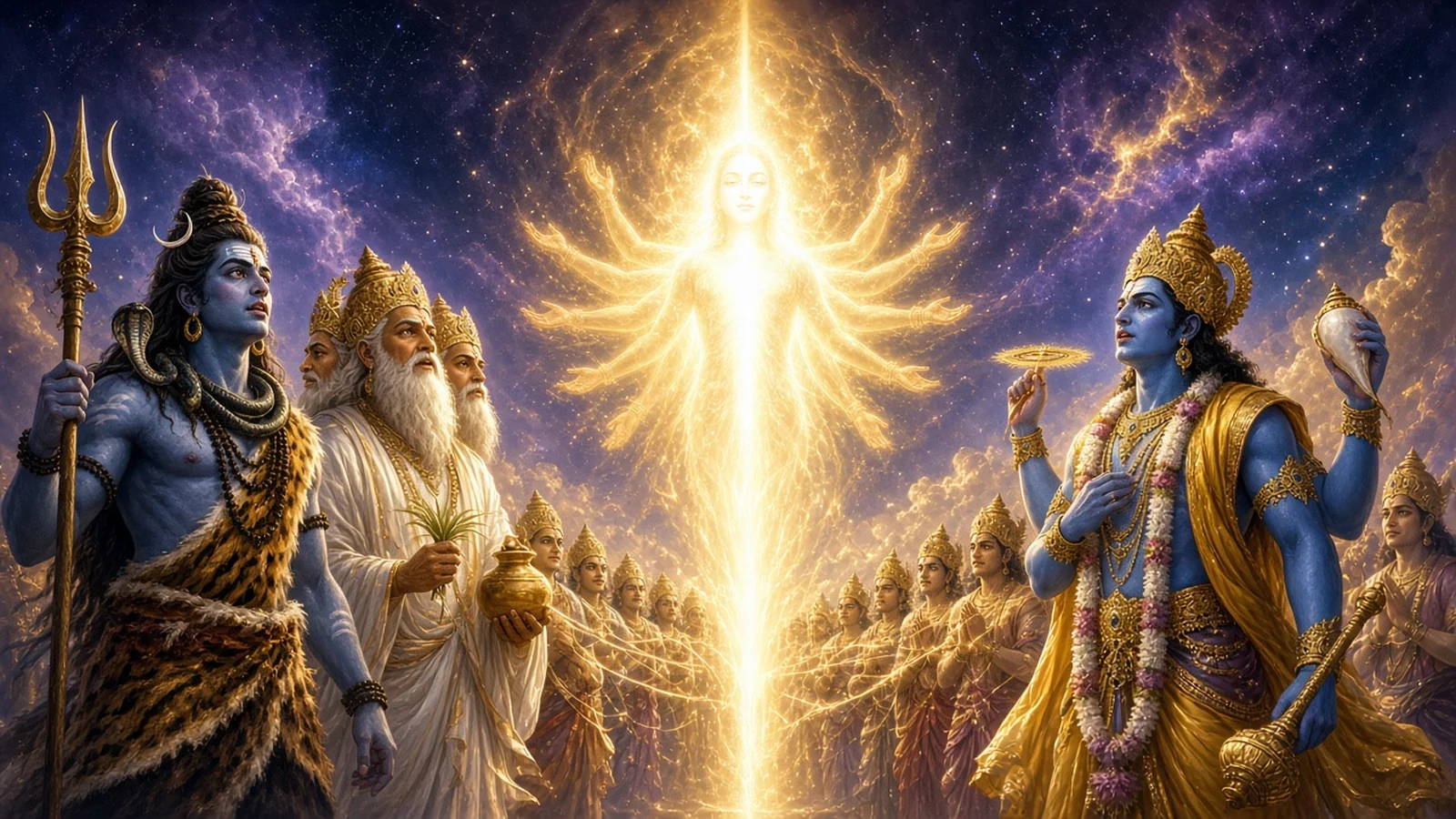
On the hill the goddess is the killer of Mahishasura, and the city keeps her victory in the same nine nights as all of India, the battle of the Devi Mahatmya. Mysuru also has its own telling, sung by the Kamsale bards, in which she fights the buffalo's brother Aisasura and a sister born from her sweat, Uttanahalli, catches his blood on seven tongues; both, with the kings who built the thousand steps, are in The Goddess Who Came to Mahishuru.
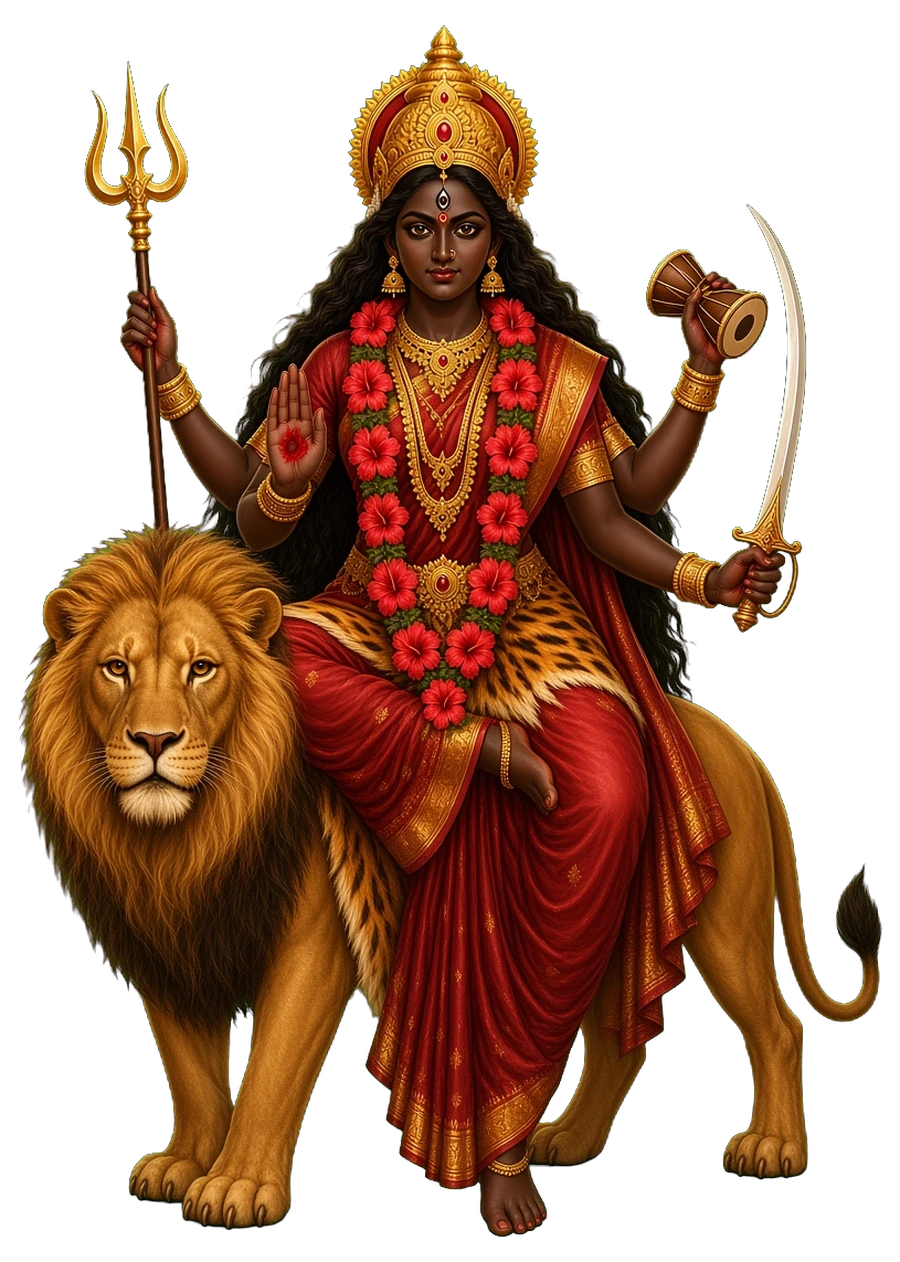
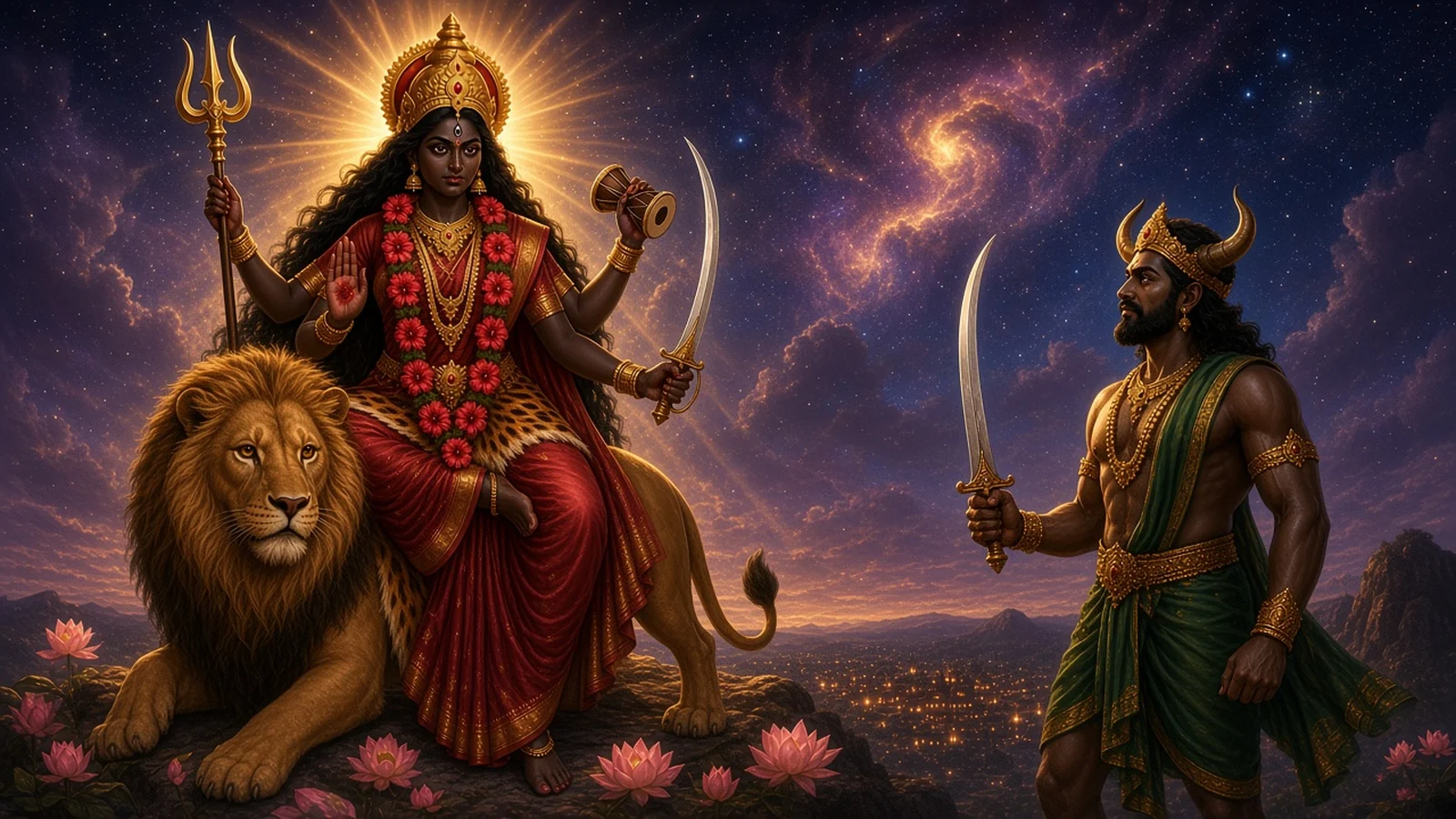
Chamundeshwari on her golden lion above Chamundi Hill, and Mahishasura kneeling with joined hands
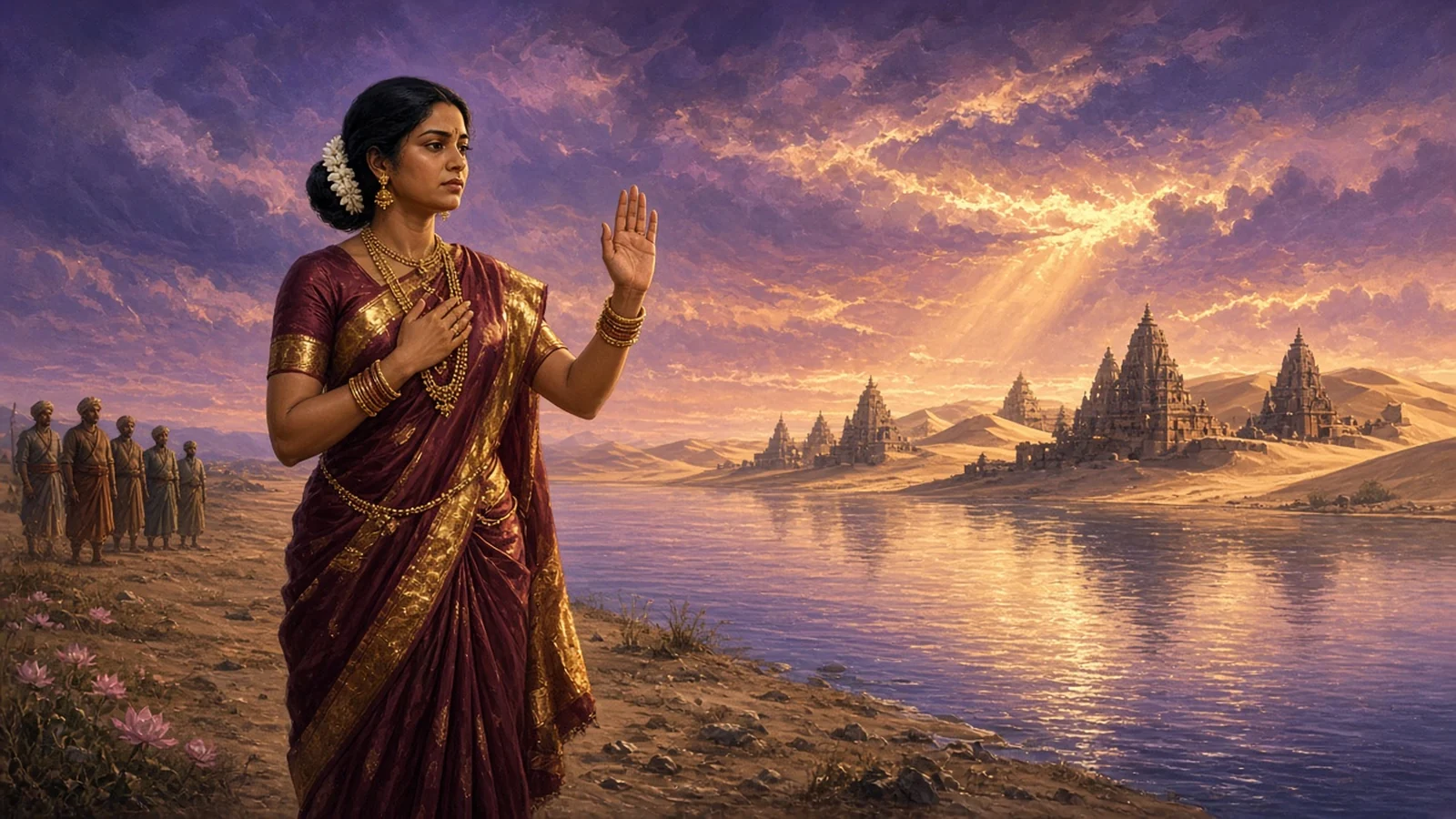
The festival is also a kingdom's. When the Vijayanagara empire fell, its feudatories carried on the Mahanavami its emperors had kept, and the Wodeyars of Mysore were among them. In 1610 Raja Wodeyar I took Srirangapatna and kept his first Navaratri there; his eldest son died on the eve, and he ruled that not even a death in the royal house should stop it. That autumn and the curse remembered from it are told in The Curse at Talakadu. In 1647 a later king, Kanthirava-Narasaraja, opened the nine nights by worshipping the goddess of the hill as the family's own, and the move of the court to Mysuru, with the durbar held there from 1805, made the hill's goddess the festival's.
Queen Alamelamma holds her pearl nose-ring to her heart by the sand-buried temples of Talakadu
The goddess of the hill above Mysuru and of the Wodeyar kings, who in the court's own poem of 1647 opened their nine nights with her worship. The festival begins with her puja in her temple, the royal family worships her in the palace for the nine nights, and on Vijayadashami her image rides through the city in the golden howdah.
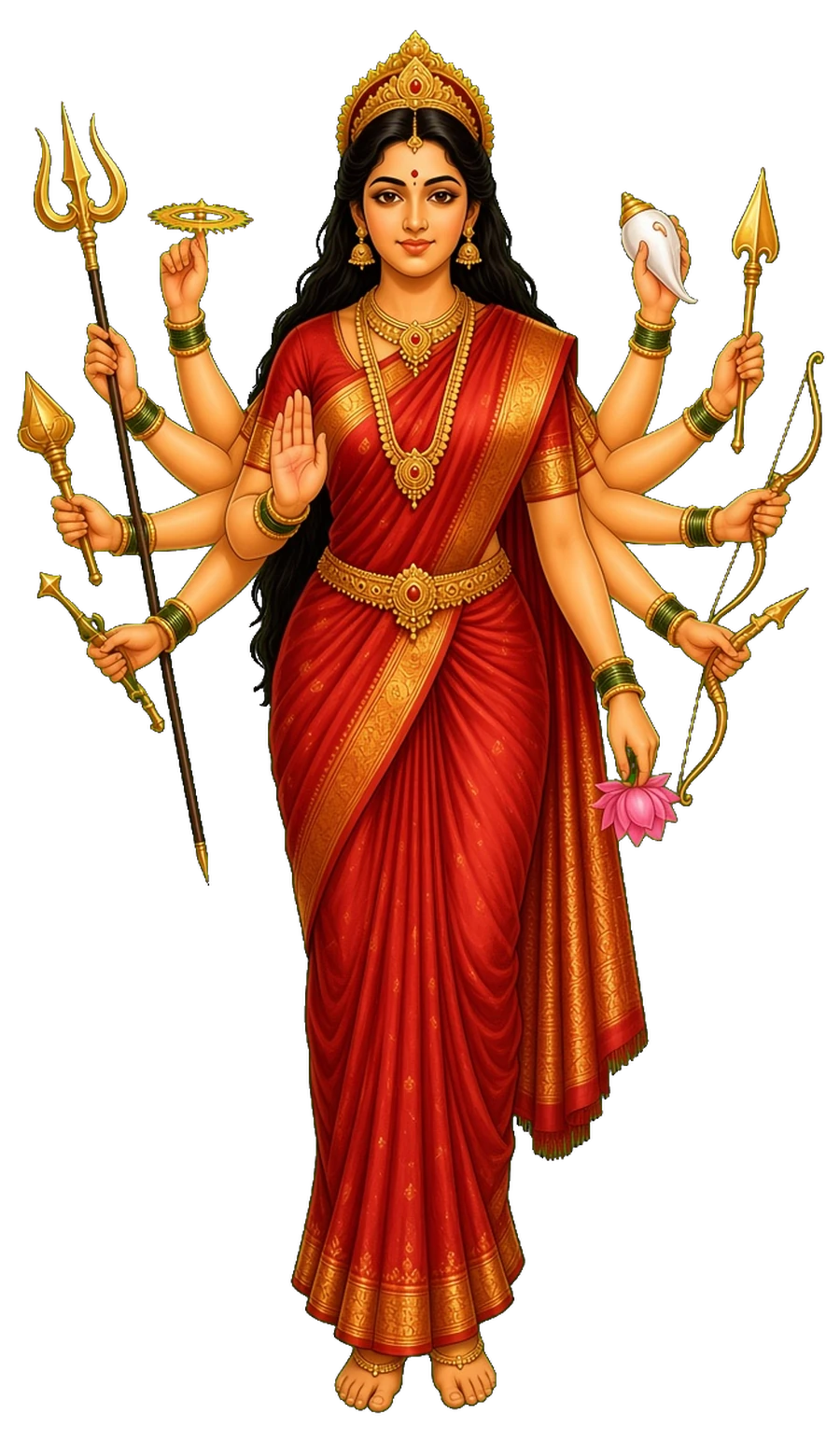
The slayer of the buffalo demon, the form in which the hill's goddess has been known since the court writings of 1639. The Devi Mahatmya's battle is read as fought on Chamundi Hill, and the palace calendar keeps the seventh day as the night of the killing.
M
Mahishasura
The buffalo king whose town, Mahishuru, Mysuru is said to be named for. His statue, holding a sword and a cobra, stands on the hill.
Worshipped in the palace on the day of the Moola star, late in the nine nights, before the Ashtami, the Mahanavami and the worship of the weapons.
From the hill to the banni tree
1
Inauguration on Chamundi Hill
The first day of the bright half of Ashvin · Thursday 30 September 2027
Navaratri begins
The festival is opened in Chamundeshwari's temple on top of the hill at a chosen moment before noon, with a lamp lit and flowers showered on her image in a silver chariot, by a guest the state invites each year. In 2026 it was the seer of the Gavi Mutt at Koppal, with over two hundred religious heads there for the first time. That evening the palace and the city's streets are lit for the first night.
A lamp lit and flowers showered on Chamundeshwari in her silver chariot in the hilltop temple
The first to the ninth nights · Thursday 30 September 2027
Khas DurbarSharannavaratri
In the palace the royal family keeps its own Navaratri. The golden throne, kept in pieces in a strong room the rest of the year, has been put together days before; on the first morning its lion is fixed in place, the head of the house has the sacred thread, the kankana, tied on his wrist and climbs the throne, and courtiers call out "Bahu Parak". The state elephant, horse and cow are brought in, and the palace's own image of the goddess is moved into its hall of mirrors, the Kannadi Thotti, for the nine days. A smaller durbar is held each evening. Outside, the Amba Vilas Palace is lit from seven to ten every night and its forecourt is a stage.
The private durbar: the head of the royal house on the golden lion throne, courtiers bowing
The Moola star to the ninth day of the bright half of Ashvin · Saturday 9 October 2027
Ayudha PujaKalaratriGaja-Ashva Puja
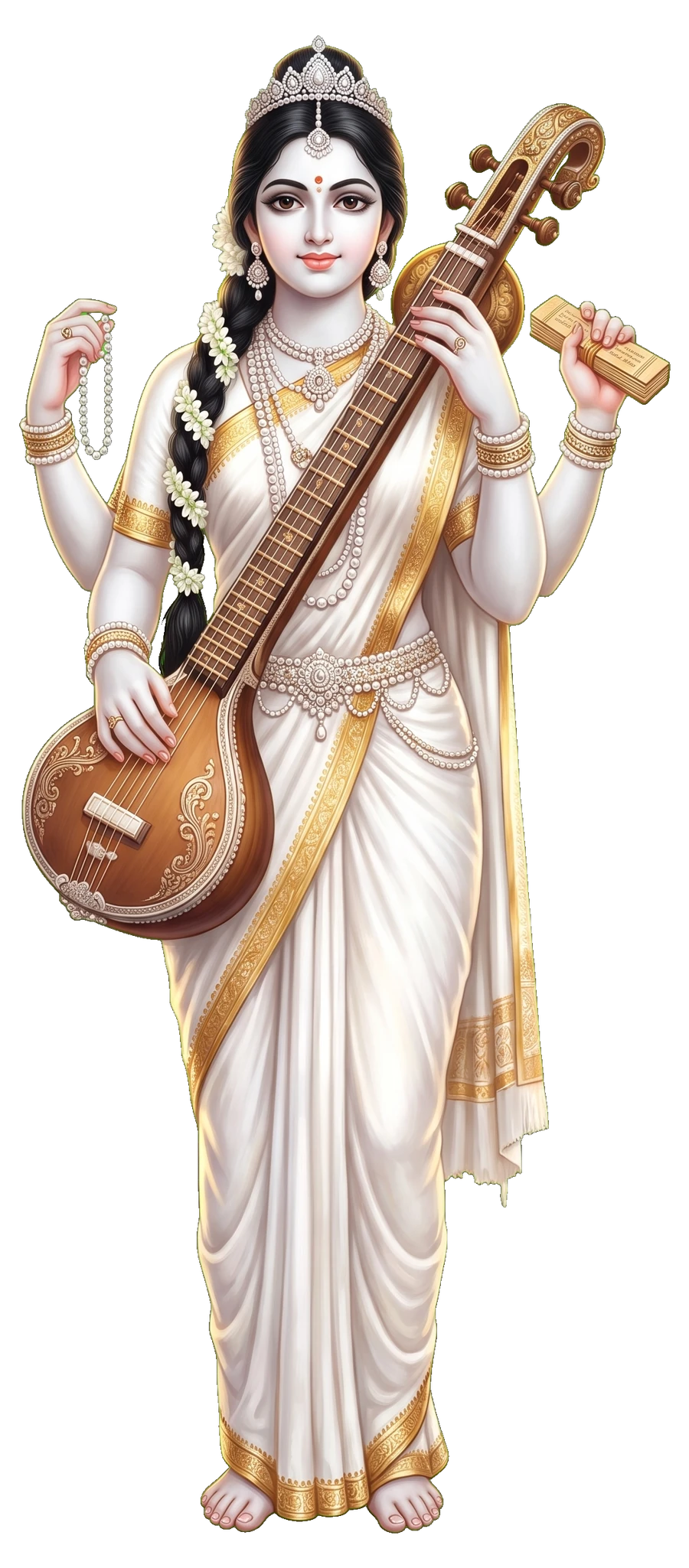
Saraswati Puja begins on the day of the Moola star, and the palace calendar keeps the seventh night as Kalaratri, the killing of Mahishasura; on the seventh day the jewels kept in the district treasury are taken up the hill to dress her image. On the ninth, after a Chandi homa, the royal weapons are taken in procession to the Kodi Someshwara temple and back for Ayudha Puja, and the state elephant, horse, cow and camel, and the palace cars, are worshipped.
Ayudha Puja: the royal weapons garlanded, and the state elephant, horse, cow and camel decorated
The tenth day of the bright half of Ashvin, as it holds at sunrise in Mysuru · Sunday 10 October 2027
Jumboo SavariBanni PujaPanjina Kavayatthu
In the morning the family goes in procession to worship the shami tree, the Vijaya Yatra. In the afternoon the Chief Minister worships the Nandi flag, then showers flowers on Chamundeshwari's image in the golden howdah, about 750 kg on the back of the lead elephant, and the procession of elephants, horses, troupes and tableaux sets off from the palace to Bannimantap, some five kilometres. In 2026 a new howdah elephant, Prashanth, carried it. At Bannimantap the banni puja is done, and the night ends with the torchlight parade.
Night at Bannimantap: the banni tree worshipped and riders holding their torches high
The festival is the whole city's for ten days, from the temple on Chamundi Hill to the Amba Vilas Palace, the exhibition grounds and the banni pavilion at the far end of the procession route. The elephants arrive in August, walking in from their forest camps, and rehearse the route twice a day with a wooden howdah.
SrirangapatnaWhere it began
The island town on the Kaveri, the Wodeyars' first capital, keeps its own Dasara over four days. In 2026, its 416th, the elephant Dhananjaya carried a wooden howdah with Chamundeshwari's image from the Bannimantap at Kirangur to the grounds of the Ranganathaswamy temple.
MadikeriThe four Karagas
Madikeri in Kodagu keeps a Dasara of its own. From the first day four Mariamma temples send out their Karagas to the town's homes, and on Vijayadashami night ten decorated tableaux go out in a night procession.
MangaluruKudroli and the tiger dancers
Mangaluru's Dasara centres on the Kudroli Gokarnanatha temple, whose images of Sharada and the nine Durgas go out in a procession that runs through the night, with huli vesha tiger dancers in the streets.
HampiThe Mahanavami platform
In the ruins of Vijayanagara the great stone platform of the Royal Enclosure, from which the emperors are thought to have watched their nine-day Mahanavami, still stands.
The royal familyThe private durbar
The Wodeyars keep their Navaratri in the palace as their ancestors did, on the golden throne, with their own priests and their own family worship, including the image of Alamelamma. After the privy purses ended in 1971 the durbar went on in private; in 2014, with no king, the royal sword sat on the throne, and since 2015 Yaduveer Wadiyar has held it.
The state of KarnatakaThe Nada Habba
The state has run Dasara since the 1970s, when the kings had stopped riding and the image of the goddess took the maharaja's place in the howdah. It was revived as a mass festival in 1980, and each year a guest is invited to open it on the hill; the choice is sometimes argued over, as in 2025.
The mahouts and the campsThe elephants' people
The howdah elephant and its companions come with their mahouts and helpers from the forest camps of Nagarahole and Dubare, and live and rehearse at the palace for weeks. The elephants' deaths, and the weight they carry, have drawn the objections of animal welfare groups.
Every communityA festival of the land
The royal family has recorded priests of four sects at its rites, and that neither Hyder Ali nor Tipu Sultan stopped the festival. Farmers, women, children and the young each have their own Dasara in the programme now, and in 2026 the seer who opened it said that a royal festival had become the people's.
How it is kept
The elephants come first, walking in from their camps in August, and practise the route for weeks. The festival opens on the first day with a puja on the hill and a lamp lit by an invited guest, and that night the palace and the city are lit.
The Dasara elephants rehearse the route with their mahouts and a wooden howdah
Inside, the royal family keeps a private Navaratri. Its golden throne, kept in pieces through the year, is put together, the head of the house is tied with the kankana and climbs it, and durbars follow each evening. Saraswati Puja falls on the day of the Moola star. On the ninth the royal weapons, the state animals and the palace cars are worshipped. The city meanwhile has its exhibition, begun in 1880, its wrestling, its flower show and a Yuva Dasara for the young.
The Amba Vilas Palace lit with many thousands of bulbs, and the city out for the evening
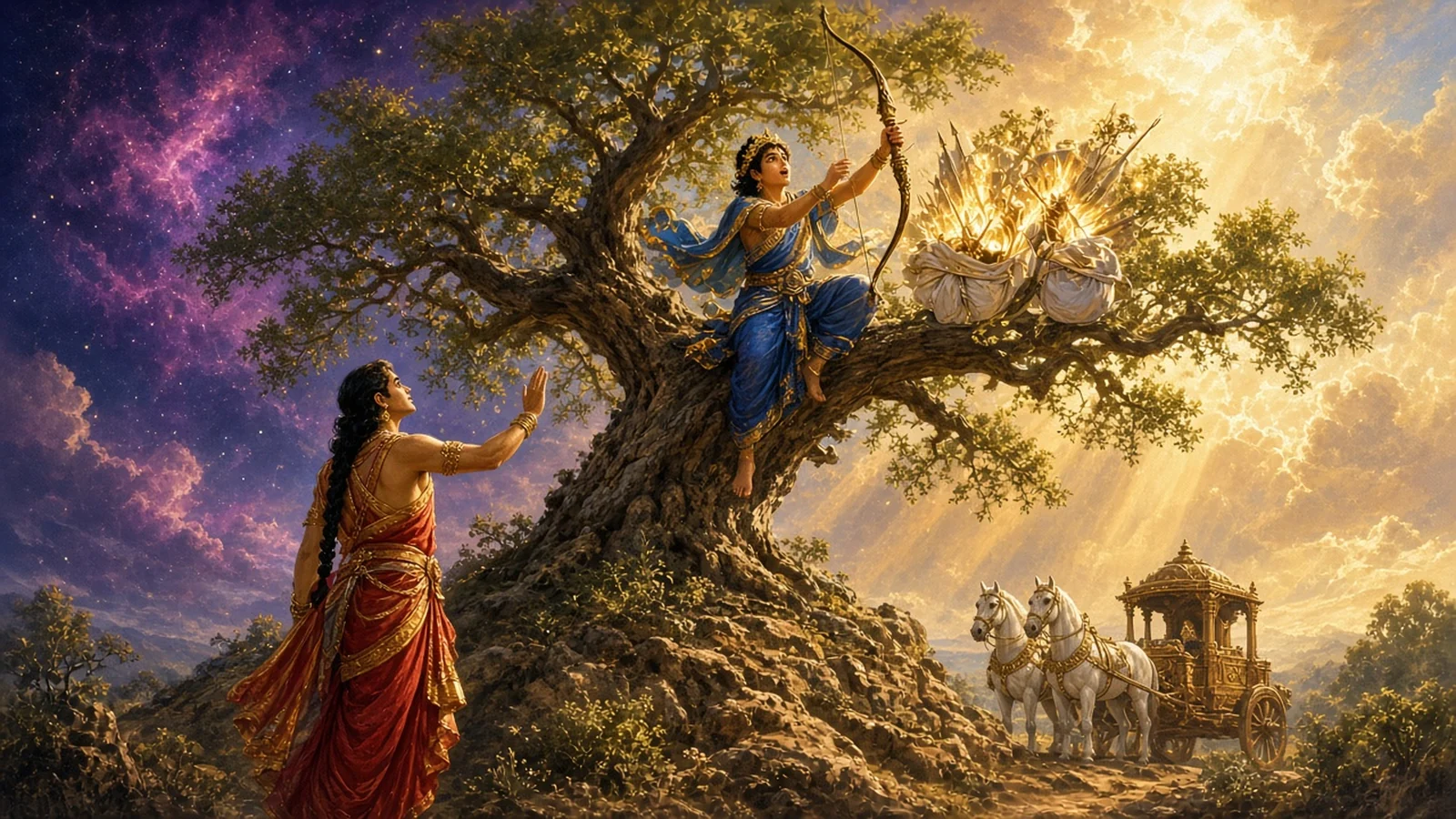
On Vijayadashami the family worships the shami tree in the palace, and in the afternoon the Chief Minister showers flowers on the goddess in the golden howdah. A maharaja rode in it until the late 1960s; when the privy purses ended in 1971 and the state took the festival on, her image took his place. The procession walks to Bannimantap, the pavilion of the banni tree, where the tree is worshipped, and the night ends with the torchlight parade, the Panjina Kavayatthu. The banni is the shami of The Bows in the Shami Tree.
In the old texts
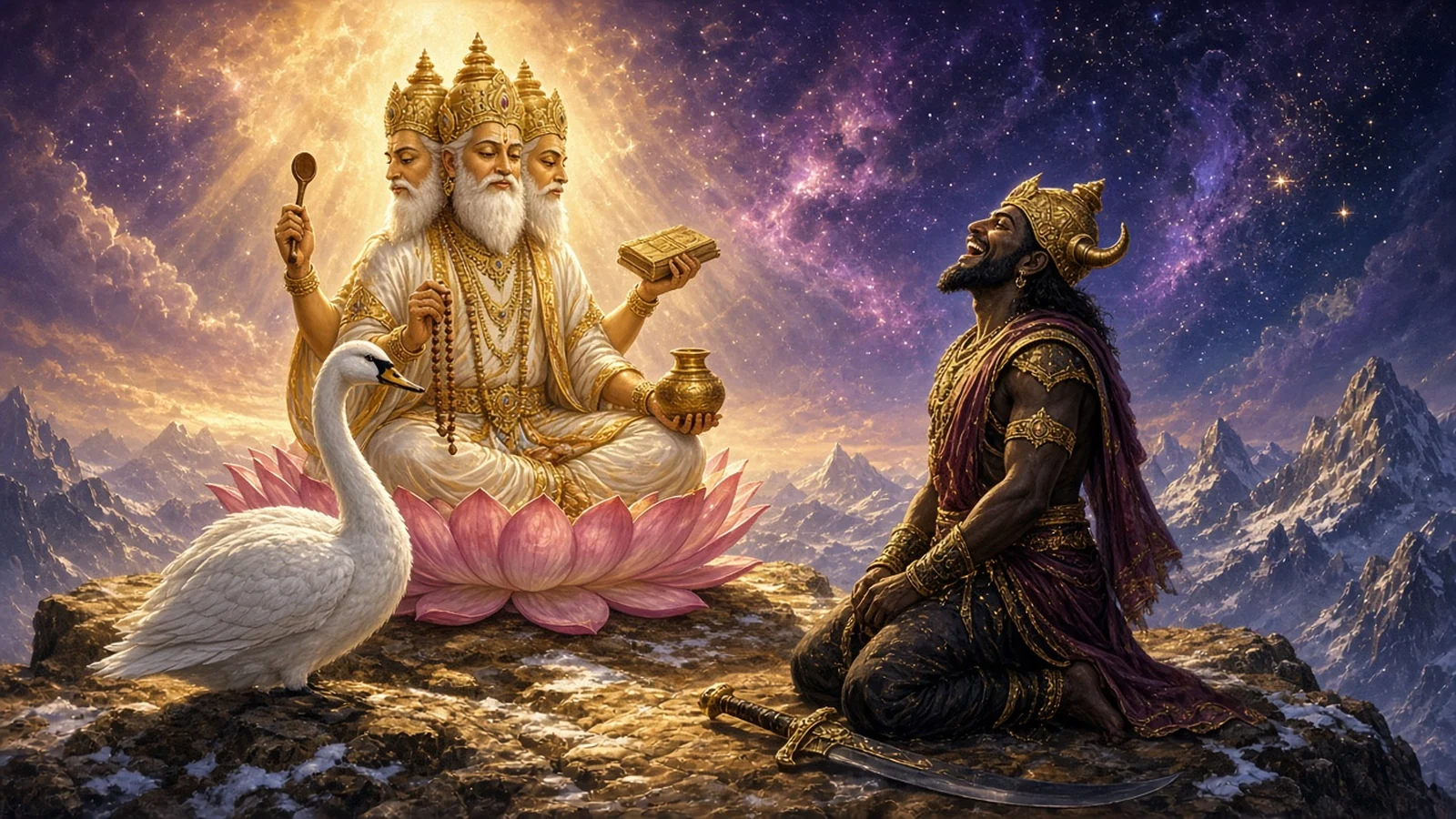
The goddess's battle is the Devi Mahatmya's, in the Markandeya Purana, chapters 81 to 93, recited in the nine nights; the Devi Bhagavata Purana tells it again, with Brahma's boon, and his boon is told in The Boon Mahisha Asked For. Mysuru's own goddess and her sister are in no Purana: their text is the Kannada ballad Bettada Chamundi, collected by P. K. Rajasekhara and translated by Caleb Simmons.
The festival's history is in the travellers and the court. Abdur Razzaq described a festival at Vijayanagara in 1443, though the historian Robert Sewell doubted it was the same one; Domingo Paes in 1520 and Fernão Nuniz after him saw the nine days at the House of Victory, the wrestlers, the sacrifices and the throne of gold and gems used once a year. The poet Govinda Vaidya described Kanthirava's Mahanavami of 1647, and C. Hayavadana Rao's History of Mysore, written in 1943, gathers the chronicles of 1610 and after.
Where this page comes from. Written by Devalok from the Karnataka government's Dasara programme, the Mysuru district and Mysuru Dasara accounts, Wikipedia, The Hindu, Star of Mysore, India Today, the Bangalore Mirror and The New Indian Express, C. Hayavadana Rao's History of Mysore (1943), Caleb Simmons's translation of the ballad Bettada Chamundi, Robert Sewell's translation of the chronicles of Paes and Nuniz, the Archaeological Survey's account of the Mahanavami platform at Hampi, and Drik Panchang's almanac for the dates, as recorded in the Devalok Lore. Our own words throughout.