Devalok ← All gods
Also calledApsarasApsaraAccharānymphs of heavenUrvashiMenakaRambhaTilottama

In short

Who are the Apsarases?
The dancers of Indra's heaven, women of the sky and the waters who dance while their partners the Gandharvas play. The best known are Urvashi, Menaka, Rambha and Tilottama.
Where did they come from?
The Ramayana says they rose out of the ocean of milk when it was churned. Some have their own births; Vishvakarma made Tilottama from a grain of every jewel.
Why does Indra send them to sages?
A sage's long penance builds a power that could take Indra's throne, so Indra sends an Apsaras to break it. Sometimes it works, as with Menaka and Vishvamitra; sometimes the sage sends her home.
Are they in the Vedas?
Yes, as nymphs of the waters, wives of the Gandharvas. Urvashi is the only one the Rigveda names.

Artwork ›

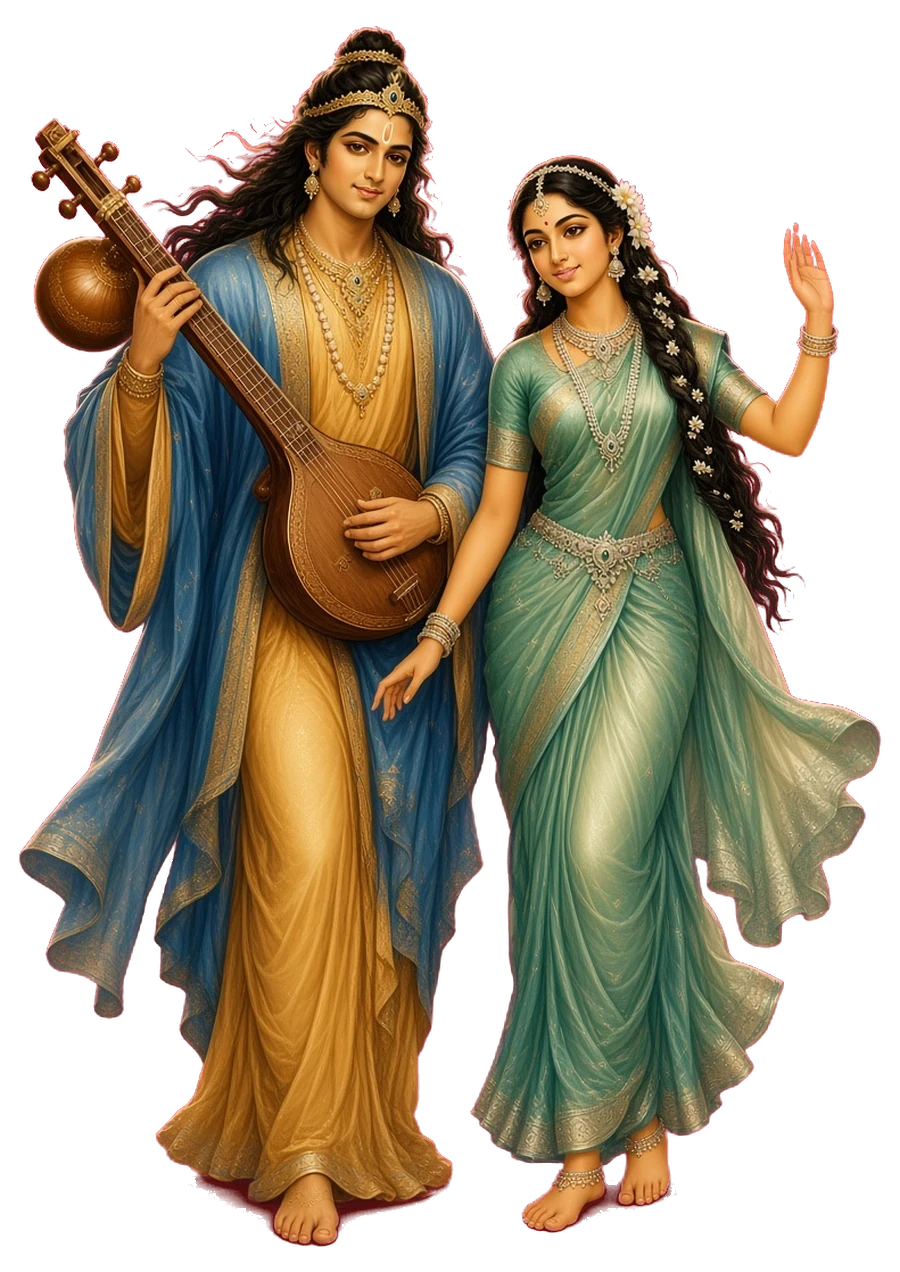
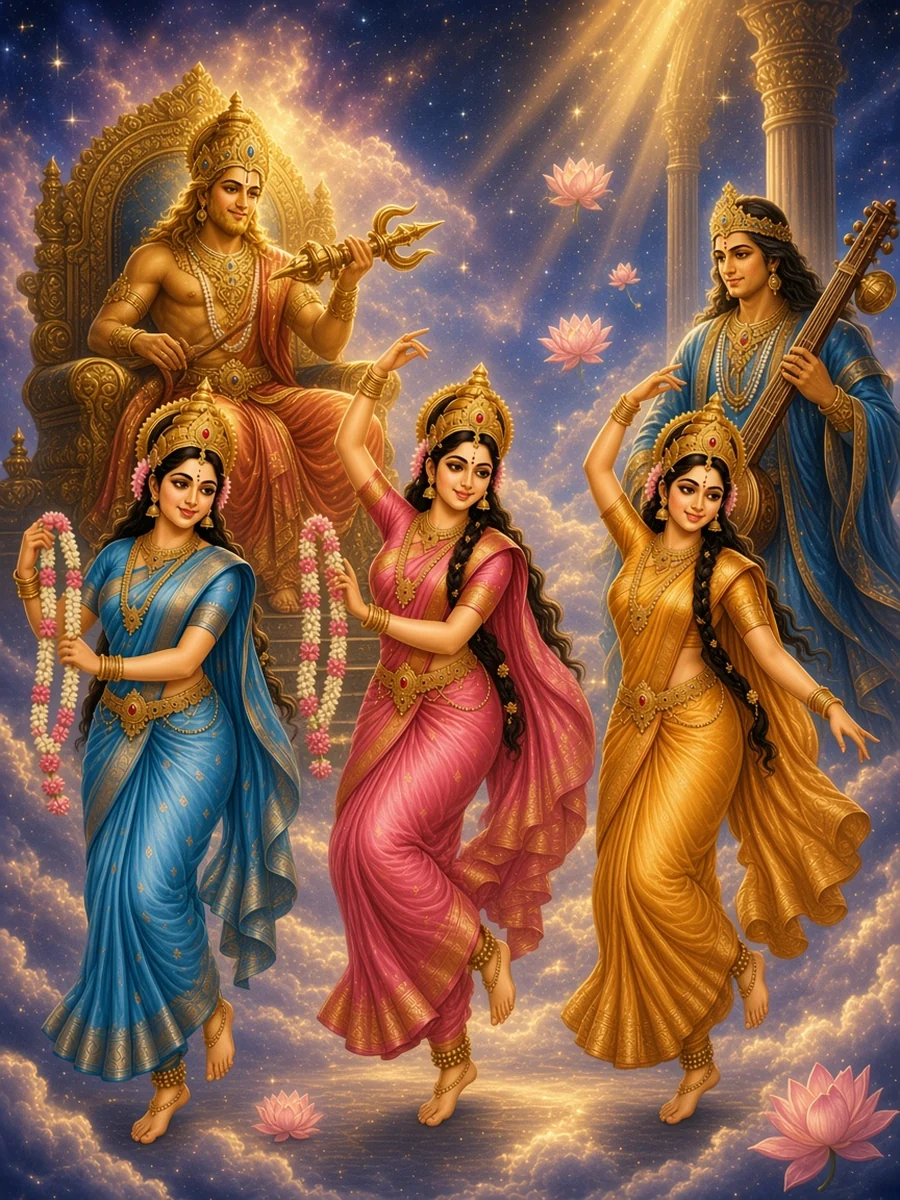
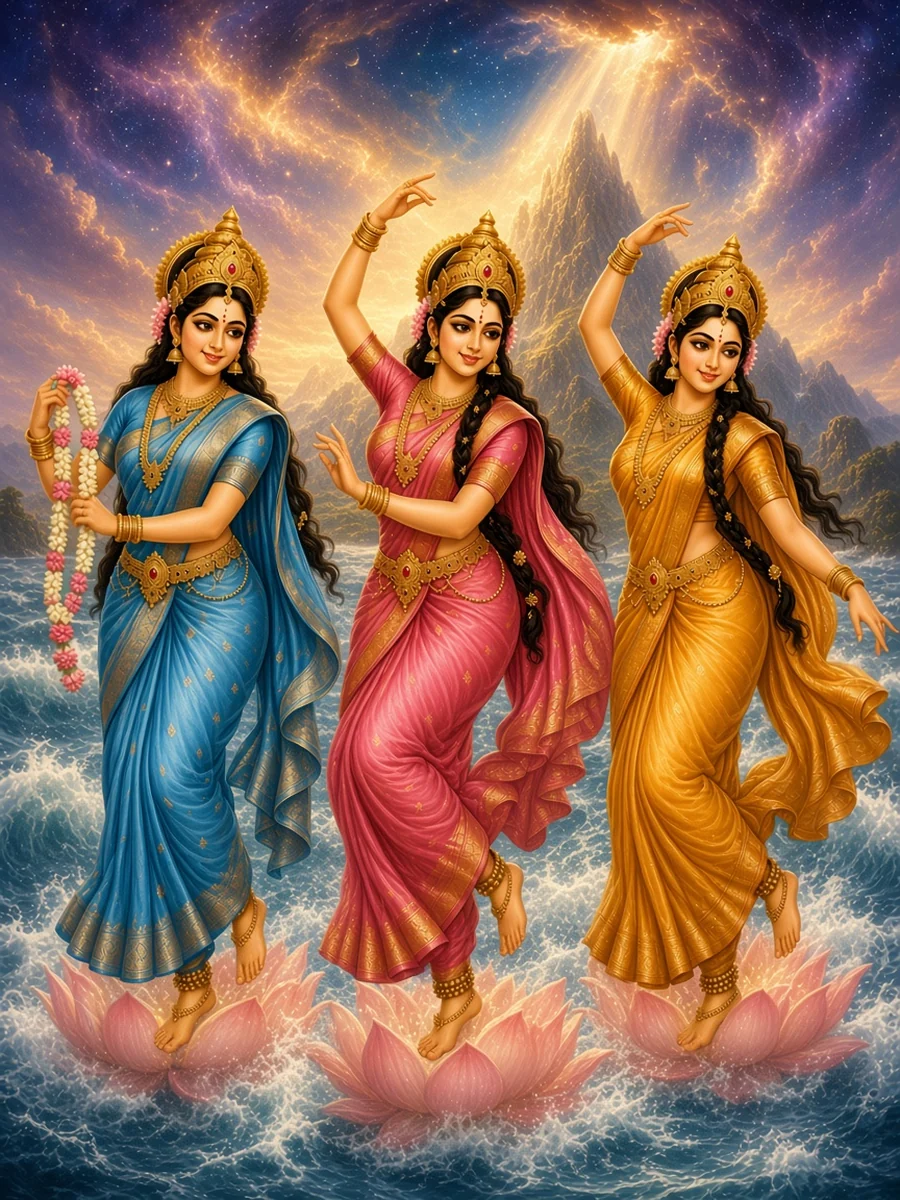
Dancing in Indra's hall to the Gandharvas' music Born from the churning of the ocean of milk

For kids

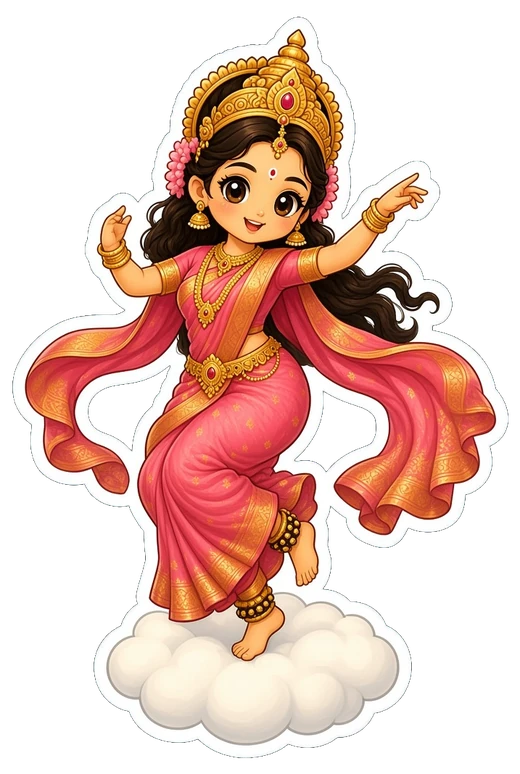
Twirl first, ask later
Welcome to heaven
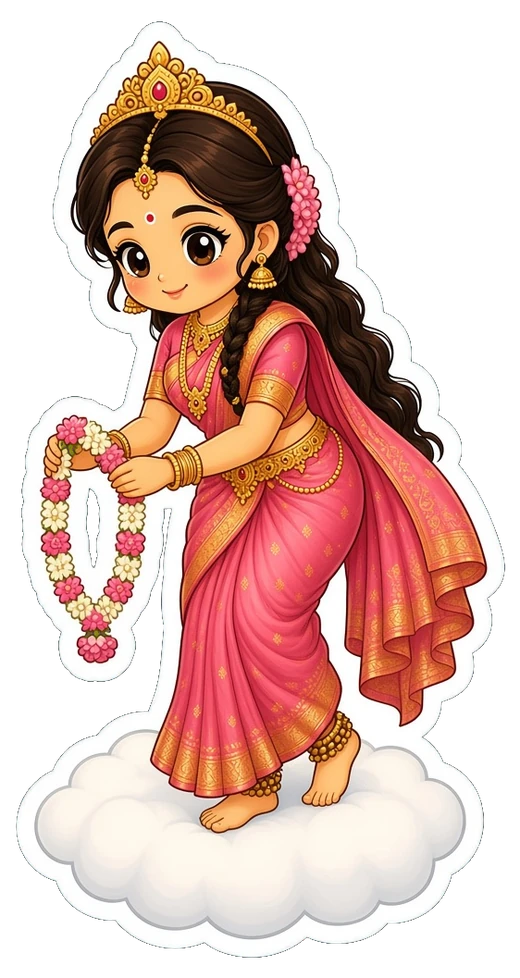
Welcome to heaven

At a glance

TraditionPan-Hindu
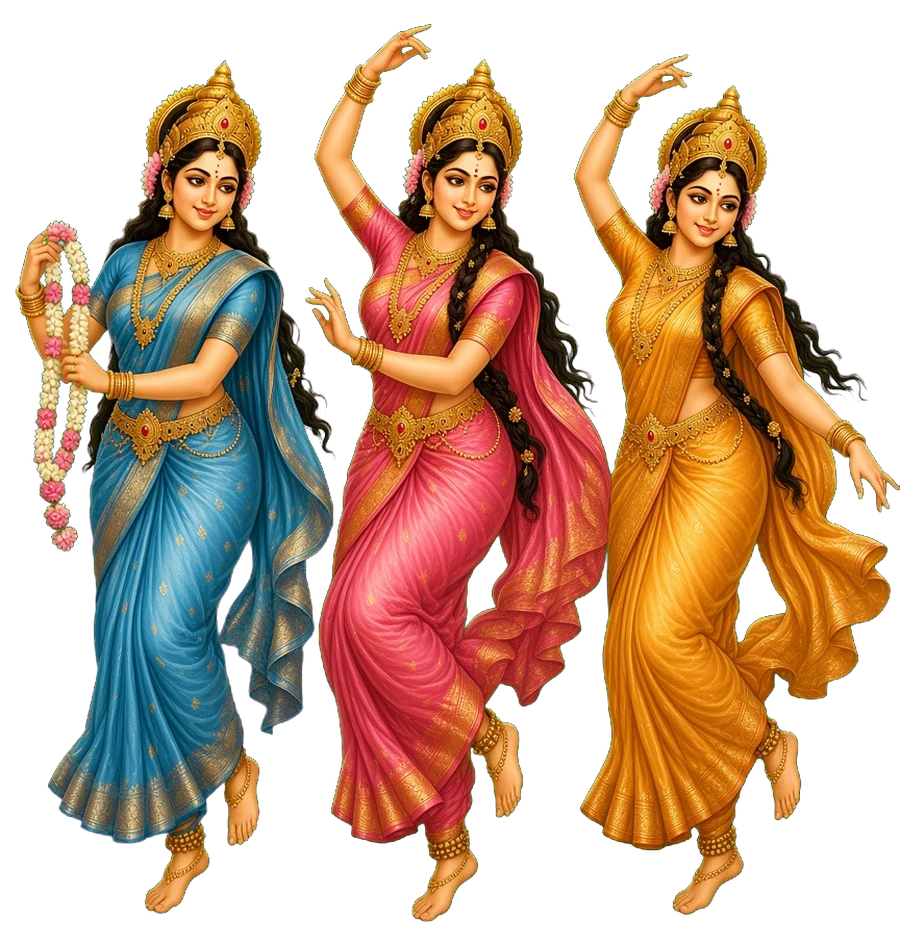
FormYoung women of heaven in silk and jewels, dancing, or flying with garlands and streaming scarves
HomeIndra's heaven and its hall of dance

in the older texts the waters, forest lakes, rivers and the great fig trees

Who The Apsarases is

The Apsarases are the dancers of heaven. In Indra's hall, while the Gandharvas play and sing, they dance before the gods, and the epics and Puranas never tire of saying how lovely they are. They can fly, change their shape and pass between heaven and earth, and they bathe in the forest lakes and rivers of the world below.

The Ramayana tells where they came from. When the gods and demons churned the ocean of milk, sixty crores of Apsarases rose out of the water, with servants beyond counting. Neither gods nor demons took them as wives, and so they belong to no one. The Ramayana hears their name as born of the waters, and the Veda knew them as women of the waters long before.

Their hardest work is Indra's. When a sage's penance grows hot enough to threaten Indra's throne, Indra sends an Apsaras to draw him out of it. Menaka won the great Vishvamitra for ten years, and their daughter was Shakuntala. Pramlocha stayed with the sage Kandu so long that he took nine hundred years and more for a single day. Rambha was turned to stone for trying. And when Indra sent the women of heaven to Nara and Narayana at Badari, the sage welcomed them as guests and sent them home with Urvashi, lovelier than any of them.

Apsara jaram upasishmiyana yosha bibharti parame vyoman: the Apsaras, the young woman, smiling, holds her beloved in the highest heaven (Rigveda 10.123.5).

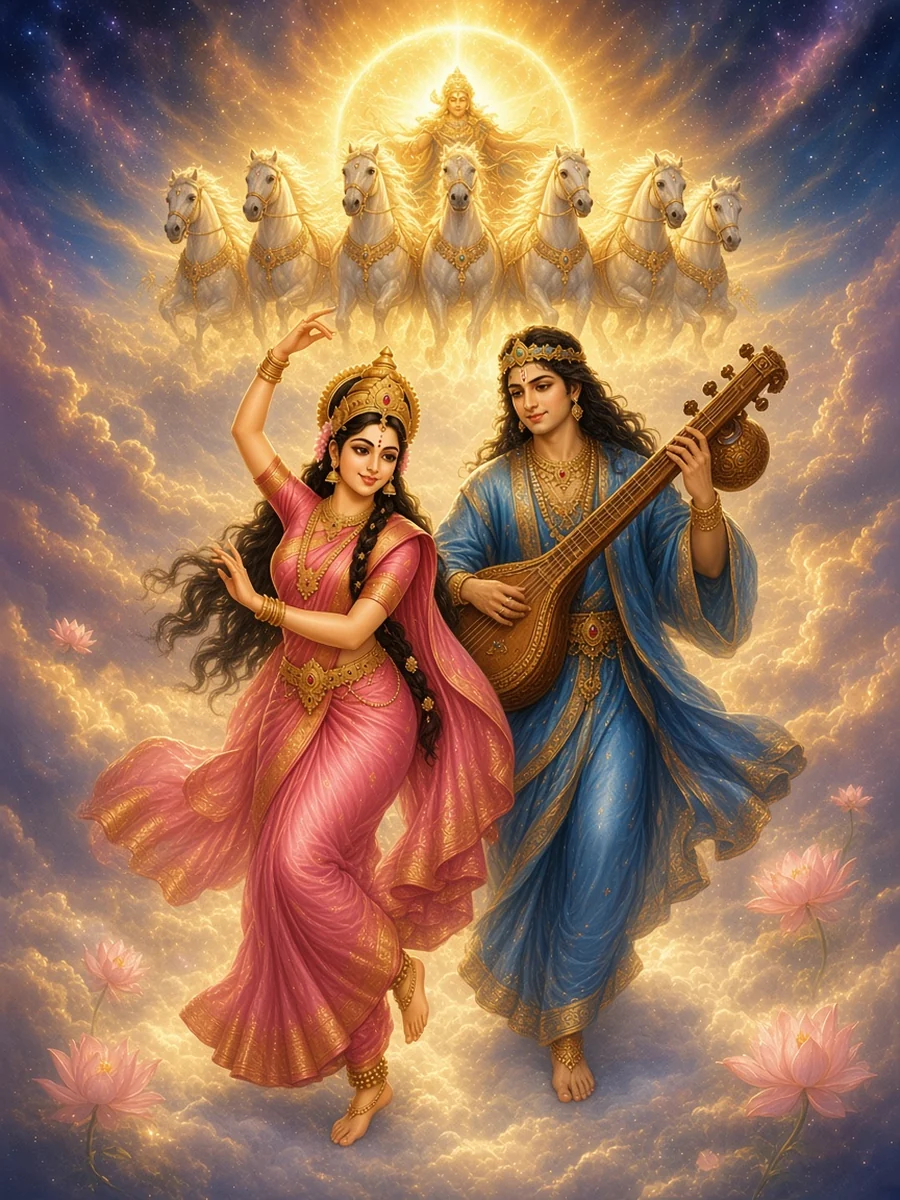
Urvashi is the oldest of them and the most famous: the Rigveda keeps her quarrel with King Pururavas, and the mother of the sage Vasishtha is an Apsaras. Ghritachi was the mother of a king's hundred daughters, and Tilottama was made by Vishvakarma, grain by grain, from every jewel. The Vishnu Purana sets one Apsaras dancing before the chariot of the sun in every month of the year.

Their stories on this site: The Woman Made of Jewels, Ten Years Like One Day and The Curse That Hid Him, then Urvashi and Pururavas, Two Sages from One Jar, The Guests Indra Sent, The Father Who Was Born Twice, The Hundred Daughters of Kushanabha and The Guest at the Wedding.
Before the Puranas

The Vedic roots of The Apsarases

The Apsarases are among the oldest beings in the Hindu stories, and the Rigveda already knows them as women of the waters. It names them only five times, as Arthur Macdonell counted, and gives only one of them a name, Urvashi. The hymn to Vena sees an Apsaras smiling as she holds her beloved in the highest heaven (10.123.5); the Apsarases of the sea flow towards the Soma (9.78.3); and the long-haired ascetic of 10.136 can travel on the path of the Apsarases and the Gandharvas. Macdonell took the woman of the waters, the Gandharva's wife, in the hymn of Yama and Yami (10.10.4) to be one of them as well.

Urvashi has two places in the Rigveda. In 10.95 she speaks with her mortal husband Pururavas beside a lake, after four autumns among men, and will not come back. In 7.33 the priest Vasishtha is called the son of Mitra and Varuna, born of their love for Urvashi, and in the next verse he springs from the Apsaras.

The Atharvaveda says more, and is warier. Their home is in the sea, from which they come quickly and vanish (2.2.3). They are the Gandharvas' wives, haunters of the dark, lovers of dice and maddeners of the mind (2.2.5), and one hymn calls an Apsaras to win at dice (4.38). Another drives them off with a strong-smelling herb, back to the river and the ford, away from the fig and banyan trees where their swings hang and their lutes and cymbals sound (4.37). The Vajasaneyi Samhita names Urvashi and Menaka, and the Shatapatha Brahmana tells how Urvashi and her friends swam on a lotus lake in the shape of water birds (11.5.1) and counts Shakuntala, from whom the Bharata kings descend, as an Apsaras.

Macdonell read the oldest Apsaras as a nymph of the waters of heaven who spread, in the later Vedic texts, to the earth and its trees, and in the epics to forest lakes, rivers, the Ganga and the mountains. The epics and Puranas then made them the dancers of Indra's court and his messengers to the sages, and the Ramayana gave them a new birth at the churning of the ocean.

See how the Vedic gods became the Puranic ones →

Related gods