Who Mahakala is
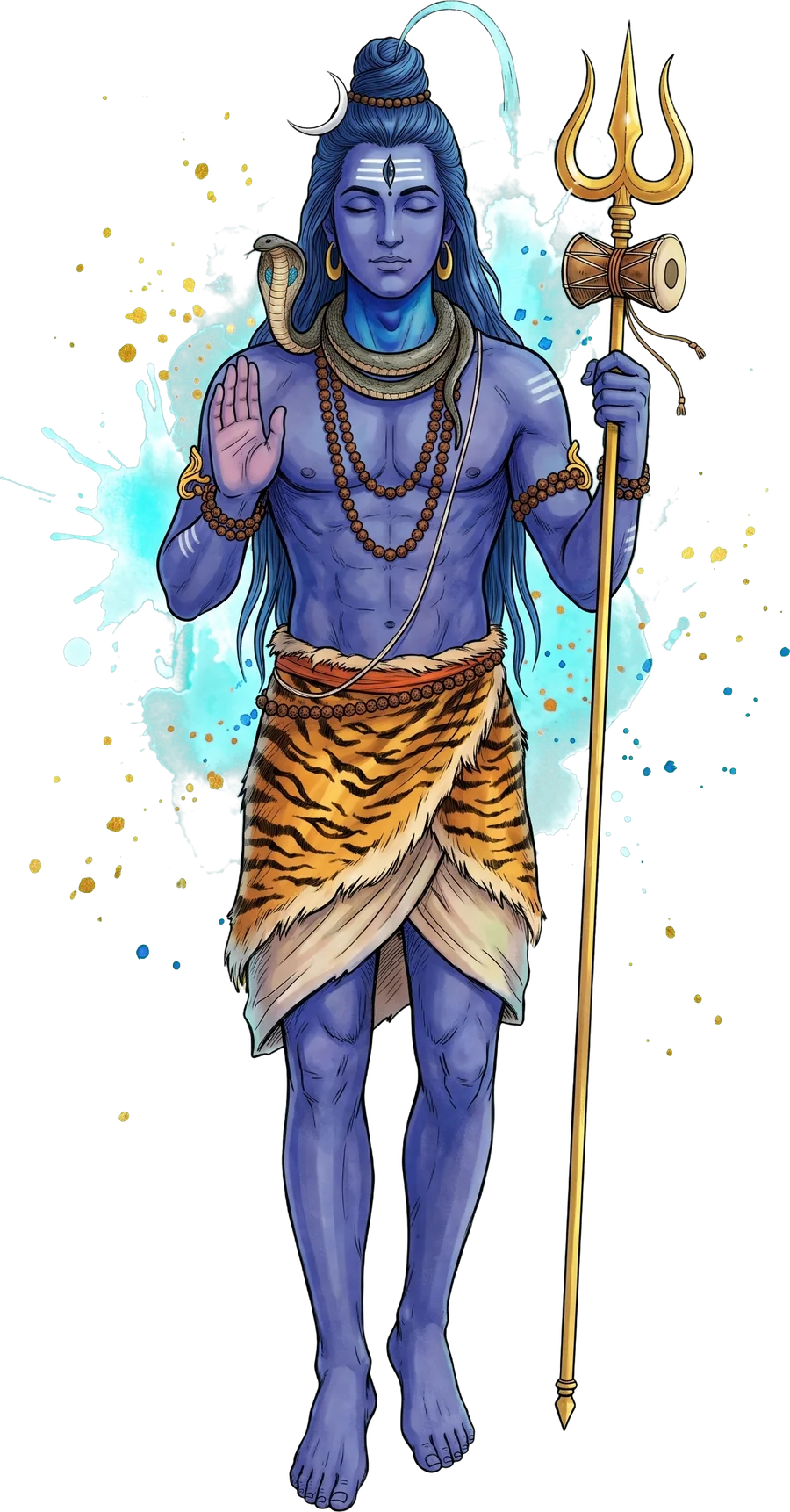
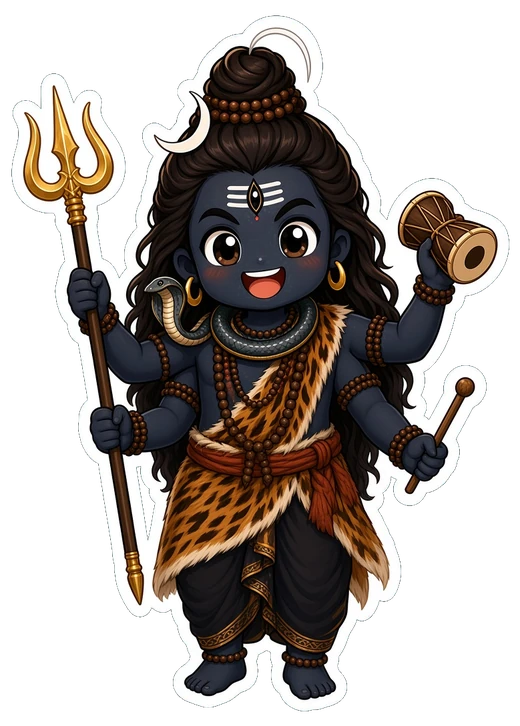
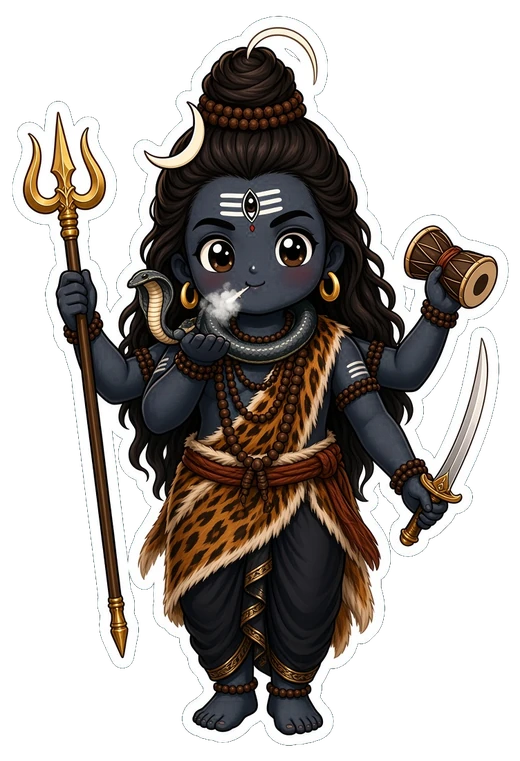
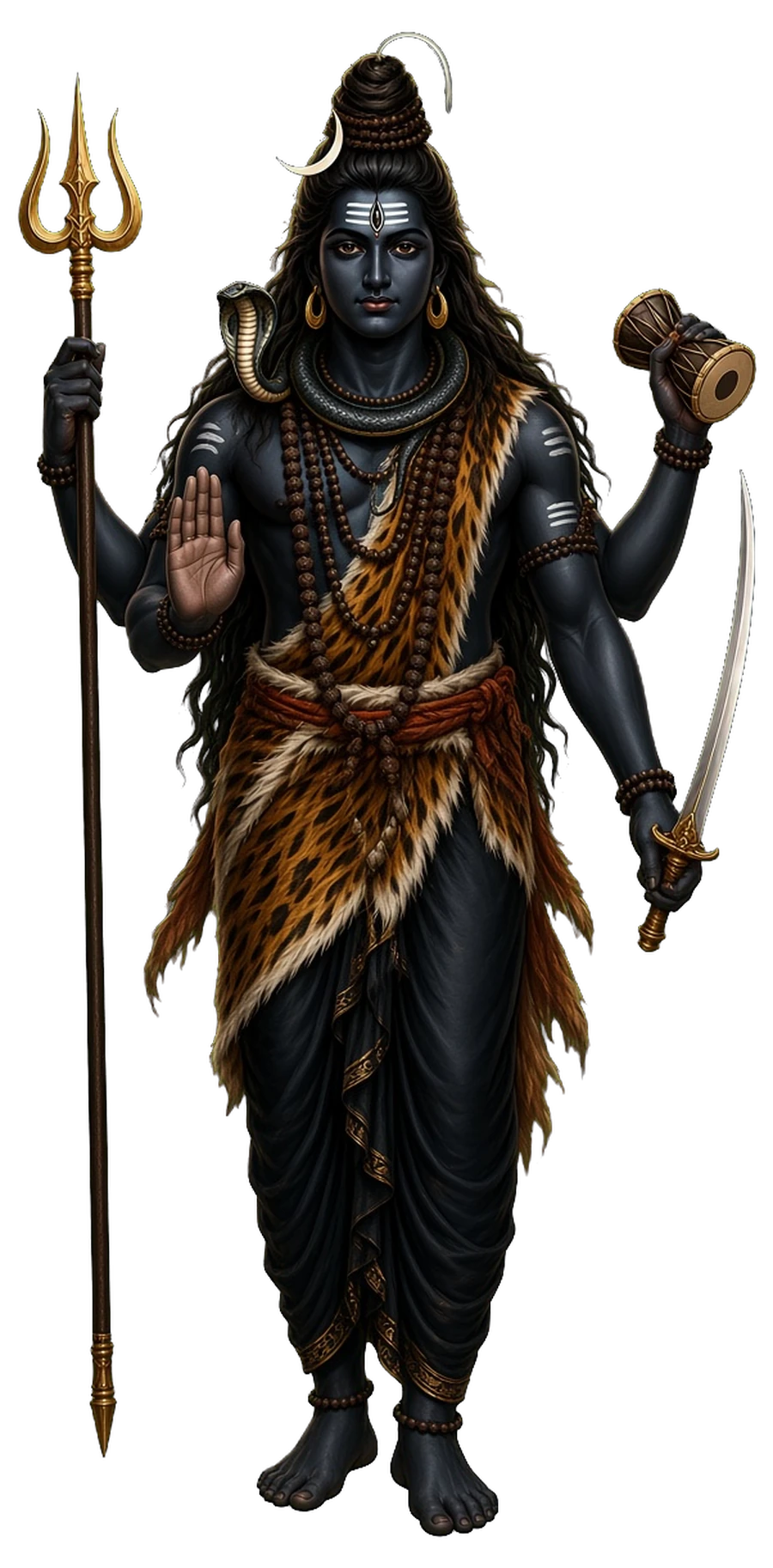
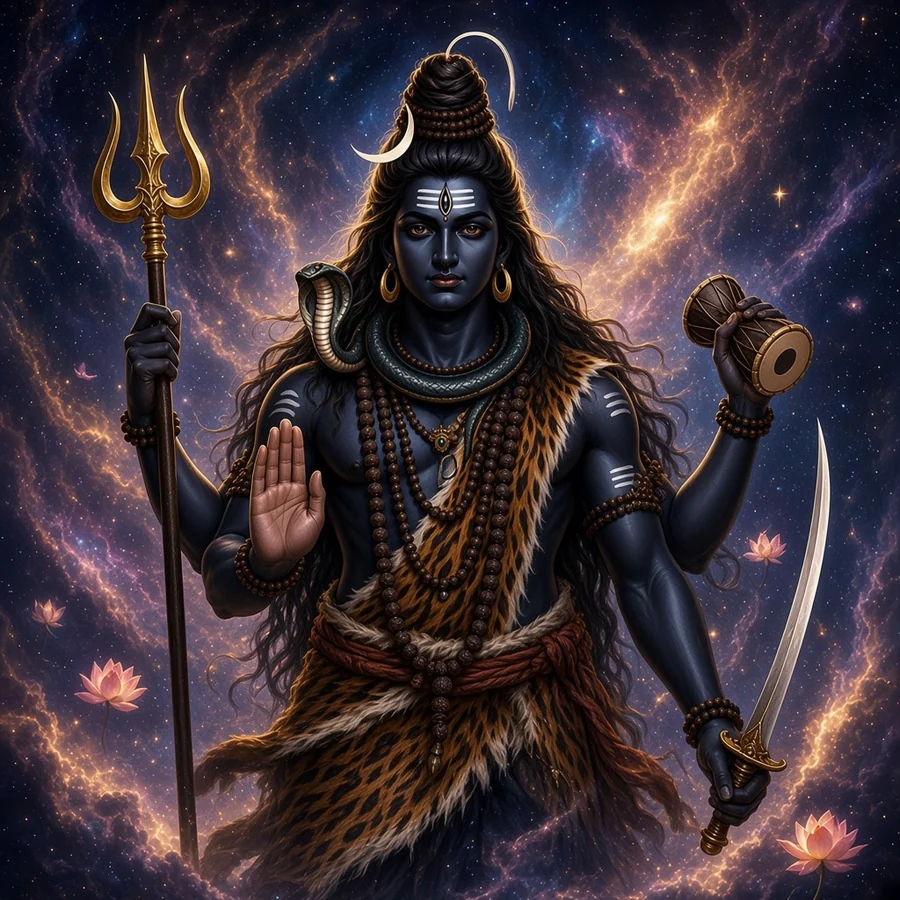
Mahakala is Shiva as great time. The name joins maha, great, and kala, a word that means both time and death, and the god it names is the one who outlasts both. When an age ends and everything is gathered back, the tradition holds, Mahakala and Mahakali are the power that does the gathering. He is dark, and the tantric books give him four arms, three eyes, a trident and a drum, skulls for ornaments and the cremation ground for a home.
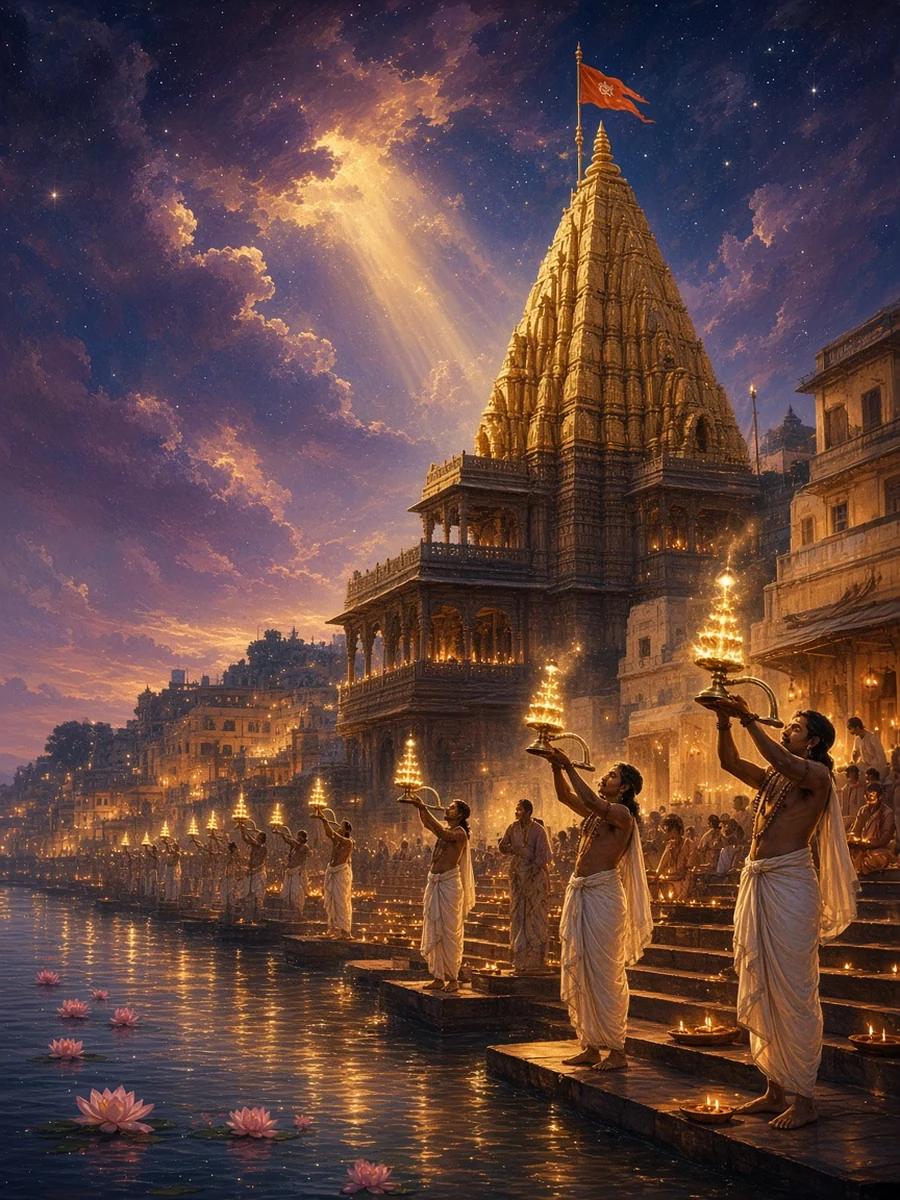
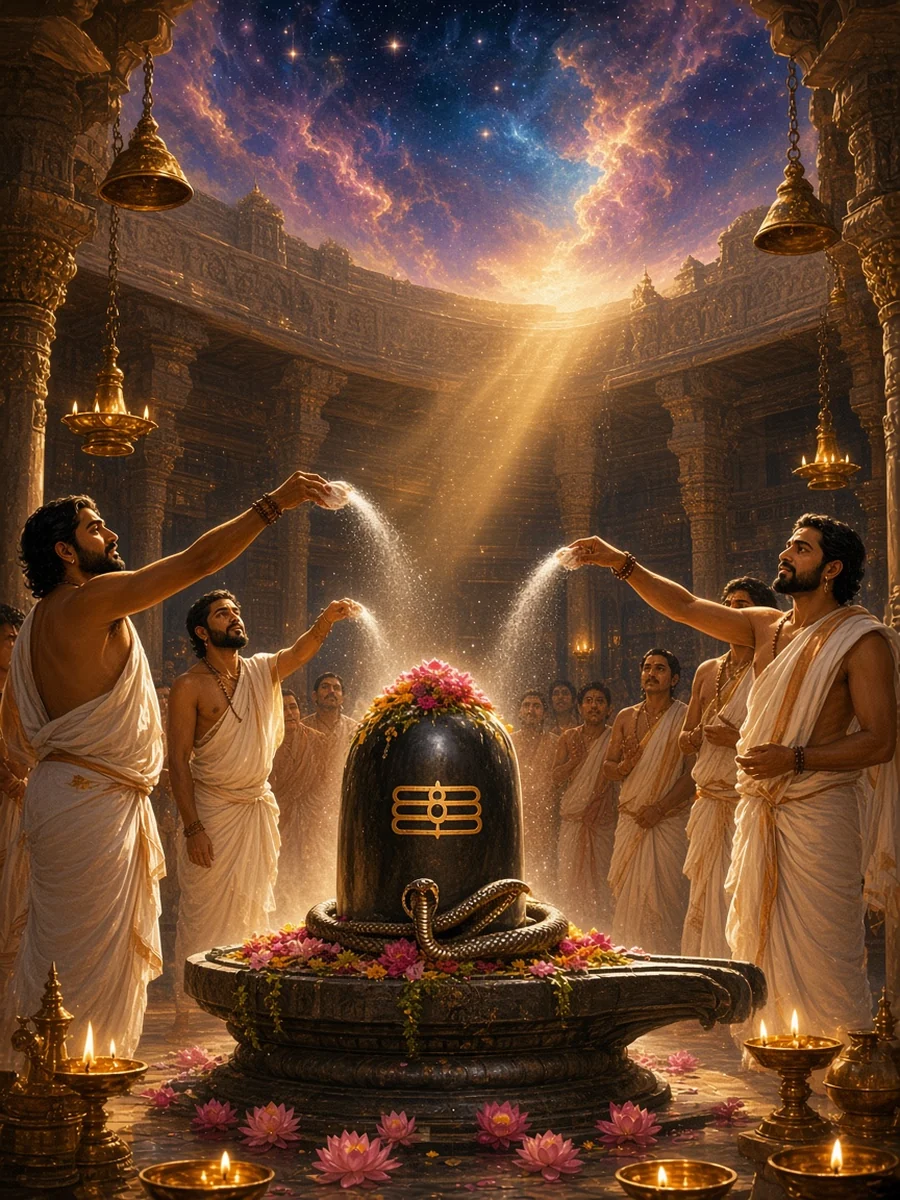
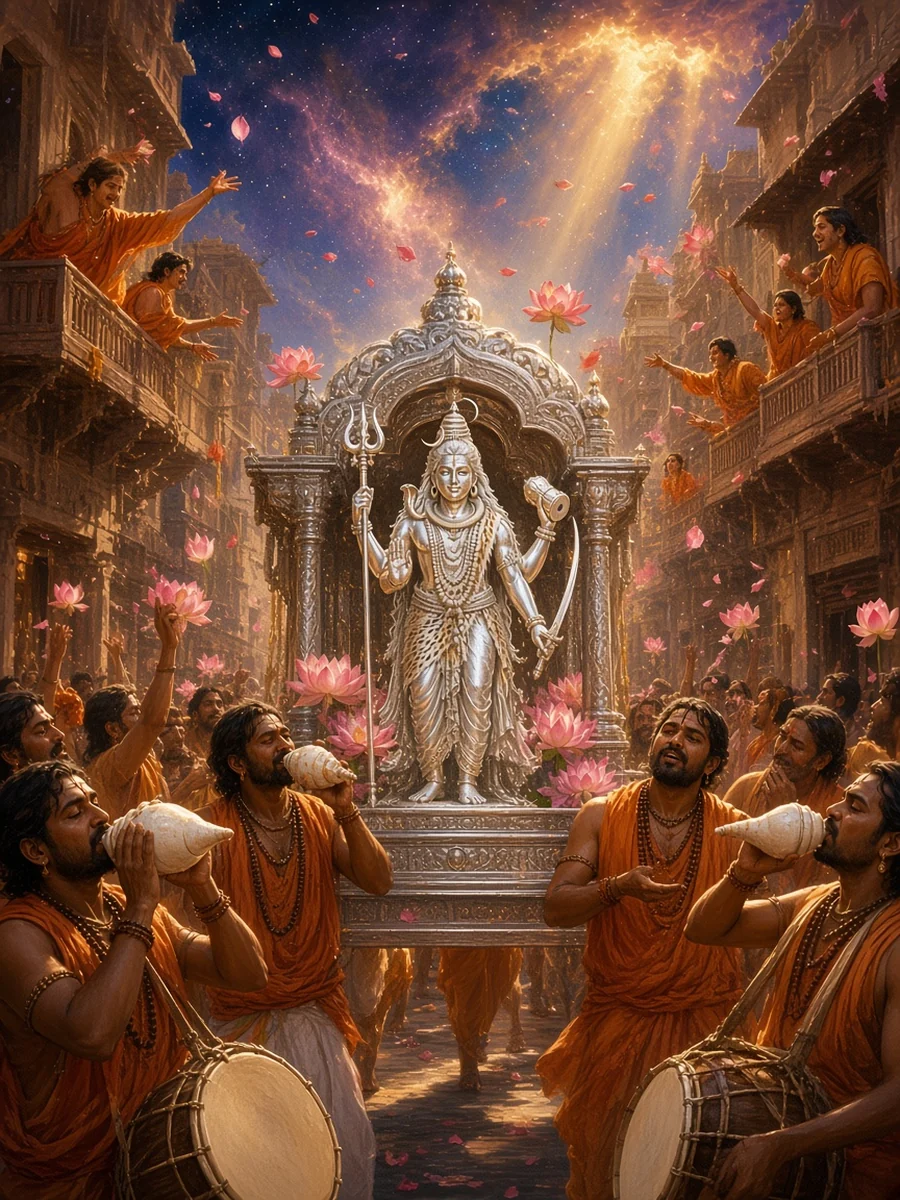
His city is Ujjain, the old Avanti on the river Shipra, where he is one of the twelve jyotirlingas, the pillars of light. The Shiva Purana says he came up out of the ground there, beside a brahmin family's clay linga, when a demon besieged the city, and stayed in the pit because they asked him to. The Skanda Purana calls the land around him Mahakalavana, a cremation ground of the gods, where those who die are not born again. His linga faces south, alone among the twelve, the temple says. Before dawn every day the priests wake him with the bhasma aarti, an offering of ash, and in the rainy months of Shravan and Bhadrapada he rides through his city in a palanquin to the river.
Akalamrityoh parirakshanartham vande Mahakalamahasuresham: to guard us from untimely death, I bow to Mahakala, the great lord of the gods (Dvadasha Jyotirlinga Stotram).
He travelled far beyond India. Buddhist monasteries took him in as a protector, and in the seventh century the pilgrim I-tsing found his black wooden image beside the kitchen pillar, fed at every meal. In Tibet he guards the teaching, and in Japan he became Daikokuten, the smiling god of rice bales.
His stories on this site: The Roar from the Pit, The Cowherd Boy's Pebble and The Black God in the Kitchen. Ujjain's guardian Kal Bhairav is in The God Who Drinks at Ujjain, the Mahakali of Ujjain in The Vow at Ujjain, his Shravan procession in The Merchant Who Asked for a Son, and Kalidasa's cloud thunders at his evening worship in The Cloud Messenger. Shiva's victory over Death himself is Markandeya and the Noose of Death.