Devalok ← All gods
Also calledShukracharyaUshanasKavyaUshanas KavyaBhargavaKaviVenus

In short

Who is Shukra?
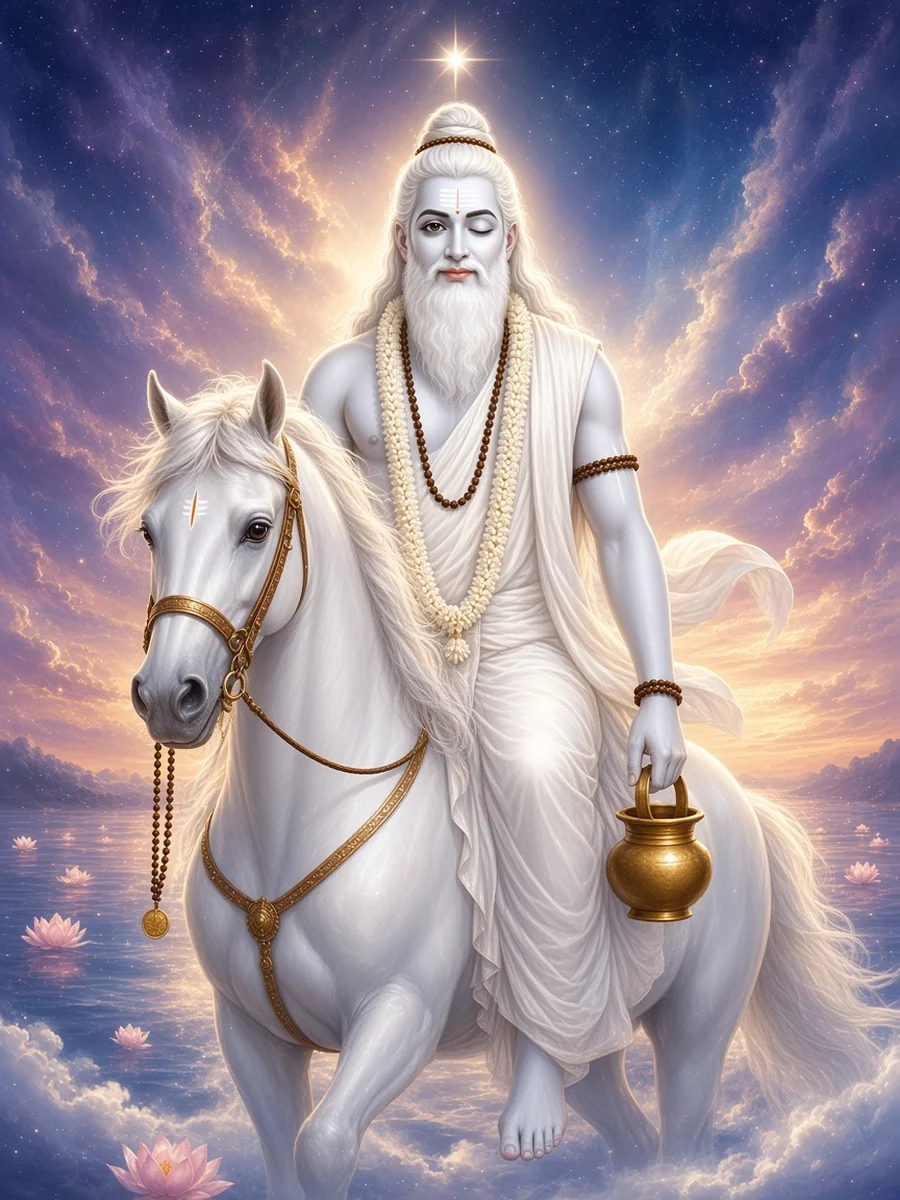
The teacher and priest of the Asuras, a son of the sage Bhrigu, and the planet Venus. He is the rival of Brihaspati, who teaches the gods.
What is the Sanjivani?
The knowledge of bringing the dead back to life. Shukra won it from Shiva by a long penance, and with it he raised the Asuras the gods had killed.
Why does Shukra have only one eye?
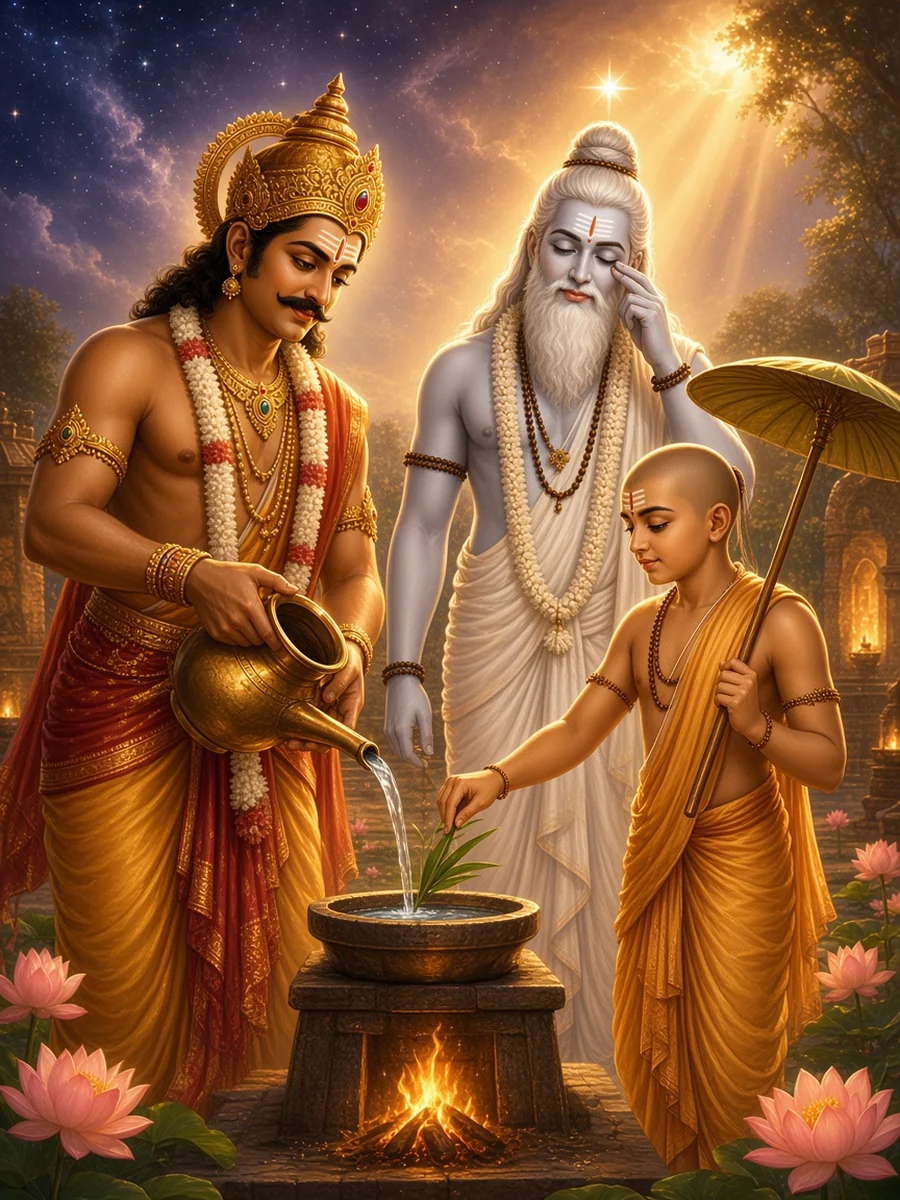
When King Bali poured water to give the dwarf Vamana three steps of land, Shukra tried to block the spout of the vessel, and the grass Vamana pushed into it put out one eye. The Tamil hymns and later retellings tell it; the Bhagavata does not.
Which day belongs to Shukra?
Friday, Shukravara, the day of Venus. Among the nine planets he is the white one.

Artwork ›

Shining in the evening sky as Venus The blade of grass that cost him an eye

For kids

I've got my eye on you
Friday is my day
Friday is my day

At a glance

TraditionSmarta
FormA sage

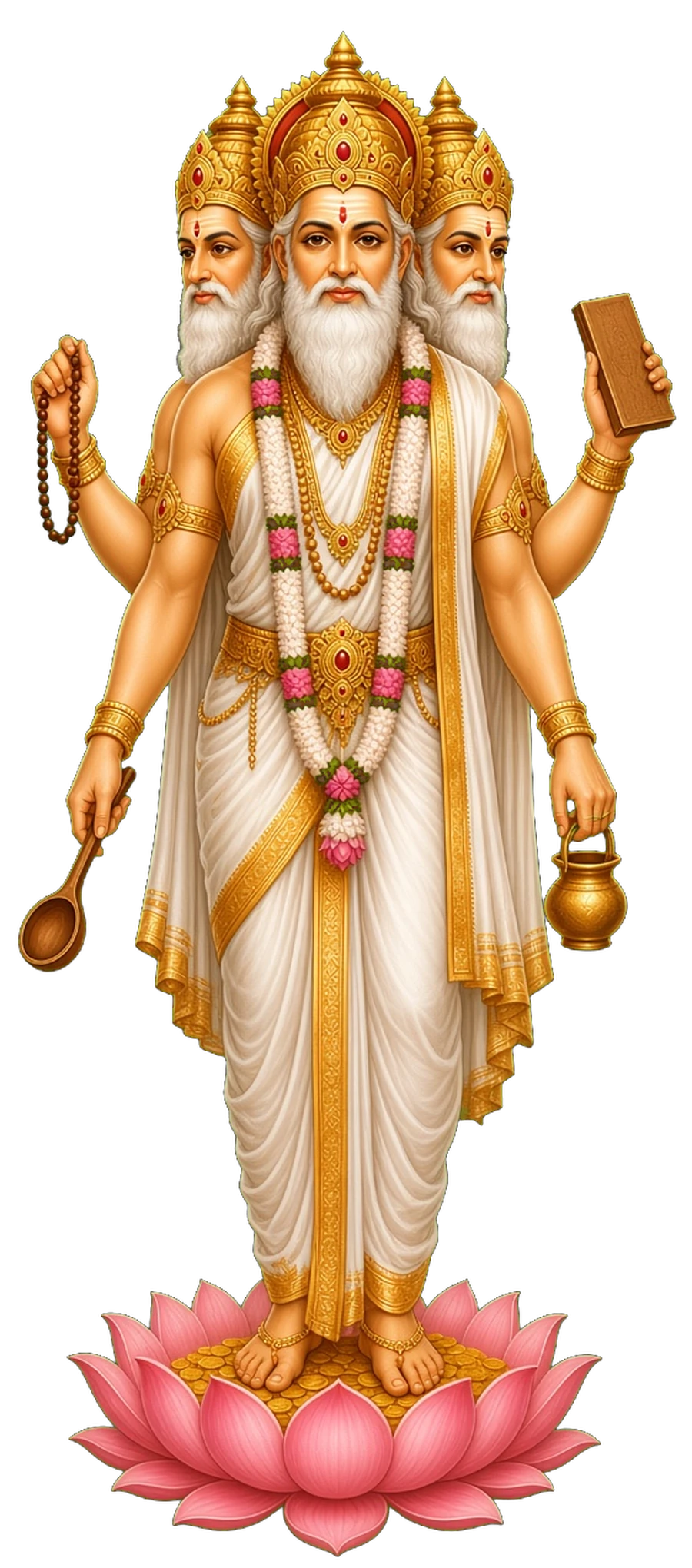
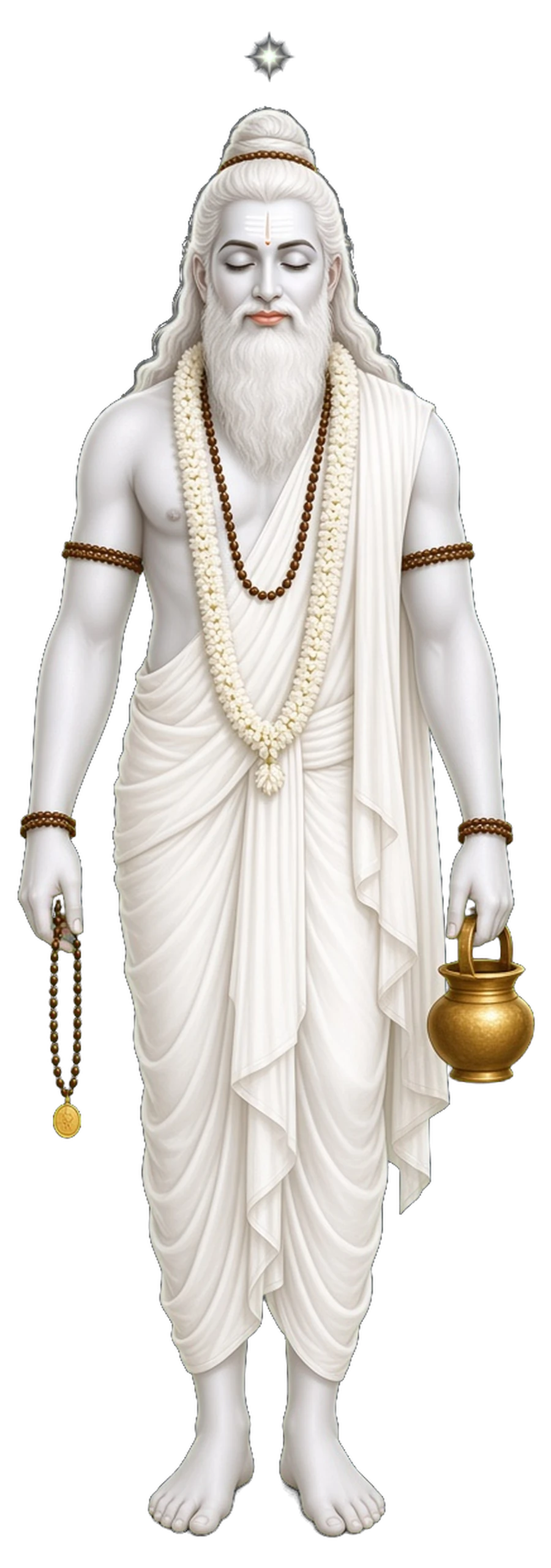
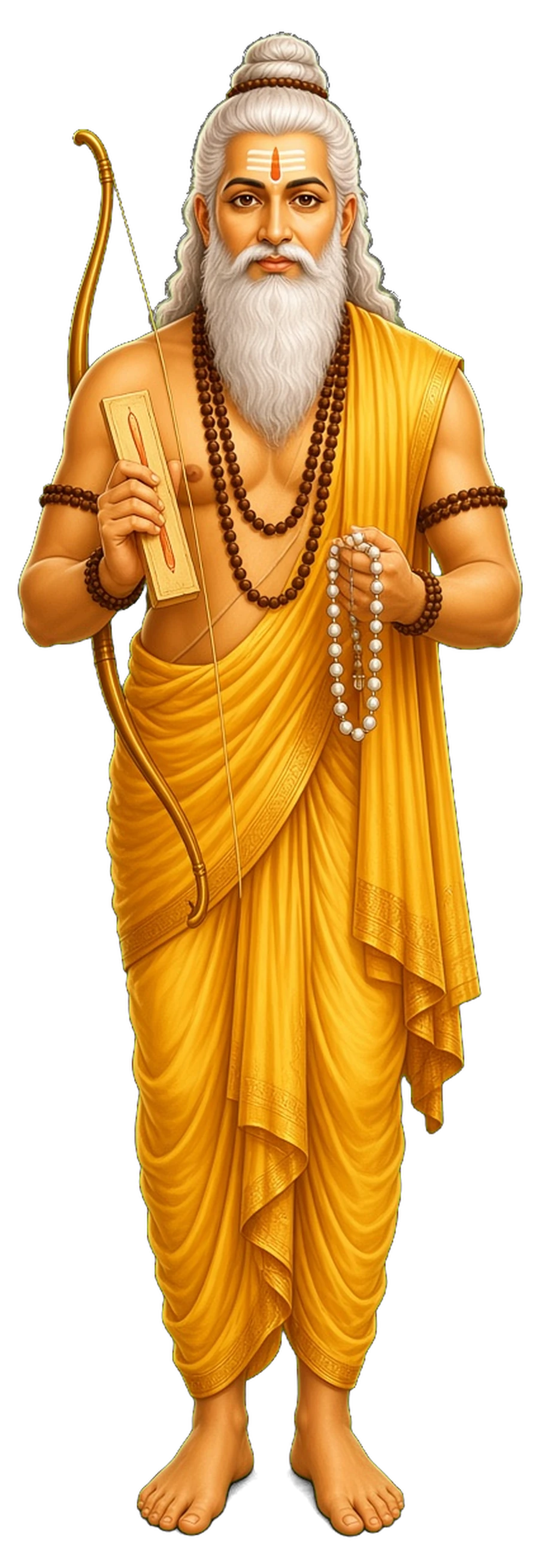
white as snow and the jasmine flower, with a water pot and a garland

The eyeOne eye

the other lost to the grass in Bali's water vessel

Who Shukra is

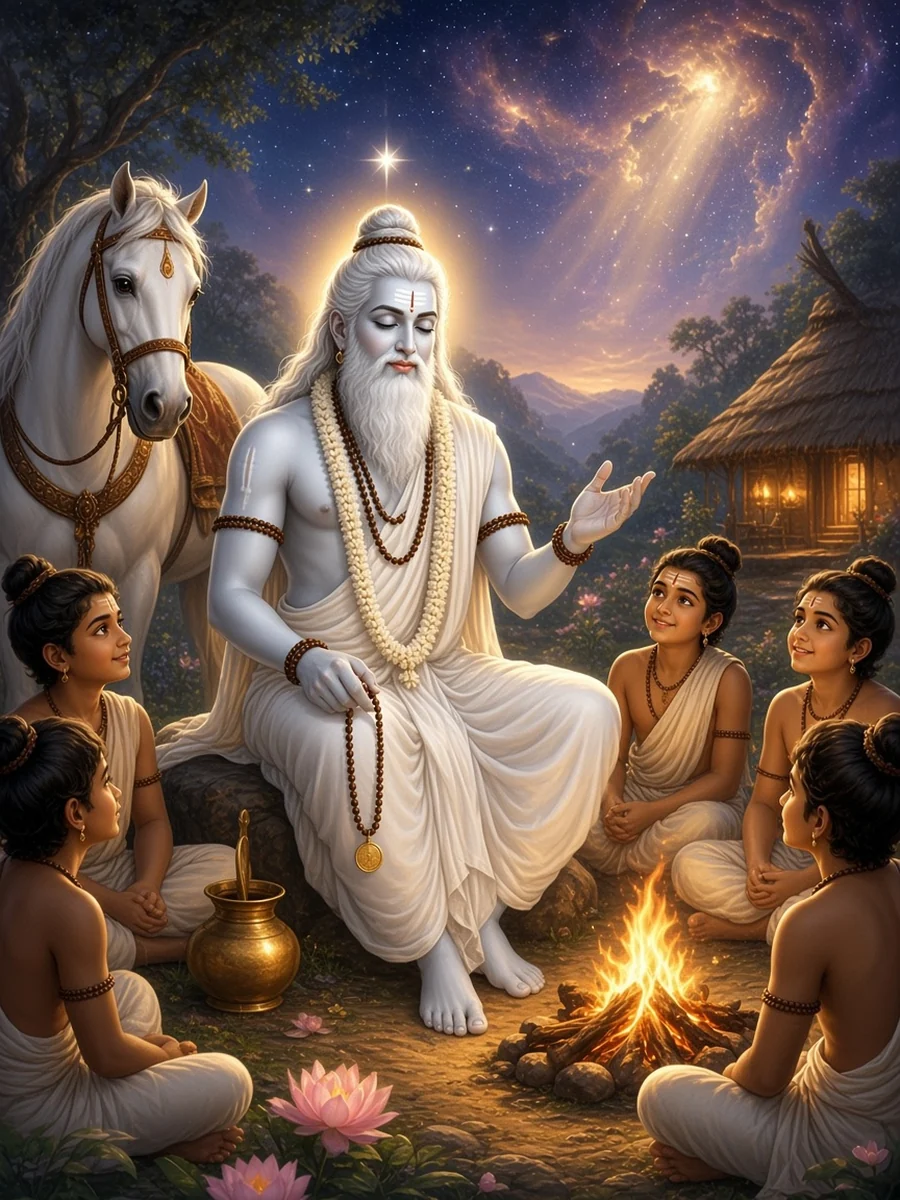
Shukra is the teacher of the Asuras. Where the gods have Brihaspati as their priest, the Asuras have Shukra, and the two teachers spend the Puranas outwitting each other. He is a son of the great sage Bhrigu, so he is also called Bhargava, and the Mahabharata knows him best as Ushanas, or Kavya, the son of the seer.

His power is a single piece of knowledge. Shukra knows the Mritasanjivani, the words that bring the dead back to life, and he won it from Shiva with a penance of thousands of years. With it every Asura the gods cut down stood up again and went back to the fight. That is why Brihaspati's son Kacha came to study in his house, and why Shiva once swallowed him whole in the middle of a battle. He came out of the god reborn, and that, the texts say, is how he got the name Shukra.

He is fierce and proud and easily wounded, above all through his daughter Devayani. For her sake he threatened to leave the Asuras for good, and for her sake he cursed King Yayati with old age. He tried to stop King Bali from giving the dwarf Vamana three steps of ground, cursed his pupil when he would not listen, and in the tellings of the south and of later times lost an eye for it. A rule against drinking wine is laid down in his name.

He is also a planet. Shukra is Venus, the bright star of morning and evening, and Friday, Shukravara, is his day. Among the nine planets honoured in temples and in household worship he is the white one, and the hymn to the nine planets bows to him in these words:

Himakunda mrinalabham daityanam paramam gurum, sarvashastra pravaktaram bhargavam pranamamyaham: White as snow, the jasmine and the lotus stalk, highest teacher of the Daityas, who speaks every science, Bhargava, I bow to you.

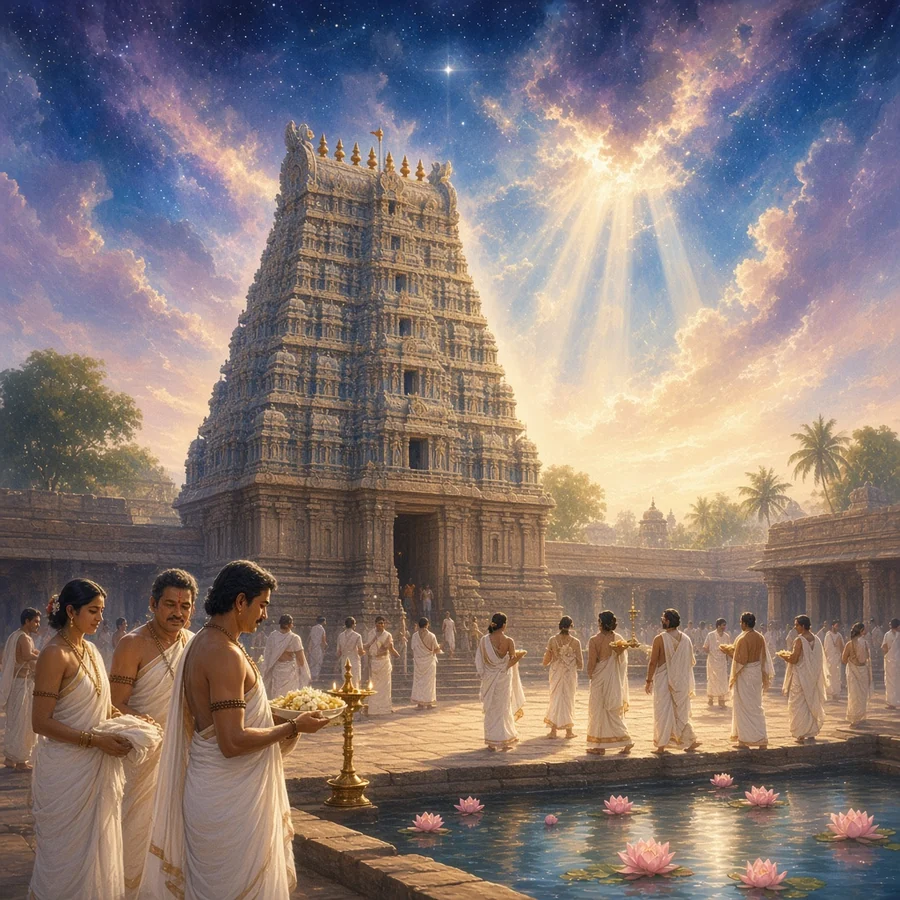
A book on kingship and statecraft, the Shukra Niti, goes under his name. At Kanjanur in Tamil Nadu his shrine is a temple of Shiva, and the people there say that Shukra lives inside the belly of the god.
Before the Puranas

The Vedic roots of Shukra

The Rigveda knows Shukra under his old name, Ushanas Kavya, and there he is a wise seer and a friend of Indra, not yet a teacher of the Asuras. Macdonell counts eleven mentions. Ushanas fashions the bolt with which Indra kills Vritra (1.121.12 and 5.34.2), helps Indra and Kutsa against the demon Shushna (5.29.9), drives home the cows (1.83.5) and sets Agni up as the priest of the sacrifice (8.23.17). In one hymn (4.26.1) Indra says that he himself is Kavi Ushanas.

His side changes in the books of ritual. The Taittiriya Samhita (2.5.8) already says that Agni is the messenger of the gods and Kavya Ushanas the messenger of the Asuras. By the Mahabharata he is their priest and their strategist, the counterpart of Brihaspati, who in the Rigveda is the priest of the gods. The epic tells the Kacha story, the Devayani and Yayati story and the swallowing by Shiva, and gives him the name Shukra. Its Bhishma, asked why the sage is called so, answers with the swallowing.

The Puranas add the long penance for the Mritasanjivani (the Shiva Purana sets it at Kashi), the false Shukra whose shape Brihaspati borrows (Devi Bhagavata and Padma Purana), and the warning to Bali (Bhagavata). The lost eye is told in Periyalvar's ninth century Tamil hymn and in later retellings.

The bright planet came to him as Indian astronomy took up the planets. The astronomical works, from the Panchasiddhantika to the Surya Siddhanta, reckon the course of Shukra, and the seven-day week gave Friday to Venus. Georges Dumezil compared Ushanas with the Kavi Usan of the Iranian Avesta, the Kay Kavus of the Shahnameh, and read them as one figure inherited from the Indo-Iranian past. That reading is his.

The age of the Shukra Niti that bears his name is disputed. Its first editor, Gustav Oppert, thought it very old; the dates other scholars give run from before the common era to the nineteenth century. Kautilya's Arthashastra already opens with a salutation to Shukra and Brihaspati.

See how the Vedic gods became the Puranic ones →

Related gods