Devalok ← All gods
Also calledYakshaYakshiYakshiniYakkhaJakkhaGuhyakaPunyajanathe good folk

Artwork ›

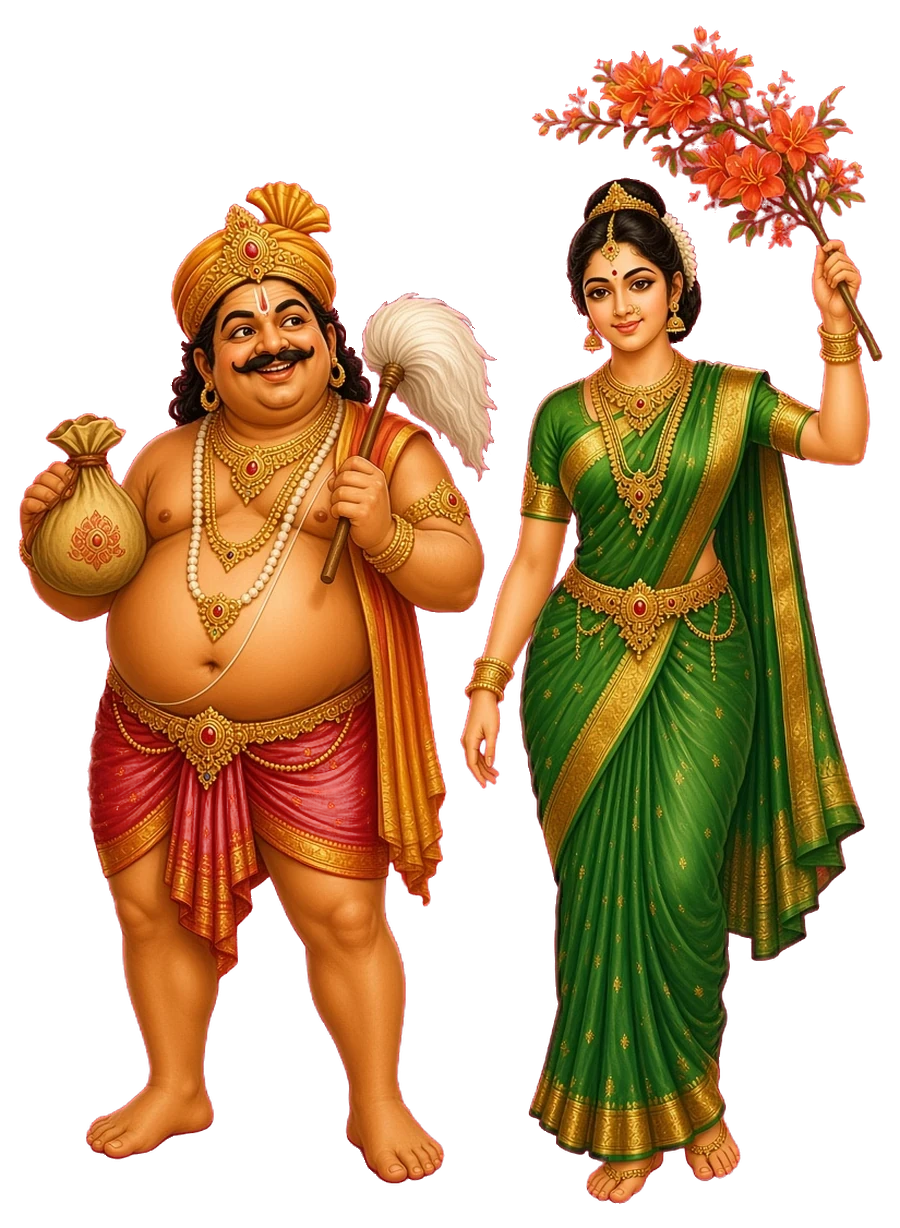
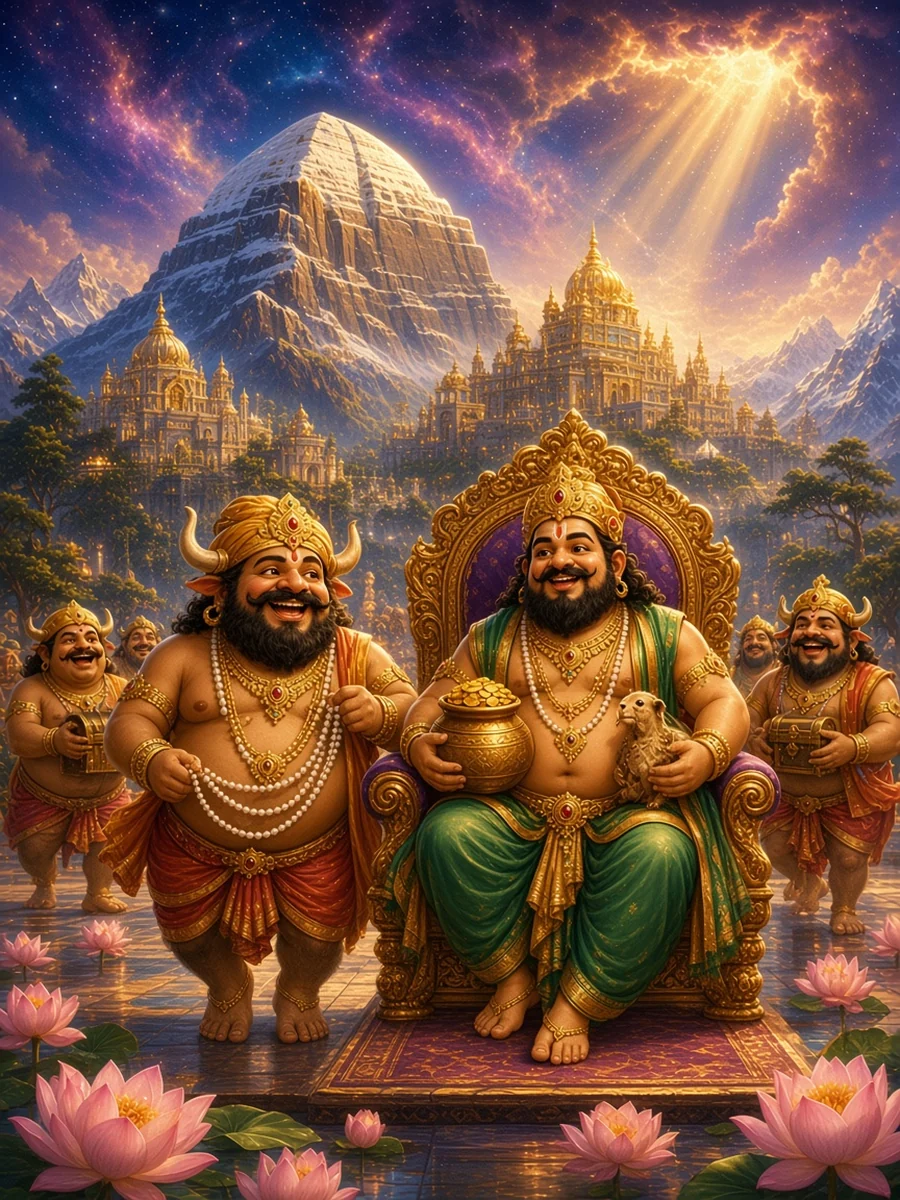
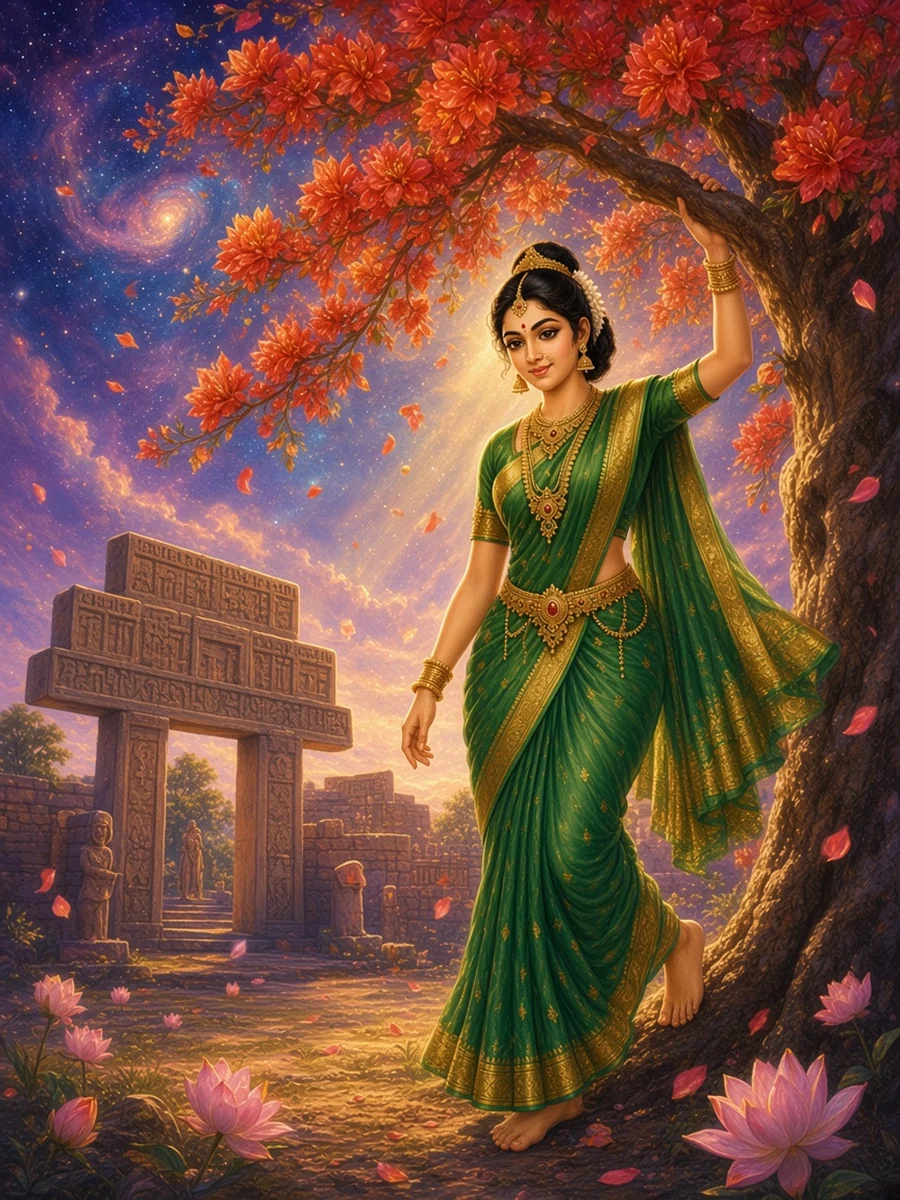
Alaka, Kubera's golden city beside Kailash At the yakshini's touch, the tree bursts into flower

For kids

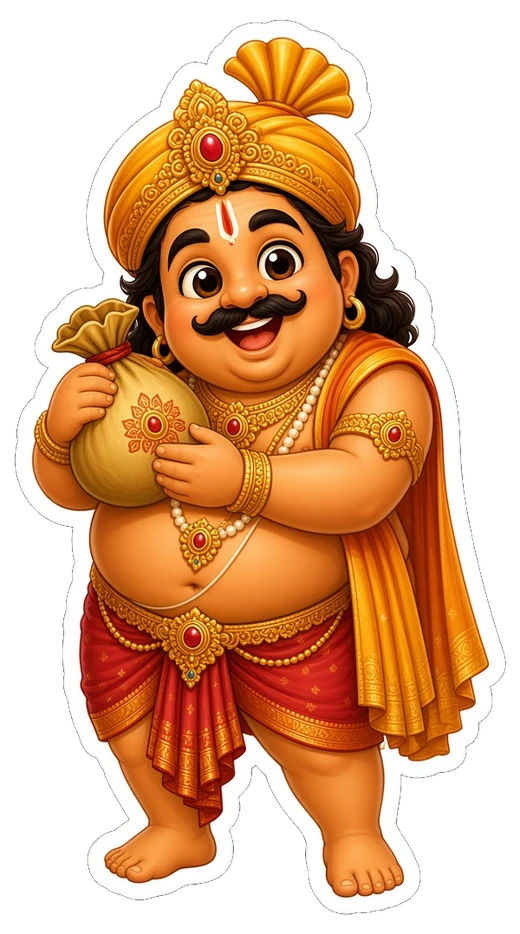
Totally not hiding treasure
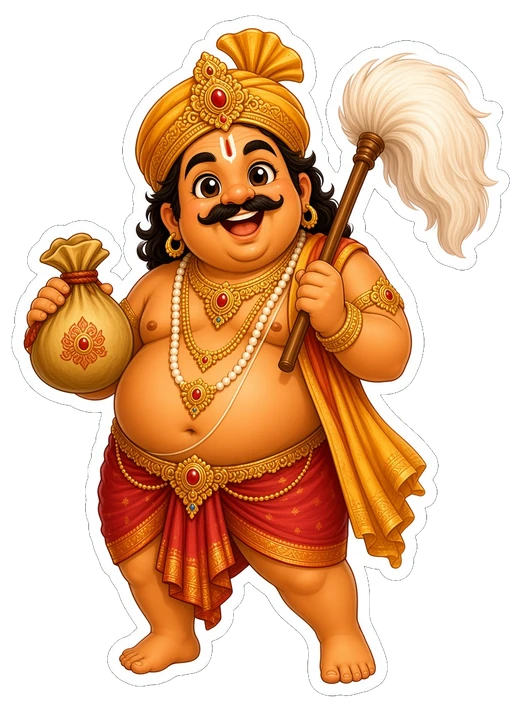
At your service, says the yaksha

At a glance

TraditionHindu, Buddhist and Jain
FormA stout

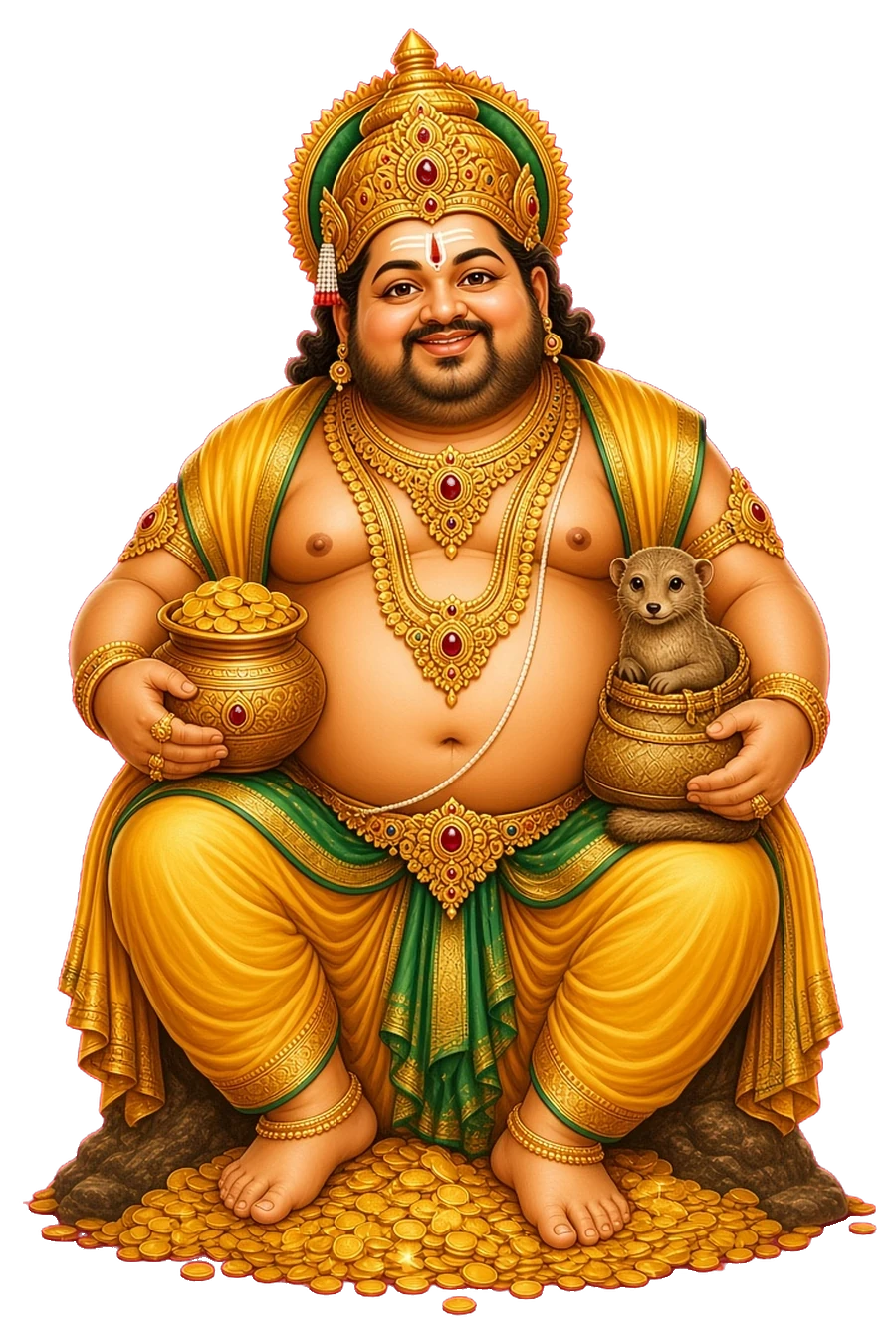
pot-bellied man or a full-figured woman, large as life or larger, heavy with jewels, often holding a purse, a fly whisk or a cup

KingKubera

also called Vaishravana, lord of wealth and guardian of the north; his chief captain is Manibhadra

Who The Yakshas is

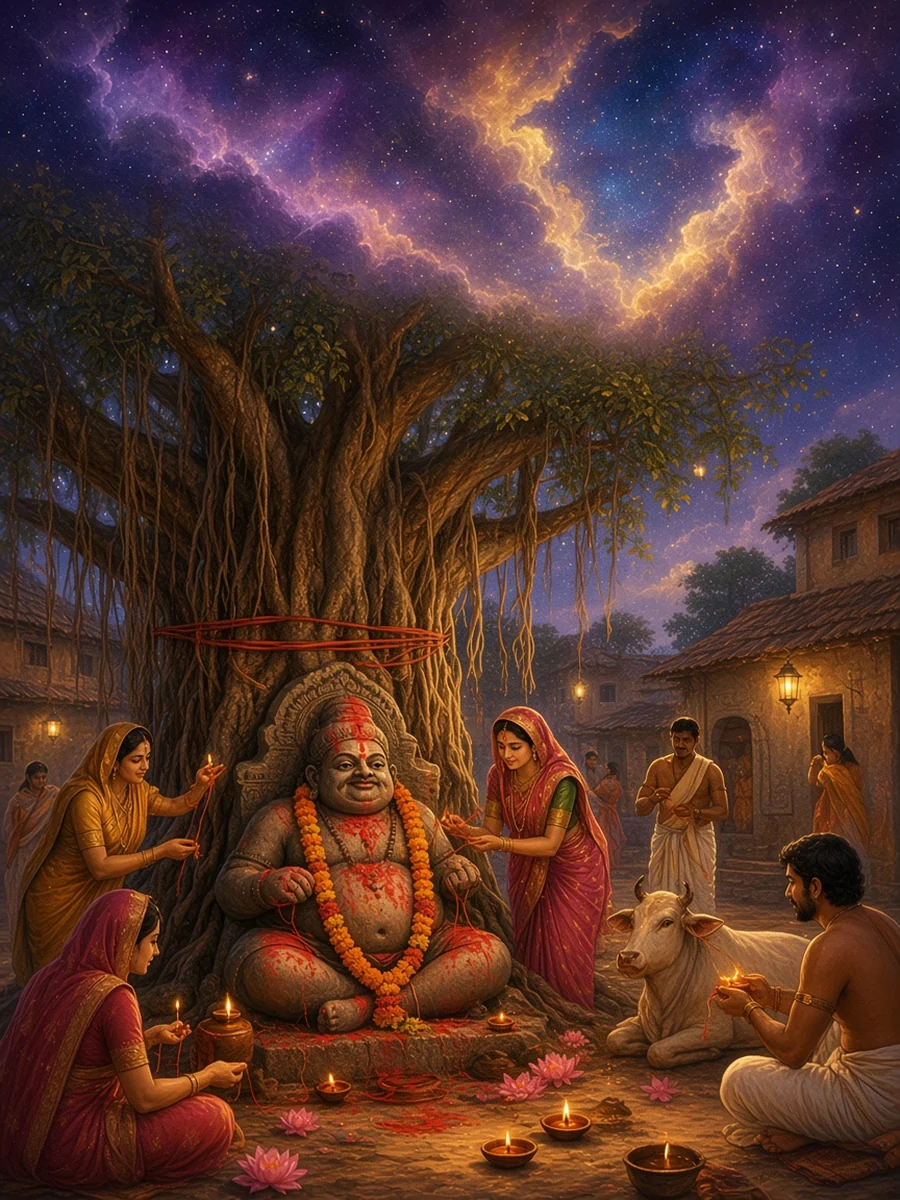
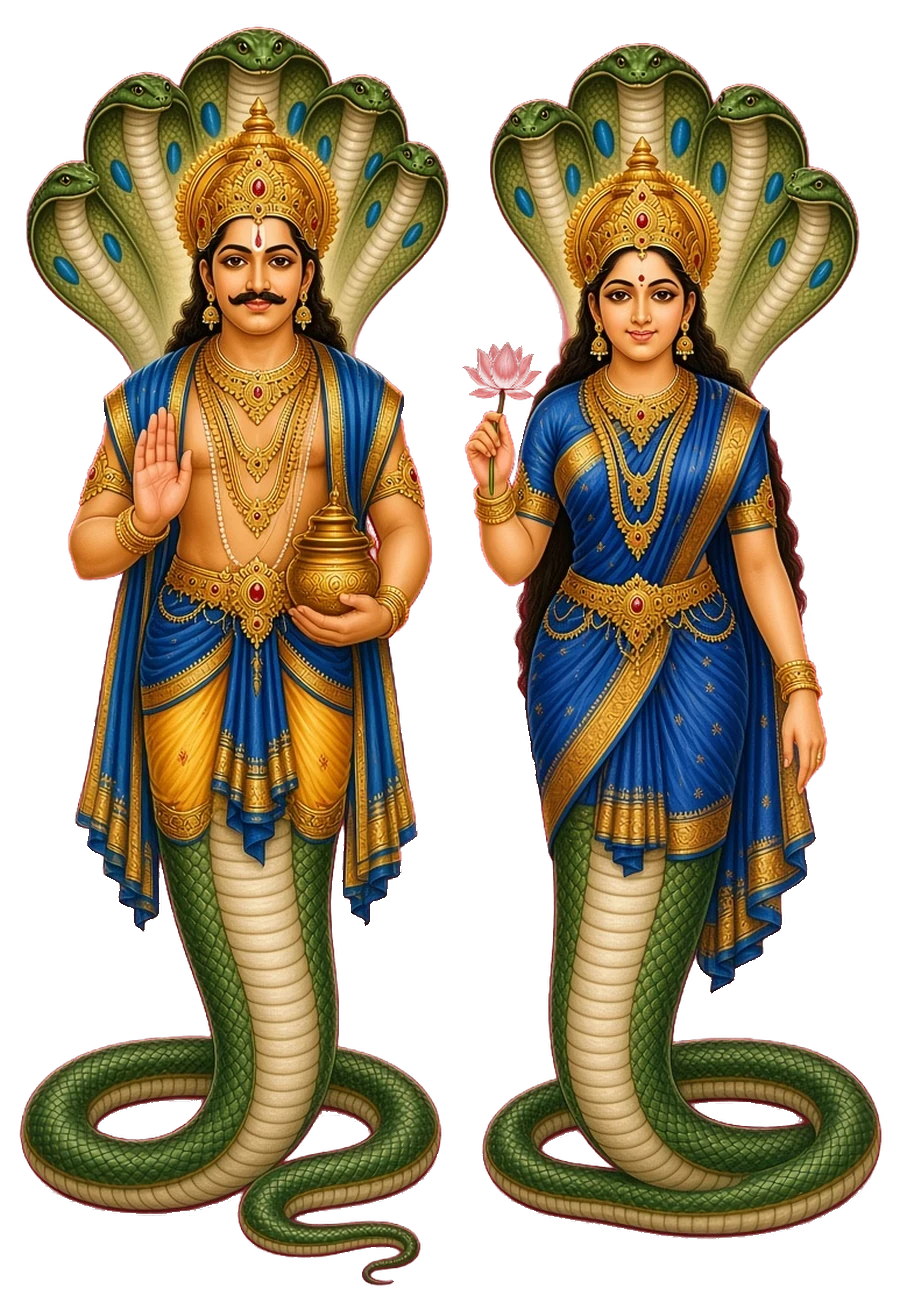
The Yakshas are the spirits of a place. A yaksha lives in a great tree at the edge of a village, in a pool, on a hill or over a city gate, and the people nearby bring him flowers and food and ask him for children, rain, wealth and safety on the road. A yakshini, the woman of the kind, is the spirit of the tree in flower. They are not the gods of the high heaven, and they are not demons. They are nearer than either, and older: kind as a rule, fierce as guardians, and dangerous mainly to those who slight them.

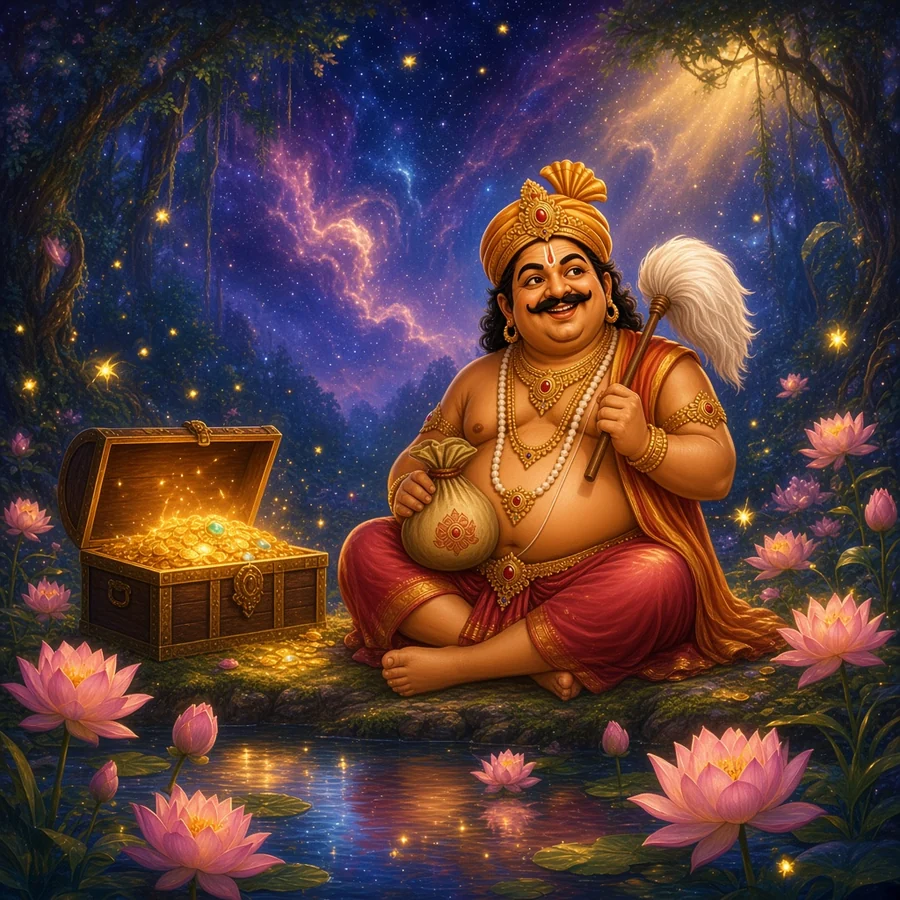
Their king is Kubera, the lord of wealth, who is also called Vaishravana and rules the north from his city of Alaka in the Himalaya, close to Shiva's mountain, Kailasa. The yakshas keep his treasures and stand at his doors, and his captain Manibhadra was the patron of merchants on the road. Kubera's own life is told on his page.

Mahad yaksham bhuvanasya madhye tapasi krantam salilasya prishthe: a great wonder in the middle of the world, striding in fervour on the back of the waters.

The oldest large statues in India are theirs. The Parkham yaksha, a stout standing figure more than two and a half metres tall, was carved near Mathura in about 150 BCE, and its worn inscription calls him Manibhadra. The yakshi found in 1917 on the bank of the Ganga at Didarganj, near Patna, holds a fly whisk and still shines with its old polish. On the railings of the Buddhist stupa at Bharhut, yakshas and yakshinis stand guard with their names cut beside them.

All three of India's old religions kept them. In the Buddhist books they are Vaishravana's host; the Buddha tames the fierce Alavaka with questions, and Hariti, the yakshini who took children, becomes the mother fed in every monastery. In every Jain temple a yaksha stands on the right of the Tirthankara and a yakshini on the left, as his guardians.

The Mahabharata has the yaksha who guards a lake and questions Yudhishthira, told here as the questions at the lake, and the Kena Upanishad has the wonder that humbled Agni, Vayu and Indra, told as the spirit and the blade of grass. The yaksha Suryavarchas, who boasted before the gods, comes back as Barbarika in the head that watched the war. And Kalidasa wrote the best loved yaksha of all: the exile who asks a passing cloud to carry his message home.
Before the Puranas

The Vedic roots of The Yakshas

The word yaksha is in the Vedas, but the spirits of trees and treasure are not. In the Rigveda, where the word comes only a few times, a yaksha is a marvel or a mystery: a hymn to Mitra and Varuna (7.61.5) sets it beside chitra, a wonder to be seen. The Atharvaveda calls the highest being "a great yaksha in the middle of the world" (10.7.38), to whom the rulers of the realm bring tribute (10.8.15), and the Kena Upanishad lets Brahman stand before the gods as a yaksha they cannot name.

One Atharvaveda verse comes close to the later picture. It tells Rudra, as Pashupati, the lord of beasts, that his yaksha is within the waters (11.2.24). Waters, wonder and a god of the wild are the yakshas' world in every later text.

The spirits themselves appear in the household rites. Ananda Coomaraswamy, whose study Yakshas (1928) is still the starting point, found them in the Grihya Sutras, called with Kubera among the many beings who receive offerings at the close of Vedic study, and noted that the Shankhayana Grihya Sutra already names Manibhadra. The Shatapatha Brahmana calls Kubera a lord of robbers. Coomaraswamy read the yakshas as the old worship of the countryside, the guardians of each village and grove, which Buddhism, Jainism and temple Hinduism took in rather than replaced. That is his reading, but the statues bear it out: the pot-bellied guardian, the doorkeeper and the woman by the tree all pass from yaksha shrines into the art of every faith.

The epics settle them under Kubera. In the Gita (17.4) those driven by passion worship yakshas and rakshasas. The Uttara Kanda of the Ramayana tells that Brahma made beings to guard the waters; some cried that they would guard and became rakshasas, and the others became yakshas. By Kalidasa's time a yaksha could be the hero of a love poem, and in later folk belief, from Bengal to Sri Lanka, a yaksha could also be a spirit that brings sickness and has to be appeased.

See how the Vedic gods became the Puranic ones →

Related gods