As the Brahma Purana tells it
Brahma Purana, Gautami Mahatmya 48 · 3 min read
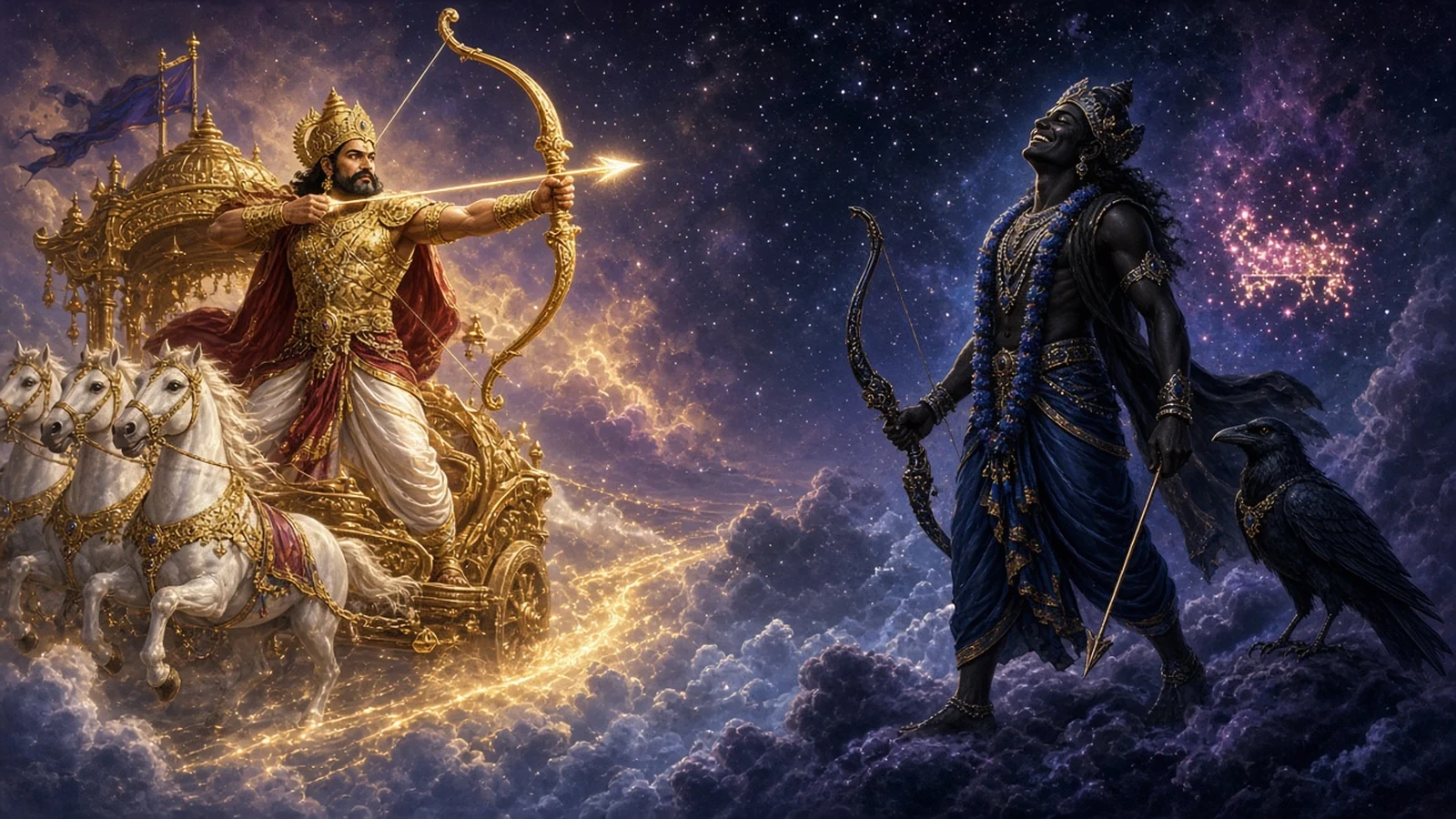
The gods once asked Agastya to go south, because the Vindhya mountain was growing taller and taller, trying to outdo Meru and block the path of the Sun. Agastya stood in front of the mountain. "Let me pass," he said, "and stay as you are until I come back." The mountain bowed down and agreed.
On the bank of the Gautami, the river also called the Godavari, Agastya began a sacrifice that was to last a whole year, and many sages came to join him.
Two demons heard of it. They were brothers, sons of the demon Kaitabha, and their names were Ashvattha and Pippala. Both are names of the holy fig tree, and both brothers were masters of disguise.
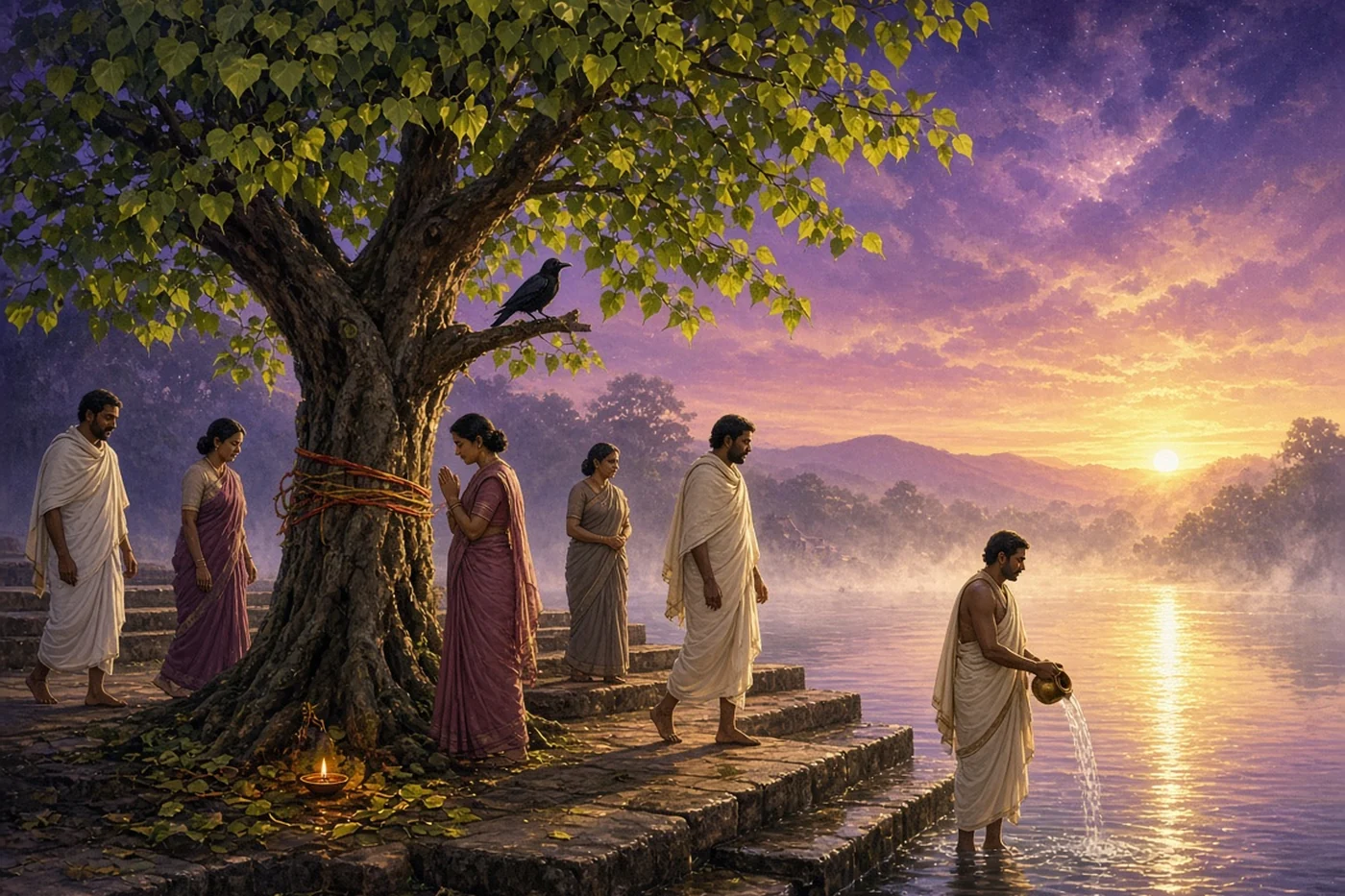
Ashvattha became a fig tree, a fine broad one near the water, the kind of tree a brahmin walks round and touches with reverence. Whoever touched it, the tree ate. Pippala became a brahmin, a teacher who chanted the Sama Veda beautifully. Young men came to learn from him, and he ate his pupils.
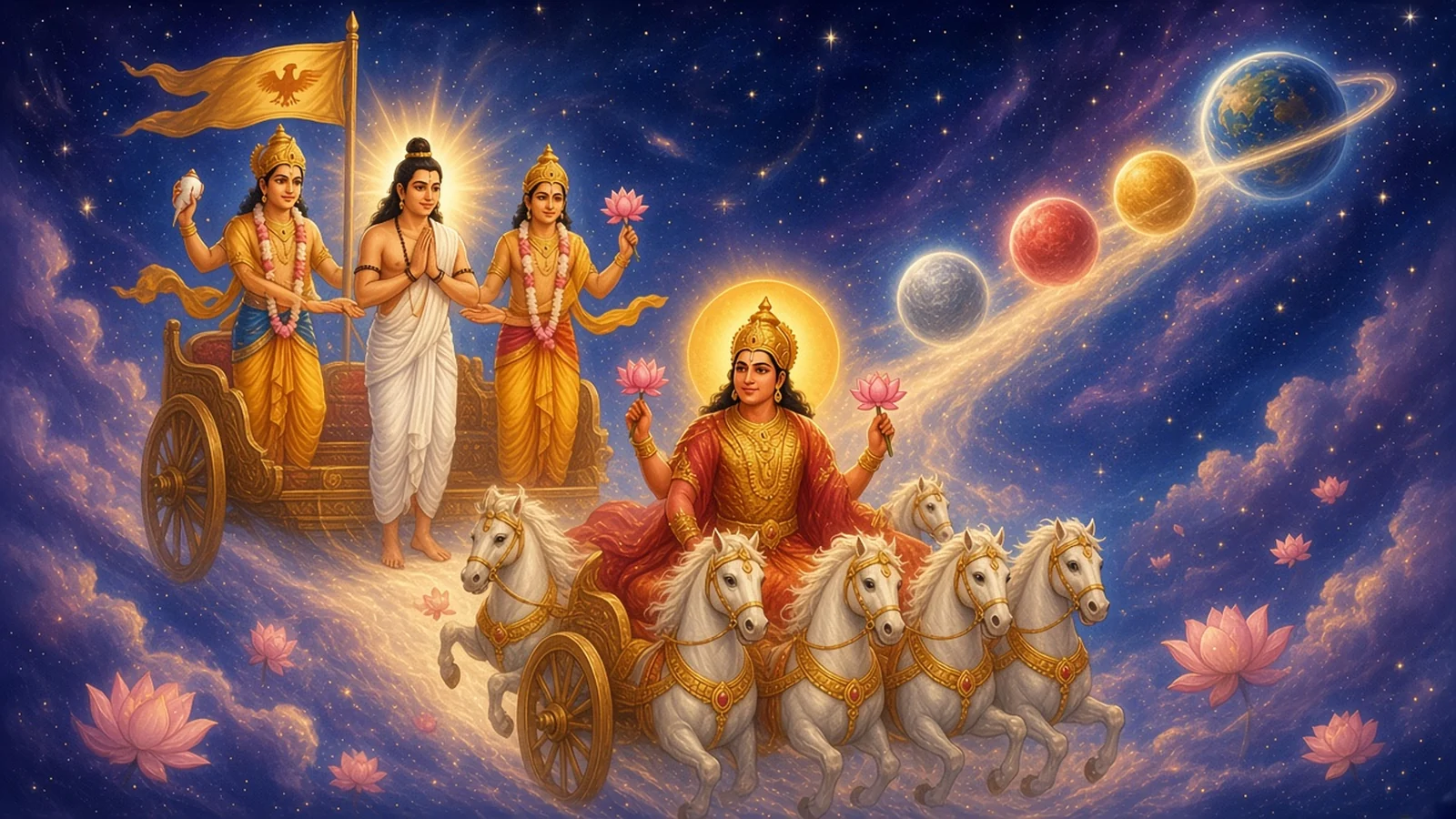
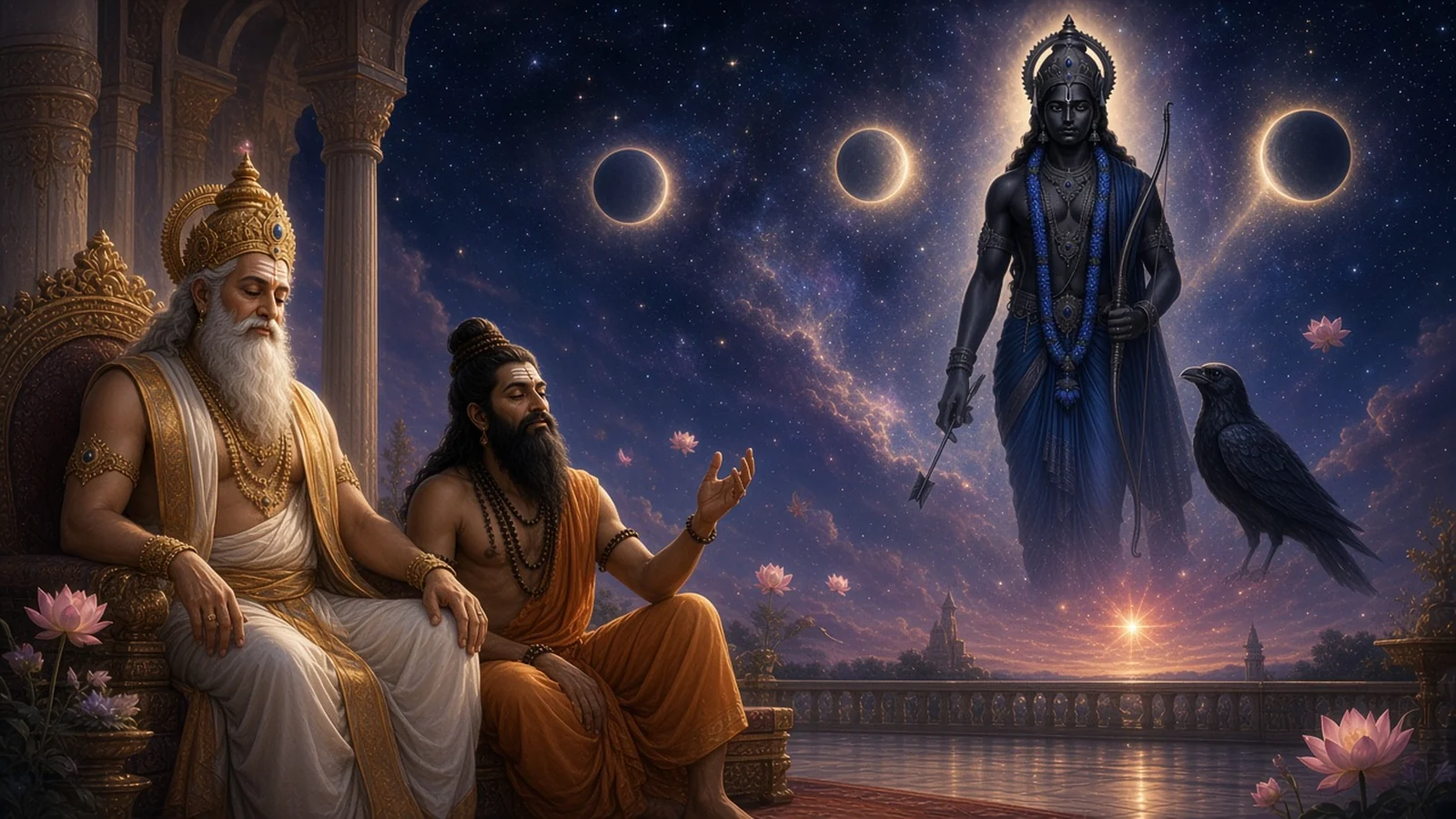
The sacrifice went on, but each day fewer sages sat round the fire. At last they understood, and they went looking for help. On the southern bank of the river sat Shanaishchara, Shani, the son of the Sun, deep in a penance of his own.
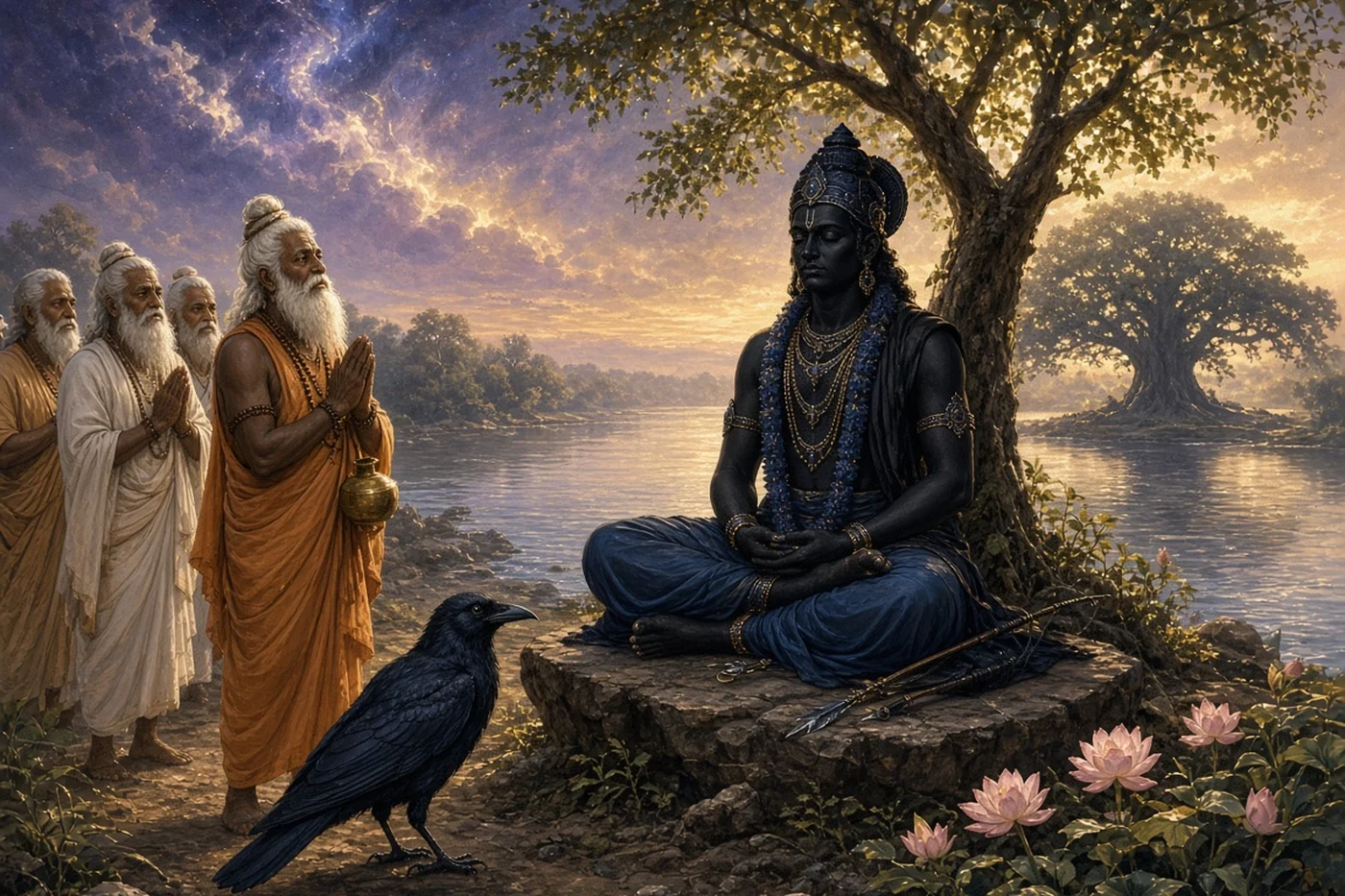
"Help us," they said. "The tree and the teacher are eating us one by one."
"I cannot," said Shani. "My penance is not finished. Until it is, I have nothing to spend."
"Then take ours," said the sages. "Take the merit of all our penance and add it to yours."
Shani accepted, and stood up.
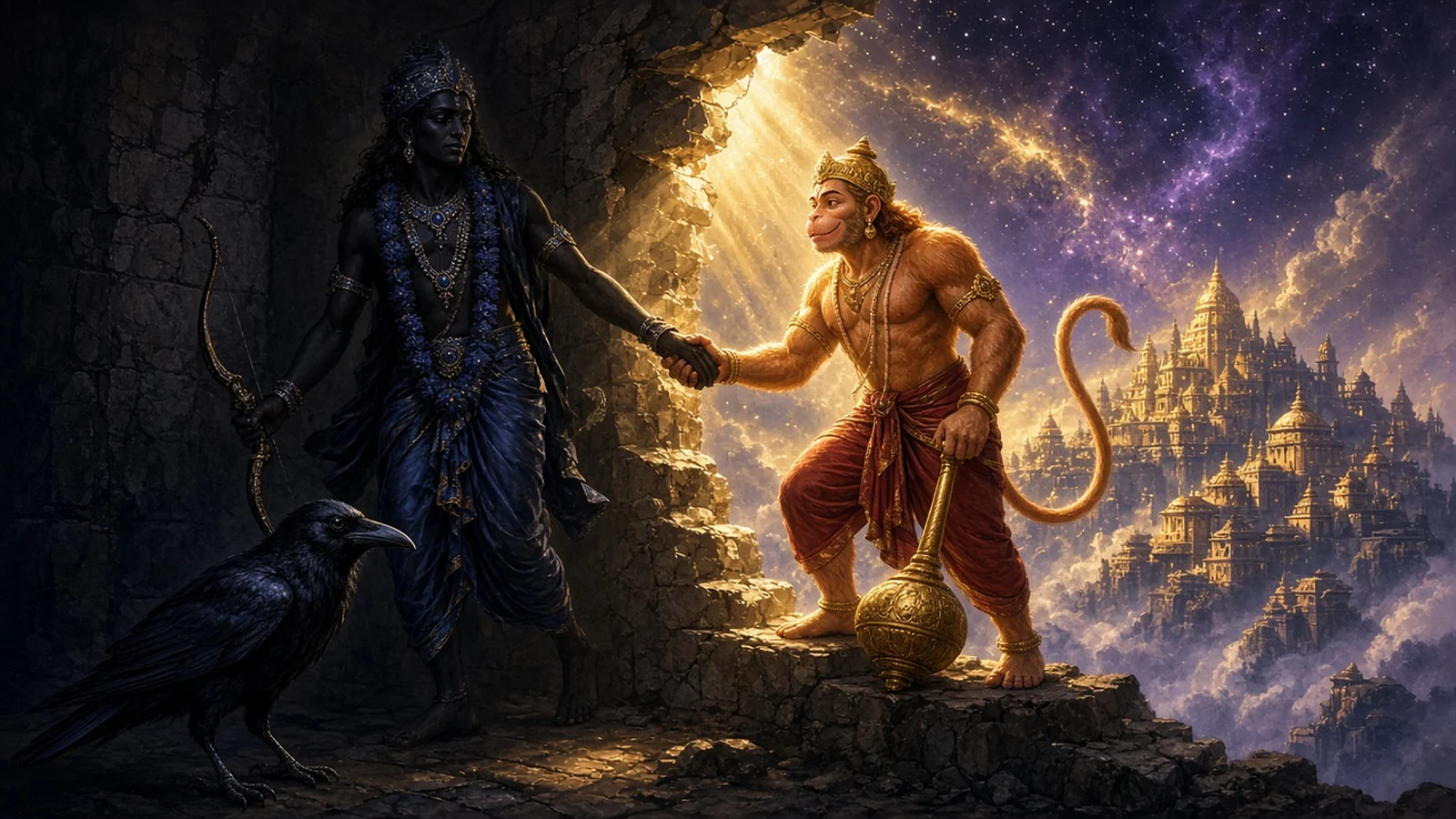
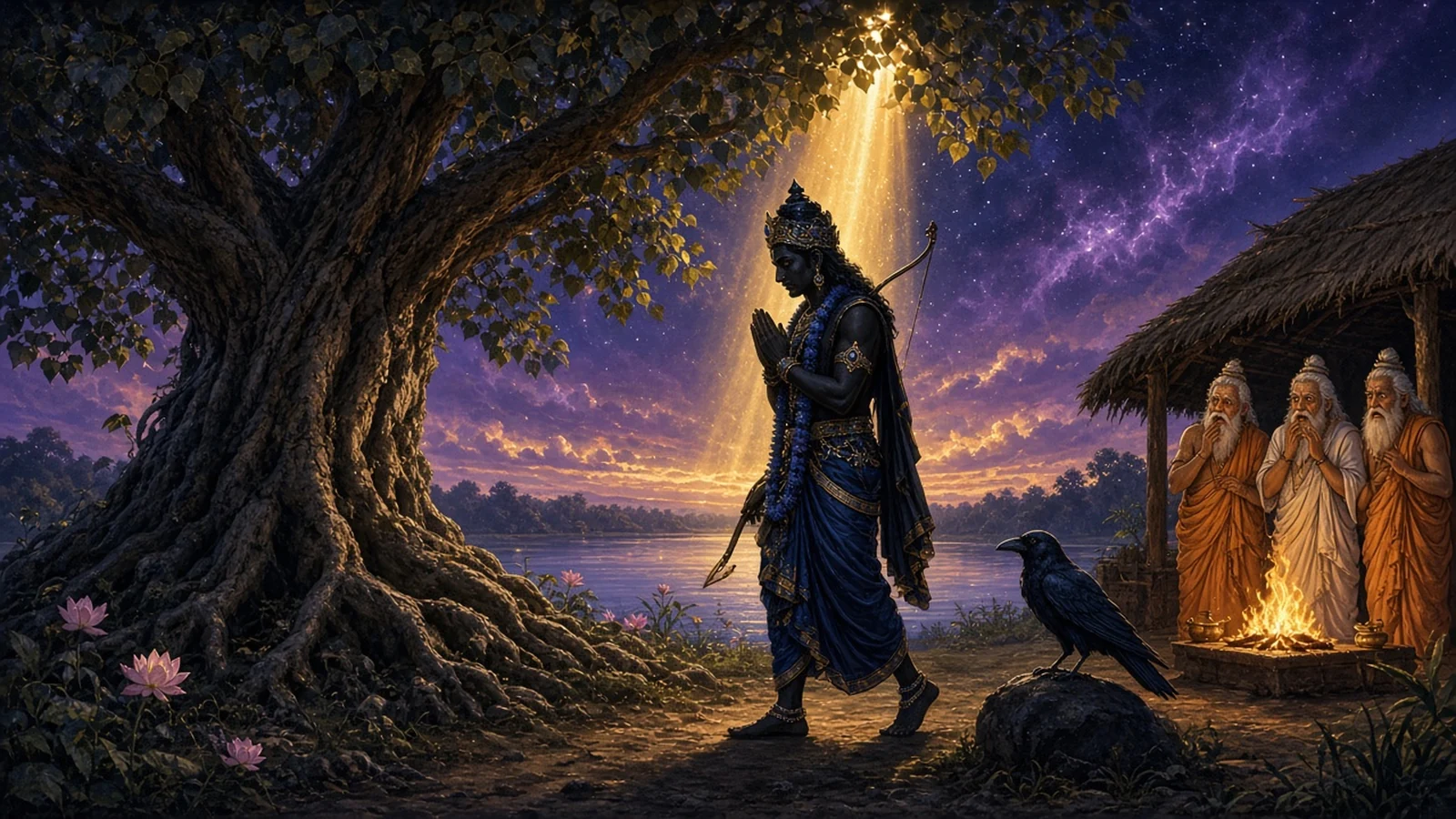
He went to the fig tree dressed as a brahmin and walked round it with folded hands, as a pious man does. Then he touched it, and the tree swallowed him.
Inside the demon it was dark. Shani looked about him, at the demon's insides, and his look did what Shani's look always does. The demon burned from within until nothing was left of the tree but ash.
Then Shani went to the teacher. This time he came as a pupil, humble, eyes lowered, asking to be taught. Pippala looked at the new boy and swallowed him whole, and Shani looked about him again.
When the second demon was ash too, Shani came back to the sages. "Is there anything left to do?" he asked.
Agastya and the sages were overjoyed. "Choose your boons," they said.
"Then let this be the first," said Shani. "On my day, whoever does the rites and touches the fig tree, let his work succeed. And let the same be true for whoever bathes here, at the ford of the fig tree."
He gave them a short prayer to say to the tree, asking it to quiet what troubles them. On Saturdays, the text says, people rise early, think of Shiva, say the prayer and touch the tree, and the harm of unfriendly planets is quieted.
Brahma, who tells this story, adds that the fords on that stretch of the river took their names from that day: Ashvattha and Pippala for the two demons, Shanaishchara for the one who burned them, Agastya for the sage, and others for the sacrificer, the priest and the singer of the Sama Veda, until there were sixteen thousand and eight holy places along the bank. A bath there and a gift, he says, bring the merit of every sacrifice.