Devalok ← All gods
Also calledShanaishcharaShanidevShani MaharajSaturnMandaSauriChhayaputraRaviputraSaneeswara

In short

Who is Shani?
The planet Saturn as a god, the son of the Sun and of Chhaya, the shadow, and the brother of Yama. Of the nine planets he is the one people fear most, and the one they work hardest to please.
What is the sade sati?
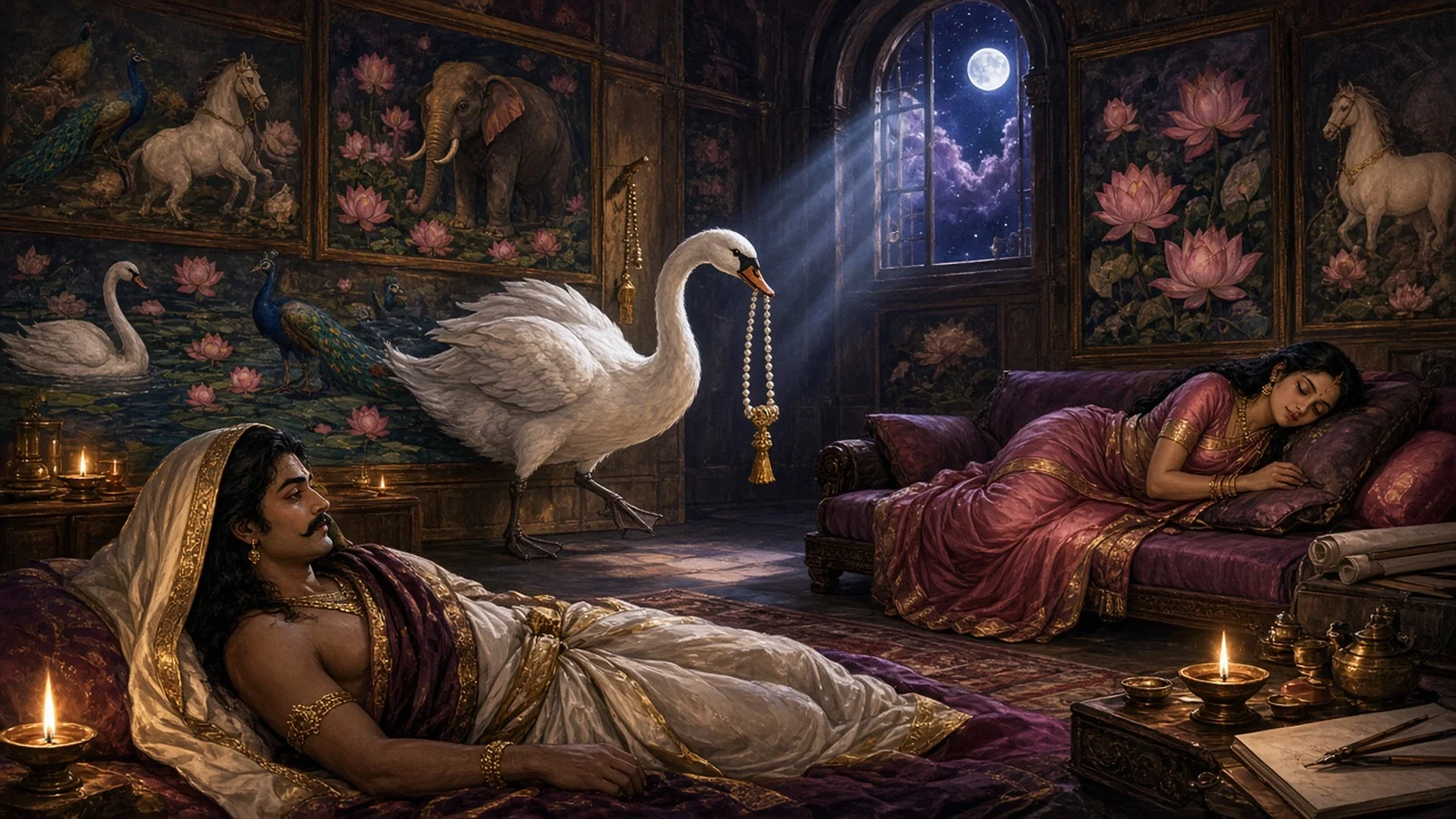
The seven and a half years Shani spends passing the signs around a person's birth moon, held to be his hardest time. The Shani Mahatmya tells how King Vikramaditya lived through his.
Why is Saturday Shani's day?
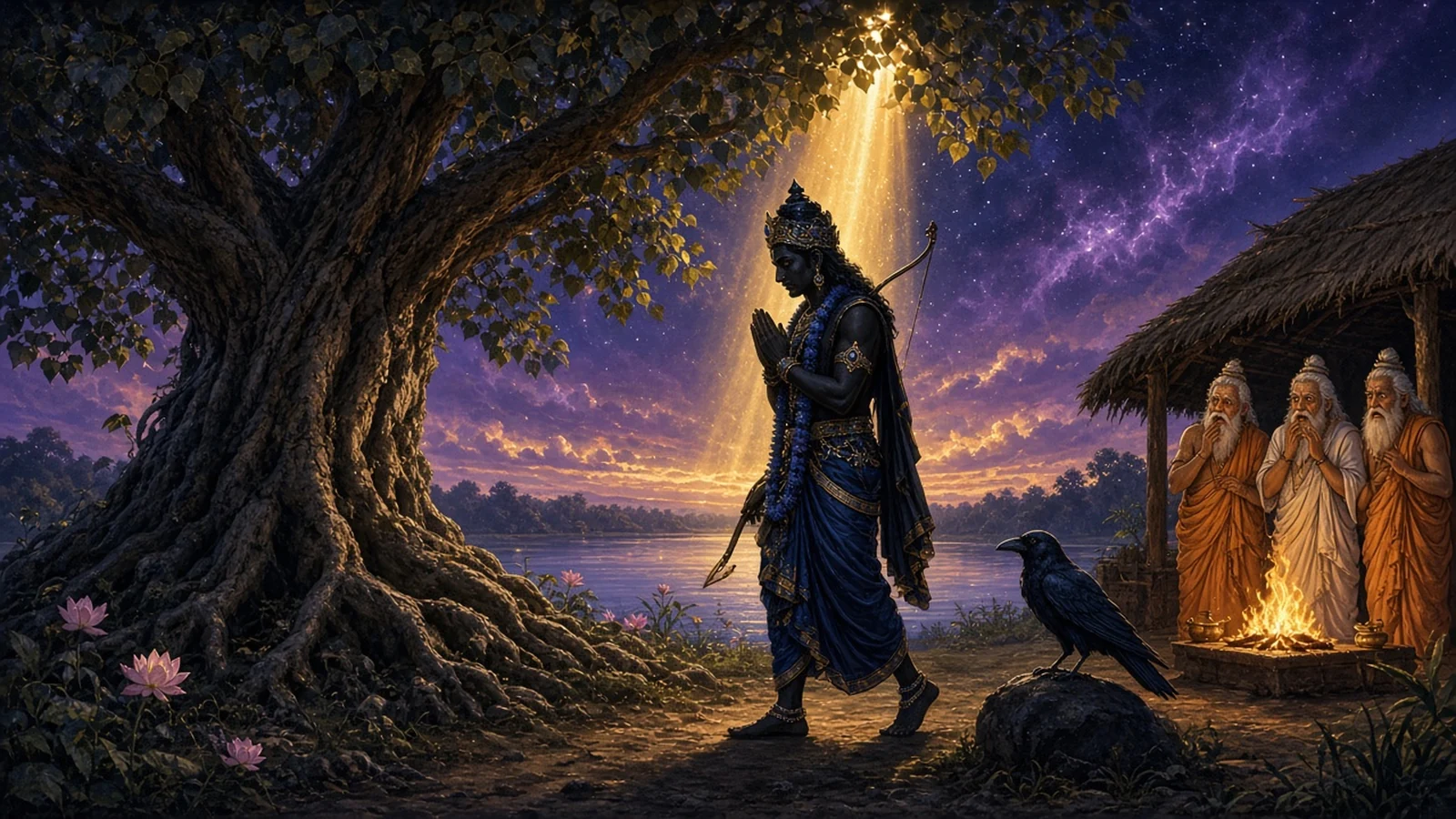
Saturday, Shanivara, is his day of the week. People fast, read his story, offer oil, sesame and black gram, and touch the peepal tree on Saturday mornings, a custom the Brahma Purana traces to Shani himself.
Why do people pray to Hanuman to escape Shani?
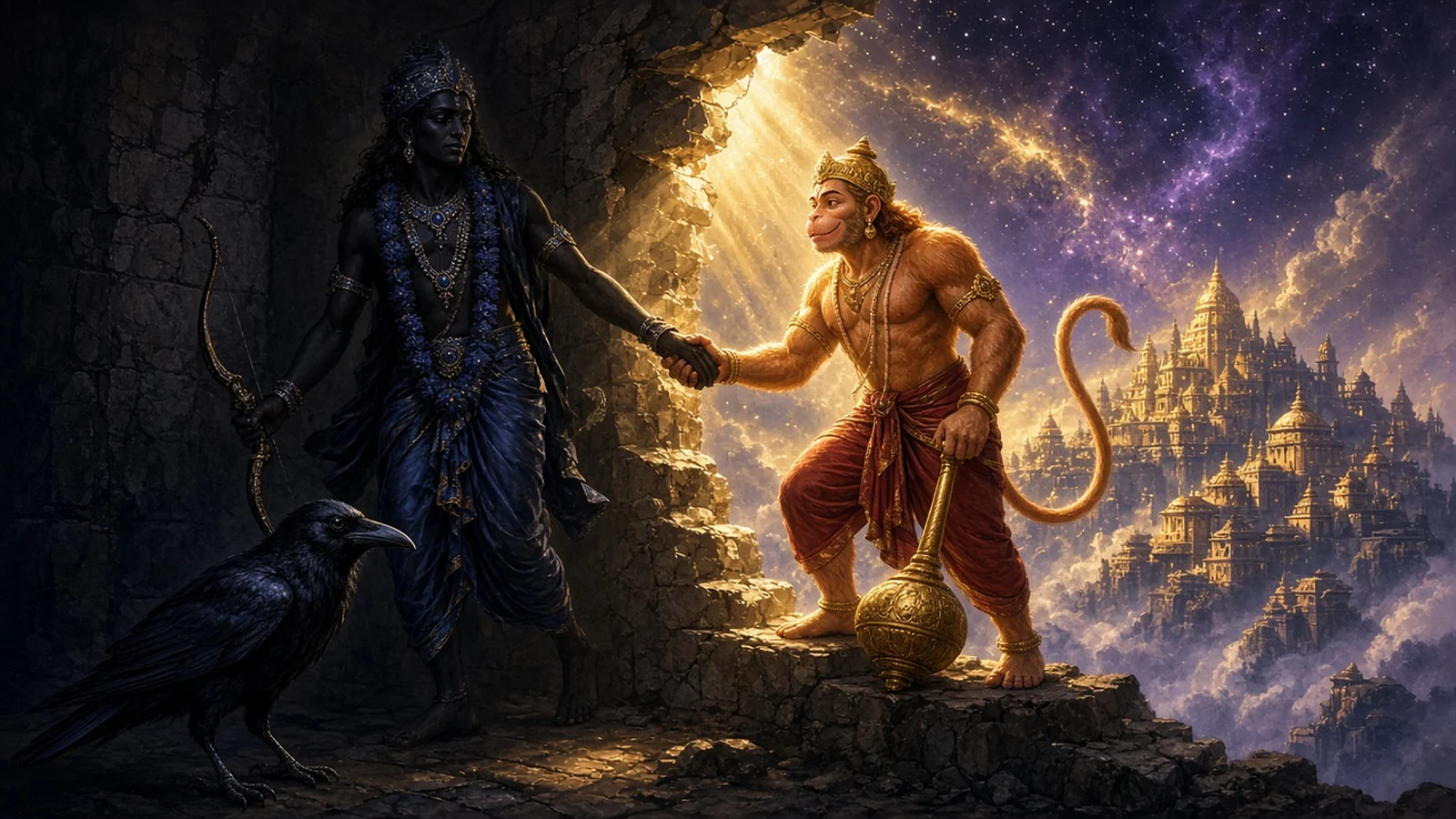
In a story devotees tell, Hanuman freed Shani from Ravana's prison, and Shani promised in return never to trouble anyone who worships Hanuman.

Artwork ›

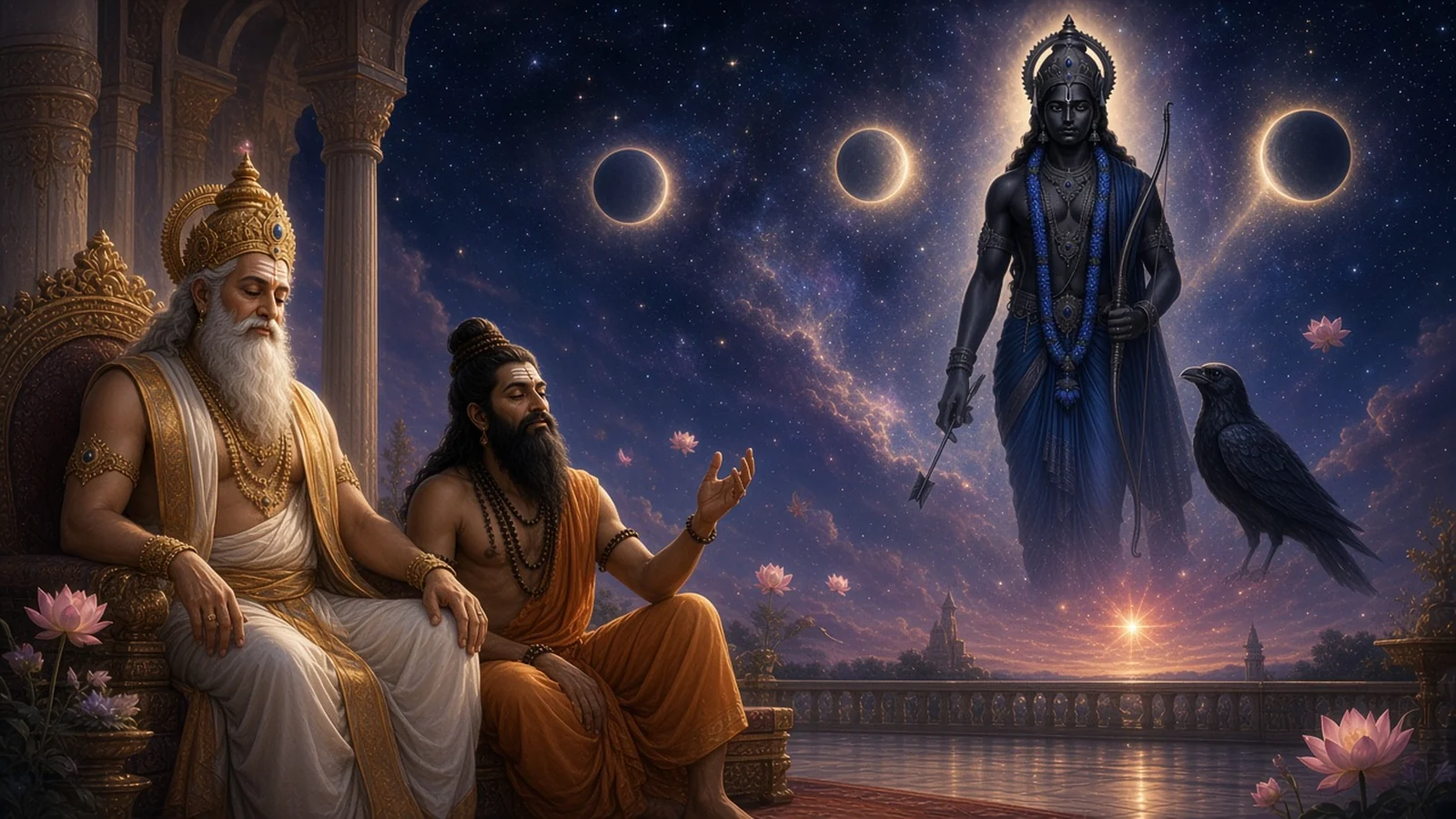
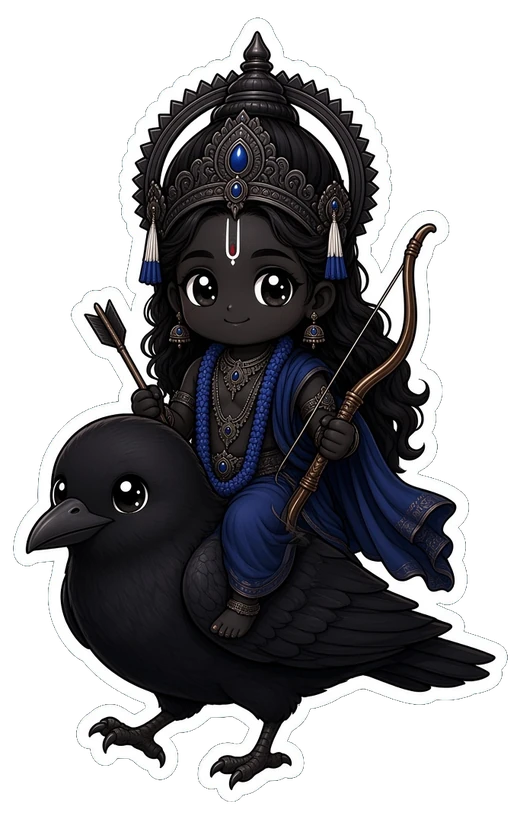
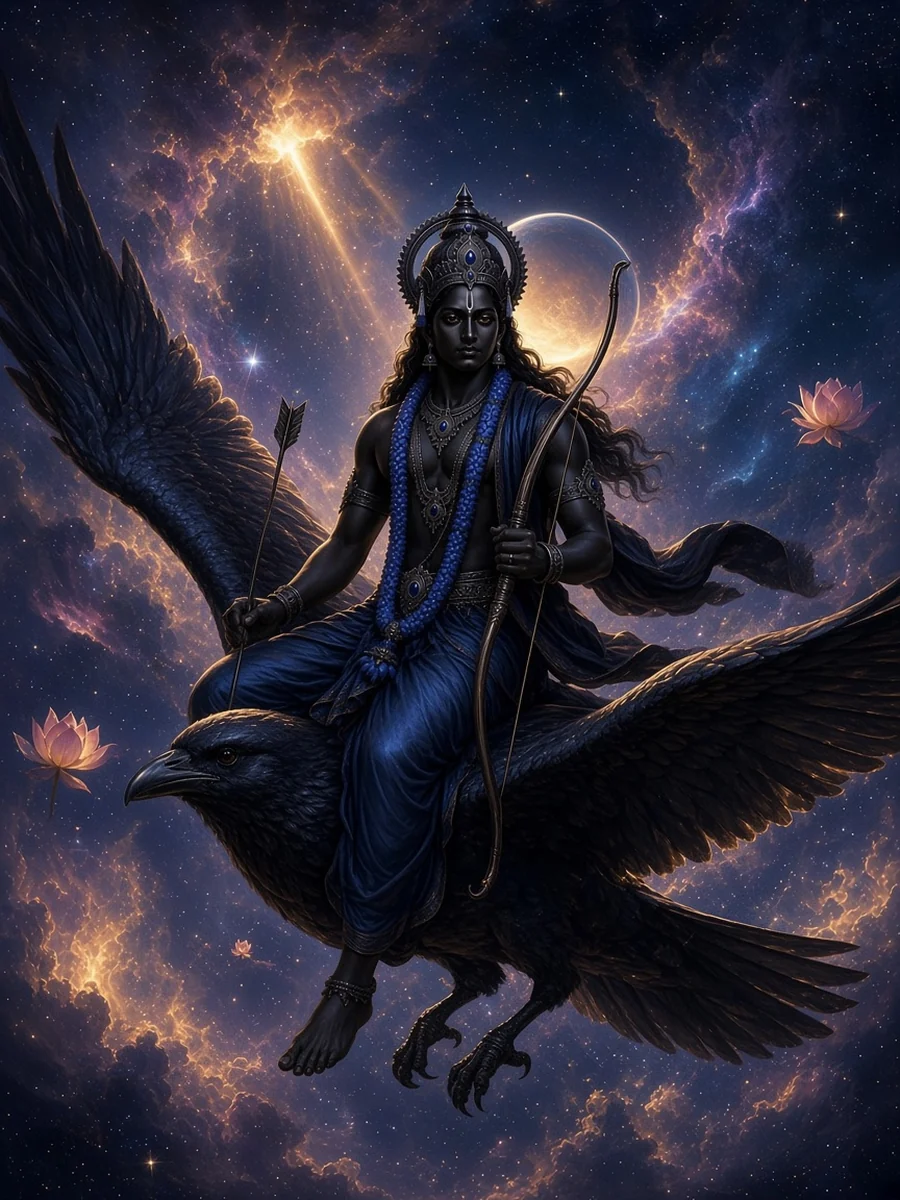
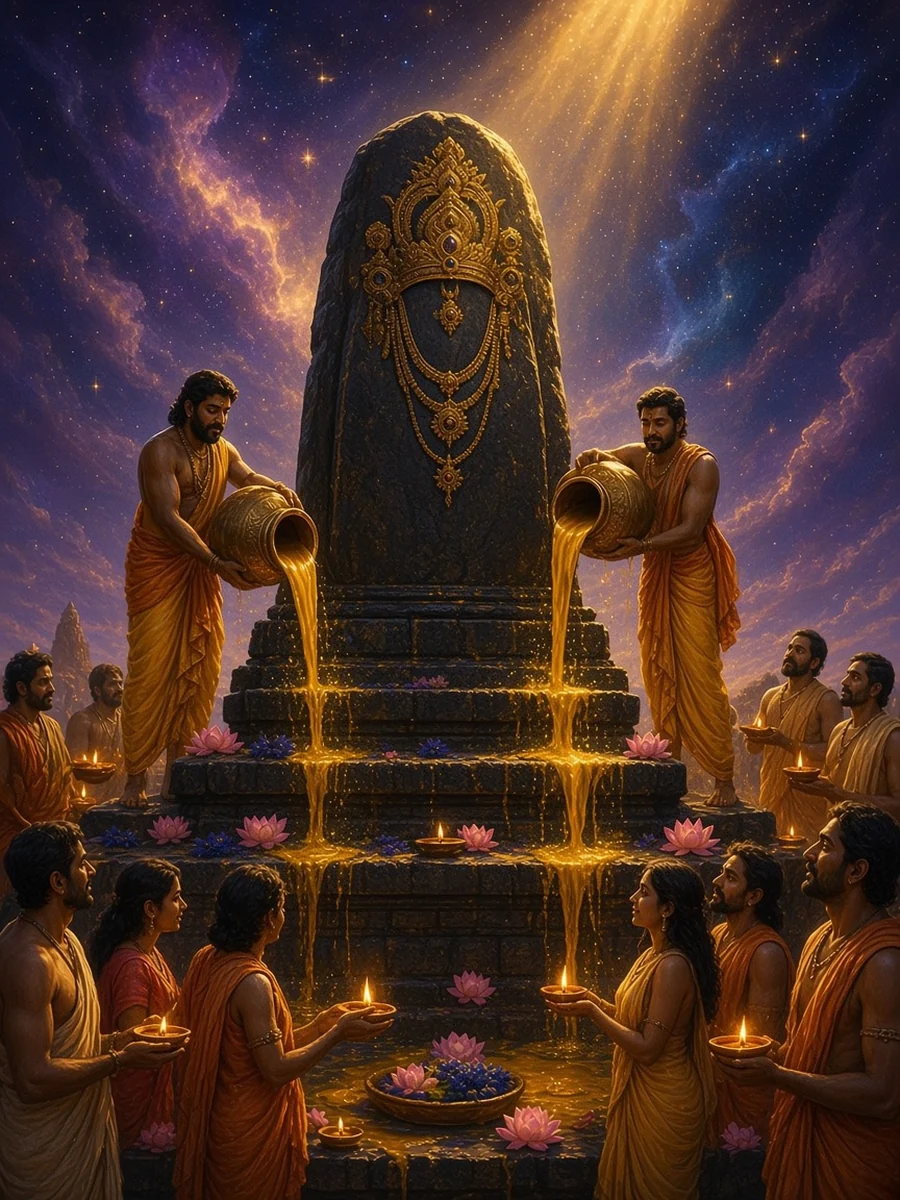
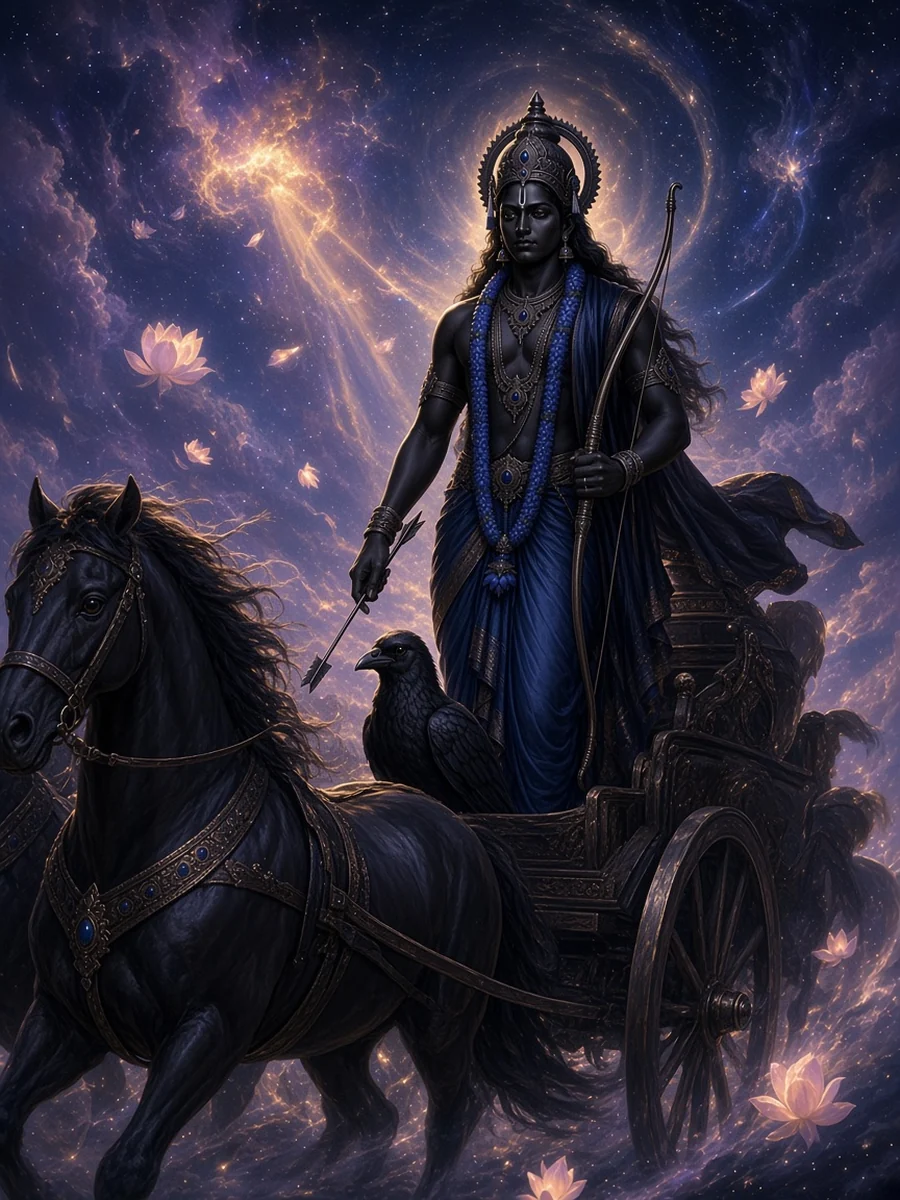
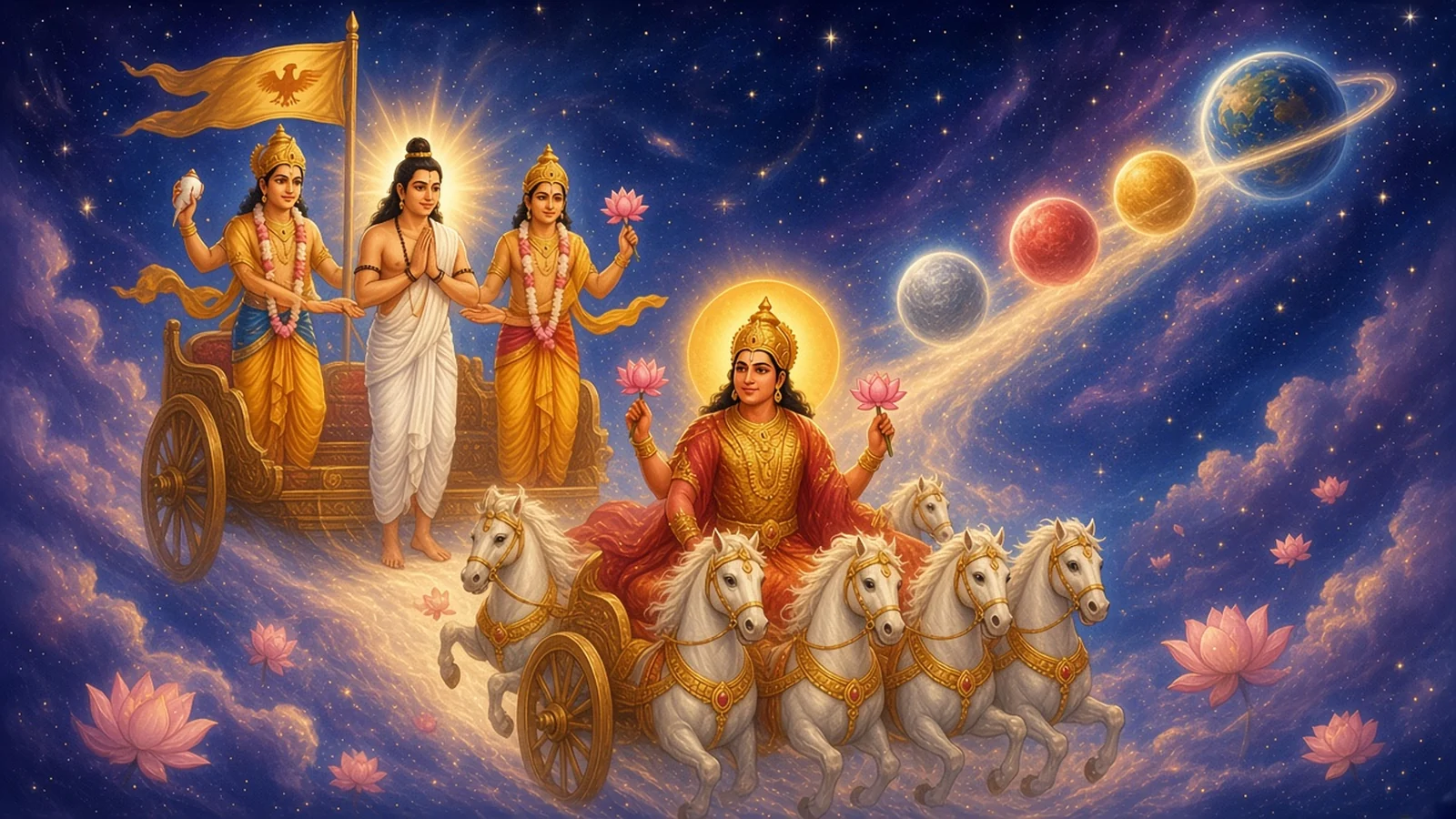
Riding his crow slowly across the sky Oil for the open-air stone at Shingnapur

For kids

Slow and steady
Slow and steady
Saturday is my day
Saturday is my day

At a glance

TraditionSmarta
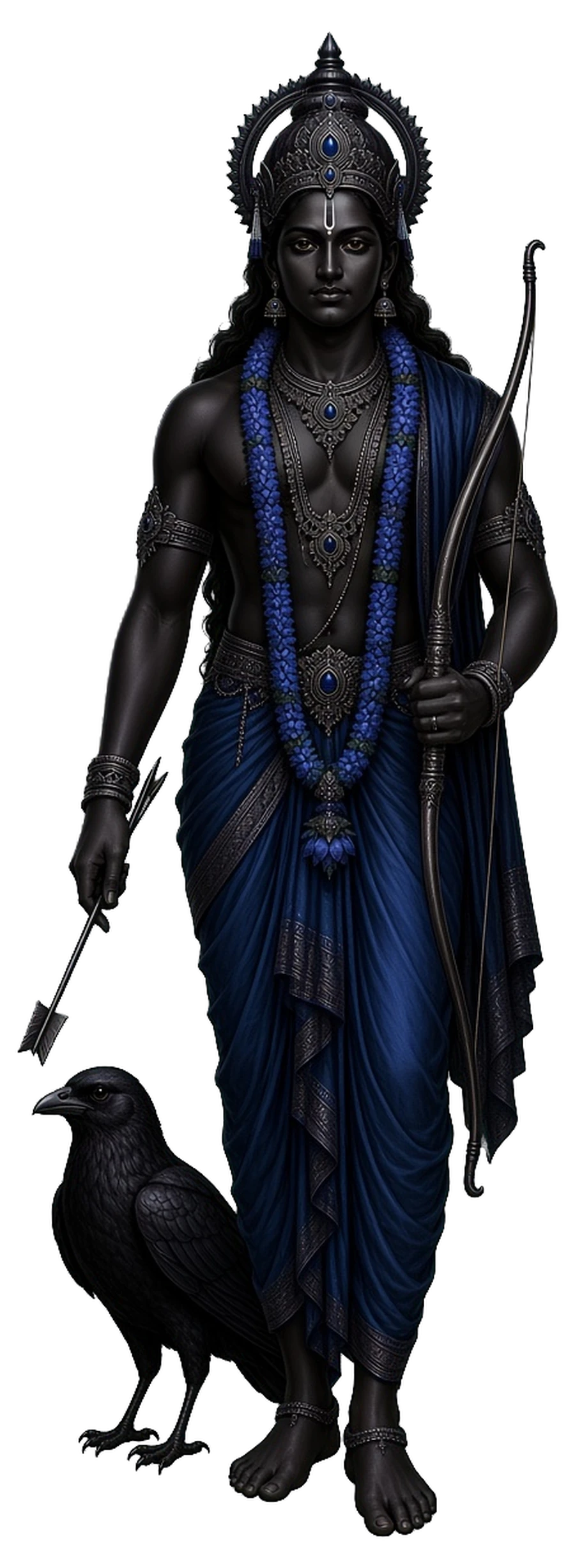
FormA lean

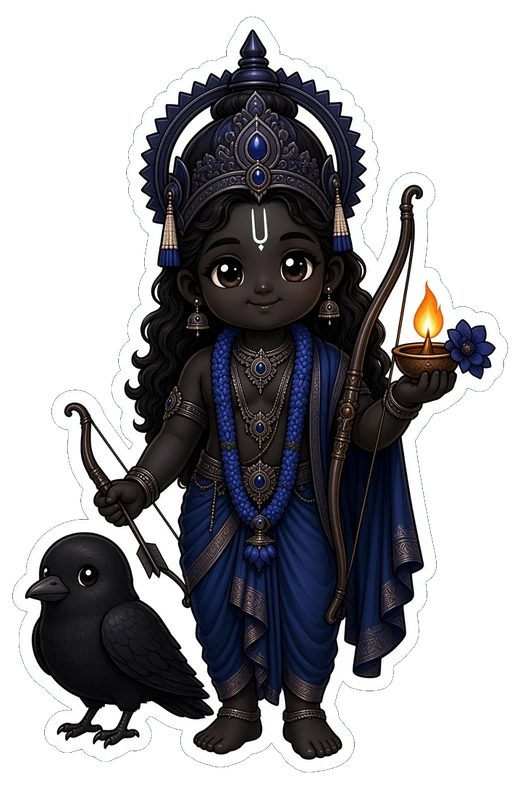
dark figure, dark as lamp-black, in blue or black, who walks with a limp

MountA crow or a vulture

in some images a chariot of iron drawn by eight horses

Who Shani is

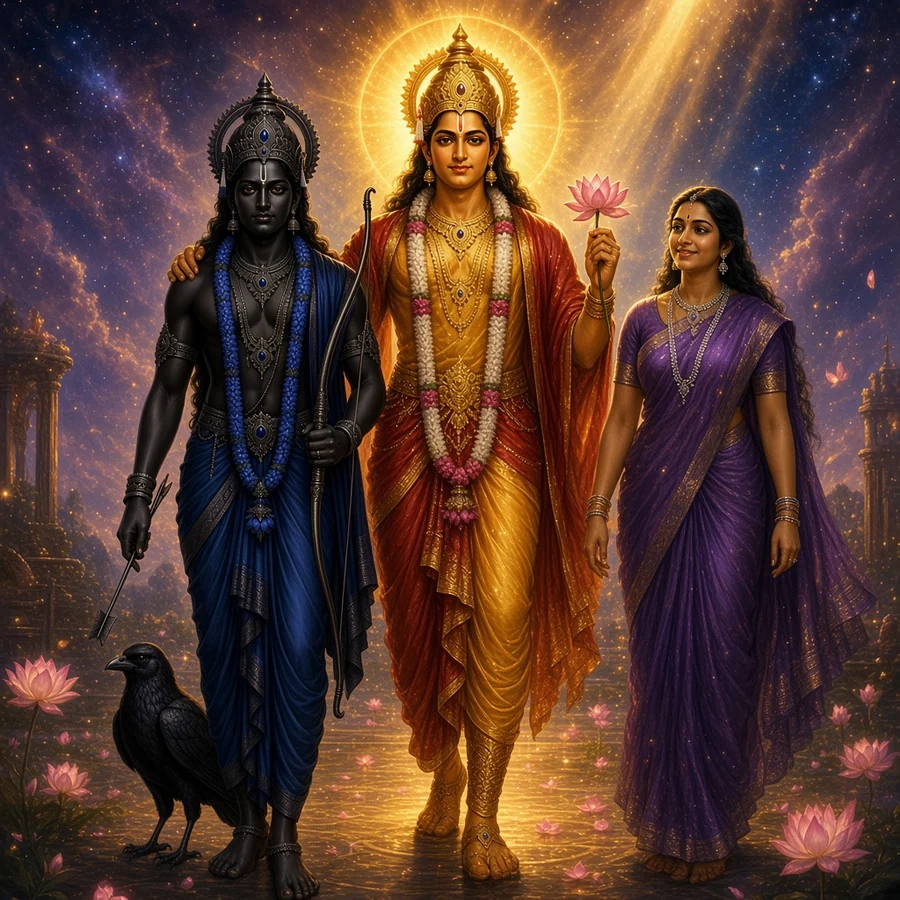
Shani is the planet Saturn, the dark wanderer who moves so slowly that he takes about thirty years to go once round the sky. His full name, Shanaishchara, means the one who goes slowly. He is the son of the Sun by Chhaya, the shadow who took the place of the Sun's wife, and so a brother of Yama, the god of death. The Sun and his dark son did not get on, and the site tells their story in The Shadow Wife and The Sesame in Shani's House.

Of all the nine planets he is the one people fear. Where Shani stands in a person's stars, hard things follow: loss, delay, illness, a fortune turned upside down. His look is the worst of it. A Bengal telling of Ganesha's birth, told here in How Ganesha Got His Elephant Head, says that when he glanced at the newborn child its head fell off. The seven and a half years he spends near a person's birth moon, the sade sati, are dreaded all over India.

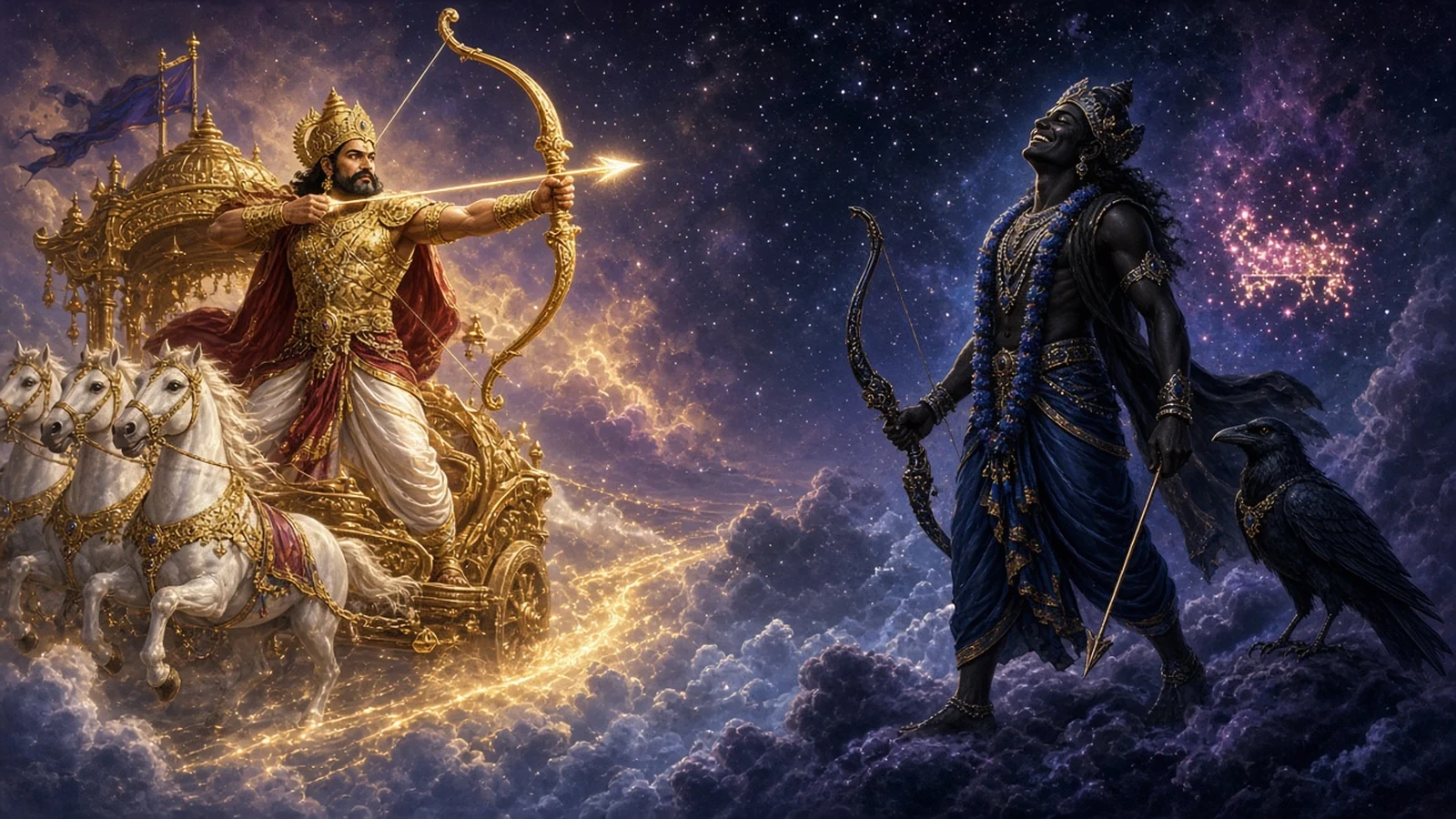
Yet the stories about him nearly always end in a bargain. One popular telling says Shiva made him the officer who hands out punishment, and his punishments can be bought off with patience and devotion. King Vikramaditya won his promise in the Shani Mahatmya. King Dasharatha drove into the sky to stop him crossing the stars of Rohini and came home with a hymn that is still sung. Hanuman freed him from Ravana's prison and won safety for everyone who prays to him. The Shiva Purana says that for the first sixteen years of a life no one feels his weight at all.

Saturday, Shanivara, is his day. People pour oil over his image, give sesame and black gram, offer shami leaves, and touch the peepal tree in the early morning. The hymn to the nine planets greets him like this:

Nilanjana samabhasam raviputram yamagrajam, chhaya martanda sambhutam tam namami shanaishcharam: Dark as blue lamp-black, son of the Sun, elder brother of Yama, born of Chhaya and the Sun, the slow one, I bow to you.

His best known shrine has no roof. At Shingnapur in Maharashtra he is a black stone standing under the open sky, in a village where, people say, the houses need no doors.
Before the Puranas

The Vedic roots of Shani

The Vedas do not know Shani. No hymn of the Rigveda is addressed to Saturn or to any other planet as a god; the slow dark wanderer enters the texts with Indian astronomy, and Shani the son of the Sun and his shadow wife is a figure of the epics and the Puranas. What the Veda does give him is a family. Rigveda 10.17 speaks of the wedding of Vivasvat, the Sun, and of the mother of Yama who vanished, and the later books turn that hint into the story of Chhaya, the shadow, whose son Shani is.

The Mahabharata knows him as a planet of omens. Among the dreadful signs before the war at Kurukshetra it names "the Sun's offspring" pressing on a constellation (Bhishma Parva 3). The Markandeya and Vishnu Puranas tell how the Sun's wife left her shadow in her place, and how the shadow bore him.

The astronomers measured him. From Aryabhata in the fifth century and Varahamihira's Panchasiddhantika to the Surya Siddhanta, they reckoned his slow course at about ten thousand seven hundred and sixty five days. The law books gave the planets a rite of their own (the Yajnavalkya Smriti, 1.295 to 308), and the seven-day week gave Saturday to Saturn.

The Puranas made him a person with a temper and a history. The Skanda Purana says he won his place among the planets by penance before a linga at Prabhasa, and names his Saturday offerings: shami leaves and rice cooked with sesame and black gram. It tells how Dasharatha faced him in the sky, and the Padma Purana tells it again. The Brahma Purana has him burn two demons from the inside, and the Brahmavaivarta gives the curse that made his look so dangerous. The Shiva Purana sets a limit on him: sixteen years of grace at the start of every life.

Later devotional books, the Marathi Shani Mahatmya from a Gujarati original and the Hindi Saturday vrat katha, turned his slowness into the seven and a half years and told how a king came through them. The folk stories of Hanuman and of the stone at Shingnapur are younger still, and they are where most people meet him today.

See how the Vedic gods became the Puranic ones →

Every story about Shani

Related gods