Devalok ← All gods
Also calledSaumyaSomaputraRauhineyaBudhBudhanMercury

In short

Who is Budha?
The planet Mercury as a god, one of the nine planets. He is the son of the Moon and Tara, the wife of Brihaspati, and his name means the one who knows.
Is Budha the same as the Buddha?
No. The names come from the same root, to wake and to know, but Budha is the Moon's son and a planet, and the Buddha is the teacher of the Buddhists.
Who was Budha's wife?
Ila, who was a king and a woman by turns. Their son Pururavas was the first king of the Moon's line, the family of Nahusha and Yayati.
Which day belongs to Budha?
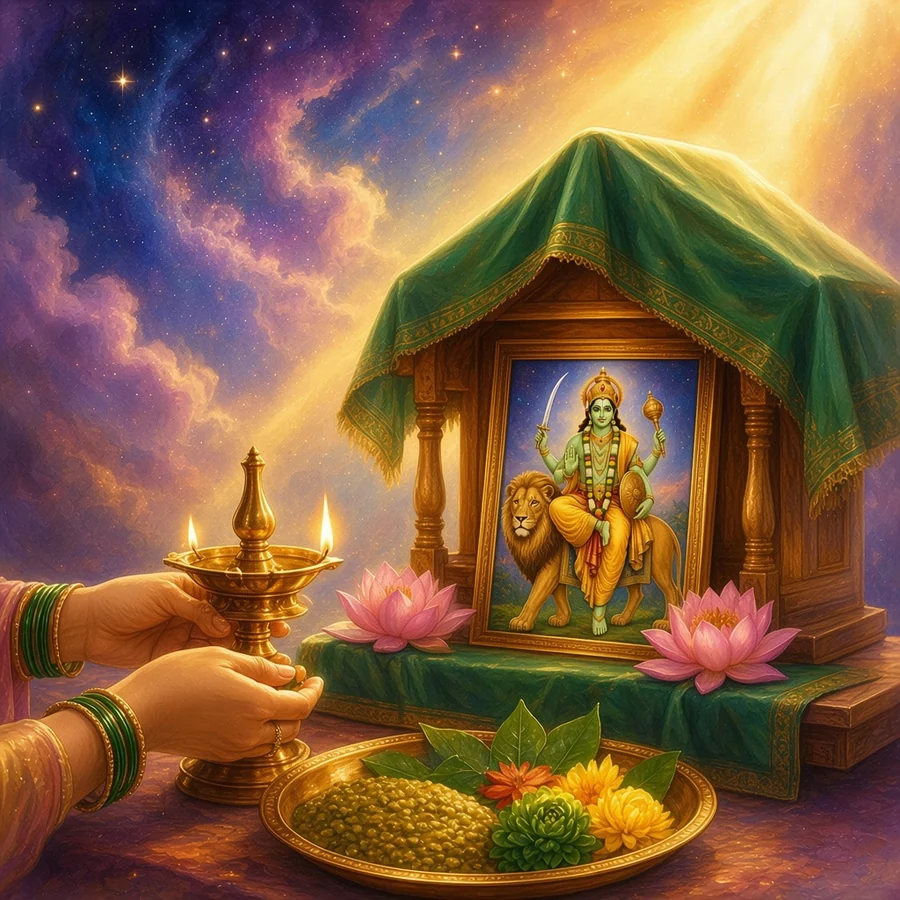
Wednesday, Budhavara. Among the nine planets he is the yellow one, and households keep a Wednesday fast for him.

Artwork ›

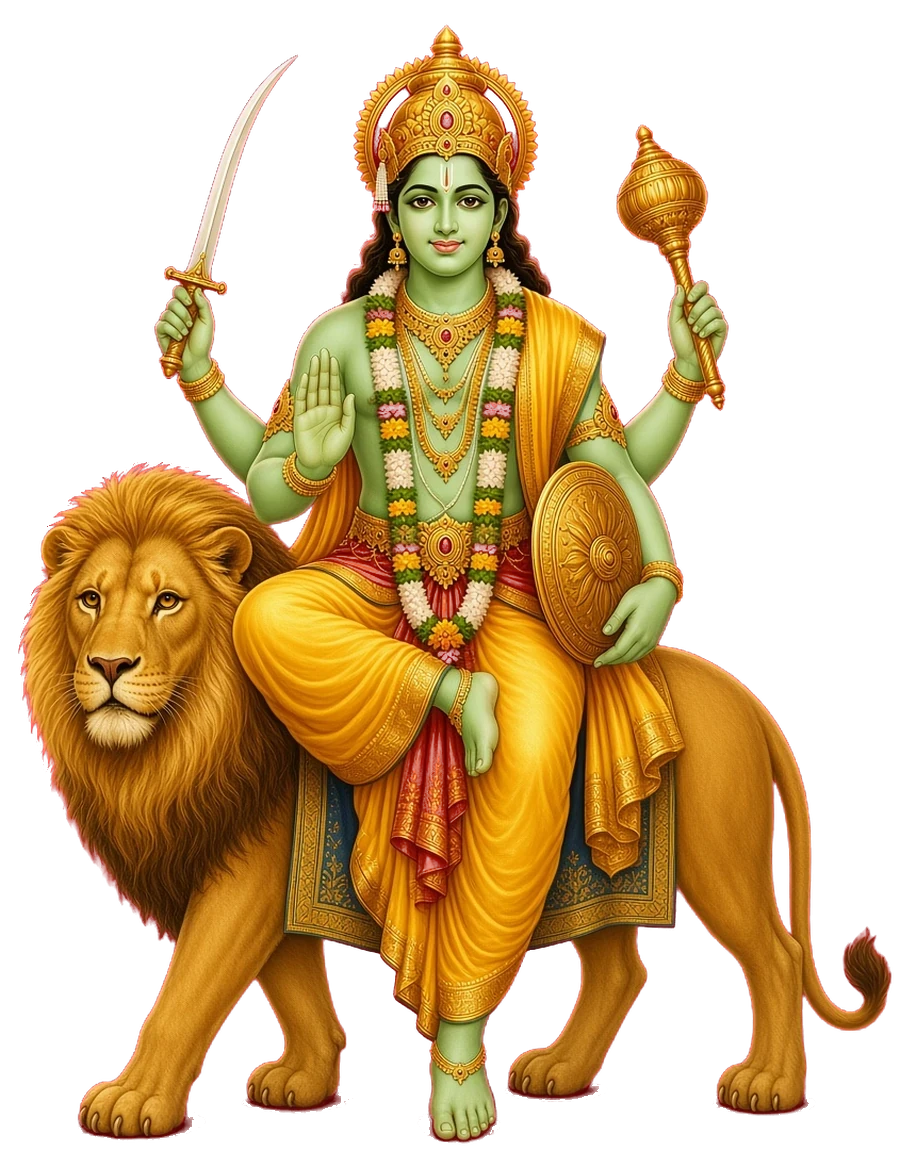
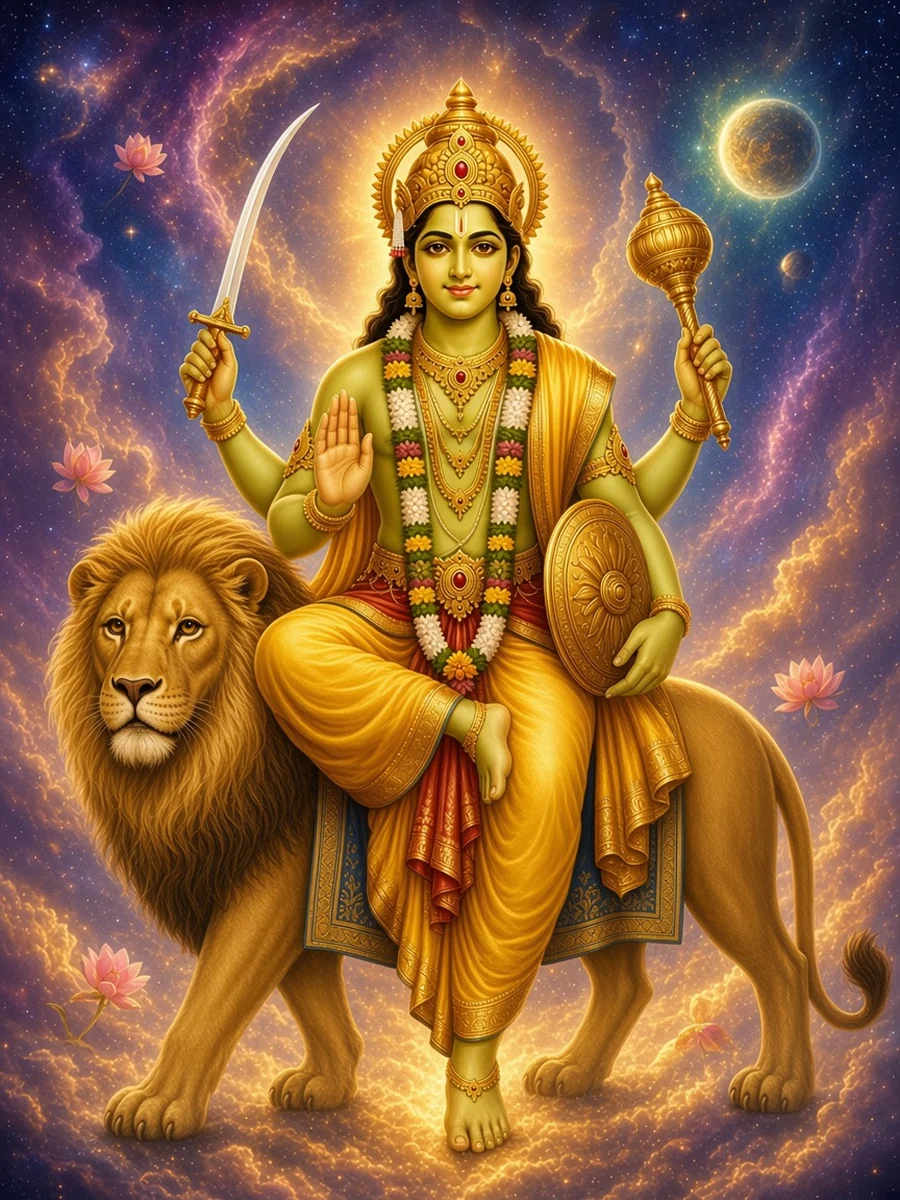
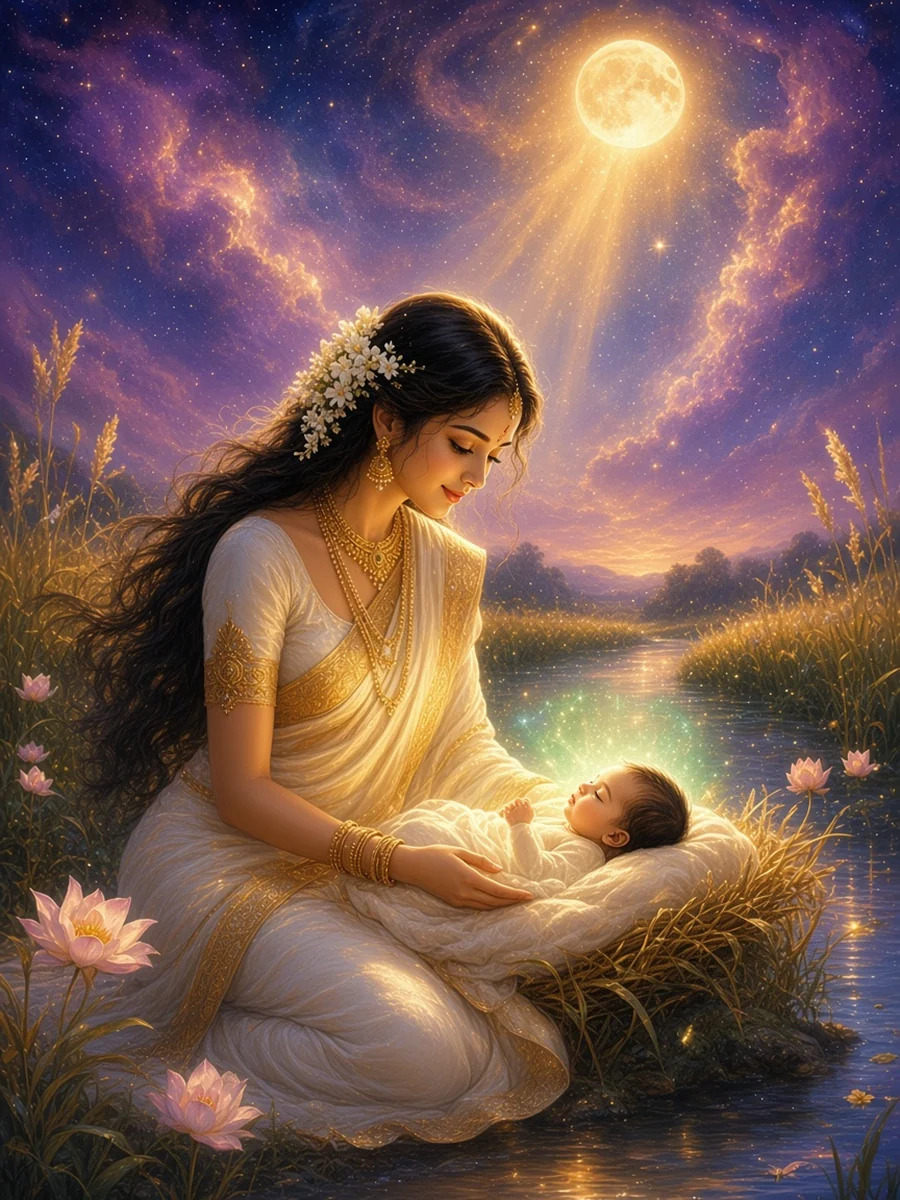
Budha, the planet Mercury, riding his lion The shining child among the reeds

For kids

Mercury on the move
Mercury on the move
The one who knows
The one who knows

At a glance

TraditionPan-Hindu
FormYellow

in yellow robes and a yellow garland, four hands with sword, shield and club and one raised in blessing, riding a lion (Matsya Purana 94)

ChariotMade of air and fire

drawn by eight bay horses as fast as the wind (Vishnu Purana 2.12)

Who Budha is

Budha is the planet Mercury, and the planet is a god. He is the Moon's son, born to Tara, the wife of Brihaspati, after the Moon carried her off, and he shone so brightly in the reeds where she laid him that every god who saw him wanted him for a son. When Tara at last named the Moon as his father, the Moon called the child Budha, the one who knows. He is also Saumya and Somaputra, the Moon's son. His name sounds like the Buddha's, and both come from the old word for waking and knowing, but he is not the Buddha.

He is the planets' scholar. The Matsya Purana says he was master of every science from birth and wrote a book on the care of elephants, and that Brahma and the sages anointed him a lord among the planets. The Kashi Khanda tells how he left his father, set up a linga of his own at Kashi and held Shiva in his mind for ten thousand years, and asked for nothing in return but to love him; Shiva gave him a world above the stars anyway.

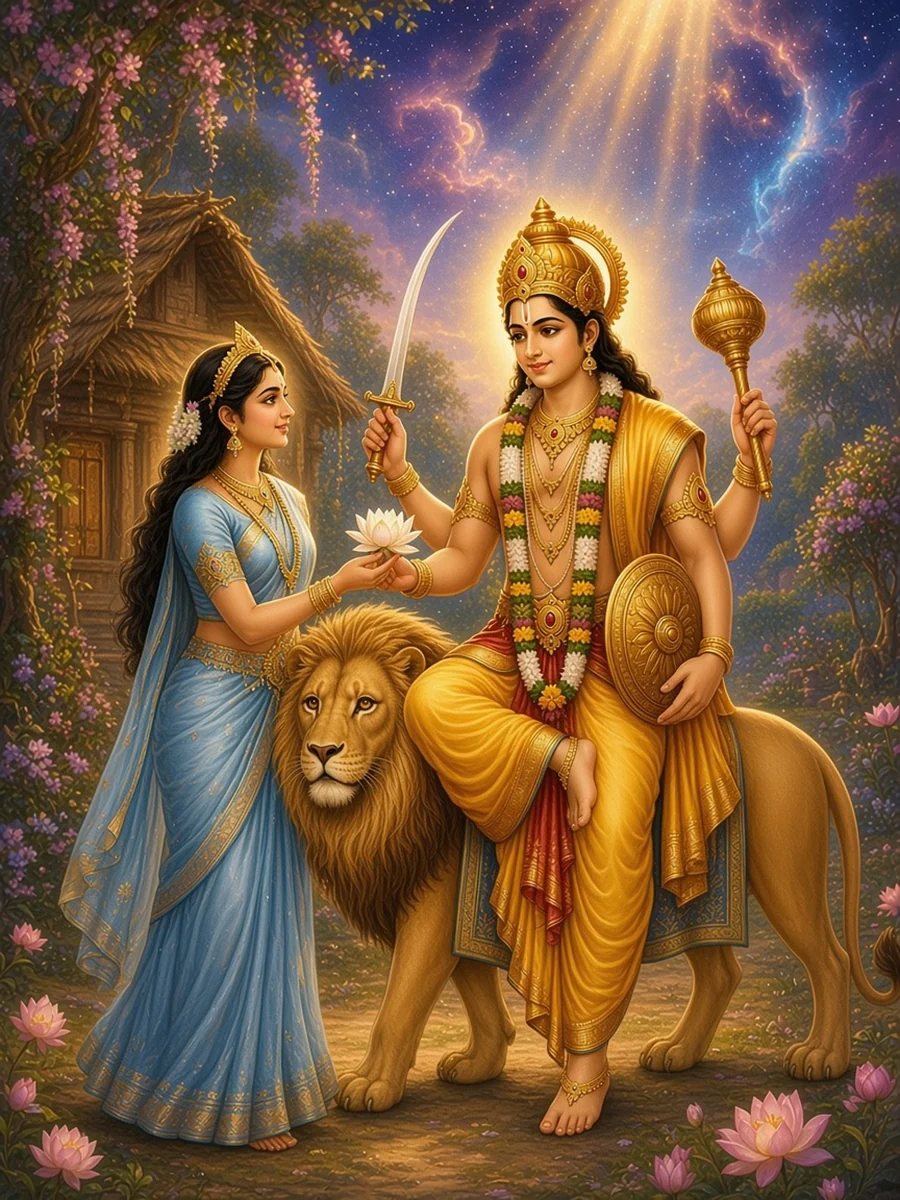
His one great story is a marriage. King Ila, cursed in Shiva's forest to be a woman one month and a man the next, came in a woman's months to Budha, and their son Pururavas began the Moon's line of kings, the house of Nahusha and Yayati.

He is worshipped among the nine planets, the yellow one in the old rite, green in many temple images, and Wednesday, Budhavara, is his day. The hymn to the nine planets greets him like this:

Priyangu kalika shyamam rupenapratimam budham, saumyam saumya gunopetam tam budham pranamamyaham: Dark as the priyangu bud, matchless in form, gentle and full of gentle ways, to that Budha I bow (Navagraha Stotra, ascribed to Vyasa).

His stories on this site: One Month a King, where Ila comes to him at a mountain lake; The Boy Who Asked for Nothing Else, his penance at Kashi and Prabhasa; and The Stranger Who Brought the Water, the Wednesday fast's own story. His birth is told in Tara and the Child of the Moon, his world on Shivasharman's road through the sky in The Road Past the Planets, and the nine together in The Forest of White Flowers.
Before the Puranas

The Vedic roots of Budha

The Rigveda does not know Budha as a planet or as a god. The one old trace of him is a ritual text: the Panchavimsha Brahmana of the Samaveda (24.18) tells of a sixty-one-day rite held by the Vratyas, followers of the one they called the God, with Budha as their leader. They began without asking King Varuna for a place, and he shut them out of the sacrifice. Verses sung in that chapter call Budha the son of Soma, who brought butter back into the milk. Its translator W. Caland notes that the verses are unclear and found nowhere else.

The Puranas give that son of Soma a whole life. The Vishnu Purana and the Bhagavata tell how the Moon carried off Tara, how the gods and Asuras fought over her, and how Tara named the Moon as the father of her shining child. The Matsya Purana adds his learning, his treatise on elephants and his anointing as a planetary lord by Brahma. His marriage to Ila is told in many places: the Ramayana's last book, the Matsya, the Vishnu and the Bhagavata each tell it, and each differently.

Astronomy made him a planet in the full sense. The Vishnu Purana gives him a chariot of air and fire with eight bay horses; the Matsya sets him in the north-east of the planets' altar, yellow and riding a lion. The astronomers, from Aryabhata in the fifth century to the Surya Siddhanta, worked out his course round the sky, and the seven-day week gave him Wednesday.

The Kashi Khanda of the Skanda Purana, like its chapters on the other planets, sends him to Kashi to set up his linga, Budheshvara, and earn his place in the sky from Shiva. The Prabhasa Khanda places a Budheshvara at Prabhasa as well, and in Tamil Nadu he has his own temple among the nine at Thiruvenkadu.

See how the Vedic gods became the Puranic ones →

Related gods