As the Kashi Khanda tells it
Skanda Purana, Kashi Khanda 15 · Kashi · 3 min read
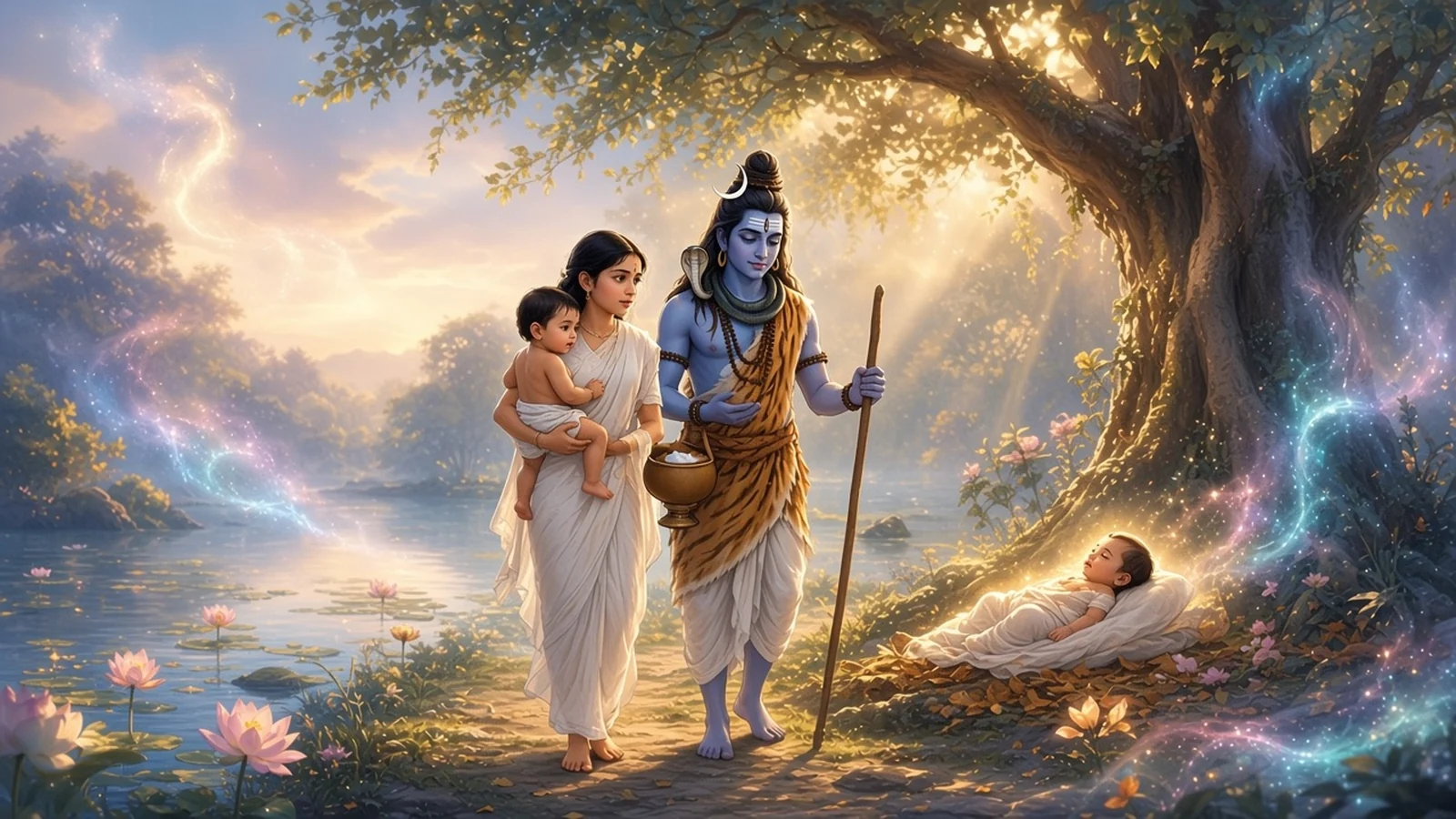
The child Tara bore beside the reeds outshone every god who looked at him, and when Tara at last named the Moon as his father, the Moon took him up, breathed in the scent of his head and called him Budha, the one who knows. That part of his story is told in Tara and the Child of the Moon. The Kashi Khanda goes on from there.
The boy grew brighter, more beautiful and stronger than the gods themselves. But he did not stay in his father's world to enjoy it.
"Father," he said to the Moon, "give me leave. I am going to Kashi."
The Moon let him go.
In Kashi, the city Shiva never leaves, the boy set up a linga with his own hands and gave it his own name, Budheshvara, the Lord of Budha. Then he sat down before it.
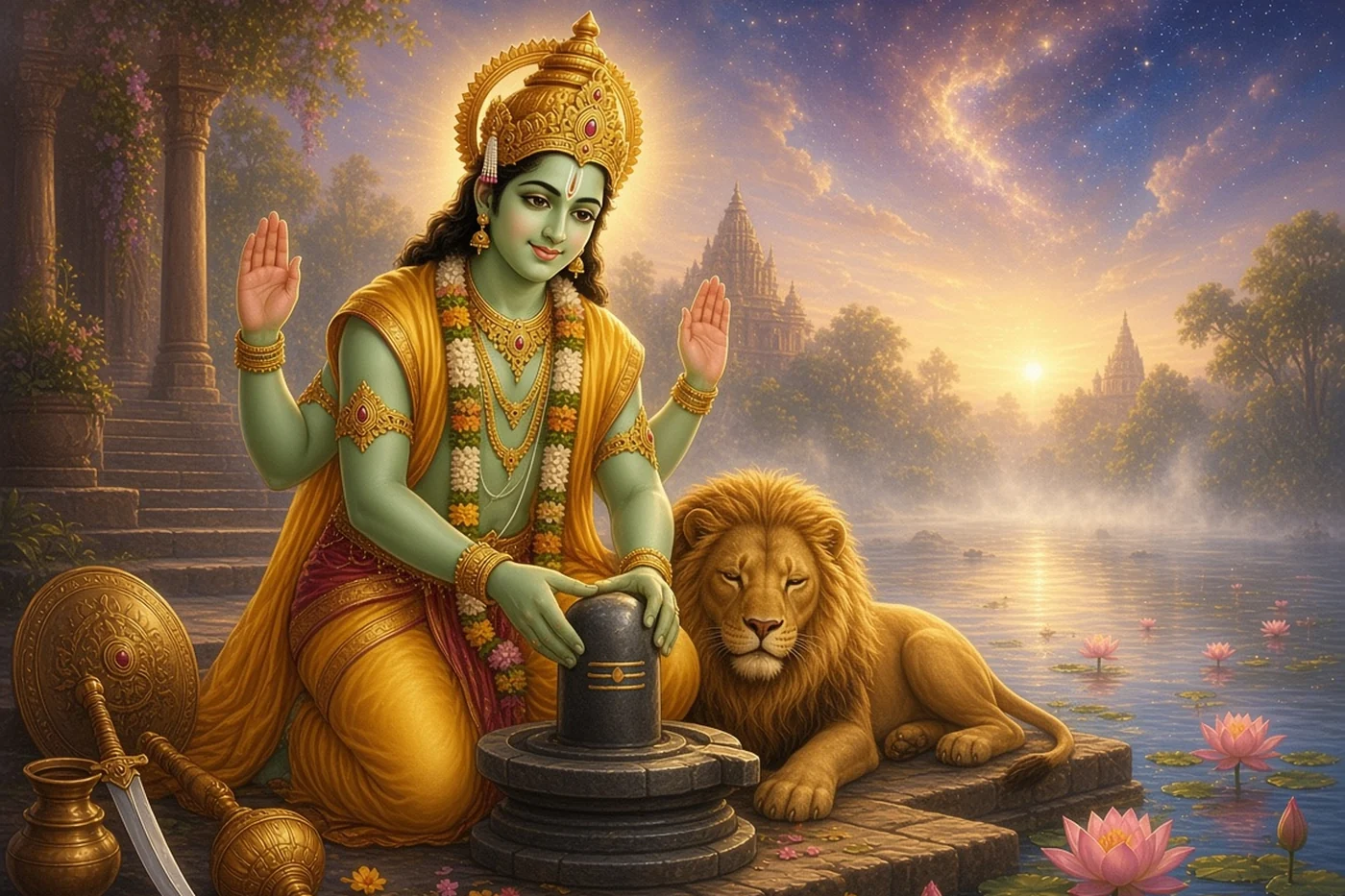
He fixed his mind on Shiva as Ugra, the fierce one, the god who wears the crescent moon in his hair. The moon in that hair was his own father. The boy held that one picture in his mind and nothing else, and he held it for ten thousand years.
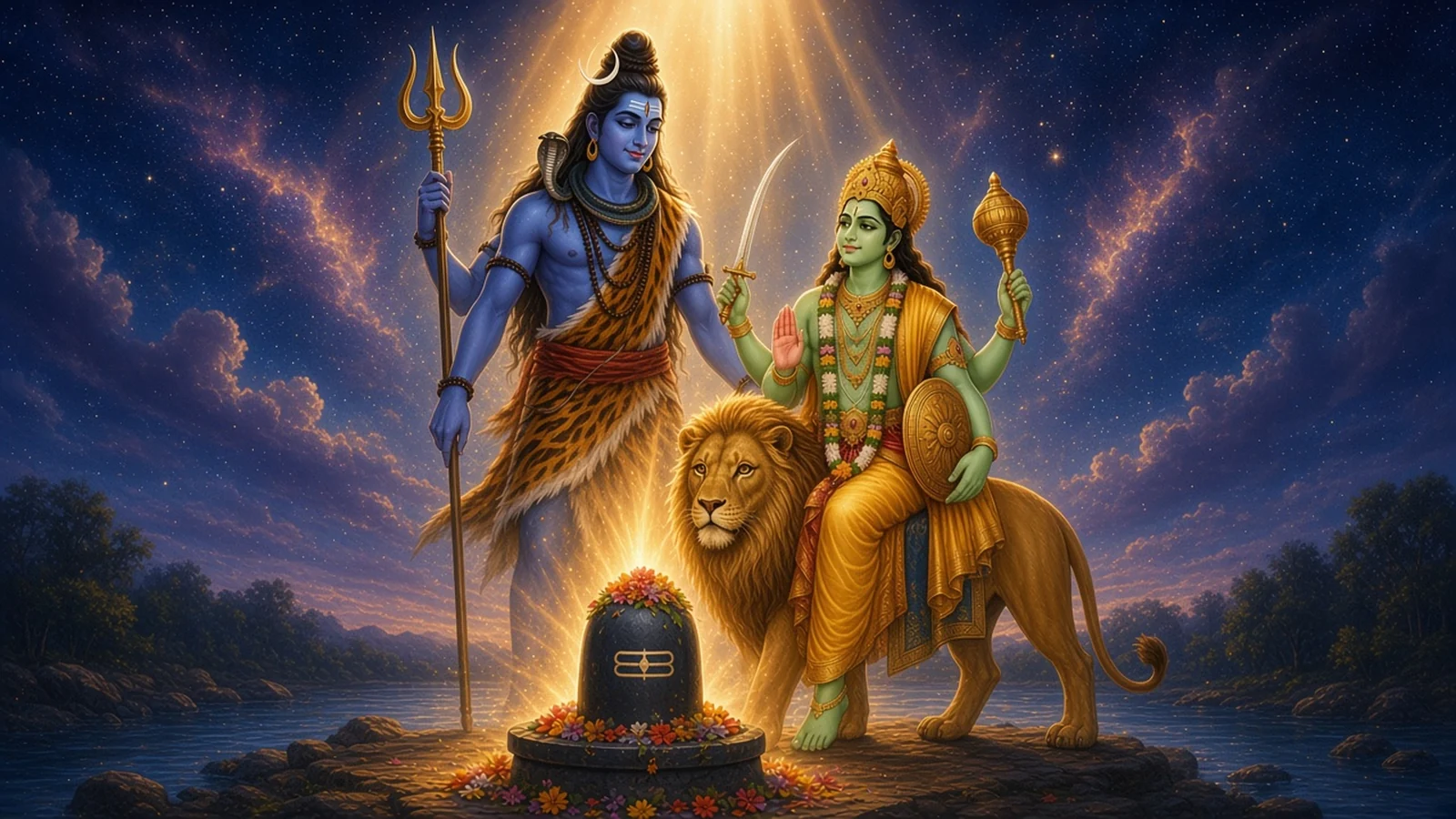
At the end of them Vishveshvara, the Lord of all, came forth out of the linga.
"Wise boy," said Shiva, "I am pleased with your penance. Ask for a boon. Whatever you ask, I will not hold it back."
Budha answered with praise.
"You are pure, and you are light," he said. "You are beyond every form, and you made every form. You know everything. You are merciful, and devotion is the road that reaches you, and you are the one who gives penance its fruit. Shambhu, Shiva, Sharva, Isha, Shankara, Dhurjati. Girisha of the mountain, holder of the bow Pinaka, the one whose throat is dark, Sadashiva."
He stopped.
"I do not know how to praise you as you should be praised," he said. "And I want no boon but one. Let my love for your feet never waver. I ask for nothing else."
Shiva was pleased with the hymn.
"Then hear what you will have anyway," he said. "Your world will stand above the world of the stars, and among all the planets you will have great honour. This linga you set up will give wisdom to everyone who comes to it, and it will take evil thoughts away. And you will have a home in my own world."
Then Shambhu was gone from sight, and Budha went up to his place in the sky, with Indra's good will.
The Purana closes with a promise to the people of the city. Whoever worships Budheshvara in Kashi and gains wisdom there will not sink in the deep sea of the world, and will live in Budha's world with a shining face. And whoever has once seen the linga that stands east of Chandreshvara, the Moon's own linga, will not be left without understanding, not even at the hour of death.
So the son's linga stands near the father's in the city of Shiva, as the son's world shines near the father's in the sky.
As the Prabhasa Khanda tells it
Skanda Purana, Prabhasa Khanda 46 · Prabhasa on the western sea · 1 min read
In the Prabhasa Khanda Shiva himself is the speaker. He tells the goddess, shrine by shrine, where each holy place of Prabhasa on the western sea stands and what it gives, and in the forty-sixth chapter he comes to Budha's.
"Next, goddess, the pilgrim should go to Budheshvara," he says. "It stands to the north of Angareshvara, the linga of Mars, two bow-lengths away. Only to see it is to be rid of every sin."
"Budha did a great penance in this place," Shiva goes on. "He set up this pure linga with his own hands and worshipped Sadashiva there."
Forty thousand years, he says, Budha worshipped, keeping every rule of the rite, his mind steady and turned nowhere else, until he saw Bhava face to face.
"I was pleased with him," says Shiva, "and I gave him the rank of a planet."
Then he turns to the people who will come after.
"Let them worship the lord the Moon's son set up," he says, "and above all on a Wednesday that falls on the eighth day of the moon. Whoever does so gains the merit of a royal consecration, the great Rajasuya. By this god's grace no one in that person's family will be wretched, and none will be parted from those they love, and there will be no enemy to fear."
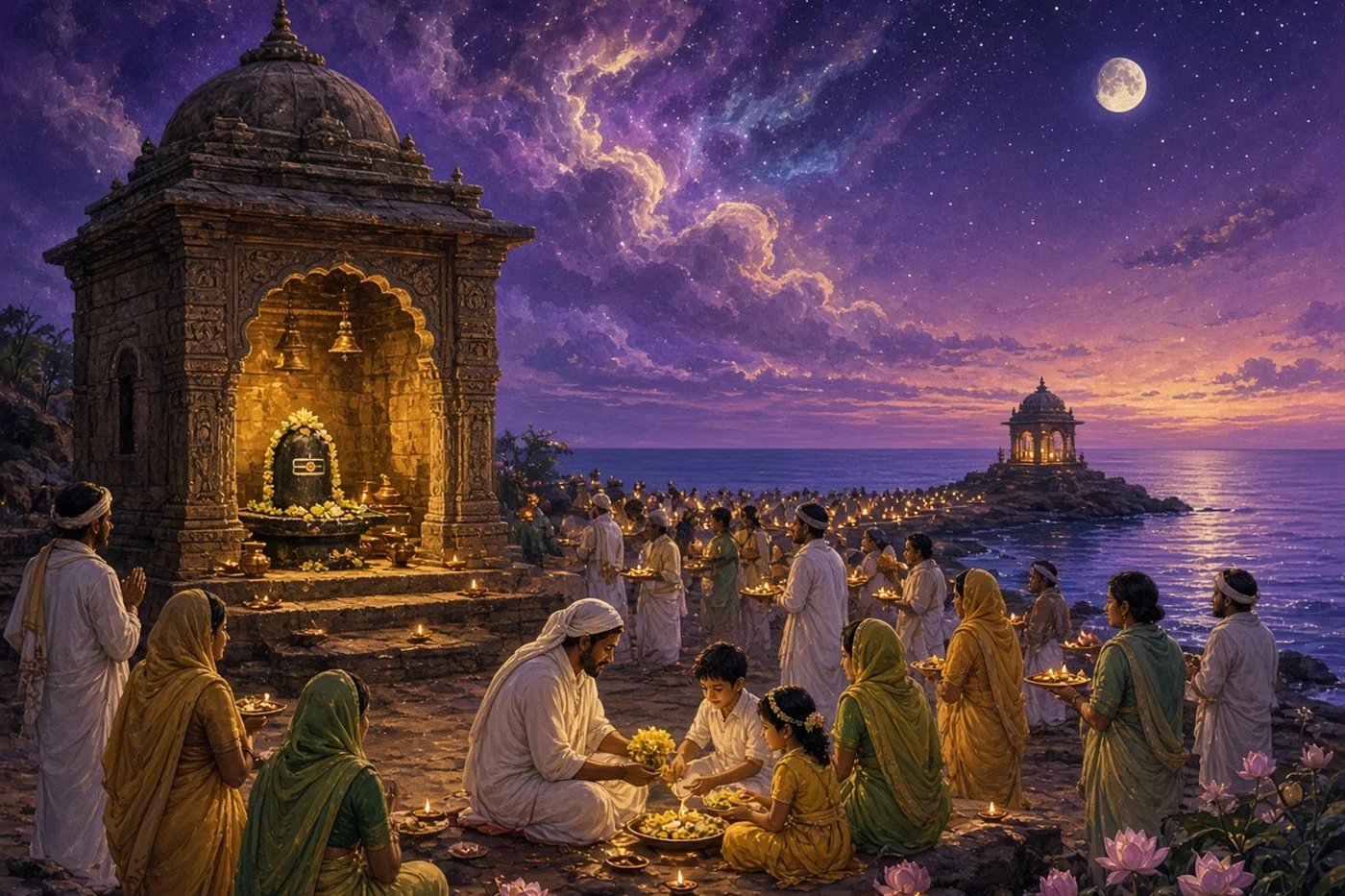
"That is the greatness of the god Budha set up," Shiva says. "Whoever hears it with a glad and pure heart reaches the highest world."
And his telling moves on to the next shrine.