Devalok ← All gods
Also calledHinglaj DeviHingula DeviHingulajaHingulataKottariKotaviHinglajimataNaniNanimaBibi NaniChole Wali Mai

In short

Where is Hinglaj Mata?
In a cave in a narrow gorge by the Hingol river in Lasbela district, Balochistan, in Pakistan, about four hours' drive west of Karachi along the Makran coast.
Why is Hinglaj a Shakti Peetha?
The Peetha lists say the crown of Sati's head fell there when her body was cut away from the grieving Shiva; the goddess there is Kottari and her guardian Bhairava is Bhimalochana.
When is the Hinglaj Yatra?
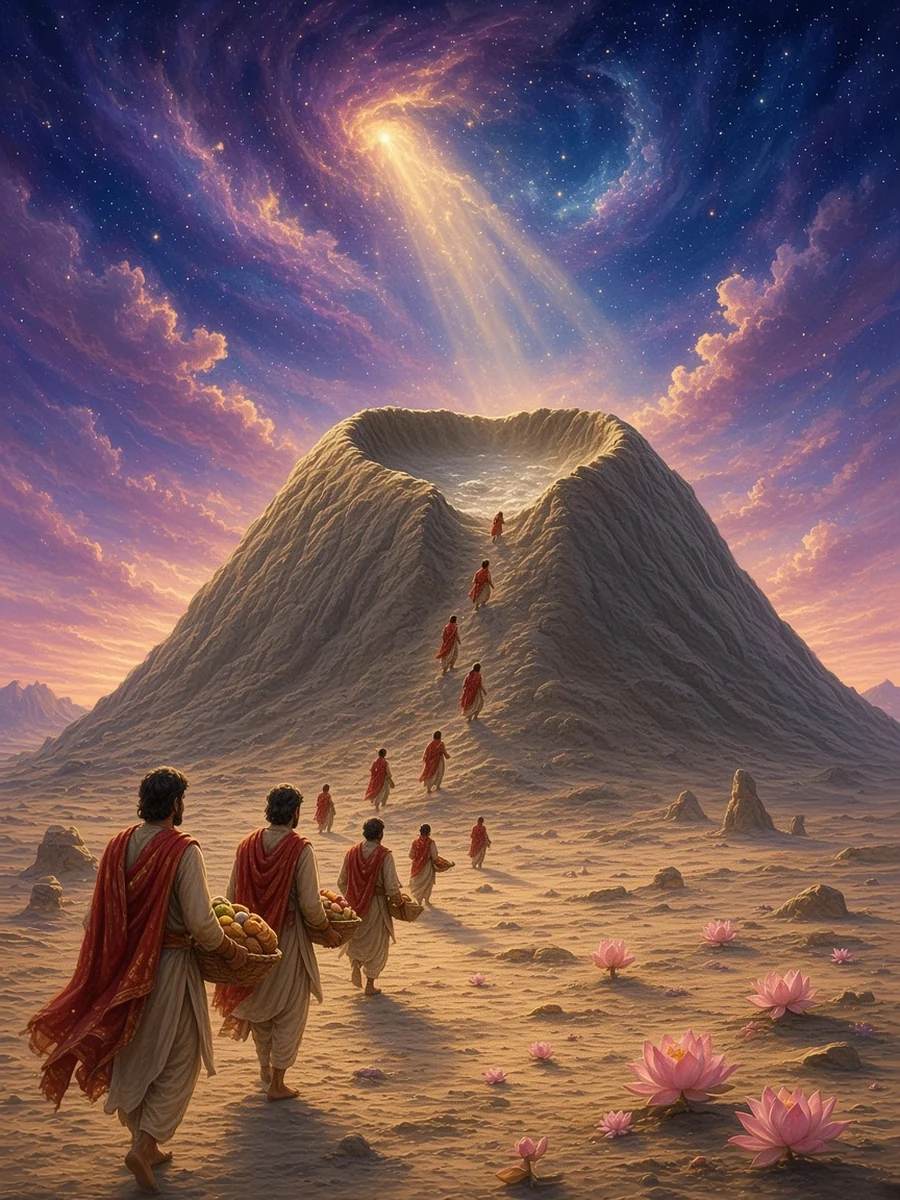
Every April, for three or four days. Pilgrims first climb the mud volcano Chandragup, honoured as Shiva, then bathe in the Hingol and go up to the cave.
Why do Muslims call her Nani?
The local Muslims, the Zikri Baloch among them, have long revered the shrine as Nani Mandir, the grandmother's temple, and call the pilgrimage Nani ki Haj.

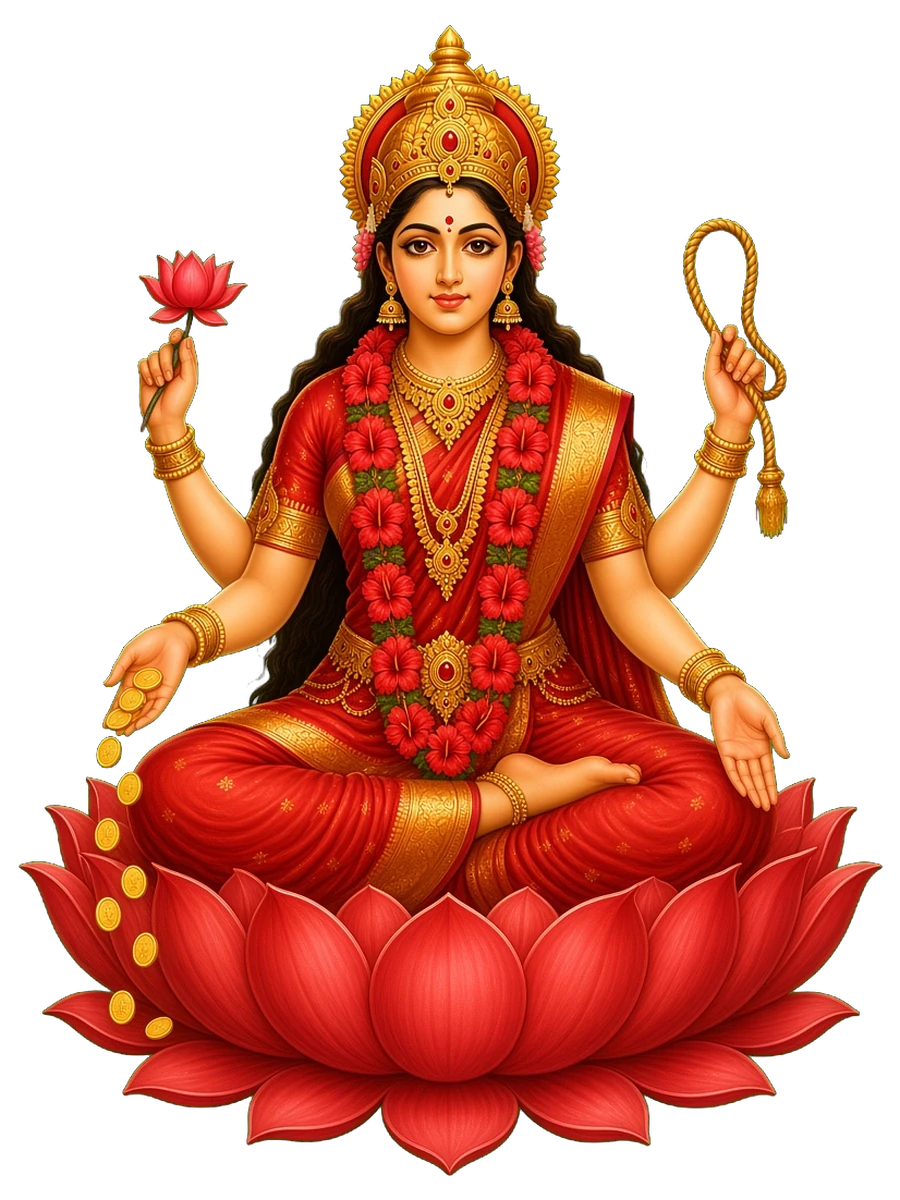
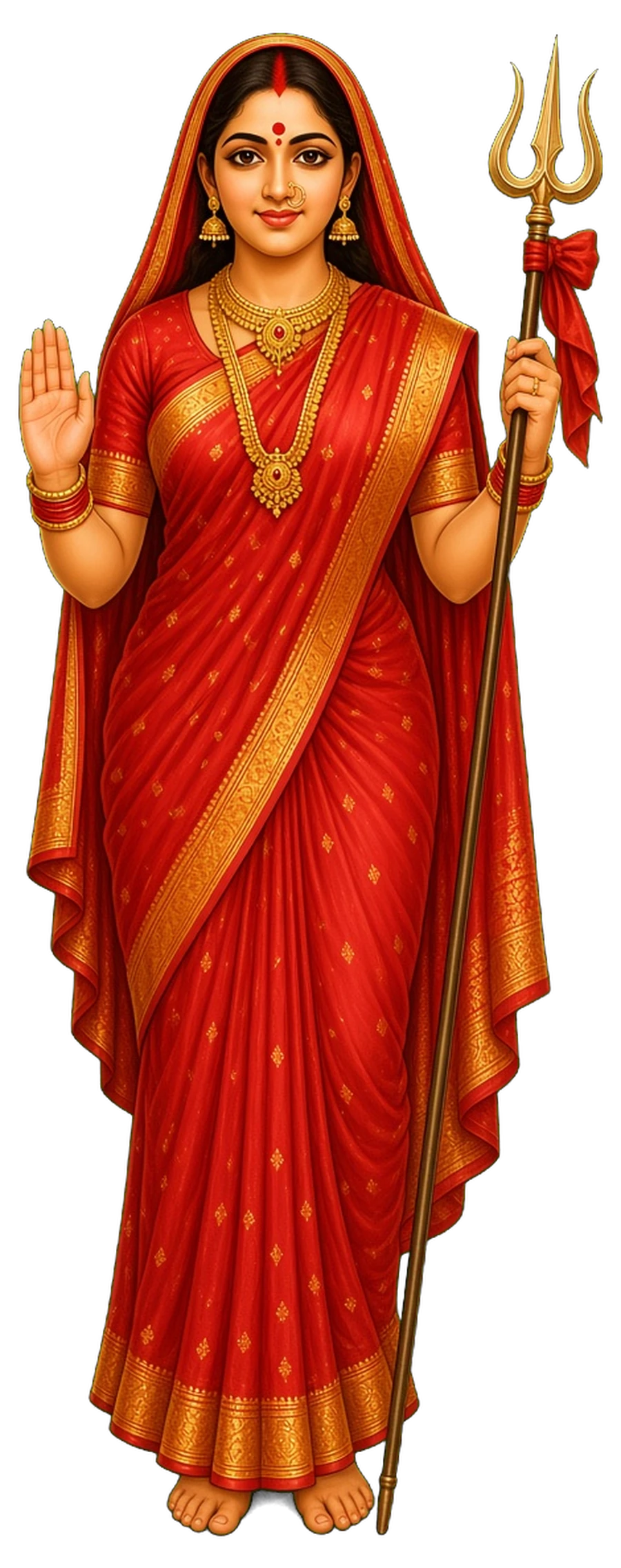
Artwork ›

No statue, only a red stone in a low cave First the mud volcano Chandragup, honoured as Shiva

For kids

Welcome to my cave
Welcome to my cave
Sweet bread for Nani

At a glance

TraditionShakta
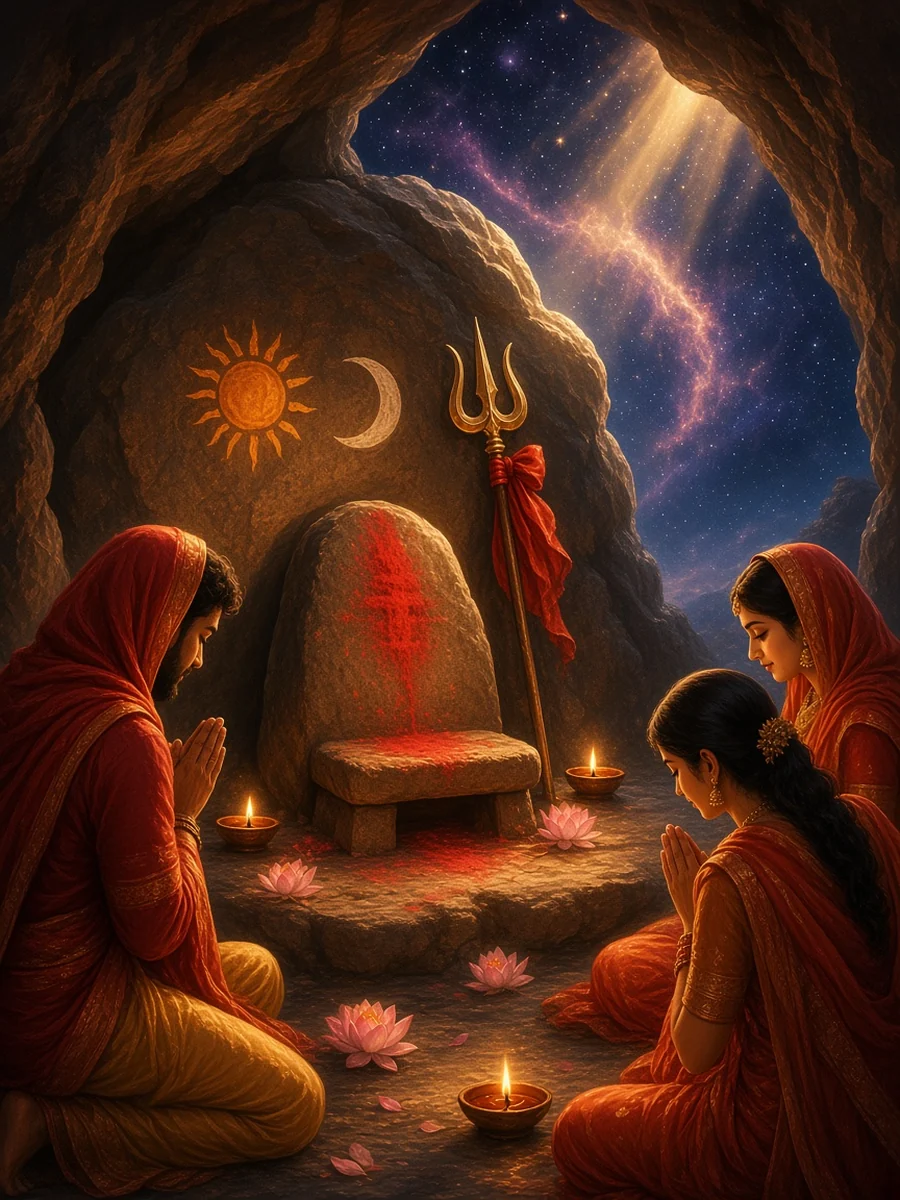
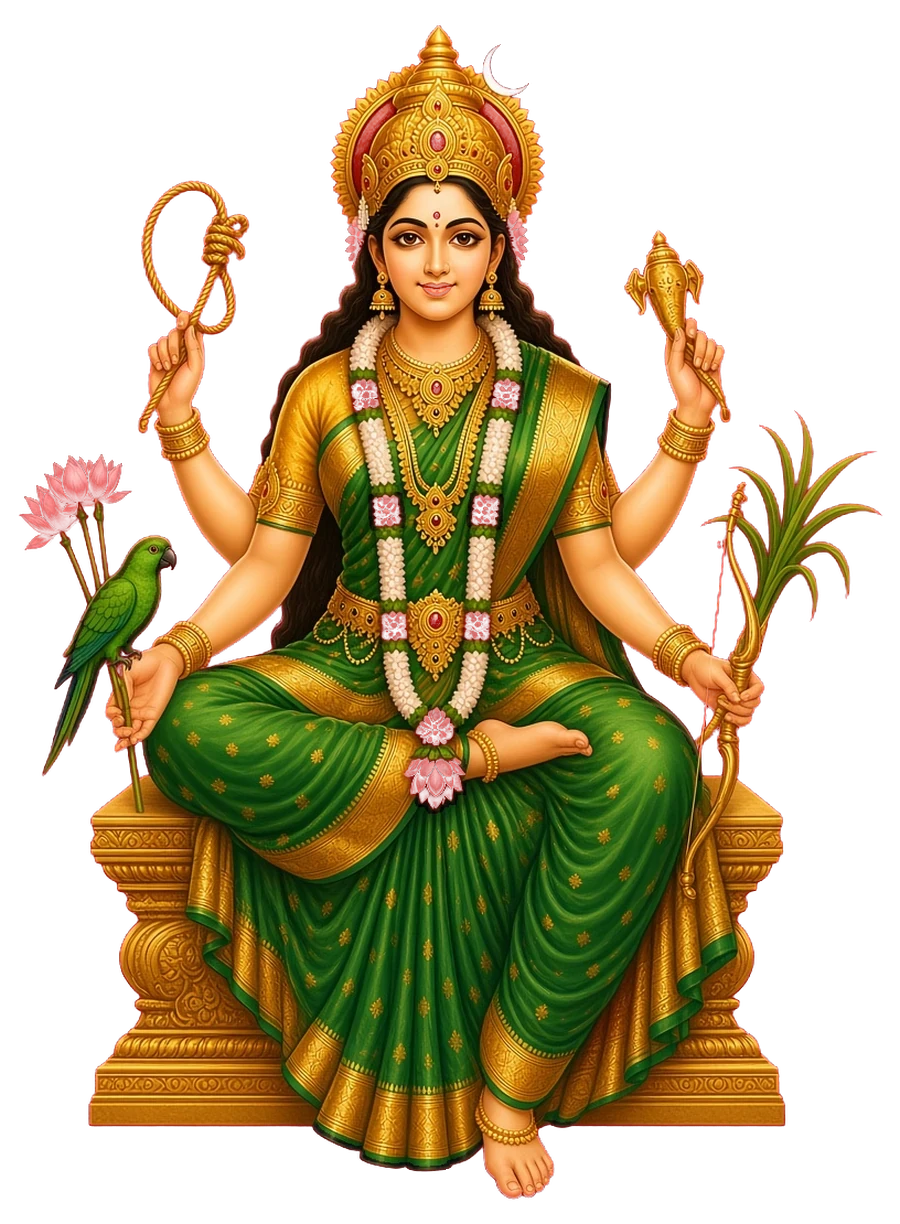
FormNo statue: a stone thick with vermilion in a low cave, with her seat (the astan) and a trident, and two round marks on the rock called the sun and the moon
NamesHingula

Kottari and Kotavi in the Sanskrit lists; Nani, Nanima and Bibi Nani to her Muslim neighbours

Who Hinglaj Mata is

Hinglaj Mata is the goddess of a cave in a dry gorge on the Makran coast of Balochistan, where the Hingol river cuts through the last of the Kirthar hills on its way to the Arabian Sea. She is the Mother, a form of Durga, and her cave is one of the Shakti Peethas, the seats of the goddess. The crown of Sati's head fell there, the lists say, when Vishnu's discus cut her body away from the grieving Shiva. How Sati died is told in Sati and the Sacrifice.

Brahmarandhram Hingulayam bhairavo Bhimalochanah, Kottari sa Mahadeva triguna ya digambari: At Hingula fell the crown of the head; its Bhairava is Bhimalochana, and the goddess, O Mahadeva, is Kottari, of the three qualities, clothed in the sky (Peetha Nirnaya).

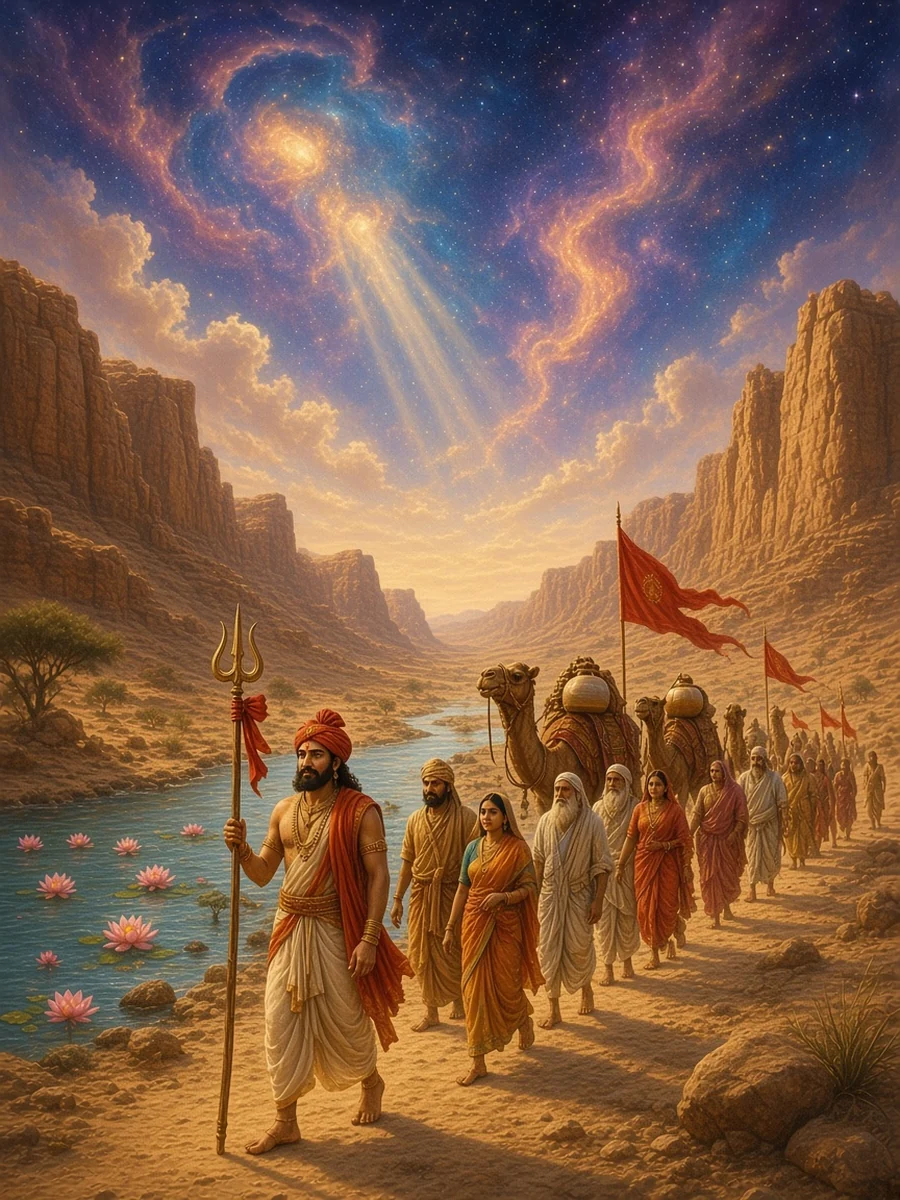
She has no statue. Her pilgrims bow to a red stone, a seat and a trident. For centuries they walked to her from Karachi through the desert behind a man carrying a staff, and none of them entered the cave before they had climbed the mud volcano Chandragup, honoured as Shiva, and called out their sins on its rim. The four-day yatra in April now brings two or three hundred thousand people, most of them Hindus from Sindh. Since Partition the shrine has stood in Pakistan, and pilgrims from India need a visa to reach it.

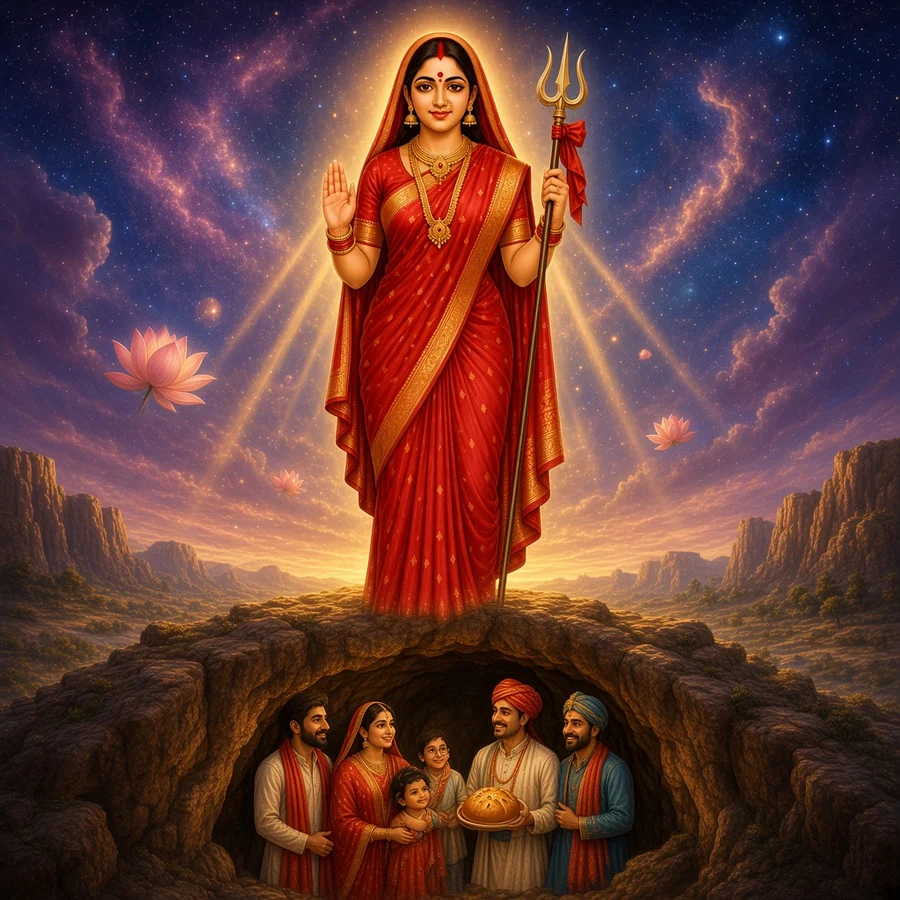
Her Muslim neighbours keep her too. They call the cave Nani Mandir, the grandmother's temple, and the Zikri Baloch of the coast bring her sweet bread when a vow is answered.

Far from the cave she is a family goddess. The Brahmakshatriyas of Sindh and Gujarat say she sheltered their first king from Parashurama; the Khatri, Bhavsar and Shimpi weavers say she turned their warrior ancestors into weavers, dyers and tailors; the Charans hold that she was born among them in Thatta. Wherever these families settled, in Gujarat, Rajasthan, Maharashtra and the Deccan, they built her temples, and many still hope to make the journey to the cave once in their lives.

Her name is also the river's. The tellings say she took it from Hingol, a king she killed in the cave, who asked that the place keep his name.
Before the Puranas

The Vedic roots of Hinglaj Mata

The Vedas do not know Hinglaj. She belongs to the later world of the Shakti Peethas, the seats of the goddess that grew from the story of Sati's body, and her name first appears in the tantric lists of those seats. The Kularnava Tantra makes Hingula the third of eighteen; the Kubjika Tantra puts Hinglaj fifth of forty-two; the Peetha Nirnaya of the Tantrachudamani names her first of fifty-one, and the Shivacharita first of fifty-five, with her Bhairava placed far away at Koteshwar in Kutch.

The lists do not agree on what fell. The Peetha Nirnaya says the crown of the head; Mukundaram's Bengali Chandimangal, of the sixteenth century, counts only nine seats, puts Hinglaj last and says it was the forehead. Hingula is also the Sanskrit word for cinnabar, the red ore of vermilion, and the scholar Francesco Brighenti called his study of her worship A Sulphurous Shakti. Some scholars link her, and her Muslim name Nani, with Nana, a goddess once worshipped in Bactria by the Kushans; to her neighbours the name simply means grandmother.

National Geographic dates the oldest records of the pilgrimage to the fourteenth century. The Nath yogis claim Guru Gorakhnath as a pilgrim, and the Sindhi poet Shah Abdul Latif Bhitai, who visited the cave in the eighteenth century, wrote of her jogis in his Sur Ramkali. The Charans have their own account of her beginning: Bhanwar Singh Samaur records that she came from a Charan family of Thatta, and an older Charan writer made her a queen who led her people to Makran.

The modern temple committee, the Hinglaj Seva Mandali, was founded in 1986, and the Makran Coastal Highway reached the valley in 2004. Jürgen Schaflechner's study of the temple, published in 2018, follows how the old desert walk and its rites have changed as the crowds have grown.

See how the Vedic gods became the Puranic ones →

Related gods