Festival · The week Cuttack spends on the river sand, remembering the morning Odisha's merchant ships sailed for Bali
Bali Jatra
Bali Jatra, the Voyage to Bali, is the great fair Cuttack holds on the Mahanadi sand at Gadagadia ghat, below Barabati fort, from the full moon of Kartika for about a week. It remembers the sadhabas, Kalinga's seafaring traders, whose ships sailed on this day for Sri Lanka, Java, Sumatra and Bali on the north-east wind. Before dawn families across Odisha float little boats with lamps and betel for them, and the fair that follows is counted among Asia's largest open trade fairs.
When is Bali Jatra in 2026? Kartik Purnima, the dawn boats and the fair's opening, is Tuesday 24 November 2026; it runs 24 November to 1 December 2026. In 2027: Sunday 14 November 2027. From Kartik Purnima, the full moon of Kartika, in October or November, for about a week.
Also calledBali YatraBaliyatraBalijatraHistoric Bali Jatra Cuttackthe Voyage to BaliBoita BandanaDanga Bhasa
In short
What is Bali Jatra?
The fair Cuttack holds on the Mahanadi sand from the full moon of Kartika for about a week, remembering the sadhabas, Odisha's merchant sailors, who set out on that day for Sri Lanka and the islands of Southeast Asia.
When is Bali Jatra in 2026?
The district has announced it for Tuesday 24 November to Tuesday 1 December 2026, opening on Kartik Purnima. Calendars give the full moon on Sunday 14 November in 2027 and Thursday 2 November in 2028.
What is Boita Bandana?
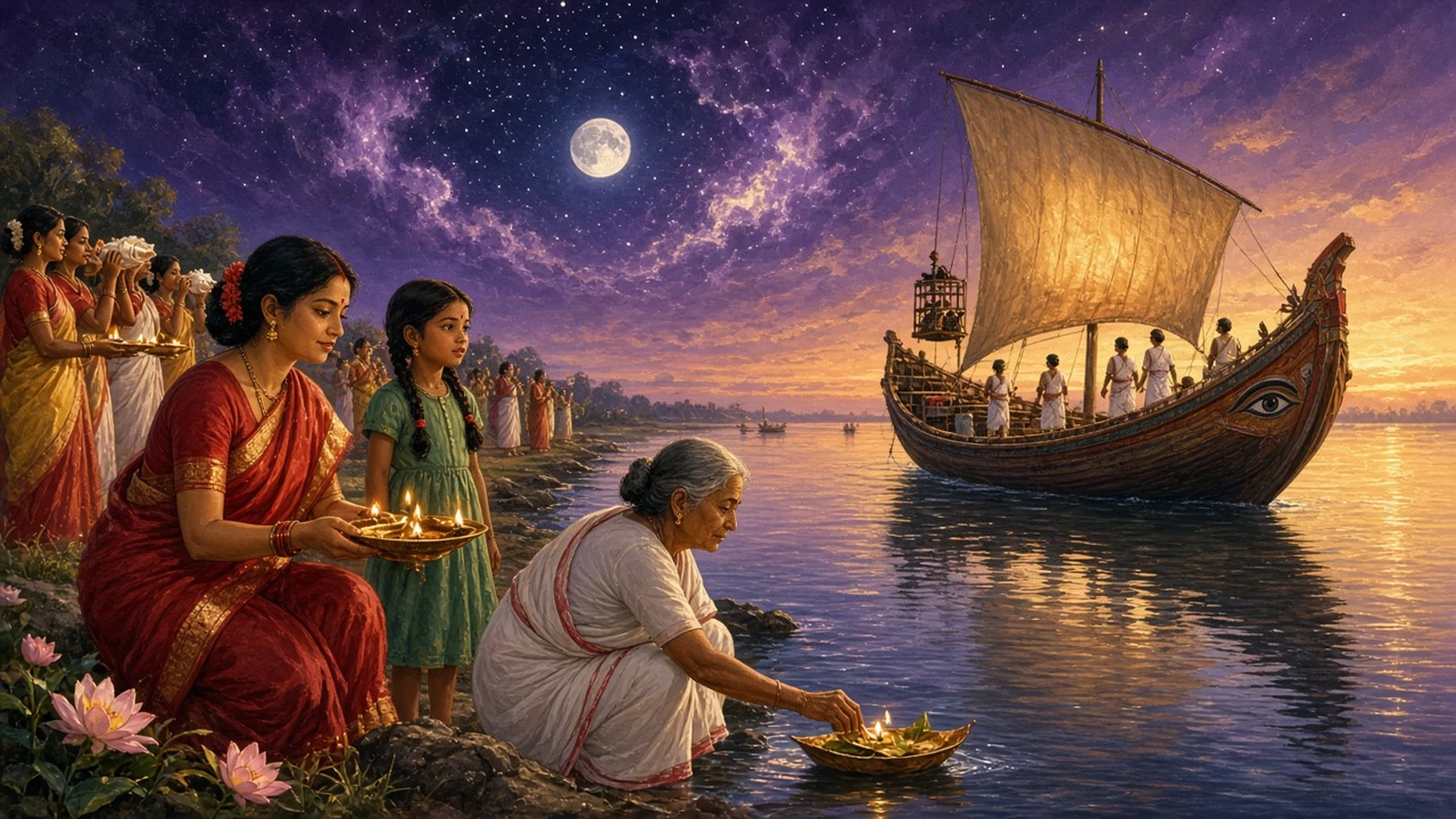
The dawn rite on the same full moon, when families float small boats with a lamp and betel leaf and nut on the river, tanks and sea, with conches and the women's hulahuli, for the ships that once sailed.
What do the words said over the boats mean?
Roughly, the syllables aa, ka, ma, bai, then "I set down betel leaf and nut; the betel and nut are yours, the month's merit is mine." Readers take the first syllables as the names of four months of the sailing year, but they do not agree which.
Did the sailors really reach Bali?
Historians record Kalinga's sea trade from Mauryan times to about the fourteenth century, with Indian pottery found at Sembiran in Bali and inscriptions in Java and Bali naming Kalinga traders. The fair's name is also read another way, as bali, the sand of the river.
Next, in 2026Tuesday 24 November 2026
24 November to 1 December 2026
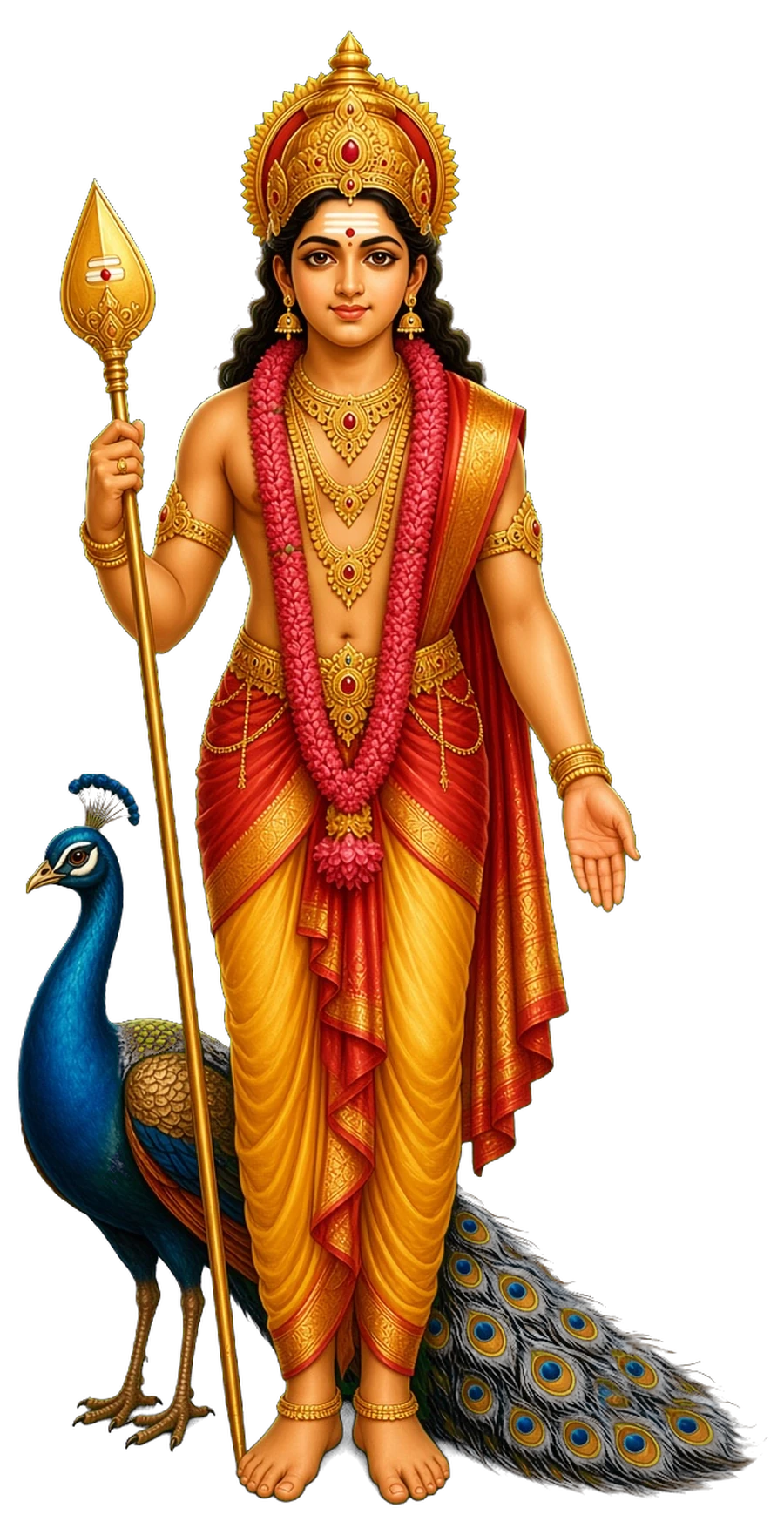
Prime godKartikeswar, the god of Cuttack's lanes
with 3 more
WhereCuttack above all, at Gadagadia ghat on the Mahanadi; Paradeep, Gopalpur and Chelitola near Tirtol keep their own; the dawn boats are floated across Odisha
How longAbout a week, from the full moon to Prathamastami; the 2026 fair runs eight days
From Kartik Purnima, the full moon of Kartika, in October or November, for about a week
Why it is kept
Bali Jatra is the day Odisha remembers that it once went to sea. On the full moon of Kartika, when the north-east wind sets in, the sadhabas, the merchant sailors of old Kalinga, are said to have set out in their ships, the boitas, for Sri Lanka, Java, Sumatra and Bali. Before dawn families still float small boats with lamps and betel for them on every river, tank and beach, and in Cuttack a fair opens on the Mahanadi sand at Gadagadia ghat and runs for about a week. The encyclopedia counts it among the largest open trade fairs in Asia.
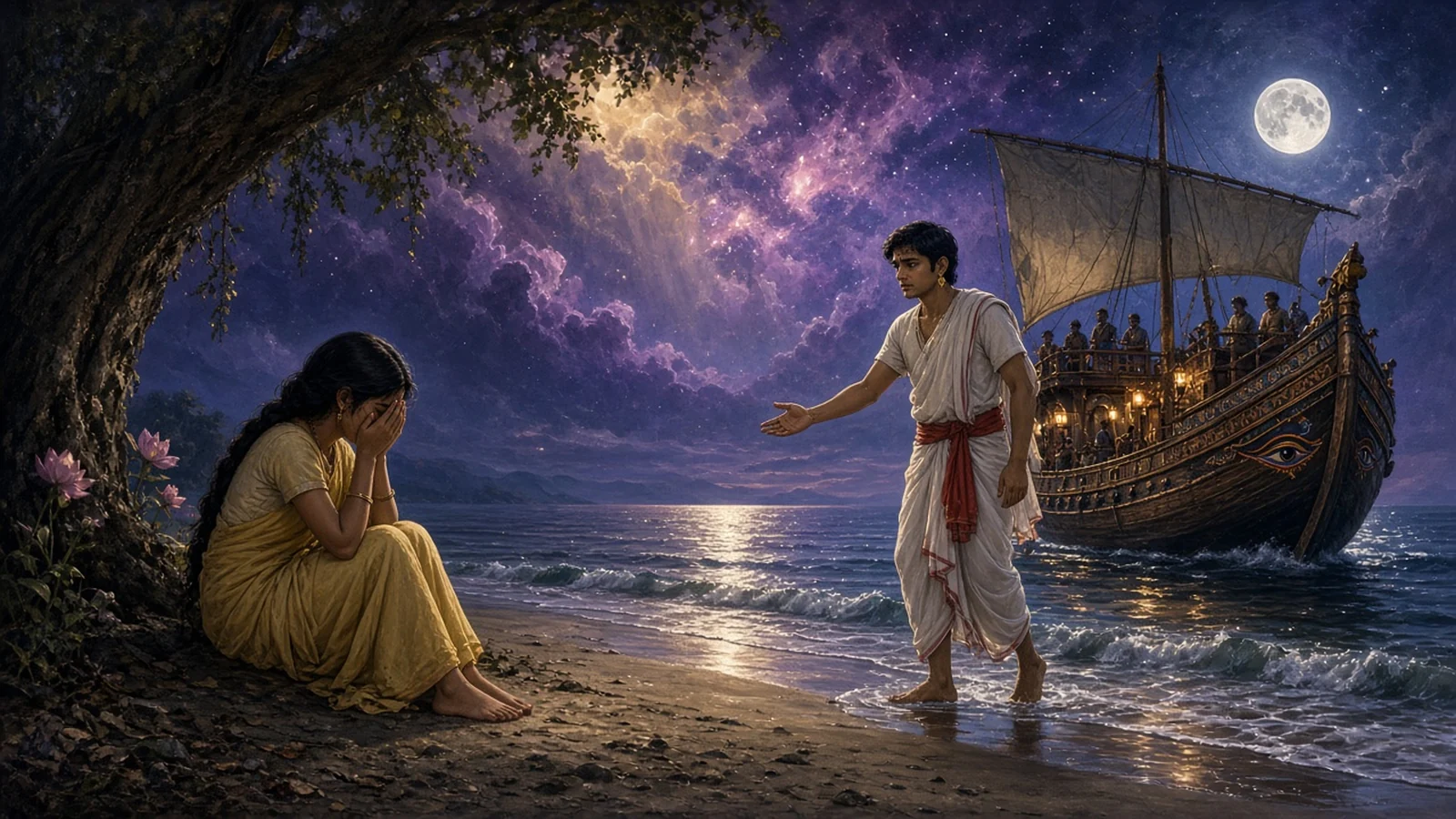
The fair keeps the memory of the voyage. R. K. Nanda reckons the round trip at about six months: down the coast with the wind to Sri Lanka for water and coconuts, east on the currents to the islands, Bali by about mid January, two months of trade, and home on the south-west wind by May. The ships carried cloth, spices, betel, rice, salt, gems, pearls and ivory. Mangala, the sailing houses' goddess, was prayed to for their safety, and the women who stayed behind are remembered in the tale of Taapoi, told in The Sister Left on the Shore. A house getting its ship ready is told in The Ship That Left on the Full Moon.
The sadhabas' ships leave the shore at dawn while the women pray to Mangala for their return
The words said over the boats run, in the commonest form, "aa ka ma bai, pana gua thoi, pana gua tora, masaka dharama mora". In our own words: I set down betel leaf and nut; the betel and nut are yours, and the merit of the month is mine. The first four syllables are read as the initials of the sailing months, as Asadha, Kartika, Magha and Baisakha by some and as Aswina, Kartika, Margasira and Baisakha by others; Live History India says there is no agreement.
Not everyone reads the name as the voyage. Rabindra Nath Dash and J. C. Mahanti record a second account, that bali here is the sand of the river bed, which Chaitanya crossed at Cuttack singing.
Chaitanya crosses the dry sand of the Mahanadi at Cuttack, singing the Lord's names
Cuttack worships Kartikeya as Kartikeswar in its lanes from Bada Osha, and from the full moon each lane carries its image to Gadagadia ghat to be given to the river. A press report calls him the presiding deity of the fair, worshipped there for seven days.
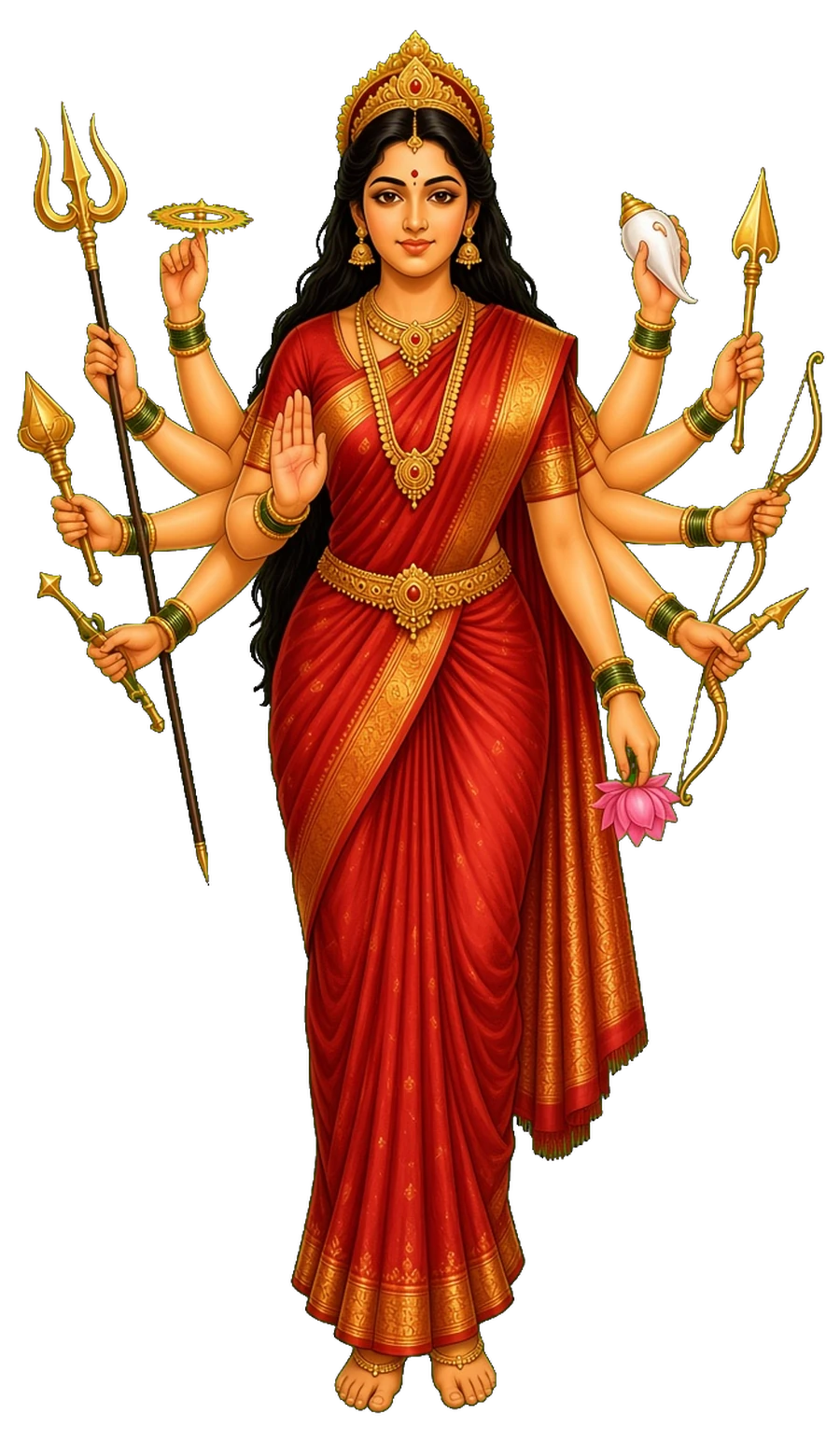
Mangala was the chief goddess of the sadhaba families, prayed to for the safety of the ships and a safe return, and the goddess of Taapoi's tale and Khudurukuni Osha. Encyclopedia and popular writers call her a form of Durga; others read her as Gauri with Lakshmi, or as a goddess of the sea.
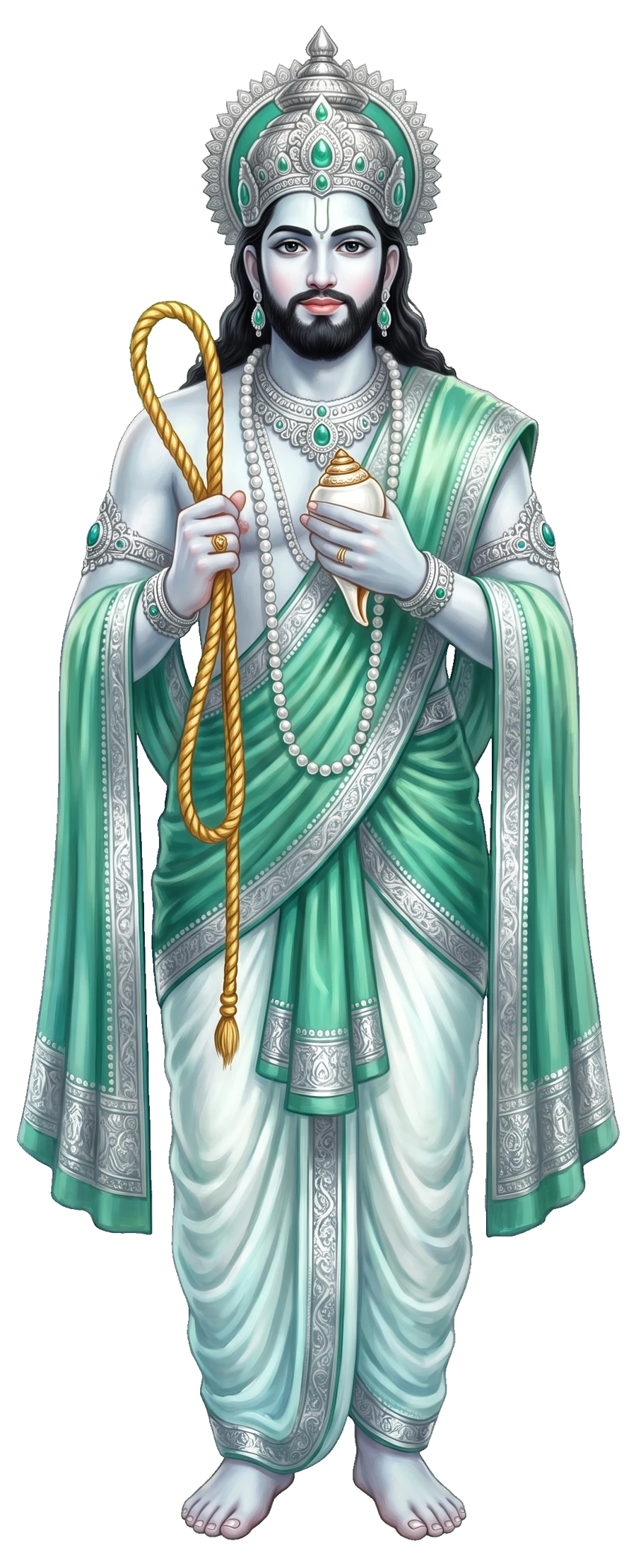
The dawn betel is offered to the sea. One news report names that sea as the god Varuna and calls the boats a gesture of remembrance and gratitude to him; the older Odia accounts say only the sea.
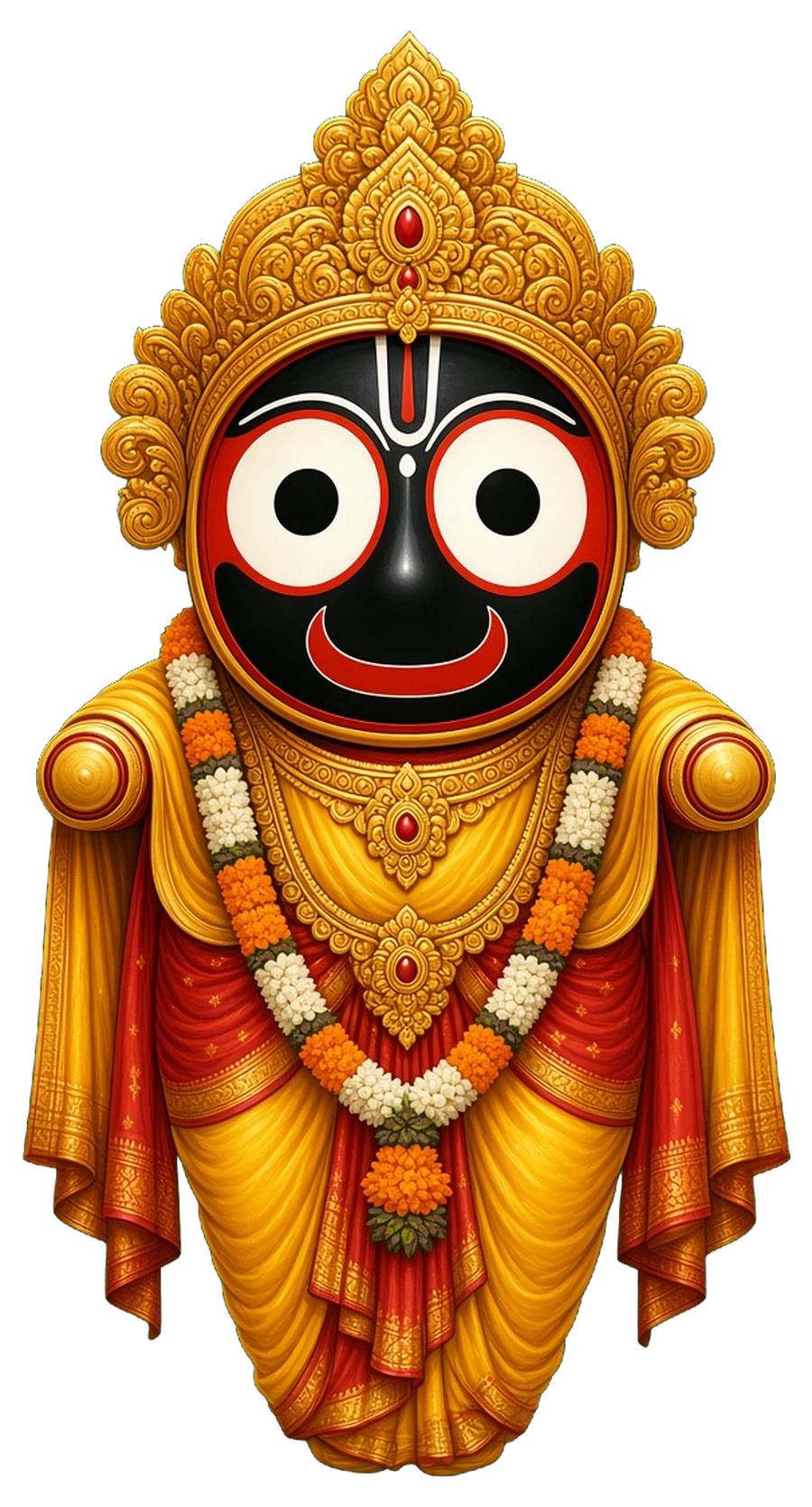
The month that ends on this full moon is Kartika, given in Odisha to Jagannath and to Krishna as Damodara. Many women keep its vow at Puri, and on the day many bathe at Puri's beach and go to the temple.
The month, the morning and the fair
1
The month of Kartika
From after Kumar Purnima to the eve of Kartik Purnima; Panchuka is its last five days · Friday 20 November 2026
HabishaPanchukathe farewell lamp
Through the month older women keep Habisha, one meal a day cooked with their own hands. Some houses raise a lamp on a pole each evening and draw a sailing boat in rice paste in the yard. Panchuka, the last five days, when many families give up fish and meat, runs from Friday 20 to Tuesday 24 November in 2026.
An older woman in white cooks her one plain Habisha meal by hand over a clay stove
Kartika Purnima, before sunrise · Tuesday 24 November 2026
Danga BhasaKartik PurnimaRasa Purnima
Before dawn, after a bath, families float small boats of banana bark, sola pith or paper on the river, the tanks and the sea, carrying a lamp, betel leaf and nut and a little grain. The women give the hulahuli and blow conches, and those who kept the month's vow break it. In 2026 the morning falls on Tuesday 24 November.
Before dawn on the full moon, families float little boats with lamps and betel on the river
From Kartika Purnima for about a week, to Prathamastami · Tuesday 24 November 2026
Bali JatraKartikeswar Bhasani
The fair opens the same morning at Gadagadia ghat and fills the river bank with stalls, food, crafts and stages, while Cuttack's lanes bring their Kartikeswar images to the river. The district has announced the 2026 fair for 24 November to 1 December on both the upper and lower grounds, with Indonesia as partner country.
The fair on the Mahanadi sand at night, its lit stalls spread below Barabati fort
The great fair is held on the Mahanadi sand below Barabati fort. J. C. Mahanti remembered it lasting one afternoon and evening until the mid-1960s; it grew to three days and then a week, and now covers both the upper and lower grounds with stalls of crafts and food and stages for evening shows. The city's Kartikeswar images come to the same ghat for immersion.
Paradeep, Gopalpur and ChelitolaThe port fairs
Paradeep has kept a Kalinga Bali Jatra since 1992, the year the yacht INSV Samudra sailed from there to Bali, and girls dress for it as sadhabanis, the merchants' wives. Bali Jatras are also kept at the port of Gopalpur and at Chelitola near Tirtol, which writers name among Kalinga's old ports.
Homes, rivers and beaches across OdishaThe dawn boats
Away from the fairs, Boita Bandana is kept wherever there is water, from village tanks to the beach at Puri. Toy boats are sold in the markets beforehand, of paper, banana bark, sola and now thermocol, and artisans in districts such as Bhadrak make them for the market.
Bali and IndonesiaThe island across the sea
Rabindra Nath Dash and R. K. Nanda note that Bali floats small boats of its own in a rite called Masakapan ke Tukad, and Live History India names a Balinese custom of floating a tiny vessel, Masakapam Kepesih; they offer these as likenesses, not as proof that one comes from the other. Live History India also records inscriptions in East Java and Bali that name traders from Kalinga. Indonesia was named partner country of the 2026 fair.
Odia Hindu householdsThe month and the boats
For most families Bali Jatra is the end of Kartika, the month of the vow, the five days of Panchuka and the dawn boats; women who kept Habisha break it on the morning, and fish returns to the table the next day at Chhadakhai.
Cuttack's lanesKartikeswar on the river
In Cuttack the same days are the close of the Kartikeswar puja, when each neighbourhood carries its image in procession to Gadagadia ghat.
The goddess's devoteesMangala of the ships
The sailing families' prayers went to the goddess Mangala, and girls still keep her Khudurukuni vow in Bhadrava with the tale of Taapoi; Supriya Sahoo links the goddess's worship with the Buddhist Tara of the same centuries.
Chaitanya's followersThe sand of the river
One account of the name says it comes from bali, sand, because Chaitanya crossed the Mahanadi's dry bed here singing the Lord's names.
The state and the publicThe trade fair
Odisha decided in 2019 to recognise Bali Jatra as a state-level festival, and the district runs it as a public fair for artisans, weavers, self-help groups and traders from many states.
How it is kept
The keeping begins a month early. From after Kumar Purnima many older women keep Habisha, one plain meal a day cooked with their own hands, a vow given to Jagannath. Supriya Sahoo writes that houses drew a sailing boat in the yard through Kartika and raised a lamp on a pole, which she calls the farewell lamp. The last five days are Panchuka, when much of Odisha goes without fish and meat.
A sailing boat drawn in rice paste in the yard and the farewell lamp raised on a pole at dusk
On the full moon, before sunrise, people bathe and float their boats, the women give the hulahuli, and those who kept the month break their vow. At Cuttack the fair opens the same day: crafts, toys, food stalls and evening stages, and the lanes' Kartikeswar images carried down to the river. The district has announced the 2026 fair for 24 November to 1 December. The next day is Chhadakhai, and the fish comes back. Paradeep, Gopalpur and Chelitola keep fairs of their own.
A Cuttack lane carries its Kartikeswar image on a peacock down to Gadagadia ghat
Writers often add that girls keep Khudurukuni Osha with the Taapoi tale, but that vow belongs to the Sundays of Bhadrava, in August and September, not to this week.
In the old texts
No scripture lays down Bali Jatra. What the texts give is the sea trade. Deeti Ray gathers the Ramayana's Yavadvipa, the Periplus and Pliny, and the Chinese pilgrims Fa-Hien and I-Tsing, and recalls that Kalidasa's Raghuvamsha calls a king of Kalinga lord of the mountain and the ocean. Balabhadra Ghadai records a Javanese tradition of twenty thousand families sent from Kling.
The Odia texts come later. Live History India finds the first word of the boat rhyme, tied to the dawn bath of Kartik Purnima, in the Mahabharata of Sarala Das, written in the fifteenth century, so the rite is at least that old. The Bruhat Tapoi, the verse telling of Taapoi, is dated by Supriya Sahoo to the sixteenth or seventeenth century, the century in which, the encyclopedia says, Odisha's sea trade began to decline.
Where this page comes from. Written by Devalok from the encyclopedia articles on Bali Jatra, Boita Bandana and the sadhabas, Rabindra Nath Dash (2017), R. K. Nanda (2019) and Balabhadra Ghadai (2009) in the Odisha Review, J. C. Mahanti on eSamskriti (2015), Deeti Ray in Live History India (2020), Preeta Rout on Inditales (2023), Jayshree Misra Tripathi for Amar Chitra Katha (2024), Supriya Sahoo (2017), Nayak and Mohanty in Lokaratna (2013), Sarita Dash in Bodhi (2022), Devdutt Pattanaik, Odiapedia, LocalDrive, Drik Panchang for the full moon, and reports by PTI, ANI, OdiaLive, Utkal Post, the New Indian Express, the Times of India and Odisha Bytes, as recorded in the Devalok Lore. Our own words throughout.