As the Bruhat Tapoi tells it
East India · a sadhaba merchant's house on the Odisha coast · 3 min read
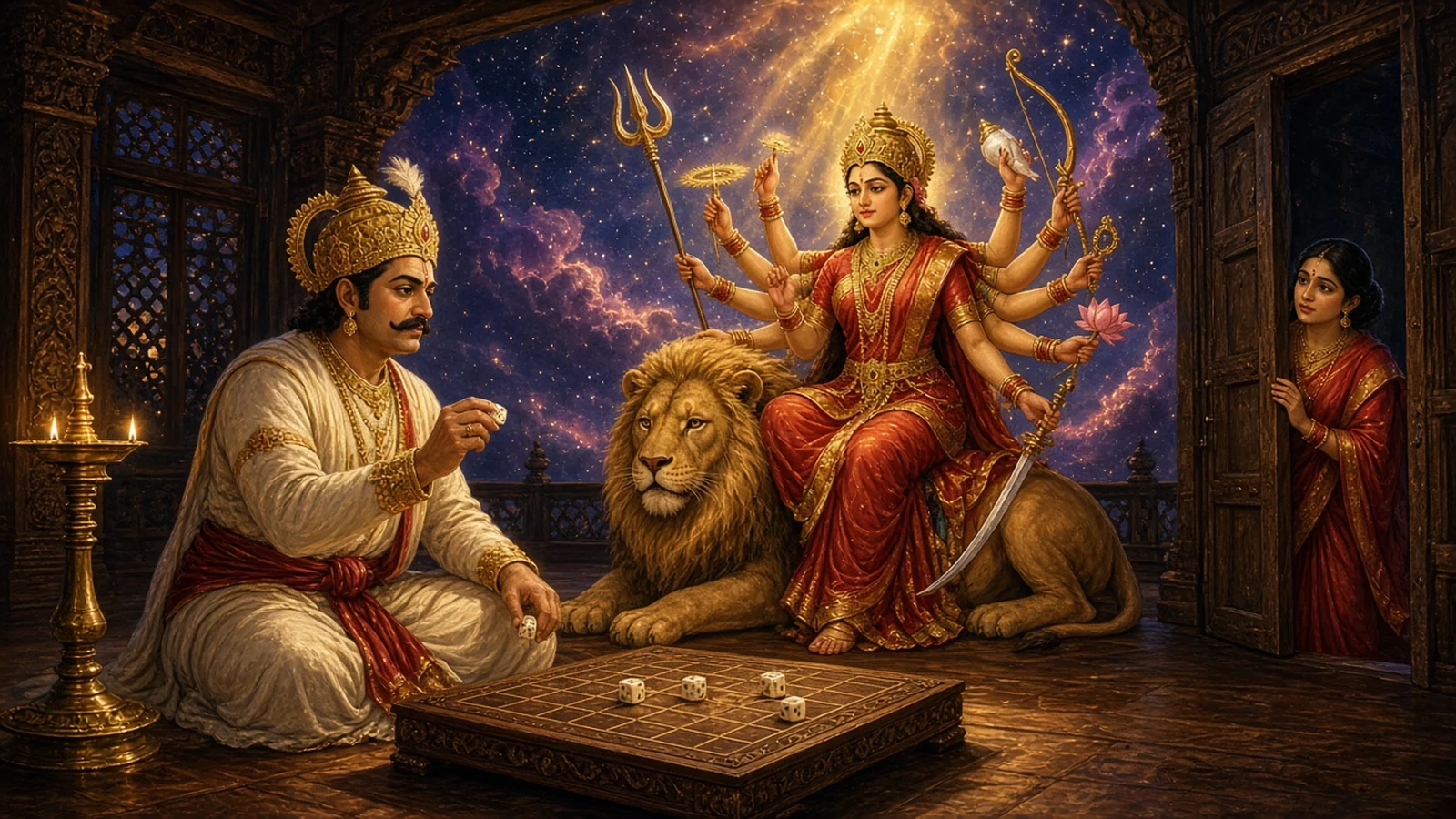
The merchant had seven ships, seven sons and seven daughters-in-law, and then, last of all, a girl. They named her Taapoi, and she was the darling of the house.
One afternoon she sat in the yard playing with a little bamboo toy. An old woman of the lane leaned over the wall.
"A merchant's daughter, playing with bamboo? Your father could make you a moon of gold."
Taapoi ran indoors. "Father, I want a golden moon."
"Then you will have one," he said. "Give me fifteen days."
He and her mother set about having it made. But a sudden fever took the merchant before it was done, and by the time the moon was put into Taapoi's hands, her mother had died as well. She held it and would not look at it. She was sure her wish had killed them.
The brothers grieved, and then loaded their father's ship, because a sadhaba house lives by the sea. On the last evening the eldest called the wives together.
"Feed her with your own hands. Speak to her kindly. Put her on the swing when she is sad. We will not be long."
The wives asked for what they wanted from across the water: gold bangles, a diamond for the nose, a star of pearls. Taapoi asked for a doll made of diamonds. The ship went out with the tide.
For a month or two the wives kept their word. Then the old woman came begging at the door, and nobody had time for her, because they were all busy with the little sister. She watched Taapoi on the swing and went from wife to wife.
"That girl will bring you nothing but trouble when they come back. Send her to the forest with the goats."
Six of them listened. Neelendri, the youngest, would not. They took away Taapoi's ornaments and gave her the sweeping and the water pots, and every morning she drove the goats out with a packet tied in a cloth. Inside was a pinch of rice, a lump of earth from a rat hole, and ash where the salt should be. Six days she opened it and cried. On the seventh, Neelendri had packed it, and there was a proper meal.
"O Mangala," Taapoi said to the trees, "bring my brothers home."
Years went by that way. One evening, in pouring rain, she counted the herd and a goat was missing. The eldest wife came at her with a tamarind switch, and Taapoi ran into the dark forest.
There she found a ring of unmarried girls worshipping the goddess Mangala.
"What are you doing here alone?"
"I have lost a goat. If I go back without it, they will beat me."
"Keep the goddess's vow with us," they said. "On the Sundays of Bhadrava. Ask her, and she listens."
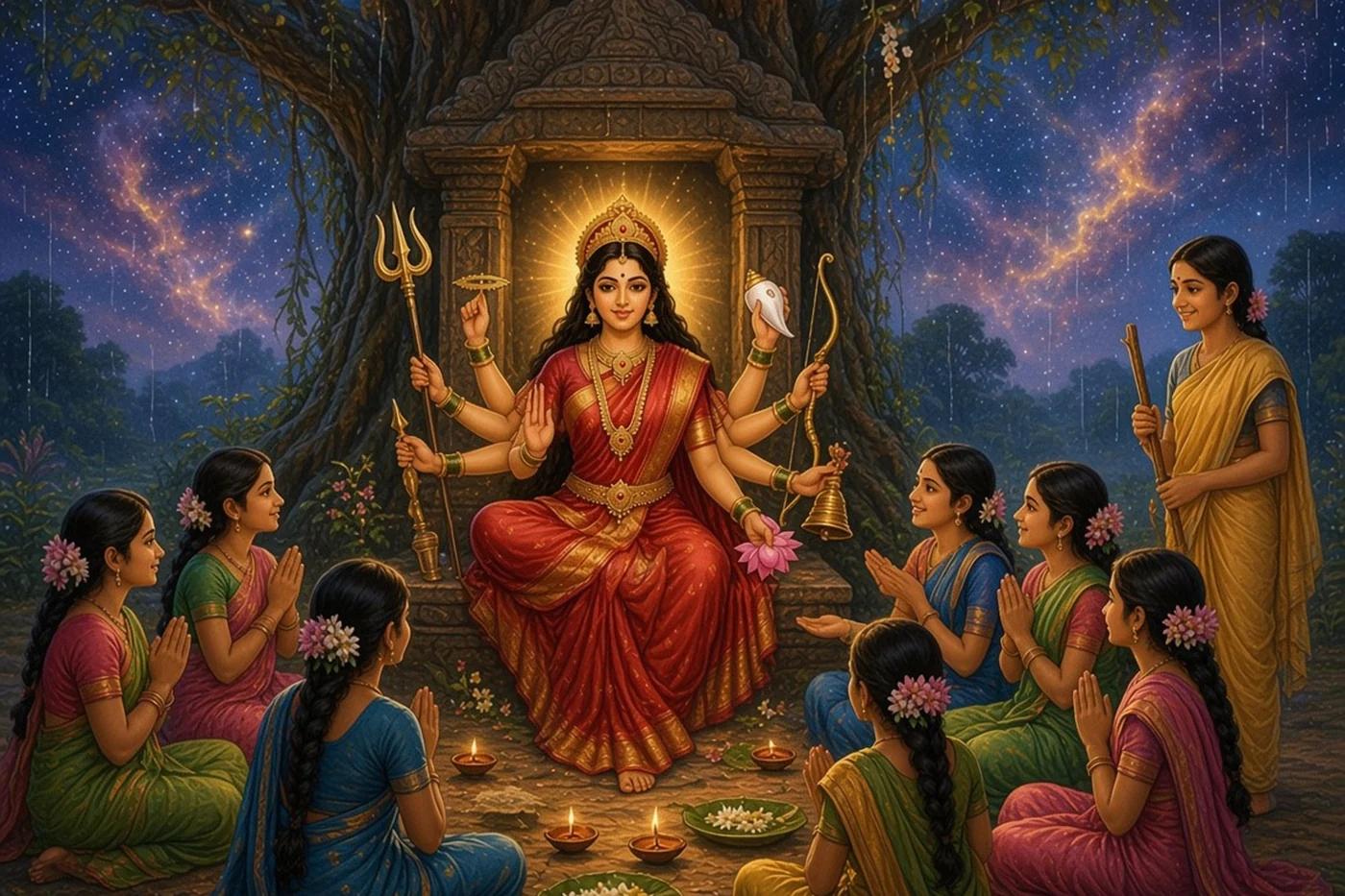
Taapoi made her vow and kept it. She found the goat. Then she kept the vow again, and this time she asked only for her brothers.
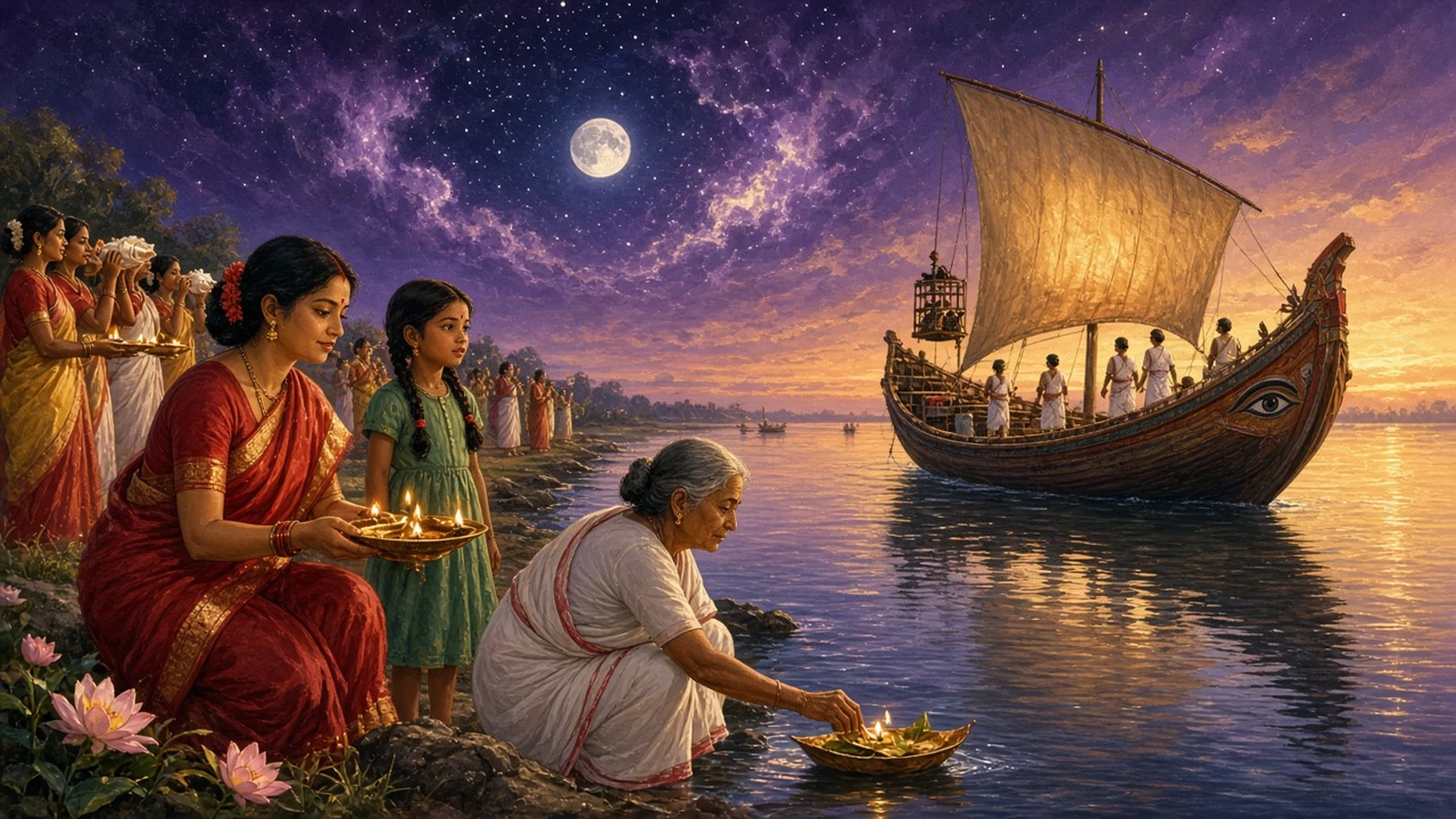
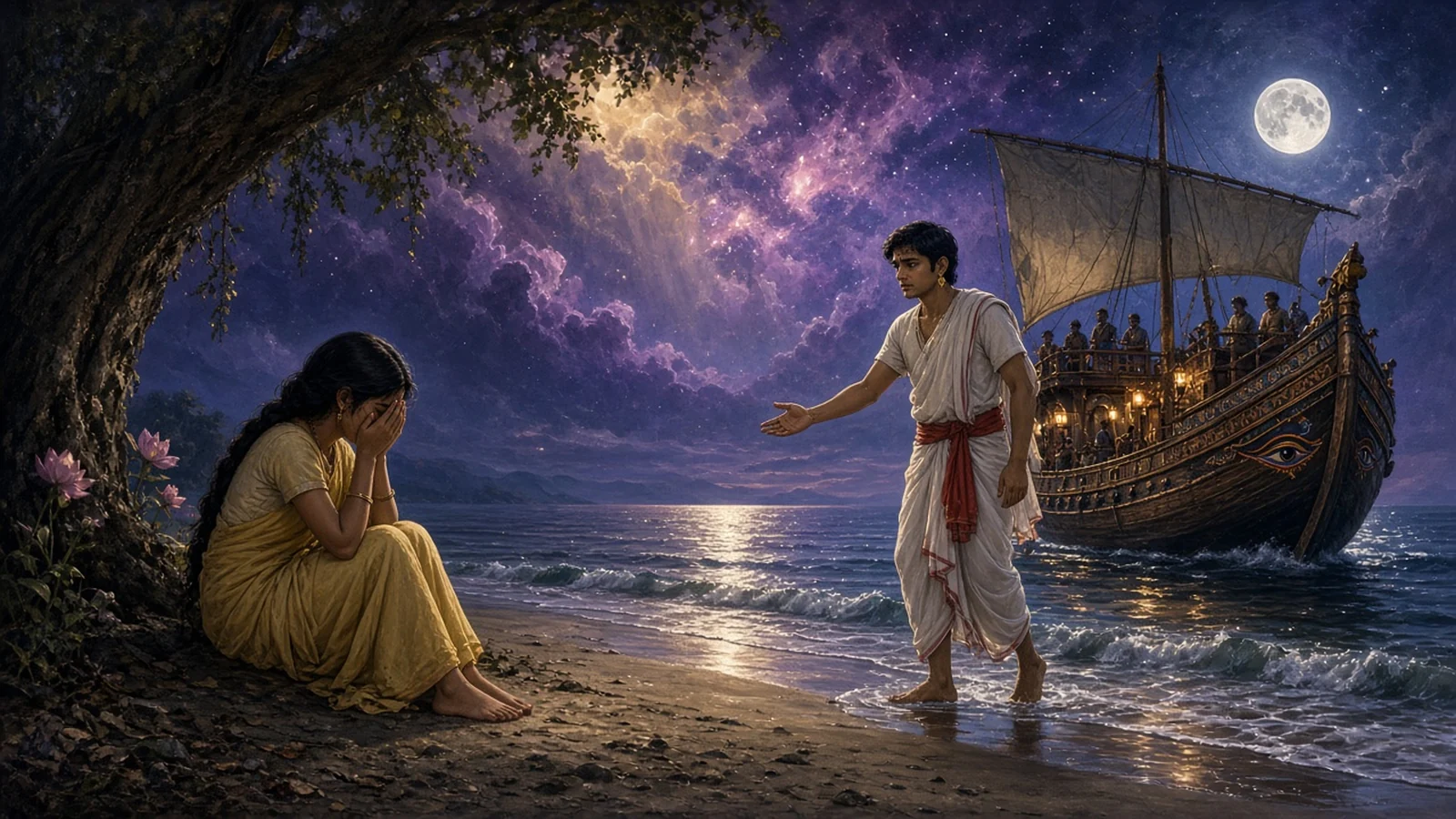
The wives grew crueller. At last, one midnight, she sat under a tree near the water, meaning to die there, and wept aloud. A ship was passing close in. The youngest brother heard the sound and came ashore, and stared a long time before he knew the thin girl was his sister. He carried her aboard.
In the morning the seven wives came down to the shore to worship the ship that had come home. Inside it sat Taapoi.
As the girls keep it on the Sundays of Bhadrava
East India · the Prachi valley and the coastal villages of Odisha · 1 min read
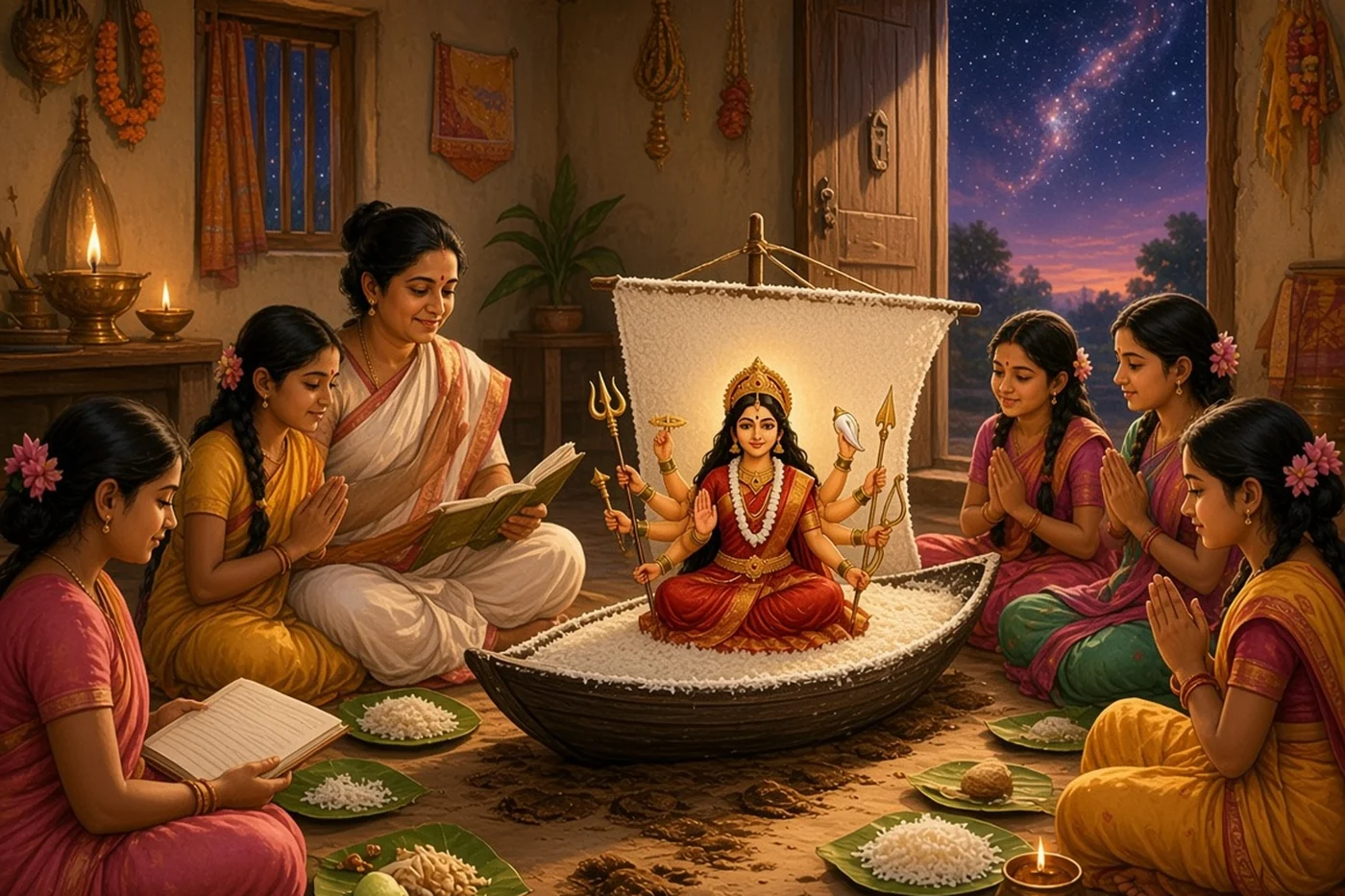
After Gamha Purnima, when the month of Bhadrava begins, the unmarried girls of the village go to the pond on each Sunday. On the bank they heap up little mounds of sand or clay and pray to the Sun. At home the place where the paddy is pounded is smeared with fresh cow dung, and someone draws a boat on the floor in rice paste. The goddess is set on the boat, as if she too were waiting for a ship.
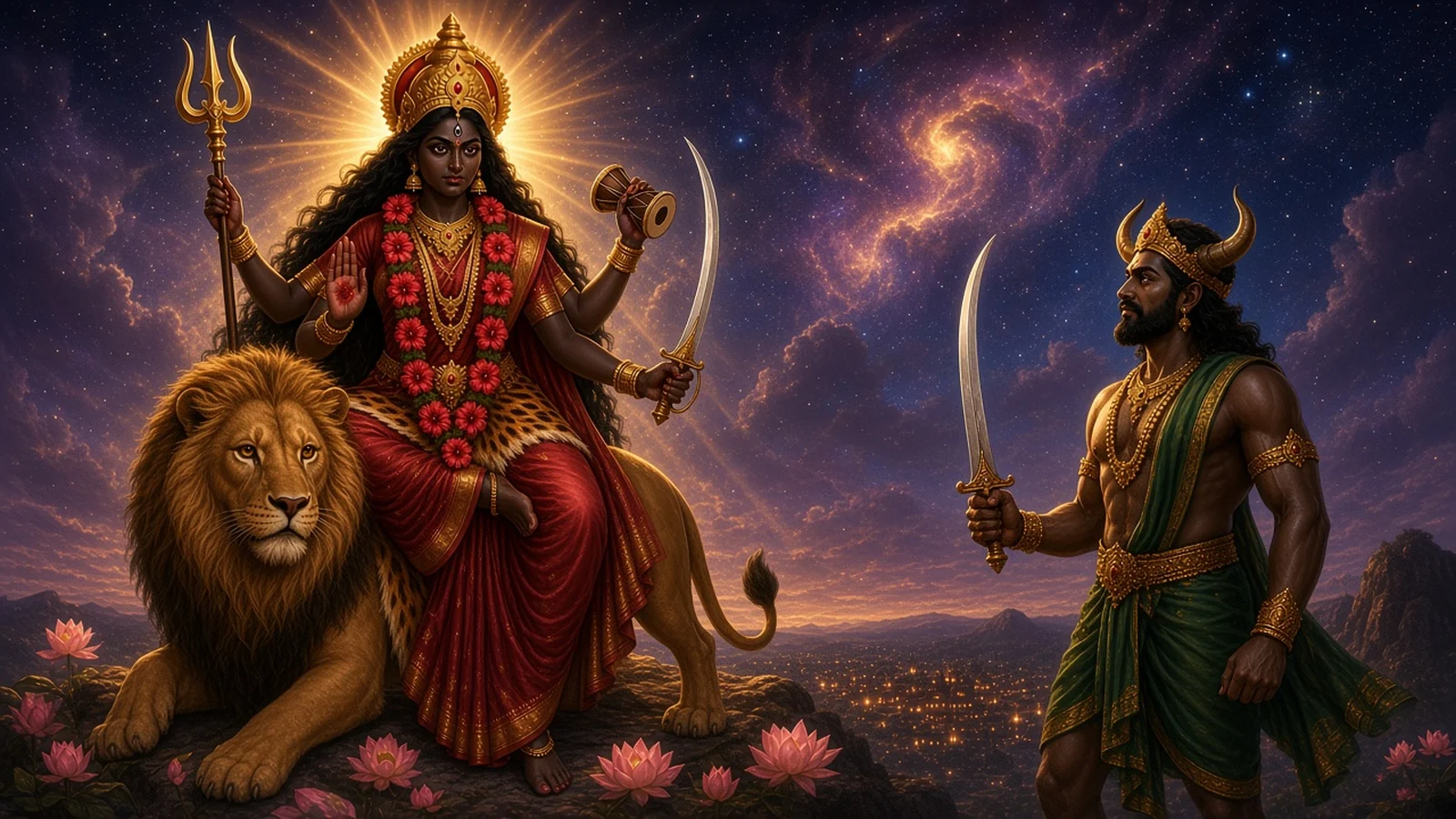
All day the girls fast. In the evening they bring her what is cheap and plain: fried broken rice, puffed rice, flattened rice, a cucumber, a coconut. Then a woman opens the osha book and reads. It begins with Durga killing the buffalo demon. After that comes Taapoi.
In the telling Devdutt Pattanaik gives, the forest girls tell the lost child why the goddess is called Khudurukuni: she likes khudu, the broken grains left over from pounding. Taapoi has nothing else, so she offers that. Afterwards she finds the goat, and it is Gharamani, the eldest wife's own favourite.
When the brothers bring her home, the girl is dressed like a goddess and seated high, and the six wives must bow to her feet. In this telling she punishes them by cutting their noses. Then the wives go to Mangala in tears and beg, and the goddess makes them whole again.
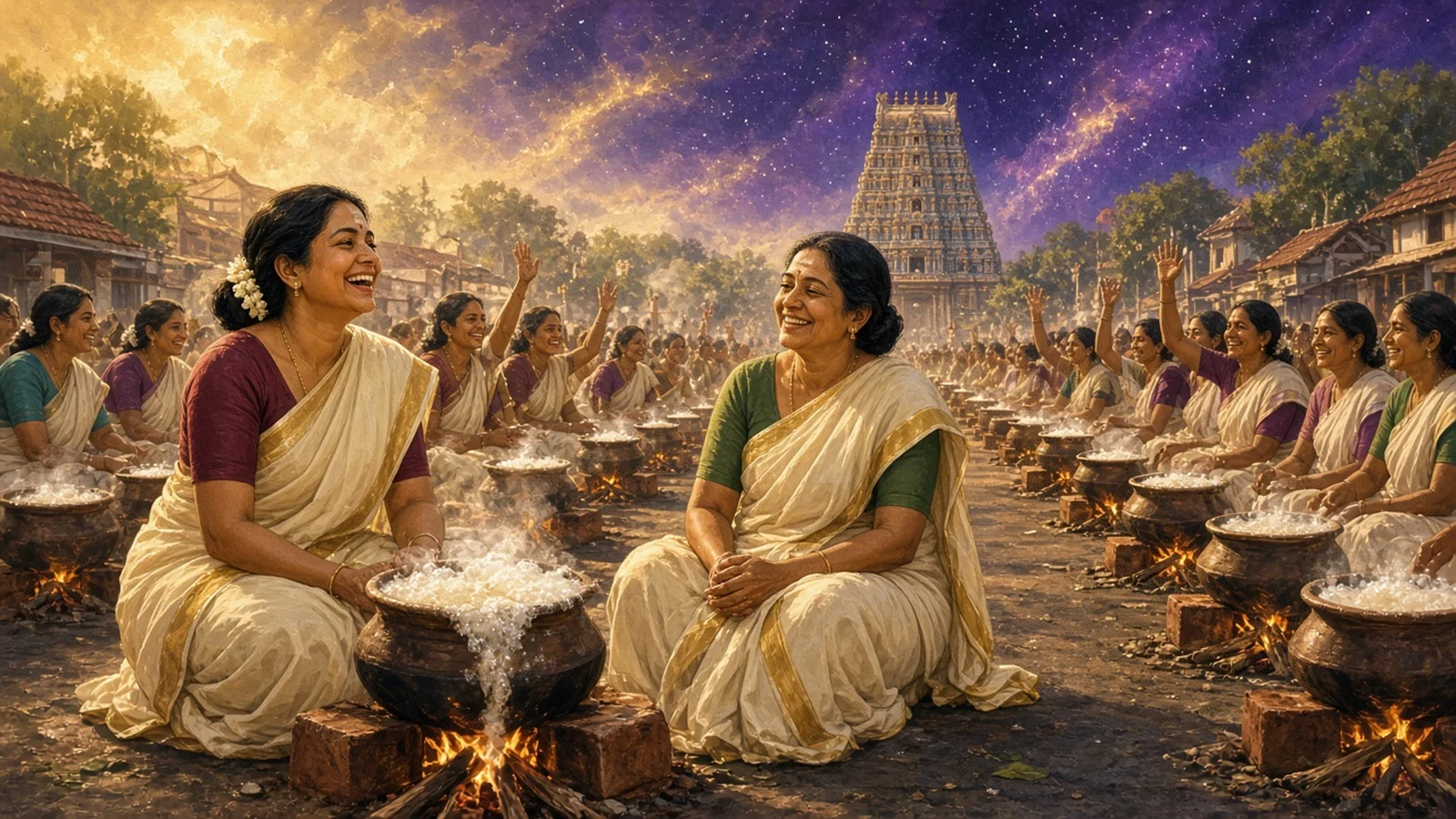
The girls listen to it every Sunday of the month. At the end they say the book's promise in one breath, that whatever is asked of Khudurukuni is given, and eat their broken rice.