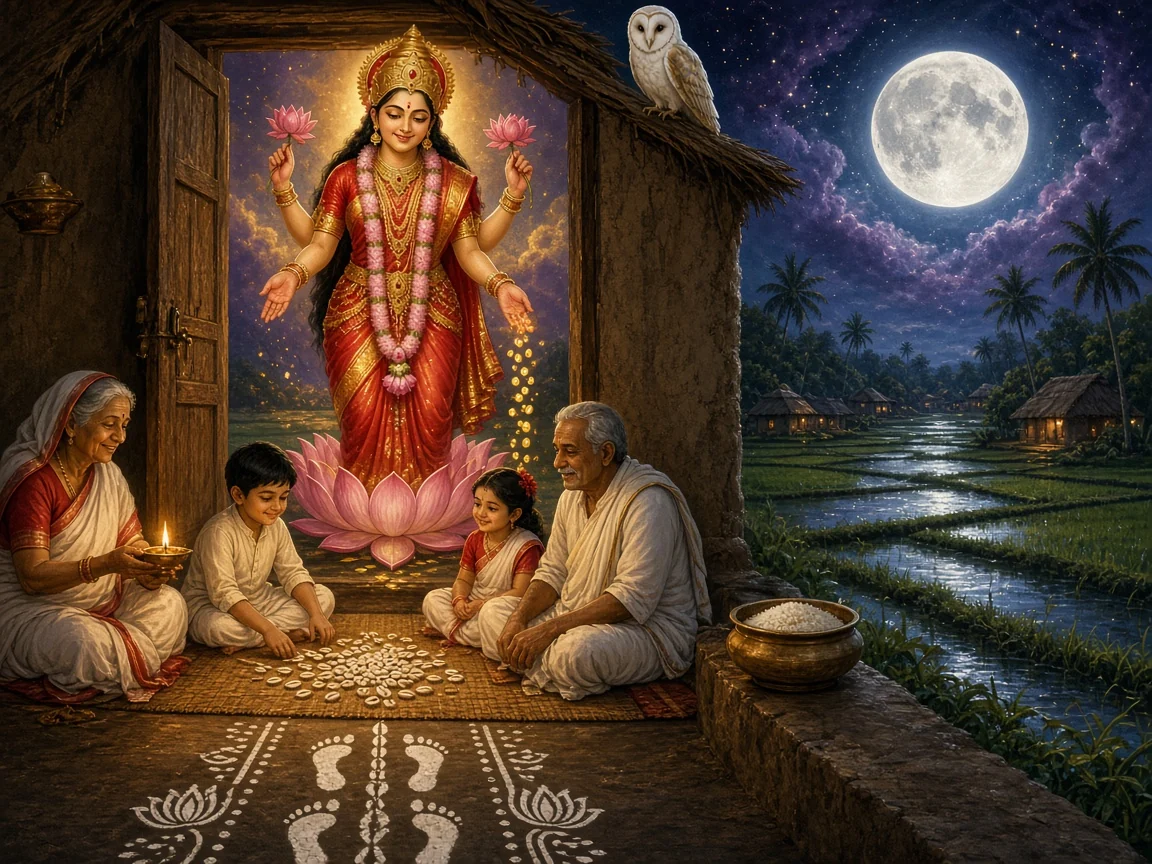
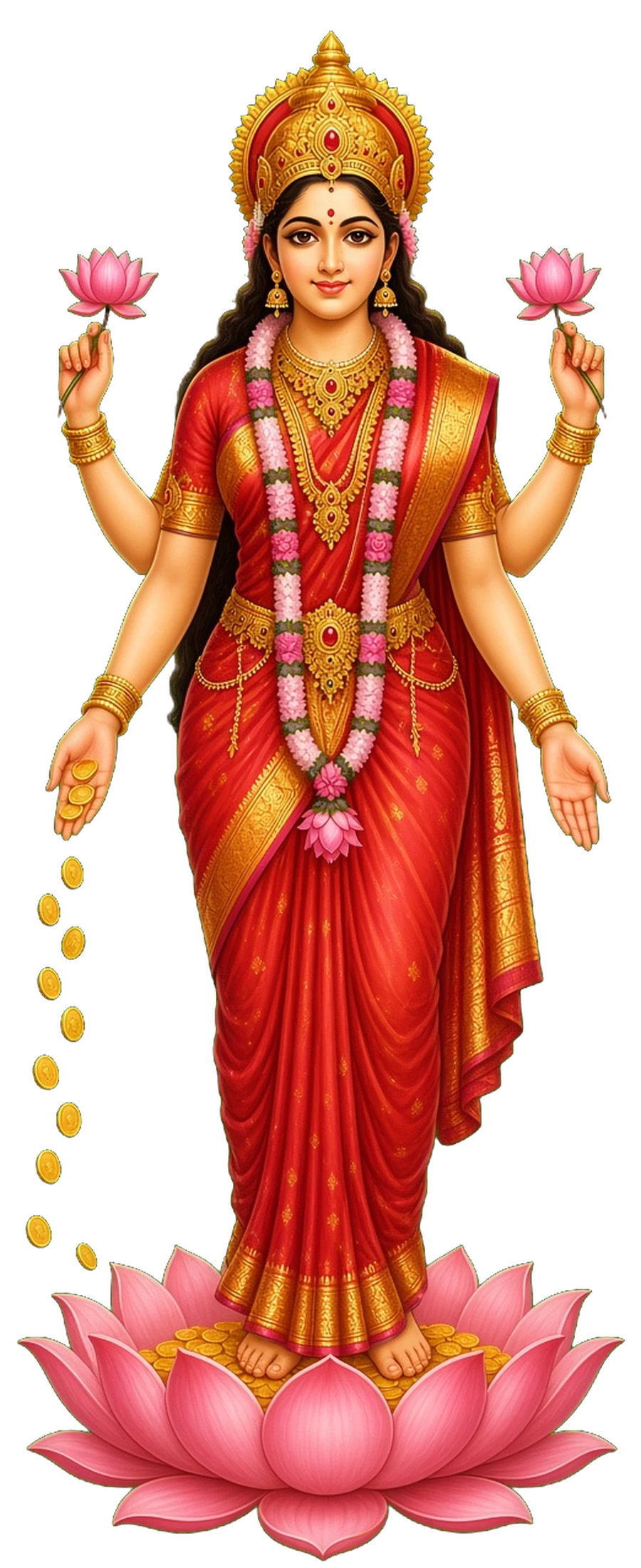
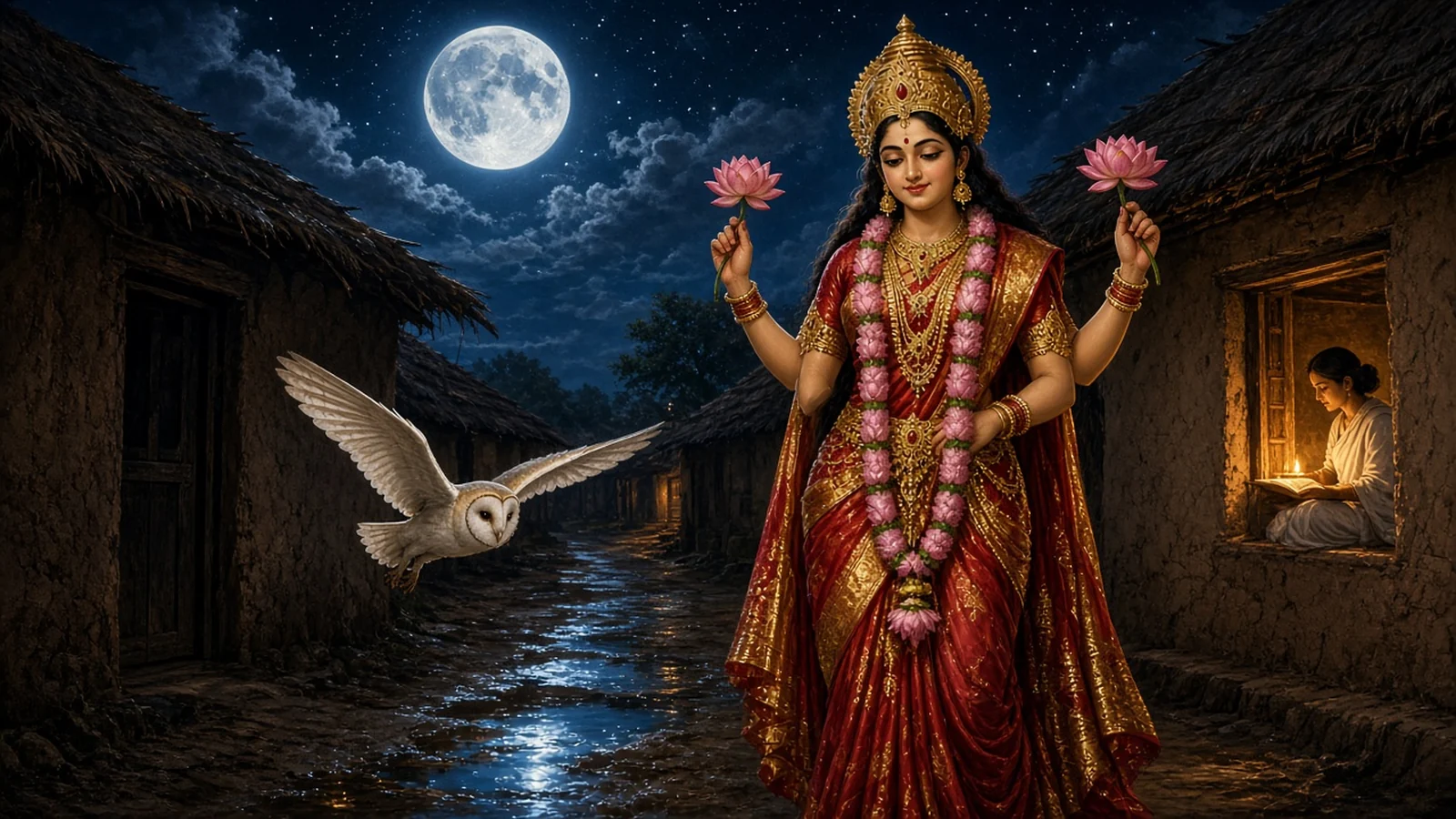
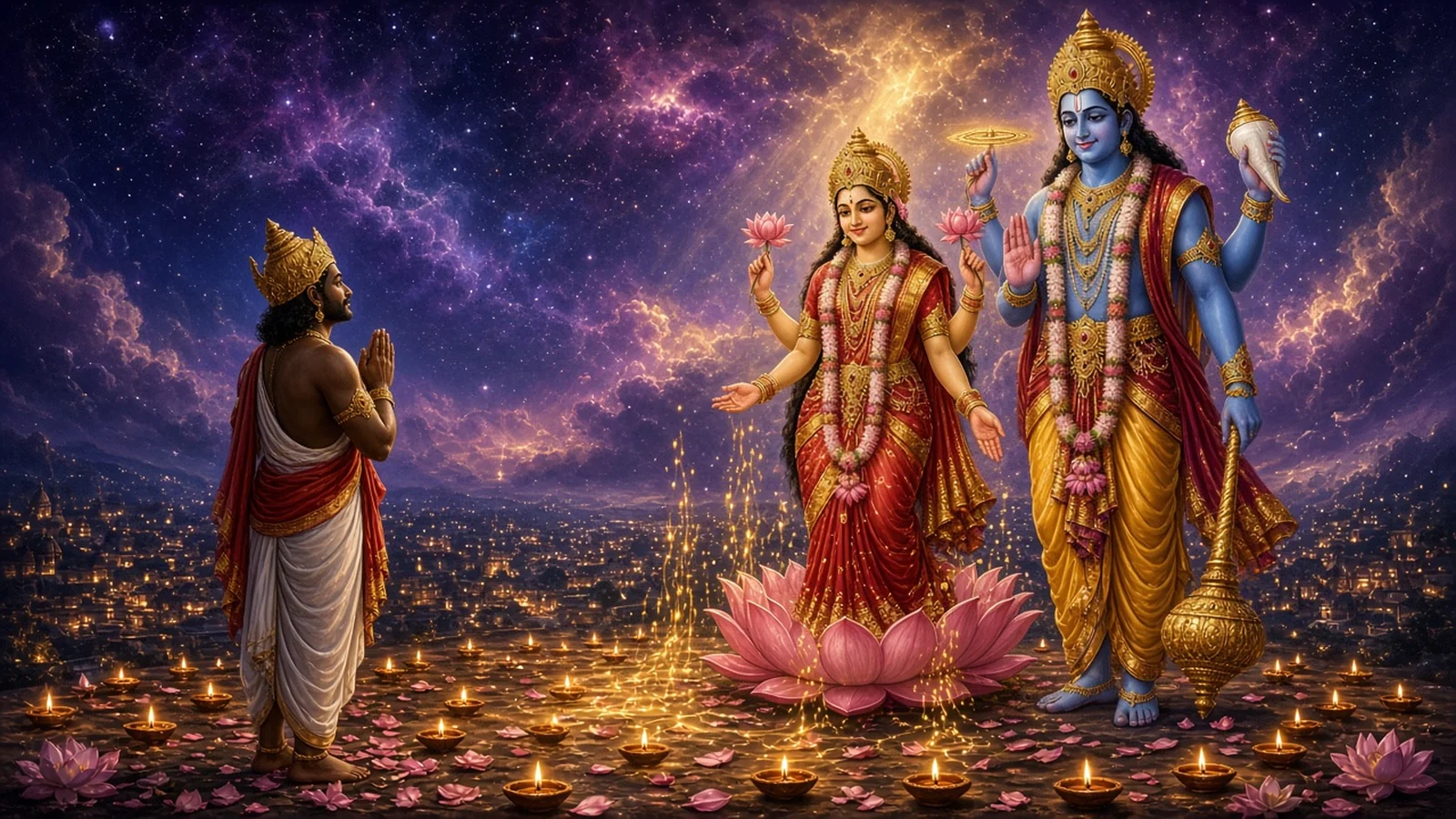
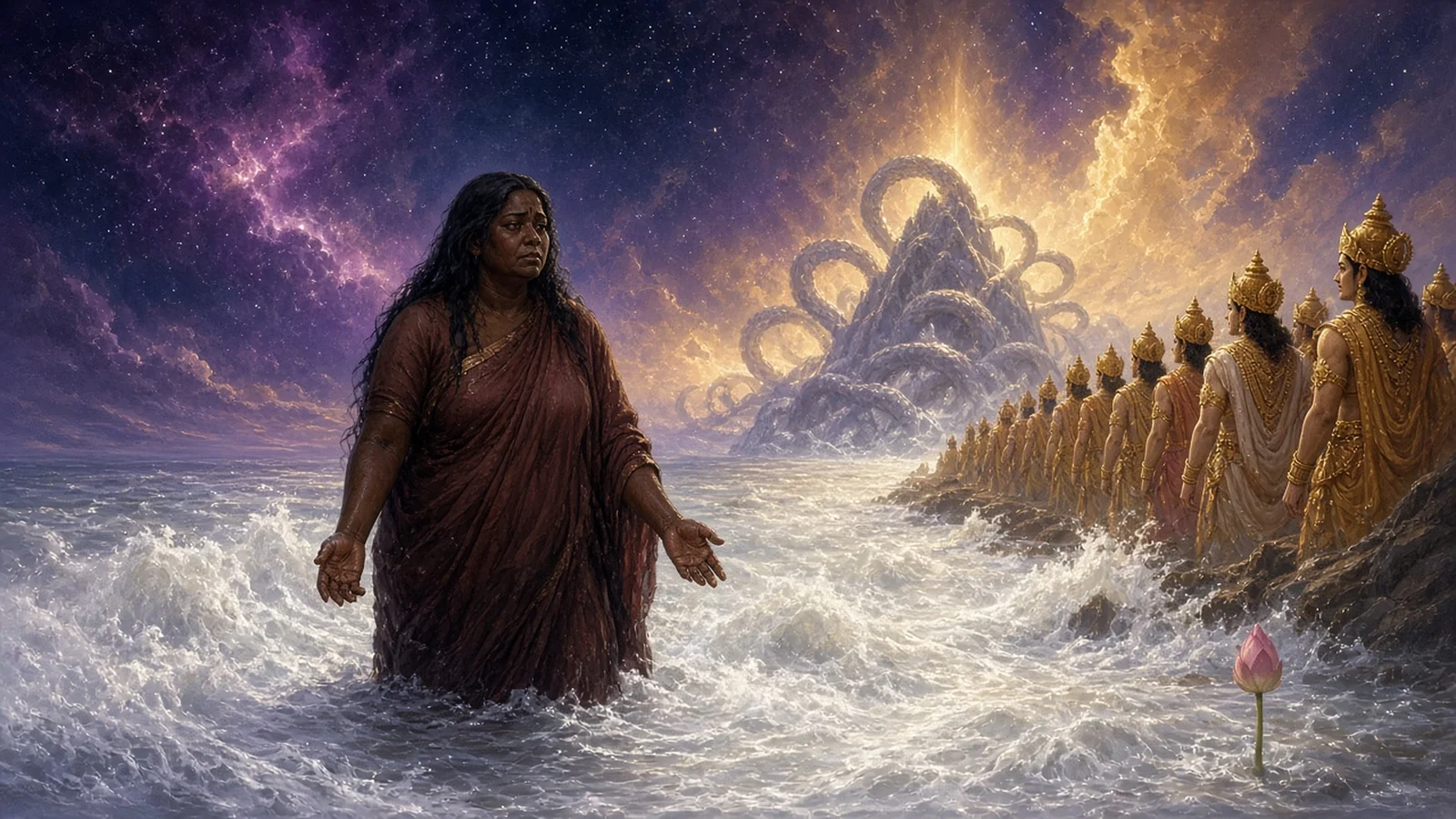
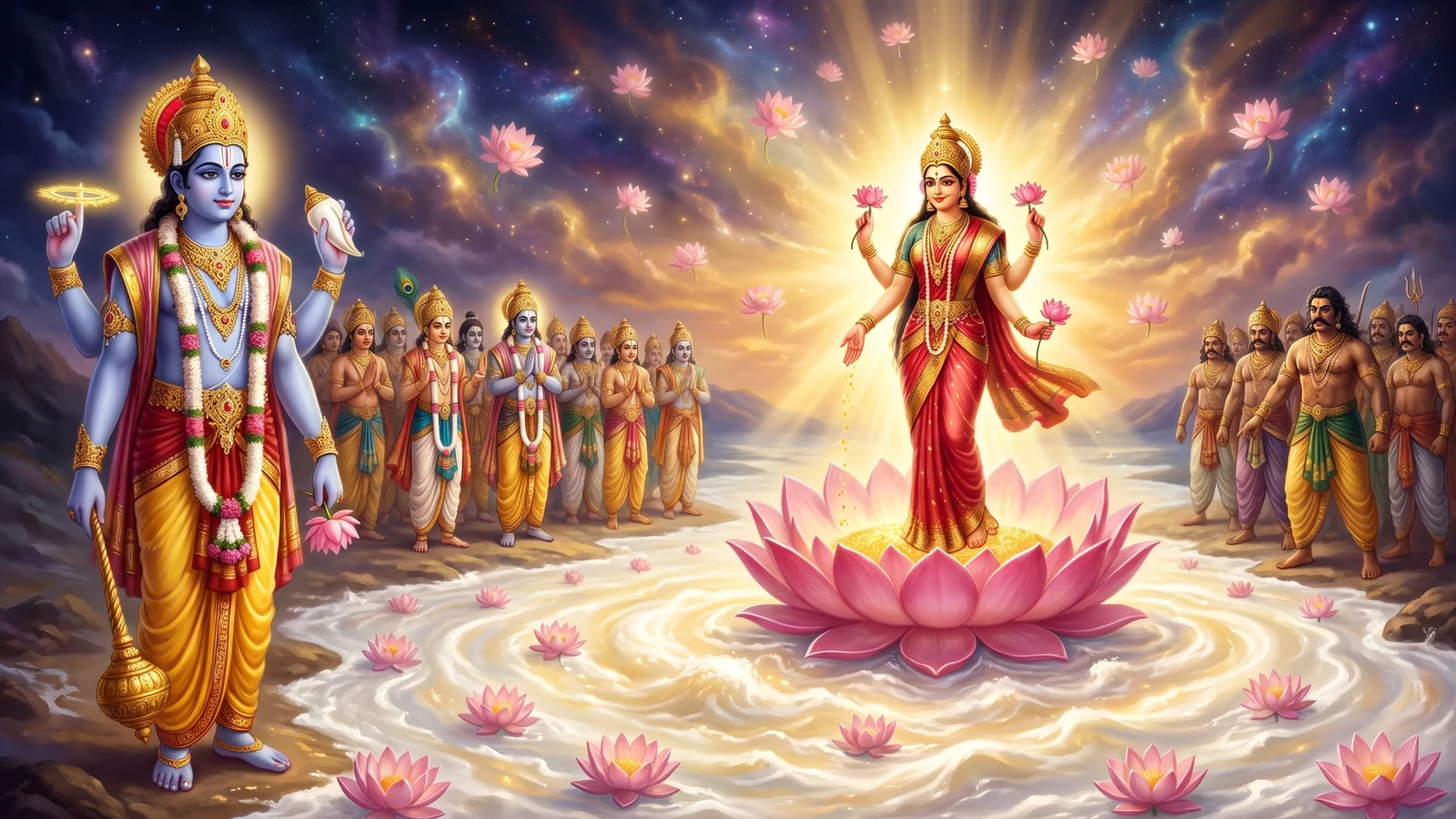
Bengal, Assam and TripuraKojagari Lokkhi PujoThe Lakshmi puja of the east is kept on this full moon, not on Diwali, when Bengal worships Kali instead. The house is cleaned, the women fast, and alpana footprints in rice paste lead from the door to the goddess, who sits on a lotus with her pot of wealth in her lap and her owl at her feet, as a clay image, a painted sara plate, a water pot with mango leaves or a basket of paddy. The Lakshmir Panchali, the verse story of the houses that fell through quarrelling and laziness and rose through care, is read aloud; the bhog is khichuri, labra, fried vegetables and payesh, with coconut and sesame naru, moa and khoi; and part of it is left out in the moonlight. The family sits up as long as it can, because the goddess is asking at the door.
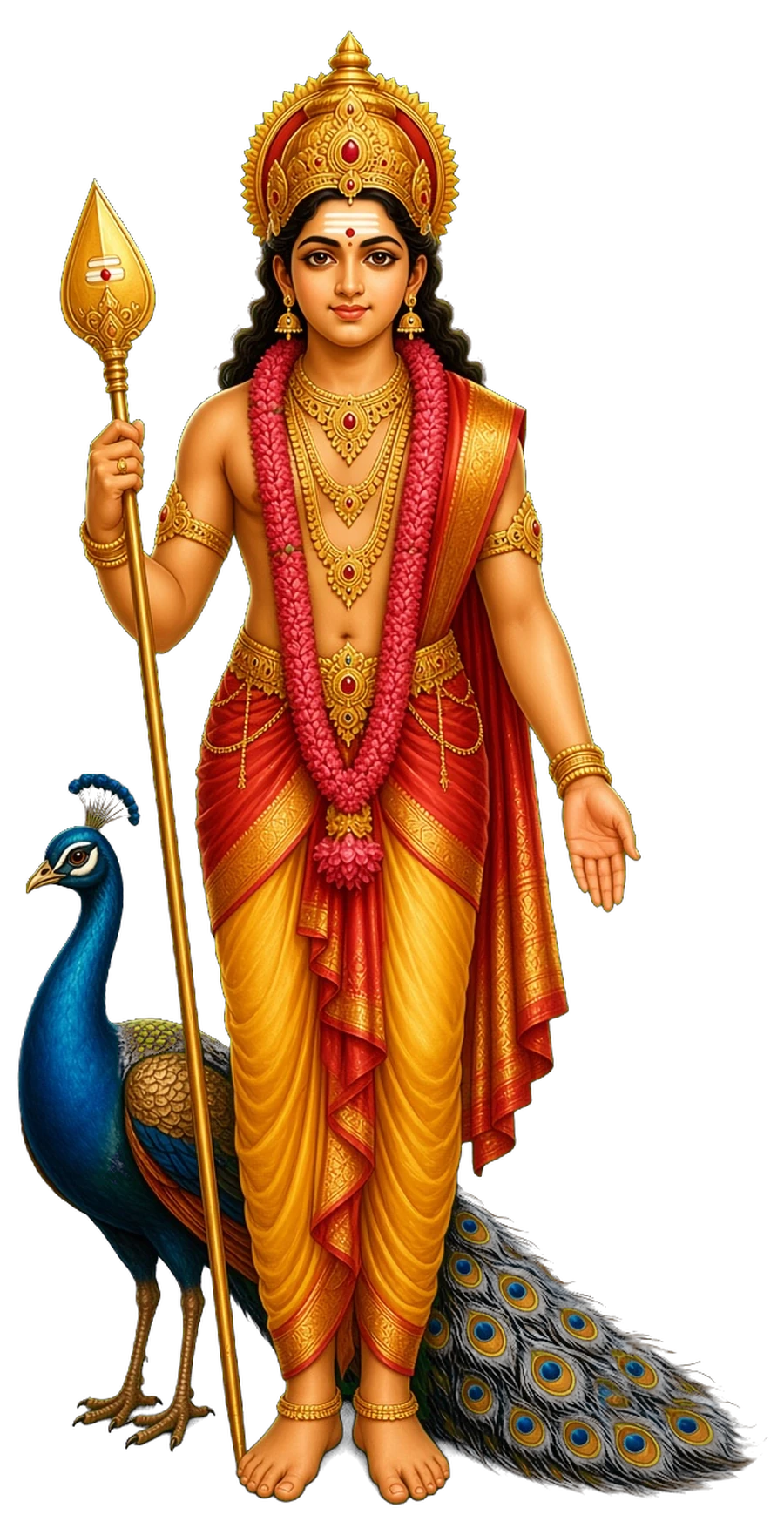
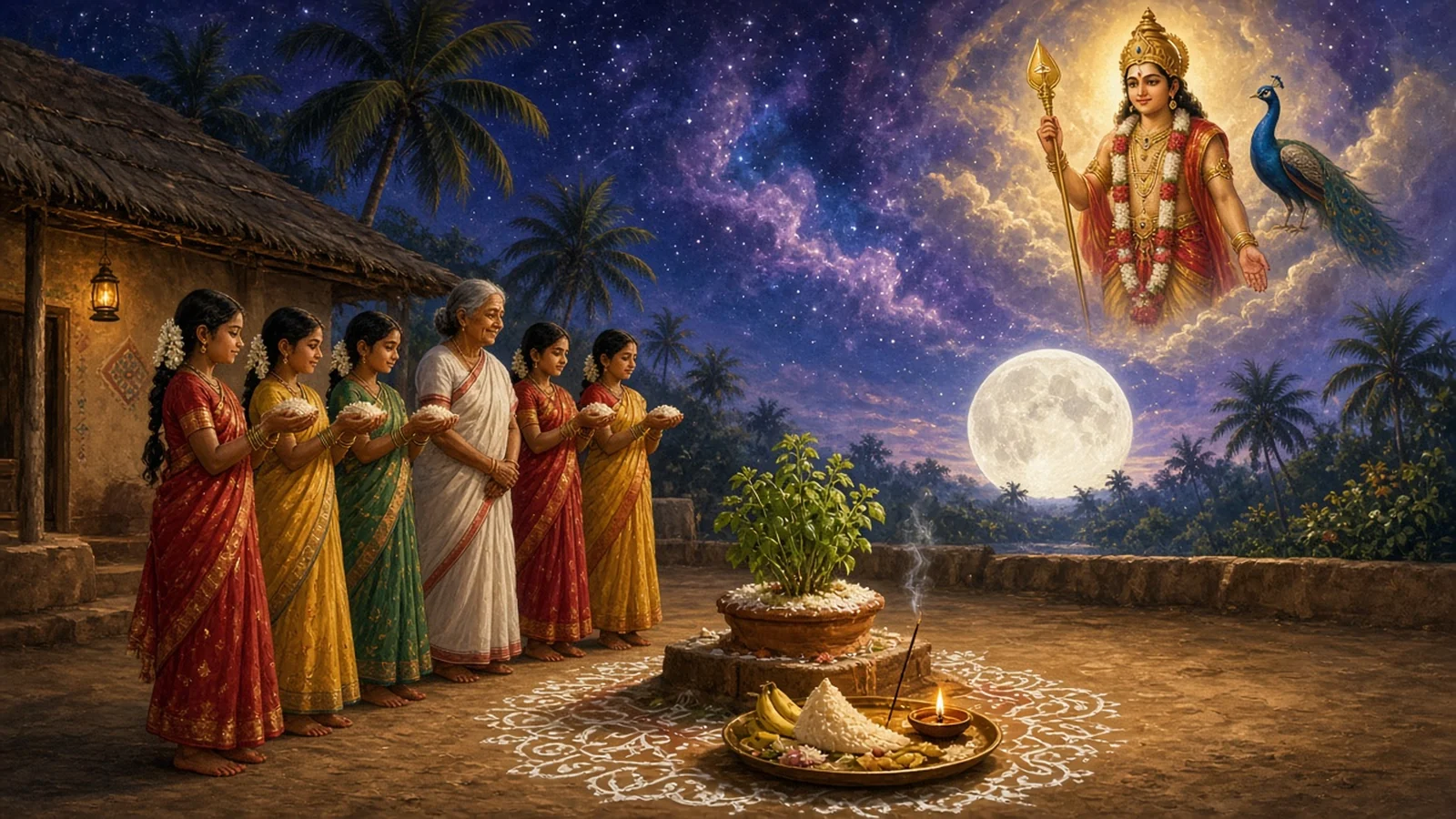
OdishaKumar Purnima and Gaja LakshmiThe unmarried girls' day for Kumara, who was made general of the gods and is the handsomest of them. Bathed and in new clothes before sunrise, the girls offer seven handfuls of khai from the kula to the rising sun by the tulsi, with a coconut, banana, cucumber, betel nut, sugarcane, flowers and a janhi gourd; they fast, draw jhoti in rice paste, paint their feet with alta, and at moonrise offer the chanda chakata, a half moon of khai, ukhuda, jaggery, sugarcane, banana and chhena, sing "Kuanra punei janha lo" to the moon, ululate, blow the conch and eat. Then puchi in the moonlight, and for the men pasa and cards till dawn. The same night begins eleven days of Gaja Lakshmi Puja at Dhenkanal, where the goddess with her two elephants has sat in pandals since 1923 and lakhs come for the immersion procession; Ganjam keeps it too. At Puri the temple tells of Lakshmi winning Jagannath's ornaments, and then Jagannath, at dice this night.
Mithila and BiharKojagaraThe night belongs to the newly married bridegroom. A basket comes from his bride's family with fruit, sweets, khaja, makhana, batasha, paan and a set of cowries and dice; he wears the clothes his in-laws sent, the women do the chumavan over him and five elders bless him with the durva grass; he plays pachisi with his brother-in-law and the loser pays; makhana porridge stands in the moonlight and is fed to him at dawn for long life; and makhana, batasha and paan go round the whole village. Lakshmi is worshipped as Annapurna, who enters the house that night, and Mithila says Janaka began it for his son-in-law Rama. The Moon is her brother here, since both rose from the same churned ocean.
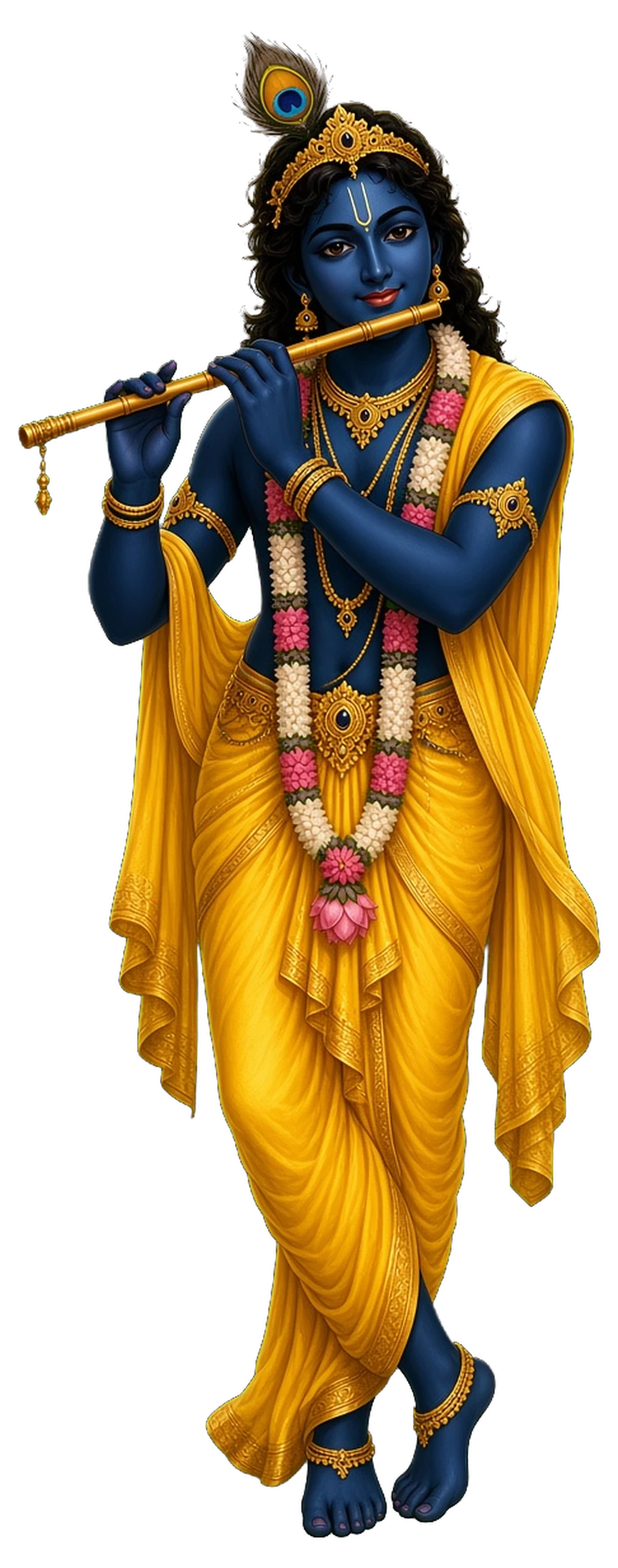
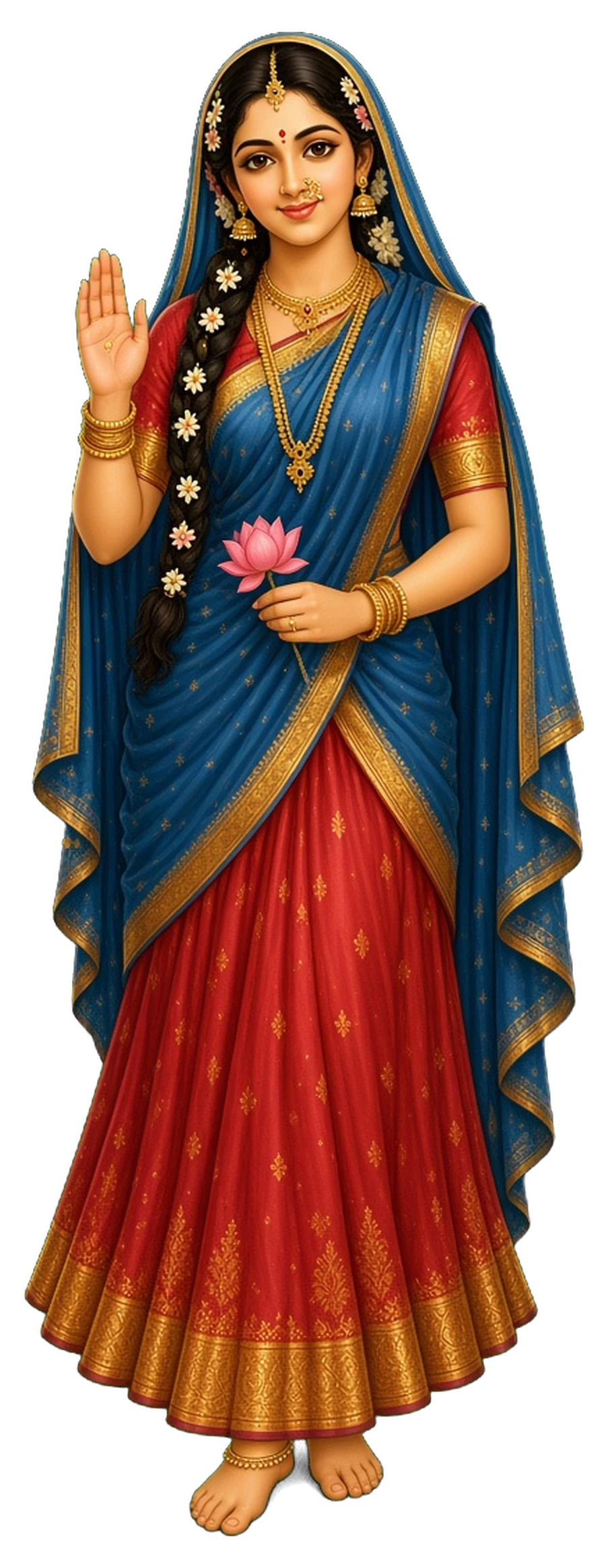
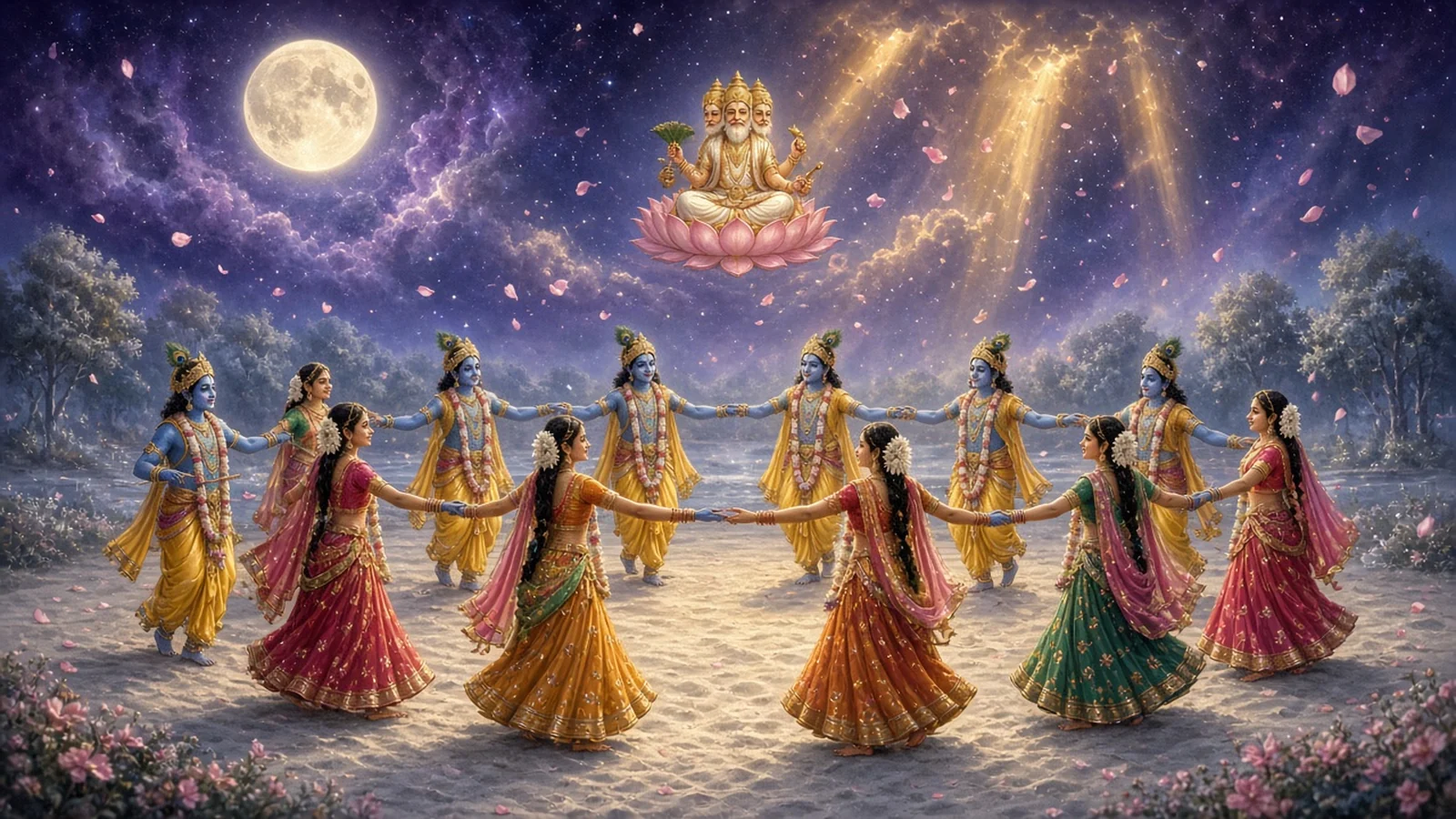
BrajRaas Purnima, the Maha RaasVrindavan says Krishna's dance with the women of Vraja happened on this moon, at Vamshivat by the Yamuna. Every deity in the town is dressed in white; the hall before Banke Bihari is made into a forest of branches and plantains with a silver hut for a throne, and the image, facing east, holds its flute to its lips on this one day of the year. The courtyard shutters are opened so that the moonlight crosses the floor to the god's feet, and darshan ends only then. Kheer is set out at dusk and eaten towards midnight. The Raas Lila troupes, whose stage tradition the Nimbarka saints began at Vamshivat in the fifteenth century, play the dance across Braj, and at Gopeshwar Mahadev Shiva is worshipped as the Lord of the Gopis who came disguised to watch.
GujaratSharad PoonamThe last full moon of the Gujarati year's garba season. Milk and rice flakes, doodh-pauva, are offered to the moon and eaten cold, and raas and garba are danced in the open under it in towns and villages, in memory of Krishna's Raas by the Yamuna.
MaharashtraKojagiri PurnimaKojagiri is "who is awake" in Marathi too. Families sit up on the terrace, boil milk down thick with saffron, cardamom, nutmeg and nuts, set it under the moon until the moon's face is in it, and drink it warm; the first-born child of the house is honoured that night with a waved lamp and new clothes; and Lakshmi and Indra are worshipped. In some houses the moon is not looked at directly but in its reflection in a pot of boiling milk.
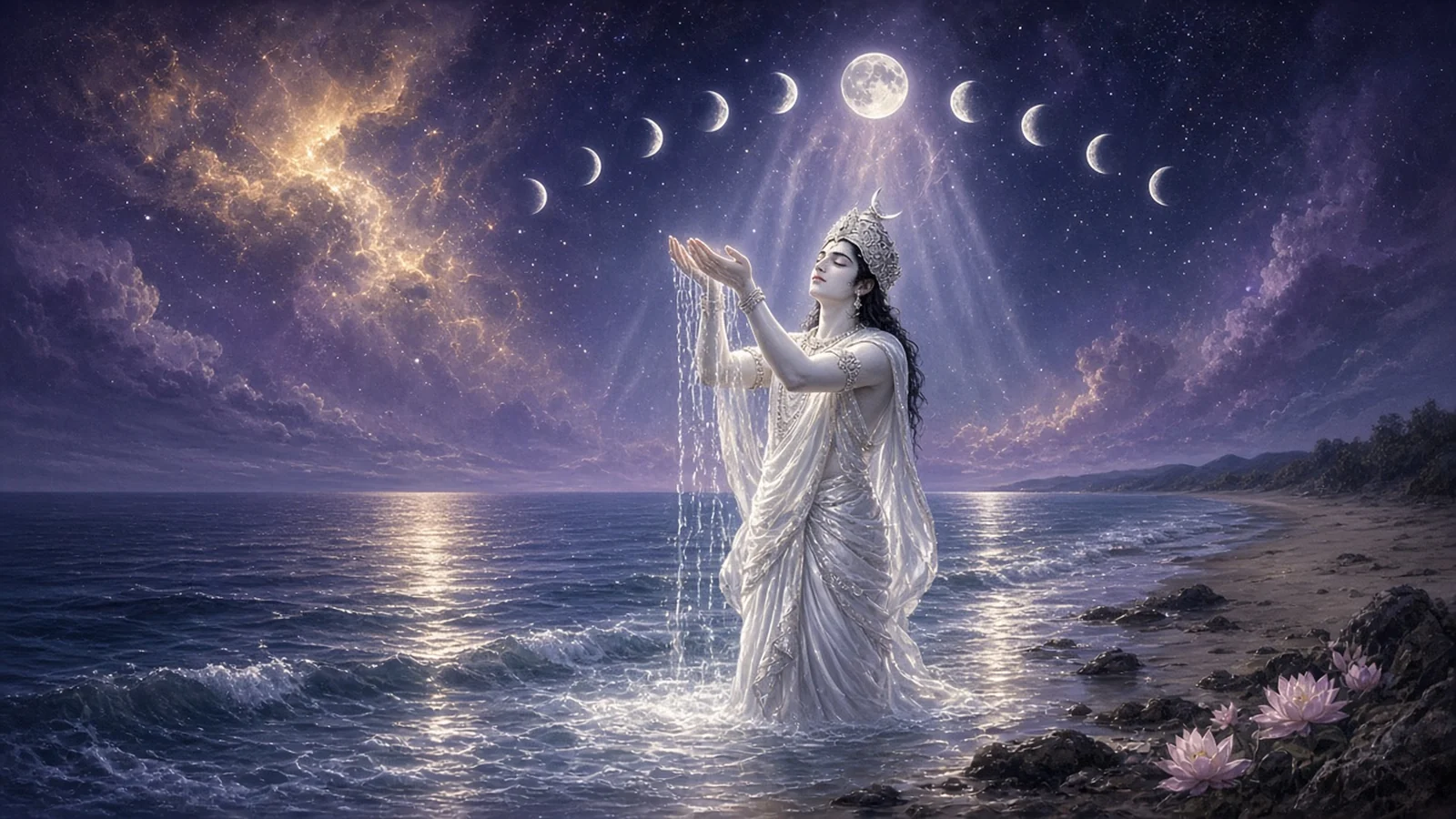
Uttar Pradesh, Bihar, Madhya Pradesh and the northThe kheer under the moonRice kheer in cow's milk is made in the evening, offered, and carried up to the roof or into the courtyard in a covered pan, in silver where there is silver, to stand all night under the moon's sixteen kalas and catch the amrita. At dawn it is eaten as prasad. The vaidyas read the cold sweet milk of the first autumn night as a cooling tonic for a body still carrying the heat of the rains, and a folk belief adds that it eases the breath of asthma sufferers; the almanacs call all of it tradition, not medicine. Newly married women begin their year of full-moon fasts on this night.
NepalKojagrat PurnimaThe fifteenth and last day of Dashain, when Lakshmi is worshipped through the night, the Janaki temple at Janakpur holds an all-night jagran, and it is the last day to receive the Dashain tika from one's elders.
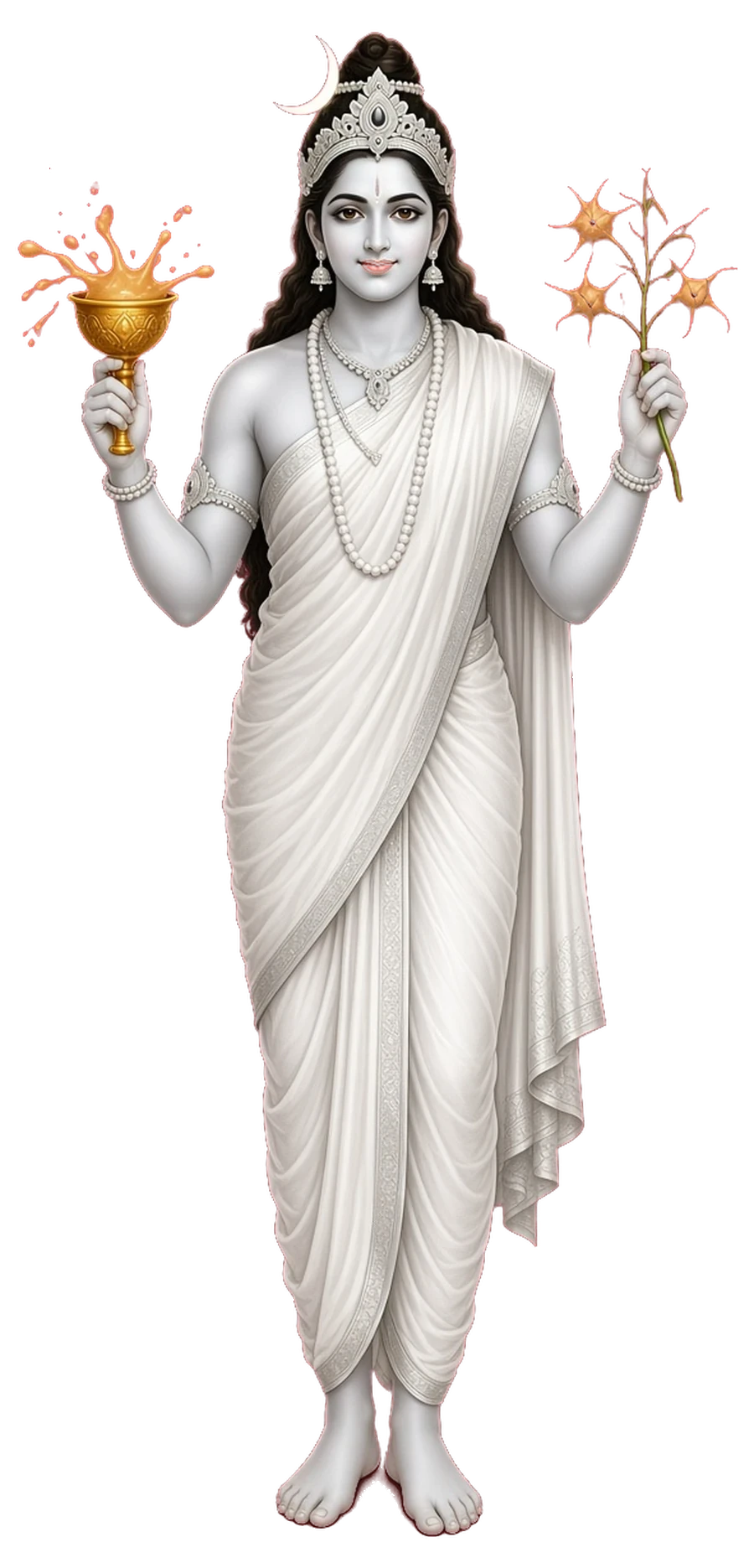
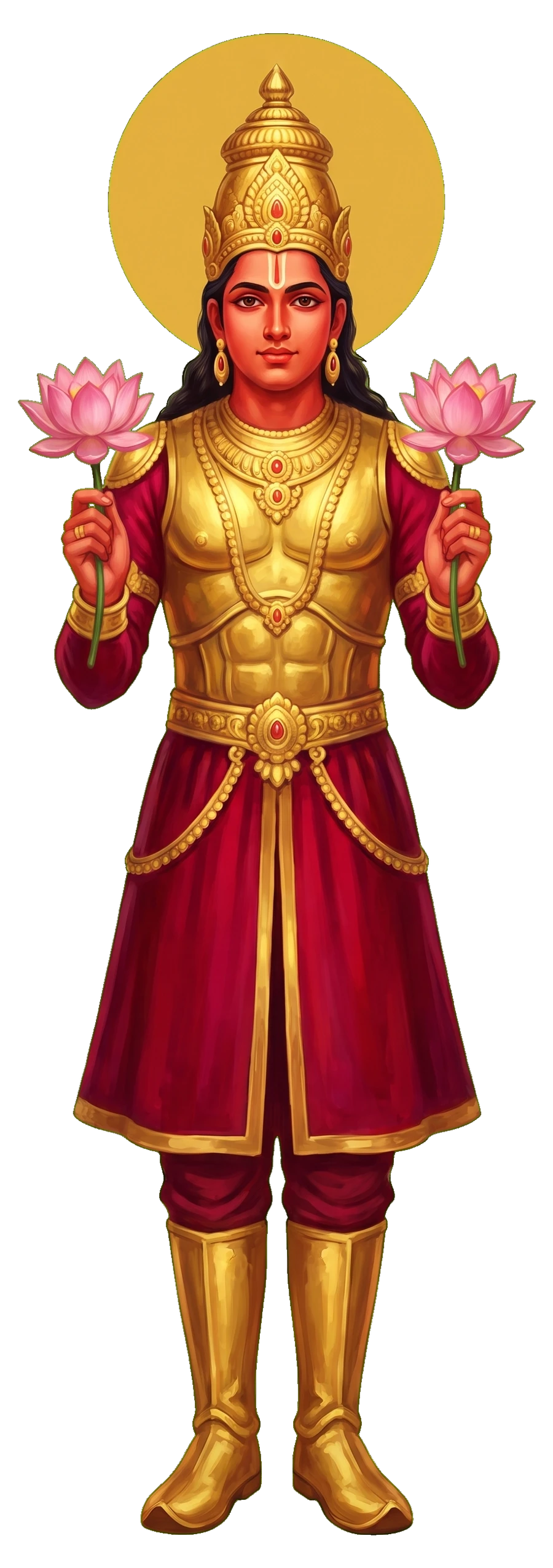
Every Hindu communityLakshmi's night, and Diwali'sEast and north divide Lakshmi's year between them. Bengal, Odisha, Assam and Mithila give her this full moon, kept with the care the rest of India gives Diwali's new moon a fortnight later, when Bengal worships Kali. The Puranas the almanacs cite for the night, the Brahma, Skanda, Brahma Vaivarta and Linga, give it to her as Kaumudi, the moonlit vow, and the Swaminarayan sampradaya keeps the day too as the birthday of Gunatitanand Swami.
The Valmiki communityValmiki Jayanti, Pargat DiwasThe same full moon is the birthday of Valmiki, the poet of the Ramayana, kept above all by the Balmiki community of Punjab, Haryana and the north as Pargat Diwas. His portrait, a saffron-robed sage with a quill, is carried in shobha yatras through the Balmiki localities with singing, and at Amritsar the Bhagwan Valmiki Tirath Sthal, the old Ram Tirath where Sita is said to have lived in his hermitage, fills for the day.
BuddhistsPavaranaFor Theravada Buddhists the Ashvin full moon is Pavarana, the end of the three-month rains retreat, when every monk invites the Sangha to point out his faults, and in the evening lanterns go up into the sky.