Devalok ← All gods
Also calledDhumraDhumaDhumavati MaiDhumavati Mathe Smoky Onethe widow goddess

In short

Who is Dhumavati?
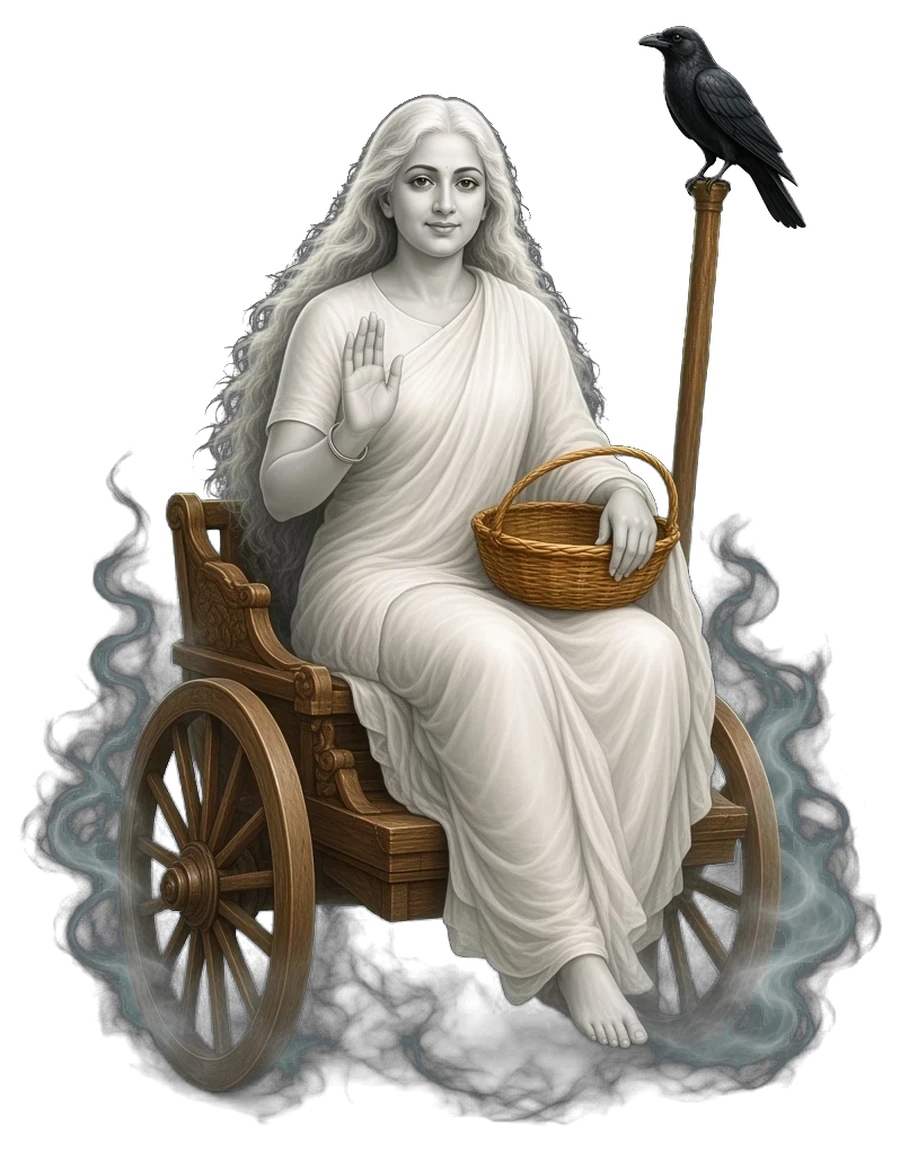
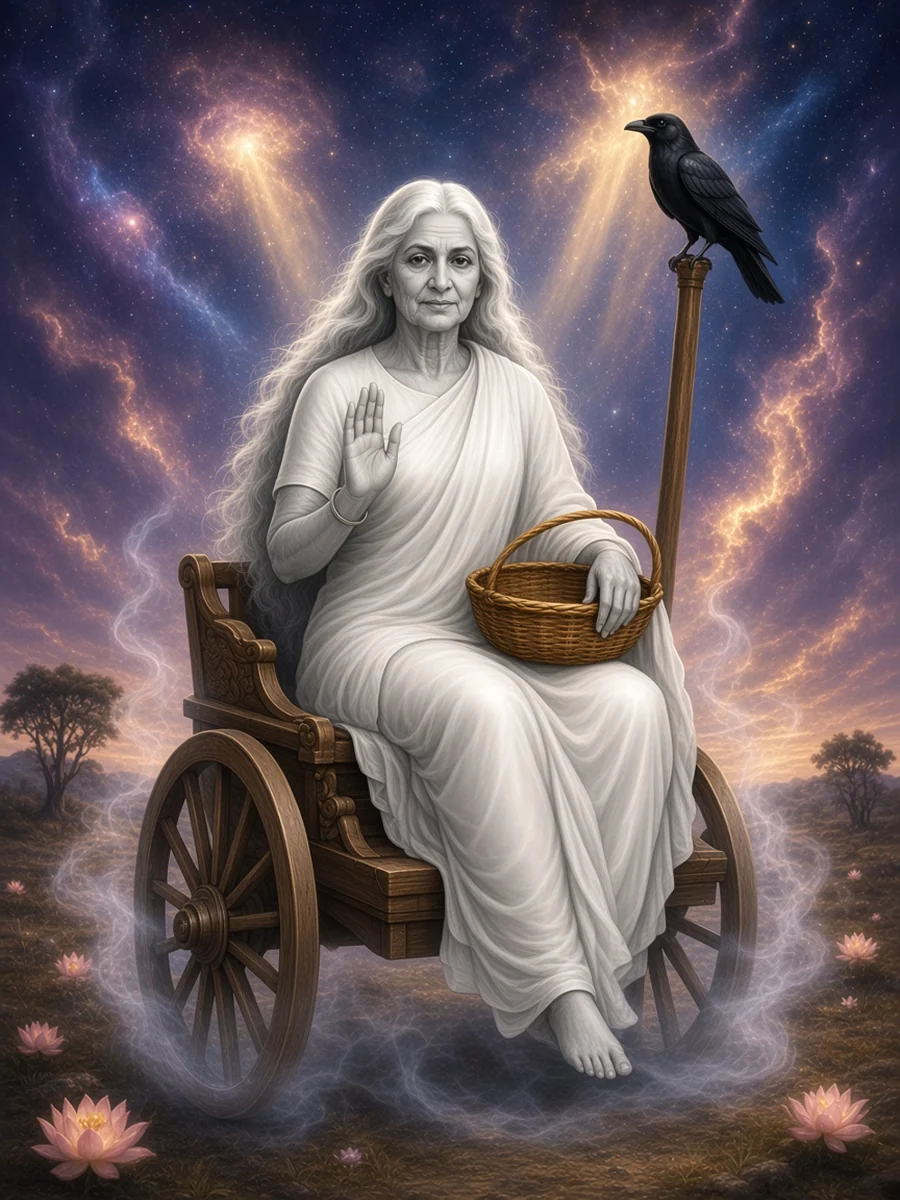
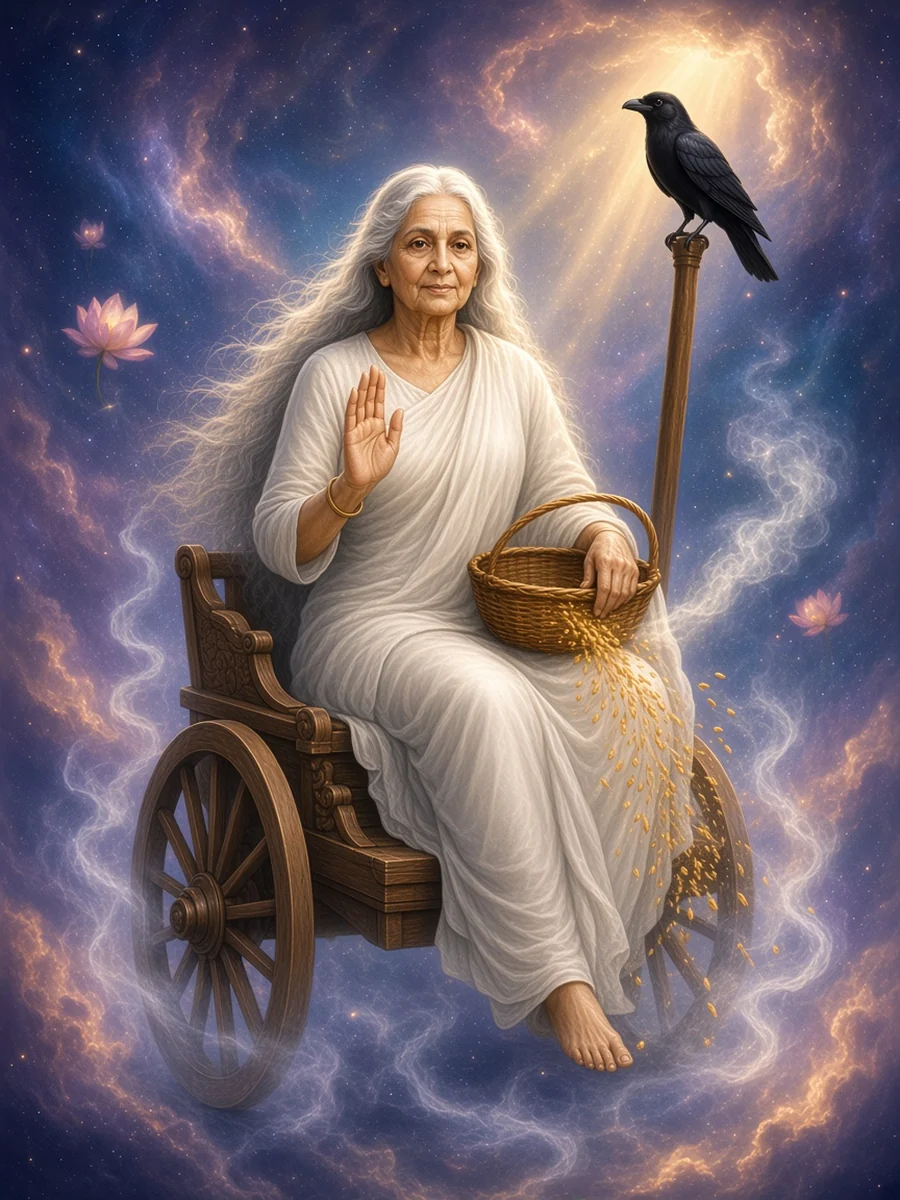
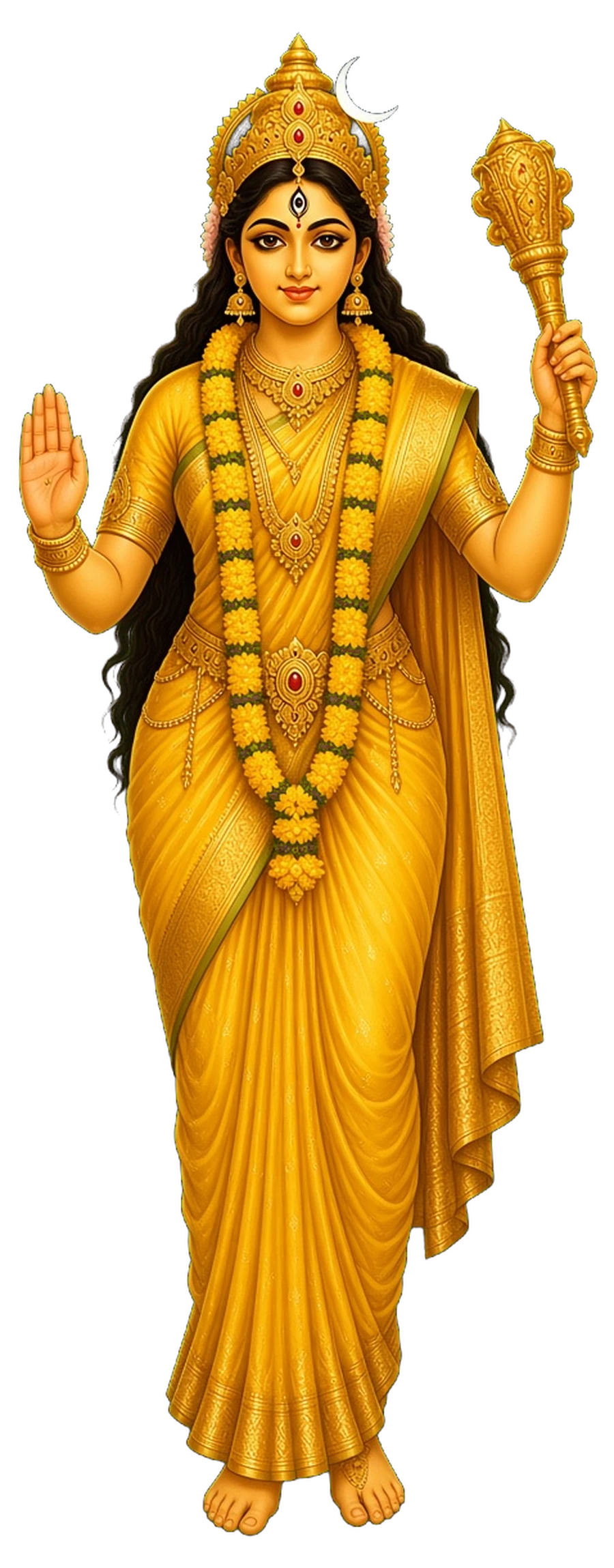
One of the ten Mahavidyas, the forms of the one Goddess, and the only one of them shown as a widow. She is old and grey, sits in a chariot with a crow on its banner and holds a winnowing basket.
Why is she a widow?
In the best known story she was so hungry that she swallowed her husband Shiva, and when he came out he told her she was a widow now. Another tantra says she rose as smoke from Sati's fire at Daksha's sacrifice.
Where is she worshipped?
Her temples are very few. There is one in Varanasi, a shrine on Kamakhya's hill in Assam, and the Dhumavati temple at the Pitambara Peeth in Datia, set up in 1978.
When is her day?
Dhumavati Jayanti, the eighth day of the bright half of Jyeshtha, in May or June. At Datia her doors stay open longest on Saturdays.

Artwork ›

The elder goddess in her chariot Her shrine at the Pitambara Peeth, Datia

For kids

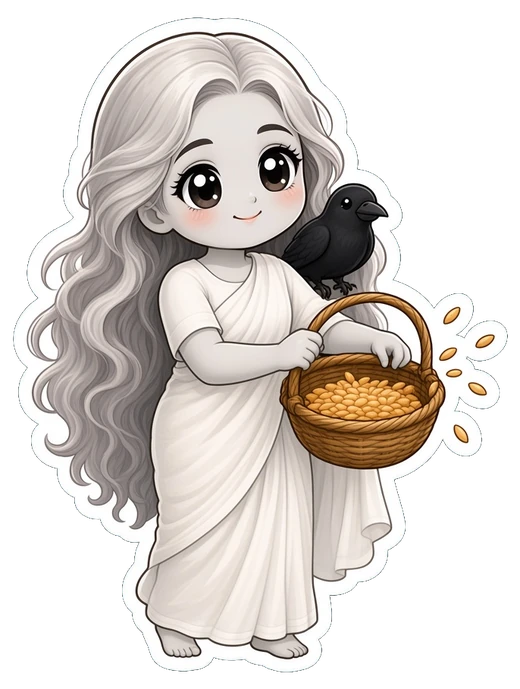
Sorting out the chaff
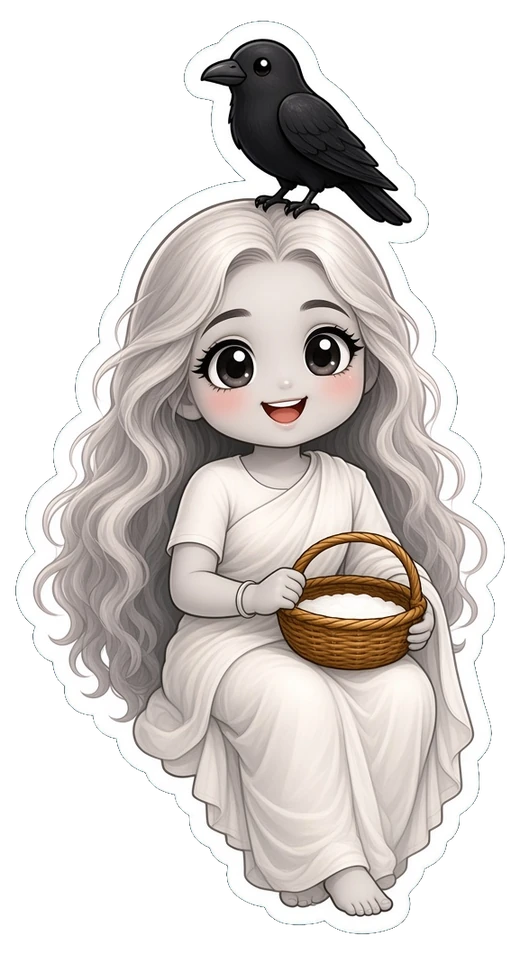
Grandma knows best
Grandma knows best

At a glance

TraditionShakta
FormAn old

tall, pale grey woman in the soiled white of a widow, her hair loose and her teeth gapped

In her handsA winnowing basket

the other hand trembling or giving boons; some verses add a broom, a torch, a club or a trident

Who Dhumavati is

Dhumavati is the smoky one, the seventh of the ten Mahavidyas in the usual order and the only one of the ten with no husband at her side. Her meditation verses make her old and pale, tall and thin, dressed in the dirty white of a widow, with loose hair and gapped teeth. She sits in a chariot that nothing pulls, a crow on its banner, and holds a winnowing basket. The verses say she is always hungry, always thirsty and fond of a quarrel.

She is not a goddess people ask into their homes. Her priests have told visitors that married people should keep their distance, and at Datia a notice asks wives whose husbands are living not to take her darshan. Yet the same priests say that inside she is tender, that she gives a devotee whatever is asked, and that she keeps company with the people the world has stopped looking at: the wandering renouncer, the unmarried, the widow. Her hundred-name hymn begins with her smoke and ends its first verse in praise:

Dhumavati dhumravarna dhumrapanaparayana, dhumrakshamathini dhanya dhanyasthananivasini: Dhumavati, smoke-coloured, who feeds on smoke, who crushed the demon Dhumraksha, the blessed one who lives in blessed places (her hundred-name hymn, as the Pitambara Peeth prints it).

Two stories explain why she is a widow. A book from the ashram at Datia, quoting the Narada Pancharatra, and the Pranatoshini Tantra both tell how the hungry goddess swallowed Shiva. The Shaktisamgama Tantra says instead that she was born from the smoke at Daksha's sacrifice, where Sati gave up her life. Scholars such as David Kinsley see in her the outline of older goddesses of ill luck, the Vedic Nirriti and Lakshmi's elder sister Jyeshtha, but he thinks calling her the same goddess goes too far.

Her temples can be counted on one hand. In Varanasi a priest who serves her lights his fire to give plenty of smoke, because she likes it. On Kamakhya's hill in Assam she has a shrine among the ten. At Datia the swami of the Pitambara Peeth gave her a temple in 1978, and the Peeth links her to a rite it held for the country during the war of 1962.

Her stories on this site: The Goddess Who Could Not Wait, The Smoke That Stayed and The Fires Lit for the Country. With the other nine she surrounds Shiva in The Goddess in Every Direction and keeps a shrine in The Hill of Ten Goddesses, and how she came to Datia is told in The Swami with No Name. Jyeshtha's own story is The Elder Sister.
Before the Puranas

The Vedic roots of Dhumavati

The Vedas do not know Dhumavati. No hymn names her, and the scholar David Kinsley knew nothing of her outside the ten Mahavidyas, no cult of her own before she joined them; even the Mahakala Samhita, which may hold the oldest list of the group, names nine of them and leaves her out. What the Vedas do have is a goddess to be sent away: Nirriti, ruin and decay, whom Rigveda 10.59 asks again and again to depart to distant places.

The later Vedic books dress Nirriti in black, give her the black husks of the offering and put her in the south, the quarter of the dead. The Shri Sukta asks the goddess of fortune to drive out her sister Alakshmi, want and hunger. The Linga Purana (2.6) tells of Jyeshtha, the elder sister born at the churning before Lakshmi, who runs from chanting and from the smoke of the sacrifice and is given the quarrelsome houses to live in. Kinsley points out what Dhumavati shares with these three: hunger, poverty, a dark skin, the crow on the banner, the broom, the bad temper. He thinks modern writers may have shaped her on them, but he finds calling her the same goddess an overstatement. Jyeshtha wears the marks of a married woman; Dhumavati is a widow, and she belongs to Shiva and Sati, which none of the three do. The manuals printed at Datia, all the same, name her Jyeshtha in their opening lines.

Her own texts are tantras and the late Shakta Puranas. The Mahabhagavata Purana stands her south-east of Shiva, dressed as a widow, when Sati surrounds him in ten forms. The Shaktisamgama Tantra says she was born from the smoke at Daksha's sacrifice; the Pranatoshini Tantra, as Kinsley reads it, and the Narada Pancharatra, as the Datia book quotes it, say she swallowed Shiva. The Prapanchasara Sangraha gives her a crow's nose and throat. Lists that match the ten goddesses with Vishnu's ten avatars give her to Vamana in one and to Matsya in another.

Her temples are rare. Kinsley visited the one in Varanasi, whose priest called it the place where a piece of Sati's body fell. The Pitambara Peeth at Datia installed her on the eighth of bright Jyeshtha in 1978.

See how the Vedic gods became the Puranic ones →

Related gods