Devalok ← All gods
Also calledDakshayaniUmaDakshakanyaDakshajaBhavani

In short

Who is Sati?
Daksha's daughter and Shiva's first wife, the great goddess born into a human family to be Shiva's own power again. She gave up her life at her father's sacrifice and was born again as Parvati.
Why did Sati die?
Her father Daksha left Shiva out of his great sacrifice and insulted him in front of the gods. Sati would not keep the body she had from him, and burned in the fire of her own yoga.
What are the Shakti Peethas?
The seats of the goddess. Where the pieces of Sati's body fell as Shiva carried it across the earth, a shrine of the goddess stands; the lists count four, eighteen, fifty-one or a hundred and eight.
Is the goddess Sati the same as the practice called sati?
No. The later burning of widows took her name, but in no telling does she die on a husband's pyre. She dies in her father's hall, and her husband lives.

Artwork ›

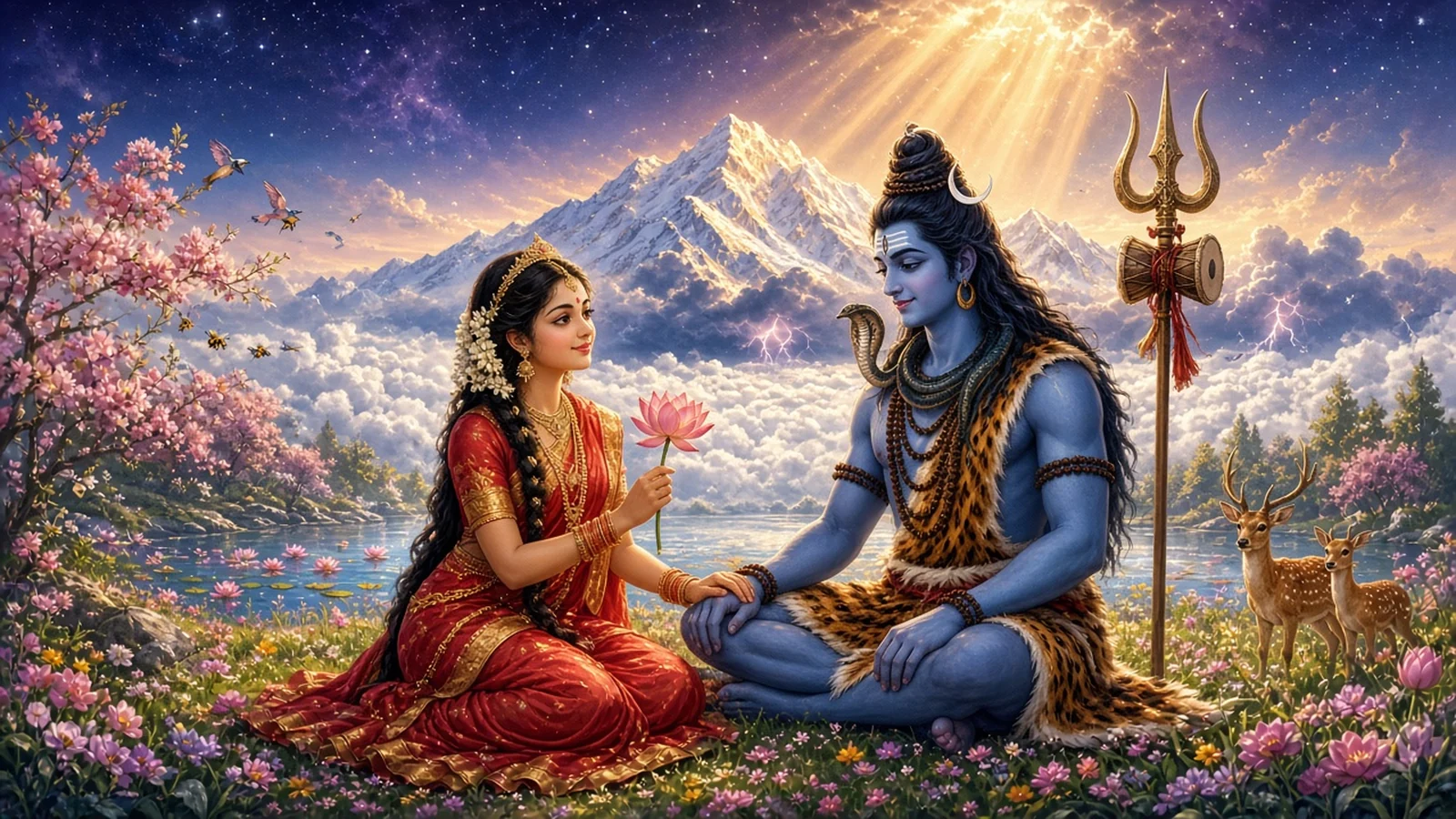
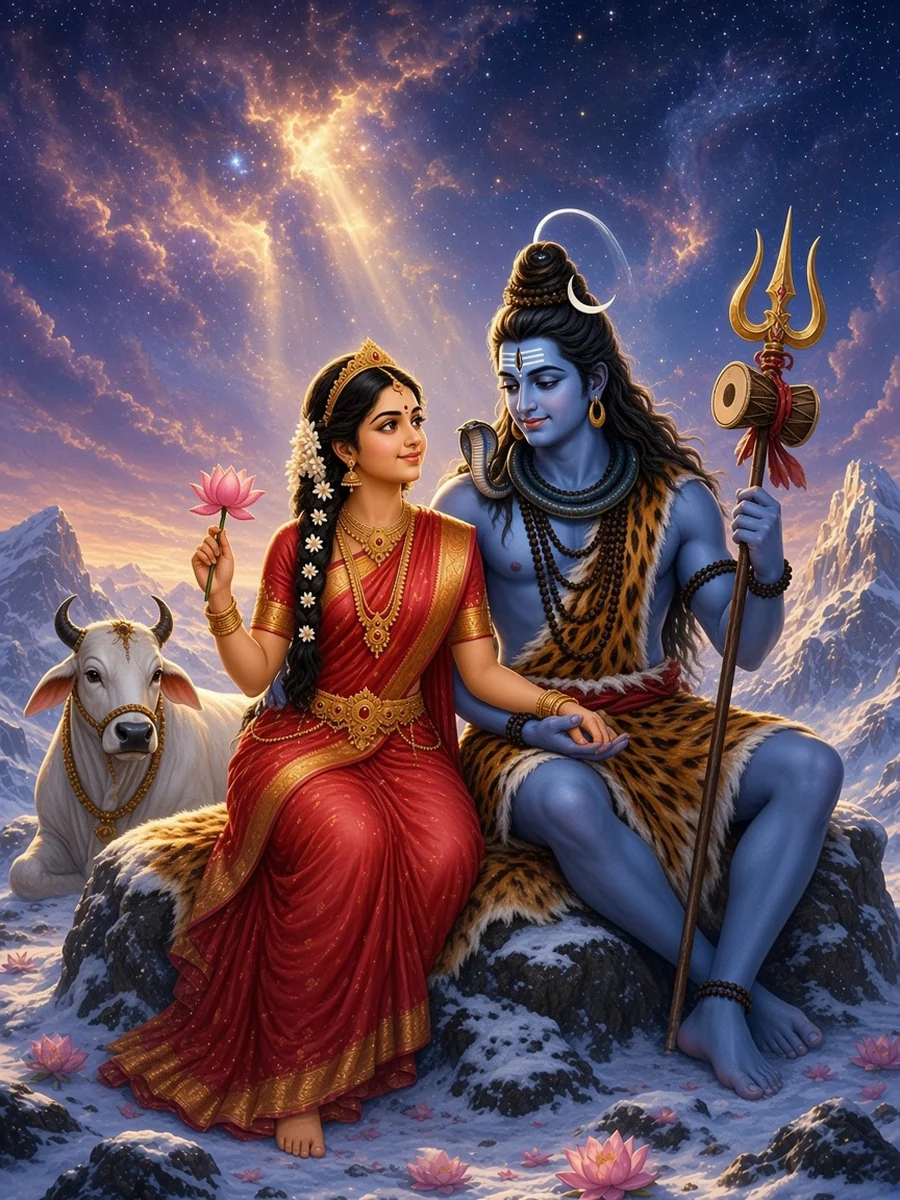
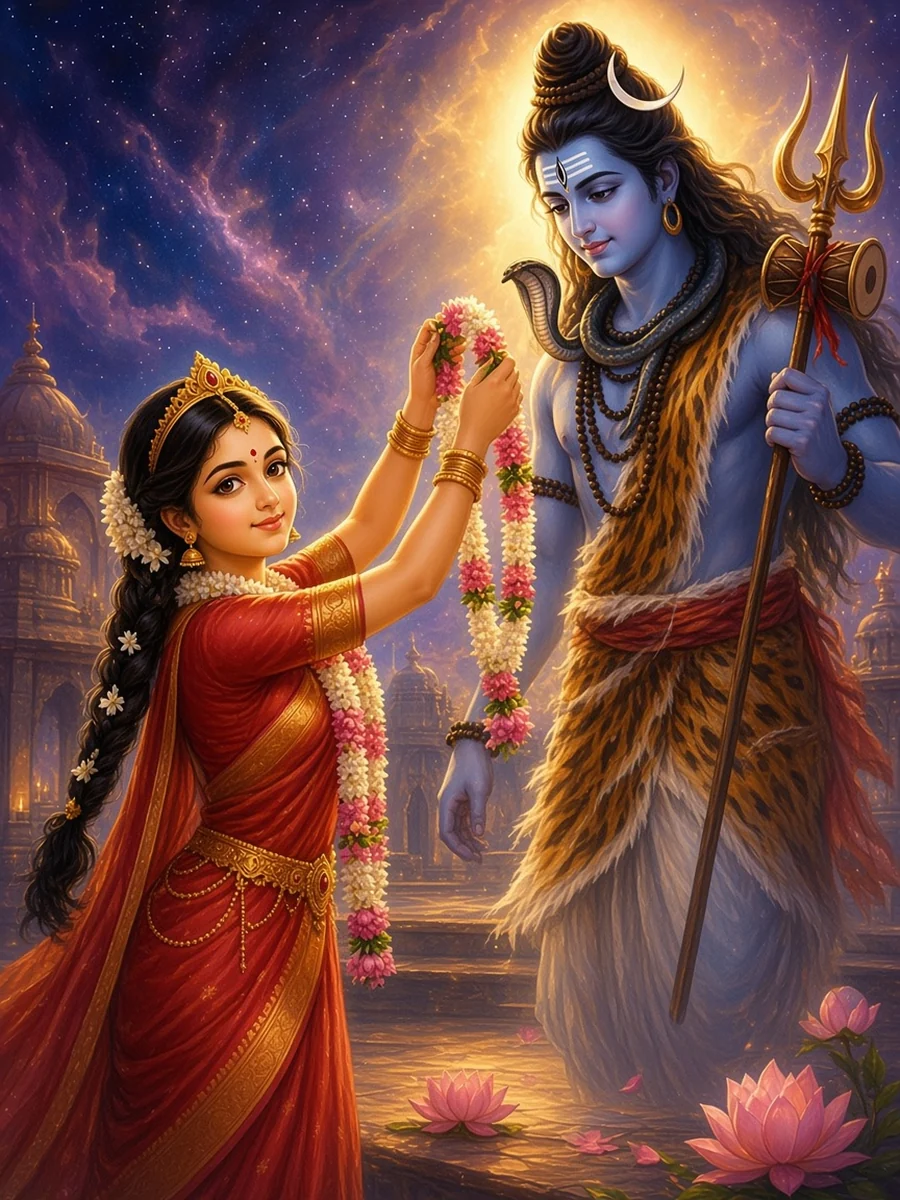
Beside Shiva on Kailash She threw her garland to the sky, and he caught it

For kids

Picked him myself
Picked him myself
Nandi says hi
Nandi says hi

At a glance

TraditionShakta and Shaiva
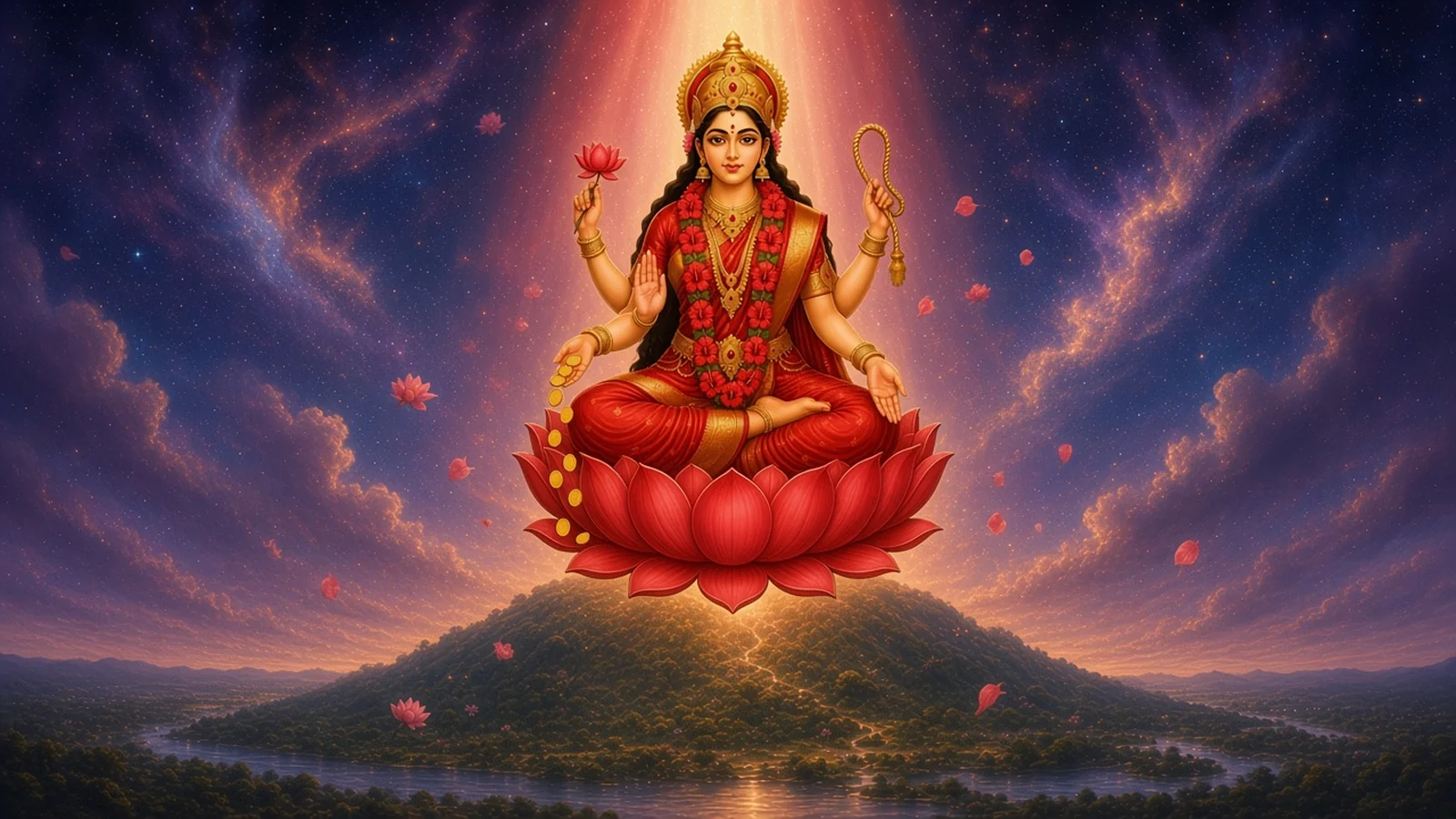
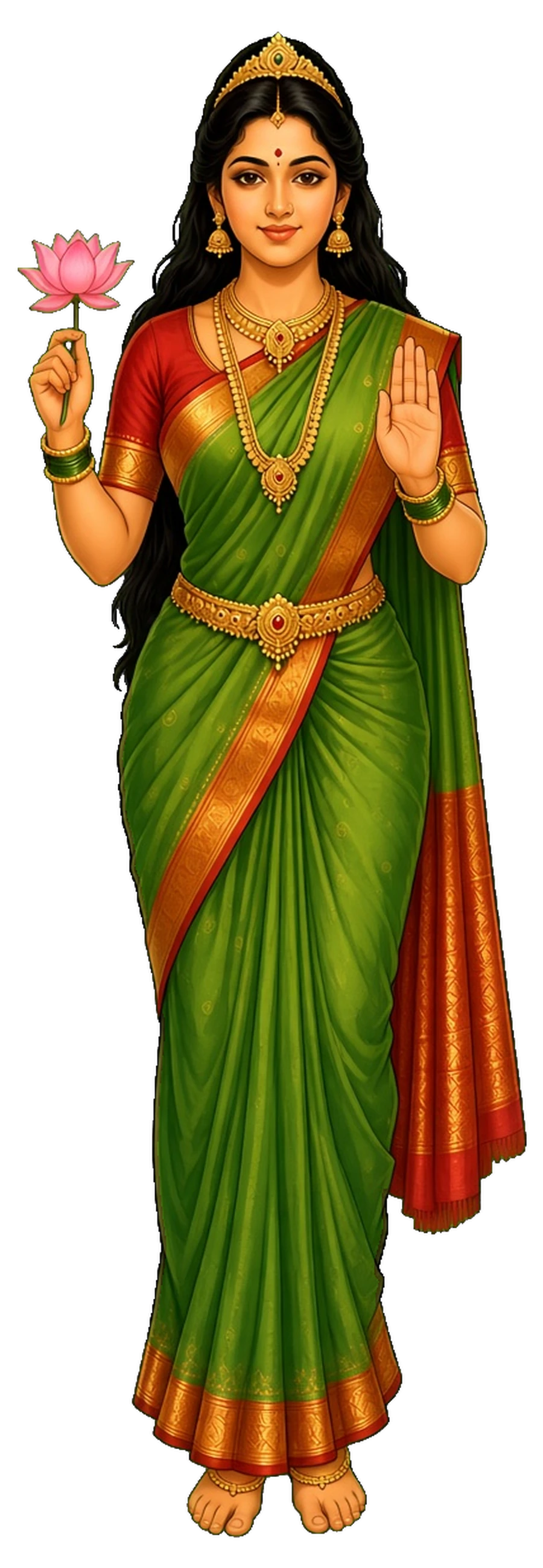
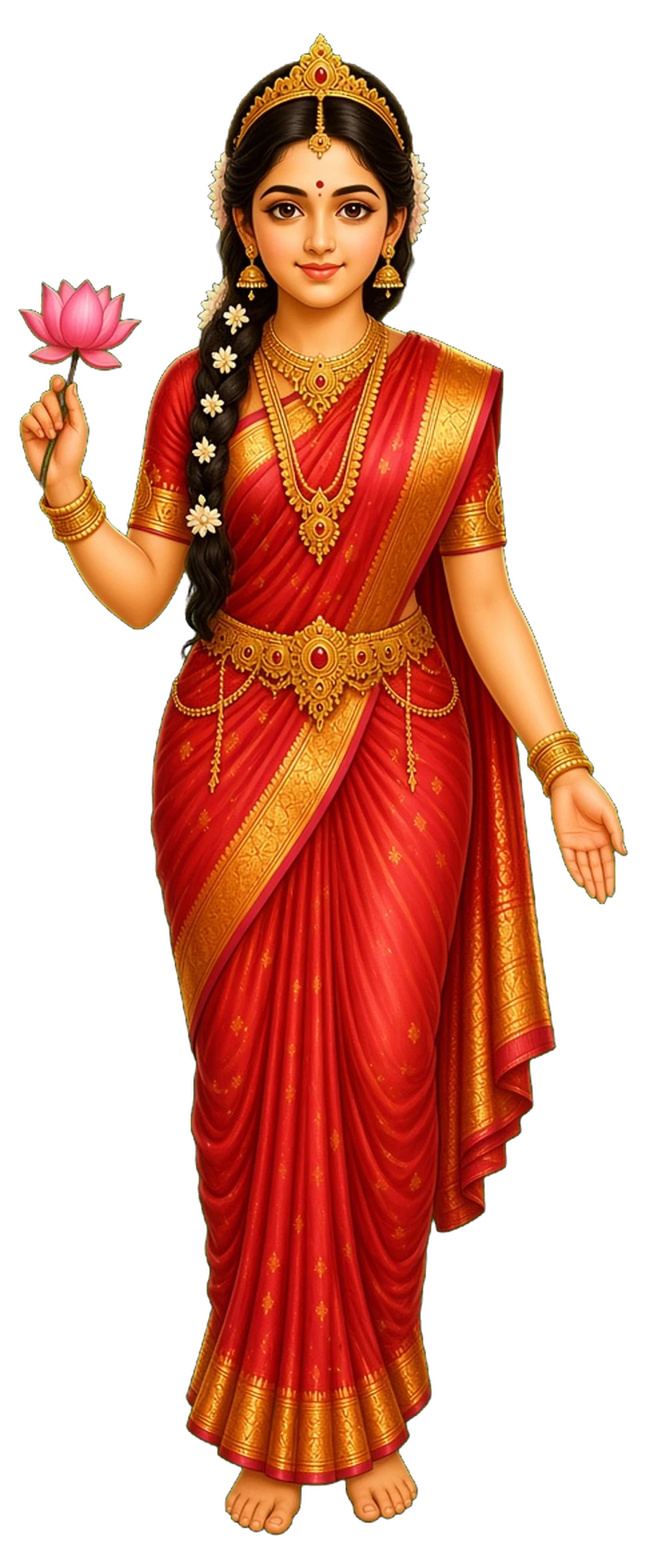
FormA young woman with a golden glow

seated beside Shiva on Kailash

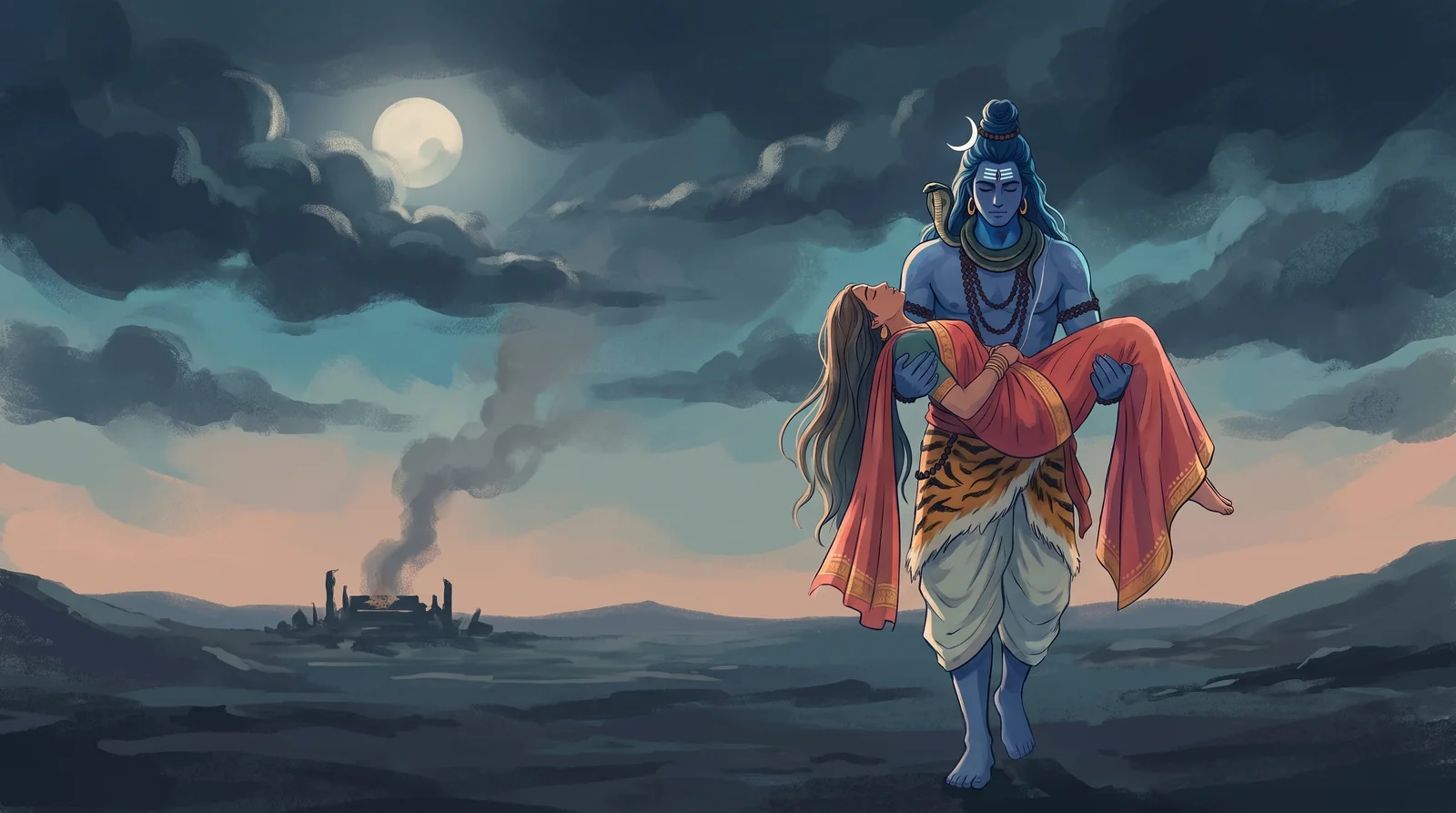
Best known asHer body in Shiva's arms or across his shoulder as he wanders in grief, Vishnu's discus following

Who Sati is

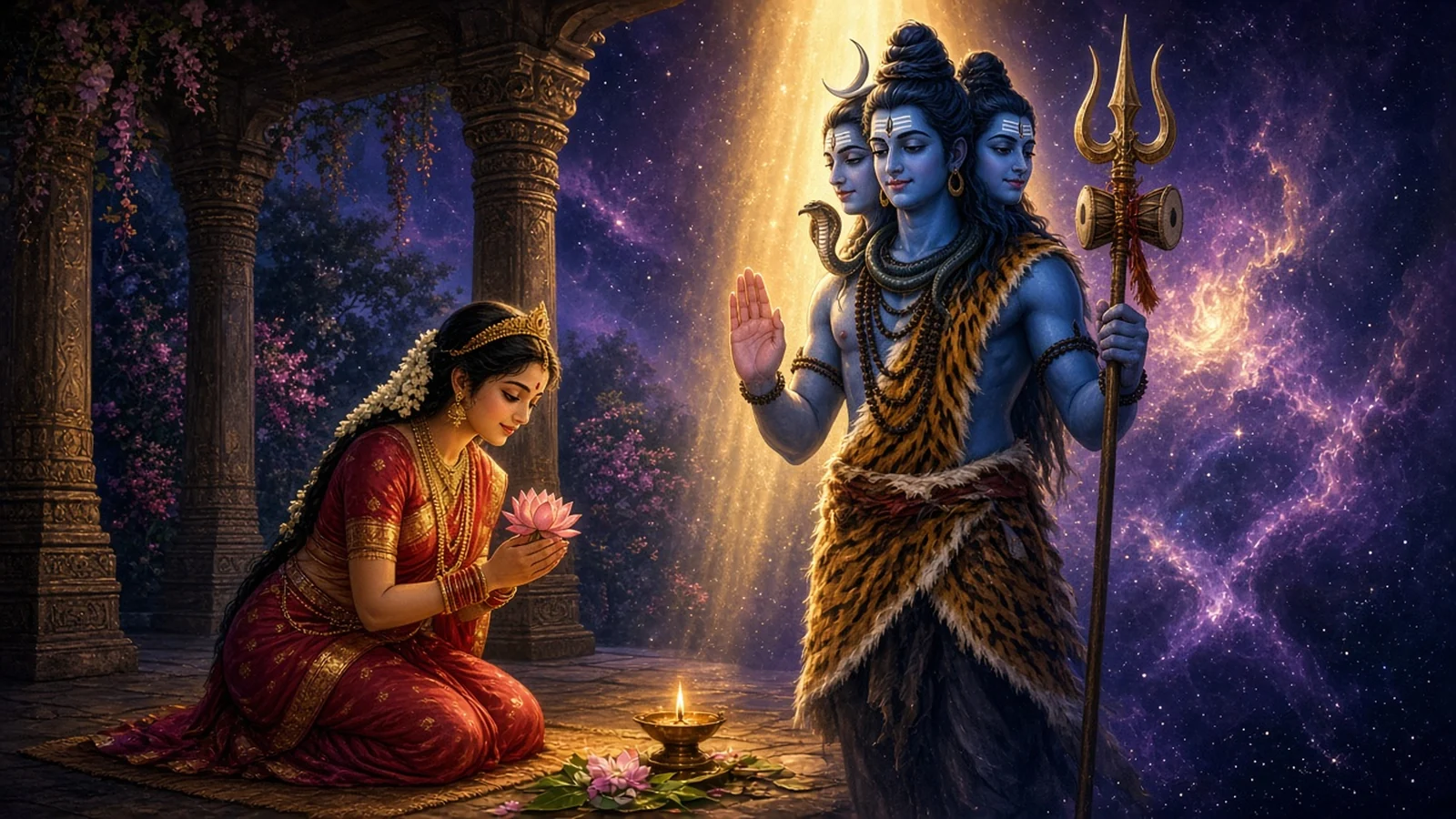
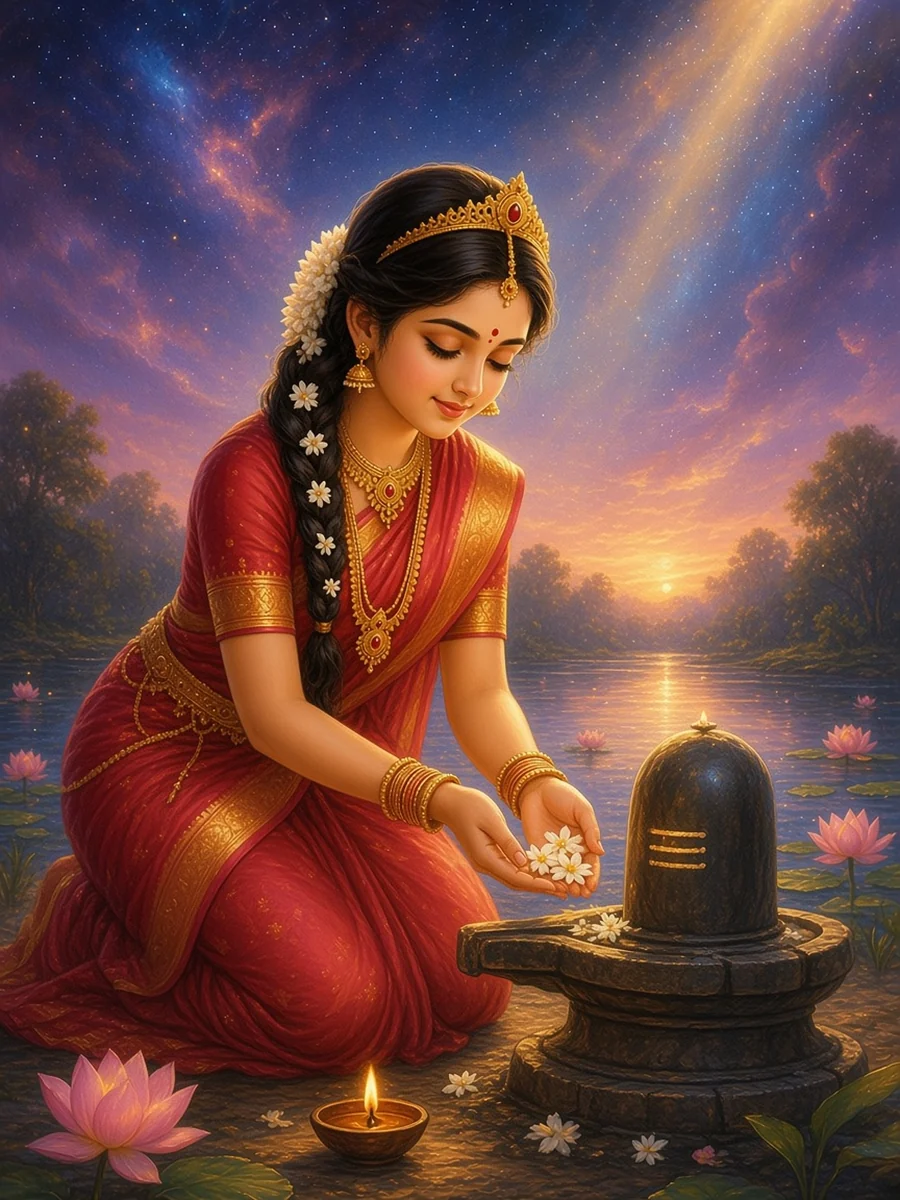
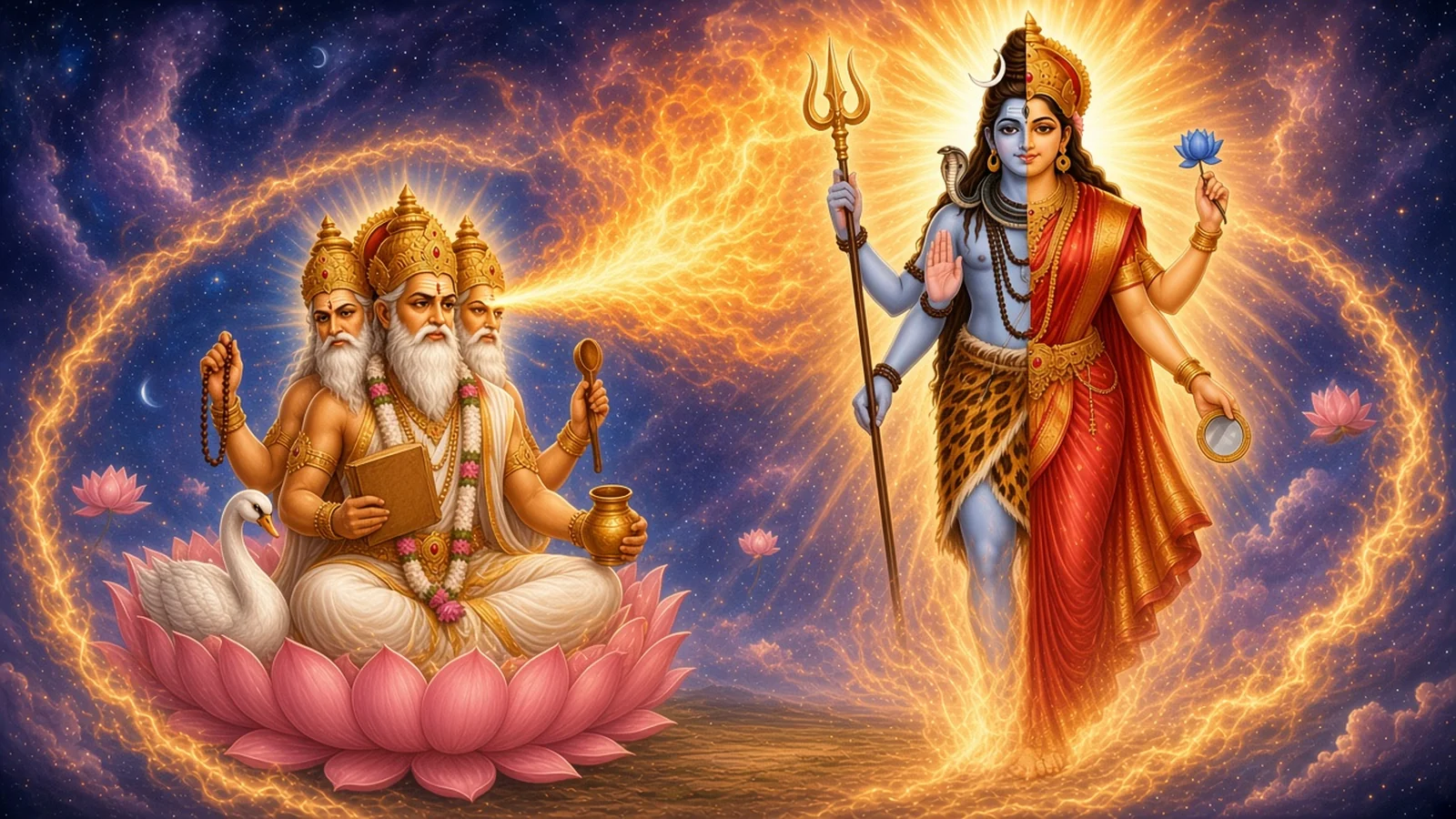
Sati is the goddess who came to Shiva first. She was born the daughter of Daksha, the father of creatures, because Daksha had prayed for the great goddess to be born in his house and become Shiva's wife, and she had agreed on one condition: if he ever held her in less respect, she would give up the body he had given her. As a girl she drew pictures of Shiva before she could say why. She kept a year of vows for him, and when he came to offer her a boon she was too shy to finish asking, and he answered before she could. The Devi Bhagavata tells it differently: Shiva had lost his goddess by mocking her, and Sati was born to give him back his power.

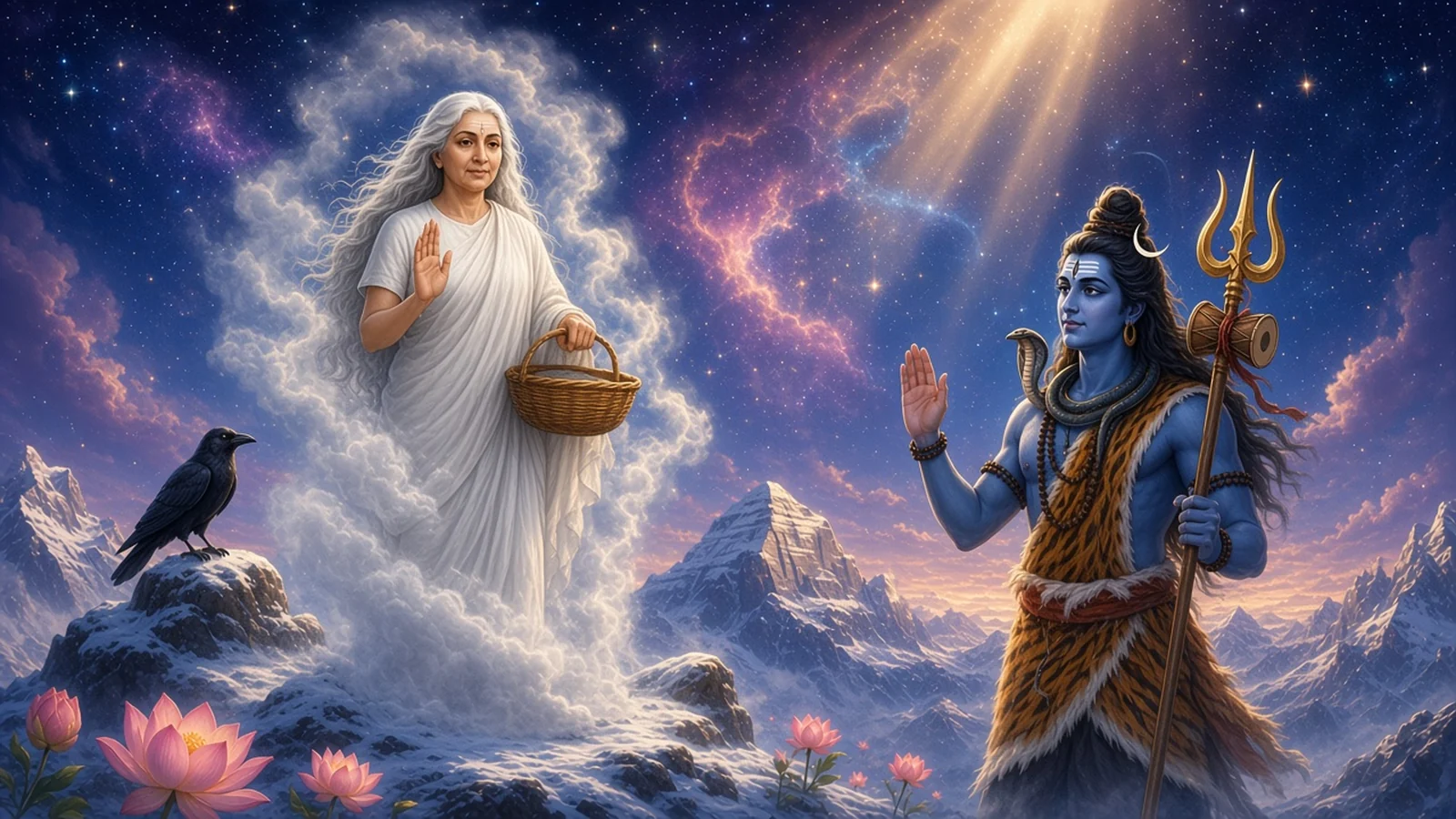
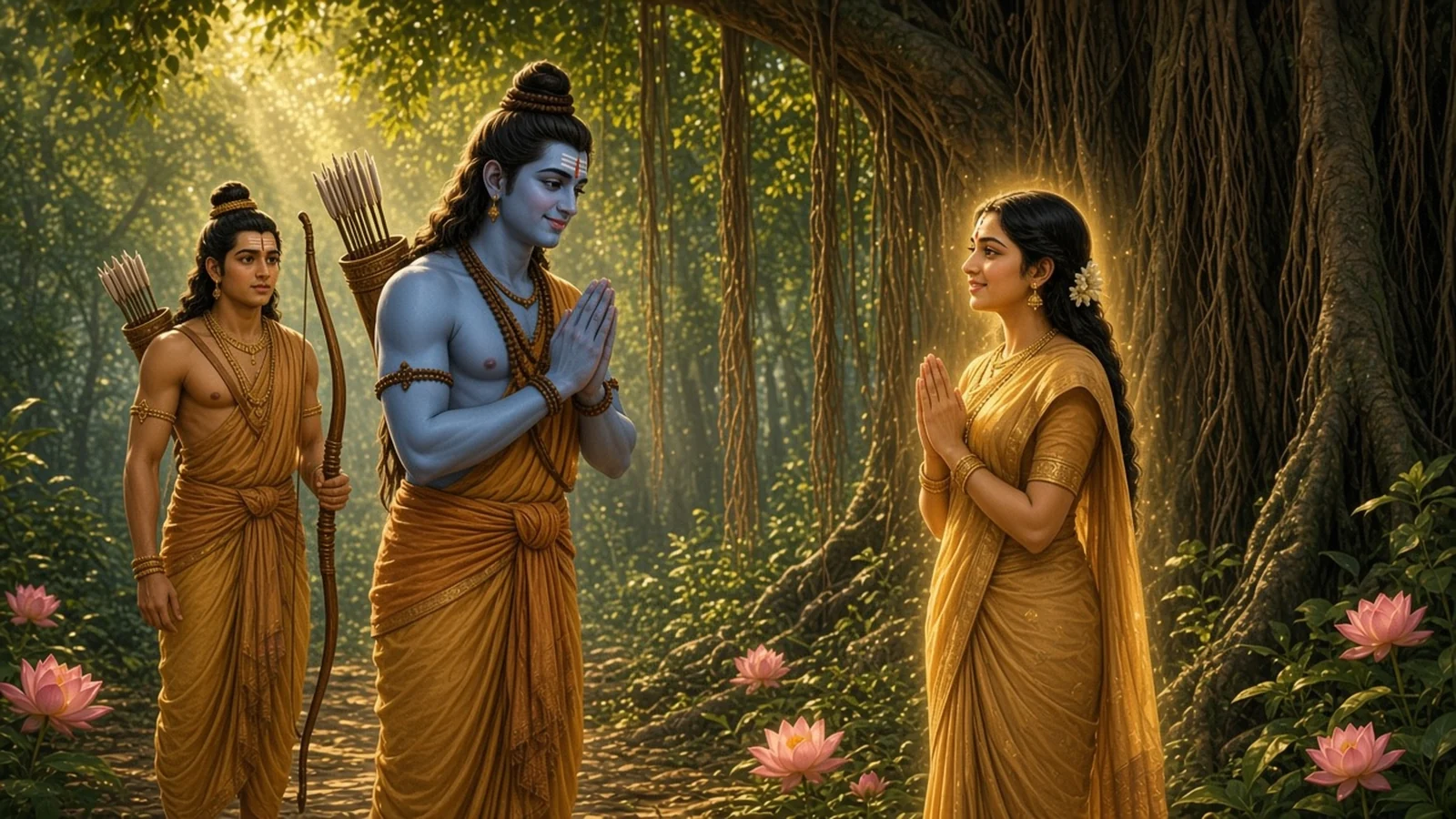
They lived on Kailash and in the high Himalaya, above the clouds. Once, walking in the Dandaka forest, Shiva bowed to Rama, who was weeping for Sita, and Sati could not believe that this grieving prince was God. She took Sita's form to test him, and Rama knew her at once. Shiva, when he learned of it, gave her up as a wife in his mind and told her nothing.

Then her father held a great sacrifice and left Shiva out of it. Sati went anyway, heard her husband insulted before the gods and burned in the fire of her own yoga. Shiva carried her body across the world in his grief, and where its pieces fell the Shakti Peethas stand, from Hinglaj in the west to Kamakhya in the east. She was born again as Parvati, the daughter of the mountain, and won Shiva a second time.

The Shakta tradition reads her as the great goddess herself; the Lalita Sahasranama counts her among the goddess's thousand names.

Dakshayani daityahantri dakshayajnavinashini: Daughter of Daksha, slayer of the demons, destroyer of Daksha's sacrifice (Lalita Sahasranama).

Her name means the true one, the faithful one. Centuries later the burning of widows came to be called by her name, sati, a word that first meant a good wife, as scholars note; but in no telling does she die on a husband's pyre. She dies in her father's hall, and her husband lives.

Her stories on this site: The Daughter Who Chose Shiva, The House Above the Clouds and The Face She Borrowed, then Sati and the Sacrifice and The Goddess in Every Direction, where she shows Shiva her ten forms. Daksha's side of the quarrel is in The God Who Did Not Stand.
Before the Puranas

The Vedic roots of Sati

The Vedas do not know Sati. They know Rudra, the god left out of the sacrifice, and they know Daksha, but no hymn gives Rudra a wife who is Daksha's daughter. The Kena Upanishad has a goddess called Uma Haimavati who teaches the gods, and later readers made her Shiva's wife, but she is the daughter of the snowy mountain, which is Parvati's line, not Sati's. Sati belongs to the epics and the Puranas, and her story grew out of an older quarrel about who has a share in the sacrifice.

The historian D. C. Sircar traced that growth in his study The Sakta Pithas. He saw its seed in the Brahmanas, where Rudra, refused his share, wounds the sacrifice of Prajapati, the lord of creatures, and the gods Bhaga and Pushan lose their eyes and their teeth; the Puranas keep those very details. In the Mahabharata, which Sircar takes for the earliest telling of Daksha's sacrifice, Shiva's wife only points out the slight. She is not Daksha's daughter there, and she does not die. In the Matsya, Kurma, Padma and Brahmanda Puranas, and in Kalidasa's Kumarasambhava, she has become Sati, Daksha's daughter, who gives up her life at her father's rite, by yoga, of a broken heart, or, in Kalidasa, in the fire.

The scattering of her body came last. Sircar, reading the Devi Bhagavata and the Kalika Purana, thought it was added in the early medieval centuries to explain where the seats of the goddess came from. The Buddhist Hevajra Tantra of the eighth century already knows four such seats, Jalandhara, Oddiyana, Purnagiri and Kamarupa, without the story. In one later telling Brahma, Vishnu and Shani enter the body by yoga and let it fall piece by piece; in another Vishnu cuts it with arrows or the discus. The lists kept growing, to eighteen, to fifty-one in the Pithanirnaya, to a hundred and eight in the Devi Bhagavata.

In the Puranas she is never only a wife. The Shiva Purana calls her Shiva's own power, the Devi Bhagavata the Supreme Goddess, and in the Kurma Purana, as Bhaskararaya quotes it, she tells the mountain king that she turned from her father Daksha because he insulted her husband, and chose the mountain king as her father when she was born again.

See how the Vedic gods became the Puranic ones →

Every story about Sati

Related gods