As Madurai and Alagar Koil tell it
South India · the road from the hill to the Vaigai · 4 min read
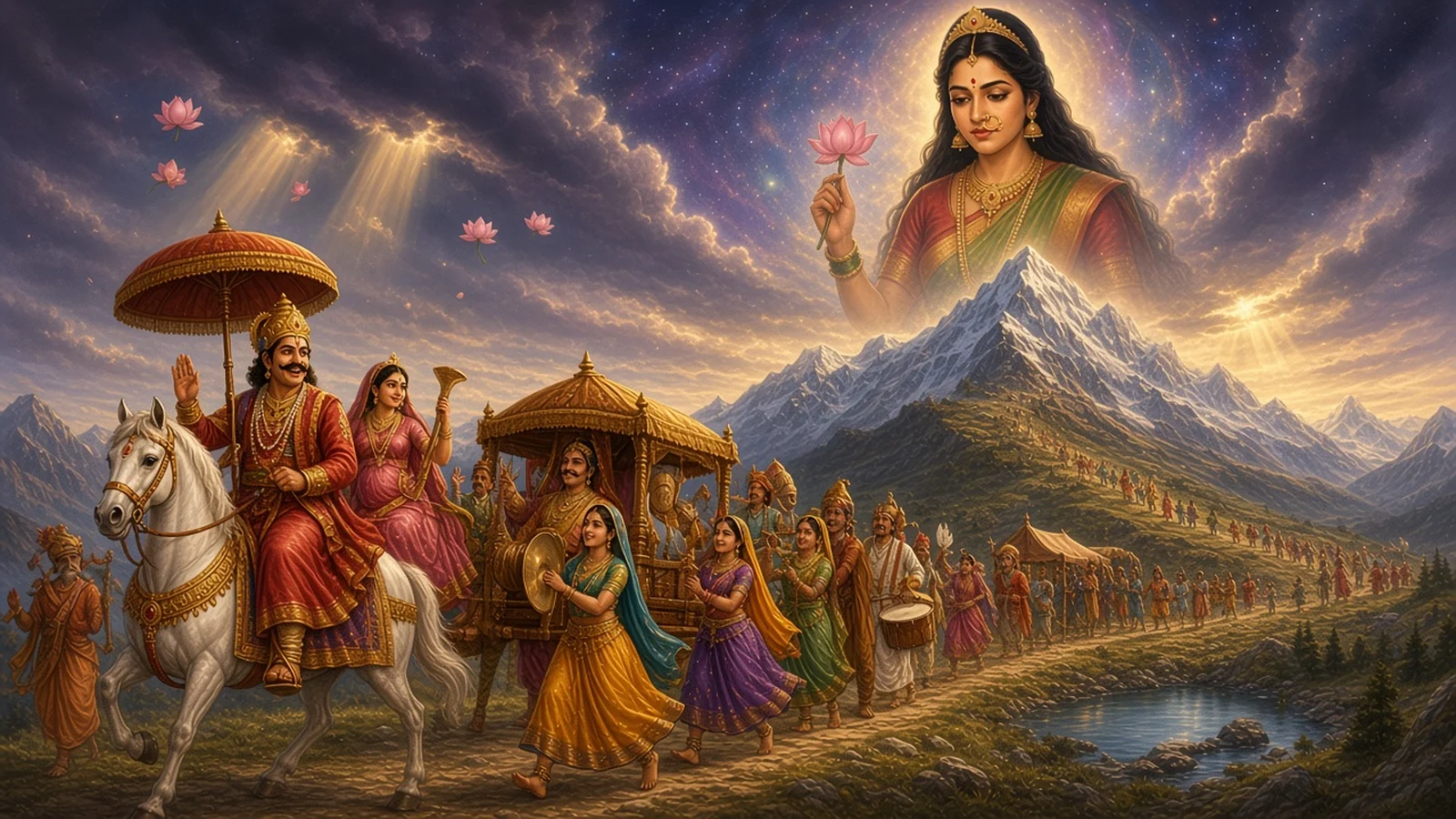
Alagar lives on a hill a morning's walk north of Madurai, where a spring called the Silambaru comes out of the rock. The hill people say it first ran when it washed Vishnu's anklet.
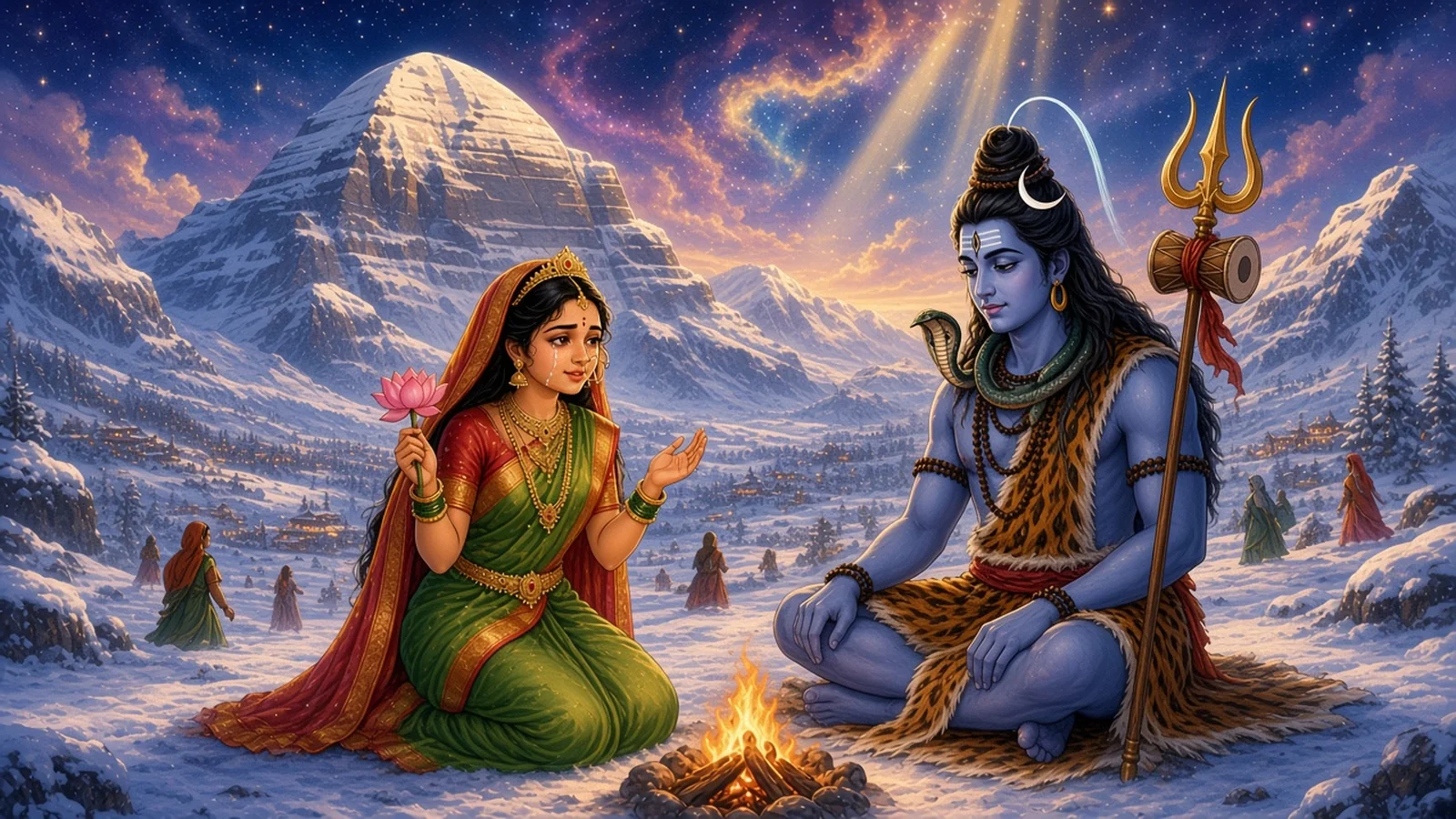
One day a messenger climbed the hill. "Your sister is to be married. Meenakshi, who rules the Pandya country, has chosen Sundareswarar, and the bride's brother must give her away."
"Then I will come," said Alagar.
Between the hill and the city lies the Kallar country, and the Kallar are the people the rest of the land once called robbers. Alagar did not go down as a god. He put on a Kallar's cloth, took a sword, and walked their roads as one of them, so that is what Madurai calls him still: Kallazhagar, the beautiful one who came as a thief.
He had one weakness, his people say, and it was them. In every village someone stood in the road.
"Lord, stay the night. The lamp is lit for you."
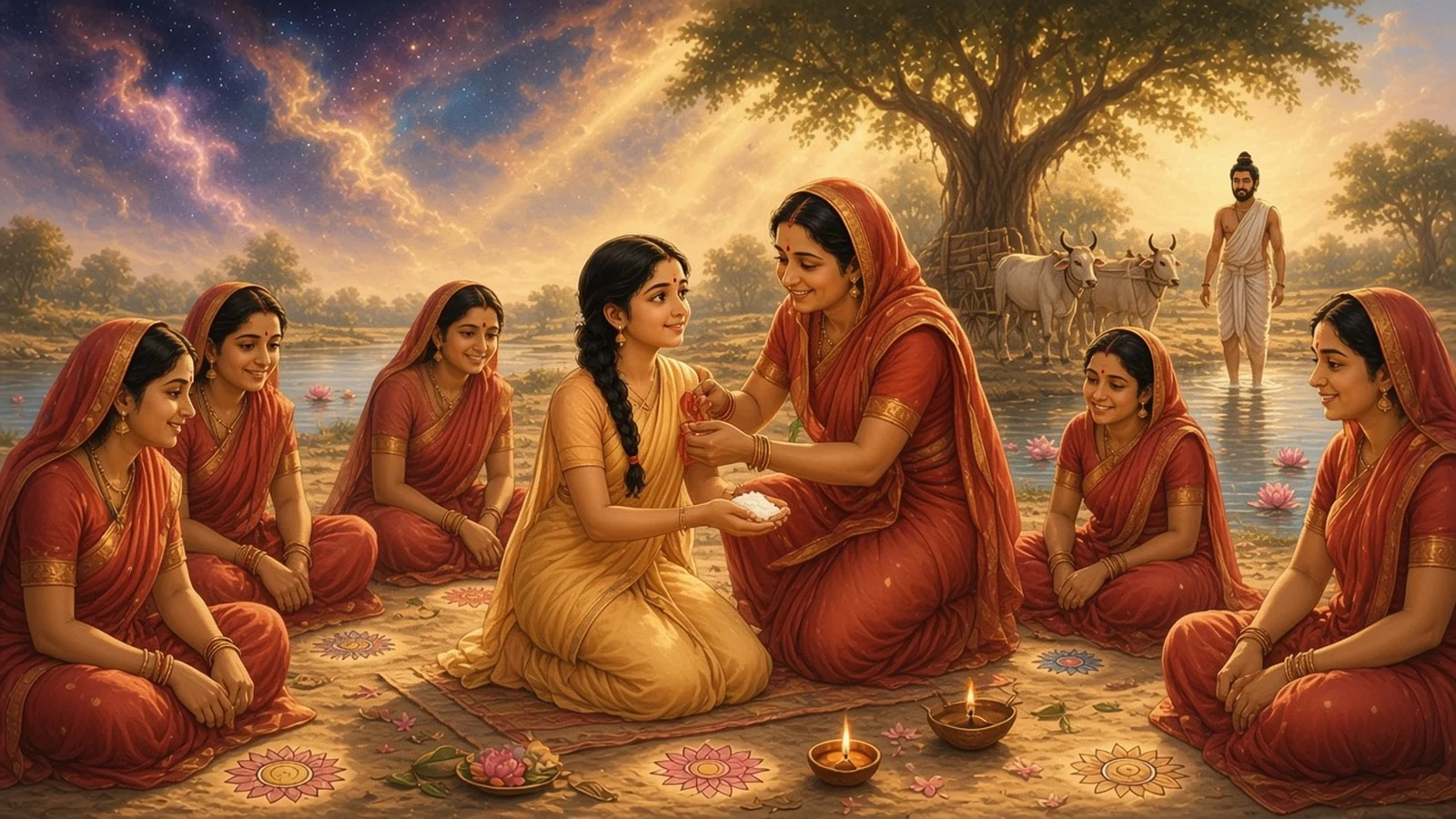
He stayed. In the next village a woman held out a lamp of rice flour and jaggery and a pot of sprouted grain, and he stayed again. The forest slowed him more. Nobody who loves him calls this lateness.
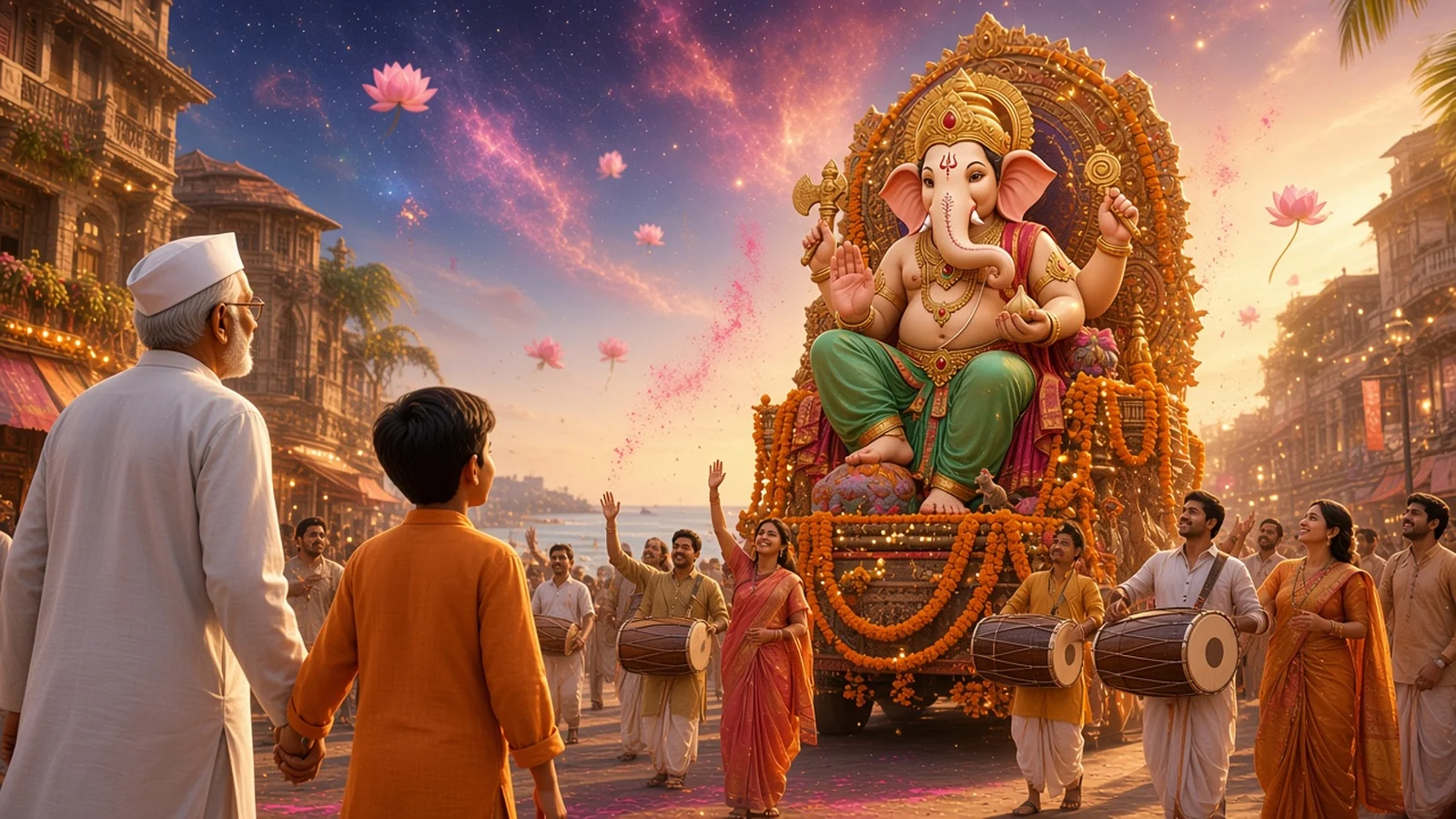
At last Madurai came out to meet him at the three mango trees on its edge, with flowers, crackers, pipes and drums, and dancers in the dust. The city put him to bed at Thallakulam, at the temple of Venkatachalapathi, and bathed him at midnight.
"Is the wedding tomorrow?" he asked.
Nobody answered him.
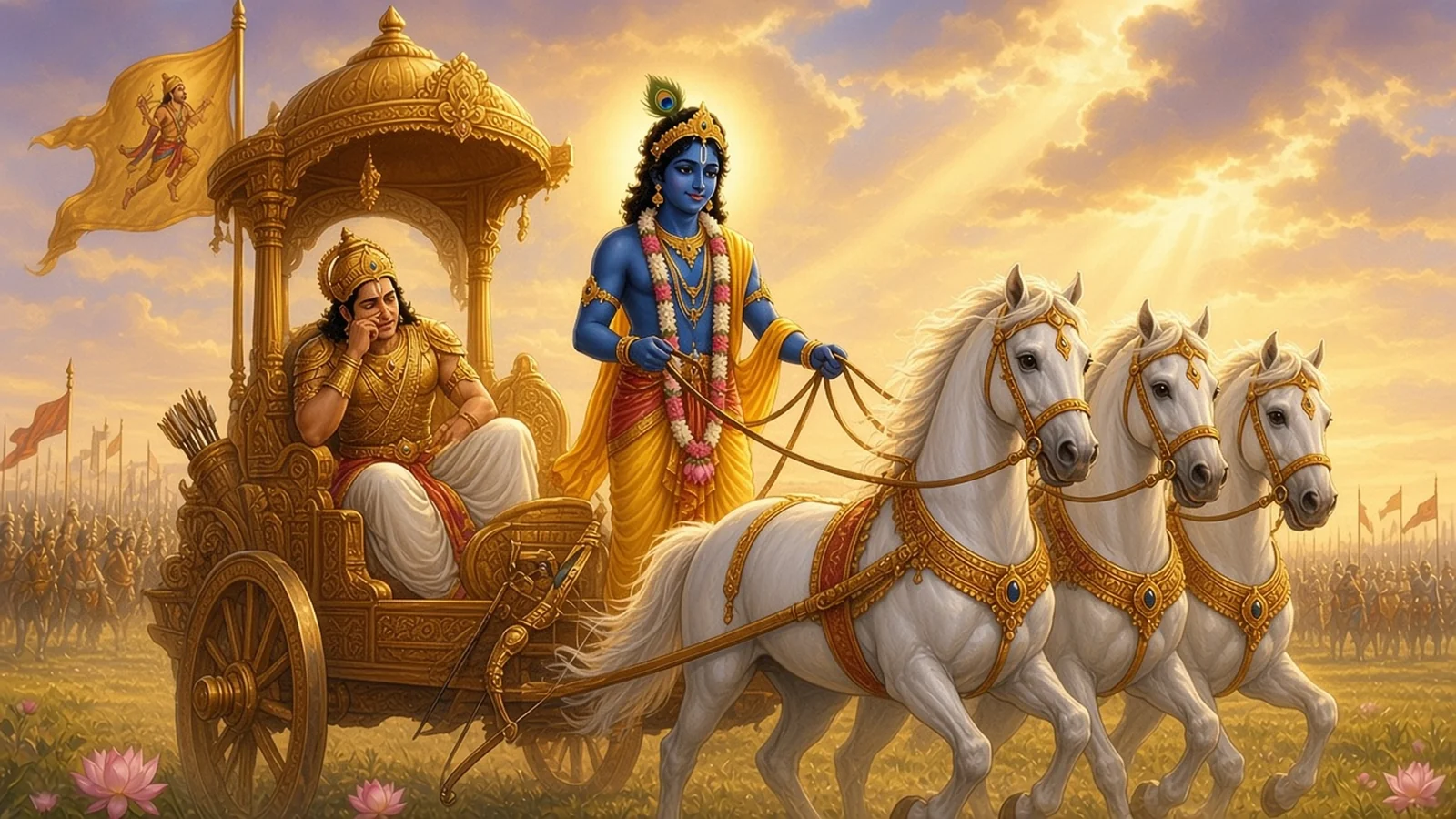
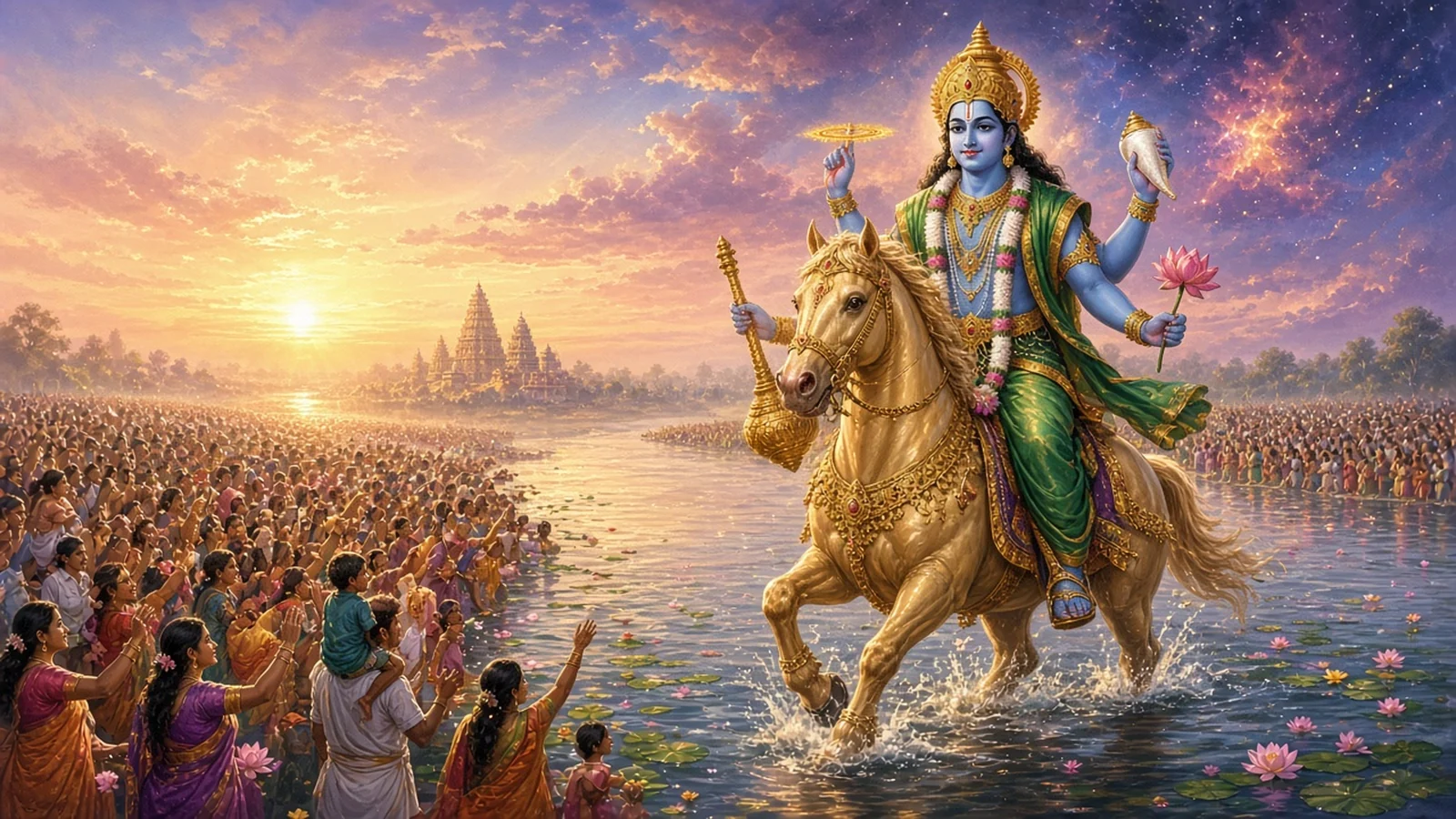
At dawn he rode down to the Vaigai on a golden horse and stood on the south bank, and a priest from the great temple waded out to him.
"Lord, the wedding is over. It was held yesterday."
"Who gave the bride away?"
"You did. That is, the bridegroom did, wearing your face. Sundareswarar would not wait. He took your form and put his own bride's hand into his own hand, and only afterwards did anyone understand."
Alagar sat on the golden horse and said nothing for a long time.
"Then they did not need me," he said. "I will not cross this river."
The bride and bridegroom came down themselves, in the clothes of the night before. Meenakshi stood at the water's edge.
"Brother, come in. Come and eat. The city is yours as much as mine."
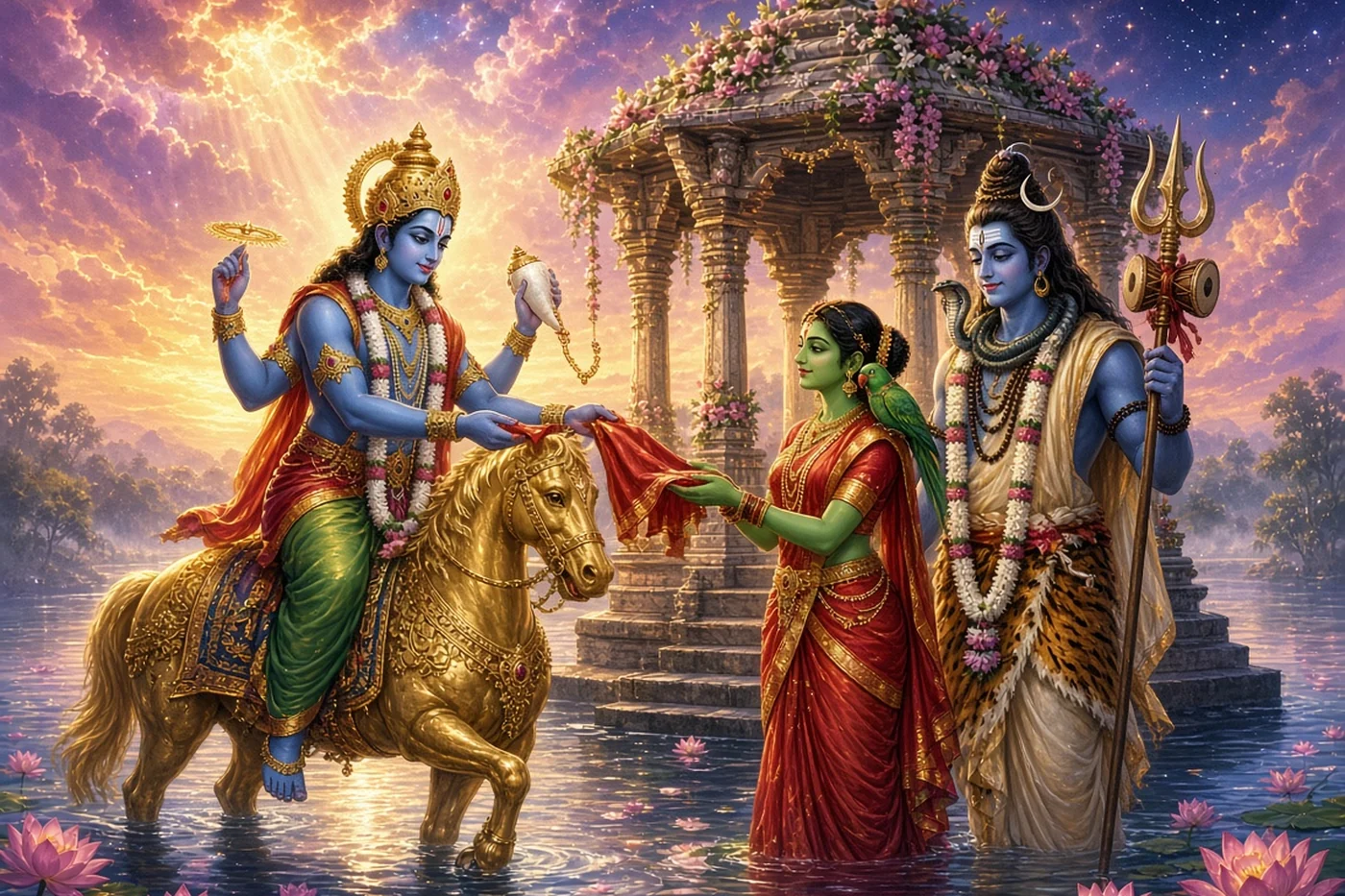
"I brought gifts for your wedding," said Alagar. "I will give them. I will give them here, in the river, and then I am going home."
So a mandapam was raised in the middle of the Vaigai, and the brother handed over silk and gold across the water, and the sister took them, and he turned the golden horse's head away from the city.
Then something touched the horse's leg under the water, and the god looked down.
It was a frog, and it was weeping.
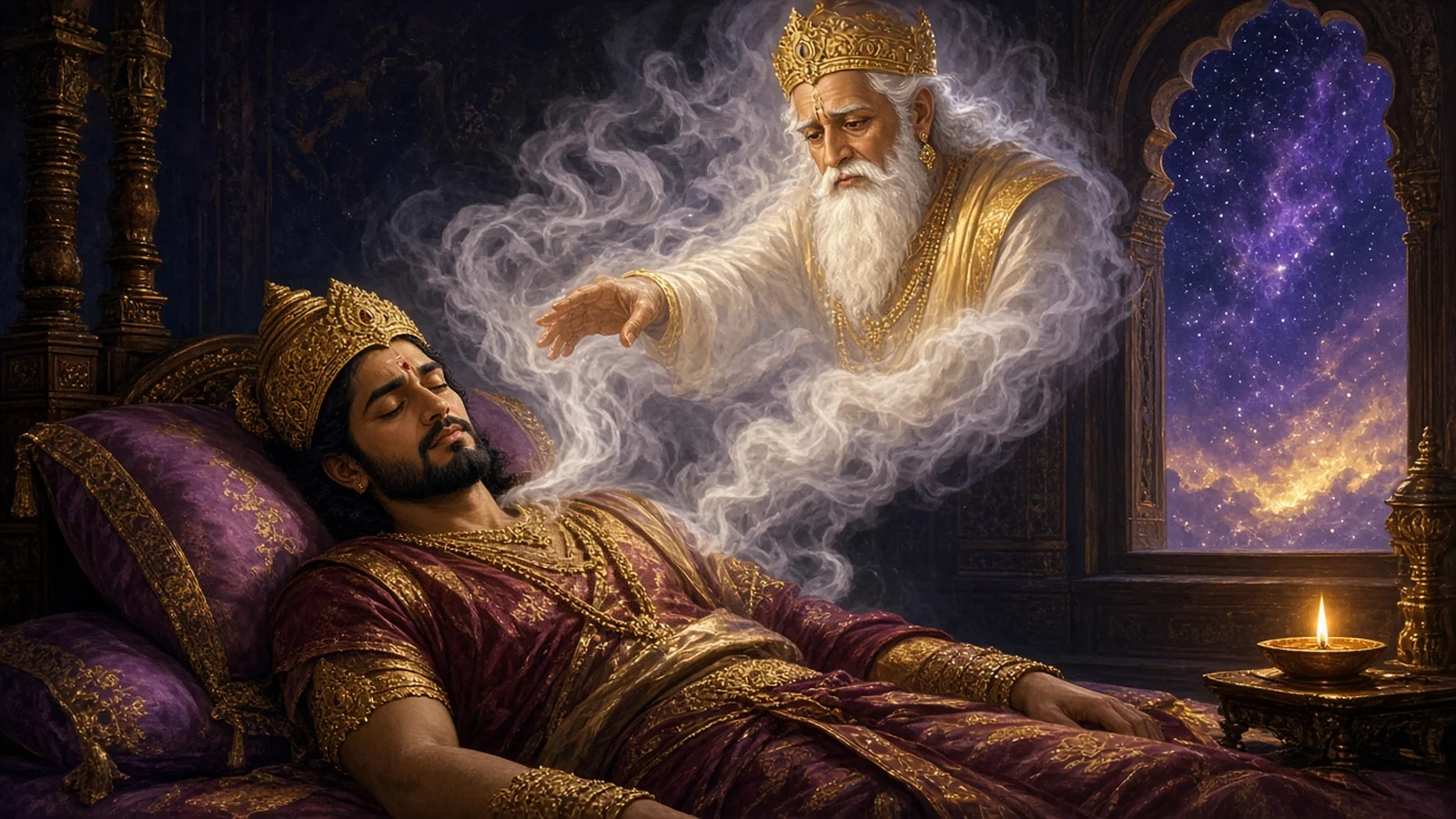
Long before, a sage named Suthapas had been bathing in the Silambaru on Alagar's own hill, so deep in his prayers that when Durvasa walked past he did not look up.
"Sit in your water, then. Be the frog you are."
The sage begged, and Durvasa, who could curse but could also pity, told him how it would end. "Go down to the Vaigai and wait. One day Alagar will come into the river, and his touch will give you back yourself."
Now Alagar rode the golden horse into the Vaigai up to its chest, and the frog climbed onto the god's foot, and a sage stood up out of the water in his place.
"You have waited longer than my sister did," said Alagar. "Look, then, and I will show you everything I have ever been."
All that night, on the north bank, he changed. He was the fish, the tortoise and the boar; the man-lion and the dwarf; Rama with the axe and Rama with the bow; Krishna, and the Buddha some say, and the rider who is still to come. The sage watched each one until the light failed, and the last of them, the enchantress Mohini, he saw just before dawn.
Then Alagar put on the Kallar's cloth again, climbed into a palanquin of flowers, and went home to his hill by way of Vandiyur, and he has never once set foot inside Madurai.
As the festival keeps it today
Madurai · the Chithirai Thiruvizha, every year in April or May · 3 min read
The city gives the brother a fortnight of his own. The first half of Chithirai belongs to the queen, her crowning, her conquest and her wedding, and the great chariot through the Masi streets the morning after. Then Alagar's days begin.
On the third evening of his festival the god leaves his hill temple past the sealed gate of Karuppanaswami, the guardian of the eighteen steps, dressed in the checked Kandangi cloth of the country people, with a sword. The next day the city receives him at Moondru Mavadi, where the three mango trees once stood, and this is the Ethir Sevai, the welcome. He goes in as a Kallar through Pudur and Aathikulam and Chokkikulam to Thallakulam, to the temple the Saurashtra weavers built for Venkatachalapathi, where he is bathed at midnight and hung with a garland of tulsi sent from Srivilliputhur by Andal.
Somewhere in those hours a priest is blindfolded and puts his hand into a wooden box of folded silks. The colour he draws is the year's omen. Green is a full year and good rains; red is drought; white or blue is neither; yellow means weddings and births. The god wears what is drawn. In 2022, 2024 and 2025 the papers reported green.
By then the riverbed is full. People have been arriving since the evening before, from every district of the south, and the police count them in lakhs, five one year and ten another. Between about a quarter to six and half past, as the sun comes up on the full moon of Chithirai, the golden horse comes down the bank and into the river, the bed strewn with lotus leaves, and Alagar circles three times.
Another Vishnu, Veeraraghava Perumal from the South Masi street, rides out to meet him on a silver horse, goes round him three times at a dancing pace and gives him water, a silk turban and a garland: the first honour of the day, a right his temple says was won long ago by a priest named Amudha, who ran into a burning straw pavilion at Thenur and carried the image out onto the sand.
From the river the procession climbs to Ramarayar Mandapam, and here the men in velvet jackets come forward with leather bags on their hips and tubes in their hands and spray water over the god. It began, the city says, to cool the heat and settle the dust of the crowd; now it is a vow for one's family, and the jackets are stitched in the Pudu Mandapam. The crush is real. In 2022 two people died in it.
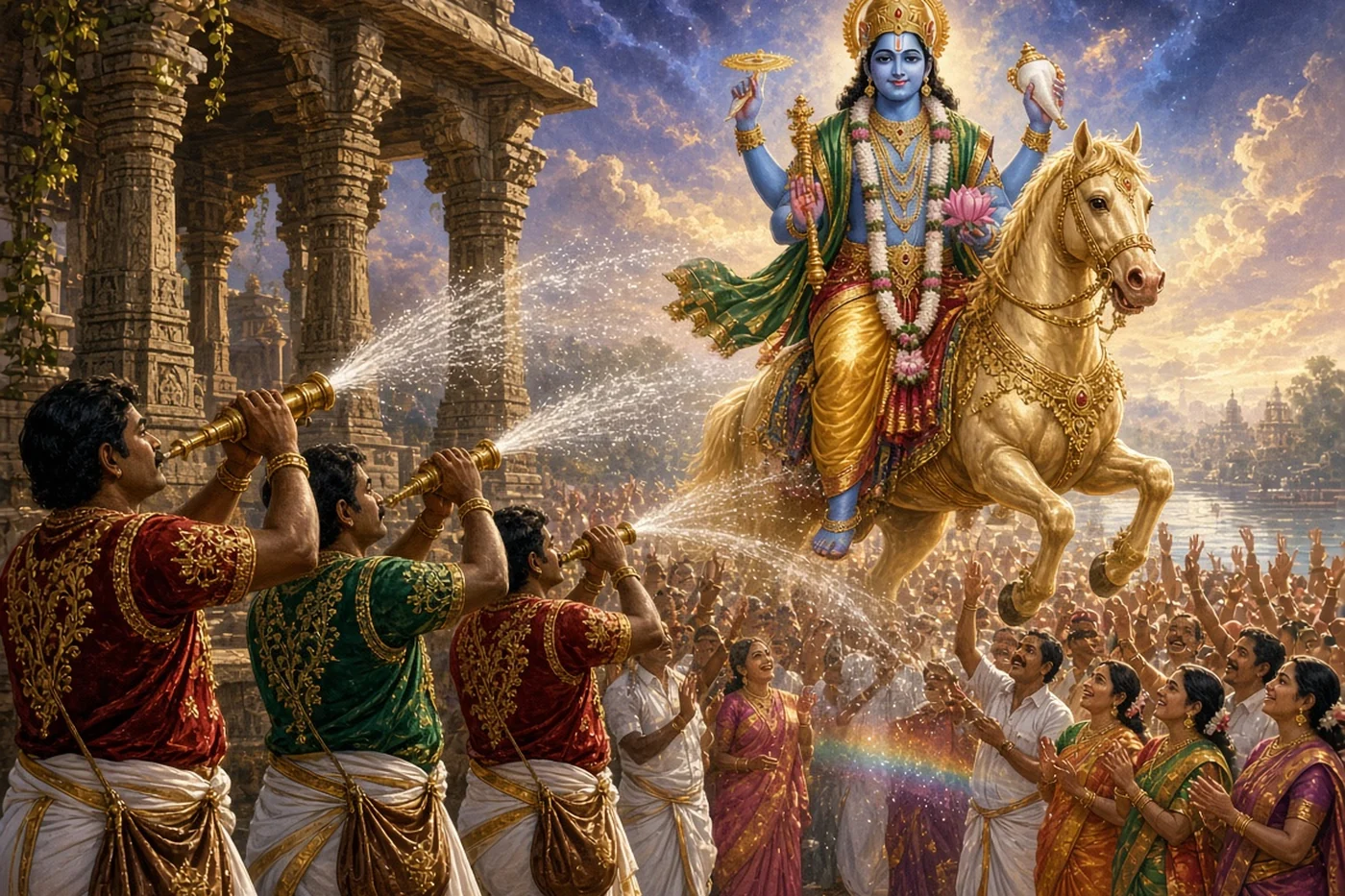
The god sleeps that night at Veeraraghava Perumal's own temple in Vandiyur. Next day he goes out on the serpent and then on Garuda to the Thenur Mandapam there, built on the spot the rite was moved to, and frees the frog sage once more; that night, back at Ramarayar Mandapam, he shows the ten forms until Mohini at dawn. Then the Anantharayar palanquin, the flower palanquin, and two days on the road home to the hill.