As the parchas and Runicha tell it
West India · Pokaran, Dwarka and Runicha · 3 min read
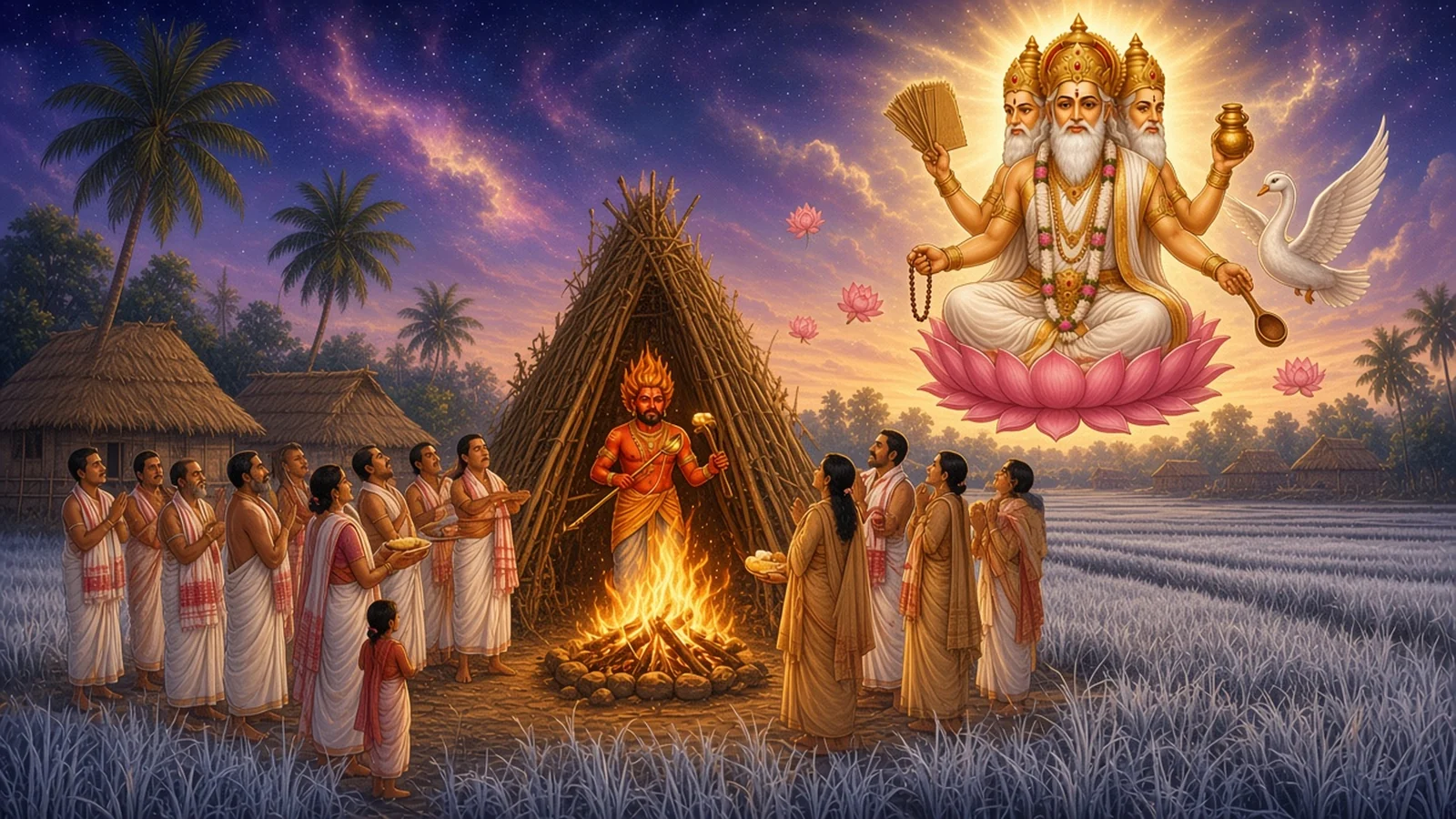
In the country round Pokaran, where the sand runs on to the sky, the people had two troubles in the days of Ajmal Tanwar. A demon called Bhairav came out of the hills at night and took whoever he found on the road. And their chief had no son.
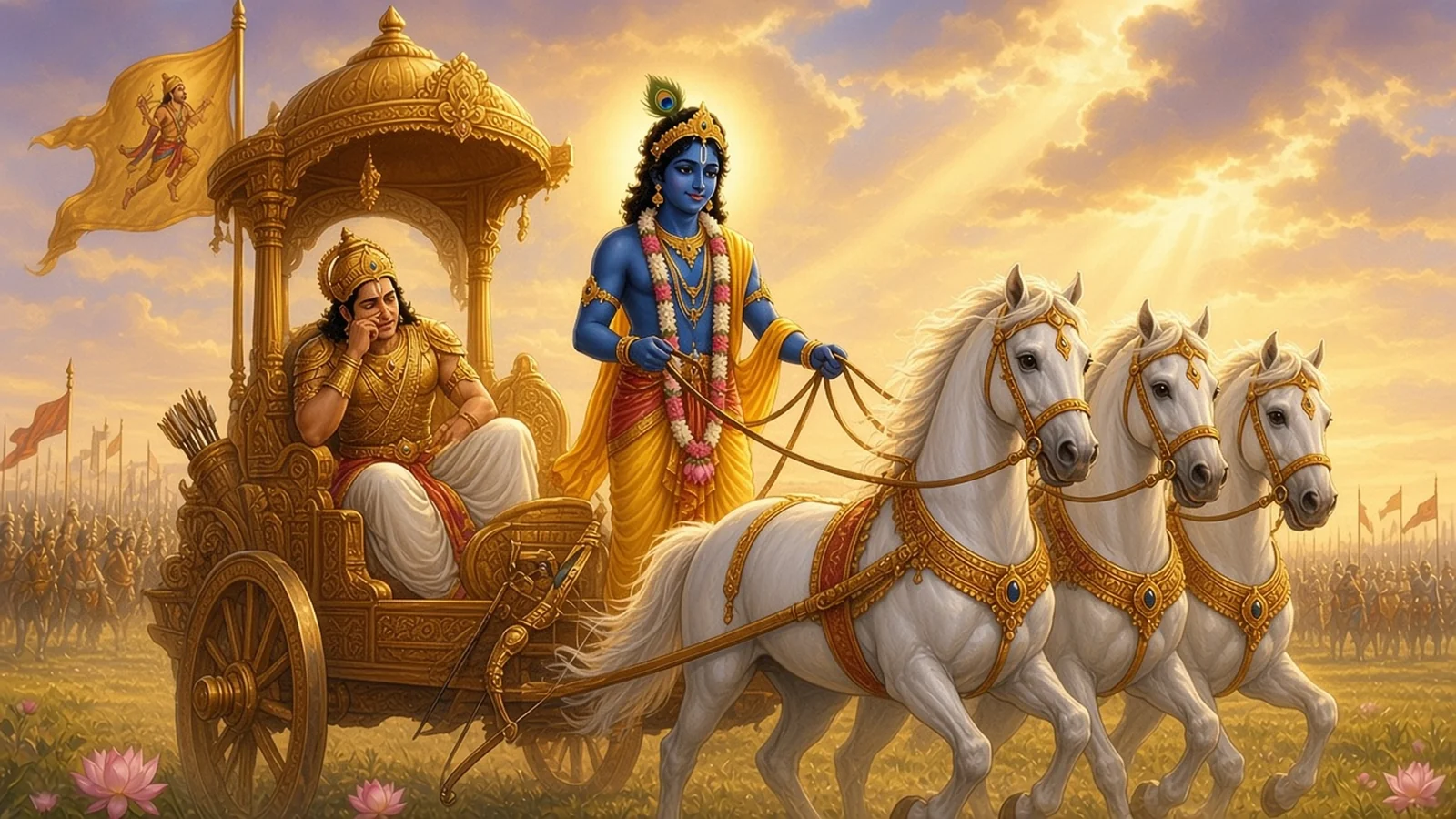
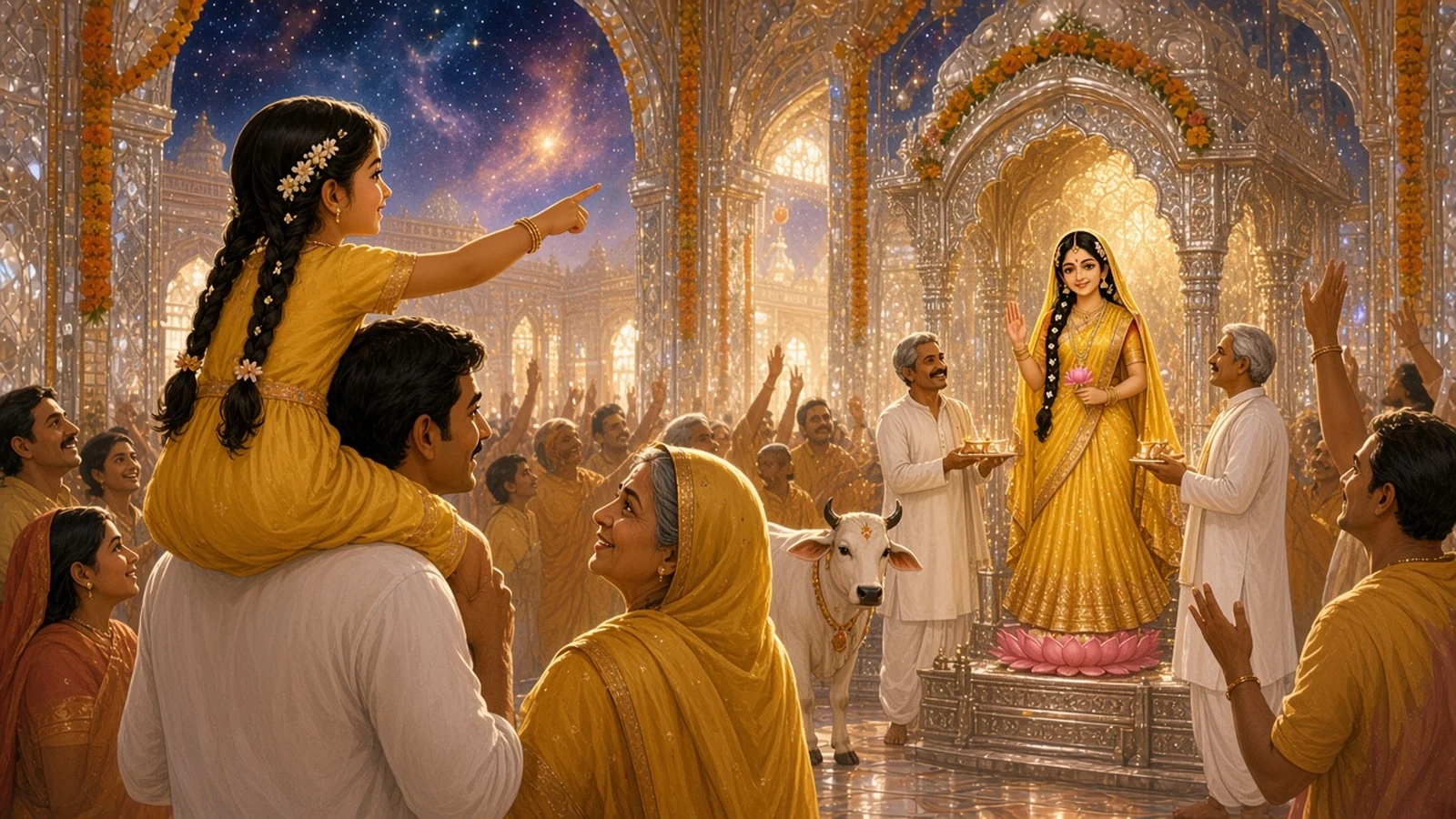
Ajmal fed holy men, gave away grain and prayed every day to Krishna, the lord of Dwarka. At last he made the long journey to the god's own temple by the western sea, and stood before the image, and asked for a son. The image said nothing. He asked again. Nothing. In his grief he threw the dry laddu he had brought as an offering, and it struck the god on the head.
"This man is mad," said the priest. "If he wants an answer, let him ask the god in old Dwarka, the city under the sea."
So Ajmal walked into the sea and went down. Under the water, the tellers say, he found Krishna himself, who wiped the tears from his face.
"Ask," said the god.
"A son," said Ajmal. "And an end to Bhairav."
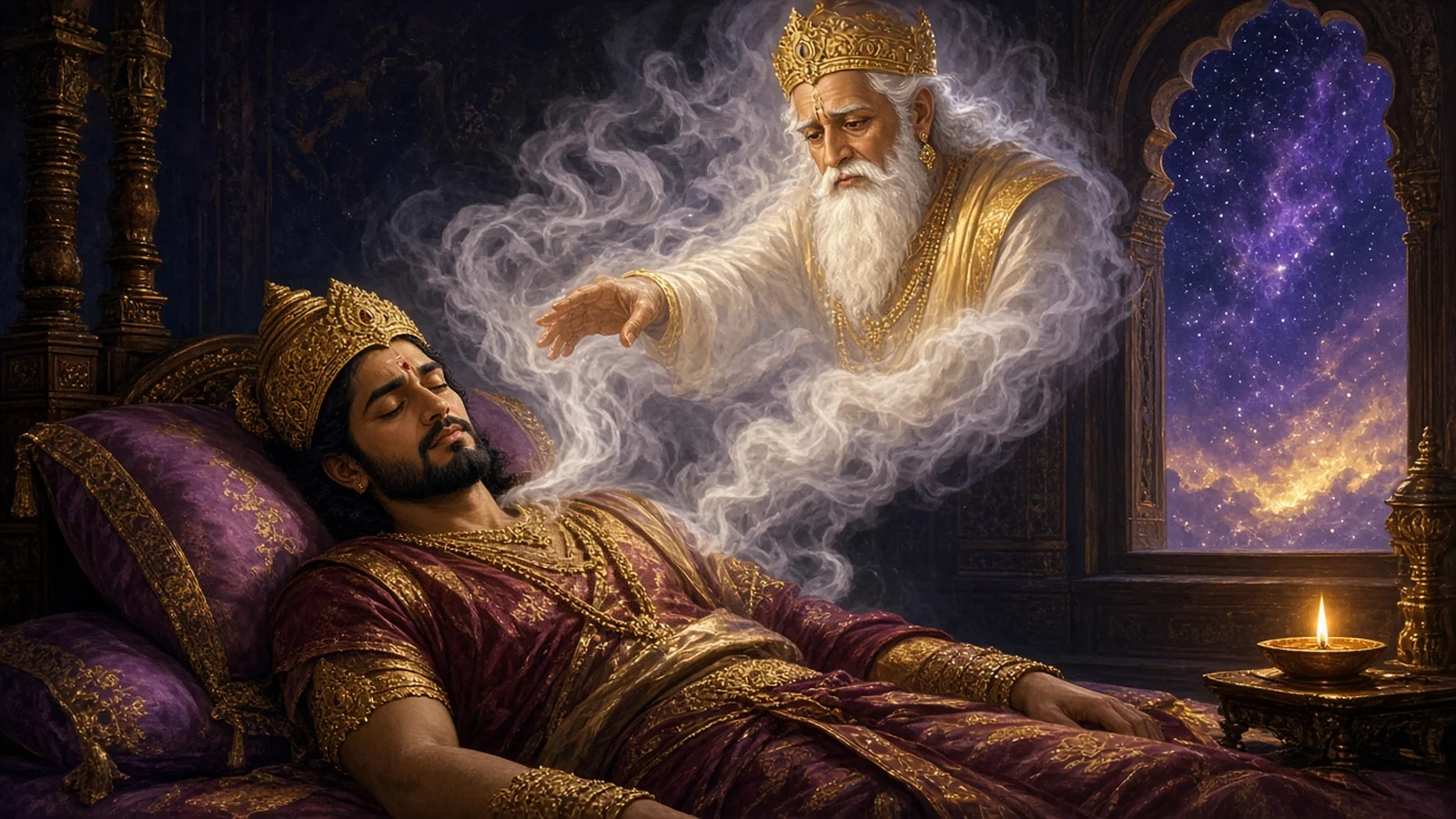
"You will have two sons. Name the first Viramdev. The second will be me. When I come, the temple bells will ring with no hand on the rope, the water in your house will turn to milk, and there will be footprints of kumkum from your gate to the place where I am."
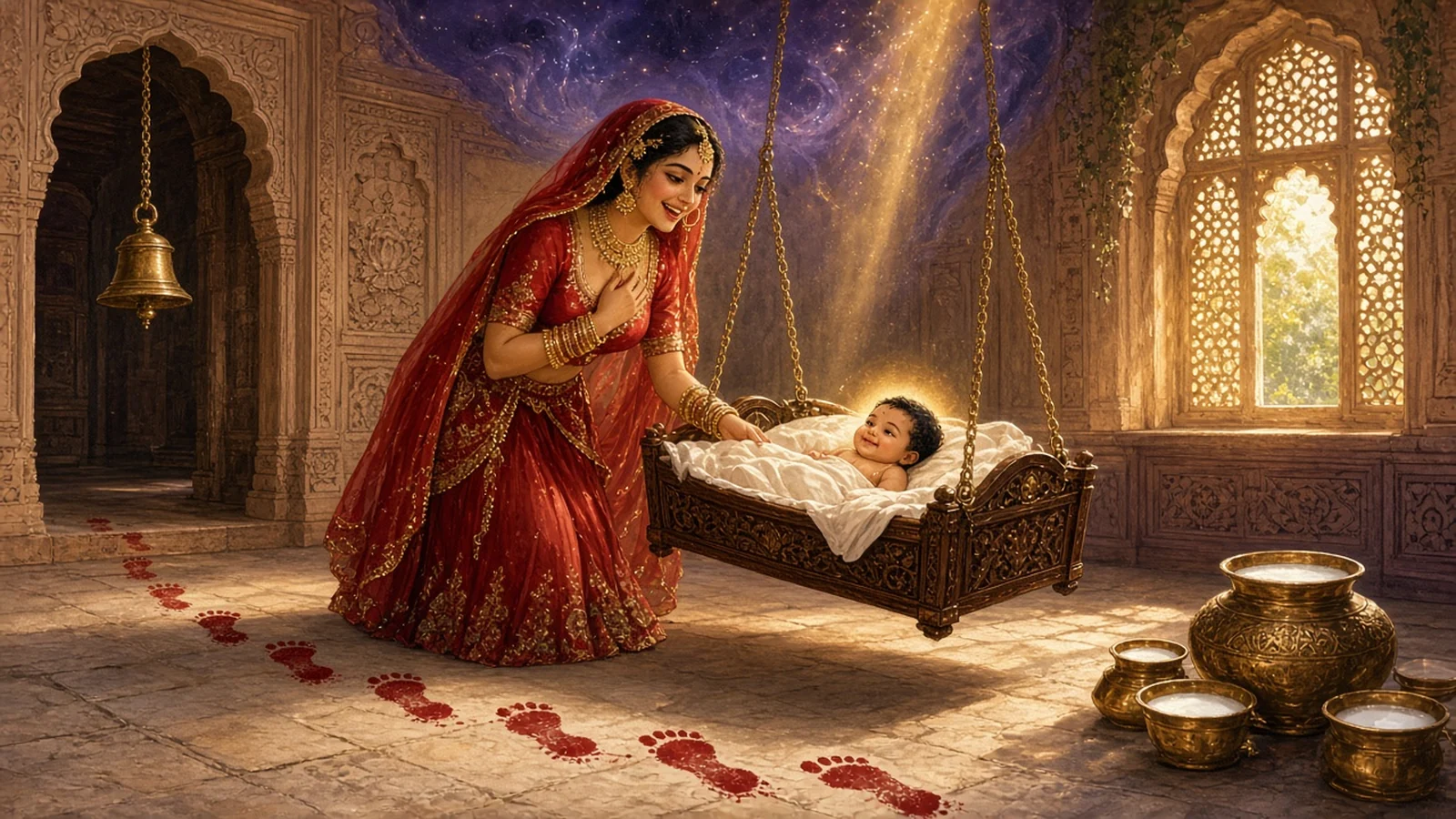
Viramdev was born, and grew. Then one morning every bell in Pokaran rang at once. The water jars in the palace stood full of milk. The queen, Minaldevi, saw small red footprints on the floor, followed them from the gate through the rooms, and found a second baby lying in the cradle. They named him Ramdev.
Once, while she sat nursing him, the milk on the fire rose to boil over. The child put out his hand towards the pot, and the milk sank back.
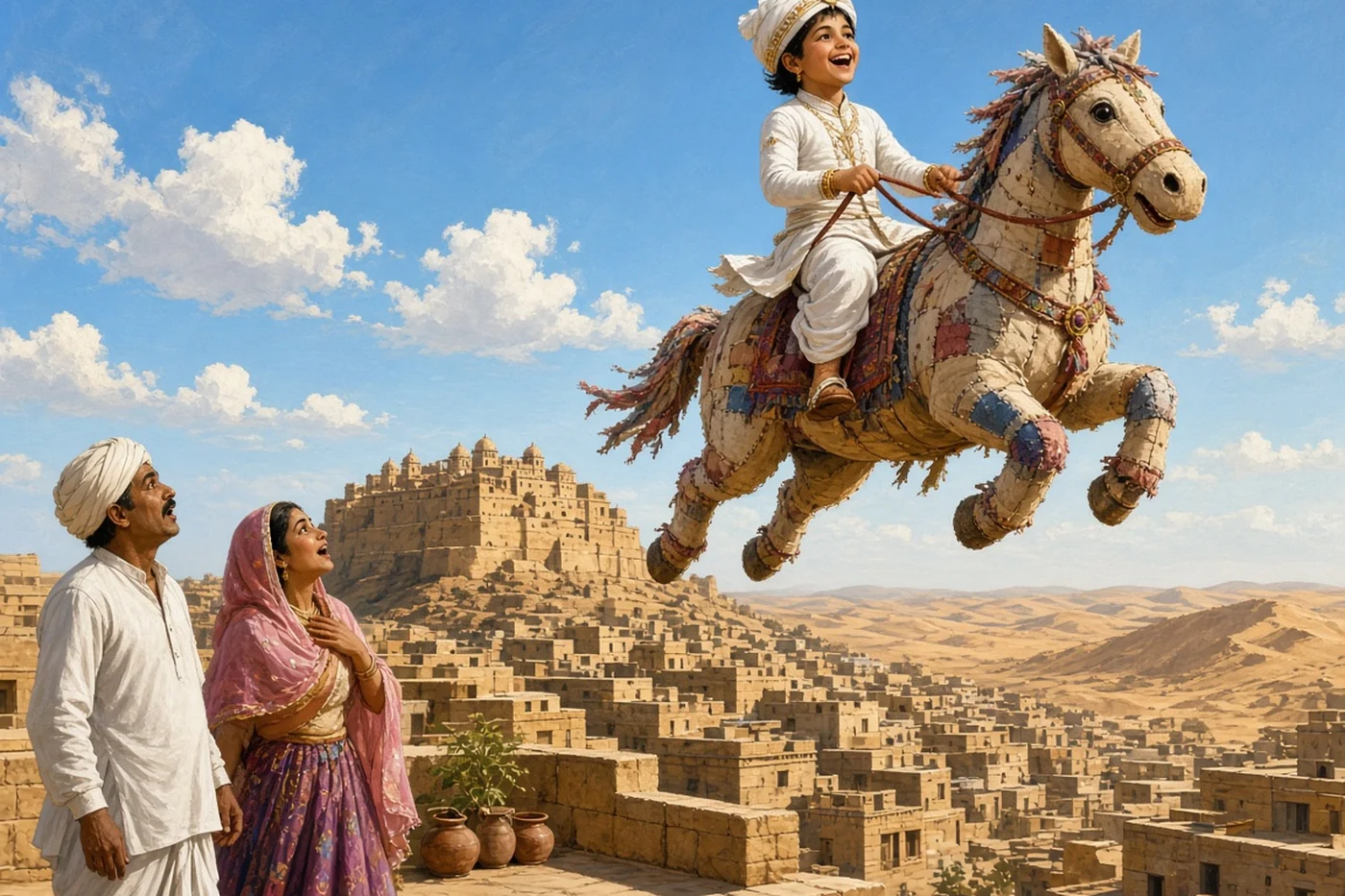
When he was a little older he wanted a horse. Ajmal gave a tailor fine new cloth to make him one. "Keep the good cloth," the tailor's wife told her husband. "Stuff the horse with rags. A child will never know." The boy climbed onto the rag horse, and it rose off the ground and carried him over the roofs and out of sight. The tailor was thrown into prison and confessed, and when the boy came riding down out of the sky he had the man set free.
One evening he threw a ball so far that it went over the dunes towards Satalmer, and he went after it until the dark came down. In a hut among the rocks sat the hermit Balinath. "Go home, child," said the hermit. "Bhairav walks here at night." The boy asked to stay, and Balinath hid him under his patched quilt.
At midnight Bhairav came. "I smell a man," he said, and pulled at the quilt. It came away in his hands, and more of it, and more, and there was no end to it. Balinath understood then whom he was hiding. Most tellers say the boy rose and killed the demon in the hills; the parchas say Bhairav begged for his life and was given the first share of every offering instead. Either way the road was safe, and Ajmal's people settled at Runicha.
Five pirs came from Mecca to see whether this Rajput was what people said. He asked them to eat. "We eat only from our own bowls," they said, "and those are in Mecca." He held out his hand, and their own bowls were set before them. They called him Ramshah Pir, and stayed, and their tombs are at Runicha still.
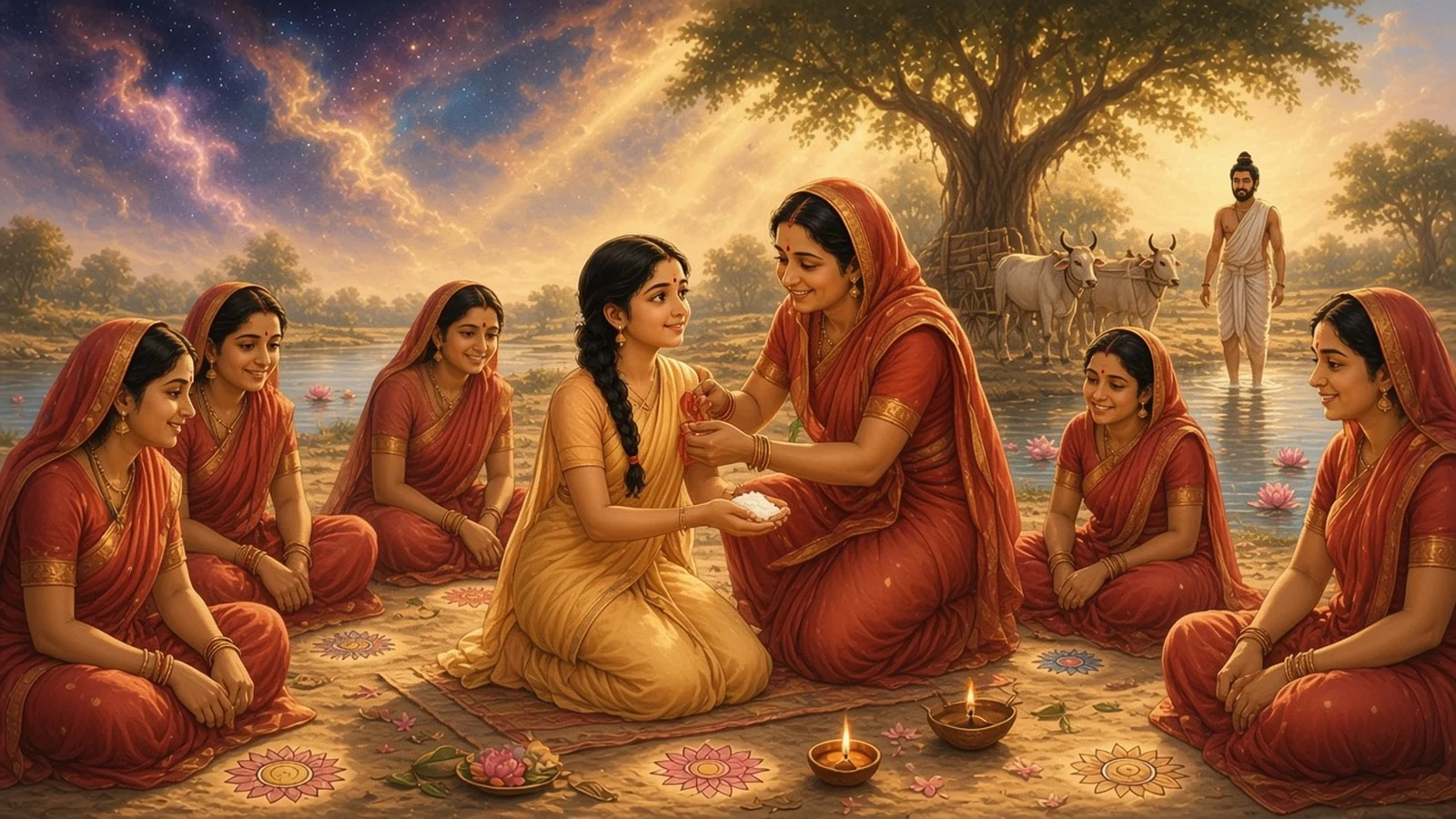
He took a Meghwal girl, Dali, for his sister, sat and ate with the people the villages kept outside, and dug Ram Sarovar for a thirsty country. At thirty-three he called a fair from the Beej of Bhadrapada, asking saints of every faith to come, and told them he would go into the earth alive. Dali Bai went first. On the bright Ekadashi he sat down in his own samadhi by the tank, and the earth was closed over him.
As the Meghwals and the scholars read him
Marwar, Gujarat and Sindh · the rikhiyas, the historians and the Satpanth · 2 min read
Everyone who comes to Runicha agrees on where he lies. Almost everything else about Ramdev is told in more than one way, and the people who keep him best are not the people his story starts with.
In Rajasthan he is the chosen god of the Meghwals, a Dalit community of the western desert, and his devotees among them are called rikhiyas. Bhanwar Meghwanshi, a writer whose family served as purohits at a Ramdev temple for five generations, sets out three accounts of his birth. In the first, sung in many of the banis and legends, he is Krishna born to Ajmal. In the second, drawn from bardic chronicles and inscriptions, he is a Tanwar Kshatriya, the son of Ajmal and Mainadi. In the third, a Dalit tradition kept in the bhats' registers and by word of mouth, his father was a rikhiya.
Meghwanshi reads him as a saint who stood against caste in the fourteenth century, and notes that his twenty-four banis survive most fully with the Meghwal and Kamad singers, whose versions keep words that others have dropped.
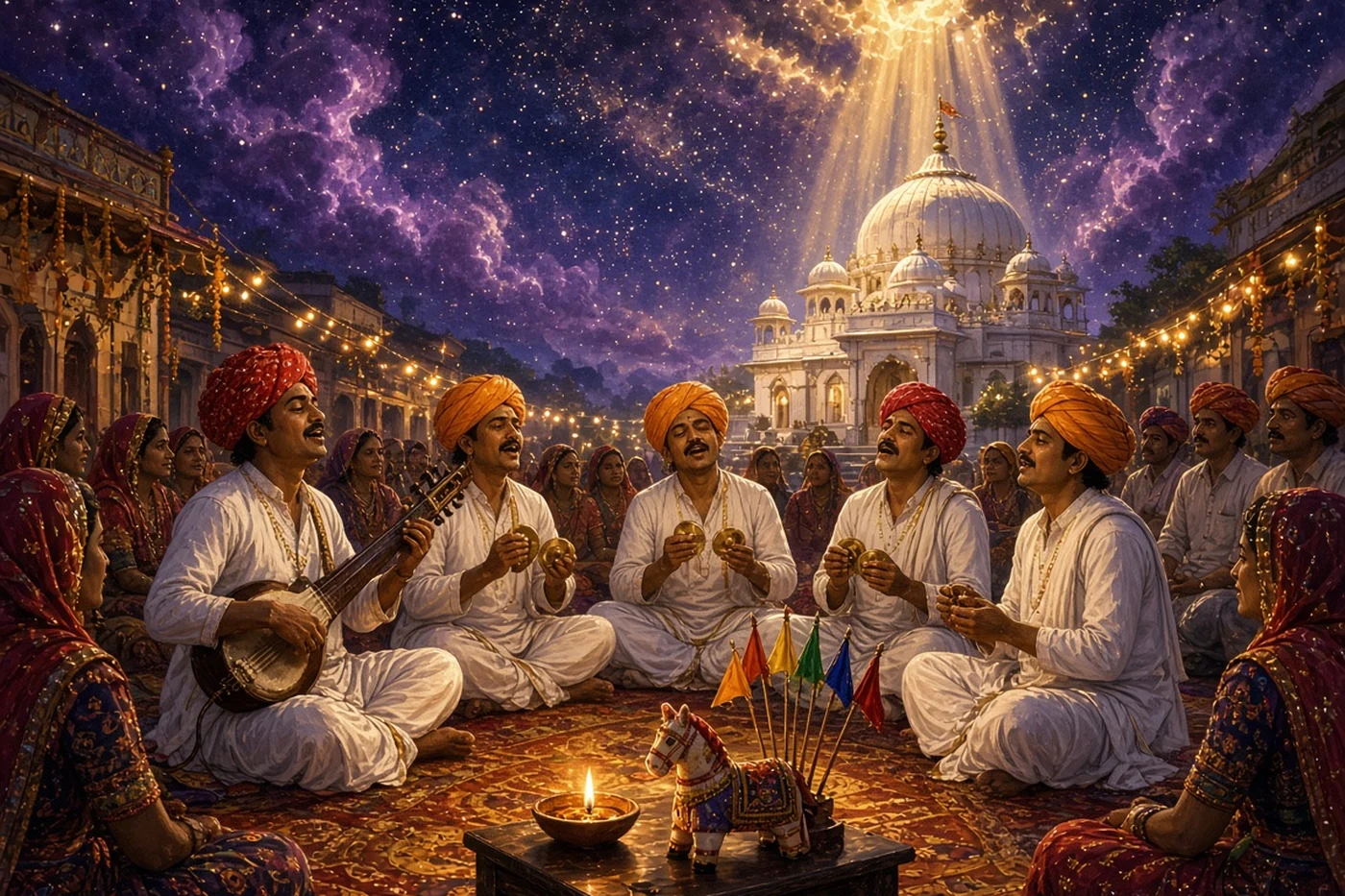
The scholar Dominique-Sila Khan read further. In a study of 1997 she argued that the followers of Ramdev, like those of Jambha, Jasnath and Ai Mata, had been brought into the Satpanth, the Nizari Ismaili mission run from the Multan region, in the thirteenth and fourteenth centuries, and had drifted from it after its central authority faded, keeping traces in their words and rites. The historian Samira Sheikh, summing up that work, adds that most of Ramdev's lay followers know nothing of the connection, and that his story belongs with the heroic ballads the Satpanth carried across Sindh, Gujarat and Rajasthan.
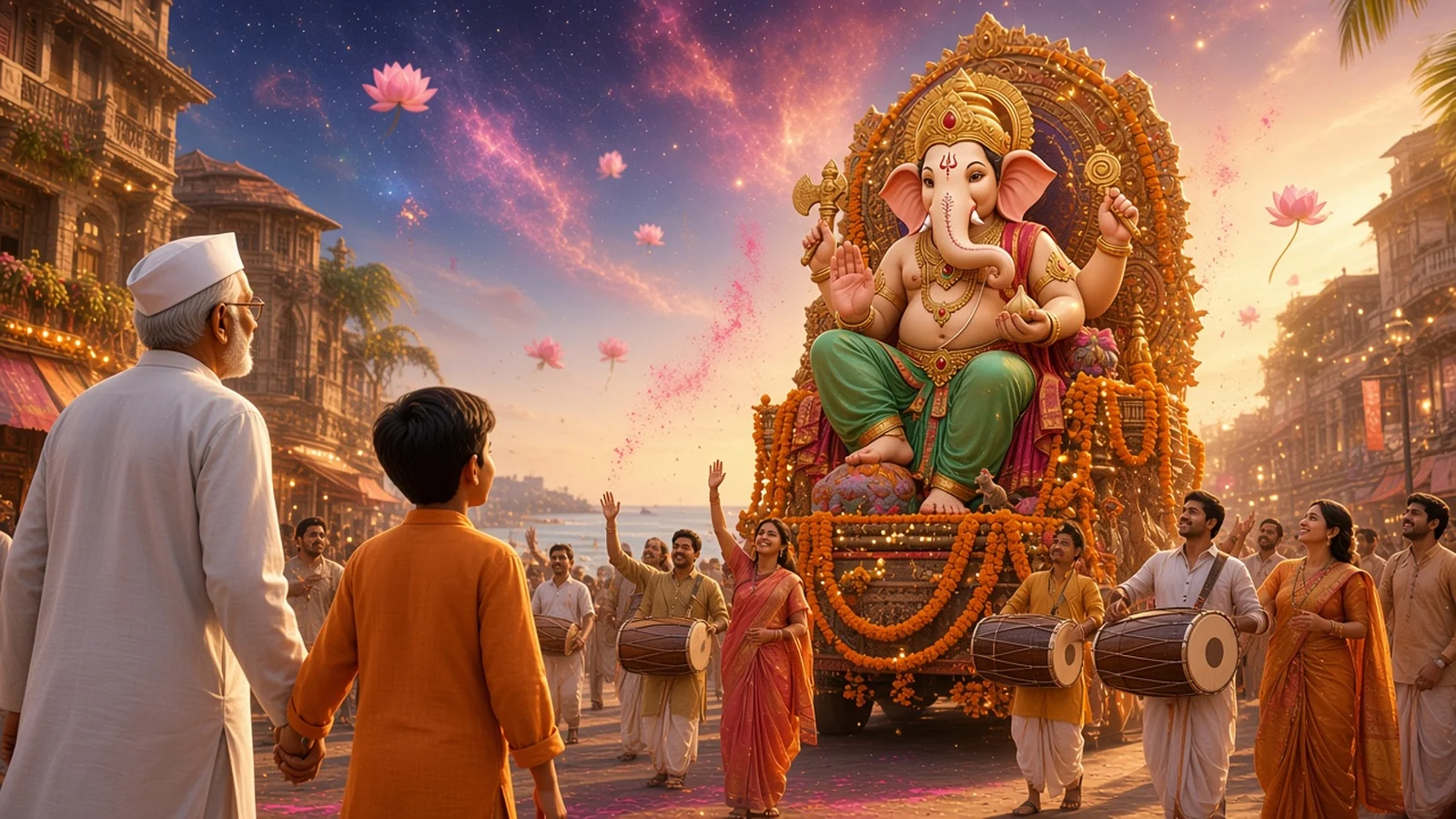
Muslims have their own name for him, Ramshah Pir, and come to Runicha as Hindus do. In Sindh the Rama Pir temple at Tando Allahyar holds the second largest Hindu pilgrimage in Pakistan, lit by a lamp brought from Runicha.
The dates move with the teller. Wikipedia gives his samadhi as 1385, and other accounts as 1458 or 1459; most devotees keep his birthday on the second of bright Bhadrapada, and Wikipedia names a day in Chaitra instead. None of these readings is offered here as the true one.