As the Koyas tell it
Telangana · Medaram and the forests of Mulugu · 4 min read
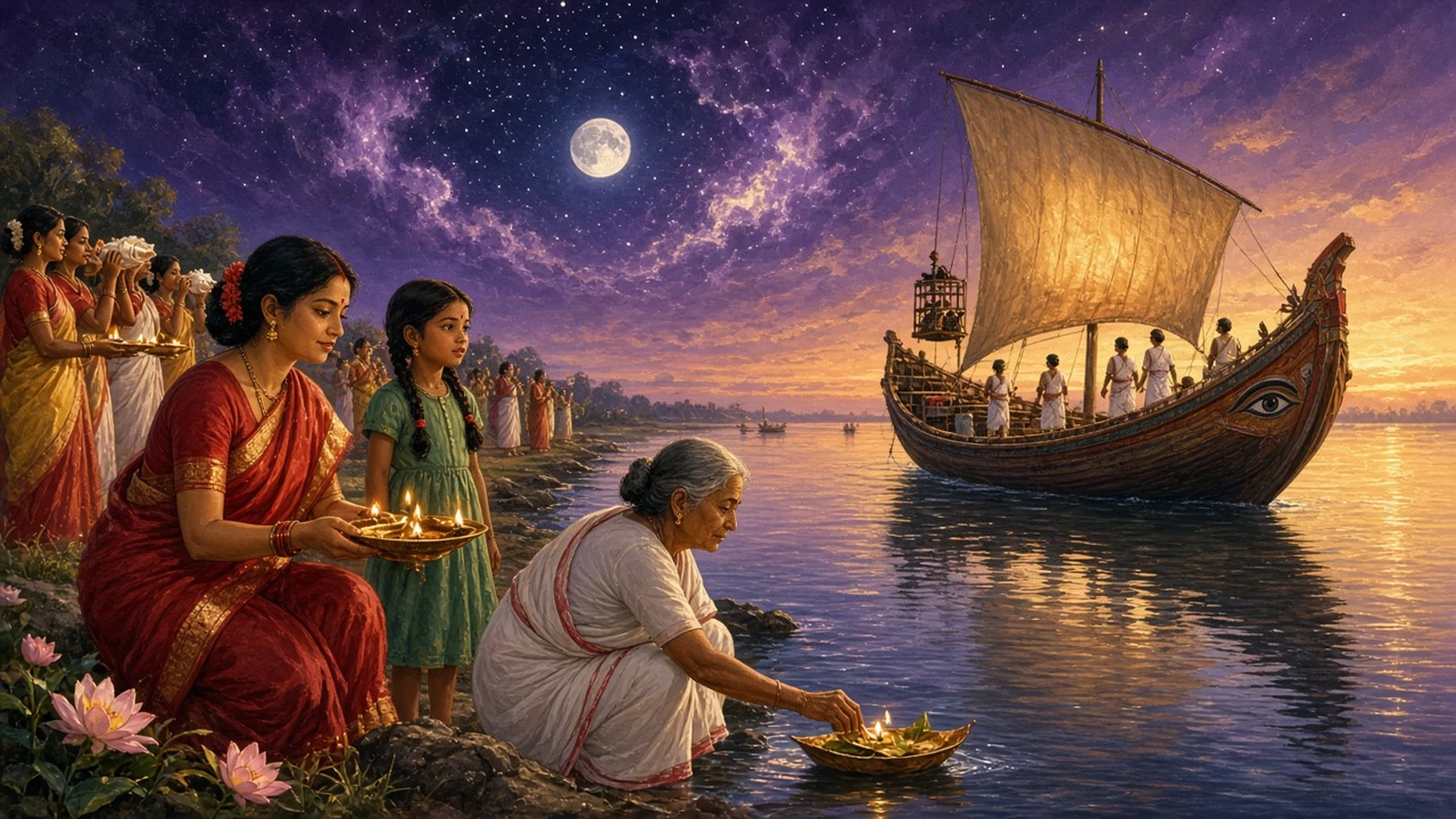
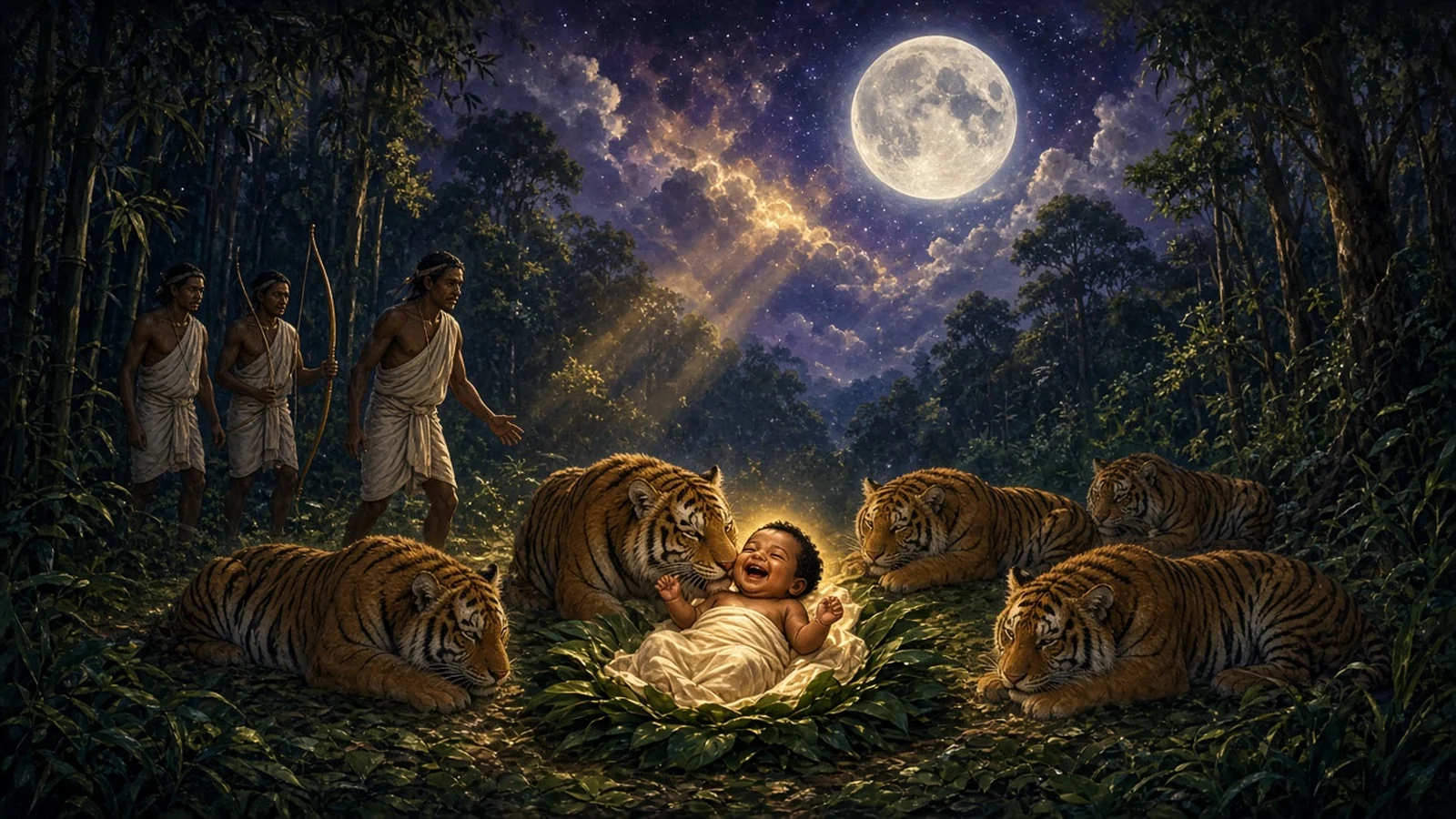
The Koya hunters were deep in the forest one night when the moon was full, and they heard a sound that did not belong there. A child was crying.
They went towards it with their bows ready, and stopped. In a clearing a newborn girl lay on the leaves, and round her, in a ring, lay tigers. They were not eating her. One of them licked her face, and the child stopped crying and laughed.
"Nobody goes closer," said the oldest hunter.
"She is a child," said the youngest. "If we leave her, the next thing that comes along will not be so gentle." He laid down his bow and walked into the ring. The tigers watched him and did not move. He picked the girl up and walked out, and when he looked back the clearing was empty.
They carried her home, and the chief of the Koyas took her from the hunter's arms and looked at her a long while. "The forest has given her to us," he said. "She is ours now." He named her Sammakka and raised her as his own.
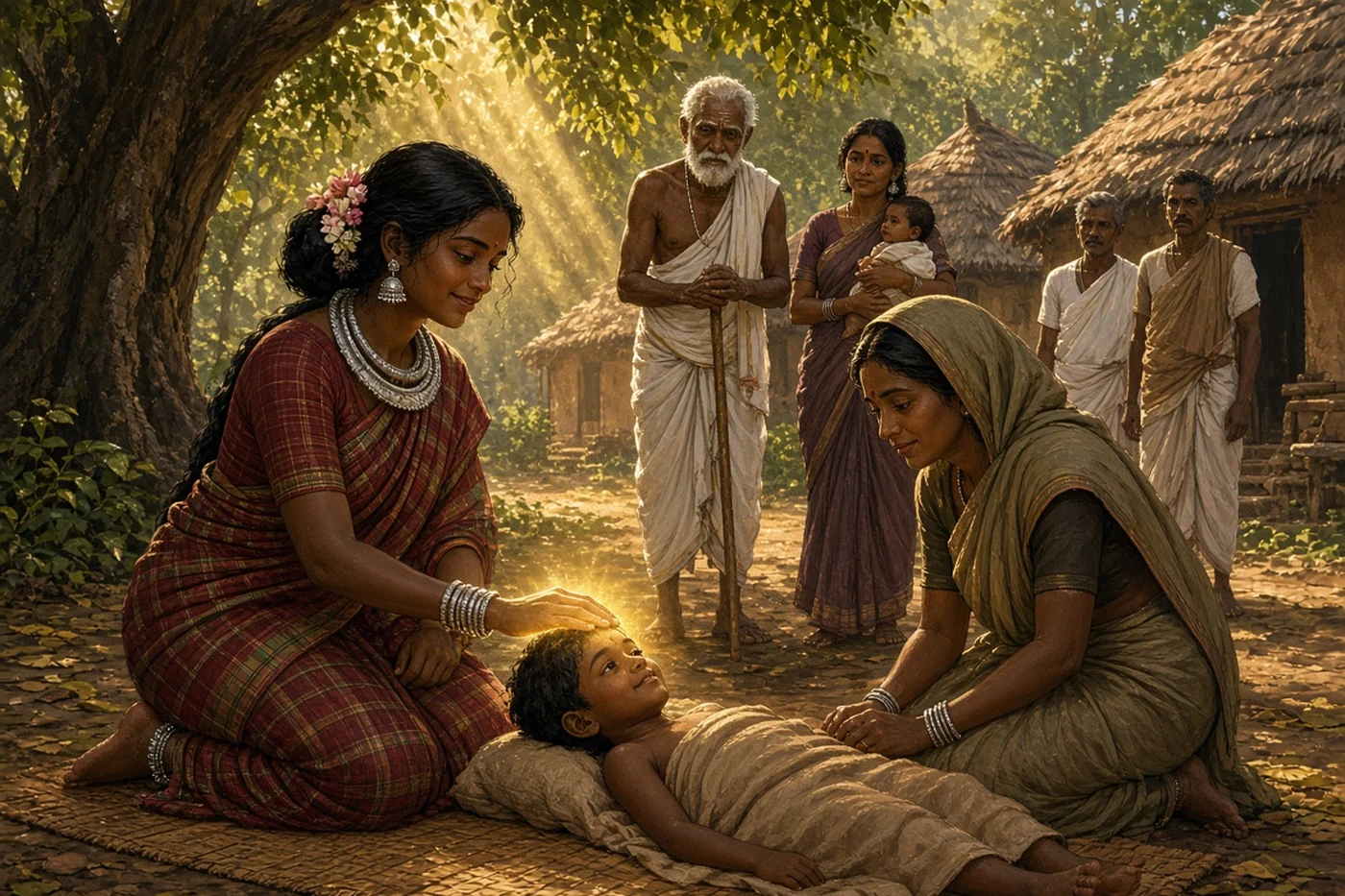
Sick people came to her and went home well, and the Koyas said the hills themselves had sent her. In time she married Pagididda Raju, the chief of Medaram, who sent his tribute every year to the Kakatiya king at Warangal. They had two daughters, Saralamma and Nagulamma, and a son, Jampanna, and Saralamma married Govinda Raju.
Then the rains stopped. One year, two years, and the Godavari shrank to a thread between its sandbanks and the millet stood dead in the fields. The children of Medaram ate roots. In that year the king's men came for the tribute.
"There is nothing," Pagididda Raju told them. "Look at the fields. Tell your king that when the rain comes, the tribute comes."
"The king does not wait for rain," said the officer.
"Then he waits for nothing," said Pagididda Raju, "for we will not pay a king with our children's food."
The officer rode away, and the army came behind him: horses, elephants, trained soldiers with iron on their bodies, against men with bows. They met at the stream that ran past Medaram, the Sampangi Vagu, and the Koyas fought as the forest fights, from the trees and the water, and fell one by one. Pagididda Raju fell. Govinda Raju fell beside him. Nagulamma fell, and Saralamma, fighting at the water's edge. Jampanna, wounded, went down into the stream, and his blood ran out until the water was red from bank to bank. It has been the Jampanna Vagu ever since, and it has never run clear.
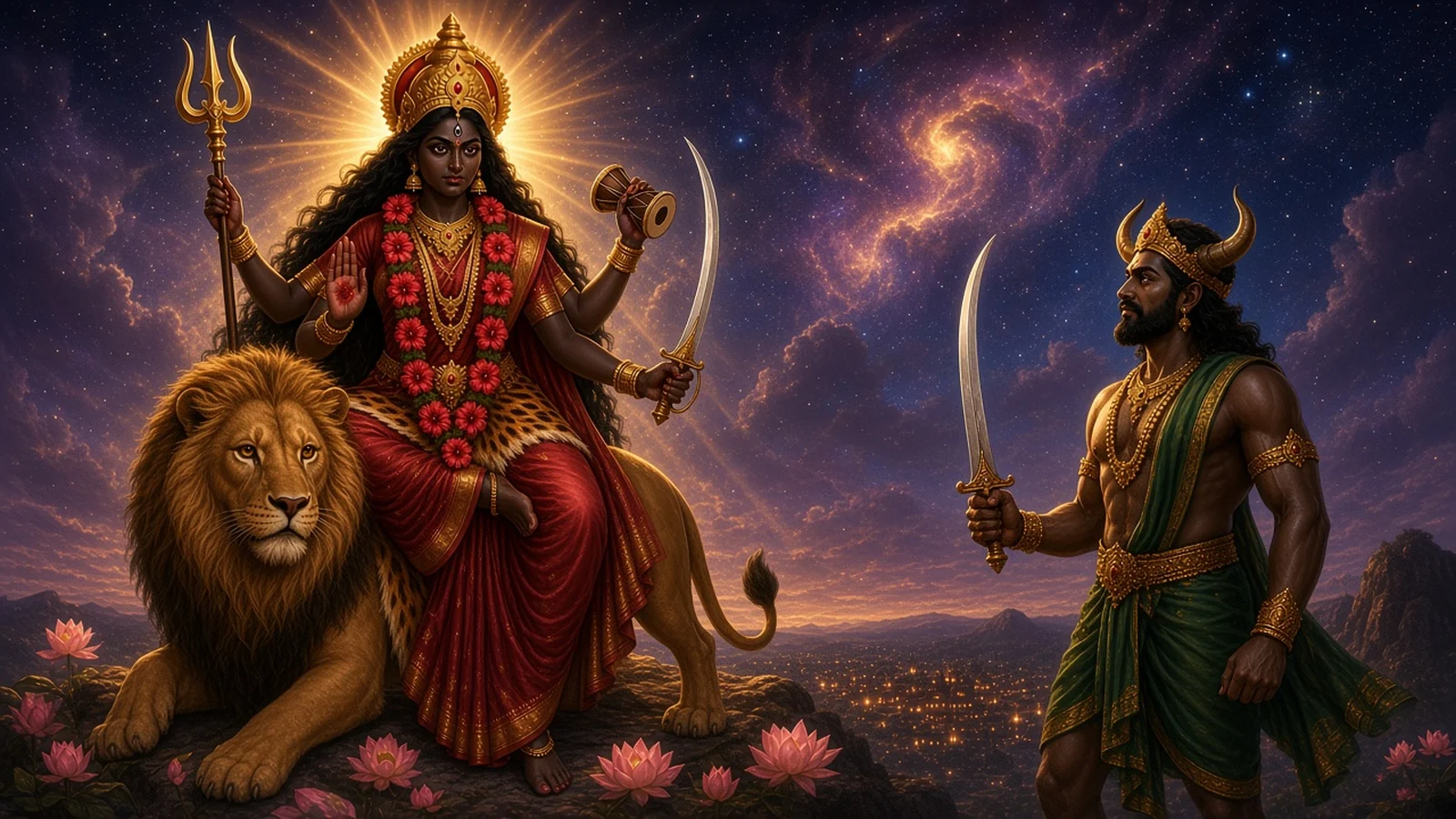
Sammakka heard, and took up a sword. The Koyas say she came down on the Kakatiya line like a tigress, and trained soldiers broke and ran before a woman of the forest. The king's minister came under a flag.
"The king offers peace," he said. "Lay down the sword, and you will sit beside him at Warangal as his first queen."
"I have a husband," said Sammakka, "and he is lying in that water. Go back and tell your king what I say now. The Kakatiyas will fall. Their line will end and their city will be taken, and nobody in these forests will remember their names except as the men who did this."
Then she was struck, and bleeding, and she turned from the field and walked into the trees towards the hill they call Chilakalagutta. The Koyas who could still walk followed her.
"Do not follow me," she said, without turning. "Remember me, and I will keep you. Forget me, and I am gone."
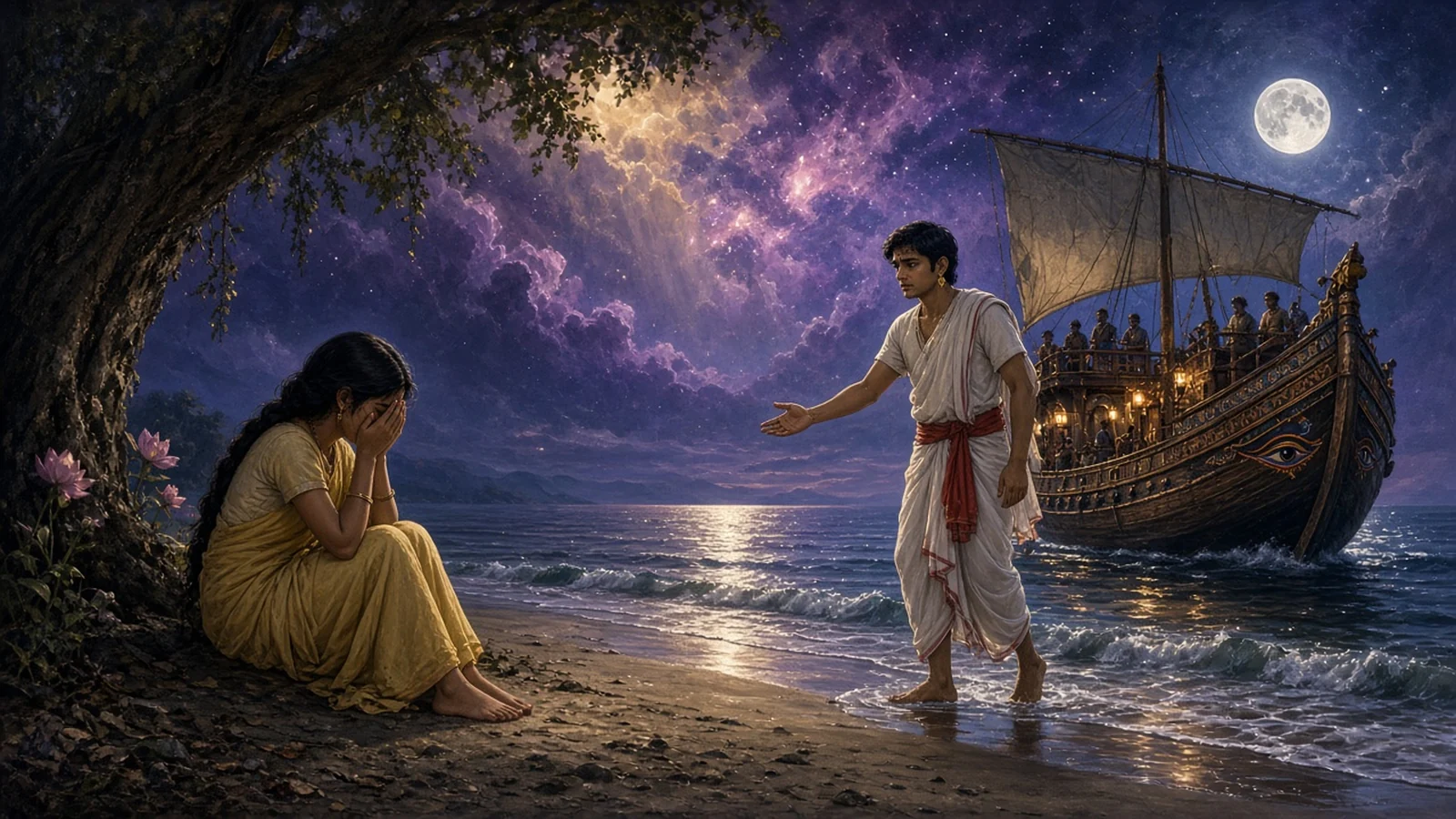
They lost her among the bamboo. When they came to the place where the hunters had found her as a child, there was nobody there. Under a tree lay a small box of vermilion, and her bangles, and in the earth the pug marks of a tigress going away into the forest.
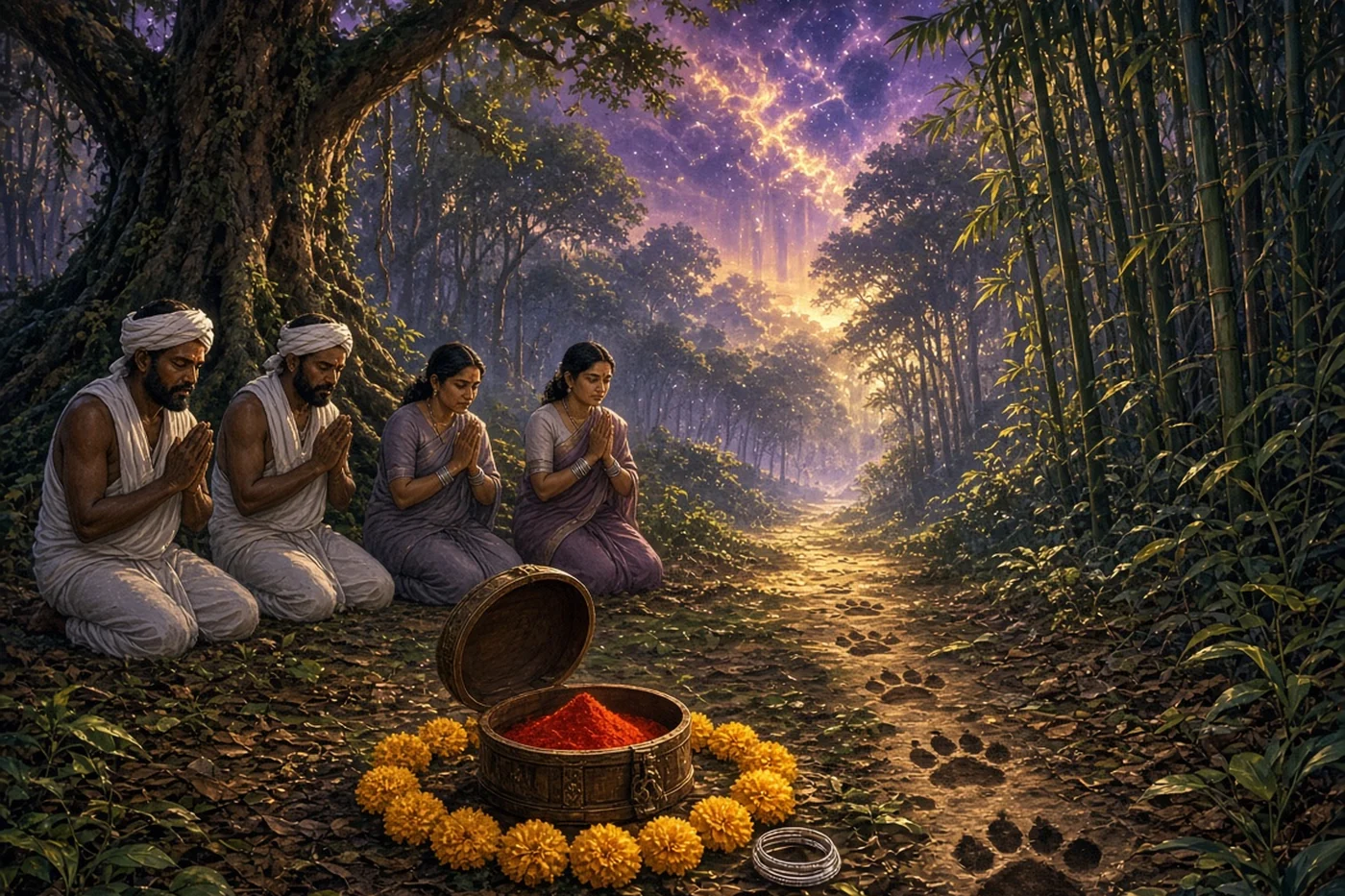
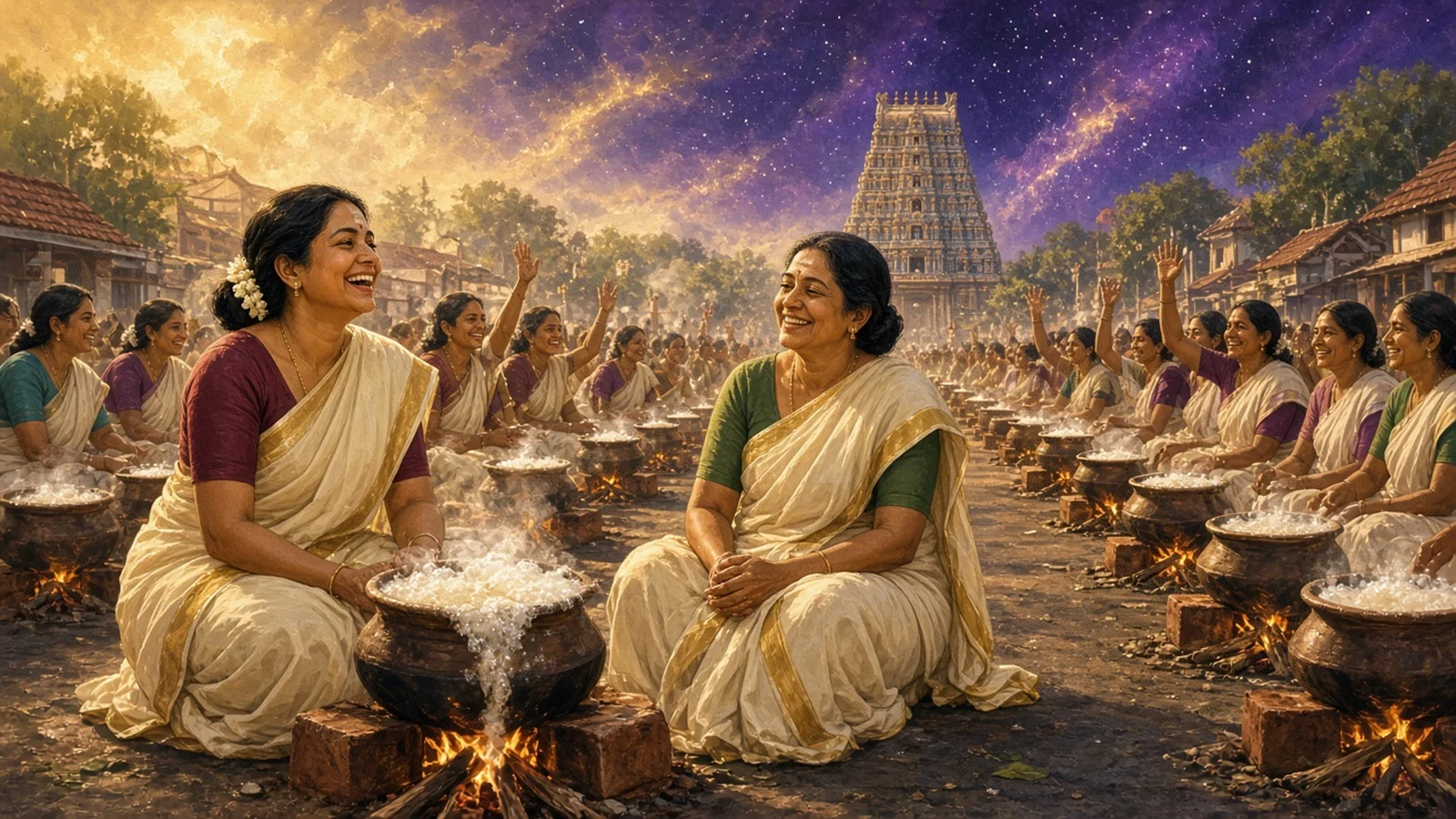
They did not open the box. They left it where it lay and buried their dead, and two years later, at the full moon of Magha, they came to the tree and found it still there. So every second year they bring her out of the forest and set her among her people for two days, and take her back.
As the histories and the state tell it
Warangal and Hyderabad · the museum, the historians and the Koya priests · 2 min read
The state's account, printed on its tourism pages and read out at the jatara, sets the story in the thirteenth century under the Kakatiyas of Warangal, and names the king: Prataparudra, grandson of the queen Rudrama Devi, who reigned from about 1289 until 1323, when the armies of the Delhi Sultan took Warangal and the dynasty ended. The Koyas say Sammakka's curse did that. The historians say the Tughluqs did, and that the king died on the banks of the Narmada on his way to Delhi as a captive. Some tellers add that the curse and the conquest are one event seen from two sides.
The state reads the jatara as the memory of a tribal rising: a forest chief who would not send tribute in a famine year, and a kingdom that sent soldiers to collect it. The retired professor Jayadheer Tirumala Rao, who spent years recording the Koya singers, is the source of the drought and the tax as the story is now told, and he calls it the Koyas' history, not the court's.
The court's history does not know it. At the tribal museum in Medaram the assistant curator, K. Ravi, will tell a visitor that there is no proof a war was fought, that the dates do not fit together, and that the jatara itself can be traced about five hundred years and no further. The museum's own board says less than the legend: that Meda Raju adopted the girl, that she gave her life to the Koyas, and that she asked to be taken back to Chilakalagutta.
Other tellers rearrange the family. In an account the news agencies carried in 2026, the king who withheld the tribute is Medaraju, Sammakka is his daughter and Saralamma her daughter, and Jampanna, hearing that all of them are dead, walks into the Sampenga Vagu and drowns himself. One writer puts the lost battle in 1159, which would make the king not Prataparudra but the earlier Kakatiya Rudra.
And the Koyas themselves do not all accept the story as the plains tell it. In January 2026 a priest at the Sammakka shrine, Chanda Gopal Rao, told a reporter that the popular legend had been put together by writers who were not Koya. In the Koya songs, he said, Sammakka was no queen and fought no Kakatiya king. She stood against exploitation by lords, doralu, whom the songs do not name. The Koyas do not object to the legend or to the millions it brings, he said. They want their own version to survive beside it.